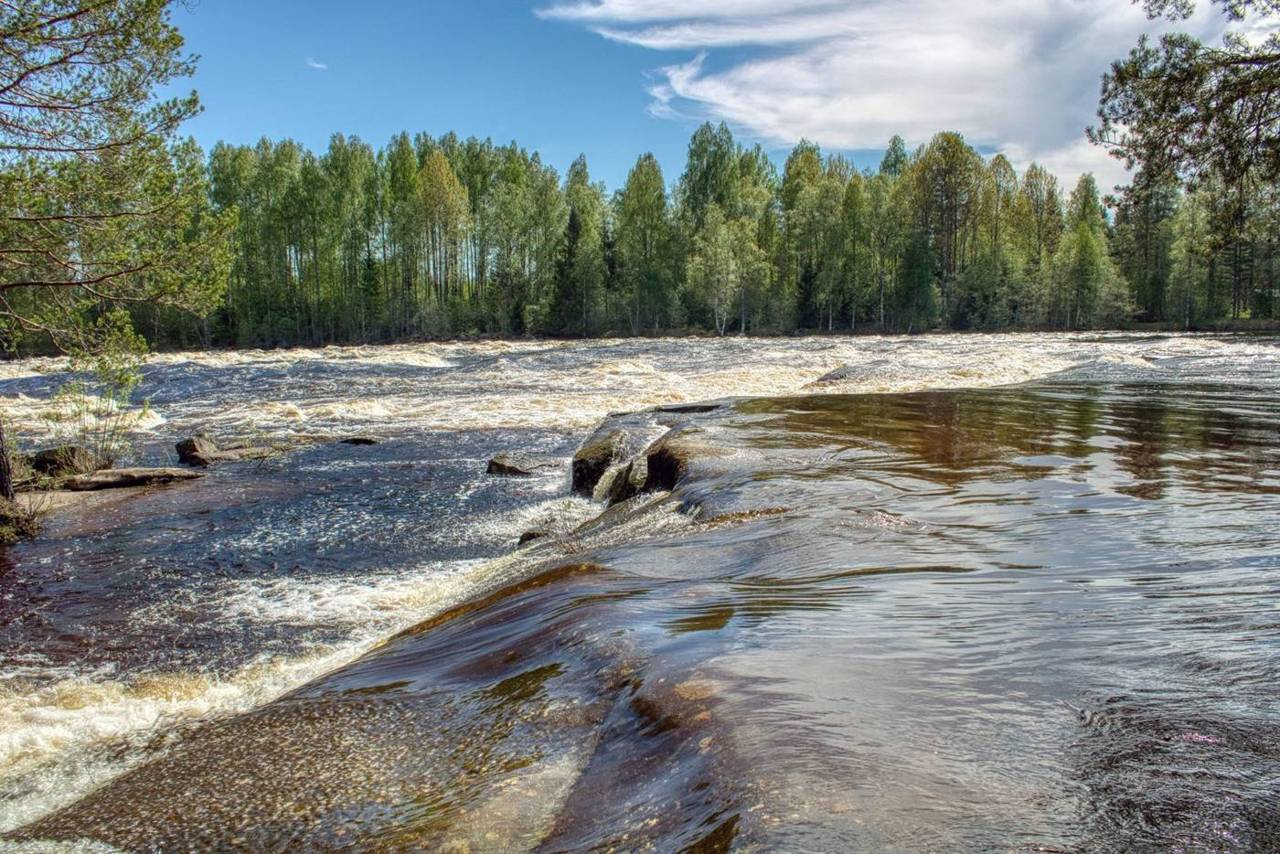
Dalarna and Lake Siljan
Sweden's folk heart: the wooden horses of Nusnäs, painter Carl Larsson's home, the UNESCO Falun mine and Midsummer on Lake Siljan.
- Falun
- Sundborn
- Rättvik
- Nusnäs
- Mora
- Tällberg
Day by day
- Day 1
The Falun copper mine
This trip takes you to Dalarna, the region of Swedish folklore, in the centre of the country. You start in Falun and its copper mine, visit the home of the painter Carl Larsson at Sundborn, then go round Lake Siljan through Rättvik, Tällberg, Nusnäs and Mora, before returning to Stockholm by train.
Before you go: Italian citizens can enter Sweden with a valid electronic identity card or passport, without a visa. Other nationalities should check their own rules. Sweden has reintroduced border checks: always carry your document. You pay almost only by card, even for a coffee. In summer the meadows around the lakes have ticks: check yourself in the evening.
From Stockholm you reach Falun by train in about three hours. The town grew up around the Great Copper Mountain, a mine worked for about a thousand years and now a UNESCO World Heritage Site. In the seventeenth century it produced a huge share of Europe's copper and paid for Sweden's wars when it was a great power.
Its symbol is Stora Stöten, a huge pit created when the tunnels collapsed in 1687. Look at it from the rim, then go down on the guided tour into the old underground passages, damp and cold, where miners worked by torchlight. Bring a jacket even in summer. Check prices and times.
The mine is also the source of Falu red, the paint that colours wooden houses all over Sweden. In the afternoon, stroll through the old districts of miners' houses, all red, around the centre.
Practical tip: in Dalarna a car is best, and you can hire one in Falun; trains and buses link the main towns, but with few departures.
- Day 2
Carl Larsson's house at Sundborn
Today you go to Sundborn, a small village about fifteen kilometres from Falun, on the banks of a river and a lake. Here is the home of the painter Carl Larsson and his wife Karin, an artist and textile designer.
At the end of the nineteenth century the couple turned a small wooden house into a home full of colour, with painted furniture, handmade textiles, decorated walls and bright rooms. Carl painted family life in watercolours that became very famous and have shaped the style of Swedish homes to this day. The interiors can only be seen on guided tours, which sell out quickly in summer: book ahead and check prices and times.
After the visit, walk around the village, with the red wooden church in whose churchyard Carl Larsson is buried, and the garden by the water. Then follow the country road through meadows, farms and red houses with white frames, the typical landscape of his paintings.
In the afternoon, continue north to Lake Siljan, about an hour's drive. The lake was formed by an ancient meteorite impact and is now the heart of Dalarna, with wooden villages on its shores.
In the evening, have dinner with the dishes of the region, such as thin flatbread, summer-farm cheese, lake fish and berry desserts.
Practical tip: photography is usually not allowed inside the house, so ask the guide; if you want to remember the rooms, look for a book of Carl Larsson's watercolours.
- Day 3
Rättvik, the pier on the lake and Tällberg
Today you are on the east shore of Lake Siljan. Start in Rättvik and its wooden pier, Långbryggan, more than six hundred metres long, which runs out into the lake. It was built at the end of the nineteenth century for the steamboats. Walking to the end over the calm water is a Dalarna classic, especially early in the morning.
Near the pier stands Rättvik church, white, with the wooden stables where farmers once left their horses during the service. Then climb the hill of Vidablick, with a viewing tower above the lake and the forests.
In the afternoon, reach Tällberg, a village of dark and red wooden houses on the hillside, with a wide view over the lake. The houses are traditional, with grass roofs and flowery courtyards. Wander the lanes and walk down to the shore for a swim, weather permitting.
Dalarna is where the Midsummer festival is felt most strongly. On the Friday closest to the solstice, at the end of June, every village raises its maypole, decorated with leaves and flowers, and people dance around it in traditional dress to fiddle music. If you are here at that time, look for the celebrations in Rättvik or Leksand.
Practical tip: at Midsummer the villages fill up and transport is reduced on the holiday itself; book accommodation and cars well in advance and bring something against mosquitoes for the evening.
- Day 4
Nusnäs and Mora with the Zorn museum
Today you move to the north shore of the lake. The first stop is Nusnäs, the village of the wooden horses, the symbol of Sweden. Here families have carved and hand-painted the red horses with their floral decoration for generations. Visit the workshops and watch the craftspeople at work: in a few hours you see how a piece of pine becomes a colourful horse.
Then go on to Mora, the main town on the lake. It is famous for the Vasaloppet, the great cross-country ski race of about ninety kilometres held every year in March, which finishes in Mora itself. Near the church stands the finishing arch.
The highlight of the visit is the museum of Anders Zorn, one of Sweden's most important painters, famous for his portraits and scenes of life in Dalarna. The museum shows many of his works and his collection. Next door is the house where he lived with his wife Emma, full of carved wood, which you visit with a guide. Check prices and times.
In the afternoon, stroll through the area of old wooden houses near the museum and along the lakefront, with its boats and views of the hills.
In the evening, in summer, take a boat trip on the Siljan or watch the sunset from the shore.
Practical tip: buy your horse directly from the workshops in Nusnäs, where you find every size and can watch it being painted; check the hours, which are shorter out of season.
- Day 5
Back to Stockholm by train
On the last day you return to Stockholm by train from Mora, a journey of about four hours along Lake Siljan, through forests and small villages, sometimes with a change at an intermediate station: check the times.
If you have a few hours before leaving, visit Leksand, on the south shore of the lake, with its white church with an onion dome and the Midsummer meadow by the shore. Or climb the hill of Gesundaberget, near the lake, for a last view over the Siljan.
In these five days you have seen the Falun copper mine and the Stora Stöten pit, Carl Larsson's colourful house at Sundborn, the long pier at Rättvik, the wooden village of Tällberg, the horse workshops of Nusnäs and the Anders Zorn museum in Mora.
When to go: from June to August, when guided tours and workshops have their longest hours and the lake is perfect for swimming. The Midsummer weekend, at the end of June, is the most famous time, but also the busiest. In September come autumn colours and calm. In winter Dalarna is a destination for cross-country skiing and the Vasaloppet in March.
Practical tip: if you travel at Midsummer, buy your train tickets in advance and check the timetable for the holiday, when services are reduced.
Postcard Sweden, with red houses and lakes. At Midsummer the villages fill up and transport is reduced on the holiday itself. A car is the better option.
Before you go
- Documents and visa
- EU citizens need a valid identity card or passport: Sweden is in the EU and the Schengen area. Sweden has reintroduced border checks, so carry your document on trains and ferries too. Other nationalities should check the Schengen rules and the Entry/Exit System.
- Health and vaccines
- Excellent healthcare. EU citizens should bring their EHIC, plus insurance covering medical costs and repatriation. In summer, meadows and woods may have ticks that carry Lyme disease and tick-borne encephalitis, especially around Stockholm, the archipelago and Lake Mälaren: ask your doctor about the vaccine. In summer in the north, bring mosquito repellent. Emergencies: 112.
- Money and payments
- Swedish krona. Cards are accepted almost everywhere, even for tiny amounts, and many shops, buses and public toilets do not take cash. Sweden is expensive, especially in the cities and the mountains.
- Power sockets
- Types C and F, 230 volts.
- Time zone
- Central European Time (UTC+1, summer UTC+2).
- Safety
- The national terrorism threat level is raised. Some suburbs of Stockholm, Malmö and Gothenburg are affected by organised crime; in Stockholm theft is common in bars and on public transport. Bags may be banned at large concerts, festivals and sports events. The drink-drive limit is very low and headlights must be on during the day. Official advice: GOV.UK.
Information checked in November 2026 for Italian and EU citizens. Rules change: always check before you travel.
Variations
In 3 days: Falun and a day around Lake Siljan.
In 8 days: add the mountains of northern Dalarna, with Idre and Fulufjället National Park, and the Njupeskär waterfall.
Frequently asked questions
Can I do the trip without a car?
Yes, but it is slower. Trains link Stockholm with Falun, Rättvik, Leksand and Mora. For Sundborn, Tällberg and Nusnäs you need local buses or taxis, with few departures.
When is Midsummer celebrated?
The Friday between 19 and 25 June is Midsummer Eve, the real day of the festival. In the villages around the Siljan the maypole is raised and people dance to traditional music.
Can I visit the Falun mine all year?
Yes, but the hours and number of tours change with the seasons. In summer there are more tours, including tours in English. Check prices and times on the official website.
Indicative itinerary written by World Atlas. Before booking, check timetables, seasonal openings, documents and safety.
 5 daysEasy
Skåne and Österlen
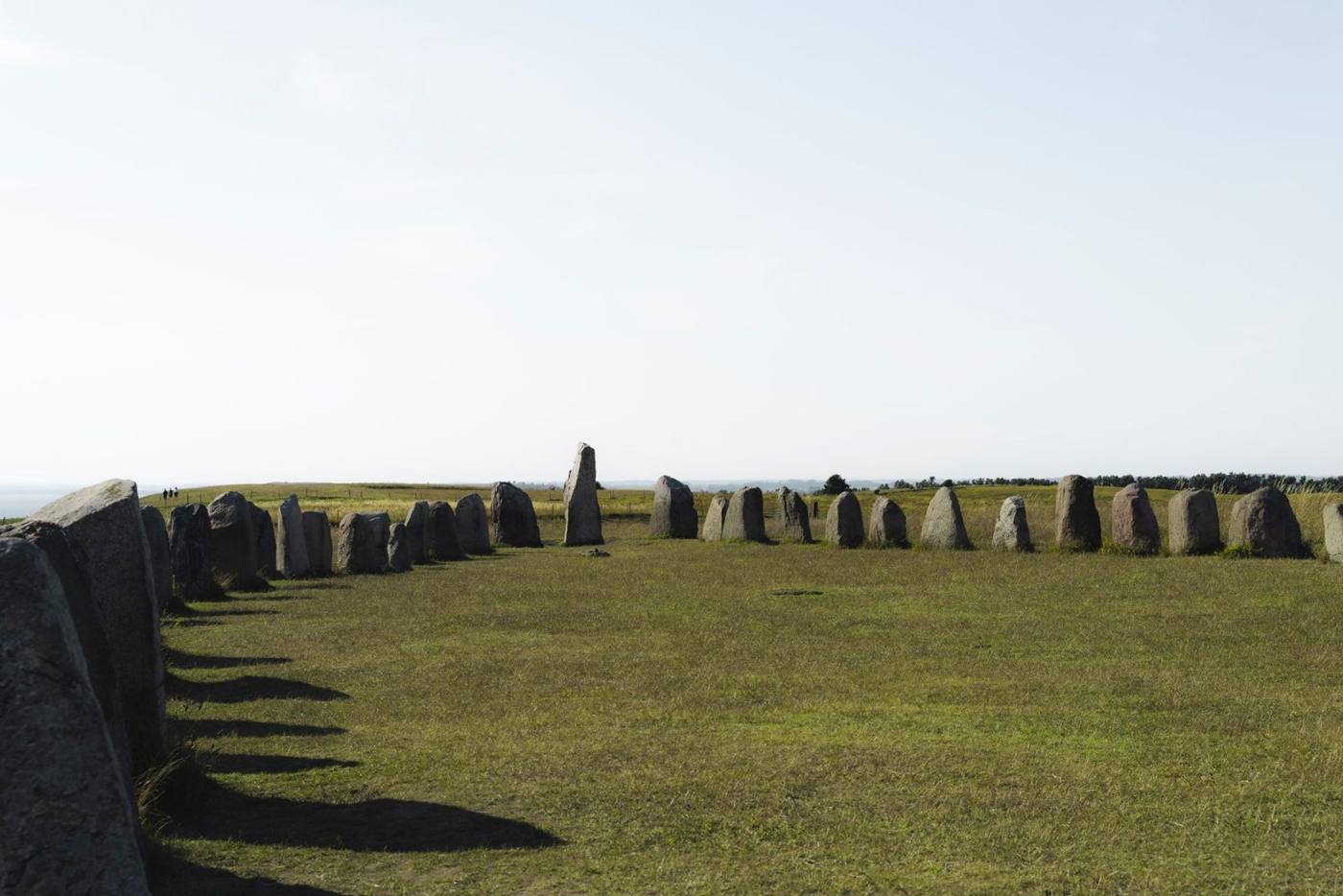
Malmö and the Øresund bridge, Lund, the Österlen coast with the Ales Stenar stones, Ystad of Inspector Wallander and the orchards of Kivik.
 5 daysModerate
The High Coast
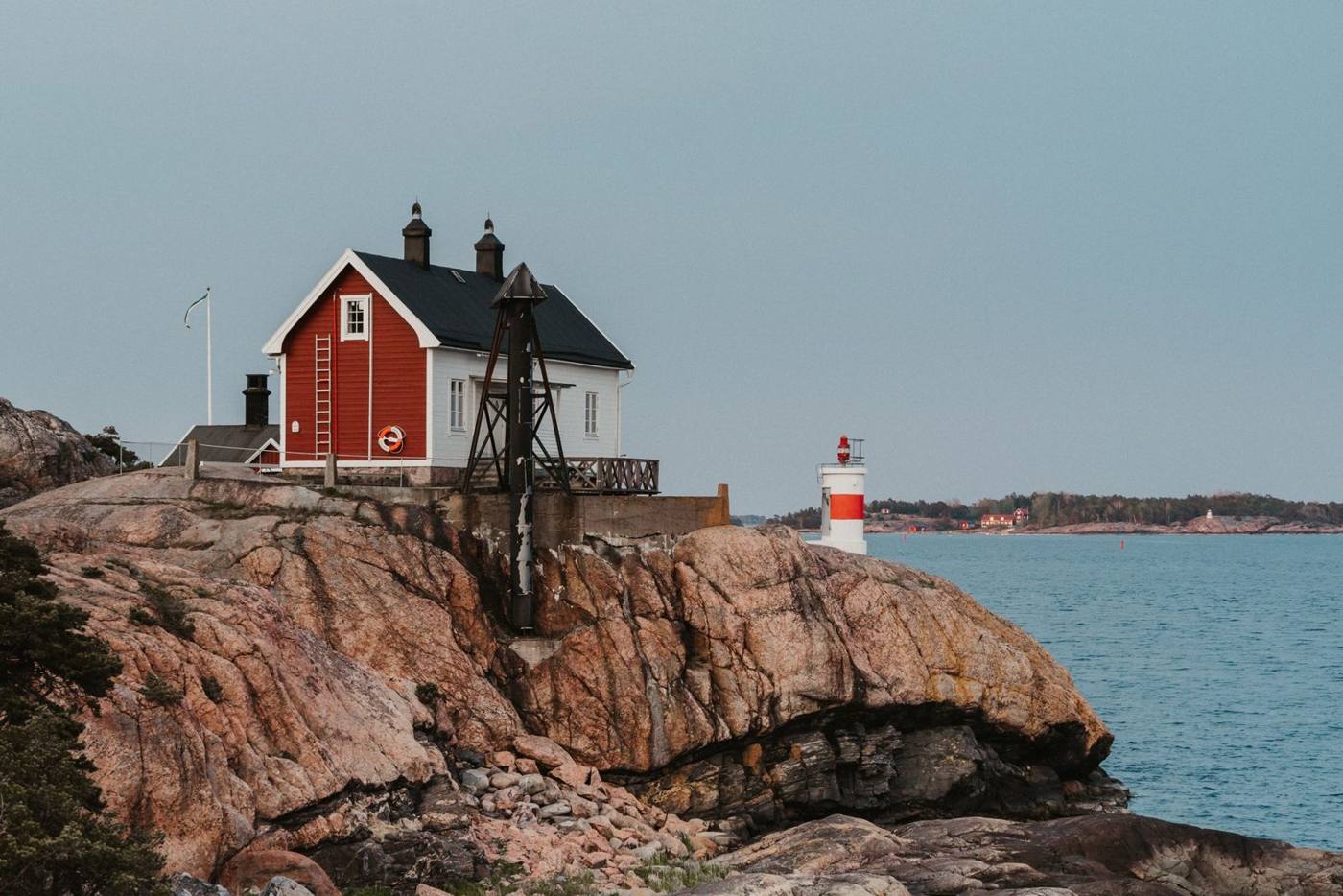
Höga Kusten, a UNESCO site where the land is still rising after the last Ice Age: Skuleskogen park with the Slåttdalsskrevan gorge, Ulvön island and the coastal trail.
 5 daysEasy
The Göta Canal
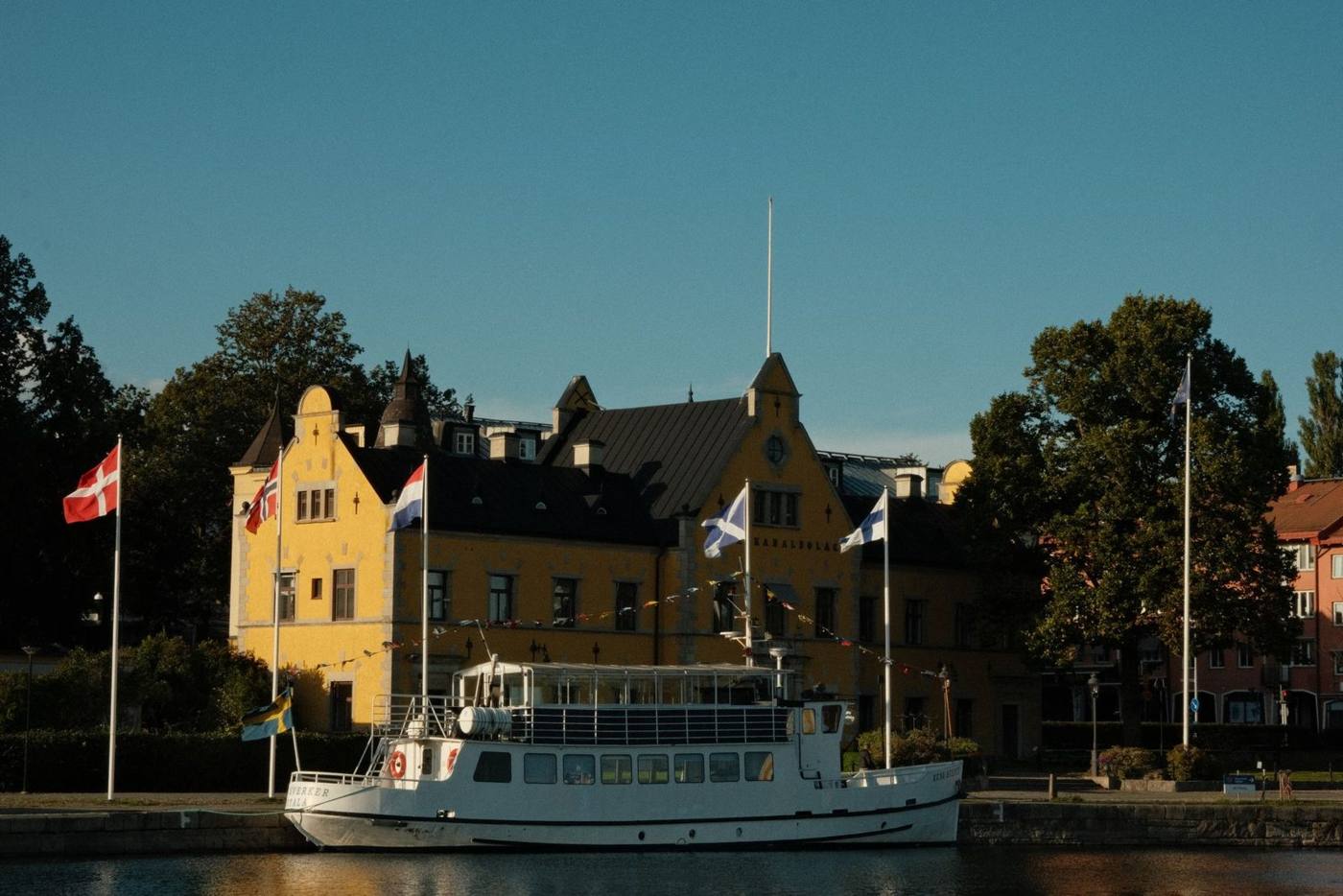
Cycling the Göta Canal towpath past the Berg locks, Lake Vättern, Vadstena abbey and Läckö castle on Lake Vänern.