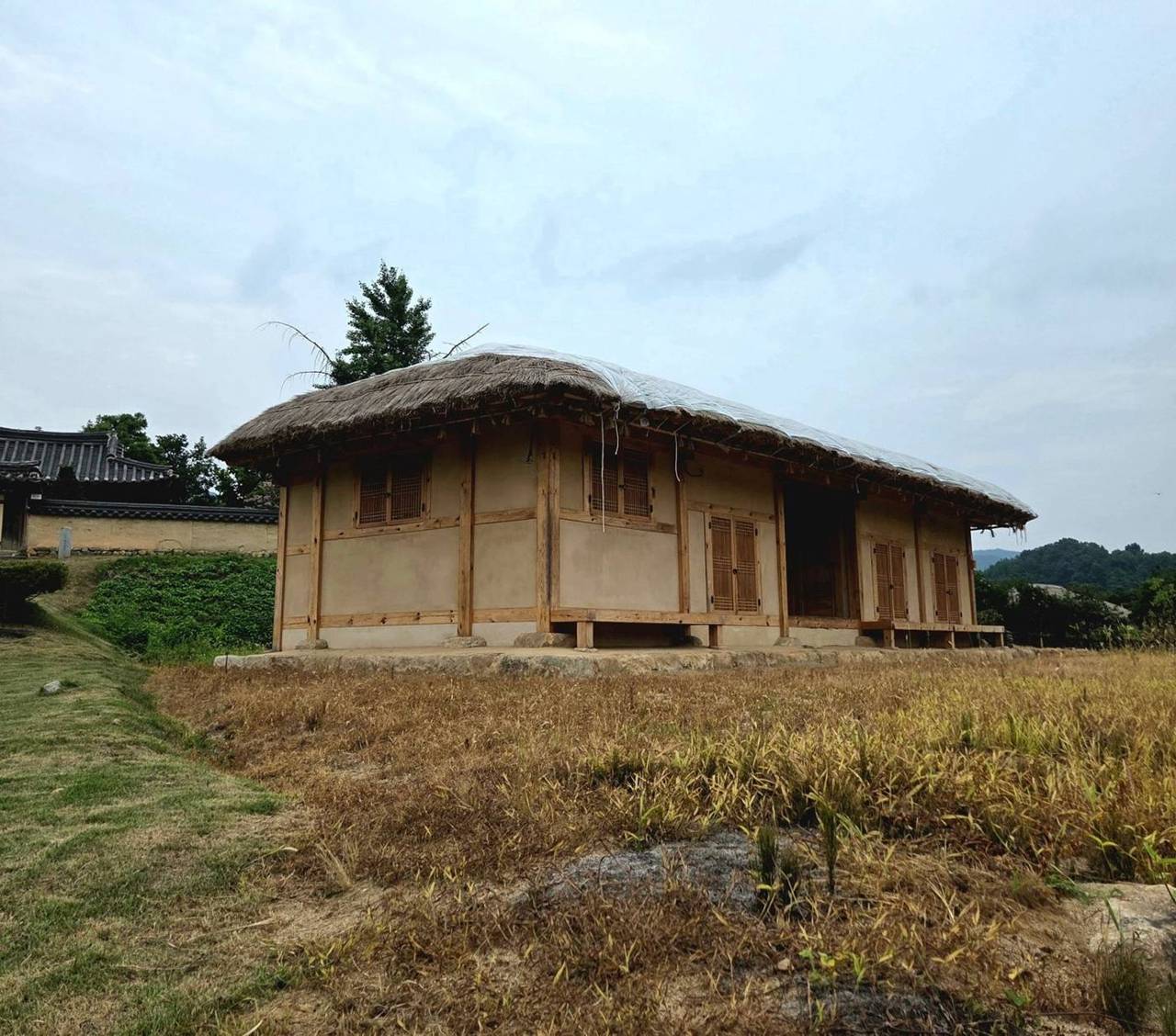
Andong and Confucian Korea
Hahoe village with its traditional masks, the Confucian academies of Dosan and Byeongsan, a night in a hanok house and Danyang on the river.
- Seoul
- Danyang
- Andong
- Hahoe
- Dosan Seowon
- Seoul
Day by day
- Day 1
By train from Seoul to Danyang
This trip takes you into traditional Korea, far from the skyscrapers: Danyang with its rocks in the river, Andong and the village of Hahoe, the Confucian academies of Dosan and Byeongsan and a night in a hanok house. You get around by train, bus and taxi.
Before you go: Italian citizens enter South Korea without a visa for up to 90 days with a passport; the electronic identity card is not enough. The temporary K-ETA exemption is confirmed until 31 December 2026: for trips from 2027, check the official site k-eta.go.kr for any extension. Without an approved K-ETA, fill in the e-Arrival card online within 72 hours before arrival. Other nationalities should check their own rules. South Korea is very safe: the United States rates it level 1 and the UK does not advise against any area.
In the morning take the KTX-Eum fast train from Cheongnyangni station in Seoul to Danyang, just over an hour through hills and woods. Danyang is a small town on the Namhan River, enclosed by limestone mountains.
Visit Dodamsambong, three rock peaks rising out of the river, one of the most famous landscapes in Korea, with a small pavilion on the central rock.
In the afternoon go up to the clifftop viewpoint, the glass-floored walkway above the cliff, with views over the valley and the town. Check prices and times. If you have time, go into Gosu Cave, a limestone cave with walkways and stairs.
In the evening try the garlic dishes that Danyang is known for. Sleep in Danyang.
Practical tip: buy your train tickets on the Korean railways website or app a few days ahead, because at weekends seats sell out quickly.
- Day 2
Andong and Hahoe village
Today you reach the heart of Korean Confucian culture.
In the morning take the train from Danyang to Andong, less than an hour. Andong calls itself the capital of the Korean spirit, because for centuries the great families of scholars and officials of the Joseon dynasty lived here.
From the station take the bus or a taxi to Hahoe village, about forty minutes away. Hahoe is a historic village and a UNESCO World Heritage Site, where the Nakdong River makes a wide S-shaped bend around the houses. The name means river that turns. The Ryu clan of Pungsan has lived here for centuries, in wooden houses with tiled roofs for the noble families and thatched roofs for the farmers.
Walk through the earth lanes and stone walls, enter the courtyards open to the public and pass under the old sacred tree in the middle of the village. Remember that people live here: speak quietly and do not enter private houses.
In the afternoon watch the Hahoe mask dance, an old folk dance that mocks nobles and monks, now part of the Korean mask dance listed by UNESCO. Check prices and times.
At sunset cross the river by boat and climb Buyongdae cliff, from where you see the whole village inside the bend.
Sleep in a hanok in the village, on a mattress on the floor, with the underfloor heating called ondol.
Practical tip: in a hanok you sleep on the floor and bathrooms are sometimes shared. Bring comfortable nightwear and slippers, and leave your shoes outside the room.
- Day 3
Masks, temples and jjimdak chicken
Today you discover masks, a very old temple and the food of Andong.
In the morning, before the groups arrive, take a walk along the river around Hahoe, among the pines and the sandy bank. Then visit the Hahoe Mask Museum, at the entrance to the village, with the wooden masks of Hahoe and hundreds of traditional masks from other Asian countries and the rest of the world. Check prices and times.
Around midday take a taxi to Bongjeongsa temple, in the hills, one of the Korean mountain monasteries listed by UNESCO. Here stands the Geungnakjeon, a small wooden hall considered the oldest surviving wooden building in Korea, from the Goryeo period. Walk up to Yeongsanam hermitage, just above the temple, which is very peaceful.
In the afternoon return to town and settle near the station or the centre.
In the evening go to Andong's old market, to the jjimdak alley, home of the city's most famous dish: chicken braised in a sweet and spicy soy sauce, with potatoes, vegetables and clear sweet potato noodles. Portions are large and shared by two or three people. If you like, also try Andong salted mackerel, grilled, and Andong soju, a very strong traditional spirit.
Sleep in Andong.
Practical tip: to move between the village, the temples and the academies, use taxis, which are cheap compared with Europe. Download a Korean maps app, because international map apps work poorly in Korea, especially for walking and public transport directions.
- Day 4
The Dosan and Byeongsan academies
Today you visit the schools where Confucian scholars were trained.
The seowon were private academies of the Joseon period, where scholars taught the Confucian classics and honoured the great masters of the past. Nine of them are listed together as a UNESCO World Heritage Site, and two of the finest are near Andong.
In the morning take a taxi to Dosan Seowon, north of the city, founded in 1574 in honour of Toegye Yi Hwang, one of the greatest Confucian philosophers of Korea, the face you see on the thousand won banknote. Walk among the study halls, the students' dormitories and the library, on a hill above the lake. Check prices and times.
In the afternoon reach Byeongsan Seowon, near Hahoe, dedicated to the statesman Ryu Seong-ryong. Its wooden pavilion, the Mandaeru, faces the river and the mountain opposite: sit on the steps and look at the view, as the students once did. The roads are narrow and partly unpaved: a taxi with the driver waiting for you is the best option.
At sunset go back to Andong and walk across Woryeonggyo bridge, the longest wooden footbridge in Korea, on the lake of the Andong dam. In the evening it is lit up and the fountains are often switched on.
For dinner try heotjesatbap, rice with vegetables and soy sauce inspired by the dishes of ancestral rites.
Sleep in Andong.
Practical tip: the academies are places of remembrance. Dress modestly and do not sit on the platforms of the main halls unless a sign allows it.
- Day 5
Back to Seoul and departure
Today you return to Seoul and leave Korea.
In the morning, if you have time, visit Andong folk village, near the lake, with traditional houses moved here from the areas flooded by the dam, or take a last walk along the river. Then take the KTX-Eum train from Andong to Cheongnyangni station, about two hours, and from there the metro or train to Incheon airport.
In these five days you have seen calm, rural Korea: the rocks of Dodamsambong in Danyang, Hahoe village inside the river bend, the mask dance, Bongjeongsa temple with its ancient wooden hall, the academies of Dosan and Byeongsan and the wooden bridge of Woryeonggyo. You have slept in a hanok and eaten jjimdak in its own market.
When to go: the best months are April and May, with flowers and mild weather, and September to November, with clear skies and autumn colours on the hills. Between late September and early October the Andong mask dance festival takes place, very good but crowded: book early. Summer is hot, humid and rainy, winter cold and dry, with few visitors.
Before leaving, buy something to take home: a small Hahoe mask, a bottle of Andong soju or a bag of Danyang garlic.
Practical tip: if your flight leaves early, spend the last night in Seoul. There are not always direct flights from Incheon to Europe: check connections and transfer times carefully, and allow plenty of time at the airport.
Traditional Korea, calm and rural, far from the skyscrapers. Sleeping in a hanok with underfloor heating is one of the best experiences in the country. The academies are far apart and need a taxi or car. Andong's mask dance festival in October is lovely but crowded.
Before you go
- Documents and visa
- Passport valid for the whole stay; you can enter without a visa for up to 90 days for tourism. British visitors are temporarily exempt from the K-ETA until 31 December 2026: for trips from 2027, check the official site k-eta.go.kr for any extension, otherwise apply for the K-ETA online at least 72 hours before boarding. Anyone without an approved K-ETA fills in the e-Arrival card on the official site e-arrivalcard.go.kr within 72 hours before arrival.
- Health and vaccines
- No compulsory vaccinations. Healthcare is excellent but expensive for foreigners: take insurance with high medical cover. Emergencies: police 112, ambulance and fire 119; English tourist line 1330.
- Money and payments
- South Korean won. Cards work almost everywhere, even for small amounts; for metro and buses buy a rechargeable T-money card. Keep some cash for markets.
- Power sockets
- Types C and F, 220 volts: you need an adapter for British plugs.
- Time zone
- UTC+9 all year, nine hours ahead of the UK in winter, eight in summer.
- Safety
- South Korea is a very safe country and the United States rates it level 1, the lowest. The UK does not advise against any area, but notes that tension with North Korea can change with little notice: near the DMZ follow the advice of the local authorities. Drug laws are very strict, even for small amounts. Typhoons are possible from June to November. Official advice: GOV.UK.
Information checked in November 2026 for Italian and EU citizens. Rules change: always check before you travel.
Variations
In 3 days: Andong only, with Hahoe, Dosan Seowon and Woryeonggyo bridge, there and back by train from Seoul.
In 7 days: after Andong add two days in Gyeongju, the ancient Silla capital, with Bulguksa temple and the royal tombs.
Frequently asked questions
What documents do I need for South Korea?
Italian citizens enter without a visa for up to 90 days with a passport. The K-ETA exemption is confirmed until 31 December 2026; for trips from 2027 check k-eta.go.kr. Without an approved K-ETA you need the online e-Arrival card. Other nationalities should check their own rules.
Can I do it without a car?
Yes. Trains link Seoul, Danyang and Andong, and buses run from Andong to Hahoe. For the Confucian academies, which are far apart, a taxi is best.
When is the Andong mask dance festival?
Usually between late September and early October, for about ten days. Dates change every year: check them on the official festival website and book accommodation early.
Indicative itinerary written by World Atlas. Before booking, check timetables, seasonal openings, documents and safety.
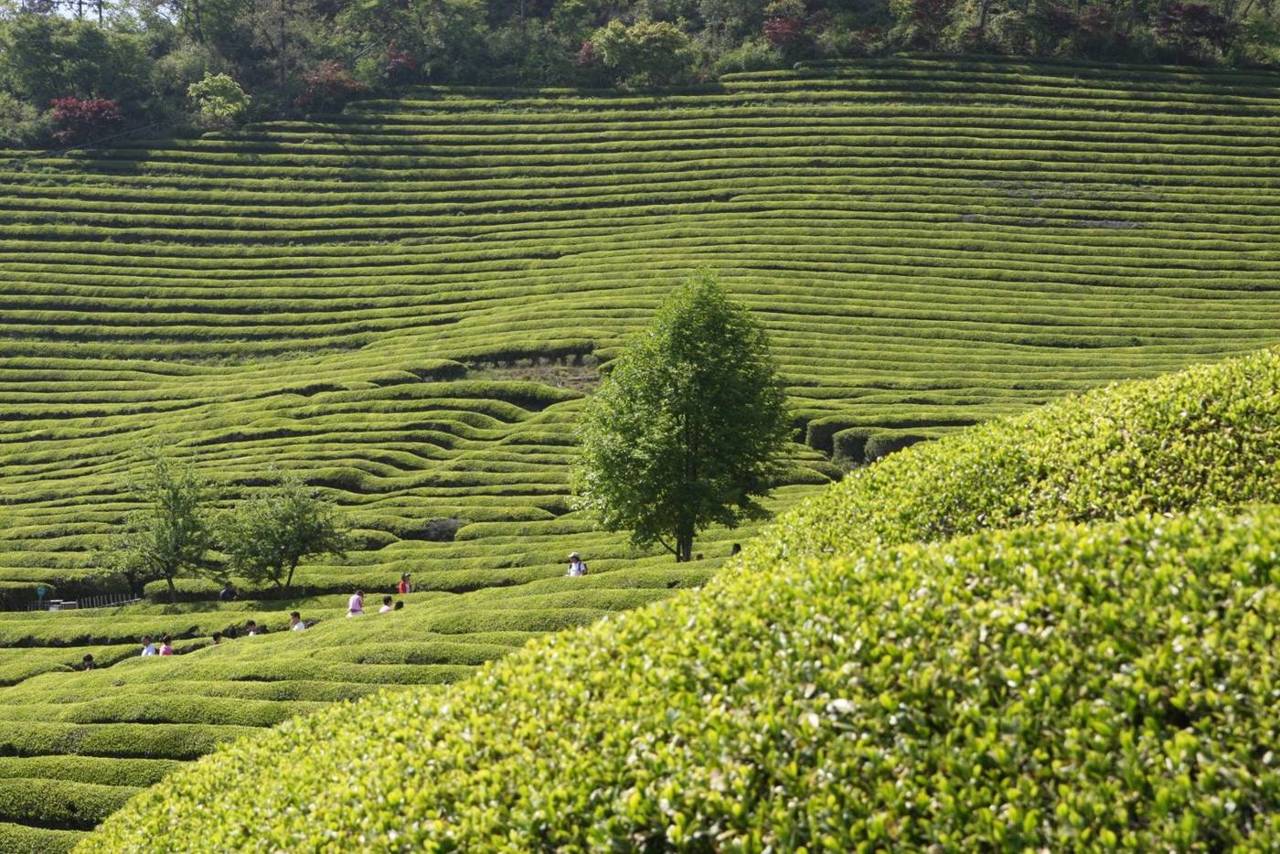 6 daysEasy
Jeolla: food and traditions
The heartland of Korean food: bibimbap and the hanok village of Jeonju, the bamboo forest of Damyang, the tea fields of Boseong and Suncheon Bay.
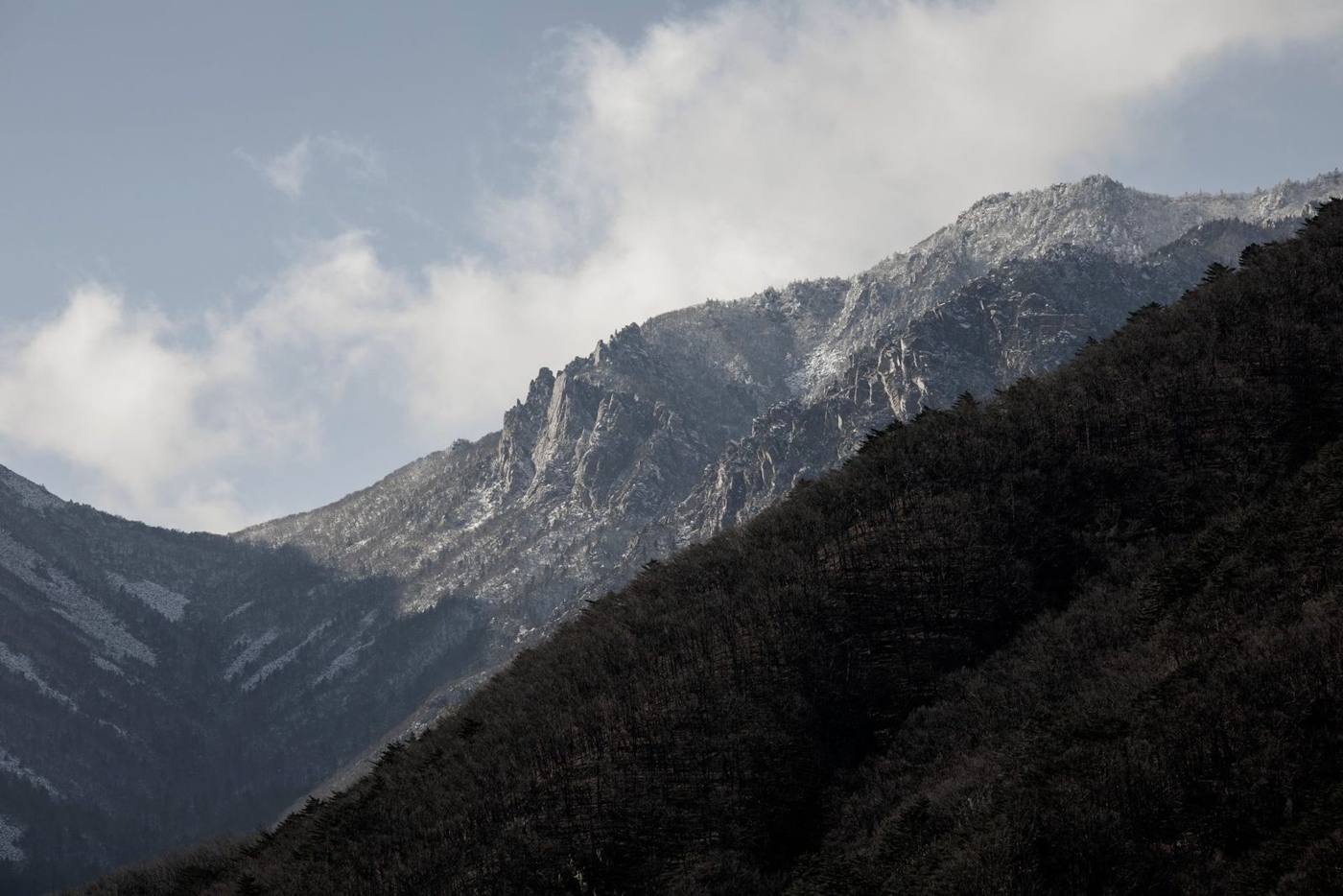 7 daysChallenging
Trekking: Seoraksan and Jirisan
Koreans' two favourite mountains: the granite ridges of Seoraksan with Daecheongbong peak and the Jirisan traverse with a night in a refuge.
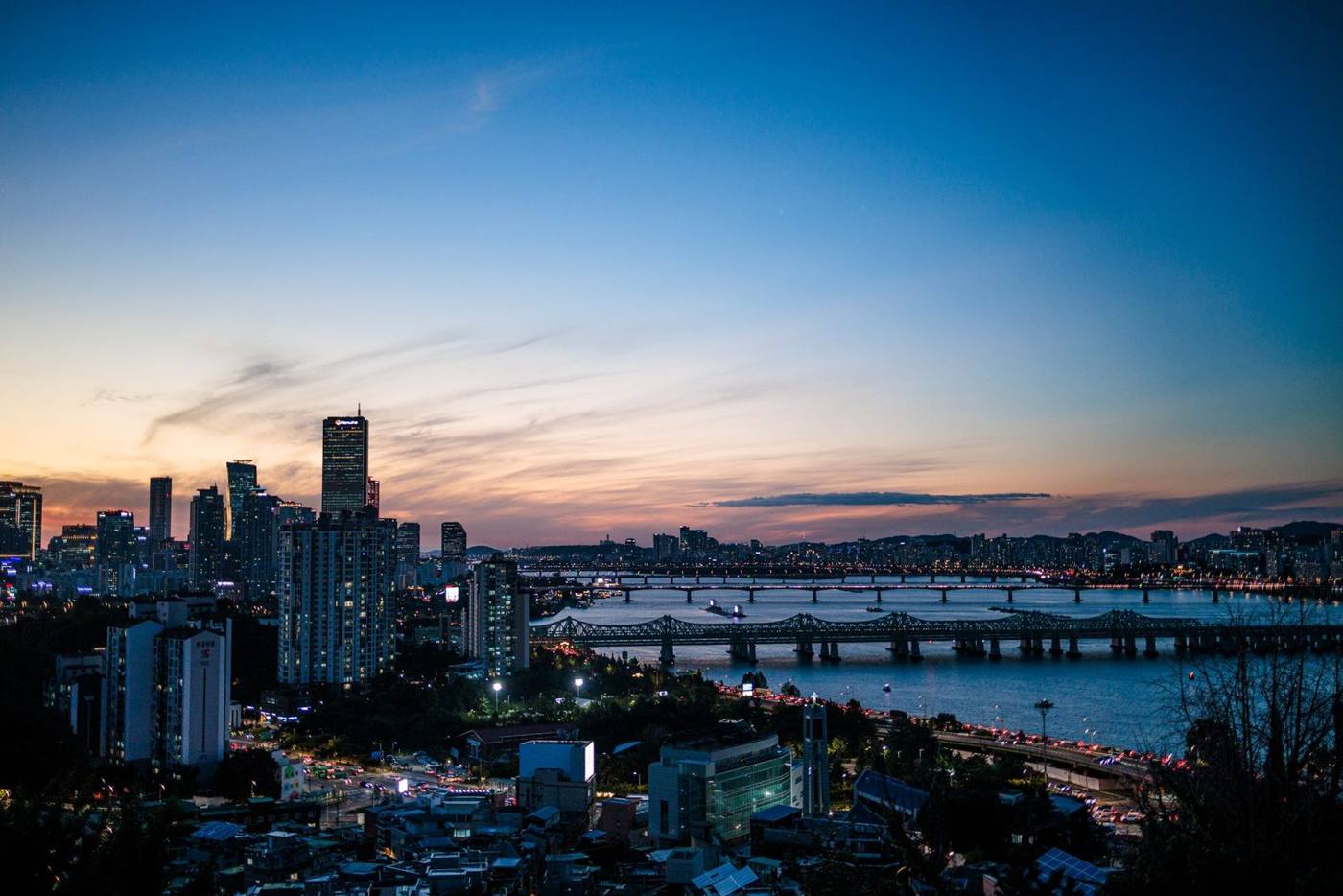 15 daysEasy
The complete Korea
Two weeks to see it all: Seoul and the DMZ, Seoraksan, Andong, Gyeongju, Busan, Jeonju and a final five days on Jeju Island.