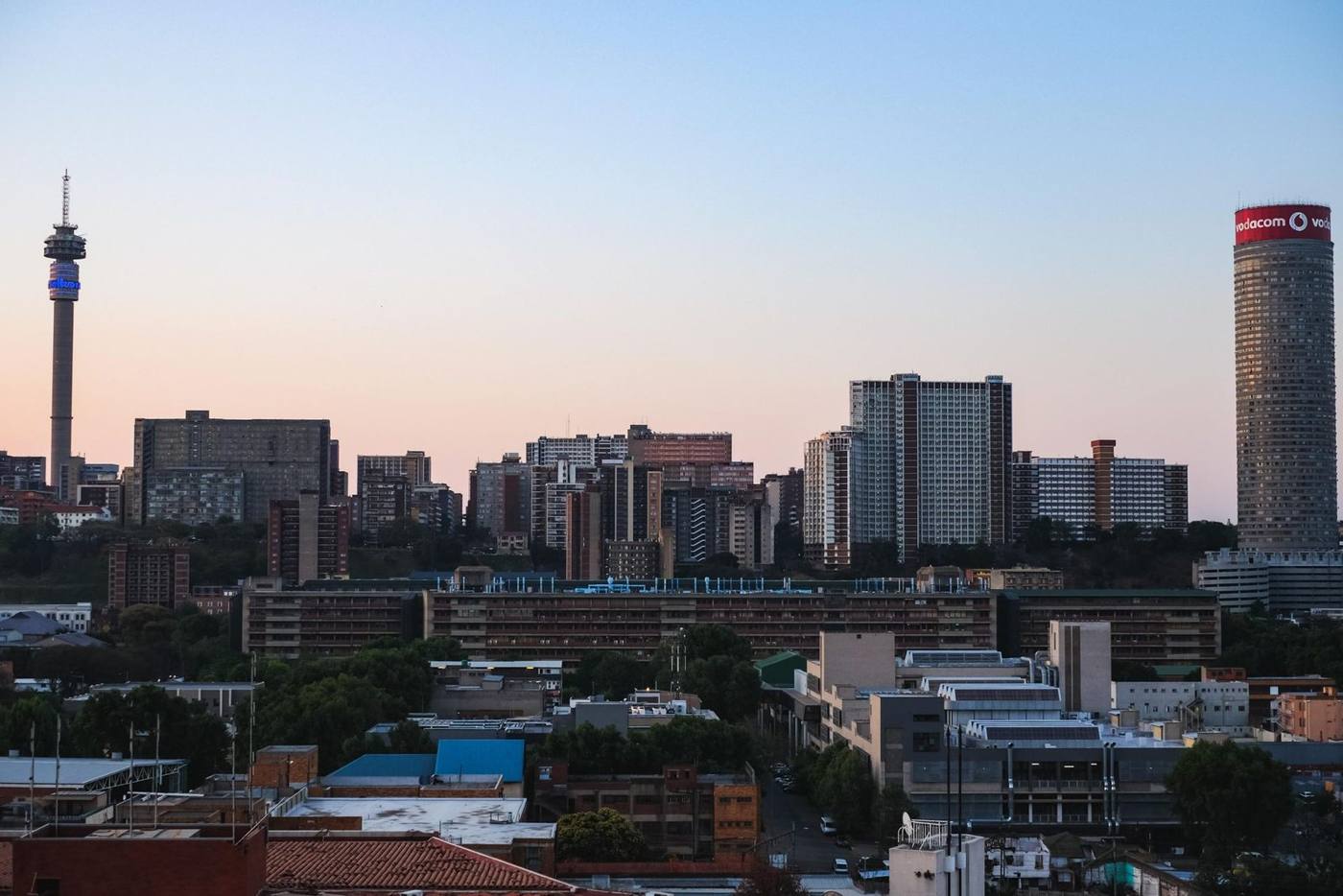
Johannesburg, Soweto and the Cradle of Humankind
The story of modern South Africa: the Apartheid Museum, Constitution Hill, Soweto with Mandela's house and the Hector Pieterson memorial, the creative Maboneng district, Pretoria with the Union Buildings and the Sterkfontein caves, where some of humanity's oldest ancestors were found.
- Johannesburg
- Soweto
- Pretoria
- Maropeng
- Sterkfontein
Day by day
- Day 1
The Apartheid Museum and Constitution Hill
Johannesburg is South Africa's largest city, born in 1886 with the discovery of gold on the Witwatersrand and grown within a few decades into the country's economic engine. It is not a postcard city, but it is the best place to understand South Africa's recent history: apartheid, the struggle for freedom and the birth of democracy in 1994.
You arrive at O.R. Tambo International Airport. Stay in a quiet northern suburb such as Rosebank or Melville, and get around by car, app-booked taxi or with drivers: in this city you do not walk from one district to another.
In the morning visit the Apartheid Museum, south of the centre. At the entrance you already understand what it is about: your ticket randomly assigns you to a group, white or non-white, and you must enter through the matching door, as happened everywhere under apartheid. The museum tells the story of segregation, the race laws, forced removals, resistance, Nelson Mandela's imprisonment and the transition to democracy clearly and powerfully. Allow at least three hours.
In the afternoon go to Constitution Hill in Braamfontein, a former prison complex where both Mandela and, decades earlier, the young Gandhi were held. You visit the cells, the women's jail and the old fort. Next to it stands the Constitutional Court, built partly with bricks from the prison, a symbol of the new democracy: its interior is open to visitors.
Practical tip: Italian citizens can enter South Africa without a visa for up to 90 days, with a passport valid for at least 30 days after departure and two blank pages.
- Day 2
Soweto with a local guide: Vilakazi Street, Mandela's house and Hector Pieterson
Today you visit Soweto, south-west of the city, the vast group of townships where the apartheid government forced Johannesburg's black population to live. Today more than a million people live here, and it is a lively place, with poor areas and well-off neighbourhoods, churches, markets and football pitches. The best way to visit is with a local guide who lives in Soweto, on foot or by bike: they take you into everyday life and to the right places safely.
In the morning go to Vilakazi Street, the only street in the world where two Nobel Peace Prize winners lived: Nelson Mandela and Archbishop Desmond Tutu. Mandela's house, small and of red brick, is a museum with family objects and bullet marks on the walls.
Nearby is the Hector Pieterson Memorial and Museum, dedicated to the student uprising of 16 June 1976. That day thousands of young people marched against being forced to study in Afrikaans and the police opened fire: thirteen-year-old Hector Pieterson was among the first killed, and the photograph of his body carried by a fellow student went around the world. 16 June is now National Youth Day.
In the afternoon continue with your guide through the streets, perhaps stopping at a shebeen, a small neighbourhood bar, to taste local food such as kota, a filled bread loaf, or pap with stew.
Towards evening look down on the painted cooling towers of Orlando. Practical tip: do not wander around Soweto alone without knowing the area; with a local guide the visit is safer and much richer.
- Day 3
The Cradle of Humankind: Maropeng and the Sterkfontein caves
In the morning drive north-west to the Cradle of Humankind, about an hour from Johannesburg. It is an area of hills and limestone caves, a UNESCO site, where some of the world's most important fossils for understanding human origins have been found: about 40 percent of known hominin fossils come from here.
Start at the Sterkfontein caves, the most famous site. Here in 1947 the skull of Mrs Ples was found, an australopithecine who lived about two million years ago, and later the almost complete skeleton known as Little Foot, older still. The guided tour goes down into the caves, through narrow passages and past an underground lake, and explains the work of palaeontologists, which still goes on today. The caves have been closed for works in the past: check opening times first.
In the afternoon go to the Maropeng visitor centre, a few kilometres away, a building shaped like a grassy burial mound. Inside, an interactive route suitable for children tells the story of the Earth and of human evolution, from the first living things to hominins and on to Homo sapiens. There are casts of the original fossils and clear explanations of recent discoveries in the area, such as Homo naledi, found in a nearby cave in 2013.
On the way back, if you have time, stop at one of the nature reserves in the area, home to zebras, wildebeest and antelopes.
In the evening return to Johannesburg. Practical tip: drive only by day on roads outside the city and do not leave anything visible in the car; keep your windows closed at traffic lights.
- Day 4
Pretoria: the Union Buildings, the Voortrekker Monument and departure
On the last day go to Pretoria, South Africa's administrative capital, about an hour north of Johannesburg, reached by car or by the fast Gautrain, which also serves the airport.
In the morning go up to the Union Buildings, the seat of government, a large semicircular sandstone building from the early twentieth century, on top of a hill with terraced gardens. Here in 1994 Nelson Mandela was sworn in as the first president of democratic South Africa. In the gardens stands a bronze statue of Mandela about nine metres tall, arms outstretched, unveiled after his death in 2013. The building cannot be visited inside, but the gardens are open to the public and the view over the city is wide.
Then go to the Voortrekker Monument, on another hill south of the city: a large granite monument from the 1930s and 1940s commemorating the Great Trek, the nineteenth-century migration inland of settlers of Dutch origin, the Boers. Inside, a long marble frieze tells the story of the journey from their point of view. It is an important place for understanding Afrikaner history and how it was told under apartheid; the nearby Freedom Park presents the history of all the country's communities instead.
In the early afternoon head to the airport for your flight. Practical tip: in October and November Pretoria is covered in the purple flowers of jacarandas, thousands of trees along the streets: it is the most beautiful time to visit.
A short and intense trip, ideal before a safari in Kruger or Madikwe. In Johannesburg get around with a driver, ride apps or guided tours, never on foot at night; the centre should be visited with a guide. Beware of robberies after airport arrival: use pre-booked transfers. The United States advises increased caution (level 2) because of crime: no driving at night, windows closed in cities, no valuables on show. Italians need no visa for up to 90 days.
Before you go
- Documents and visa
- Passport valid for at least 30 days beyond departure, with at least two completely blank pages; no visa for tourism up to 90 days. A return ticket is required.
- Health and vaccines
- No compulsory vaccines arriving from Europe; a yellow fever certificate is needed only if arriving from a risk country. Kruger and the north-east have seasonal malaria risk: ask your doctor before travelling. Emergencies: 10111 police, 10177 ambulance, 112 from mobiles.
- Money and payments
- South African rand. Cards work almost everywhere; keep some cash for tips and car guards.
- Power sockets
- Type M, plus C and N, 230 volts: you need an adapter for the large three round-pin plugs.
- Time zone
- UTC+2 all year: South Africa does not use daylight saving time.
- Safety
- The United States rates South Africa level 2 for crime. In cities avoid walking alone at night, leave nothing visible in the car and use ride-hailing apps after dark. Official advice: GOV.UK.
Information checked in November 2026 for Italian and EU citizens. Rules change: always check before you travel.
Variations
In 3 days: the Apartheid Museum and Soweto on days one and two, the Cradle of Humankind on day three, without Pretoria.
In 7 days: add Pilanesberg park and Madikwe reserve for a clear of malaria safari a few hours from Johannesburg.
Frequently asked questions
Is Johannesburg safe?
The United States has South Africa at level 2, mainly because of crime. With a few rules, such as getting around by car or taxi, avoiding the centre at night and using local guides, the visit goes smoothly.
When is the best time to go?
All year; the southern winter, May to August, is dry and sunny with cool nights, while summer has afternoon thunderstorms. October and November are lovely for the jacarandas.
Can I use the train?
The Gautrain, fast and safe, links the airport, Sandton, Rosebank and Pretoria. For Soweto and the Cradle of Humankind you need a car, taxi or guide.
Indicative itinerary written by World Atlas. Before booking, check timetables, seasonal openings, documents and safety.
 4 daysEasy
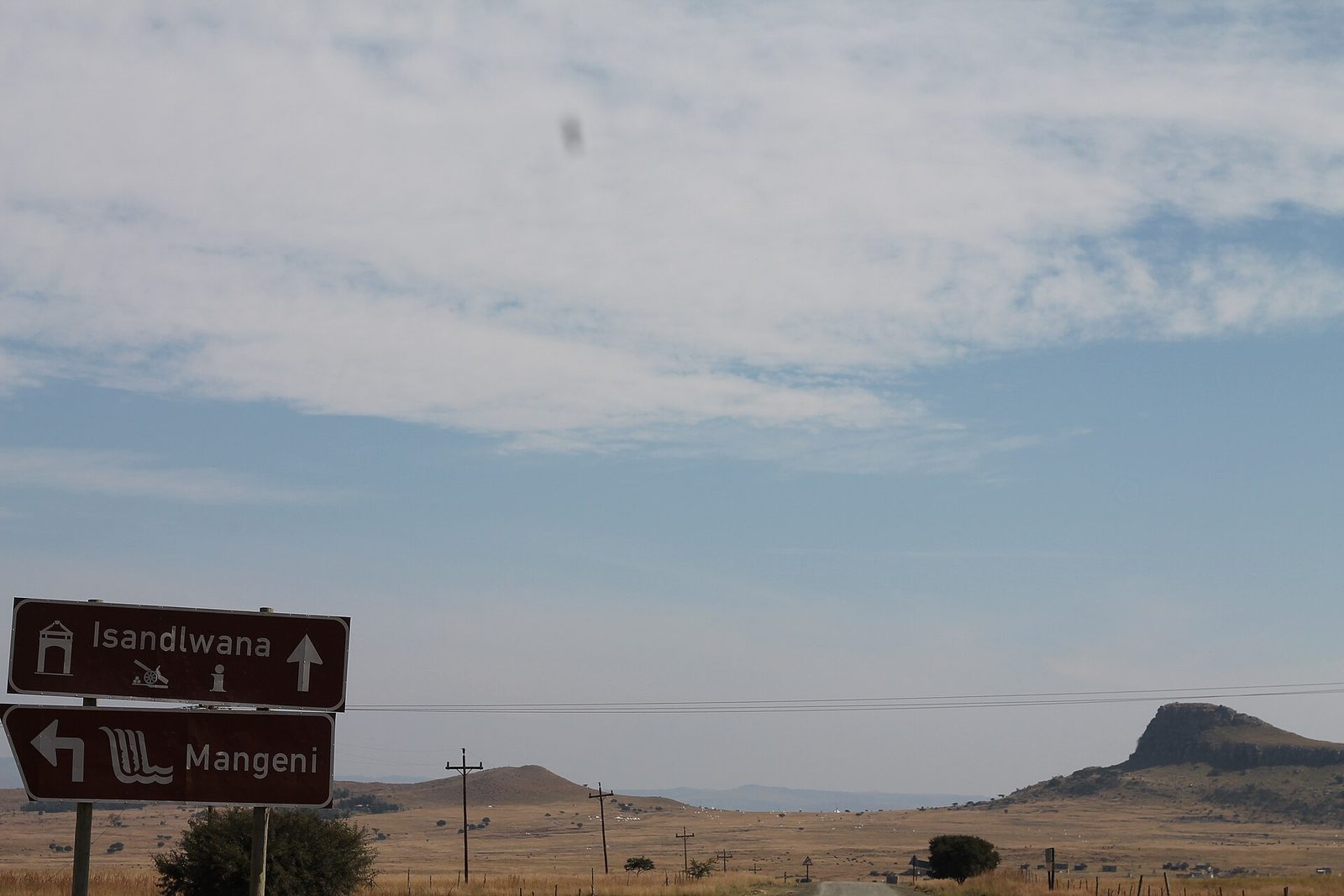
The KwaZulu-Natal battlefields
The hills where Zulus, British and Boers clashed: Isandlwana, where in 1879 the Zulu army defeated the British, Rorke's Drift, the Blood River and Spioenkop, told on site by local historian guides who bring events to life.
 6 daysEasy
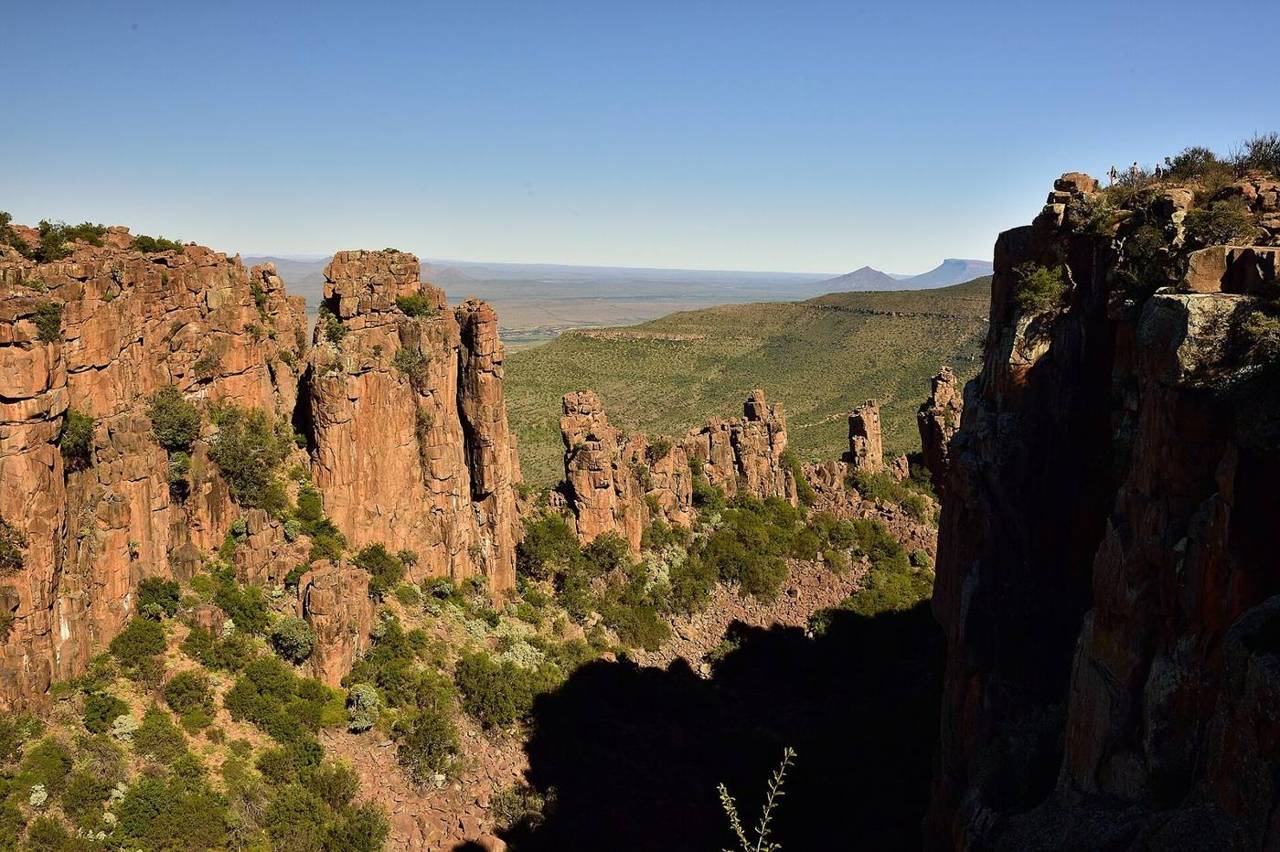
Addo and the eastern Karoo
A clear of malaria safari in the Eastern Cape: Addo Elephant Park, the nearby private reserves with the Big Five, then inland to Graaff-Reinet, one of the country's oldest towns, and the Valley of Desolation with its rock columns above the Karoo.
 7 daysModerate
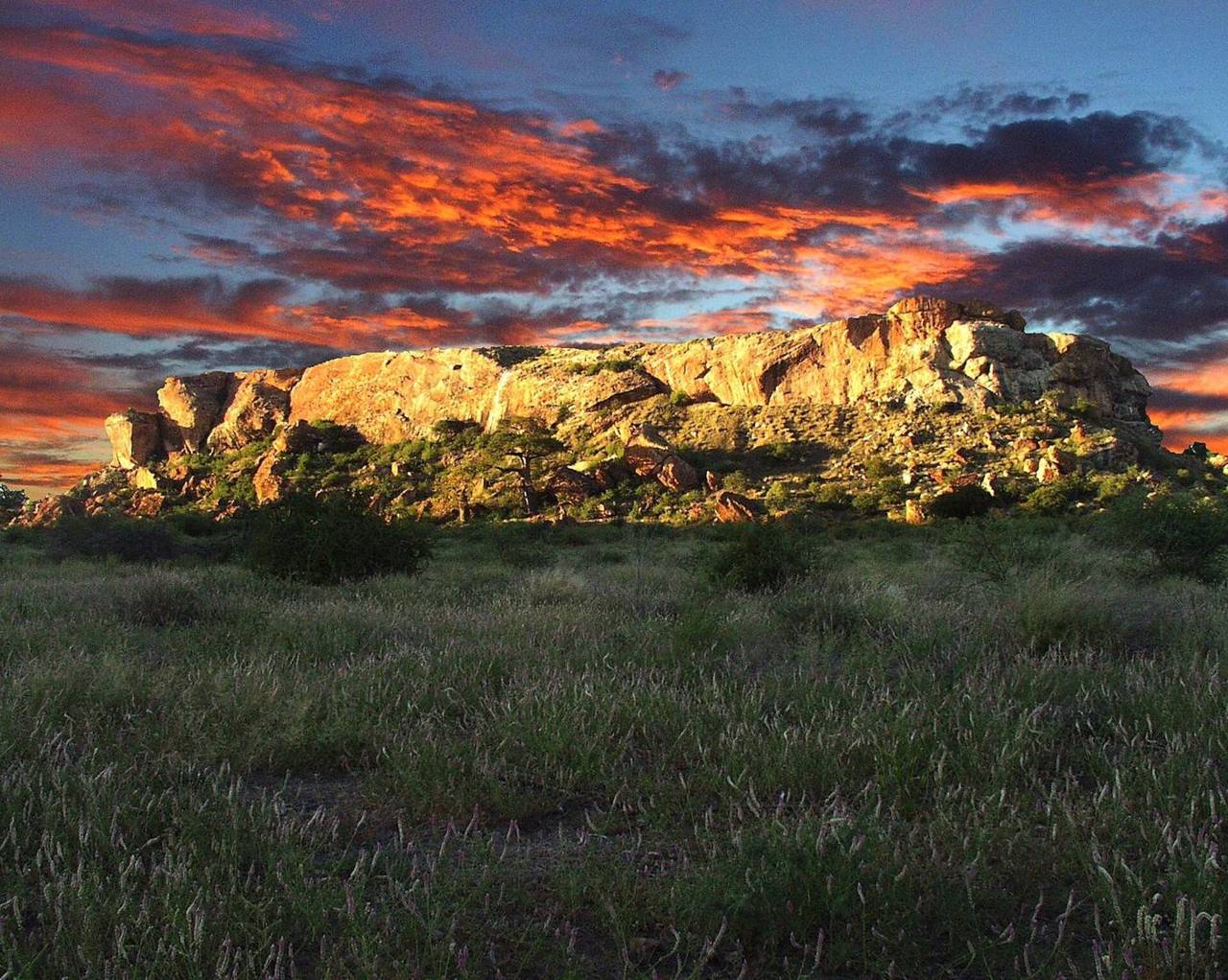
Limpopo: Mapungubwe and northern Kruger
The South Africa of baobabs: Mapungubwe, an Iron Age African kingdom and UNESCO World Heritage site at the confluence of the Limpopo and Shashe rivers, then northern Kruger, wilder and less visited than the south, with Punda Maria, the Luvuvhu river and Lanner Gorge.