The coast and the Karst
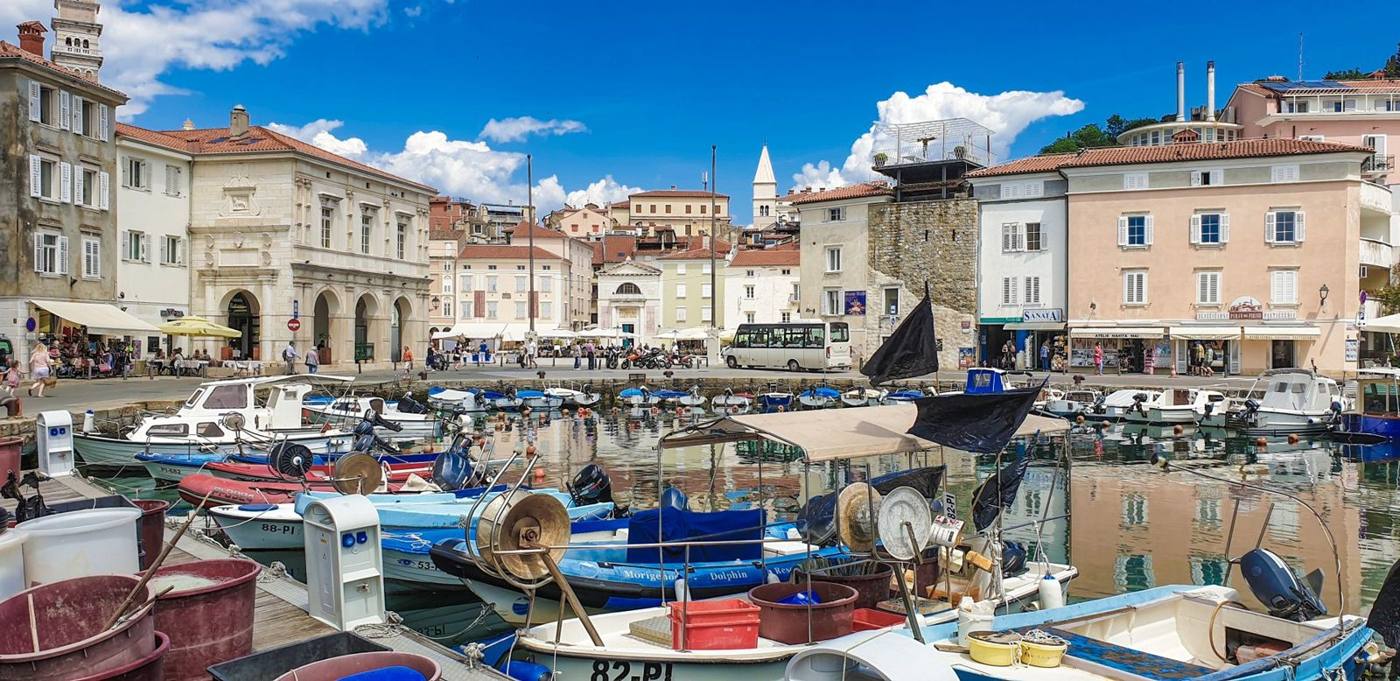
Slovenia's 47 km of coast with Venetian Piran, Izola and Koper, the Sečovlje salt pans and the Teran wines and ham of the Karst.
- Koper
- Izola
- Piran
- Sečovlje
- Štanjel
- Lipica
Day by day
- Day 1
Koper and Izola
This short trip covers the roughly 47 kilometres of the Slovenian coast, with the Venetian towns of Koper, Izola and Piran and the Sečovlje salt pans, then the Karst plateau, with teran wine, cured ham and the Lipizzaner horses. You travel by car, a few minutes from Trieste.
Before you leave: Slovenia is part of the European Union and the Schengen area and uses the euro. Italian citizens need a valid electronic identity card for travel abroad or a passport; the paper identity card has no longer been valid for travel abroad since 3 August 2026. There may be temporary checks at the borders, so always carry your document. Other nationalities should check their own rules. Motorways and expressways require an electronic vignette, which you buy on the official DARS website before joining the motorway.
In the morning you arrive in Koper, Capodistria in Italian, the country's main port. The old town was once an island, joined to the mainland only in the nineteenth century. Walk to Tito Square, the heart of the town, with the Praetorian Palace in Venetian Gothic style, the loggia and the Cathedral of the Assumption with its bell tower, which looks over the whole gulf.
In the afternoon drive a few kilometres to Izola, an old fishing town with a small harbour, colourful boats and narrow lanes. It is less elegant than Piran but more lived in and quieter.
In the evening dine on Adriatic fish, grilled squid or scampi alla buzara, with a glass of Istrian malvasia.
Sleep in Piran or Izola, for three nights.
Practical tip: cars cannot enter the old towns on the coast; leave the car in the car parks at the entrance to each town.
- Day 2
Piran and the Sečovlje salt pans
Today is the finest day of the trip, in Piran, the most photographed town on the coast.
Early in the morning walk into Tartini Square, a large oval square that was once a small inner harbour, filled in during the nineteenth century. In the middle stands the statue of Giuseppe Tartini, the violinist and composer born here in 1692, surrounded by pale Venetian palaces. Then climb the lanes to the Church of St George, on the hill above the sea, with a bell tower that recalls St Mark's in Venice.
Carry on on foot to the medieval walls above the town: from the towers you see the red roofs, the tip of the peninsula and, on clear days, the Alps and the Croatian coast. Check prices and times for the walls. Then walk down to the point with the lighthouse and the seafront, where people swim straight off the rocks and the concrete piers.
In the afternoon drive a quarter of an hour to the Sečovlje Salina Nature Park, on the border with Croatia. Here salt is still harvested by hand, with an old method that uses a layer of algae and minerals on the floor of the pans. Many water birds live among the channels, and there is a small salt museum. Check prices and times.
Return to Piran for the sunset: from the pier near the square the sun drops straight into the sea, beyond the Gulf of Trieste.
Practical tip: there is very little shade at the salt pans; in the hot hours bring water, a hat and sun cream.
- Day 3
The Karst: Štanjel, teran and Lipica
Today you leave the sea and drive up onto the Karst plateau, less than an hour away. It is a land of white limestone, oak woods, dry stone walls and sinkholes, which turns red in autumn with the leaves of the smoke bush.
The first stop is Lipica, the historic stud farm of the Lipizzaner horses, founded in 1580 by the Habsburgs for the court in Vienna. You visit the stables and the meadows with mares and foals, and on some days you can watch the dressage displays. Check prices and times, which change with the season.
Then drive north, through the wine villages, to Štanjel, a stone village on a hill, with houses pressed together, the castle and the Ferrari Garden, designed by the architect Max Fabiani with terraces, a small pond and a bridge. From the top of the village you see the whole Vipava valley.
In the afternoon taste teran, the red wine of the Karst, made from the refošk grape: it is very dark, with strong acidity, and perfect with Karst prosciutto, dried by the bora, the cold wind of this area. Family cellars sell their wine directly.
If you find an osmica open, do not miss it: these are farmers' taverns, open in turn for a few days, where you eat cured meats, cheese and boiled eggs with the house wine. You recognise them by a branch hung at road junctions.
Practical tip: the driver cannot really drink, because the alcohol limit is low; share the roles or taste very little.
- Day 4
Strunjan and departure
In the morning, before leaving, take a walk in the Strunjan Landscape Park, between Izola and Piran. A path follows the top of the highest cliff on the Slovenian coast, with the green sea below you, pine trees and olive groves. Lower down there are more small salt pans and a lagoon where birds stop. In an hour or two you are back at the car.
If you prefer the town, take a last walk in Koper, or visit a fish market on the coast and buy Piran salt and olive oil from Slovenian Istria to take home.
Then leave. From Piran, Trieste airport is about an hour away and Ljubljana airport about an hour and a half. Many travellers arrive by car from Italy: the border near Trieste is a few minutes from Koper.
In four days you have seen the three Venetian towns of the coast, with their squares, bell towers and small harbours, the salt pans where salt is still made by hand, and the Karst with its wine cellars, its ham, the village of Štanjel and the white horses of Lipica. It is an easy trip, suitable for everyone, more for the villages and the food than for the beaches, which are almost all concrete or pebbles.
When to go: from May to September for the sea, with June and September quieter and cooler. In July and August the coastal car parks fill up early. In autumn the Karst is beautiful, with red leaves and the new wine, although the sea is already cold.
Practical tip: if you drive back to Italy, allow extra time at the border, where there may be checks and queues.
A short trip between Venetian seaside and Karst countryside, very close to Trieste. Beaches are few and mostly concrete or pebble: you come for the towns and the food more than the sea. The Karst osmize, farm taverns open in rotation, are a typical experience.
Before you go
- Documents and visa
- EU citizens need a valid identity card or passport: Slovenia is in the EU and the Schengen area. A driving licence is not accepted as identification. There may be temporary checks and queues on the borders with Italy, Croatia and Hungary: always carry your document. Other nationalities should check the Schengen rules.
- Health and vaccines
- No vaccines required. Tick-borne encephalitis is present: if you hike in summer, ask your doctor about the vaccine. EU citizens should bring their EHIC, plus insurance covering mountain rescue. Emergencies and mountain rescue: 112, police 113.
- Money and payments
- Euro. Cards are accepted almost everywhere, but carry some cash for mountain huts and small taverns. Motorways and expressways require an electronic vignette from the official DARS website; fines without one are high.
- Power sockets
- Types C and F, 230 volts.
- Time zone
- Central European Time (UTC+1, summer UTC+2).
- Safety
- A calm country with no particular areas to avoid. Watch for pickpockets in central Ljubljana and at tourist sites. In the mountains the weather changes quickly and summer storms are dangerous on ridges. Many bears live in the forests of the inner Karst and Notranjska: avoid the woods at dawn, dusk and night. Wild camping is banned. Official advice: GOV.UK.
Information checked in November 2026 for Italian and EU citizens. Rules change: always check before you travel.
Variations
Short version: in two days see Piran, the salt pans and Koper, starting from Trieste.
Long version: add two days for the Škocjan and Postojna caves, less than an hour from the Karst.
Frequently asked questions
Are there sandy beaches on the Slovenian coast?
Hardly any: you swim from rocks, pebbles and concrete piers. For sandy beaches, nearby Croatia or the Italian coast are better.
Do I need a car?
It is very convenient, above all for the Karst. On the coast there are buses between Koper, Izola and Piran, but for Lipica and Štanjel a car is almost essential.
What is an osmica?
It is a farmers' tavern open for a few days a year, where families sell their own wine, cured meats and cheese. You spot it by the branch hung at road junctions.
Indicative itinerary written by World Atlas. Before booking, check timetables, seasonal openings, documents and safety.
 8 daysModerate
The Juliana Trail
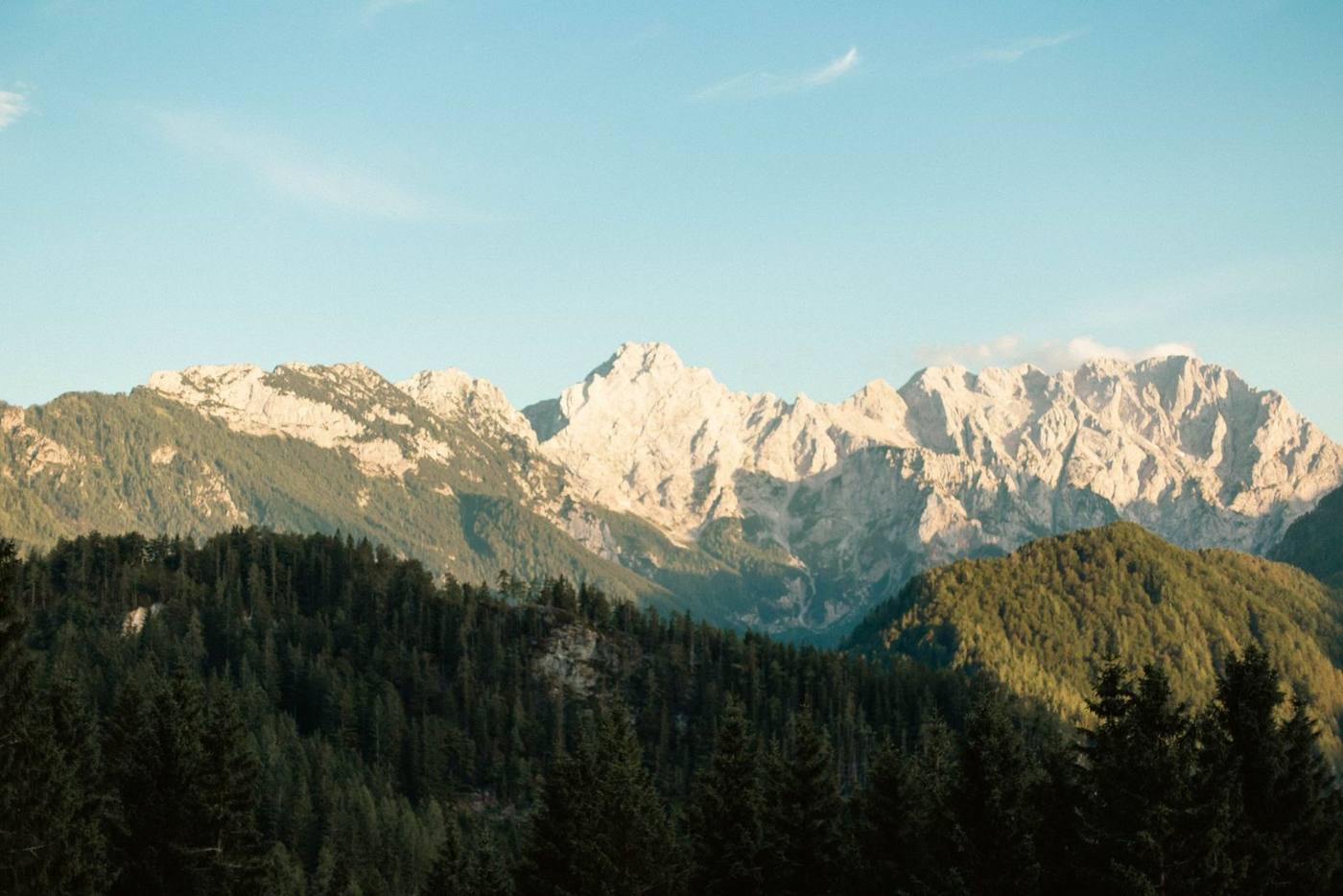
A week on foot around the Julian Alps at mid altitude, from Kranjska Gora to Bohinj and Bled via the Soča valley.
 4 daysEasy
Maribor, Ptuj and Slovenian Styria
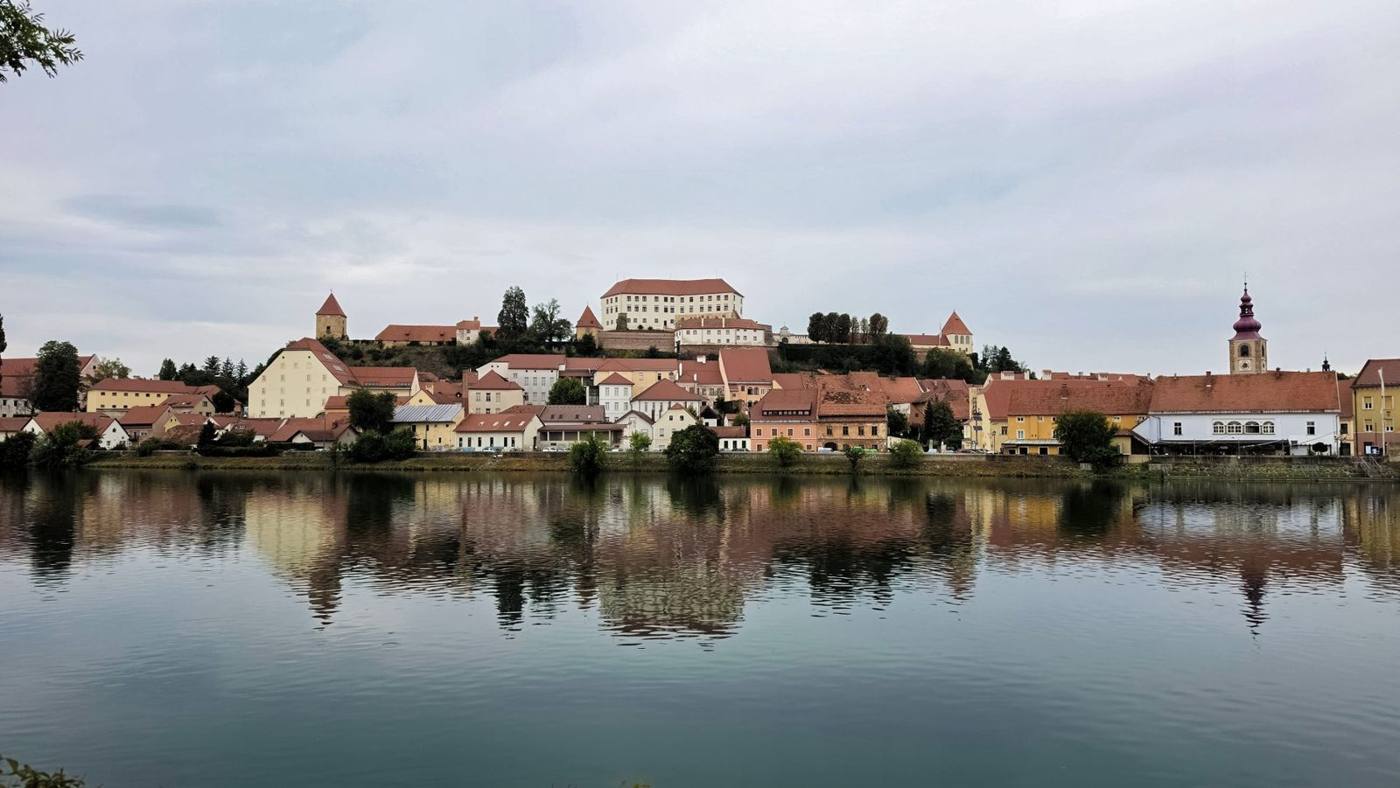
The world's oldest vine in Maribor, Ptuj, Slovenia's oldest town, and the wine hills of Jeruzalem and the Pohorje.
 4 daysModerate
Logarska dolina and the Kamnik Alps
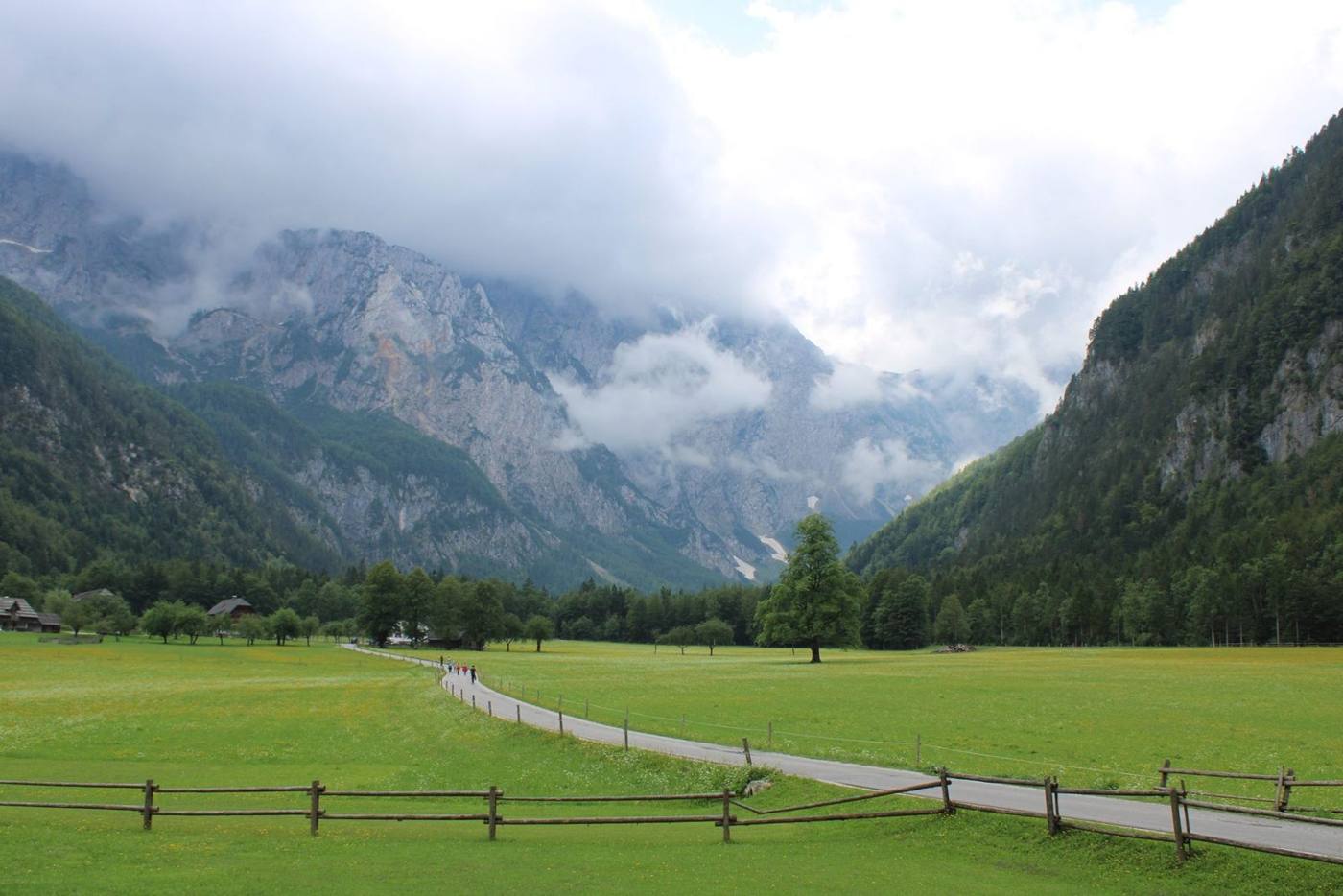
A glacial valley between limestone walls with the Rinka waterfall, the Solčava panoramic road and the herders' plateau of Velika planina.