Košice and the east
Košice and the Gothic St Elisabeth cathedral, UNESCO-listed Bardejov with its Renaissance square and the wooden churches of the Carpathians, with a stop at Jasov cave.
- Košice
- Prešov
- Bardejov
- Hervartov
- Ladomirová
Day by day
- Day 1
Košice, the main street and the cathedral
This trip takes you to eastern Slovakia, authentic and inexpensive: Košice, the country's second city, Prešov, the UNESCO town of Bardejov and the wooden churches of the Carpathians, with a stop at the Jasov caves on the way back. You travel by car, based in Košice and Bardejov.
Before you go: Italian citizens can enter Slovakia with an electronic identity card or a passport, without a visa: the country is in the European Union and the Schengen area, and the currency is the euro. Other nationalities should check their own rules. The drink driving limit is zero and headlights stay on in daytime too; motorways need the electronic vignette, bought on eznamka.sk.
Arrive in Košice, which has an international airport. The old town is long and narrow, built around Hlavná, the main street, as wide as a square. Walk past the Baroque and Art Nouveau buildings, the State Theatre and the musical fountain, where the water moves in time with the music.
In the middle of the street stands Saint Elizabeth's Cathedral, the largest church in Slovakia and the easternmost Gothic cathedral in central Europe. Go inside to see the high altar dedicated to the saint and go down into the crypt of Francis II Rákóczi, the prince who led a revolt against the Habsburgs. If you feel up to it, climb the tower for the view over the roofs. Check prices and times.
In the evening, have dinner in the side streets, where there are courtyards and cellars.
Overnight in Košice.
Practical tip: the main street is pedestrian and the centre is easy to walk around; leave the car in a car park outside the old town.
- Day 2
Prešov and Bardejov
Today you head north, through hills and fields, to Bardejov, one of the best preserved medieval towns in central Europe, with a stop in Prešov.
Prešov is about half an hour from Košice. The main square is long and slightly curved, with colourful houses, the Gothic Church of Saint Nicholas and the Greek Catholic Cathedral of Saint John the Baptist: many Eastern rite communities live in this area. Walk around the square, have a coffee and move on.
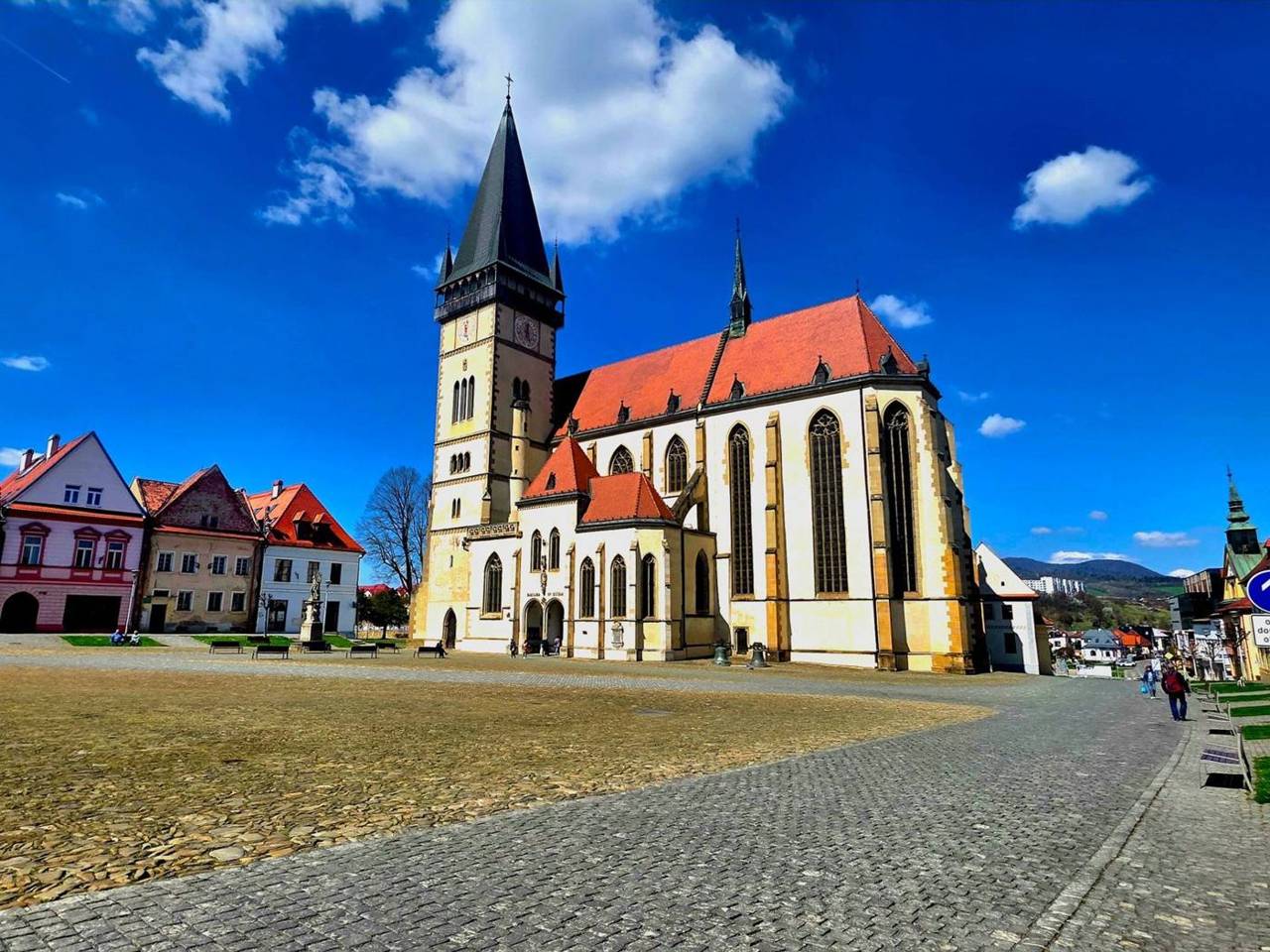
After about an hour you reach Bardejov, a UNESCO World Heritage Site. The square is a large rectangle on a gentle slope, surrounded by Gothic and Renaissance houses with tall roofs. In the middle stands the town hall, one of the first Renaissance buildings in Slovakia, now a museum. On the north side rises the Basilica of Saint Giles, which keeps a series of Gothic altars in painted wood. Check prices and times.
In the afternoon, walk along the walls and bastions, then visit the Jewish quarter just outside the centre, with the old synagogue, also part of the UNESCO site.
In the evening, eat on the square, when the sunset light colours the façades.
Overnight in Bardejov, for two nights.
Practical tip: many museums in eastern Slovakia close on Mondays; plan your visits so that you do not arrive in Bardejov on that day.
- Day 3
The wooden churches of Hervartov and Ladomirová
Today you visit the wooden churches of the Carpathians, small masterpieces hidden in the villages and listed by UNESCO as World Heritage.
Start in Hervartov, a few kilometres from Bardejov. The Catholic Church of Saint Francis of Assisi, built around 1500, is one of the oldest wooden churches in Slovakia. It has a steep shingle roof, a slender bell tower and, inside, walls painted with Bible scenes.
Then drive east to the Svidník area. In Ladomirová, visit the Greek Catholic Church of Saint Michael the Archangel, from the eighteenth century, with three wooden onion domes and the iconostasis, the great wall of icons that separates the altar from the congregation. Along the road there are other similar churches, such as the one at Bodružal: if you have time, stop there too.
The churches have irregular opening hours and are often closed. On the door you usually find a notice with the phone number or the name of the person who keeps the key: ask in the village, patiently, and leave a donation.
In the afternoon, stop in Svidník, where there is a museum of the Ukrainian and Rusyn culture of the region. Check prices and times.
Return to Bardejov for the night.
Practical tip: go into the churches with shoulders and legs covered, speak quietly and do not use flash, because the paintings are old and fragile.
- Day 4
The Jasov cave and back to Košice
Last day: you head back towards Košice and, if you have time, carry on to the Jasov cave, west of the city, before you leave.
In the morning, before leaving Bardejov, take a walk at the spa of Bardejovské Kúpele, a few kilometres from the centre. There is an open air museum of folk architecture here, with farmhouses and wooden churches brought from all over the region. Check prices and times.
Then drive south to Košice and continue west for about half an hour to Jasov. The village is dominated by a large Baroque monastery. Beneath the nearby rock lies the Jasov cave, with a guided route among stalactites, stalagmites and columns. Several species of bats also live in the cave. Check prices and times: tours start at fixed times.
Return to Košice in the late afternoon for a last stroll along the main street.
To sum up, in four days you have seen Košice and its Gothic cathedral, Prešov, the UNESCO town of Bardejov, the wooden churches of Hervartov and Ladomirová, and the Jasov cave.
When to go: from May to October. Summer is warm with long days; in winter the wooden churches are even harder to visit.
Practical tip: in eastern Slovakia few people speak English outside the cities; download a map and a translator that work offline.
Eastern Slovakia, authentic and inexpensive. Košice has a lively centre and a decent airport. The wooden churches open irregularly: ask for the key in the village.
Before you go
- Documents and visa
- EU citizens need a valid identity card or passport: Slovakia is in the EU and the Schengen area, so no visa is needed. Other nationalities should check the Schengen rules.
- Health and vaccines
- No vaccines required. EU citizens should bring their EHIC, which covers urgent care only: insurance with medical costs and repatriation is recommended, and for the high mountains also rescue cover. Woods have ticks that can carry encephalitis: ask your doctor about the vaccine. Emergencies: 112, ambulance 155, police 158, fire 150.
- Money and payments
- Euro. Cards and cash machines work almost everywhere. Motorways need an electronic vignette: buy it on the official eznamka.sk website. The drink driving limit is zero and dipped headlights must be on in daytime too, all year.
- Power sockets
- Type E, 230 volts: you need an adapter for British plugs.
- Time zone
- Central European Time (UTC+1, summer UTC+2), one hour ahead of the UK.
- Safety
- Generally calm. In Bratislava pickpocketing is rising on public transport and at tourist sites; cars are broken into in tourist areas and car parks. In nightclubs keep an eye on your drink, wallet and phone. In the High Tatras many high trails close in winter: check the park rules on tanap.sk. Official advice: GOV.UK.
Information checked in November 2026 for Italian and EU citizens. Rules change: always check before you travel.
Variations
In three days you can stick to Košice, Bardejov and the Hervartov church.
With two more days, add Spiš Castle and the town of Levoča, about an hour and a half from Košice.
Frequently asked questions
Is Košice easy to reach?
Yes, it has an international airport and good train links with Bratislava and the rest of the country.
How do I visit the wooden churches?
They are often closed: on the door there is the contact of the person who keeps the key. Ask in the village and leave a donation for the church.
Do I need a car?
It is very useful for the wooden churches and the cave, which are in small villages with few buses.
Indicative itinerary written by World Atlas. Before booking, check timetables, seasonal openings, documents and safety.
 3 daysEasy
Spas and wine
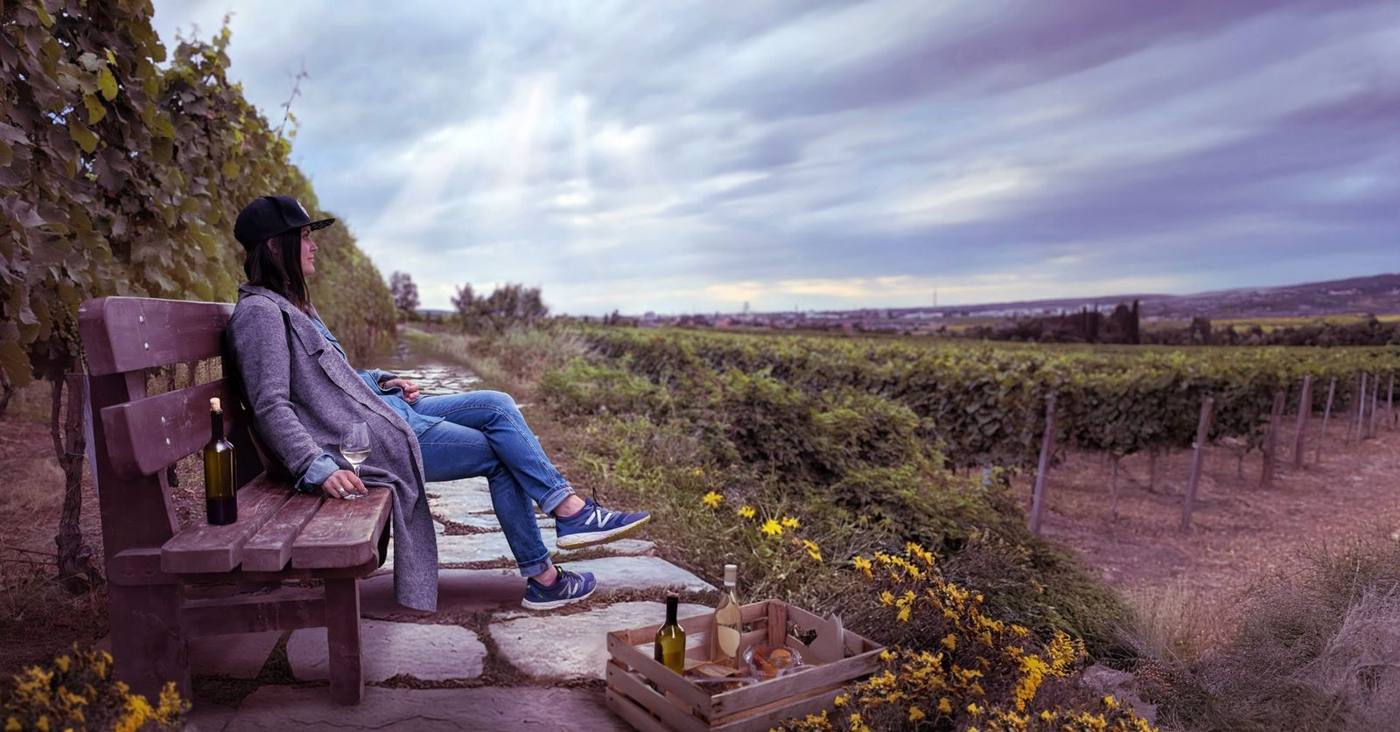
The Small Carpathians wine route between Pezinok and Modra with its blue pottery, the spa town of Piešťany on the Váh river and Červený Kameň castle.
 4 daysEasy
Orava and the Pieniny
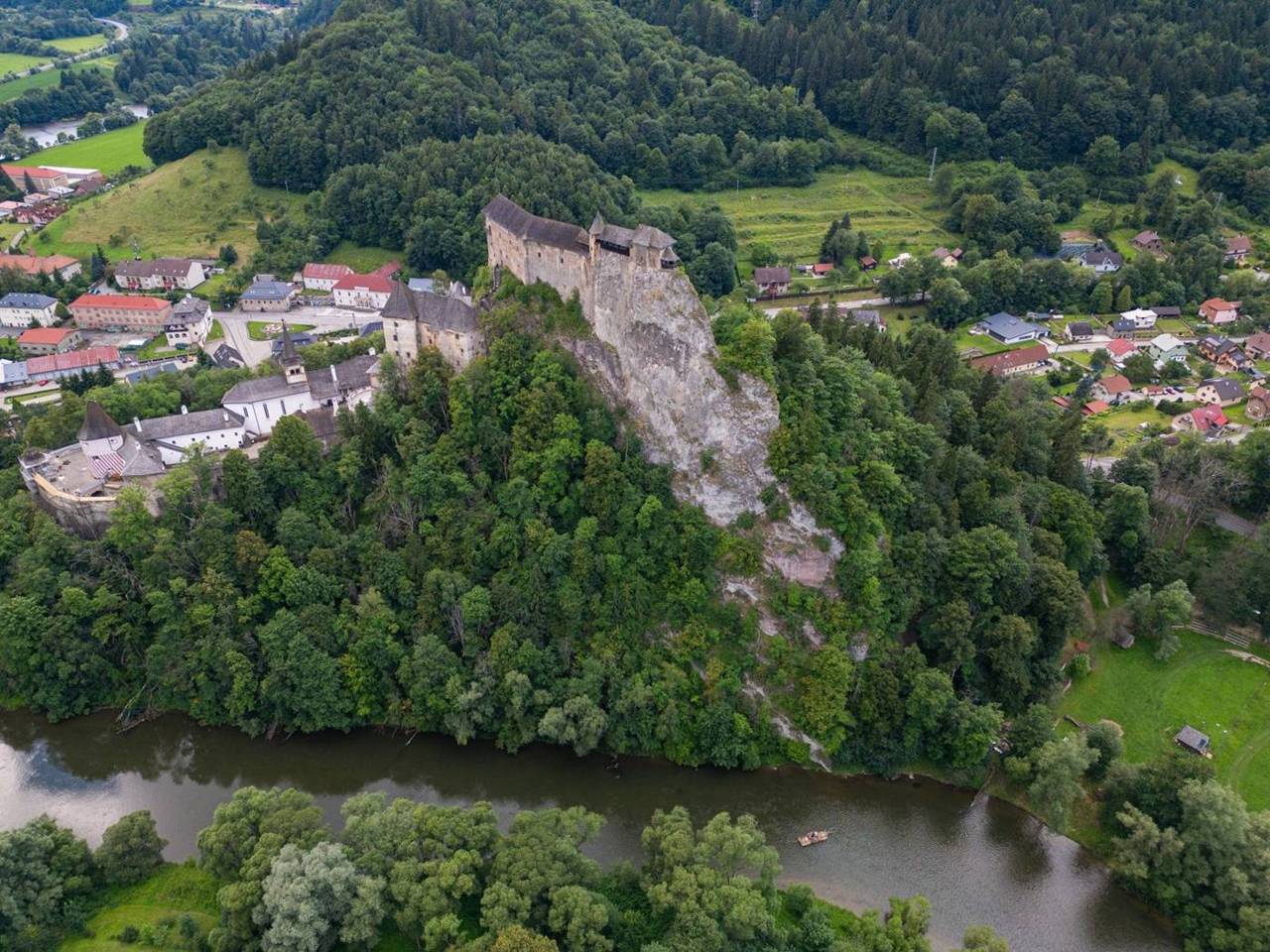
Orava castle on its crag, the Zuberec village museum, rafting down the Dunajec through the Pieniny gorges and the Red Monastery of Červený Kláštor.
 5 daysModerate
Skiing in the Tatras
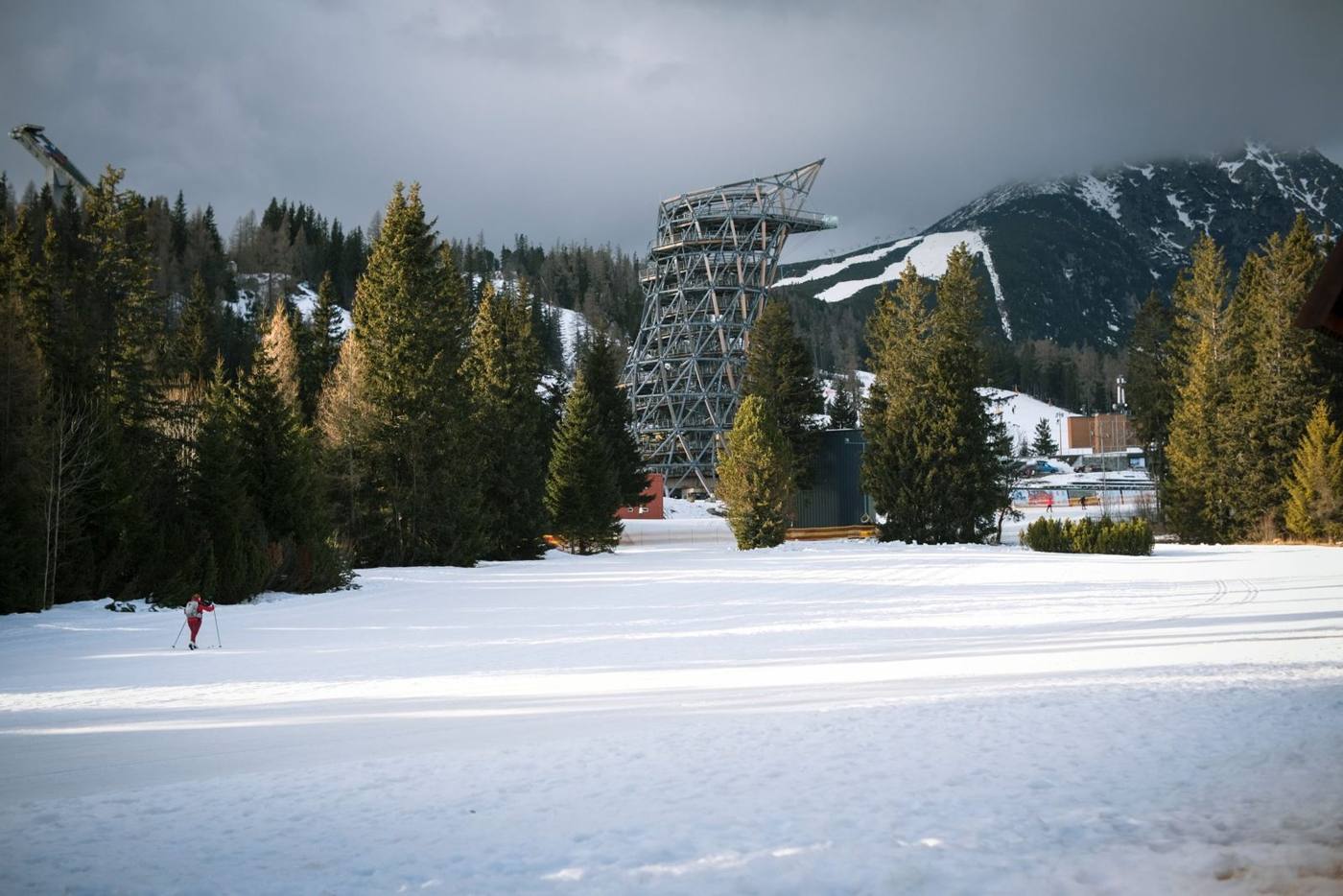
An affordable ski week: the slopes of Jasná on both sides of Chopok, Tatranská Lomnica in the High Tatras and the thermal pools of Bešeňová.