Banská Štiavnica
The old UNESCO mining town on the slopes of an extinct volcano: the Old and New Castles, the baroque Calvary, visitable mines and the artificial lakes called tajchy.
- Banská Štiavnica
- Calvary
- Open-air Mining Museum
- Počúvadlo
Day by day
- Day 1
The old town and the two castles
This short trip takes you to Banská Štiavnica, the old mining town of central Slovakia, built on the slopes of an extinct volcano. It is a UNESCO World Heritage Site together with the technical monuments around it. In three days you see the centre, the castles, the Baroque calvary, a mine and the artificial lakes called tajchy. You arrive by car from Bratislava in about two and a half hours.
Before you go: Italian citizens can enter Slovakia with an electronic identity card or a passport, without a visa: the country is in the European Union and the Schengen area, and the currency is the euro. Other nationalities should check their own rules. Motorways need an electronic vignette, to be bought on the official eznamka.sk website; the drink driving limit is zero and headlights stay on in daytime too.
Leave the car and walk around the centre, which is all ups and downs. Between the sixteenth and eighteenth centuries the town was one of the richest in the Kingdom of Hungary, thanks to silver: you can see it in the merchants' houses and in the large Holy Trinity column on the main square. Visit the Old Castle, a Romanesque church turned into a fortress against the Turks, and then climb to the New Castle, a white tower with four turrets at the corners, from which you see the whole basin. Check prices and times.
In the evening, have dinner in the centre and try bryndza, the sheep's cheese, with small potato dumplings.
Overnight in Banská Štiavnica, for two nights.
Practical tip: the streets in the centre are very steep and parking is scarce; choose a place to stay with a parking space and get around on foot only.
- Day 2
The calvary and the mine
Today you see the two symbols of the town: the Baroque calvary on the hill and the work of the miners underground.
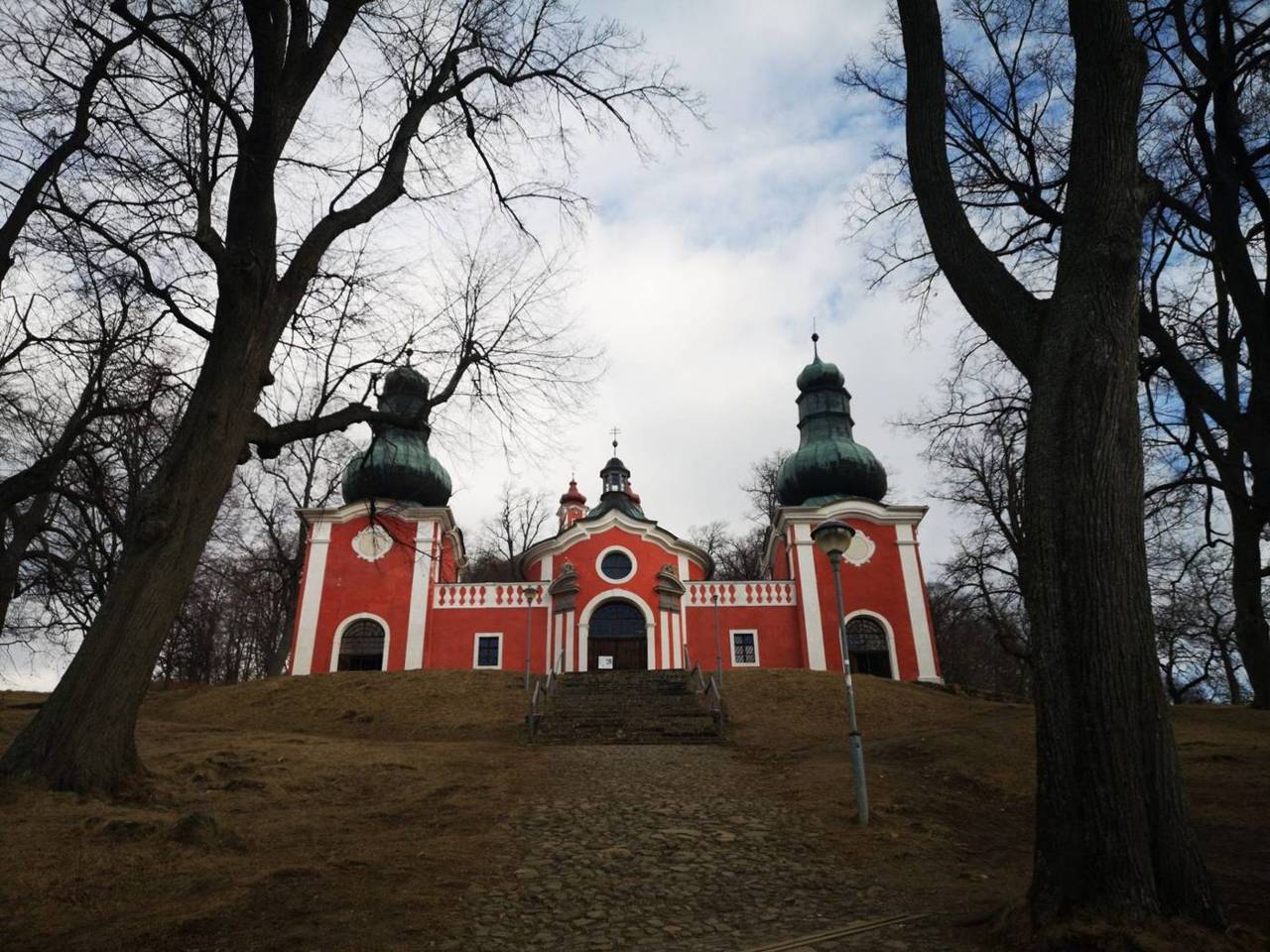
In the morning, walk up to the calvary, on Scharffenberg hill, east of the centre. It was built in the mid eighteenth century on the initiative of the Jesuits: it is an uphill route with chapels, a lower church, an upper church and a Holy Sepulchre chapel, where each building tells a scene of the Passion. From the top you see the centre, the roofs and the wooded hills around. Check prices and opening times of the churches.
In the afternoon, visit the open air mining museum, just outside town. Above ground you see buildings, machines and mining tools; then, with the helmet and cape they give you at the entrance, you go into a gallery cut into the rock with a guide. You hear how miners worked, in the dark and the damp, to dig out silver and gold. Check prices and times, because underground tours run at fixed times.
On the way back into town, stop in front of the Klopačka, the tower from which miners were once called to work by knocking on wood.
In the evening, take a quiet walk through the lit streets of the centre and stop at a high point to look at the roofs and bell towers of the basin.
Practical tip: in the mine the temperature is low all year round; bring a jumper and closed shoes even in summer.
- Day 3
Lake Počúvadlo and the way home
Last day: a morning outdoors among the woods and lakes nearby, then the journey back.
Around Banská Štiavnica there are dozens of tajchy, artificial lakes built by the miners between the sixteenth and eighteenth centuries. They collected the water that drove the machines pumping water out of the galleries and processing the ore. Today they are quiet lakes, surrounded by beech trees and meadows, where local people come to swim in summer.
Go to Lake Počúvadlo, about twenty minutes away by car, one of the largest. Walk along the path around the shore and, if it is summer, have a swim: the water is clean and cool. If you like walking, from the lake you can climb towards Sitno, the highest peak of the Štiavnica hills, on a path through the woods with a lookout tower at the top.
In the afternoon, drive back to Bratislava.
To sum up, in three days you have seen the old town and its two castles, the Baroque calvary, a mine you can visit and the miners' lakes.
When to go: from May to October. In early September the town celebrates its mining history with the Salamander parade, traditional and very popular.
Practical tip: before swimming in the tajchy, check the signs on water quality and bring water shoes, because the bottom can be muddy.
Slovakia's loveliest small town, still not very touristy. The streets are steep. It is two and a half hours from Bratislava.
Before you go
- Documents and visa
- EU citizens need a valid identity card or passport: Slovakia is in the EU and the Schengen area, so no visa is needed. Other nationalities should check the Schengen rules.
- Health and vaccines
- No vaccines required. EU citizens should bring their EHIC, which covers urgent care only: insurance with medical costs and repatriation is recommended, and for the high mountains also rescue cover. Woods have ticks that can carry encephalitis: ask your doctor about the vaccine. Emergencies: 112, ambulance 155, police 158, fire 150.
- Money and payments
- Euro. Cards and cash machines work almost everywhere. Motorways need an electronic vignette: buy it on the official eznamka.sk website. The drink driving limit is zero and dipped headlights must be on in daytime too, all year.
- Power sockets
- Type E, 230 volts: you need an adapter for British plugs.
- Time zone
- Central European Time (UTC+1, summer UTC+2), one hour ahead of the UK.
- Safety
- Generally calm. In Bratislava pickpocketing is rising on public transport and at tourist sites; cars are broken into in tourist areas and car parks. In nightclubs keep an eye on your drink, wallet and phone. In the High Tatras many high trails close in winter: check the park rules on tanap.sk. Official advice: GOV.UK.
Information checked in November 2026 for Italian and EU citizens. Rules change: always check before you travel.
Variations
In a single day, leaving Bratislava early, you can see the centre, the New Castle and the calvary.
With one more day, add Bojnice Castle, about an hour and a half away by road.
Frequently asked questions
Is Banská Štiavnica good for children?
Yes: the mine with helmets, the castles and swimming in the lakes are very popular. The steep streets are hard work with a pushchair, though.
Do I need a car?
It is very handy for reaching the lakes and the mining museum. In the centre you get around on foot.
Can I swim in the tajchy?
In many of them, yes, in summer, and local people use them as bathing lakes. Always check the signs on site.
Indicative itinerary written by World Atlas. Before booking, check timetables, seasonal openings, documents and safety.
 4 daysModerate
The Low Tatras and the caves
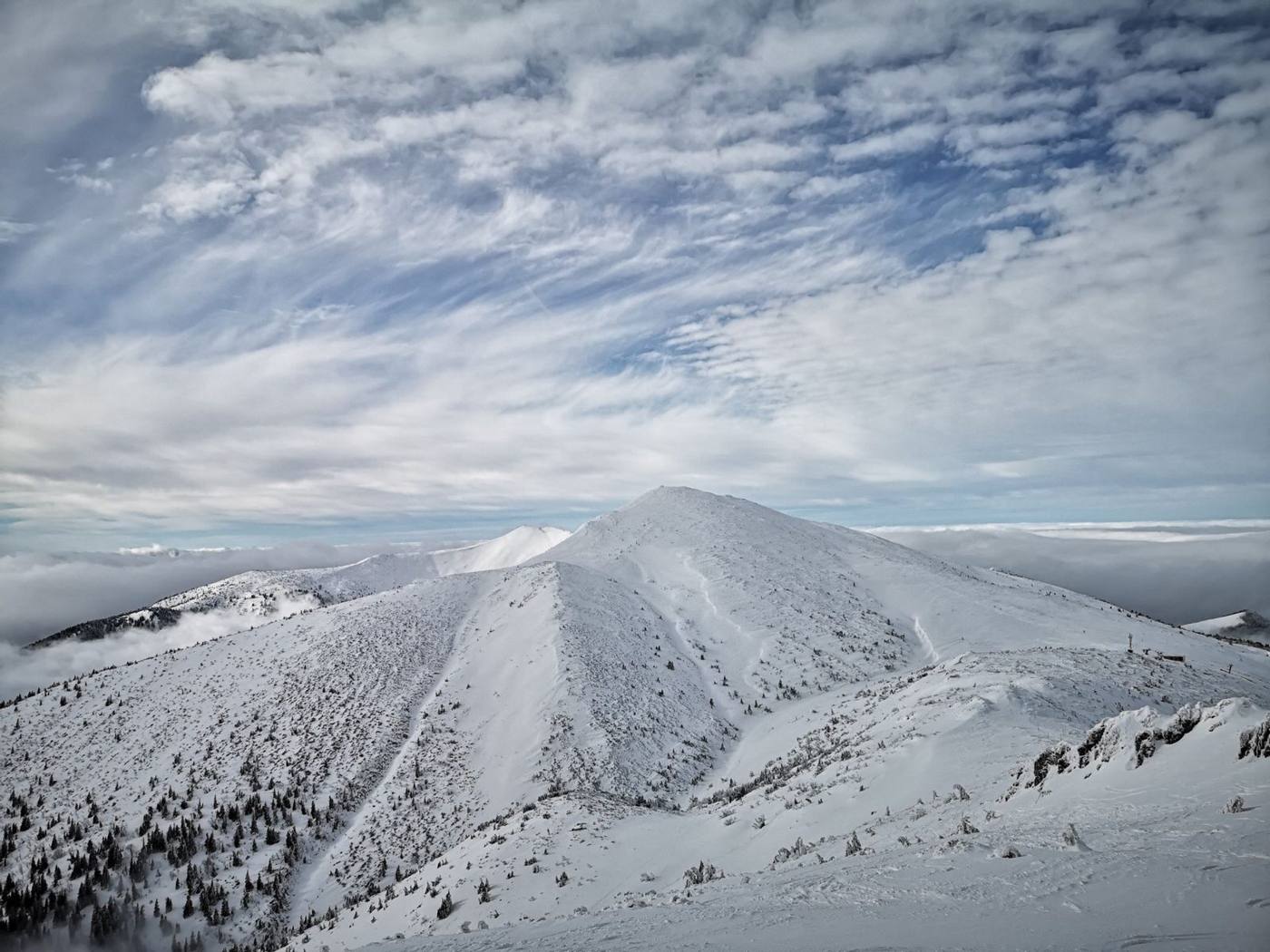
The Low Tatras ridge from Chopok to Ďumbier, Demänovská Ice Cave and the Cave of Liberty, based in Liptovský Mikuláš.
 4 daysModerate
Vlkolínec and Malá Fatra
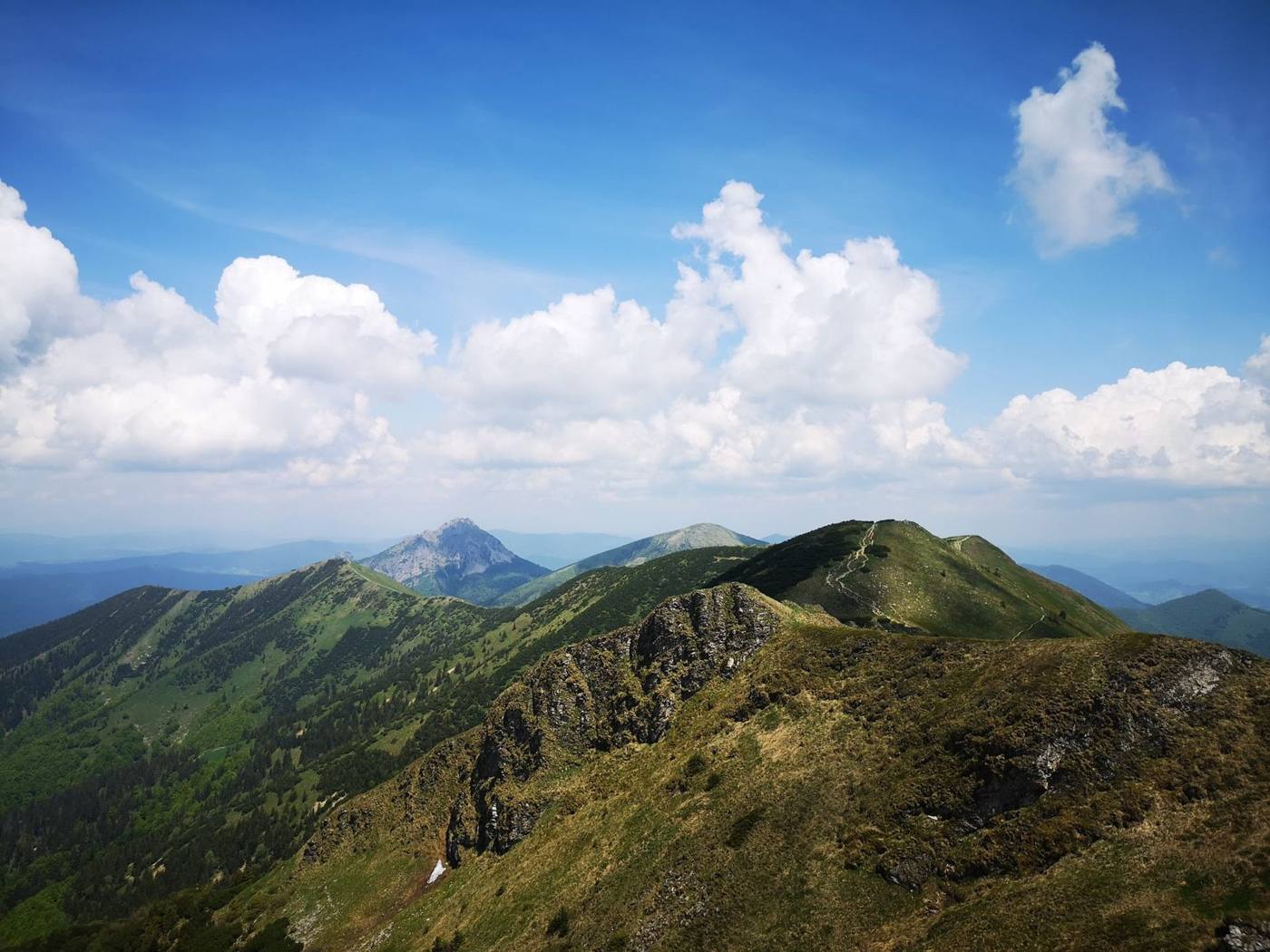
The ladders and chains of the Jánošíkove diery gorges, the Malá Fatra ridge, Strečno castle, the UNESCO village of Vlkolínec and the painted wooden village of Čičmany.
 4 daysEasy
Košice and the east
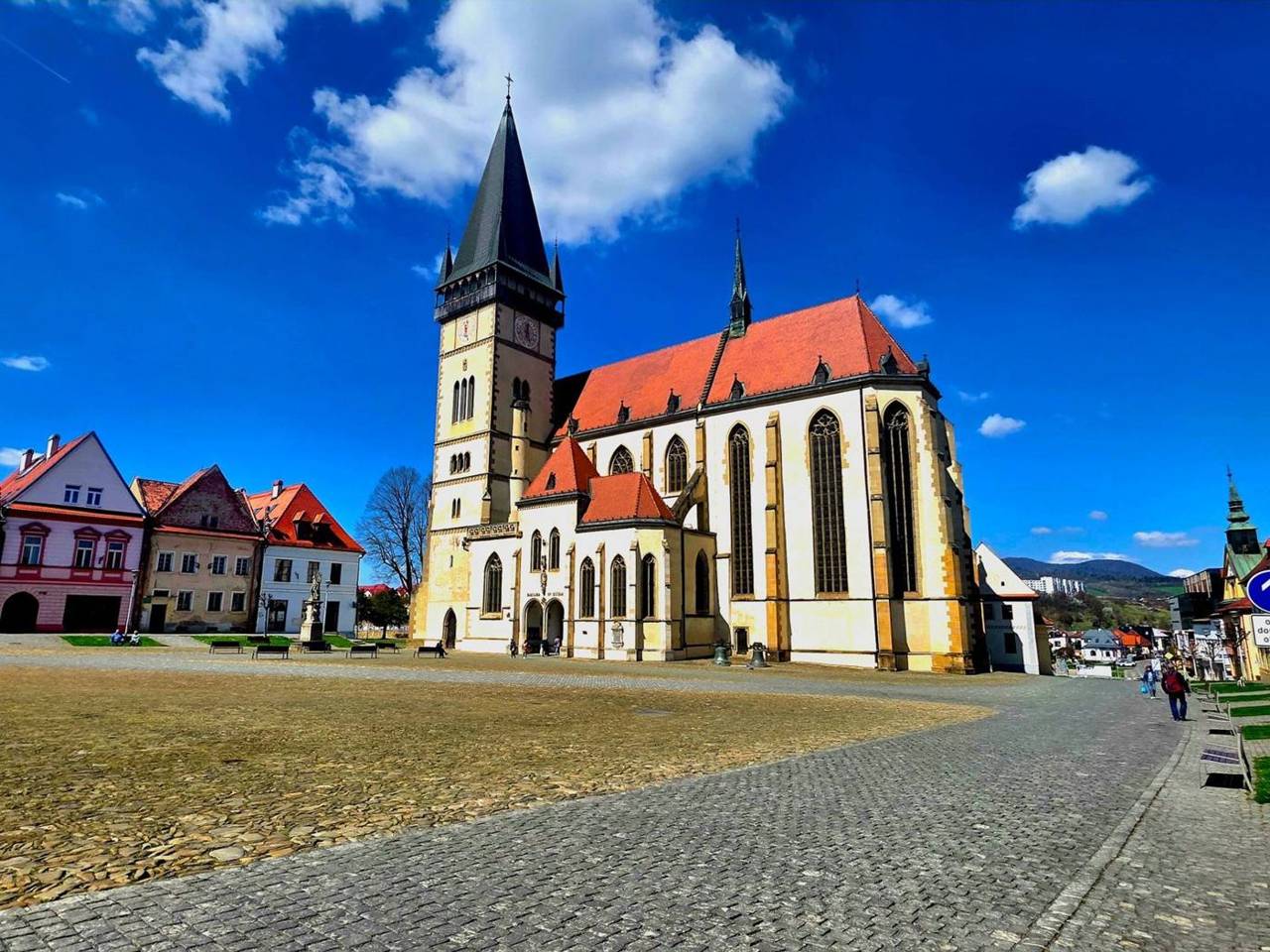
Košice and the Gothic St Elisabeth cathedral, UNESCO-listed Bardejov with its Renaissance square and the wooden churches of the Carpathians, with a stop at Jasov cave.