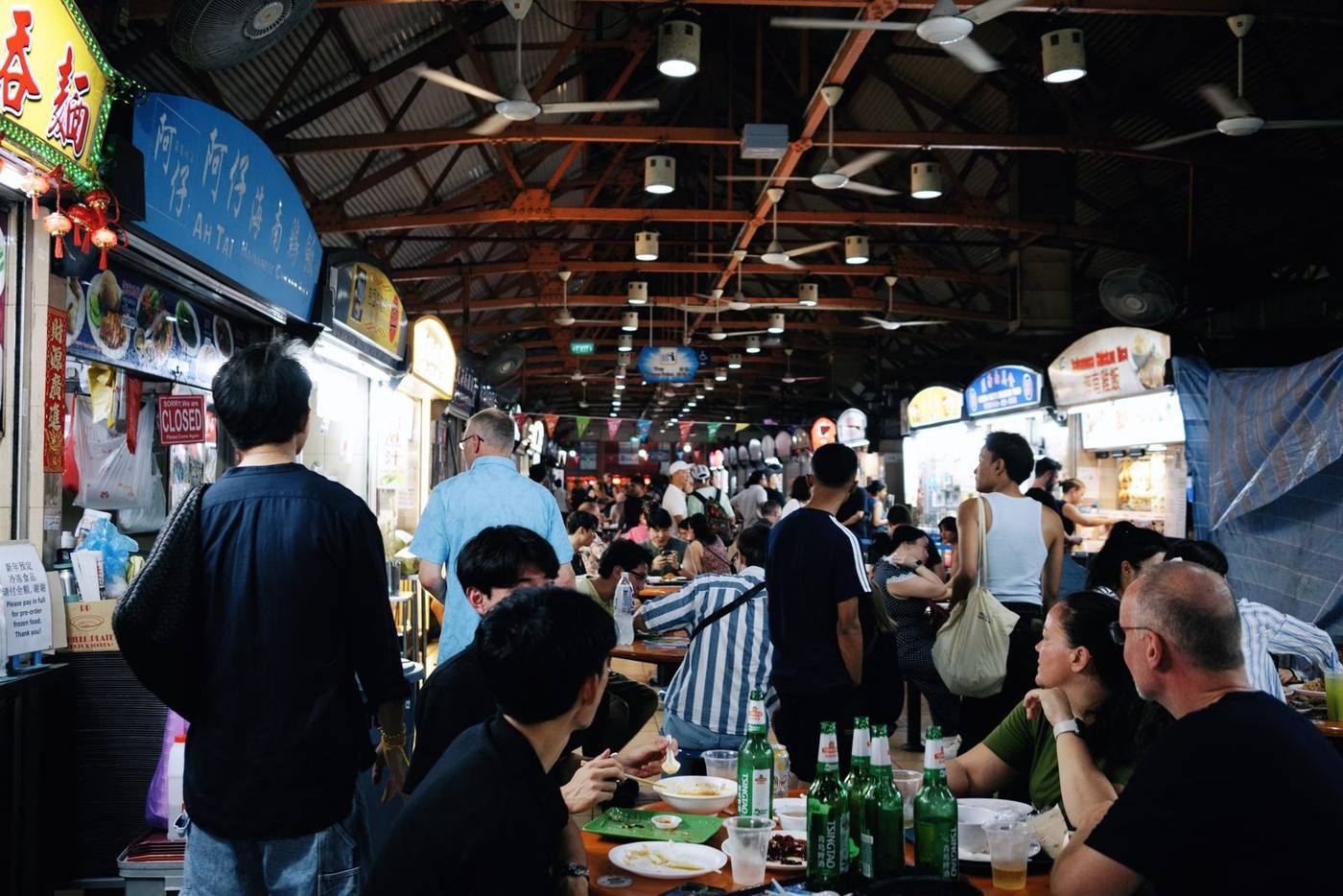
The hawker centres
Singapore's street food culture, on the UNESCO list: Maxwell, Lau Pa Sat, Tiong Bahru and Old Airport Road, with Hainanese chicken rice, chilli crab and kaya toast.
- Tiong Bahru
- Maxwell
- Lau Pa Sat
- Old Airport Road
Day by day
- Day 1
Tiong Bahru, Maxwell and Lau Pa Sat
This short trip is dedicated to hawker centres, the large covered courtyards full of stalls cooking food to order, where Singaporeans eat every day for little money. In 2020 hawker culture was added to UNESCO's list of intangible cultural heritage.
Before you go: Italian citizens enter Singapore with a passport valid for at least six months from the date of entry, and without a visa for up to 90 days for tourism. Other nationalities should check their own rules. Within the three days before arrival, fill in the SG Arrival Card only on the official website of the ICA, the immigration authority. Laws are extremely strict: very harsh penalties for drugs, up to the death penalty for trafficking, a ban on e-cigarettes and on bringing in chewing gum, and fines for littering or eating on the metro.
In the morning have breakfast at Tiong Bahru Market, in a neighbourhood of 1930s art deco public housing. The wet market is on the ground floor and the stalls are on the first floor. Order kaya toast, toasted bread with butter and kaya, a coconut and egg jam, soft-boiled eggs with soy sauce and a kopi, coffee with condensed milk.
For lunch go to Maxwell Food Centre, on the edge of Chinatown, famous for Hainanese chicken with rice cooked in the stock.
In the evening go to Lau Pa Sat, a nineteenth-century cast-iron covered market among the skyscrapers of the centre. When darkness falls the street next to it closes to cars and fills with grills for satay, skewers with peanut sauce.
Sleep in Singapore.
Practical tip: to hold a table, Singaporeans leave a packet of tissues on it; if you see one, look for another seat, and at the end always return your tray to the collection points.
- Day 2
Old Airport Road and departure
Today you try another great hawker centre before leaving.
In the morning take the metro to Dakota and walk to Old Airport Road Food Centre, one of the largest and best loved in the city, on the road named after the old Kallang airport. Here it is mostly local families who eat, and a queue in front of a stall is the best sign of quality.
Try the most typical dishes: char kway teow, flat rice noodles stir-fried in the wok with egg and cockles, laksa, a noodle soup with coconut milk and chilli, carrot cake, which is not a cake but a dish of radish cubes fried with egg, and rojak, a fruit salad with a dark prawn paste sauce. For chilli crab, crab in a spicy tomato sauce, look for the seafood stalls.
Order a few dishes at a time and share them: it is the best way to taste a lot. Drink sugar cane juice or teh tarik, tea with milk poured from a height to make it frothy.
In the afternoon take the metro to Changi airport.
In two days you have discovered the Singapore of street food: breakfast among the art deco houses of Tiong Bahru, Hainanese chicken at Maxwell, satay at Lau Pa Sat and the neighbourhood cooking of Old Airport Road.
When to go: any time of year works, with constant humid heat. From February to April it rains a little less; from November to January downpours are more frequent.
Practical tip: many stalls close one day a week or finish early when the ingredients run out, so go early and carry some cash.
The cheapest, tastiest way to eat in an expensive city. Many stalls close one day a week or sell out early. Tables are 'reserved' with a packet of tissues.
Before you go
- Documents and visa
- Passport valid for at least six months from the date of entry; for tourism Italian citizens enter without a visa for up to 90 days. The SG Arrival Card is compulsory: fill it in online within the three days before arrival, including the day of arrival, only on the official website of the ICA, the immigration authority. It costs nothing, so avoid websites that ask for money. Your iris, face and fingerprints are recorded on entry.
- Health and vaccines
- No vaccinations are compulsory for travellers from Italy; a yellow fever certificate is needed only if you arrive from a country at risk. There are dengue cases in the city too: use insect repellent, especially in parks and nature reserves. Tap water is safe to drink. Healthcare is excellent but very expensive: you need insurance covering medical costs and repatriation. Emergencies: police 999, ambulance and fire 995.
- Money and payments
- Singapore dollar (SGD). Cards and contactless payments work almost everywhere, including at the metro gates; at hawker centres some stalls take only cash or phone payments.
- Power sockets
- Type G, 230 volts: British plugs fit without an adapter.
- Time zone
- UTC+8 all year.
- Safety
- One of the safest countries in the world, with very low crime. Laws are extremely strict: drug trafficking carries the death penalty and possession is punished with prison; you can be tested on arrival, even for drugs taken abroad. Importing, possessing and using e-cigarettes is banned, and you cannot bring in chewing gum, except for medical use. There are fines for littering, smoking outside permitted areas and eating or drinking on public transport. In the rainy season there are thunderstorms with lightning; from July to October haze from fires in Indonesia can arrive. Official advice: GOV.UK.
Information checked in November 2026 for Italian and EU citizens. Rules change: always check before you travel.
Variations
In one day: breakfast at Tiong Bahru, lunch at Maxwell and dinner at Lau Pa Sat.
In three days: add Chinatown Complex Food Centre and Tekka Centre in Little India, with Indian and Malay cooking.
Frequently asked questions
What document do I need for Singapore?
Italian citizens enter with a passport valid for at least six months, and without a visa for up to 90 days for tourism; within the three days before arrival you need the SG Arrival Card on the official ICA website. Other nationalities should check their own rules.
How much does it cost to eat at a hawker centre?
Much less than in a restaurant, and it is the cheapest way to eat well in an expensive city. Check the prices shown on the stalls and carry some cash too.
How do tables work?
Tables are shared. A packet of tissues on a table means it is already taken; at the end return your tray and dishes to the collection points.
Indicative itinerary written by World Atlas. Before booking, check timetables, seasonal openings, documents and safety.
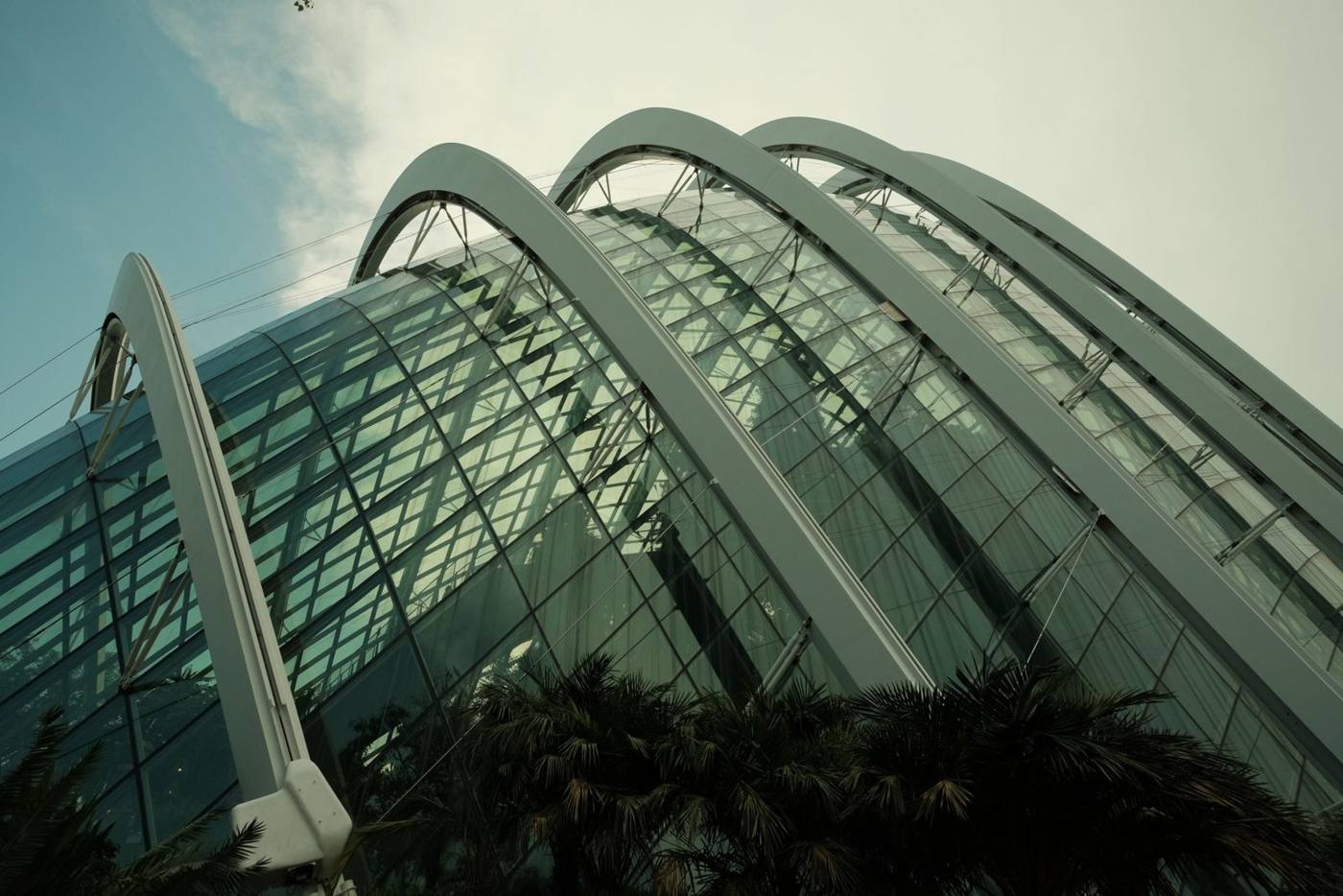 3 daysEasy
Singapore in three days
Marina Bay and Gardens by the Bay, Chinatown, Little India and Kampong Glam, the hawker centres and the UNESCO Botanic Gardens.
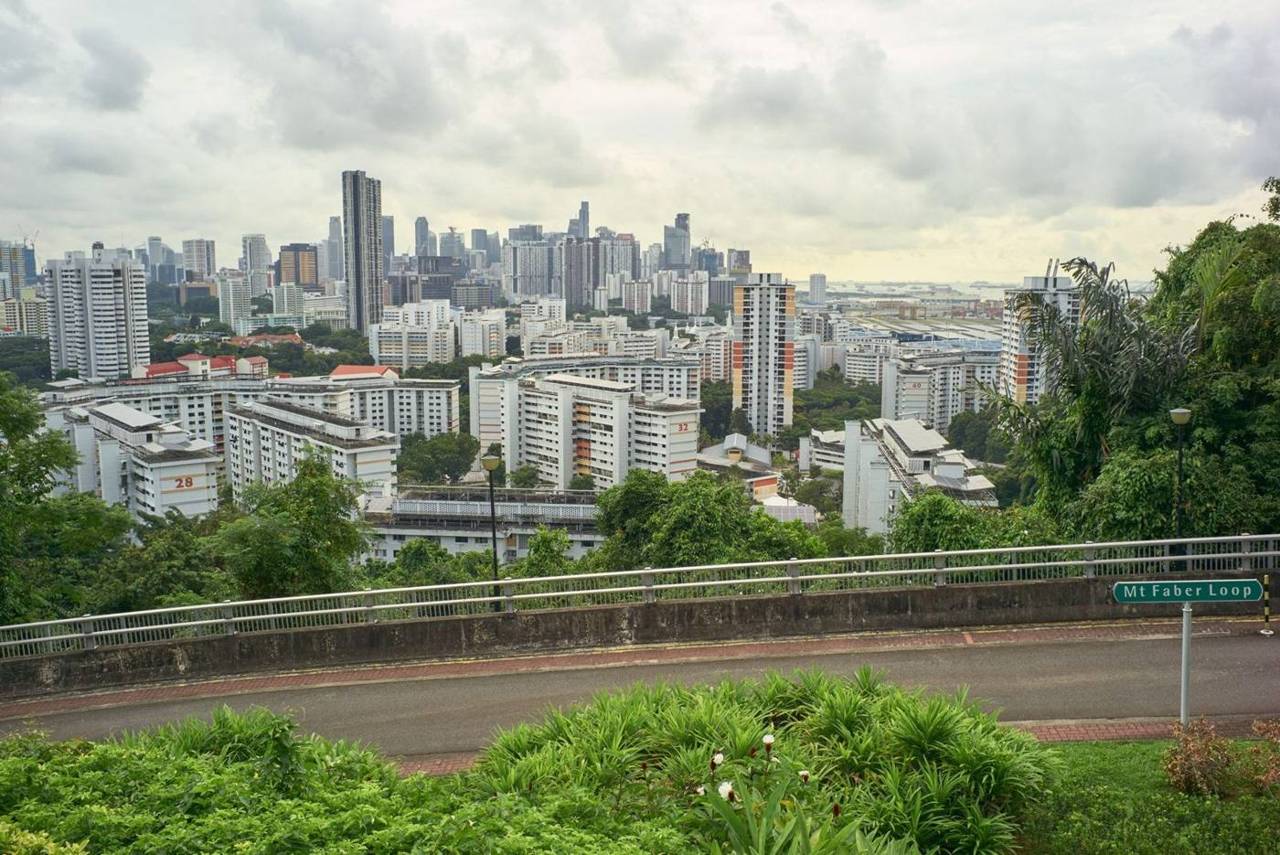 3 daysEasy
Green Singapore and the islands
The Southern Ridges above the forest, MacRitchie reservoir, rural Pulau Ubin by bike and the Night Safari.
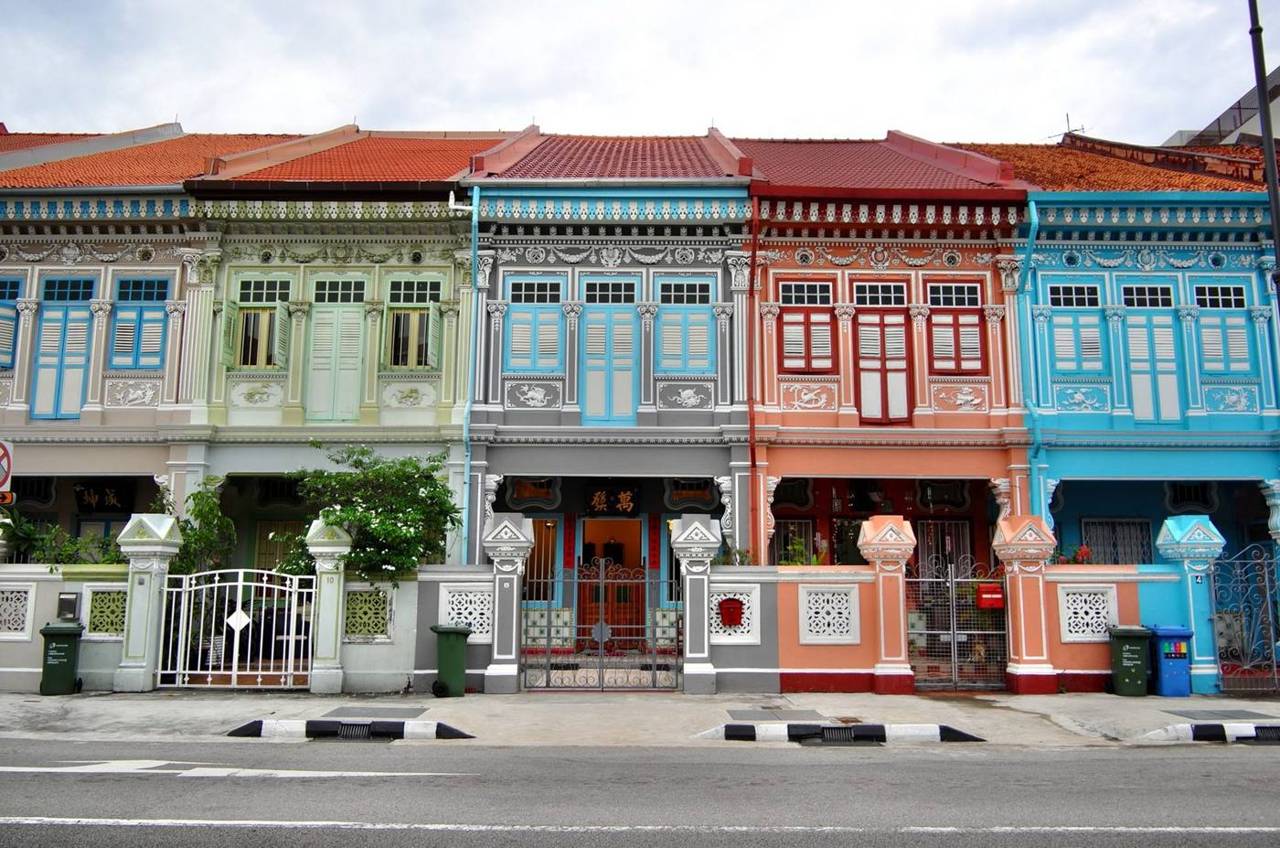 2 daysEasy
Katong and Peranakan culture
The colourful houses of Koon Seng Road, the Peranakan shops and food of Katong and Joo Chiat, Katong laksa and the Peranakan Museum in the centre.