Tiwai Island
A forest island on the Moa River run by the communities: eleven primate species, including chimpanzees and colobus, the pygmy hippo and rare birds, seen on foot and by canoe.
- Freetown
- Bo
- Tiwai
Day by day
- Day 1
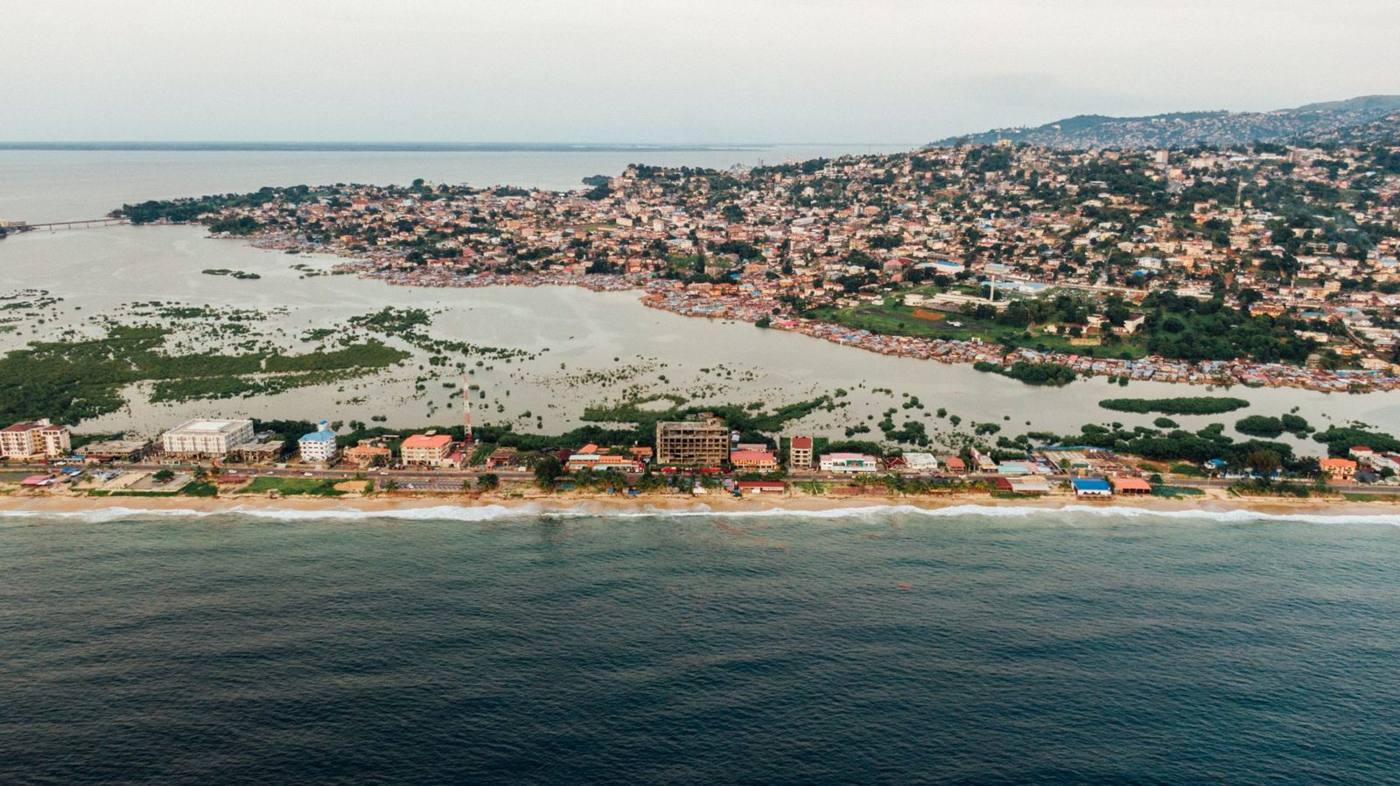
From Freetown to Bo
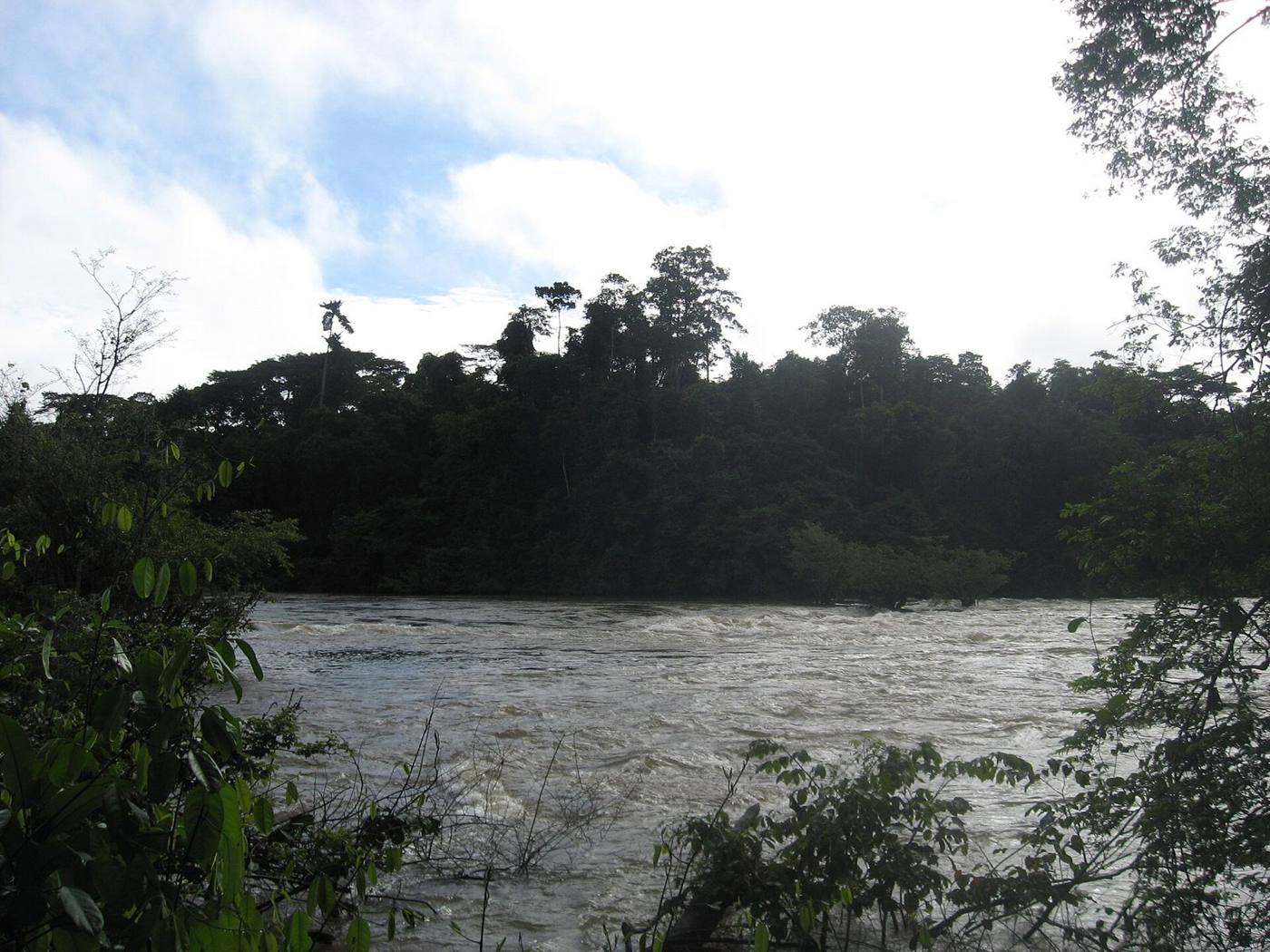
This four-day trip takes you to Tiwai Island, a forest in the middle of the Moa River, in southern Sierra Leone. It is one of the best places in West Africa to see primates, and it is part of the Gola-Tiwai complex, a UNESCO World Heritage Site. You travel with a driver and a 4x4, then by boat and canoe.
Before you go: Italian citizens enter Sierra Leone with a passport, valid for at least six months, and a visa, applied for online on the official website evisa.sl before departure or paid for on arrival at the airport. Within 72 hours before your flight, fill in the online health declaration on the official portal. Yellow fever vaccination is compulsory; talk to your doctor about malaria prevention. Other nationalities should check their own rules.
Today you take the long road from Freetown to Bo, the country's second city, in the Southern Province. The journey takes several hours. Leave very early, to get out of the capital before the traffic and arrive in daylight: outside the Freetown peninsula it is best not to travel by road after dark, because of unlit roads, poorly maintained vehicles and pedestrians on the carriageway.
The road crosses villages, rice fields, oil palms and markets along the roadside. Stop for lunch in a small town along the way.
Bo is a lively city, with a large market and many schools. In the late afternoon take a walk around the market, among fabrics, fruit and smoked fish.
Sleep in Bo.
Practical tip: travel with an experienced driver and a vehicle in good condition, and bring water, snacks and cash for the whole day; cash machines are rare along the road. Tell someone at your hotel what time you expect to arrive.
- Day 2
The Moa River and the crossing to Tiwai
Today you reach the Moa River and cross to Tiwai Island.
From Bo the road becomes narrower and partly unpaved. You pass small villages and cassava fields, towards the area of Potoru, about fifteen kilometres from the island. The journey time depends a lot on the state of the road: in the rainy season it can take much longer.
Once on the riverbank, you board a motorboat that crosses the river to the island in a few minutes. Tiwai covers about twelve square kilometres and is covered in rainforest. It was declared a reserve in the 1980s and is managed together with the communities of the nearby villages, who own it: part of what you pay goes to them, for schools and local projects.
Settle into the island's simple camp, with tents or huts and basic facilities. In the afternoon take your first walk with a local guide. You hear the calls of monkeys in the tall trees, see animal tracks on the path and learn to recognise the plants the villages use as medicine.
At sunset sit on the riverbank and watch the birds flying back towards the forest.
In the evening, after dinner, you can go on a short night walk with the guide to see frogs, insects and, with luck, small mammals.
Sleep on Tiwai Island, for two nights.
Practical tip: bring a head torch, spare batteries, a power bank and repellent: on the island electricity is limited or absent. Pack light, because you carry your bags onto the boat yourself.
- Day 3
Trails at dawn and a canoe on the river
Today is the best day of the trip, dedicated to Tiwai's animals.
Get up before dawn and set off with the guide on the forest trails, when the animals are most active. Eleven species of primates live on the island, one of the highest concentrations in the world. You can see the red colobus, the black-and-white colobus, the Diana monkey with its white chest and beard, the sooty mangabey and other smaller monkeys. Chimpanzees are present, but they show themselves more rarely: you often hear their distant calls before seeing them.
Walk in silence and in single file, stopping when the guide raises a hand. The forest is dense, with very tall trees, lianas and buttress roots.
At midday rest at the camp, when it is hottest and the animals hide.
In the afternoon get into a canoe and glide along the Moa River, among the rocks and small islands around Tiwai. You see kingfishers, herons, hornbills with their large beaks and, if you are very lucky, the pygmy hippopotamus, a rare and shy animal, much smaller than its savannah relative. Seeing one is difficult, but just knowing it lives here makes the outing special.
In the evening you listen to the sounds of the forest from the camp.
Sleep on Tiwai Island.
Practical tip: wear neutral colours, long trousers and closed shoes, and bring binoculars; in the canoe keep your camera in a waterproof bag. Ask the guide before stepping off the trail, as some areas are used for research.
- Day 4
Back towards Freetown
Today you leave the island and head back towards Freetown.
If you wish, take a last walk at dawn with the guide, then cross the river by boat and get back into the 4x4. Leave early: the road is long and you must reach Freetown before dark. If your flight is the next day, you can also break the journey with a night in Bo.
During the drive watch the landscape change: the southern forest gives way to fields and villages, then to the hills around the capital. Stop at a roadside market to buy fruit, roasted groundnuts or fried plantains.
In four days you have had a real experience of nature and community tourism: the long road across the country, the crossing of the Moa River, the dawn trails among colobus and Diana monkeys, the canoe trip in search of the pygmy hippo. The accommodation is very simple, but the forest and the kindness of the guides make up for the effort, and the money you spend helps the villages protect the island.
When to go: the best period is from December to April, in the dry season, when roads are easier and trails less muddy. From May to November the rains are heavy, roads can become difficult and the river rises.
Practical tip: before leaving, check road and river conditions with the Tiwai camp, and book accommodation and guides in advance, especially if you are travelling in a group. Keep some cash for tips to the guides and boatmen, who are part of the community.
Real nature and community tourism, with very basic lodging. The United States advises against travelling outside the Freetown peninsula after dark: leave early and arrive in daylight.
Before you go
- Documents and visa
- Passport valid for at least six months and a visa: the e-visa is requested on the official website evisa.sl before you leave, or paid for on arrival at the airport. Within 72 hours before your flight you must also fill in the online health declaration on the official portal poep.npha.gov.sl.
- Health and vaccines
- Yellow fever vaccination is compulsory: you cannot enter without the certificate. Malaria is present throughout the country, sometimes severe: prevention is recommended, after medical advice. Healthcare facilities are basic: you need insurance covering medical costs and repatriation. Drink only bottled water, without ice. Emergencies: 999.
- Money and payments
- Leone. US dollars and euros in cash are often accepted, cards rarely: carry cash in small notes and change it at banks or authorised bureaux.
- Power sockets
- Type D and G, 230 volts: British plugs fit type G sockets. Power cuts are frequent; many places to stay use generators.
- Time zone
- UTC+0 all year.
- Safety
- Do not travel by road outside the Freetown peninsula after dark. In Freetown and on the peninsula beaches there have been thefts and robberies: do not walk alone at night and do not show money or valuables. The sea has strong currents and there are no lifeguards. From Lungi airport use only the regular water taxis or the ferry, never pirogues. Official advice: GOV.UK.
Information checked in November 2026 for Italian and EU citizens. Rules change: always check before you travel.
Variations
In three days you can do Freetown, Tiwai and back, with a single night on the island, but the transfers become very long.
In six days you can add the nearby Gola Rainforest National Park, always with a guide and travelling only by day.
Frequently asked questions
Can you see chimpanzees on Tiwai?
They are present, but shy, and they do not always show themselves. Monkeys such as colobus and Diana monkeys are seen much more often, especially at dawn.
What is the accommodation like on the island?
Very simple: tents or huts, basic facilities and little electricity. Bring a torch, repellent and a power bank.
Can I drive to Tiwai on my own?
It is better to travel with an experienced driver and a 4x4. The roads are long and partly unpaved, and outside the Freetown peninsula you should not travel after dark.
Indicative itinerary written by World Atlas. Before booking, check timetables, seasonal openings, documents and safety.