Freetown and the peninsula
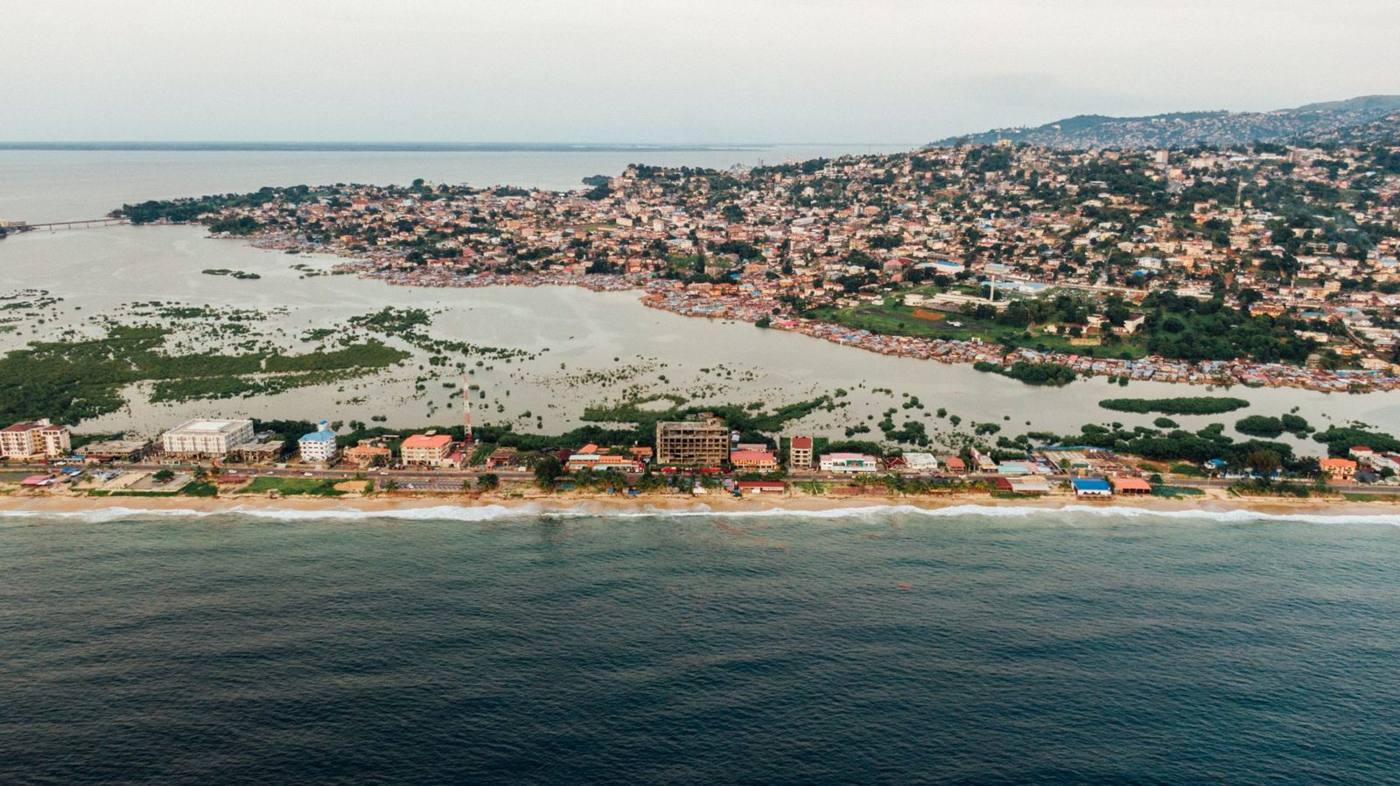
The beaches of the Freetown peninsula, River Number Two and Tokeh, Tacugama chimpanzee sanctuary, the Banana Islands and Bunce Island, a former slave fort.
- Freetown
- Tacugama
- River Number Two
- Tokeh
- Banana Islands
- Bunce Island
Day by day
- Day 1
Arrival in Freetown and the site of the Cotton Tree
This six-day trip takes you to Freetown, the capital of Sierra Leone, and along its peninsula: the Tacugama chimpanzee sanctuary, Bunce Island with its slave trade fort, the beaches of River Number Two and Tokeh and the Banana Islands. You travel with a driver and by boat.
Before you go: Italian citizens enter Sierra Leone with a passport, valid for at least six months, and a visa, applied for online on the official website evisa.sl before departure or paid for on arrival at the airport. Within 72 hours before your flight, fill in the online health declaration on the official portal indicated by the authorities. Yellow fever vaccination is compulsory; talk to your doctor about malaria prevention. Other nationalities should check their own rules.
You land at Lungi airport, which lies across a wide estuary from Freetown. To reach the city take a regular water taxi, which crosses in less than an hour, or the ferry. Never board pirogues or boats without lights and life jackets.
In the afternoon walk around the centre to the spot where the Cotton Tree stood, the great tree that was the symbol of the city, brought down by a storm in 2023. According to tradition, the former slaves who founded Freetown at the end of the eighteenth century prayed beneath its branches. Nearby is the national museum, small but useful for understanding the country's history.
In the evening try cassava leaves stewed with palm oil, one of the most common dishes.
Sleep in Freetown, for three nights.
Practical tip: bring US dollars or euros in cash in small notes; cards are rarely accepted and power cuts are frequent, so keep your phone charged.
- Day 2
The Tacugama chimpanzee sanctuary
Today you climb into the green hills above Freetown, inside the peninsula's national park, to visit the Tacugama chimpanzee sanctuary.
The sanctuary was set up in the mid-1990s to take in orphaned or captive chimpanzees, often babies taken from their mothers to be sold as pets. Today it houses many animals in large forest enclosures, where they learn again to live in groups. The western chimpanzee, the subspecies found in Sierra Leone, is critically endangered, and the sanctuary also works with village communities to protect the forest.
The visit is guided, at set times, and must be booked. You walk along forest trails and watch the chimpanzees from viewpoints, while the guide tells the story of each one and explains the rehabilitation work. Check prices and times on the sanctuary's official website.
In the afternoon, if you still have energy, ask about a short trail in the park's forest, where you hear birds and cicadas and see the city from above.
Back in Freetown, go to Aberdeen and Lumley Beach, the long city beach where local people stroll at sunset. Stay in lit areas where there are other people.
In the evening try jollof rice or groundnut stew with chicken.
Sleep in Freetown.
Practical tip: at Tacugama wear closed shoes and long trousers and bring mosquito repellent; the trails can be muddy even in the dry season. Carry some water and a light raincoat, as showers can arrive suddenly in the hills.
- Day 3
By boat to Bunce Island
Today you travel up the Sierra Leone River by boat to Bunce Island, one of the most important places in the history of the slave trade.
You leave in the morning from Freetown's harbour. The crossing takes one to two hours, depending on the boat and the sea, and goes through the estuary with the city behind you and mangroves along the banks.
The island is small, but it preserves the ruins of a British fort used between the late seventeenth and the early nineteenth century. From here tens of thousands of enslaved Africans were loaded onto ships bound for the Americas, many for the rice plantations of South Carolina and Georgia, where the skills of West African farmers were highly sought after. Even today the Gullah, descendants of those slaves, keep ties with Sierra Leone.
You walk among stone walls covered in vegetation, the remains of the warehouses, the walls with their cannons and the small traders' cemetery. A guide explains how the trade worked and what happened to the captives. It is a powerful visit, to be made calmly and with respect.
In the afternoon you return to Freetown and, if you wish, visit the King's Yard Gate, the old gateway where slaves freed from ships stopped by the British navy were received.
Sleep in Freetown.
Practical tip: arrange the boat only with operators who have life jackets for everyone and check the weather; bring water, a hat and sunscreen, because there is little shade on the island.
- Day 4
River Number Two and Tokeh
Today you leave the city and head down the peninsula's coast, towards some of the most beautiful beaches in West Africa.
The coast road passes small fishing villages, between forested hills and the sea. In about an hour, traffic permitting, you reach River Number Two, a white sand beach where a river comes down from the hills and widens into a lagoon before the sea. The beach is run by the village community, and the small entry contribution keeps it clean.
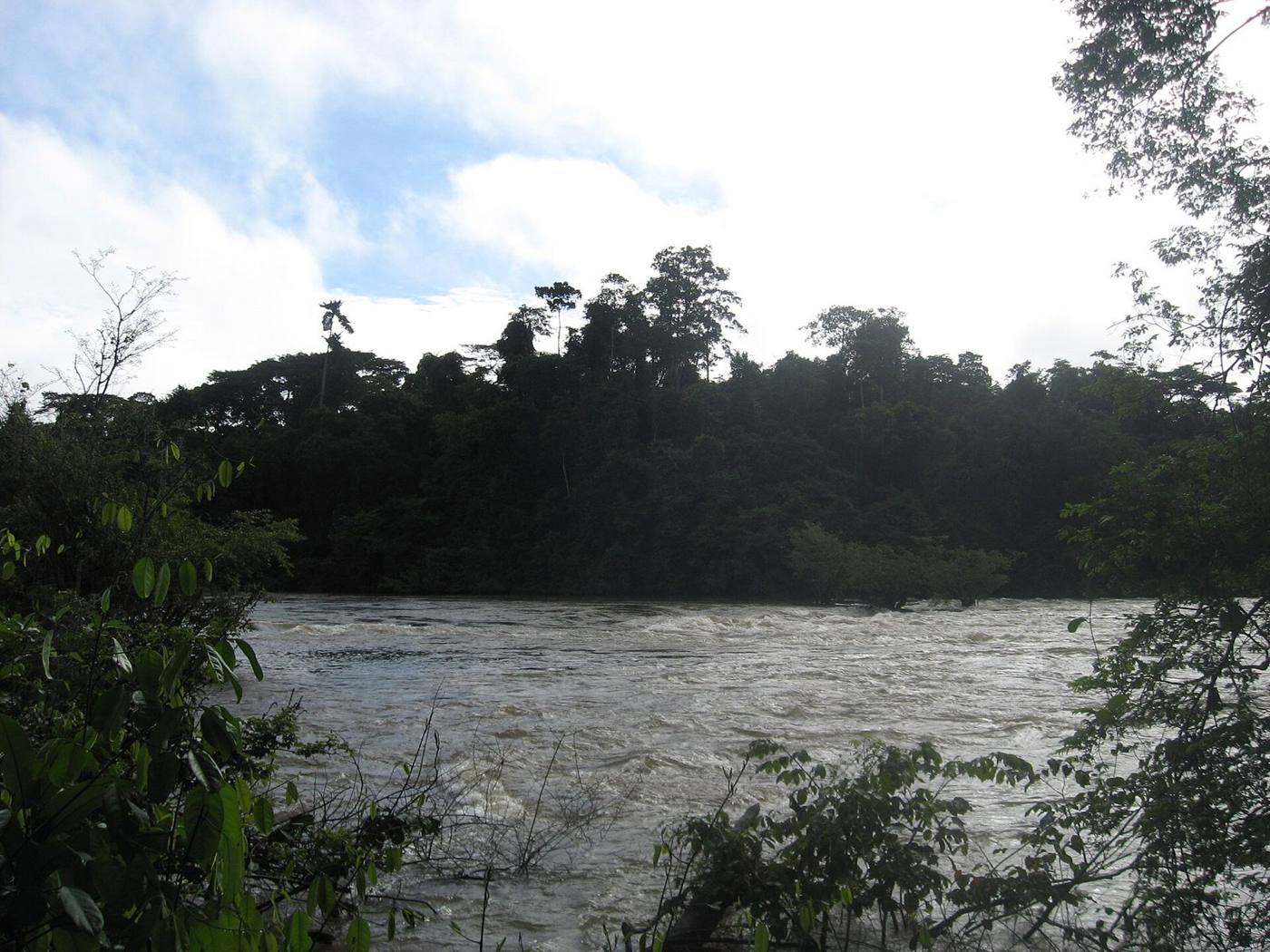
In the morning take a canoe with a boatman from the village and paddle up the river through the mangroves to a small waterfall in the forest. You see herons, kingfishers and, with some luck, monkeys in the trees.
In the afternoon walk along the sand to the nearby Tokeh beach, wide and almost empty, with palm trees and hills behind. For lunch try grilled fish or lobster, when in season, prepared by the village women.
Swim only where locals tell you and when the sea is calm: along this coast currents are strong and there are no lifeguards.
At sunset the light turns golden over the lagoon and the fishermen haul their nets ashore.
Sleep in the River Number Two or Tokeh area, for two nights.
Practical tip: leave Freetown early in the morning to avoid the traffic and, whenever you travel along the peninsula, always arrive before dark.
- Day 5
The Banana Islands
Today you take a boat to the Banana Islands, three small islands at the tip of the peninsula, reached from the village of Kent.
From River Number Two you soon reach Kent by car. From here the boat crosses the stretch of sea in about half an hour to Dublin, the main island, very close to Ricketts. The third island is smaller.
Fishing communities live on the islands, and there are no cars. You walk on paths among palms, mango trees and small fields, to the remains of the colonial period: old walls, a ruined church and rusty cannons that recall the time of the slave trade and the European merchants. A villager can act as your guide and tell you the history of the islands.
The sea around is clear and full of fish. You can snorkel in the more sheltered coves or go out on a boat to fish with local fishermen.
For lunch eat freshly caught fish with rice and spicy sauce. In the afternoon you return to Kent and then to your beach, before sunset.
In the evening, on the sand, listen to the waves and look at the stars, with almost no lights around.
Sleep in the River Number Two or Tokeh area.
Practical tip: take the boat only if the sea is calm and there are life jackets on board; in the rainy season crossings can be cancelled. Bring cash in small notes for the boatman, the guide and lunch, as there are no cash machines on the islands.
- Day 6
Back to Freetown and departure
Today is departure day. You leave the coast in the morning and head back towards Freetown.
If your flight is in the afternoon or evening, you have a few hours in the city. Visit the Big Market, the covered market near the harbour, with colourful fabrics, wooden masks, baskets and jewellery. Bargain calmly and with a smile. Then walk past St John's Maroon Church, built in the nineteenth century by the Maroons, former slaves who came from Jamaica, one of the communities that founded the city.
Remember that to reach Lungi airport you must cross the estuary again. Take the regular water taxi, which runs at times linked to the flights, and arrive well in advance. In the rainy season the sea can be rough and crossings can be delayed.
In six days you have seen the history of Freetown, the city founded by freed slaves, Tacugama's work to save the chimpanzees, the fort on Bunce Island and the memory of the slave trade, the beaches of River Number Two and Tokeh and the Banana Islands. It is a simple trip, with basic infrastructure, in a welcoming country where tourism is still in its early days.
When to go: the best period is from November to April, in the dry season, with a calmer sea and easier roads. From May to October the rains are very heavy, boat crossings are harder and some roads flood.
Practical tip: keep your passport and visa receipt to hand until boarding, and keep some cash for expenses at the airport.
Some of West Africa's finest beaches, still almost empty. The transfer from Lungi airport to Freetown requires a ferry or water taxi. Simple infrastructure, but the country is calm.
Before you go
- Documents and visa
- Passport valid for at least six months and a visa: the e-visa is requested on the official website evisa.sl before you leave, or paid for on arrival at the airport. Within 72 hours before your flight you must also fill in the online health declaration on the official portal poep.npha.gov.sl.
- Health and vaccines
- Yellow fever vaccination is compulsory: you cannot enter without the certificate. Malaria is present throughout the country, sometimes severe: prevention is recommended, after medical advice. Healthcare facilities are basic: you need insurance covering medical costs and repatriation. Drink only bottled water, without ice. Emergencies: 999.
- Money and payments
- Leone. US dollars and euros in cash are often accepted, cards rarely: carry cash in small notes and change it at banks or authorised bureaux.
- Power sockets
- Type D and G, 230 volts: British plugs fit type G sockets. Power cuts are frequent; many places to stay use generators.
- Time zone
- UTC+0 all year.
- Safety
- Do not travel by road outside the Freetown peninsula after dark. In Freetown and on the peninsula beaches there have been thefts and robberies: do not walk alone at night and do not show money or valuables. The sea has strong currents and there are no lifeguards. From Lungi airport use only the regular water taxis or the ferry, never pirogues. Official advice: GOV.UK.
Information checked in November 2026 for Italian and EU citizens. Rules change: always check before you travel.
Variations
In four days you can limit yourself to Freetown, Tacugama and River Number Two, without Bunce Island and the Banana Islands.
In nine or ten days you can add Tiwai Island on the Moa River, with the long road via Bo, always setting off in daylight.
Frequently asked questions
Do I need a visa for Sierra Leone?
Yes. You apply online on the official website evisa.sl before leaving, or pay on arrival at the airport. You also need a passport valid for at least six months and the yellow fever certificate.
How do I get from the airport to Freetown?
Lungi airport is across the estuary. The easiest way is the regular water taxi, which crosses in less than an hour; there is also the ferry. Avoid pirogues.
Can I swim on the peninsula beaches?
Yes, but carefully: there are strong currents and no lifeguards. Always ask locals where to go into the water and do not swim alone.
Indicative itinerary written by World Atlas. Before booking, check timetables, seasonal openings, documents and safety.