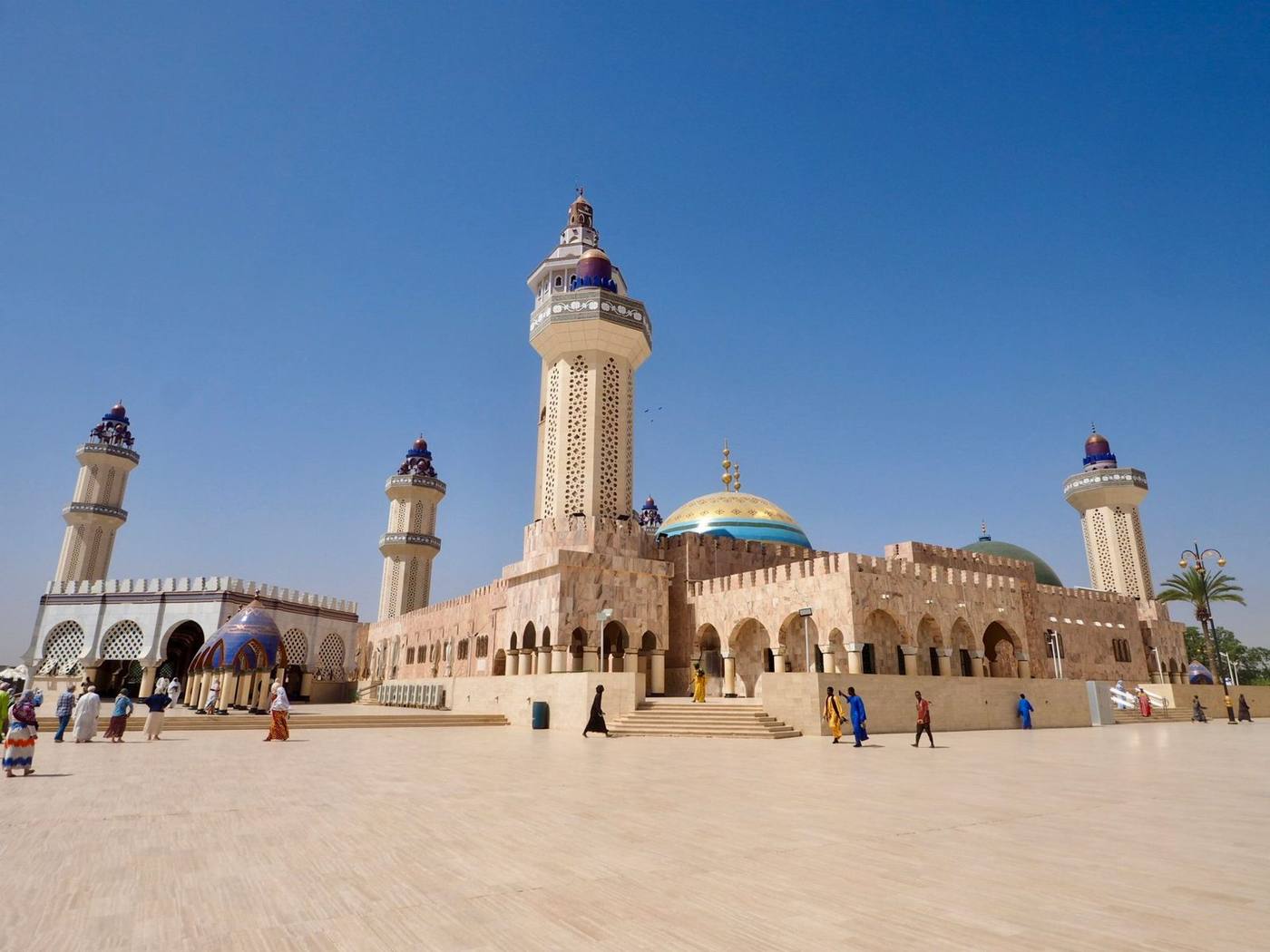
Touba and the Mouride brotherhood
The holy city of the Mourides, with its great mosque and towering minarets, the library and the story of Cheikh Amadou Bamba, the religious heart of Senegal.
- Dakar
- Thiès
- Touba
Day by day
- Day 1
From Dakar to Touba on the motorway
This trip takes you to Touba, the holy city of the Mouride brotherhood and the religious heart of Senegal. In two days you learn the story of Cheikh Amadou Bamba, the founder of the brotherhood, visit the great mosque and the library with a guide, and gain a better understanding of a form of Islam very different from that of other countries, linked to the Sufi brotherhoods and to the value of work.
Before you go: Italian citizens enter Senegal with a passport, which must have at least six months of remaining validity; for tourism of up to 90 days no visa is needed and you may be asked for your return ticket on arrival. Always carry an identity document, even a copy. The yellow fever certificate is compulsory if you arrive from a country at risk; malaria is endemic, so talk to your doctor about prevention. Other nationalities should check their own rules.
Leave Dakar in the morning with a driver and take the motorway east. You pass Thiès, the big railway town, then the road runs straight through groundnut fields, baobabs and villages. After a few hours the minarets of Touba appear on the horizon.
In the afternoon take a first tour of the city with your guide. They explain that Touba has a special status, run by the brotherhood: alcohol and smoking are banned here, and respect for religious rules is part of daily life. Walk through the markets, which are very lively, selling fabrics, portraits of Amadou Bamba and religious objects.
Practical tip: before entering the city leave cigarettes and alcohol in the car, and wear long clothes covering shoulders and legs; women wear a scarf to cover their head.
- Day 2
The great mosque with a guide and the return
In the morning visit the great mosque of Touba, one of the largest in West Africa. Go in with a local guide, who knows the times suitable for visitors and takes you outside prayer times. Take off your shoes before entering, speak quietly and always ask before photographing people or places of prayer.
Look at the very tall central minaret, the domes, the marble and the great decorated doors. The guide tells you about the life of Cheikh Amadou Bamba: a Sufi master who founded Touba at the end of the nineteenth century and preached peace, prayer and work as a form of devotion. The French colonial authorities feared him and exiled him to Gabon. His mausoleum is inside the mosque and receives a constant stream of visitors.
Then visit the brotherhood's library, which holds manuscripts and religious works, in particular the writings of Amadou Bamba. Check prices and times.
In the early afternoon drive back to Dakar on the motorway.
In two days you have seen the spiritual centre of the Mourides: the city and its rules, the markets, the great mosque, the mausoleum and the library. It is a visit to make with respect and curiosity.
When to go: from November to May, in the dry season, avoiding the Grand Magal, the annual pilgrimage that commemorates Amadou Bamba's exile and brings millions of the faithful to the city. Its date follows the Islamic calendar and changes every year.
Practical tip: check the date of the Magal before booking, because during those days roads and accommodation are full for many kilometres around.
To understand Senegalese Islam, so different from elsewhere. Alcohol and smoking are banned in the city. Long, covering clothes; women cover their heads. Millions of pilgrims arrive for the Grand Magal.
Before you go
- Documents and visa
- Passport with at least six months of remaining validity on entry. For tourism of up to 90 days no visa is needed and you may be asked for your return ticket on arrival. Always carry an identity document, even a copy: at night checks people who cannot show one may be detained.
- Health and vaccines
- A yellow fever vaccination certificate is compulsory, from 9 months of age, if you arrive from a country at risk, including after a stopover of more than 12 hours. Malaria is endemic: talk to your doctor about prevention and recommended vaccinations. Drink only bottled water, without ice, and buy medicines only from main pharmacies. You need insurance covering medical costs and medical repatriation.
- Money and payments
- West African CFA franc (XOF), with a fixed exchange rate to the euro. Cards work mainly in large hotels and shops; outside the cities you pay in cash. More than 1,000,000 CFA francs must be declared at customs on arrival, and a lower amount can be taken out without declaration.
- Power sockets
- Types C, D, E and K, 230 volts: you need an adapter for British plugs.
- Time zone
- UTC+0 all year.
- Safety
- Theft and robbery, including armed robbery, in Dakar, in tourist areas such as Saly and the Pink Lake and in the Plateau; the risk rises around holidays. Terrorist groups are active in neighbouring Mali: take particular care in remote areas near the Mali and Mauritania borders. In Casamance avoid travelling at night, stick to main roads, travel in convoy where possible and do not stop if someone flags you down. Roads are in poor condition. Drugs and homosexuality are criminal offences. Official advice: GOV.UK.
Information checked in November 2026 for Italian and EU citizens. Rules change: always check before you travel.
Variations
Shorter version: there and back from Dakar in one long day, with the visit to the mosque.
Longer version: add the Lompoul desert and Saint-Louis.
Frequently asked questions
Can non-Muslims visit the great mosque?
Yes, usually with a local guide and outside prayer times. Long clothes are required, women cover their head and shoes are removed inside.
What is banned in Touba?
Alcohol and smoking are banned in the city. Respect the religious rules and ask before taking photographs.
What is the Grand Magal?
It is the annual pilgrimage that commemorates the exile of Cheikh Amadou Bamba. It draws millions of the faithful and its date changes every year with the Islamic calendar.
Indicative itinerary written by World Atlas. Before booking, check timetables, seasonal openings, documents and safety.
 2 daysEasy
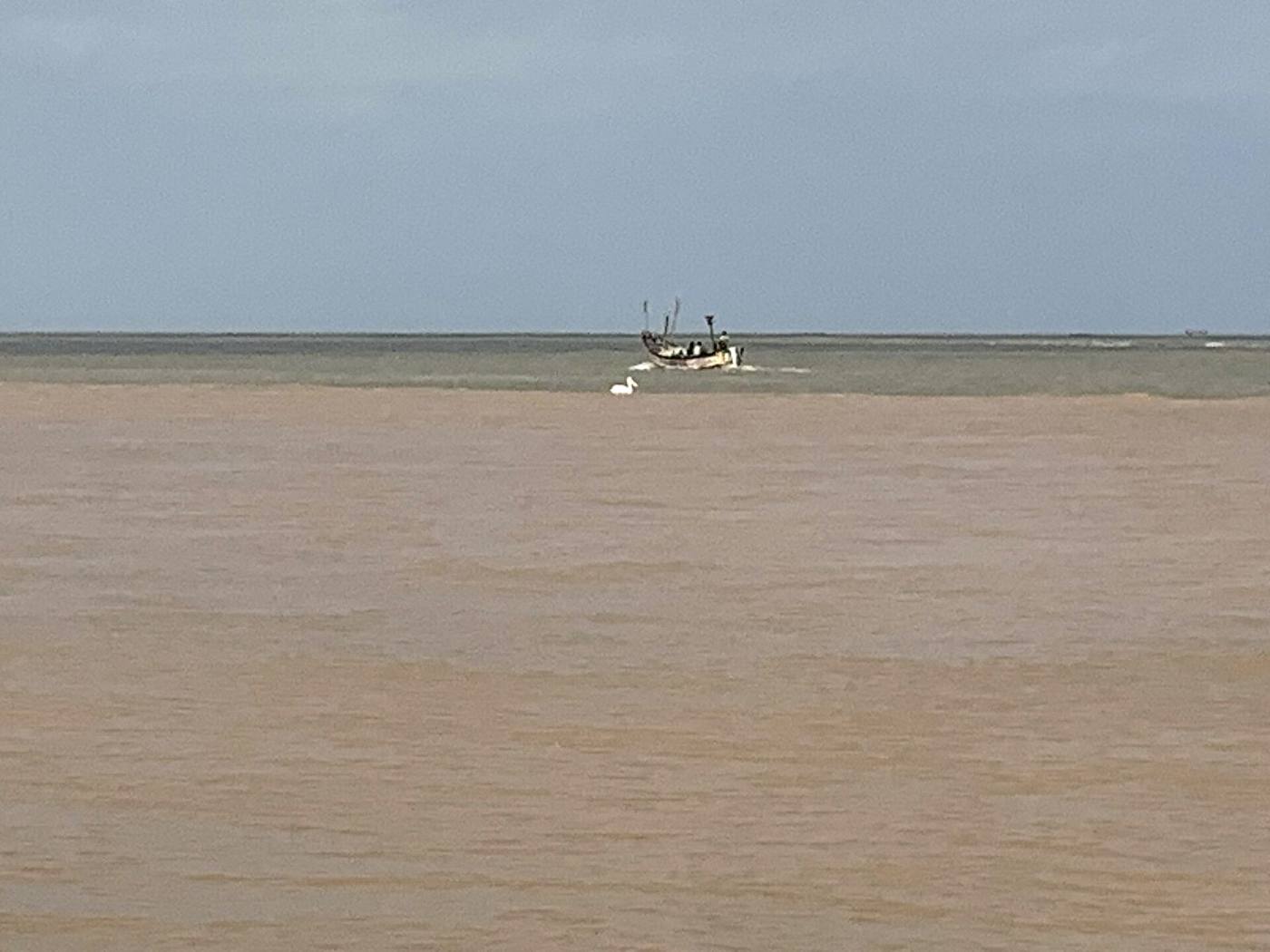
The Langue de Barbarie
The long tongue of sand between the Senegal river and the ocean, south of Saint-Louis, with seabird colonies, turtles and the fishing villages of the Gandiolais.
 3 daysEasy
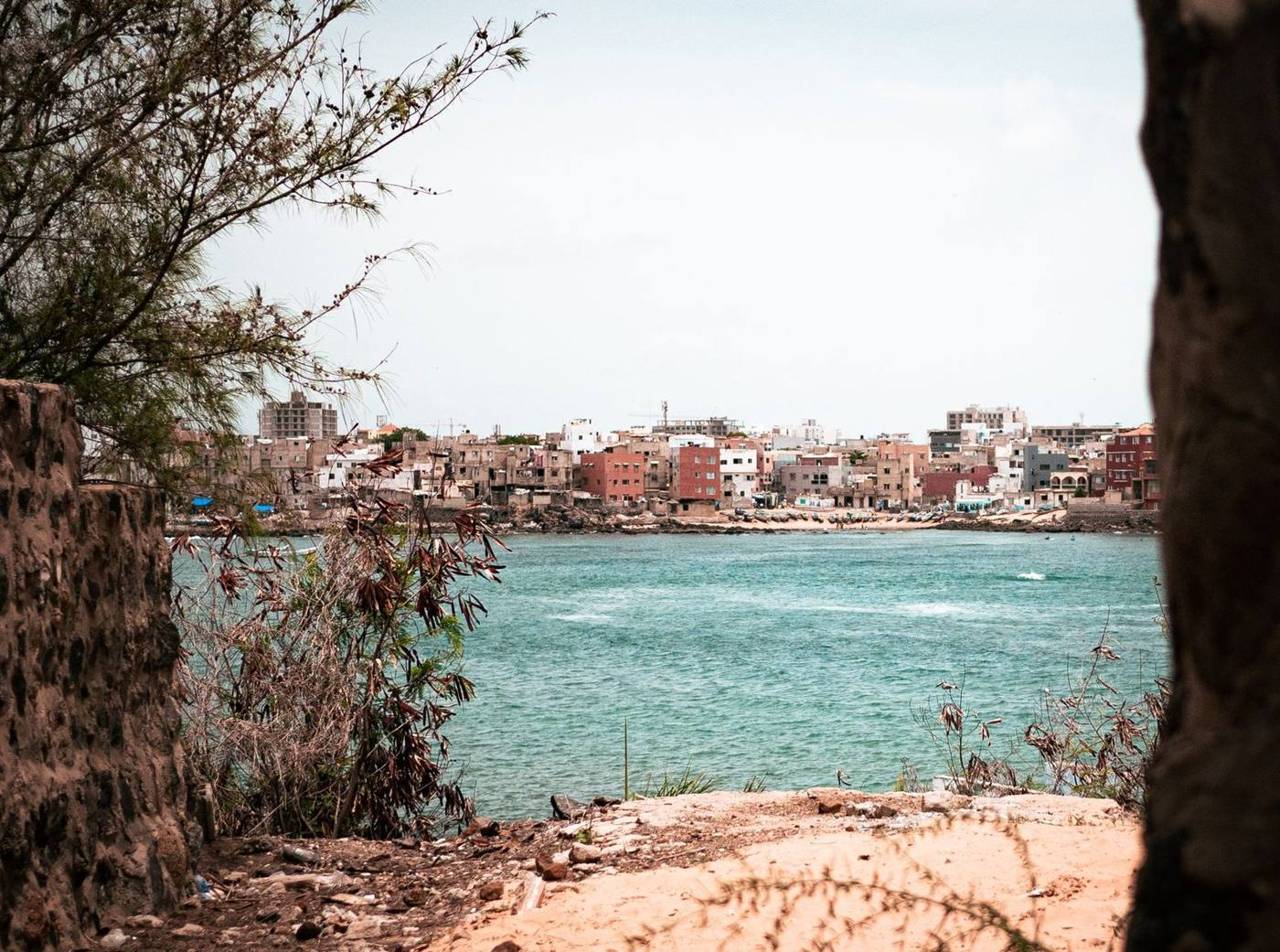
Dakar, surf and islands
The capital's sporty, sea side: surfing at Les Almadies and Ngor, Ngor island by pirogue, Yoff beach and the African Renaissance Monument.
 3 daysEasy
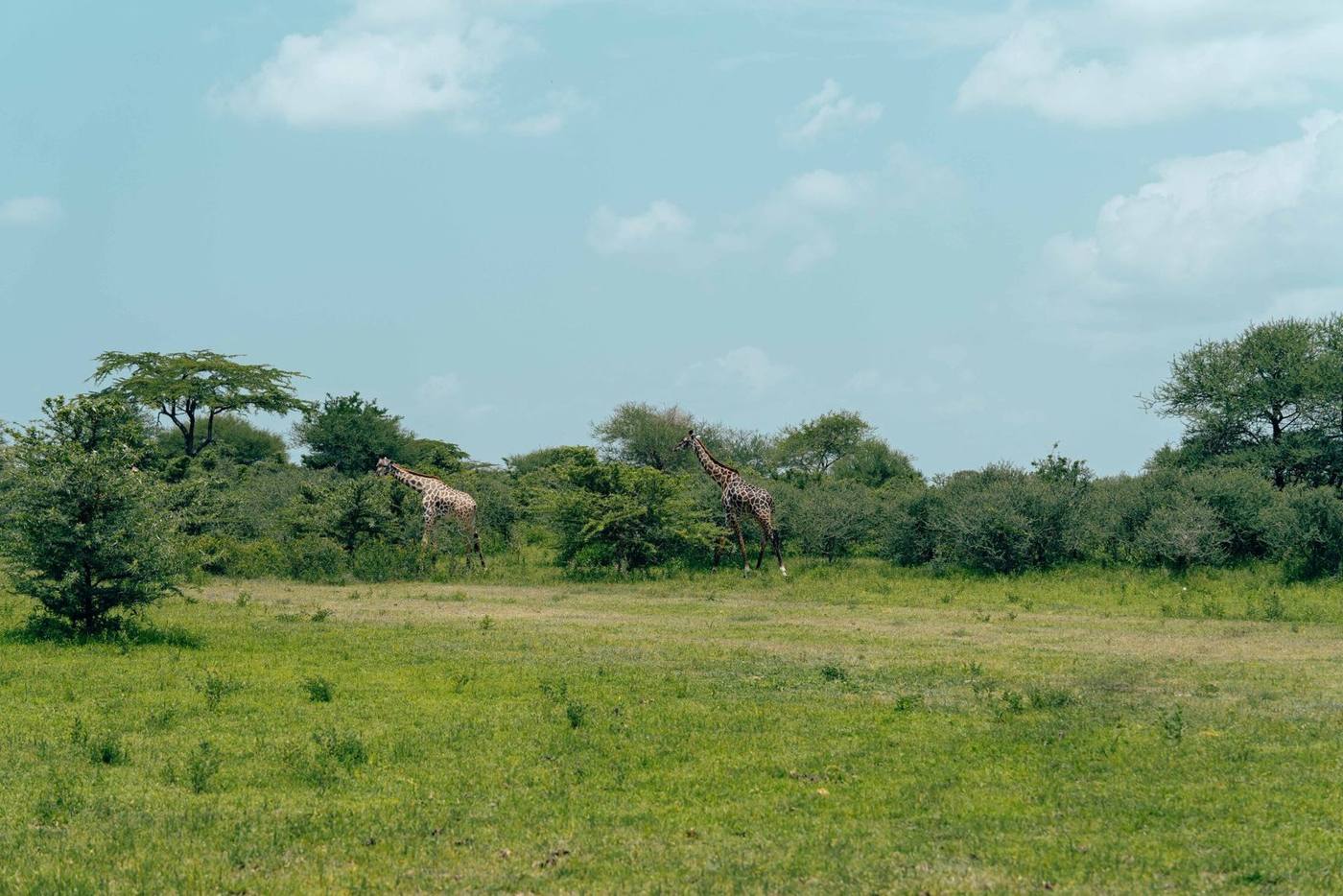
Bandia and Fathala
Two fenced reserves where giraffes, rhinos, buffalo and the rare Derby eland have been reintroduced, with a walk alongside lions at Fathala.