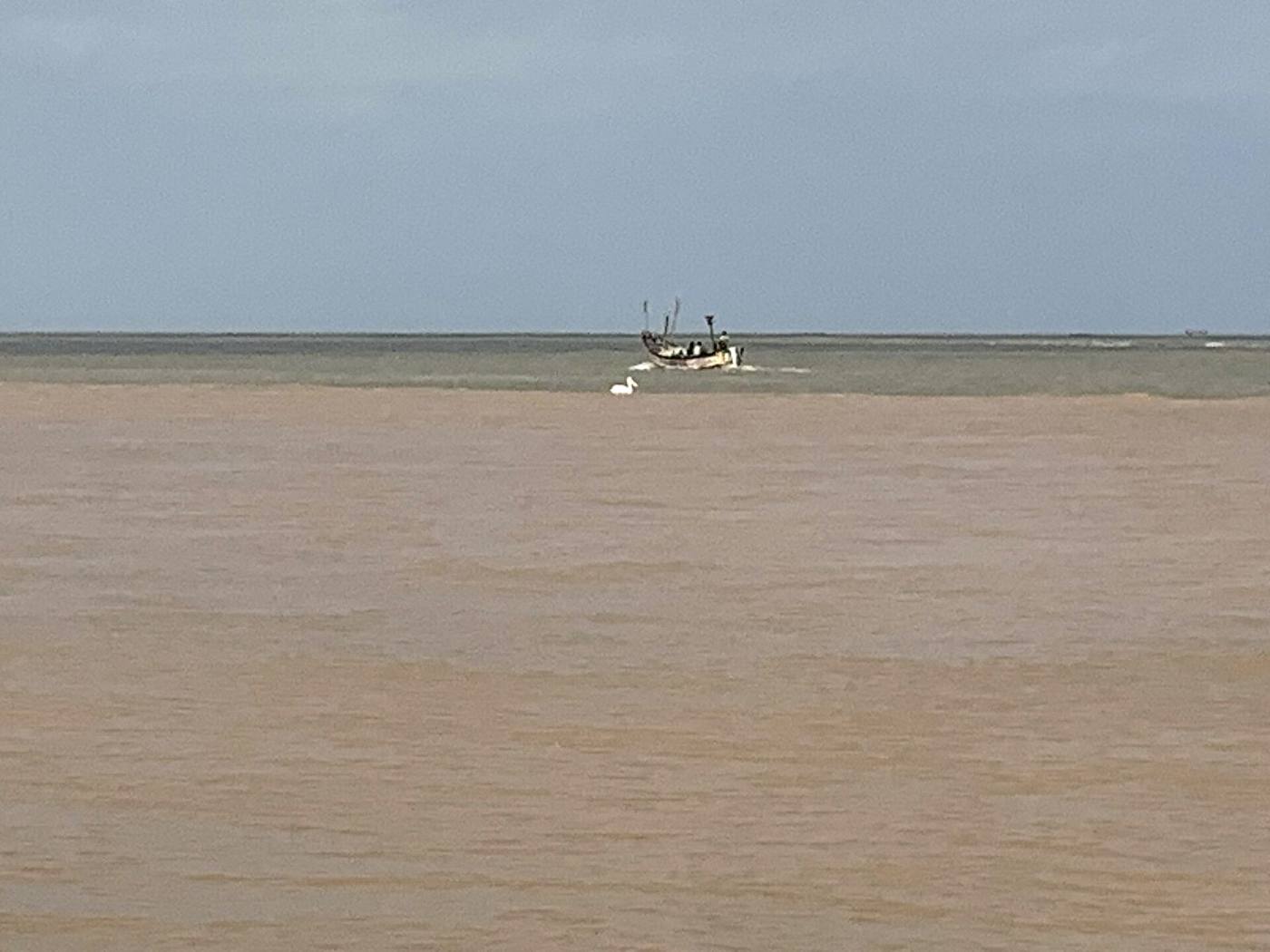
The Langue de Barbarie
The long tongue of sand between the Senegal river and the ocean, south of Saint-Louis, with seabird colonies, turtles and the fishing villages of the Gandiolais.
- Saint-Louis
- Gandiol
- Langue de Barbarie
Day by day
- Day 1
By pirogue in the park and the bird island
This trip takes you to the Langue de Barbarie, the long tongue of sand that separates the Senegal river from the ocean, south of Saint-Louis. In two days you travel by pirogue in the national park, see colonies of seabirds up close and visit the fishing villages and salt pans of the Gandiolais. It is a calm addition to a stay in Saint-Louis.
Before you go: Italian citizens need a passport with at least six months of remaining validity on entry to Senegal; no visa is needed for tourism of up to 90 days and you may be asked for your return ticket on arrival. Always carry an identity document, even a copy. The yellow fever certificate is compulsory if you arrive from a country at risk, and for malaria, which is endemic, ask your doctor about prevention. Other nationalities should check their own rules.
Leave Saint-Louis in the morning and head south to the village of Gandiol and the park entrance. Here you board a pirogue with a life jacket and a guide. You travel along the river, with the sand of the spit on one side and the low banks of the mainland on the other.
The boat stops near the bird island, where in the right season thousands of gulls and terns nest. Watch the endless flight above the sand, listen to the noise and do not go ashore: the colonies are watched only from the boat. Check prices and times.
In the afternoon walk across the spit to the ocean side, where sea turtles lay their eggs in certain months.
Practical tip: bring binoculars, a hat and sun cream, because there is no shade in a pirogue and the glare from the water is strong.
- Day 2
The villages of the Gandiolais and the return to Saint-Louis
Today you discover village life on the mainland, in the Gandiolais. In the morning walk with a local guide among low houses, wells and small plots of onions and vegetables. Here many families live from fishing, market gardening and harvesting salt.
Visit the nearby salt pans, where women dig small holes in the salty ground, let the water evaporate and collect the crystals by hand. It is hard work, done under the sun: always ask before taking photographs and, if you like, buy a bag of salt directly from them.
Then look at the coast. In 2003 a channel was dug across the sand spit to reduce flooding in Saint-Louis; within a few years the ocean had widened it enormously and erosion changed the shape of the shoreline, wiping out houses and fields. Listen to the residents' stories: they help you understand how fragile this landscape is.
In the afternoon you return to Saint-Louis.
In two days you have seen the Langue de Barbarie from the river and from the land: the bird colonies by pirogue, the sand between river and ocean, the villages of the Gandiolais and the salt pans. The spit changes shape from year to year, so always ask about conditions locally.
When to go: from November to June, in the dry season; for the bird colonies, find out which months they nest.
Practical tip: do not swim in the ocean, because there are strong currents here, and if you want to cool off, only go in where the guide tells you the water is calm.
A peaceful addition to Saint-Louis. The sandbar keeps changing shape and erosion has wiped out some camps: ask about conditions locally. Strong currents in the sea.
Before you go
- Documents and visa
- Passport with at least six months of remaining validity on entry. For tourism of up to 90 days no visa is needed and you may be asked for your return ticket on arrival. Always carry an identity document, even a copy: at night checks people who cannot show one may be detained.
- Health and vaccines
- A yellow fever vaccination certificate is compulsory, from 9 months of age, if you arrive from a country at risk, including after a stopover of more than 12 hours. Malaria is endemic: talk to your doctor about prevention and recommended vaccinations. Drink only bottled water, without ice, and buy medicines only from main pharmacies. You need insurance covering medical costs and medical repatriation.
- Money and payments
- West African CFA franc (XOF), with a fixed exchange rate to the euro. Cards work mainly in large hotels and shops; outside the cities you pay in cash. More than 1,000,000 CFA francs must be declared at customs on arrival, and a lower amount can be taken out without declaration.
- Power sockets
- Types C, D, E and K, 230 volts: you need an adapter for British plugs.
- Time zone
- UTC+0 all year.
- Safety
- Theft and robbery, including armed robbery, in Dakar, in tourist areas such as Saly and the Pink Lake and in the Plateau; the risk rises around holidays. Terrorist groups are active in neighbouring Mali: take particular care in remote areas near the Mali and Mauritania borders. In Casamance avoid travelling at night, stick to main roads, travel in convoy where possible and do not stop if someone flags you down. Roads are in poor condition. Drugs and homosexuality are criminal offences. Official advice: GOV.UK.
Information checked in November 2026 for Italian and EU citizens. Rules change: always check before you travel.
Variations
Shorter version: a morning by pirogue in the park with a return to Saint-Louis for lunch.
Longer version: add Djoudj park and the dunes of Lompoul.
Frequently asked questions
Can you land on the bird island?
No, the colonies are watched from the pirogue so as not to disturb the nests. Bring binoculars.
Can you swim?
Not in the ocean, because of the strong currents. Ask your guide where the water is calm.
What documents do I need?
Italian citizens enter Senegal with a passport valid for at least six months and without a visa for tourism of up to 90 days. Other nationalities should check their own rules.
Indicative itinerary written by World Atlas. Before booking, check timetables, seasonal openings, documents and safety.
 3 daysEasy
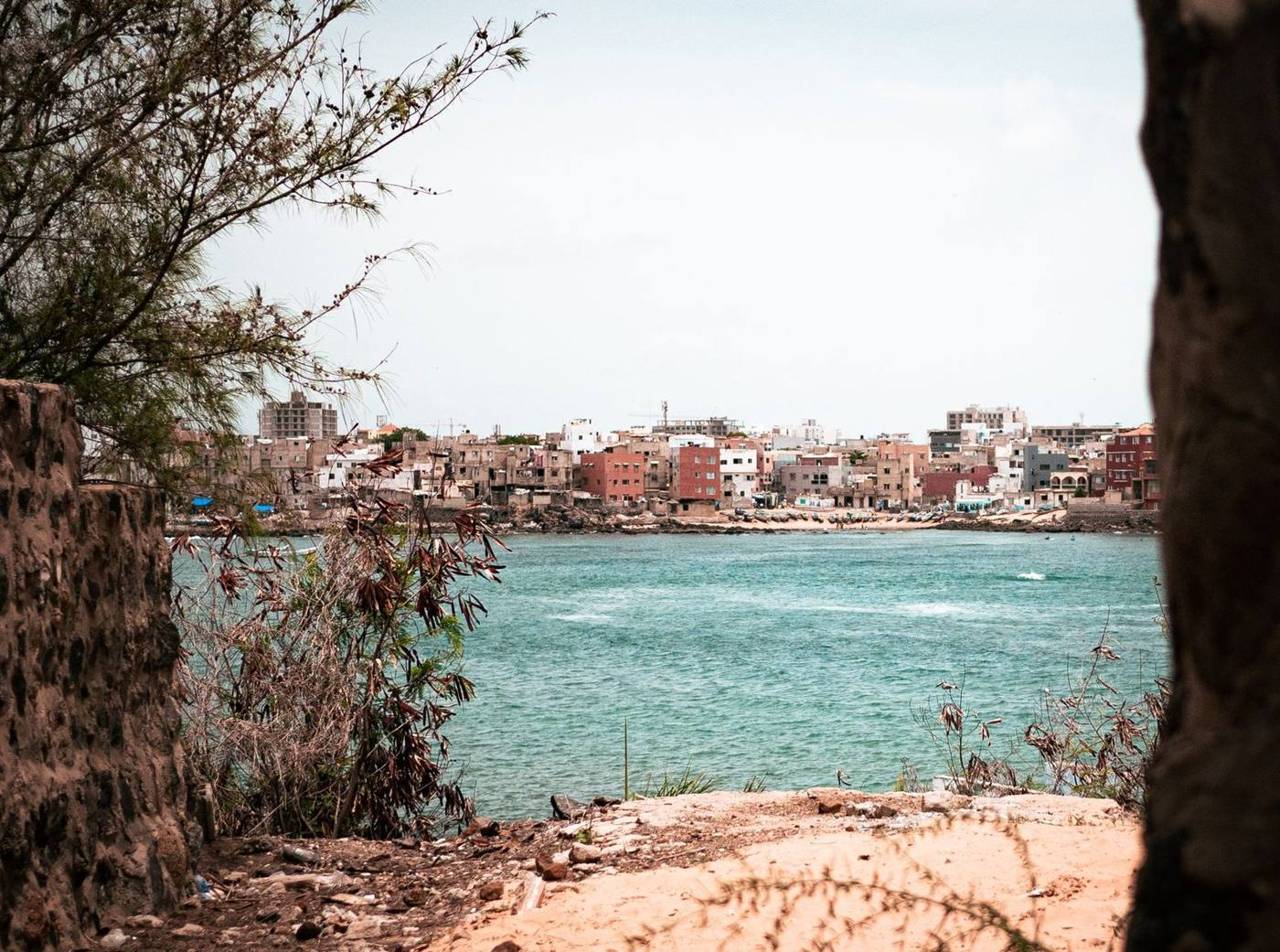
Dakar, surf and islands
The capital's sporty, sea side: surfing at Les Almadies and Ngor, Ngor island by pirogue, Yoff beach and the African Renaissance Monument.
 3 daysEasy
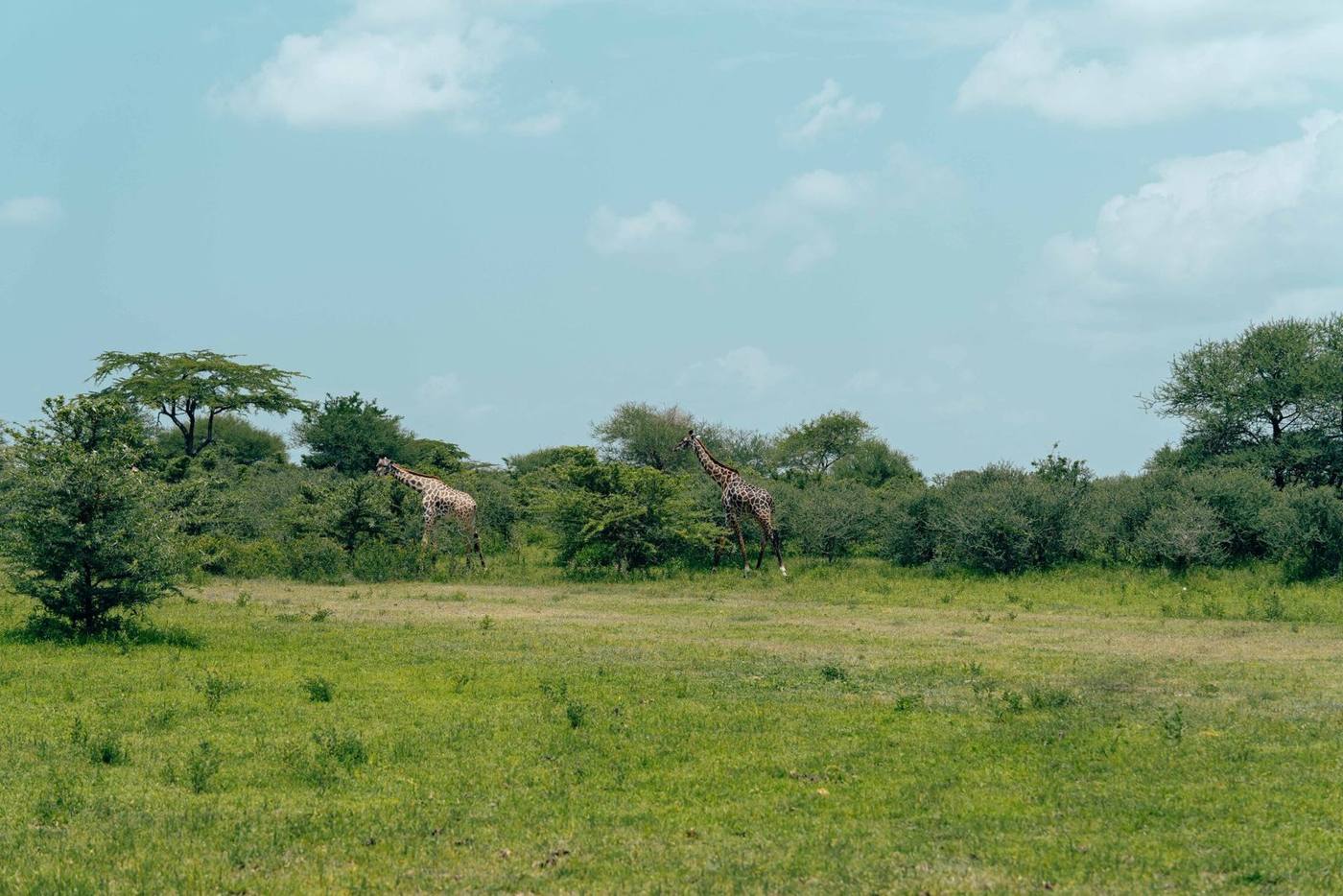
Bandia and Fathala
Two fenced reserves where giraffes, rhinos, buffalo and the rare Derby eland have been reintroduced, with a walk alongside lions at Fathala.
 5 daysModerate
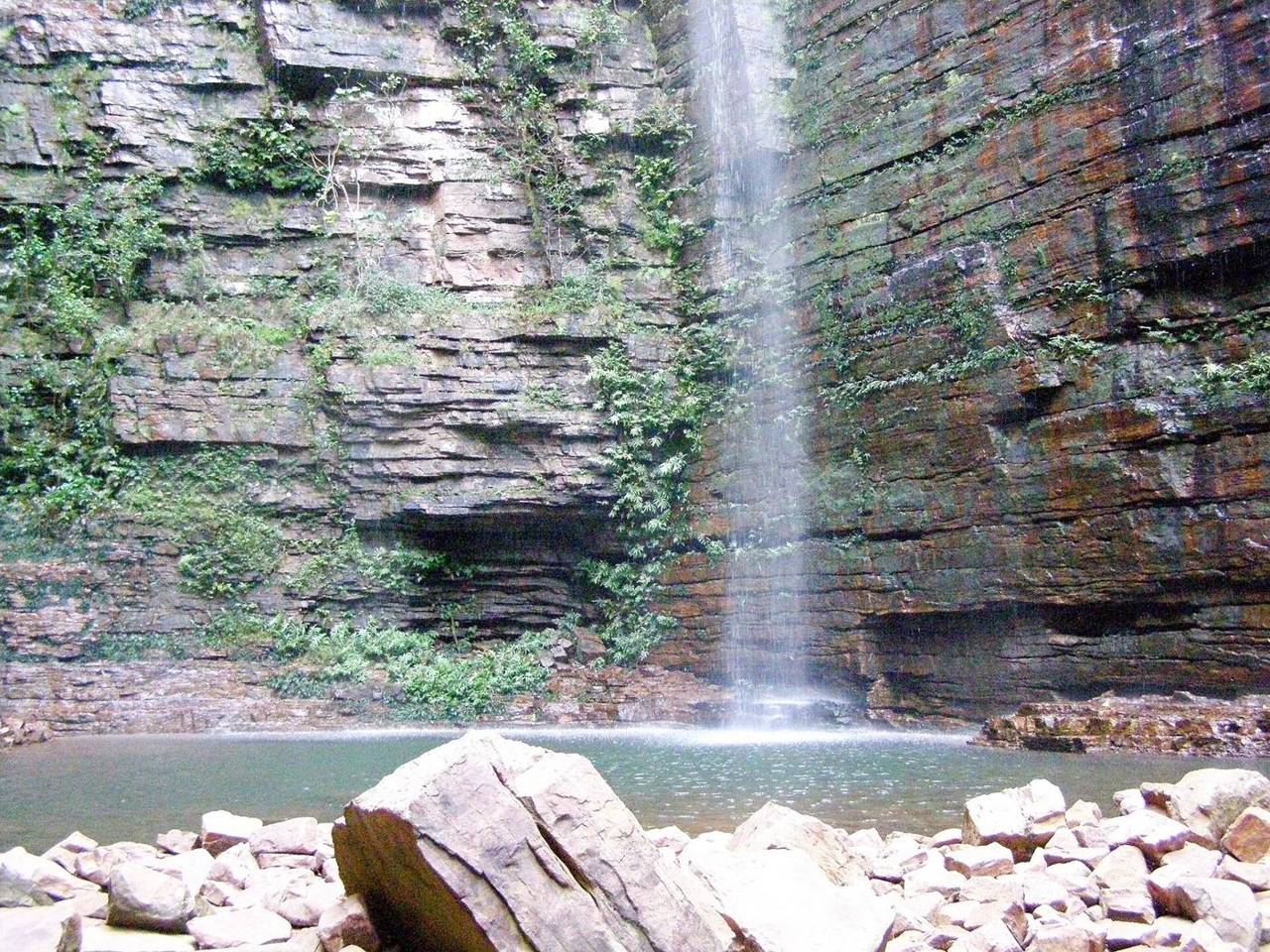
Bassari Country and Kédougou
Senegal's green south-east, a UNESCO site: Bassari and Bedik villages on the hills, the Dindéfélo falls and Niokolo-Koba park along the Gambia river.