Bassari Country and Kédougou
Senegal's green south-east, a UNESCO site: Bassari and Bedik villages on the hills, the Dindéfélo falls and Niokolo-Koba park along the Gambia river.
- Tambacounda
- Niokolo-Koba
- Kédougou
- Iwol
- Dindéfélo
Day by day
- Day 1
From Tambacounda to Niokolo-Koba
This trip takes you to the green south-east of Senegal, the most remote and least seen part of the country: Niokolo-Koba National Park along the Gambia river, the town of Kédougou, the Bedik village of Iwol in the hills and the Dindéfélo waterfall. Bassari Country, with the cultural landscapes of the Bassari, Fula and Bedik peoples, has been a UNESCO World Heritage Site since 2012. It is far from Dakar, about a day's drive, and services are basic.
Before you go: Italian citizens enter Senegal with a passport with at least six months of remaining validity on entry; for tourism of up to 90 days no visa is needed. Always carry a document, even a copy. The yellow fever certificate is compulsory if you arrive from a country at risk; malaria is endemic, so talk to your doctor about prevention and ask whether basic vaccinations, such as diphtheria and tetanus, are up to date. Other nationalities should check their own rules. Some areas on this trip are close to borders or places where the situation changes often: check your government's travel advice before booking and again before you leave.
Leave Tambacounda in the morning, where you arrived the day before from Dakar, and take the road south-east. The landscape becomes wooded savannah with tall termite mounds and baobabs. You enter Niokolo-Koba park, a UNESCO site since 1981 and one of the largest in West Africa. Take a first drive on the tracks with a park guide. Check prices and times.
Practical tip: travel only by day and with a local operator, because the roads are long and help is far away.
- Day 2
The Gambia river in the park
Today you explore the park along the Gambia river, which crosses it in wide bends between gallery forest and savannah. Set off at dawn, when the animals are most active and the light is soft.
On the tracks you see antelope such as kob and waterbuck, warthogs, baboons and green monkeys. Birds are everywhere: hornbills, rollers, fish eagles. Large predators such as lions and leopards are rare and very shy: do not expect a safari like East Africa, but genuine wild nature, where every sighting has to be earned.
In mid-morning go down to the river. From a lookout point or by boat, with your guide, you can see hippos snorting in the water and crocodiles on the sandy banks. Always keep your distance and follow the guide's instructions.
During the hottest hours rest in the shade. In the late afternoon take another drive on the tracks, to a pool where animals come to drink at sunset.
In the evening listen to the sounds of the savannah: frogs, insects and sometimes the distant call of a baboon.
Practical tip: bring binoculars, long-sleeved clothes in neutral colours and plenty of water, because it is very hot in the park and there are few places to buy supplies.
- Day 3
Kédougou and the Bedik village of Iwol
In the morning you leave the park and continue south to Kédougou, the small town on the Gambia river and gateway to Bassari Country. Stop at the market, colourful and lively, where people come in from the surrounding villages.
In the afternoon reach the Bandafassi area and begin the walk up to Iwol, a Bedik village on top of a hill. The path climbs through rocks and trees for about an hour. Go slowly and stop to look at the plain opening out below you.
Iwol is made up of round huts with pointed thatched roofs, gathered around large trees. The Bedik have preserved rites, masks and festivals linked to the seasons and to the initiation of young people. A village guide accompanies you and introduces you to the community. Respect the sacred places they point out and do not enter homes unless invited. A contribution to the village is usually requested: check prices and times with the guide.
Look at the village's great baobab too and the view at sunset over the hills.
Return to Kédougou before dark.
Practical tip: bring walking boots, water and a small useful gift for the school, such as notebooks and pens, to hand to the teacher or the village chief.
- Day 4
The Dindéfélo waterfall
Today you reach Dindéfélo, a village at the foot of a long rock escarpment, south of Kédougou. The nature reserve is run by the local community: at the entrance you pay for a ticket and find a guide. Check prices and times.
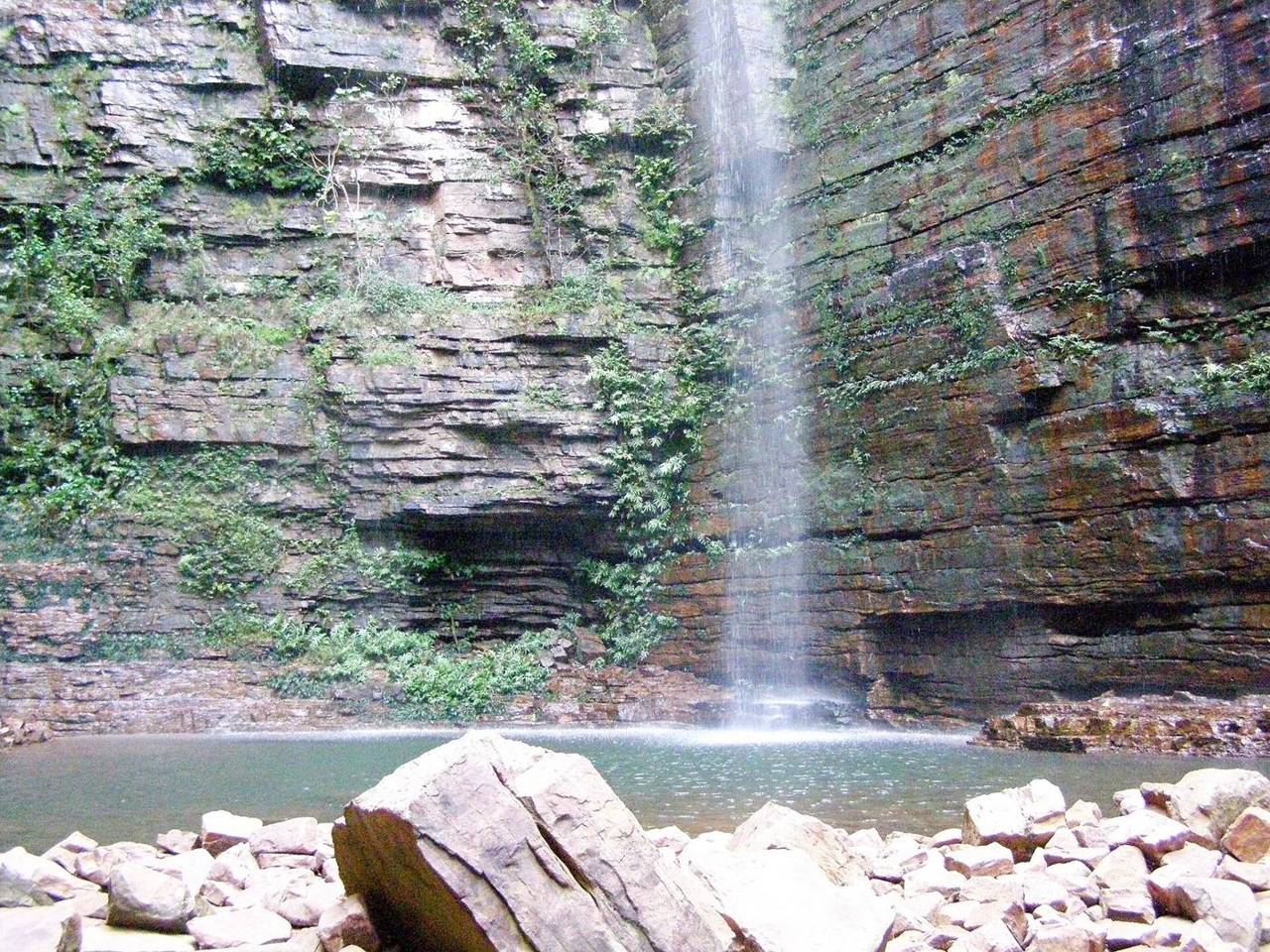
The path to the waterfall crosses a humid forest, full of tall trees, lianas and birds. You walk for about half an hour, with a few passages over stones and streams. Then the forest opens and you see the waterfall: a long thread of water falling from a very high cliff into a cool natural pool. In the dry season the flow is thinner; after the rains it is much stronger.
Swim in the pool if you feel like it: the water is cold and pleasant after the heat. Chimpanzees also live in this area, protected by the community: it is rare to see them, but the guide shows you signs of their passage.
In the afternoon, if you have the energy, climb with the guide onto the plateau above the escarpment to see the Fula villages and fields. Always stay on the paths shown and do not go further towards the border with Guinea, which is very close.
In the evening return to Kédougou or stay simply in the village.
Practical tip: bring a swimsuit, a light towel and shoes that can get wet, because the path crosses streams.
- Day 5
The return
Last day. Leave Kédougou early in the morning and head back north towards Tambacounda. The road crosses the savannah again and passes near Niokolo-Koba park: watch the roadsides, because baboons and birds of prey are sometimes seen.
Stop along the way in small villages for a break, a mint tea or a simple lunch of rice and groundnut sauce. You reach Tambacounda in the afternoon. From here, the next day, you can continue to Dakar or to other regions.
In five days you have seen Senegal at its most remote: Niokolo-Koba and the Gambia river with its hippos, Kédougou, the Bedik village of Iwol on its hill and the Dindéfélo waterfall in the forest. It is a trip for people who love walking, have patience and accept basic services in exchange for genuine landscapes and encounters.
When to go: from December to March, in the dry season, when the heat is more bearable and the tracks are open. From June to October the rains make many roads difficult and the park may be partly closed.
Practical tip: always keep a reserve of cash in CFA francs, because in Kédougou and the villages cash machines are few and cards are hardly ever used, and never drive after sunset.
Senegal's most remote and least-seen side, for walkers. Very far from Dakar (a day's drive) with simple services. Stay away from the Mali border; travel by day with a local operator.
Before you go
- Documents and visa
- Passport with at least six months of remaining validity on entry. For tourism of up to 90 days no visa is needed and you may be asked for your return ticket on arrival. Always carry an identity document, even a copy: at night checks people who cannot show one may be detained.
- Health and vaccines
- A yellow fever vaccination certificate is compulsory, from 9 months of age, if you arrive from a country at risk, including after a stopover of more than 12 hours. Malaria is endemic: talk to your doctor about prevention and recommended vaccinations. Drink only bottled water, without ice, and buy medicines only from main pharmacies. You need insurance covering medical costs and medical repatriation.
- Money and payments
- West African CFA franc (XOF), with a fixed exchange rate to the euro. Cards work mainly in large hotels and shops; outside the cities you pay in cash. More than 1,000,000 CFA francs must be declared at customs on arrival, and a lower amount can be taken out without declaration.
- Power sockets
- Types C, D, E and K, 230 volts: you need an adapter for British plugs.
- Time zone
- UTC+0 all year.
- Safety
- Theft and robbery, including armed robbery, in Dakar, in tourist areas such as Saly and the Pink Lake and in the Plateau; the risk rises around holidays. Terrorist groups are active in neighbouring Mali: take particular care in remote areas near the Mali and Mauritania borders. In Casamance avoid travelling at night, stick to main roads, travel in convoy where possible and do not stop if someone flags you down. Roads are in poor condition. Drugs and homosexuality are criminal offences. Official advice: GOV.UK.
Information checked in November 2026 for Italian and EU citizens. Rules change: always check before you travel.
Variations
Shorter version: three days with Kédougou, Iwol and Dindéfélo, without the park.
Longer version: add a day in the Bassari villages around Salémata, always with a local guide.
Frequently asked questions
Is Niokolo-Koba like a safari in East Africa?
No, the animals are shyer and large predators are rare. You mainly see antelope, monkeys, hippos, crocodiles and many birds.
Do I need a guide for Iwol and Dindéfélo?
Yes, a village guide accompanies you and introduces you to the community. At Dindéfélo the reserve is run by the community and you enter with a ticket.
Is the area safe?
Some areas are close to the borders with Mali and Guinea: check your government's travel advice before booking and before leaving, travel by day and with a local operator.
Indicative itinerary written by World Atlas. Before booking, check timetables, seasonal openings, documents and safety.
 5 daysEasy
Dakar, Gorée and the Pink Lake
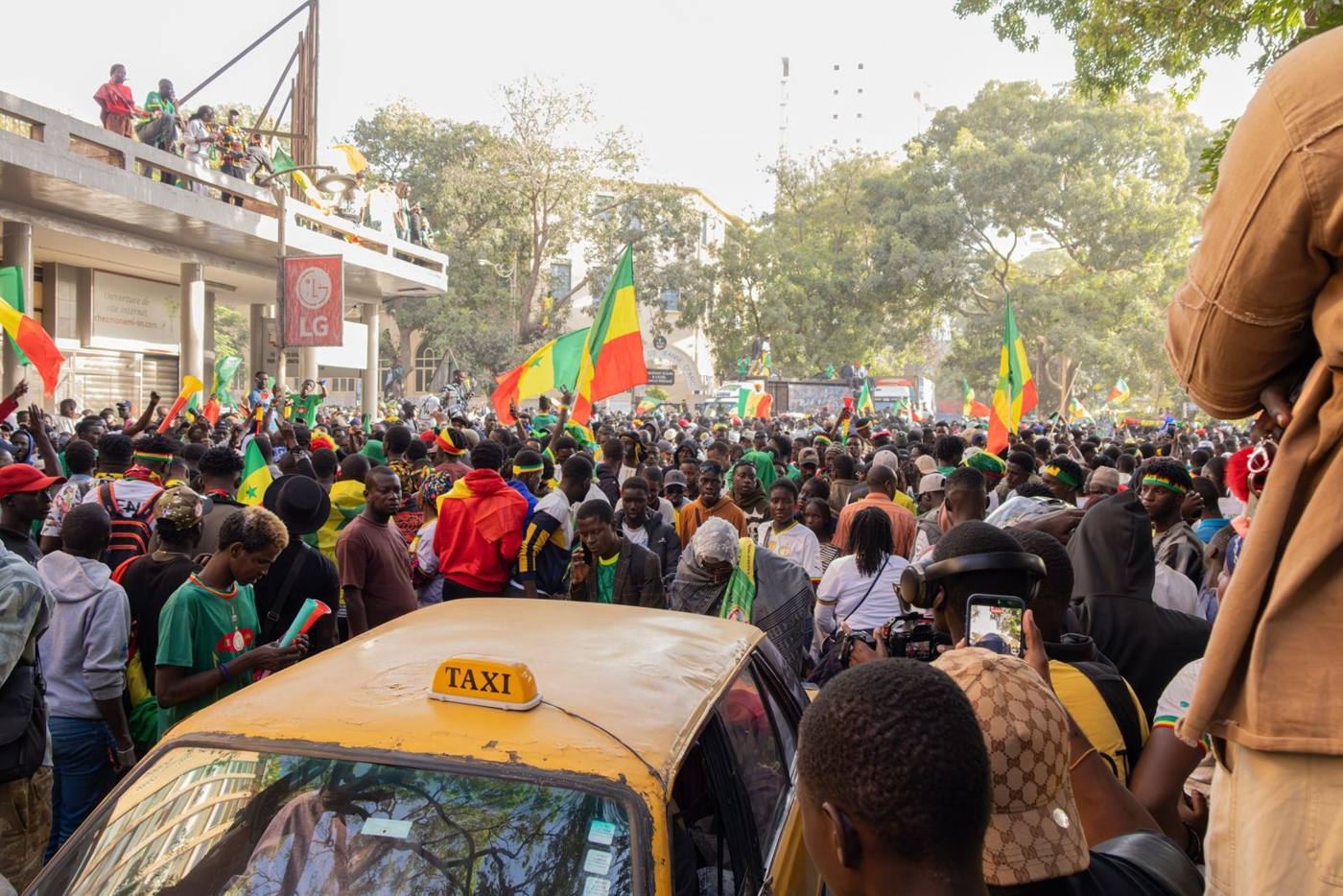
Dakar and its music, Gorée Island with the House of Slaves, the African Renaissance Monument and Lake Retba with its pink water and salt collectors.
 5 daysEasy
Saint-Louis and Djoudj
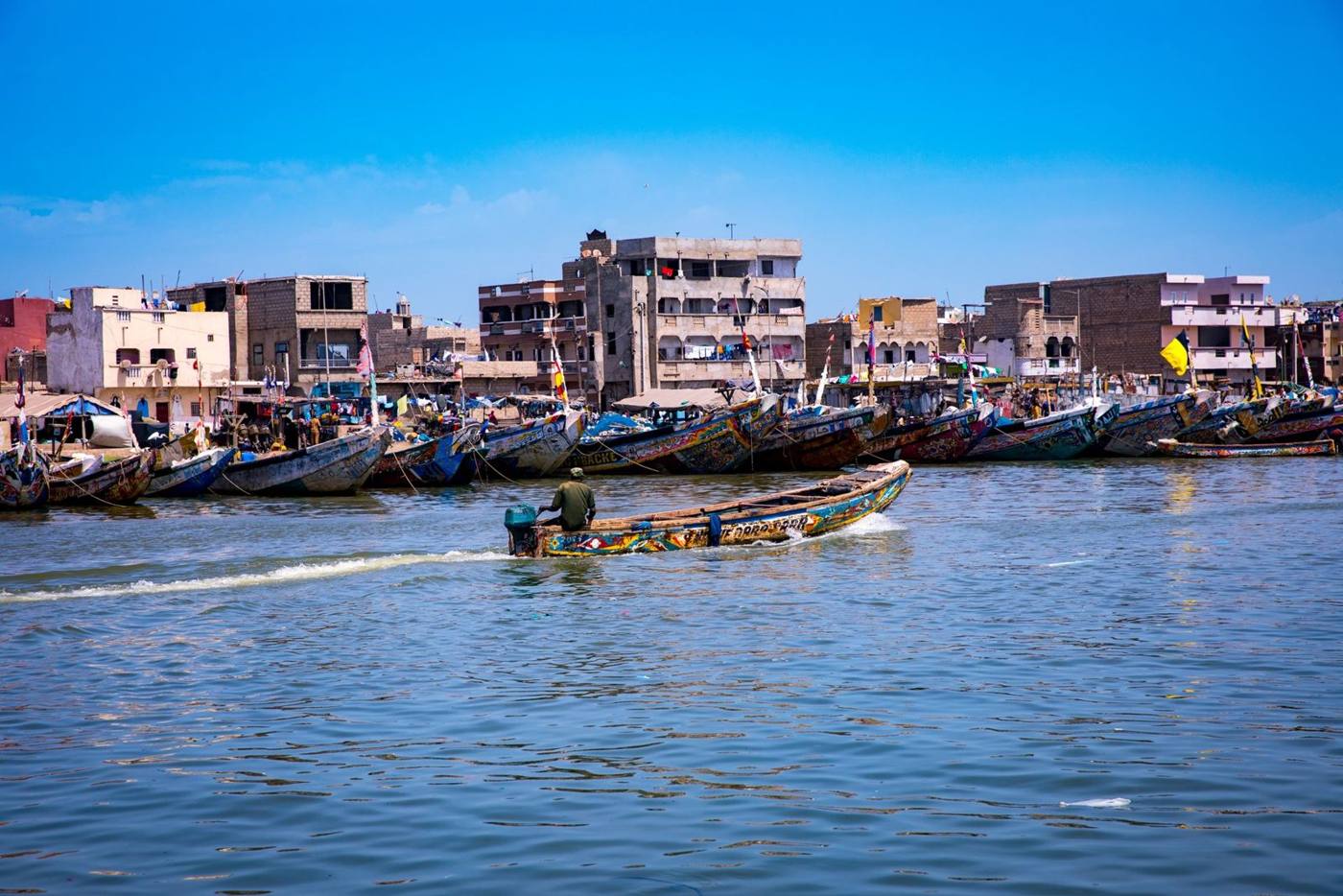
The UNESCO-listed former colonial capital on the Senegal river, the Guet Ndar fishing quarter, the Djoudj bird park and the Lompoul desert.
 8 daysEasy
Sine-Saloum and Casamance
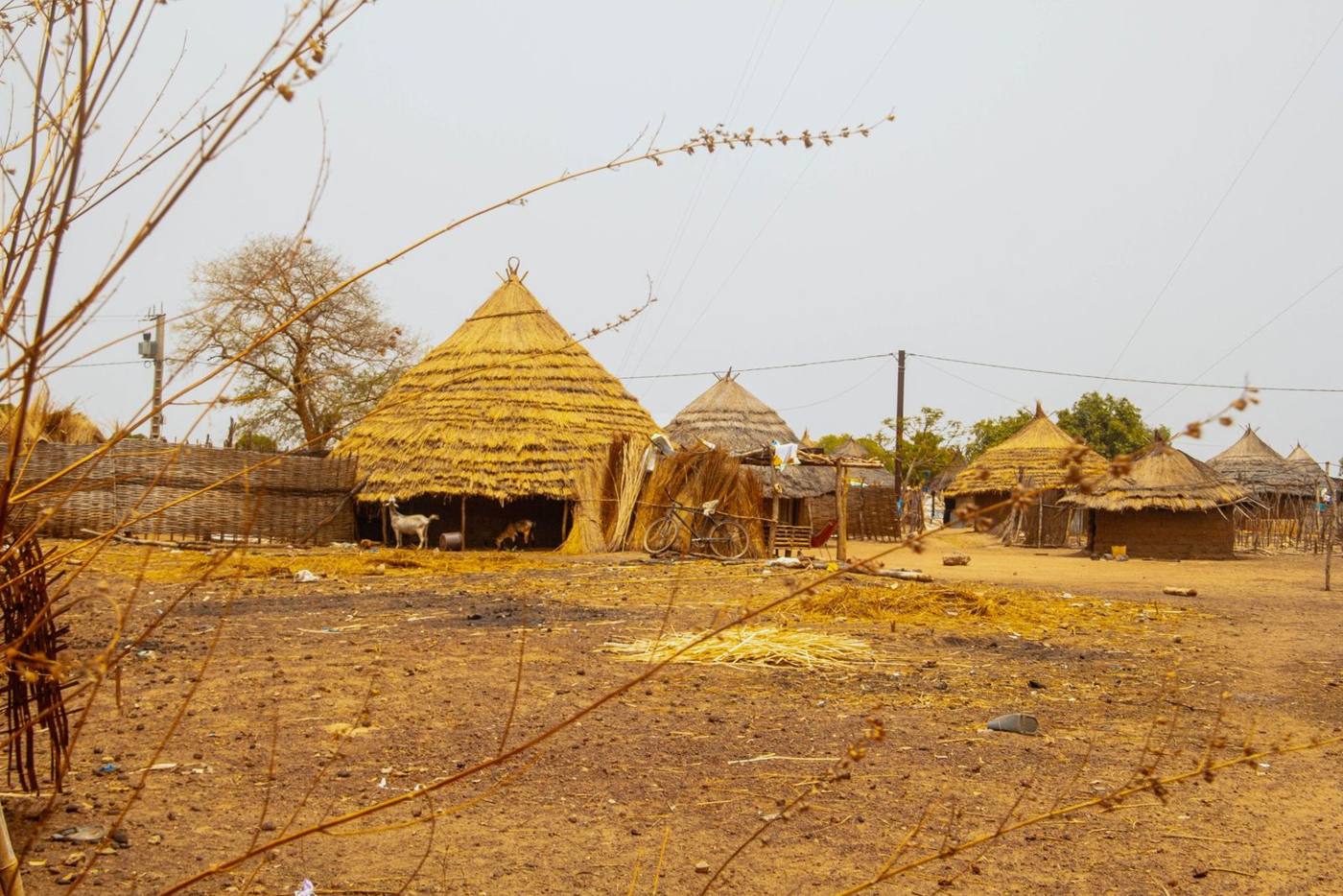
The Saloum delta by pirogue among mangroves and shell islands, Joal-Fadiouth, then green Casamance with the beaches of Cap Skirring and Diola villages.