Sine-Saloum and Casamance
The Saloum delta by pirogue among mangroves and shell islands, Joal-Fadiouth, then green Casamance with the beaches of Cap Skirring and Diola villages.
- Dakar
- Joal-Fadiouth
- Ndangane
- Saloum Delta
- Ziguinchor
- Cap Skirring
Day by day
- Day 1
Joal-Fadiouth, the shell island
This trip takes you to the greenest and most relaxed side of Senegal: the shell island of Fadiouth, the Saloum delta by pirogue among mangroves and islands, then Casamance, with the riverside town of Ziguinchor, the beaches of Cap Skirring and the Diola villages with their earthen houses. In eight days you move from the dry coast south of Dakar to the forests and rice fields of the south.
Before you go: Italian citizens enter Senegal with a passport, which must have at least six months of remaining validity on entry; for tourism of up to 90 days no visa is needed. Always carry a document, even a copy. The yellow fever certificate is compulsory if you arrive from a country at risk; malaria is endemic, so talk to your doctor about prevention. Other nationalities should check their own rules. Some areas on this trip are close to borders or places where the situation changes often: check your government's travel advice before booking and again before you leave.
Leave Dakar in the morning and drive down the Petite Côte to Joal, birthplace of the poet and president Léopold Sédar Senghor. A long wooden bridge leads to the island of Fadiouth, built on shells piled up over the centuries. With a village guide you walk through white alleys, past the church, the mosque and the granaries on stilts. Then you reach the cemetery island, where Christians and Muslims rest together. Check prices and times.
In the afternoon continue to Ndangane, on the banks of the Saloum.
Practical tip: in Fadiouth wear shoes with thick soles, because the shells are sharp.
- Day 2
By pirogue from Ndangane to Mar Lodj
Today you enter the Saloum delta, a UNESCO World Heritage Site since 2011: a maze of channels called bolongs, sandy islands and mangrove forests where three rivers meet the ocean. From Ndangane you set off by pirogue with a guide and a life jacket.
The first stop is the island of Mar Lodj, reachable only by boat. There are no cars: just sandy paths, palms, baobabs and quiet villages where fishermen and farmers live. Walk with your guide among the houses and the millet fields. On the island a church, a mosque and traditional places of worship stand side by side, a sign of the region's religious tolerance.
For lunch try fish from the delta cooked with rice and onions, or mangrove oysters, if they are in season and well cooked.
In the afternoon go back by pirogue along the narrower bolongs. The water is calm and silent, broken only by the beating of birds' wings: herons, egrets, kingfishers, pelicans and cormorants. At sunset thousands of birds return to the mangrove trees for the night.
Return to Ndangane in the last of the light.
Practical tip: bring a hat, sun cream and repellent, and put your phone in a dry bag, because you get wet easily in a pirogue.
- Day 3
The islands and shell mounds of the Saloum
Today you explore a more remote part of the delta. Leave early by pirogue and head for the inner islands, where villages live almost entirely from fishing and gathering shellfish. Women collect the oysters clinging to the mangrove roots and shellfish in the shallows, then cook and dry them.
Stop on one of the delta's large shell mounds. For centuries communities piled up the shells of the molluscs they ate here, forming artificial hills. Some mounds contain ancient burials and are now covered in baobabs, which grow well in the lime-rich ground. They are one of the reasons why the delta is a UNESCO site.
Then visit a fishing village with your guide, who explains how the fish is processed and how life changes with the tides. Greet people with a «salamalekum» and always ask before taking photographs.
In the afternoon return to Ndangane and rest in the shade. If you still feel like it, walk along the shore at sunset and watch the pirogues coming home.
In the evening pack your bags for tomorrow's long journey south to Casamance.
Practical tip: check the tide times with your guide, because at low water some bolongs cannot be navigated and routes may change.
- Day 4
Flight or ferry to Ziguinchor
Today you move to Casamance, the green region south of The Gambia. There are two main ways to get there. The quickest is to return to Dakar and take a domestic flight to Ziguinchor. The most atmospheric is the overnight ferry from Dakar, which sails along the coast and up the Casamance river, arriving in Ziguinchor the next morning. Check prices and times, and book early, because places are limited.
Crossing The Gambia by car is possible, but it is slow, with two borders and waits for the ferry over the Gambia river: on this trip it is best avoided.
If you arrive in Ziguinchor by plane, take a first walk around the town in the afternoon. Ziguinchor looks out over the wide Casamance river, with colonial houses, large trees and markets. Saint-Maur market is full of tropical fruit, palm oil, dried fish and fabrics. On the riverbank watch the pirogues and the mangroves on the far side.
If you choose the ferry, enjoy the evening on board and the passage along the coast. At dawn, as you enter the river, go up on deck: green banks, rice fields and villages appear one after another.
Practical tip: for the ferry bring a sweatshirt and keep your documents to hand, and choose a cabin if you can, because the journey lasts all night.
- Day 5
From Ziguinchor to Cap Skirring
Today you reach the coast. From Ziguinchor take the main road west, which leads to Oussouye and then to Cap Skirring. It is one of the routes recommended for getting around Casamance: stay on this road and travel by day.
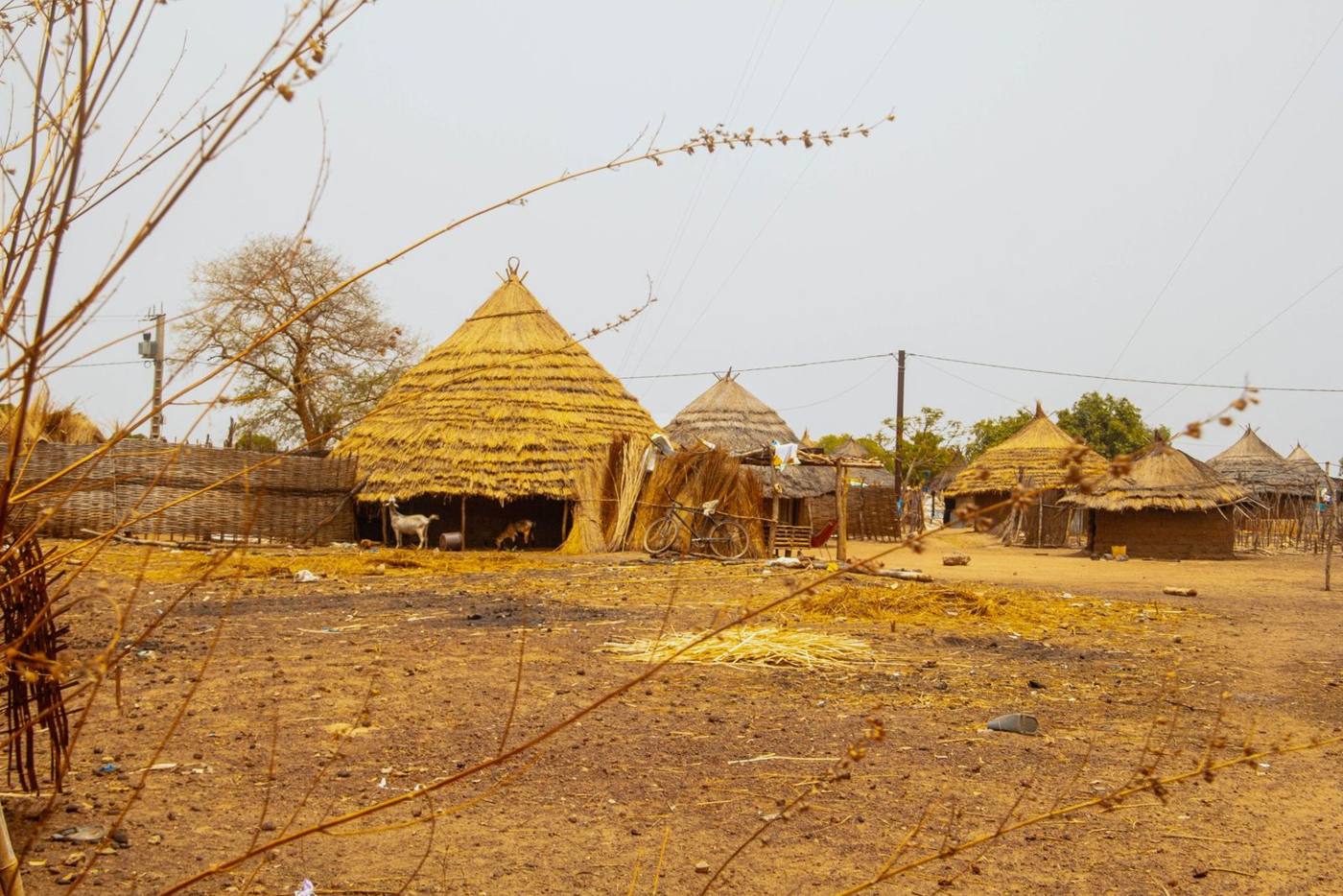
The landscape is very different from the rest of Senegal. There are green rice fields, oil palms, huge kapok trees and Diola villages in the forest. Stop at Oussouye, the small town at the heart of the traditional Diola kingdom. Here the king has a spiritual and social role, linked to rituals, the land and peace between families. With a local guide you can learn about the history of the kingdom and village life. Respect the sacred places and the woods that the guide tells you not to enter.
In the afternoon you reach Cap Skirring, on the Atlantic coast, with long beaches of pale sand fringed with palms. Settle in and take a first walk along the water's edge. The sea here is often calmer than in Dakar, but swim only where there are other people.
In the evening try a dish from Casamance, such as chicken yassa with onions and lemon, or rice with palm sauce.
Practical tip: do not stop if someone signals you to pull over along the road, and let your driver decide where to take breaks in the villages.
- Day 6
The Diola villages and impluvium houses
Today you discover the Diola villages, with a local guide and on roads the guide considers suitable. Leave in the morning and reach Mlomp, famous for its two-storey earthen houses, rare in West Africa. Walk among the large homes, the granaries and the sacred trees, and let your guide explain how families live and how work in the rice fields is organised.
Then visit an impluvium house, the large traditional round Diola dwelling, with a funnel-shaped roof that collects rainwater in a basin in the centre. Several families live around the inner courtyard, sharing space and work. One of the best known is in Enampor: ask your guide whether the road is advisable at that moment, and if not, visit a similar house in a village on the main road. Check prices and times.
For lunch try the rice grown here, the basis of Diola cooking, served with fish or a groundnut sauce, often eaten from a shared bowl.
In the afternoon return to Cap Skirring to rest on the beach and have a swim before sunset, when the light softens over the palms.
Practical tip: always get back before dark and travel only on the main roads, avoiding secondary and unpaved tracks, as Italian official advice recommends.
- Day 7
A day in Cap Skirring
Today you enjoy the sea. In the morning walk along the long beach of Cap Skirring to the fishing village, where the pirogues come in and the fish is sold straight on the sand. Watch the work up close, buy some fruit and chat with the sellers.
In the middle of the day swim where the water is calm and there are other people, then rest in the shade of the palms. The beach here is wide, and even in the busiest weeks you find quiet stretches.
In the afternoon, if you like, arrange a short pirogue trip into the nearby bolongs, with a guide and a life jacket, to see the mangroves and the birds. Or stroll around the small centre and look for craft workshops selling masks, baskets and fabrics.
At sunset sit on the beach and watch the sun go down over the Atlantic. The evening is calm, with music and dinners of grilled fish.
Do not go near the border with Guinea-Bissau, which is close: stay in the Cap Skirring area and on the main roads.
Practical tip: keep a few small notes in your pocket for fruit and small purchases on the beach, and leave your passport and cards at your accommodation.
- Day 8
The flight to Dakar
Last day. In the morning take a final walk on the beach or an early swim, while the sun is still low. Then go to the airport for the flight to Dakar. Depending on the season, flights leave from Cap Skirring or Ziguinchor: check prices and times, because flights can change.
From the window watch the landscape go by: the mangroves of Casamance, the Gambia river and then the dry coast towards Dakar. In just over an hour you are back in the capital.
In eight days you have seen the greenest, most relaxed side of Senegal: the shell island of Fadiouth, the Saloum delta by pirogue with Mar Lodj and the shell mounds, the riverside town of Ziguinchor, the Diola kingdom of Oussouye, the impluvium houses and two-storey houses of Mlomp, and finally the beaches of Cap Skirring. In Casamance an old separatist conflict has now almost died out, but some border areas are still advised against: always travel on the main routes.
When to go: from November to May, in the dry season, with clear skies and a calm sea. From June to October the rains are heavy, especially in Casamance.
Practical tip: keep a spare day in Dakar before your flight to Europe, because domestic flights and ferries can be delayed or cancelled.
Senegal at its greenest and most relaxed. In Casamance an old separatist conflict has now nearly ended, but some border areas remain advised against: stick to the main routes. Crossing Gambia by car is possible but slow.
Before you go
- Documents and visa
- Passport with at least six months of remaining validity on entry. For tourism of up to 90 days no visa is needed and you may be asked for your return ticket on arrival. Always carry an identity document, even a copy: at night checks people who cannot show one may be detained.
- Health and vaccines
- A yellow fever vaccination certificate is compulsory, from 9 months of age, if you arrive from a country at risk, including after a stopover of more than 12 hours. Malaria is endemic: talk to your doctor about prevention and recommended vaccinations. Drink only bottled water, without ice, and buy medicines only from main pharmacies. You need insurance covering medical costs and medical repatriation.
- Money and payments
- West African CFA franc (XOF), with a fixed exchange rate to the euro. Cards work mainly in large hotels and shops; outside the cities you pay in cash. More than 1,000,000 CFA francs must be declared at customs on arrival, and a lower amount can be taken out without declaration.
- Power sockets
- Types C, D, E and K, 230 volts: you need an adapter for British plugs.
- Time zone
- UTC+0 all year.
- Safety
- Theft and robbery, including armed robbery, in Dakar, in tourist areas such as Saly and the Pink Lake and in the Plateau; the risk rises around holidays. Terrorist groups are active in neighbouring Mali: take particular care in remote areas near the Mali and Mauritania borders. In Casamance avoid travelling at night, stick to main roads, travel in convoy where possible and do not stop if someone flags you down. Roads are in poor condition. Drugs and homosexuality are criminal offences. Official advice: GOV.UK.
Information checked in November 2026 for Italian and EU citizens. Rules change: always check before you travel.
Variations
Shorter version: four days with Joal-Fadiouth and the Saloum delta.
Longer version: add two days in Ziguinchor and on the Casamance river by pirogue.
Frequently asked questions
How do you get to Casamance?
By domestic flight from Dakar to Ziguinchor or by the overnight ferry from Dakar. Crossing The Gambia by car is possible but slow.
Is Casamance safe?
The old conflict has almost died out, but some border areas are still advised against: check your government's travel advice, travel on the main routes and by day.
What is an impluvium house?
It is the large traditional round Diola house, with a funnel-shaped roof that collects rainwater in a basin in the middle of the courtyard.
Indicative itinerary written by World Atlas. Before booking, check timetables, seasonal openings, documents and safety.
 4 daysEasy
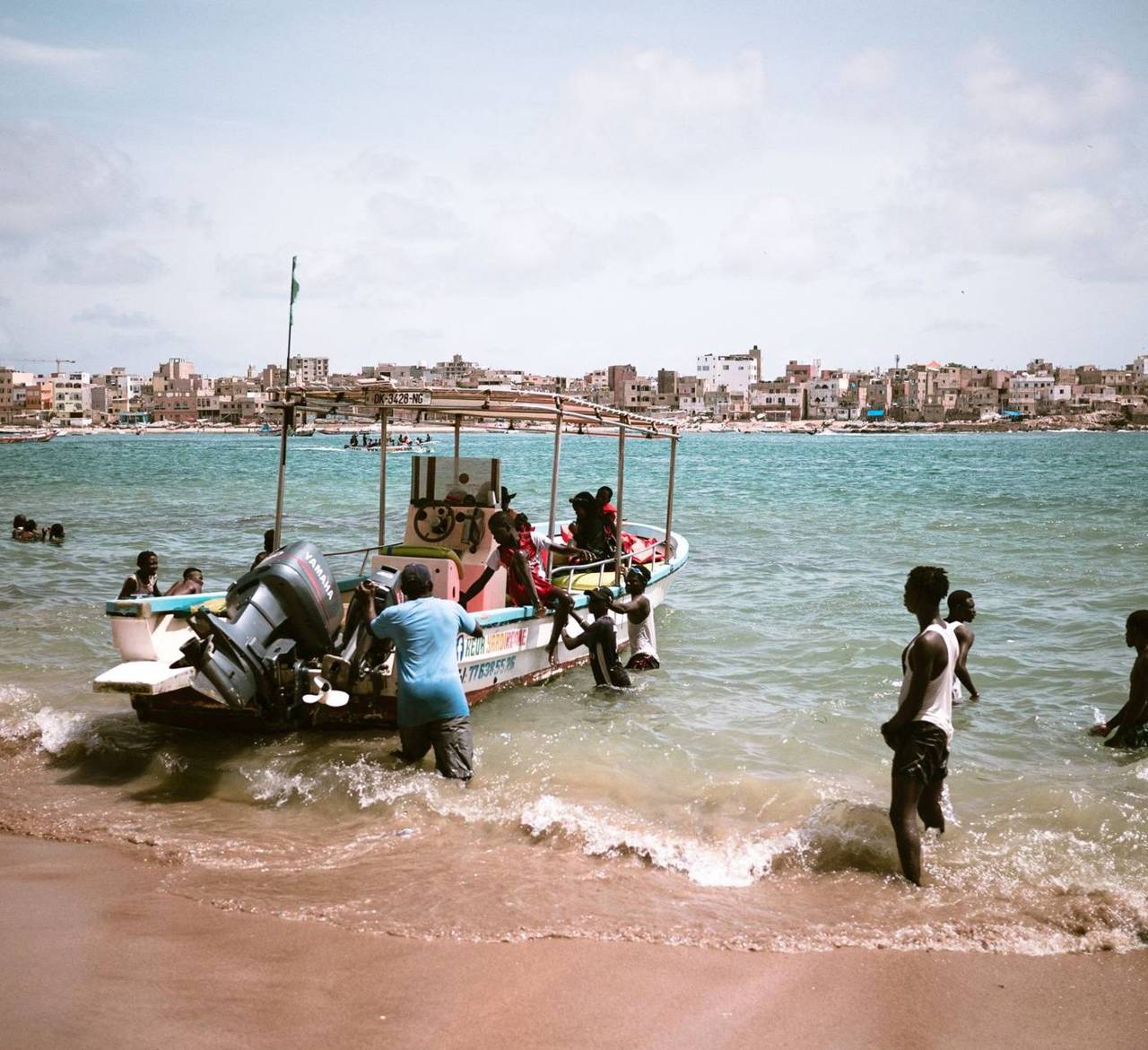
The Petite Côte and Joal-Fadiouth
The coast south of Dakar: the beaches of Saly, Somone and its lagoon, the fishing village of Mbour and the shell island of Fadiouth, linked to Joal by a wooden bridge.
 2 daysEasy
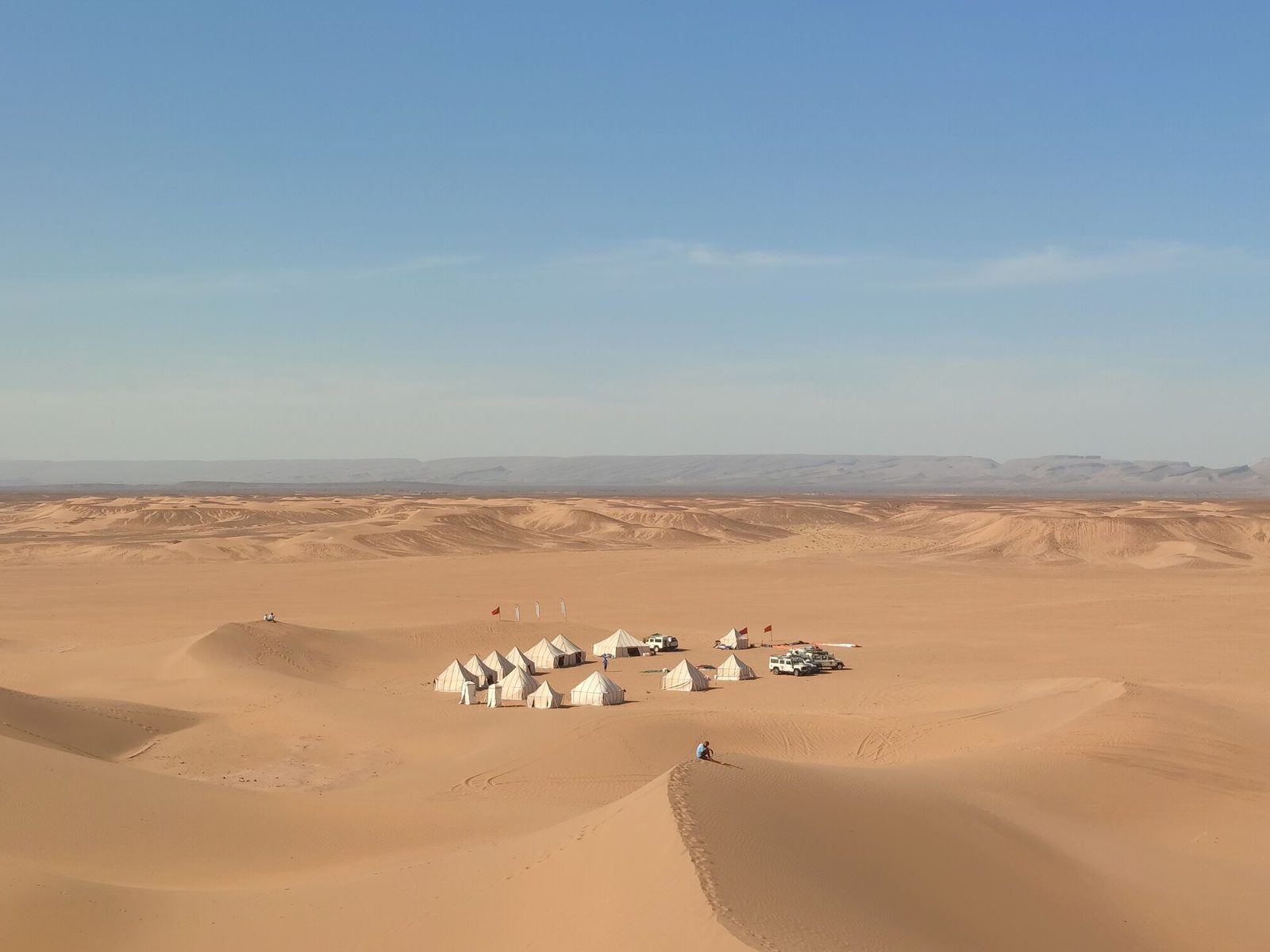
The Lompoul desert
A small island of orange dunes between Dakar and Saint-Louis, with a night in a Mauritanian tent, sunset on the dunes and a walk to the ocean.
 2 daysEasy
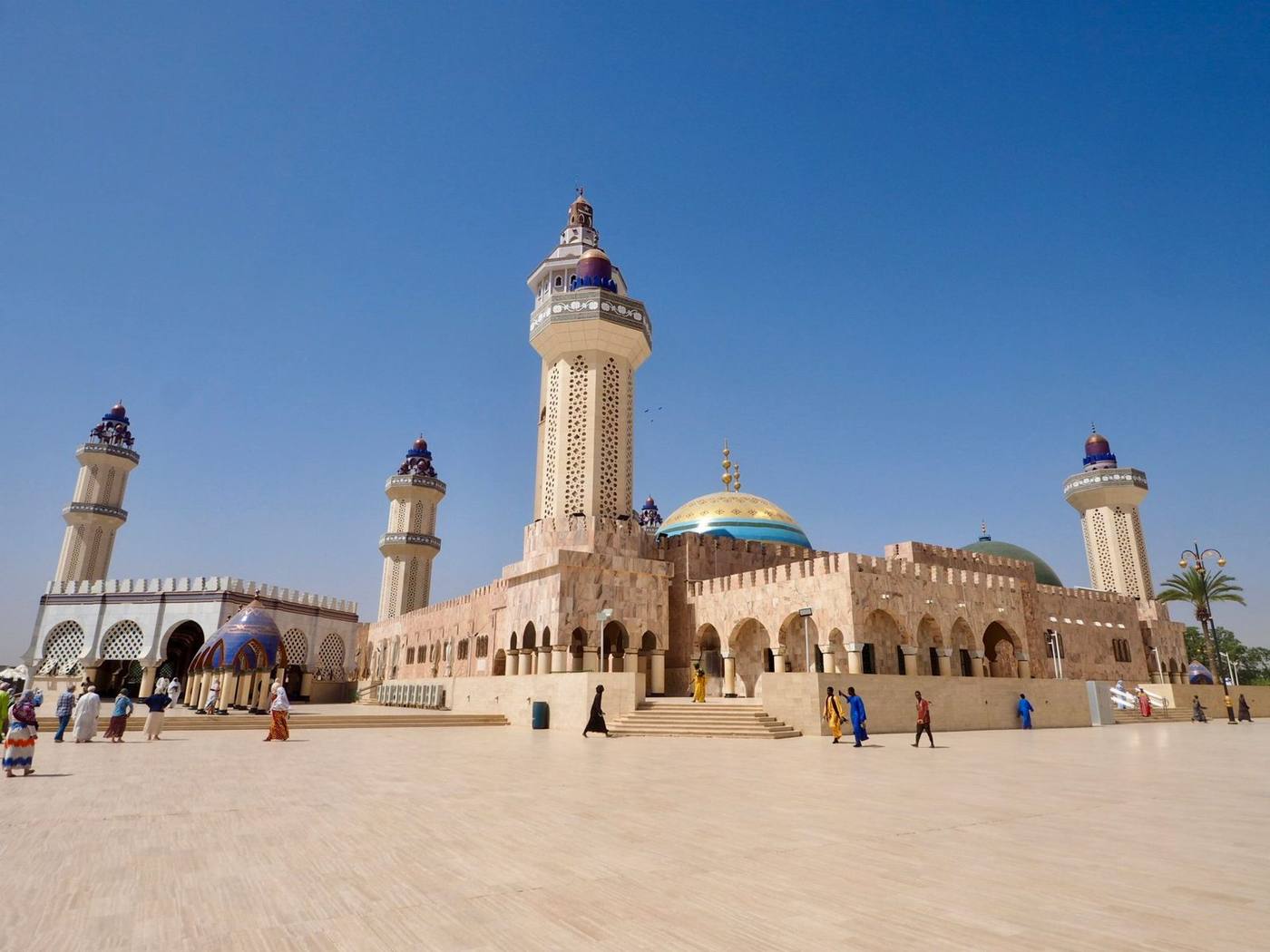
Touba and the Mouride brotherhood
The holy city of the Mourides, with its great mosque and towering minarets, the library and the story of Cheikh Amadou Bamba, the religious heart of Senegal.