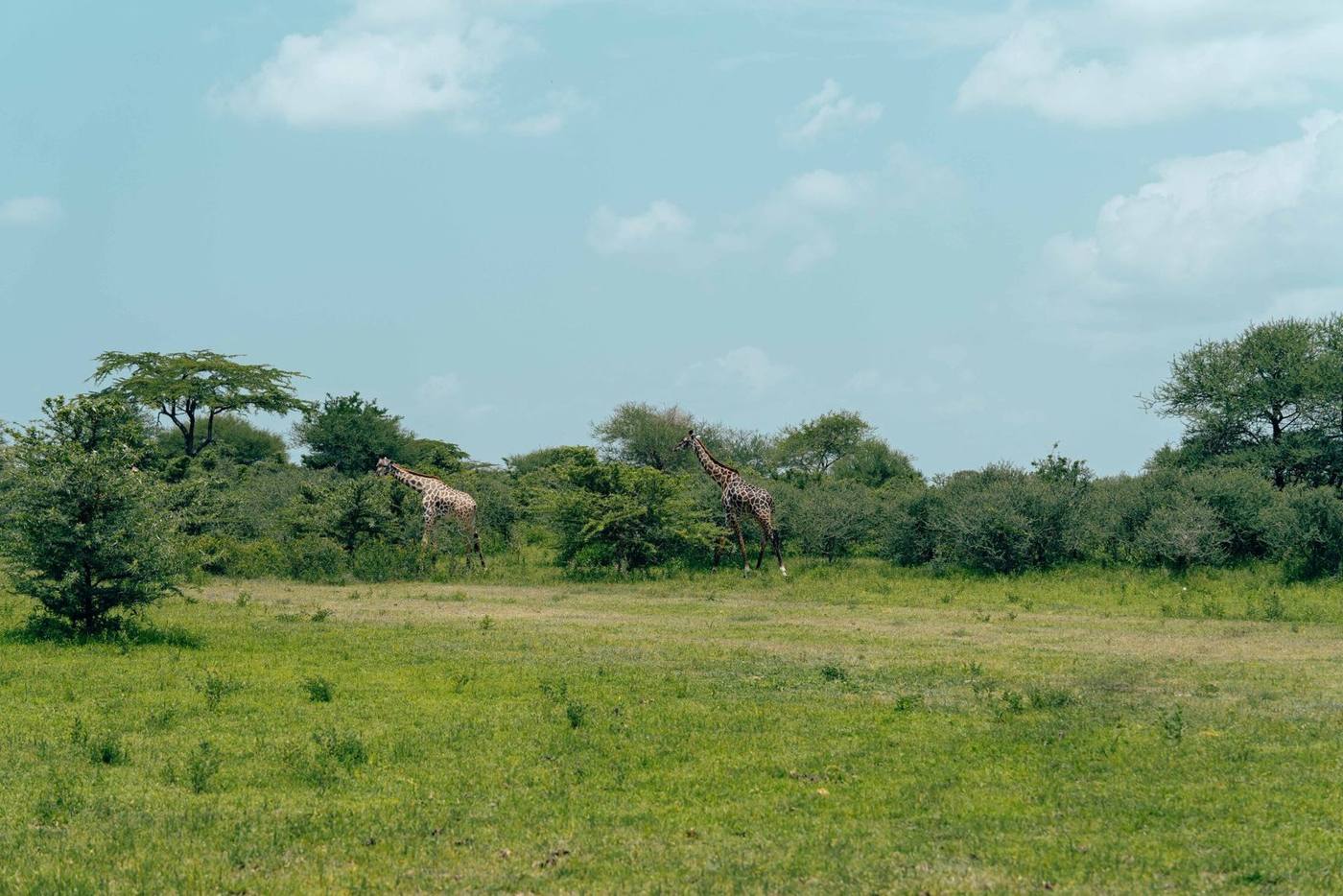
Bandia and Fathala
Two fenced reserves where giraffes, rhinos, buffalo and the rare Derby eland have been reintroduced, with a walk alongside lions at Fathala.
- Dakar
- Bandia
- Toubacouta
- Fathala
Day by day
- Day 1
Safari in the Bandia reserve
This trip takes you to two fenced reserves in Senegal, where animals that disappeared from the region long ago have been reintroduced: giraffes, rhinos, buffalo and the rare Derby eland. In three days you go on safari at Bandia, cross the Saloum basin to Toubacouta and visit the Fathala reserve with its mangroves. It is a short, comfortable safari, suitable for families. These are reserves, not open savannah: do not compare them with East Africa.
Before you go: Italian citizens enter Senegal with a passport, which must have at least six months of remaining validity on entry; for tourism no visa is needed for up to 90 days and you may be asked for your return ticket on arrival. Always carry a document with you, even a copy. If you arrive from a country at risk you need a yellow fever certificate; for malaria, which is endemic, ask your doctor about prevention. Other nationalities should check their own rules.
Leave Dakar in the morning and in about an hour you reach the Bandia reserve, on the road to the Petite Côte. Here you get into an open vehicle with a reserve guide. You drive along red dirt tracks among acacias and huge baobabs, some with hollow trunks, which were once used as burial places for griots, the traditional storytellers.
Watch the giraffes feeding from the treetops, the white rhinos, buffalo, ostriches, several kinds of antelope and monkeys. Crocodiles also live near a pool. Check prices and times.
Practical tip: go on safari early in the morning or late in the afternoon, when the light is best and the animals are more active.
- Day 2
From Bandia to Toubacouta
Today you move south-east, into the Sine-Saloum region. Leave the Bandia area in the morning and cross the countryside: fields of millet and groundnuts, villages with round granaries, weekly markets where people arrive on carts pulled by horses and donkeys.
Further on the landscape changes. Salt flats, shallow lagoons and the first arms of the delta, called bolongs, appear. You reach Toubacouta, a quiet village on the banks of the Saloum, surrounded by mangroves. Settle into your accommodation and rest during the hot hours.
In the late afternoon take a pirogue trip through the bolongs with a village guide. Among the mangrove roots you see herons, kingfishers, cormorants and, if you are lucky, a few pelicans. At sunset thousands of birds return to the trees to spend the night: a moment of great noise and movement.
The Saloum delta has been a UNESCO World Heritage Site since 2011, partly because of the large shell mounds left over the centuries by communities that lived by gathering shellfish. Ask your guide to show you one.
In the evening, at dinner, try fish from the delta with rice, or mangrove oysters, if they are in season and well cooked.
Practical tip: bring a strong repellent and long sleeves, because near the mangroves mosquitoes are numerous at sunset and malaria is present.
- Day 3
The Fathala reserve and the mangroves
Early in the morning enter the Fathala reserve, near the border with The Gambia, a protected dry forest where giraffes, rhinos, buffalo, antelope and monkeys live. Here a conservation project protects the Derby eland, a large antelope with spiral horns, very rare in West Africa. Go on safari in a vehicle with a guide and look for these animals among the trees. Check prices and times.
At Fathala you can also take a walk beside lions, accompanied by keepers. They are animals used to people since they were cubs: it is a choice that not everyone likes, because it has nothing to do with life in the wild. Find out more beforehand and decide for yourself whether to do it.
In the afternoon go back to the mangroves for a final boat trip or a walk along the bank.
In three days you have seen two reserves where Senegal is trying to bring back lost wildlife: Bandia with its giraffes, rhinos and griot baobabs, then Toubacouta and the Saloum mangroves, and finally Fathala with the Derby eland. It is an easy safari, a few hours from Dakar, to combine with the beaches of the Petite Côte.
When to go: from December to May, in the dry season, when the vegetation is lower and the animals are easier to see near water.
Practical tip: wear neutral colours and bring binoculars, and during the safari always stay in the vehicle unless the guide tells you otherwise.
A short, easy safari, suitable for families. These are reserves, not open savannah: don't compare them to East Africa. Fathala's lions are used to people, a choice not everyone likes.
Before you go
- Documents and visa
- Passport with at least six months of remaining validity on entry. For tourism of up to 90 days no visa is needed and you may be asked for your return ticket on arrival. Always carry an identity document, even a copy: at night checks people who cannot show one may be detained.
- Health and vaccines
- A yellow fever vaccination certificate is compulsory, from 9 months of age, if you arrive from a country at risk, including after a stopover of more than 12 hours. Malaria is endemic: talk to your doctor about prevention and recommended vaccinations. Drink only bottled water, without ice, and buy medicines only from main pharmacies. You need insurance covering medical costs and medical repatriation.
- Money and payments
- West African CFA franc (XOF), with a fixed exchange rate to the euro. Cards work mainly in large hotels and shops; outside the cities you pay in cash. More than 1,000,000 CFA francs must be declared at customs on arrival, and a lower amount can be taken out without declaration.
- Power sockets
- Types C, D, E and K, 230 volts: you need an adapter for British plugs.
- Time zone
- UTC+0 all year.
- Safety
- Theft and robbery, including armed robbery, in Dakar, in tourist areas such as Saly and the Pink Lake and in the Plateau; the risk rises around holidays. Terrorist groups are active in neighbouring Mali: take particular care in remote areas near the Mali and Mauritania borders. In Casamance avoid travelling at night, stick to main roads, travel in convoy where possible and do not stop if someone flags you down. Roads are in poor condition. Drugs and homosexuality are criminal offences. Official advice: GOV.UK.
Information checked in November 2026 for Italian and EU citizens. Rules change: always check before you travel.
Variations
Shorter version: a morning safari at Bandia with a return to Dakar or the Petite Côte.
Longer version: add two days in the Saloum delta by pirogue among the islands.
Frequently asked questions
Are Bandia and Fathala wild parks?
No, they are fenced reserves where animals have been reintroduced. The safari is easy but different from East Africa.
What is the Derby eland?
It is a large antelope with spiral horns, very rare in West Africa, protected at Fathala by a conservation project.
Is it suitable for children?
Yes, distances are short and the safaris are done in a vehicle with a guide. Bring water, hats and repellent.
Indicative itinerary written by World Atlas. Before booking, check timetables, seasonal openings, documents and safety.
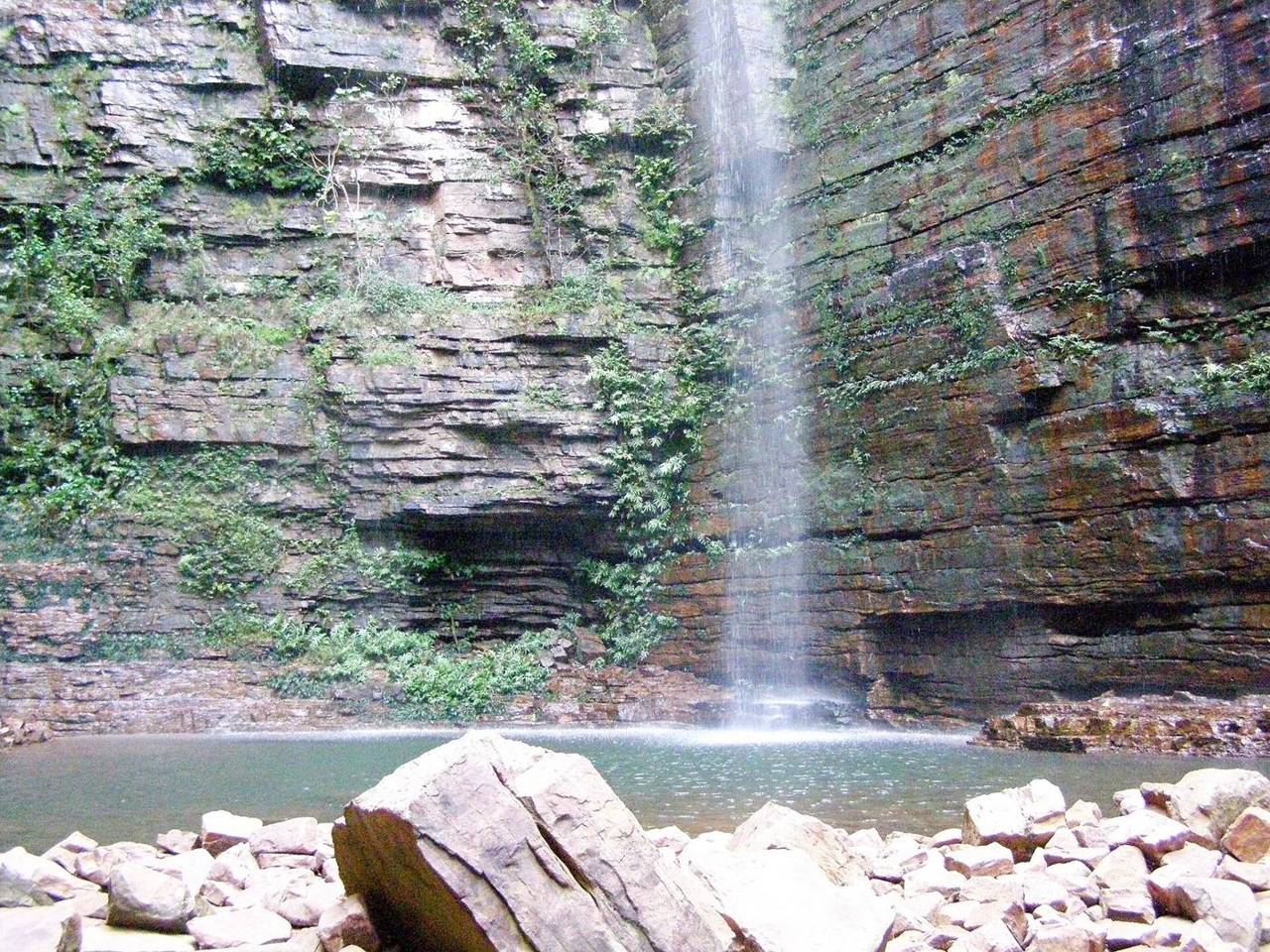 5 daysModerate
Bassari Country and Kédougou
Senegal's green south-east, a UNESCO site: Bassari and Bedik villages on the hills, the Dindéfélo falls and Niokolo-Koba park along the Gambia river.
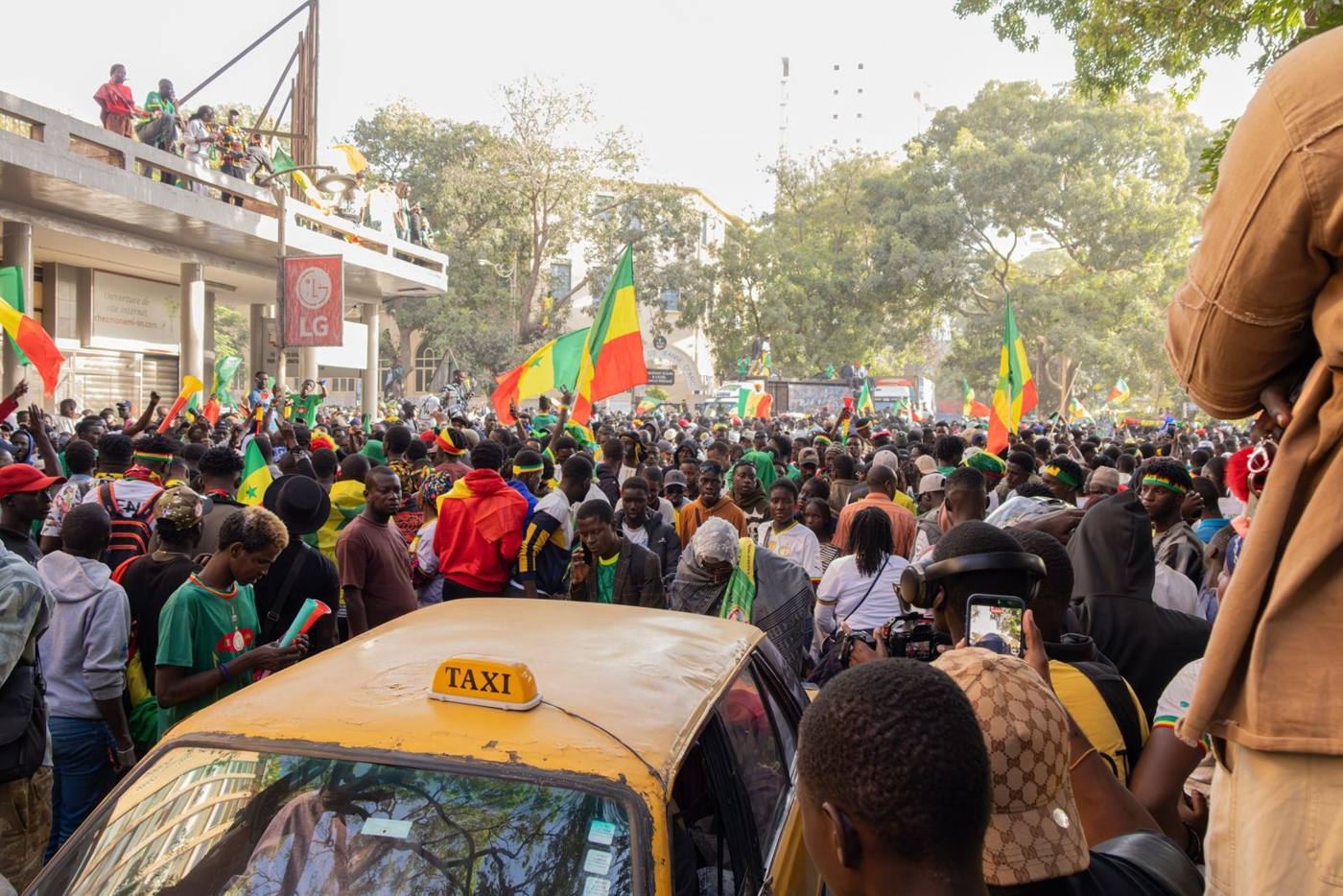 5 daysEasy
Dakar, Gorée and the Pink Lake
Dakar and its music, Gorée Island with the House of Slaves, the African Renaissance Monument and Lake Retba with its pink water and salt collectors.
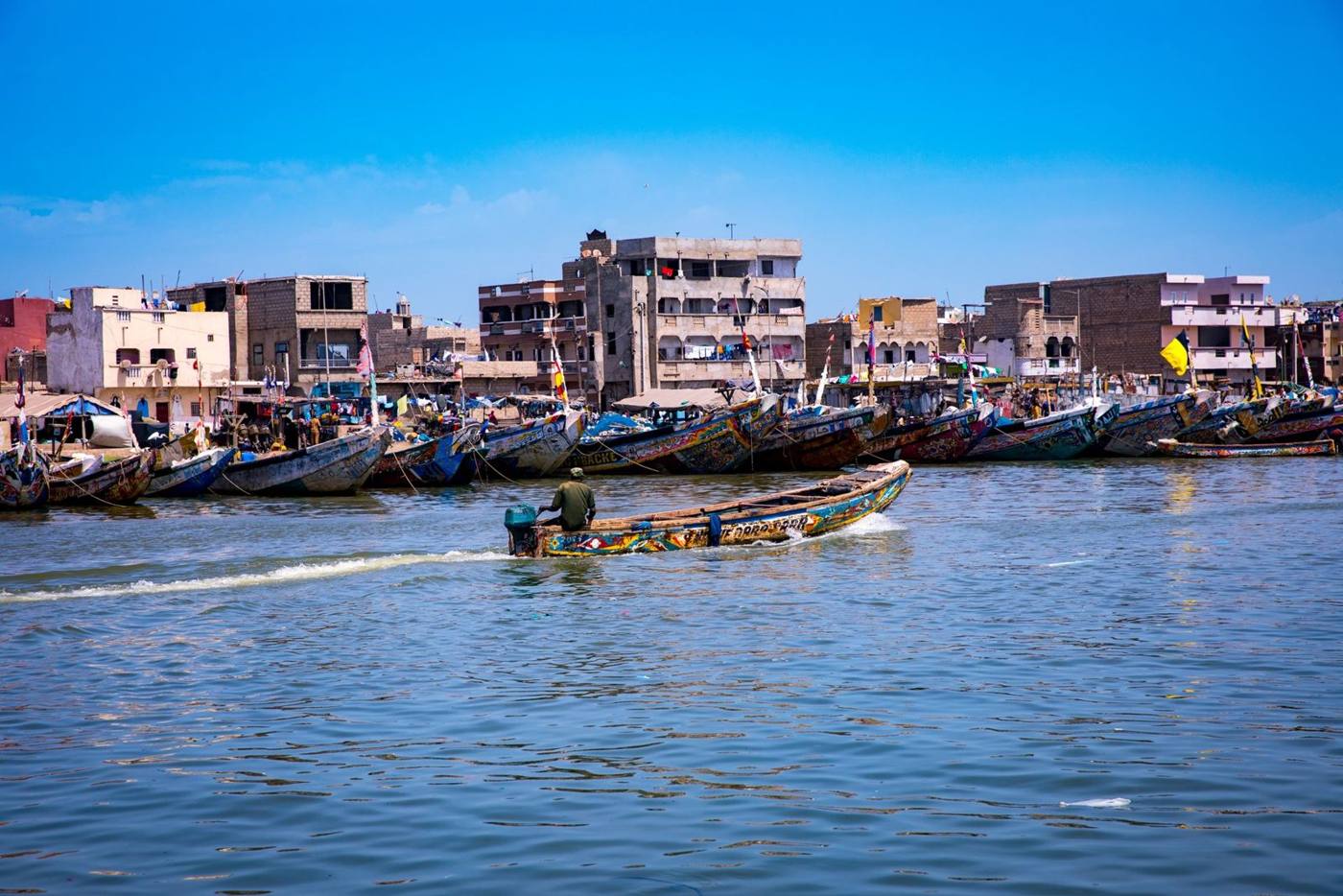 5 daysEasy
Saint-Louis and Djoudj
The UNESCO-listed former colonial capital on the Senegal river, the Guet Ndar fishing quarter, the Djoudj bird park and the Lompoul desert.