Upolu and Savai'i
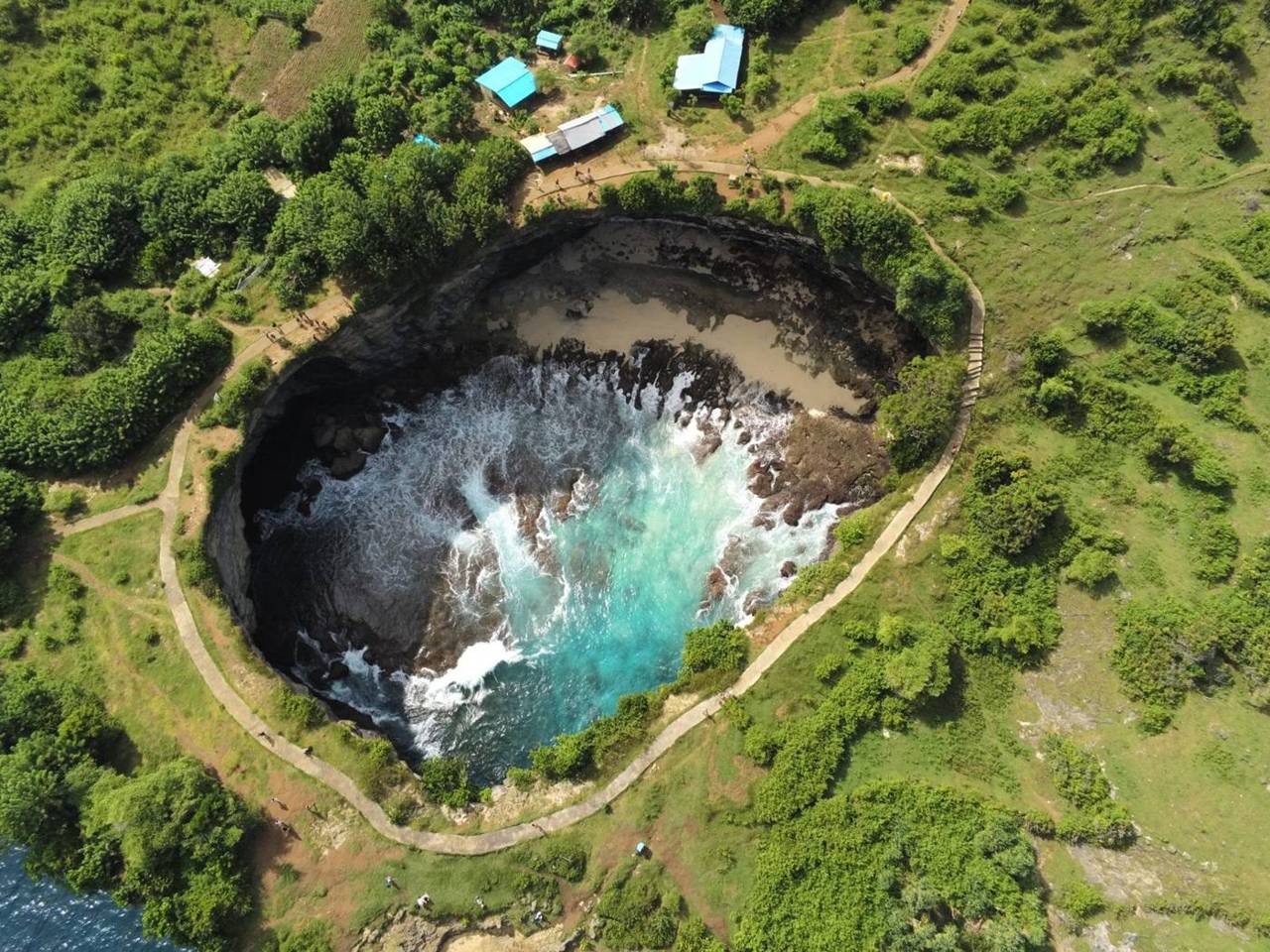
To Sua Ocean Trench, the beaches of Lalomanu with fales on the sand, the lava fields of Savai'i and the Alofaaga blowholes.
- Apia
- To Sua
- Lalomanu
- Salelologa
- Saleaula
- Alofaaga
Day by day
- Day 1
Apia and Robert Louis Stevenson's house
This trip combines the two big islands of Samoa: Upolu, with Apia, To Sua Ocean Trench and the beaches of Lalomanu with fales on the sand, and Savai'i, with the Saleaula lava fields, the Alofaaga blowholes and the turtles. This is the traditional Pacific, where fa'a Samoa, the Samoan way of life, is still strong. You travel by hire car, driving on the left, and by ferry.
Before you go: Italian citizens need a passport, with at least six months' validity; you enter without a visa and on arrival receive a visitor permit for up to 60 days. Have your return ticket and accommodation booking ready. Other nationalities should check their own rules.
In the morning go up to Vailima, above Apia, and visit the villa of Robert Louis Stevenson, the Scottish author of Treasure Island, who spent his last years here and died in December 1894. The large wooden house is now a museum with furniture, books and photographs. Check prices and times. If your legs are good, climb Mount Vaea, where his grave lies: the short trail is very steep.
In the afternoon go down to the centre: Fugalei market with taro, coconuts and fruit, the craft market, the white cathedral on the waterfront and the Mulinu'u peninsula.
In the evening try oka, raw fish marinated in lime and coconut cream.
Sleep in Apia, for one night.
Practical tip: to drive you need a temporary permit, easily obtained with your licence; in villages the speed limits are low.
- Day 2
To Sua Ocean Trench and Lalomanu
Today you cross Upolu to the south-east coast, the most beautiful part of the island.
The road climbs from Apia into the interior, among forests and plantations, and drops down to the south coast. Stop at Lotofaga for To Sua Ocean Trench, one of the best-known places in the Pacific: a huge hole in the lava rock, with vertical walls covered in plants and, at the bottom, a pool of turquoise seawater linked to the ocean by a tunnel. You climb down a long, steep wooden ladder and swim in the clear water. Around it is a well-kept garden with lawns and views of the cliffs. Check prices and times.
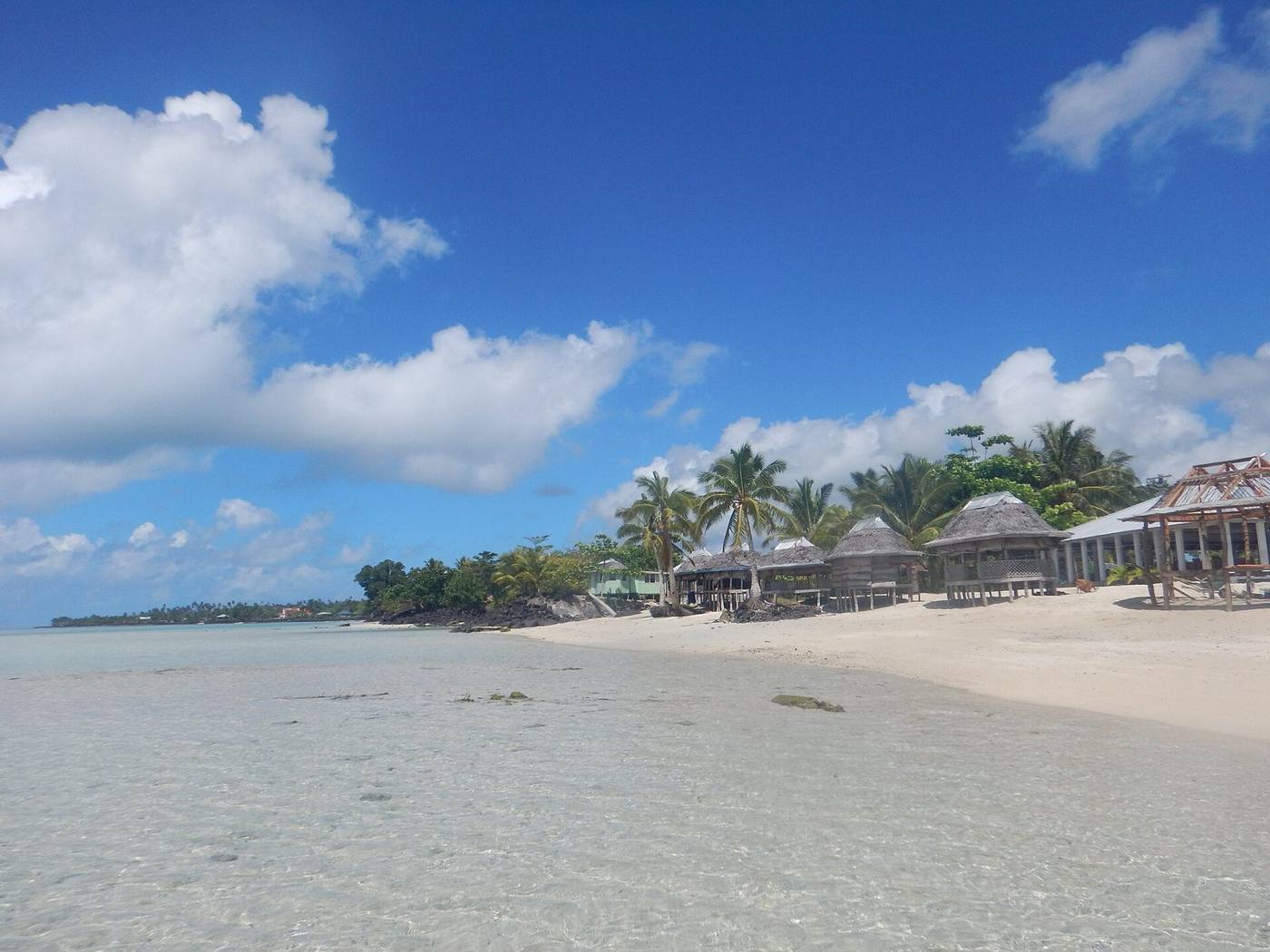
Then carry on east to Lalomanu, at the south-eastern tip of Upolu. The beach is long and white, with a blue lagoon and Namua island in front. Here you sleep in a fale on the sand, the Samoan hut open at the sides, with a leaf roof and blinds lowered at night.
Lalomanu was hit hard by the tsunami of 29 September 2009, which killed many people along this coast. Today the villages have been rebuilt, and the memory remains strong.
At sunset sit on the beach and watch the light change over Namua island.
Sleep in Lalomanu, for two nights.
Practical tip: at To Sua climb down the ladder slowly, holding on with both hands, and leave your bag at the top; get in the water only when the current in the tunnel is calm.
- Day 3
A day in the lagoon at Lalomanu
Today you stay in Lalomanu and live at the pace of the beach, with no car and no timetable.
Early in the morning the lagoon is flat and clear: get in with mask and snorkel and look at the corals, parrotfish, surgeonfish and small colourful shoals. Always stay inside the reef: beyond it the currents are strong and the sea is dangerous.
If you like, ask a village boat to take you to Namua island, opposite the beach, for a walk to the top and a swim in calm water. Check prices and times.
For lunch eat at your fale, where meals are often included: fish, taro, palusami and tropical fruit. In the afternoon rest in the shade, read or take a short kayak trip along the shore.
Towards evening walk along the beach to the nearby village. Children play rugby on the sand, men come back from fishing and women prepare dinner.
When the bell or conch sounds for evening prayer, stop and stay quiet for a few minutes, as everyone does.
In the evening, if there is one, join a night of dances and songs, with the fire knife dance.
Practical tip: use sunscreen that does not harm coral, bring reef shoes and never touch corals or starfish.
- Day 4
The ferry to Savai'i
Today you leave Upolu and cross to the island of Savai'i.
Before leaving have a slow breakfast at your fale, watching the sunrise over Namua island and the lagoon lighting up in blue.
In the morning drive along the south coast and then west to Mulifanua wharf, at the western tip of Upolu, near the airport. Along the way you pass villages with fales, colourful churches and neatly kept lawns, with children waving from the houses.
At the wharf take the ferry to Salelologa, the port of Savai'i. Check prices and times and arrive early, especially if you are taking the car. During the crossing look out for the small islands of Manono and Apolima, and sometimes dolphins.
Savai'i is bigger than Upolu but far less populated, with villages scattered along the coast, coconut plantations and forests climbing towards the volcanoes of the interior. Here life is even slower and services are few.
From Salelologa follow the coast road north. In the afternoon settle on the north coast, in a beach fale or a simple place to stay, and take your first swim in the lagoon.
In the evening have dinner with grilled fish and bananas cooked in coconut cream.
Sleep on the north coast of Savai'i, for three nights.
Practical tip: there are few cash machines on Savai'i, so withdraw the tala you need in Apia first and keep small notes for village entry fees.
- Day 5
The Saleaula lava fields
Today you visit the Saleaula lava fields, on the north-east coast of Savai'i.
Between 1905 and 1911 the Matavanu volcano erupted for years, and rivers of lava flowed down to the sea, covering villages, fields and plantations. Today what remains is an expanse of black, wavy rock, with plants slowly starting to grow again in the cracks.
In the middle of the lava you see the ruins of a mission church: the lava came in through the doors and filled the inside, but the walls stayed standing. Not far away is the so-called virgin's grave, which according to tradition the lava surrounded without covering. The site is on village land, and the village asks for a small contribution: check prices and times.
Walk carefully on the lava, which is sharp and uneven, and see how waves and ropes of rock formed as the lava cooled.
In the afternoon return to the north coast and rest on the beach. Go snorkelling in the lagoon, always inside the reef.
In the evening the bell for evening prayer rings in the villages: for a few minutes everything stops, and visitors too stay quiet.
In these days on Savai'i you really feel fa'a Samoa: large families, full churches, open houses and great hospitality.
Practical tip: on the lava wear closed shoes with thick soles, and bring water and a hat, because the black rock soaks up the heat and there is no shade.
- Day 6
The Alofaaga blowholes
Today you go to the south-west coast of Savai'i, to the Alofaaga blowholes, near the village of Taga.
The road crosses the interior or follows the west coast, through quiet villages, white churches and coconut plantations. At Taga the coast is made of black lava, carved by the sea. The waves rush into lava tubes beneath the rock and, with a roar, shoot jets of water high into the sky. Village people often throw a coconut into the hole just before a wave, and you see it fly up with the water. The site is on village land, and the village asks for a small contribution: check prices and times.
Watch the show from a safe distance, following the directions of local people: the waves can be stronger than expected and the rock is slippery.
In the afternoon, if you have time, carry on to the Falealupo peninsula, at the far west of the island, where according to Samoan tradition the entrance to the world of the dead lay. The black cliffs above the ocean and the lonely beaches are very beautiful.
Return to the north coast before dark, driving slowly.
In the evening look at the stars: far from any city, the sky over Savai'i is full.
Practical tip: never go near the edge of the blowholes and never turn your back on the sea; fill up whenever you find a petrol station.
- Day 7
The turtles and the return to Upolu
Today you swim with turtles and then return to Upolu.
In the morning go to the village of Satoalepai, on the north coast of Savai'i. Here village families keep a few green turtles in a seawater pool near the shore. You get in the water and swim beside them, watching them come up to breathe and eat papaya leaves. The village asks for a small contribution: check prices and times. Do not touch or chase them: let them come close on their own.
Then drive down the east coast to Salelologa. If you have time, stop at the Afu Aau waterfall, in the Palauli district, where the water falls into a large natural pool in the forest: a last cool swim before the ferry.
In the afternoon take the ferry to Upolu and drive to Apia or towards the airport, depending on your flight time.
In these days on Savai'i you have seen an island where time moves slowly: the lava fields, the Alofaaga blowholes, the Falealupo peninsula, the turtles and the coastal villages.
In the evening have dinner in Apia and take a last stroll along the waterfront.
Sleep in Apia or near the airport, for one night.
Practical tip: check the ferry times the day before, because they change with the sea and on holidays, and arrive at the port early.
- Day 8
Departure
Today is departure day.
If your flight is in the afternoon, in the morning go to the Palolo Deep marine reserve, a few minutes from the centre of Apia. You walk or swim across the shallow lagoon to the edge of a large blue hole in the reef, where you snorkel among corals and colourful fish. Check prices and times and get in at high tide.
Then stop at the craft market to buy a sarong, a wooden object or a piece of siapo, the painted bark cloth.
Faleolo airport is about an hour from Apia along the west coast: leave with time to spare.
In these eight days you have seen the traditional Pacific: Stevenson's house in Apia, To Sua Ocean Trench, the beach fales of Lalomanu, the Saleaula lava fields, the Alofaaga blowholes, the turtles of Savai'i and the villages where fa'a Samoa is still alive.
When to go: the best months are May to October, the drier season. From November to April there is more rain and there are cyclones.
Sunday is a day of church and rest: many services close. You often pay a small fee to reach village beaches and sites. Dress modestly in villages and in town; swimwear is only for the beach.
Practical tip: keep some tala for the last day, because at the airport and in the villages along the road you still need cash.
The traditional Pacific, with villages where fa'a Samoa, the Samoan way of life, is still strong. Sunday is for church and rest: many services close. You often pay a small fee to access village beaches.
Before you go
- Documents and visa
- Passport valid for at least six months from the date of arrival. No visa needed: on arrival you receive a visitor permit for up to 60 days, based on your arrival card. You may be asked for a return or onward ticket, an accommodation booking and proof of sufficient funds.
- Health and vaccines
- There is no malaria, but there is dengue and Zika: protect yourself from mosquitoes. A yellow fever certificate is needed only if you arrive from a country at risk. For serious cases the only option is often evacuation to New Zealand, Australia or Hawaii: you need insurance that covers it. Emergencies: 911.
- Money and payments
- Samoan tala. Cards work in Apia and in larger places; in villages, beach fales and for village site entry fees you need cash in small notes.
- Power sockets
- Type I, 230 volts: you need an adapter for European plugs.
- Time zone
- UTC+13 all year.
- Safety
- Crime is low and theft uncommon: still keep documents in the safe. In the lagoons tides create strong currents and there have been fatal accidents: always ask locally before swimming. Cyclones from November to April. Sunday is a day of church and rest, dress modestly in villages and respect the evening prayer. Driving is on the left: avoid driving at night. Official advice: GOV.UK.
Information checked in November 2026 for Italian and EU citizens. Rules change: always check before you travel.
Variations
In 5 days: Apia, To Sua Ocean Trench and two nights at Lalomanu, without Savai'i.
In 11 days: add the trek to Lake Lanoto'o and two days at Manase, on the north coast of Savai'i.
Frequently asked questions
What is To Sua Ocean Trench?
It is a large hole in the lava rock, with a pool of seawater linked to the ocean. You climb down a steep wooden ladder. Check prices and times.
How do you get from Upolu to Savai'i?
By ferry from Mulifanua wharf, at the western tip of Upolu, to Salelologa. You can take your car. Check prices and times.
What should you know about Sundays in Samoa?
It is a day of church and rest: many services close and in villages people avoid swimming and making noise. Plan Sunday as a quiet day.
Indicative itinerary written by World Atlas. Before booking, check timetables, seasonal openings, documents and safety.
 4 daysEasy
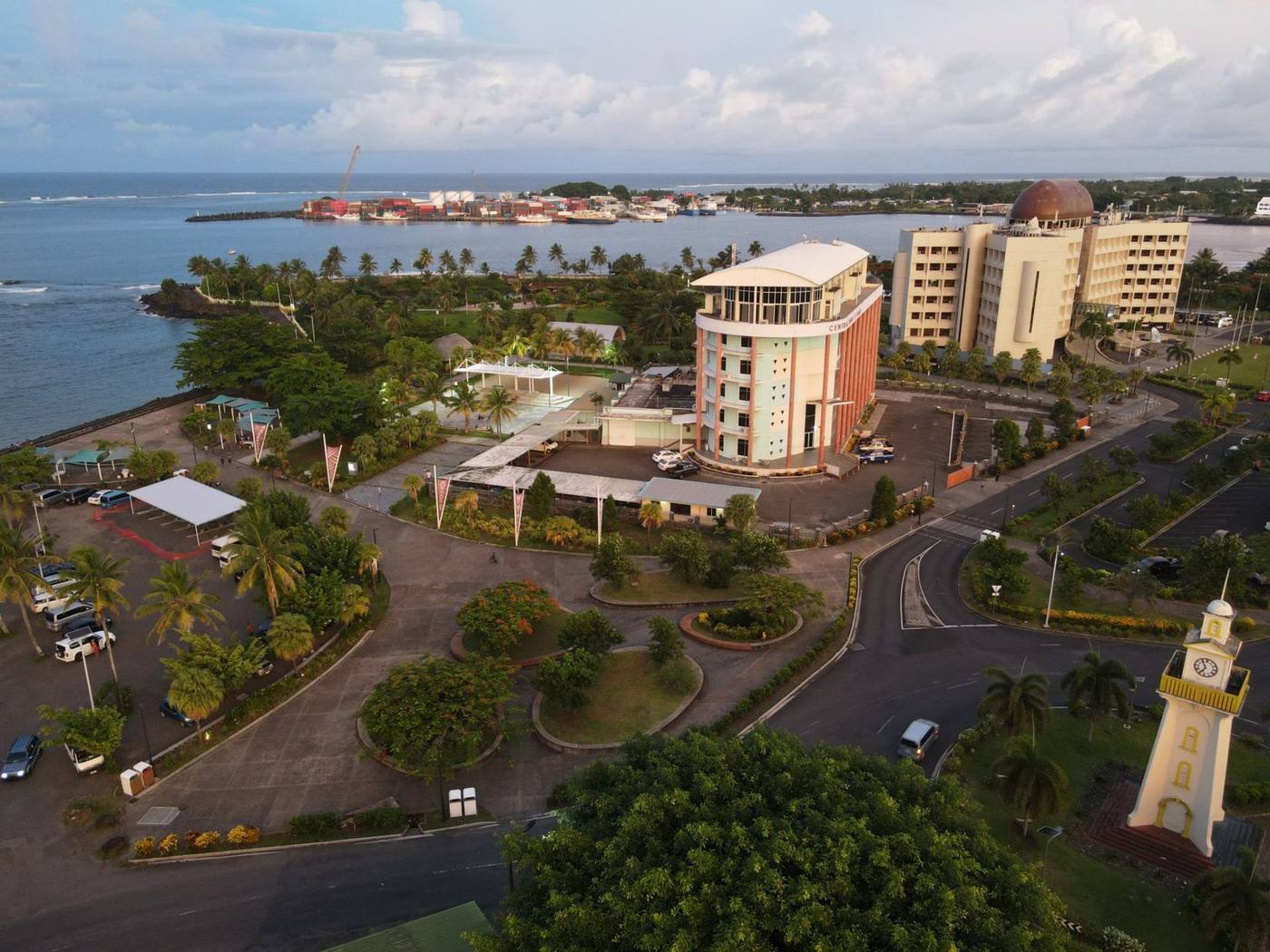
Apia and the south coast
Apia market, Papapapaitai falls, the Piula cave pool and the lagoons of Upolu's south coast.
 4 daysEasy
Slow Savai'i
Samoa's big, quiet island, to be toured slowly: the beach fale of Manase, the Afu Aau waterfall in the forest, the Falealupo peninsula at the far west and the traditional villages along the coast.
 2 daysChallenging
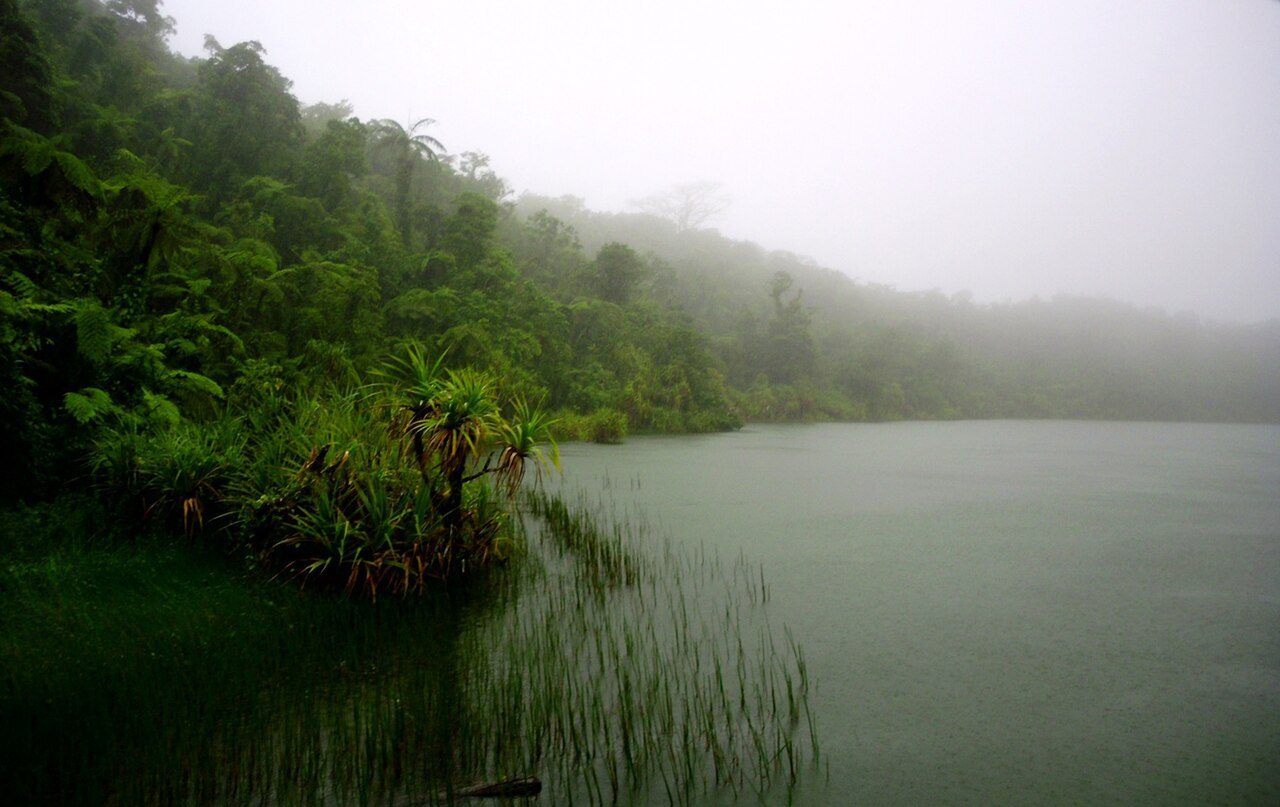
Lake Lanoto'o
The rainforest trek in Upolu's interior to the volcanic Lake Lanoto'o, in a tree-covered crater, with the Papapapaitai waterfall on the way back.