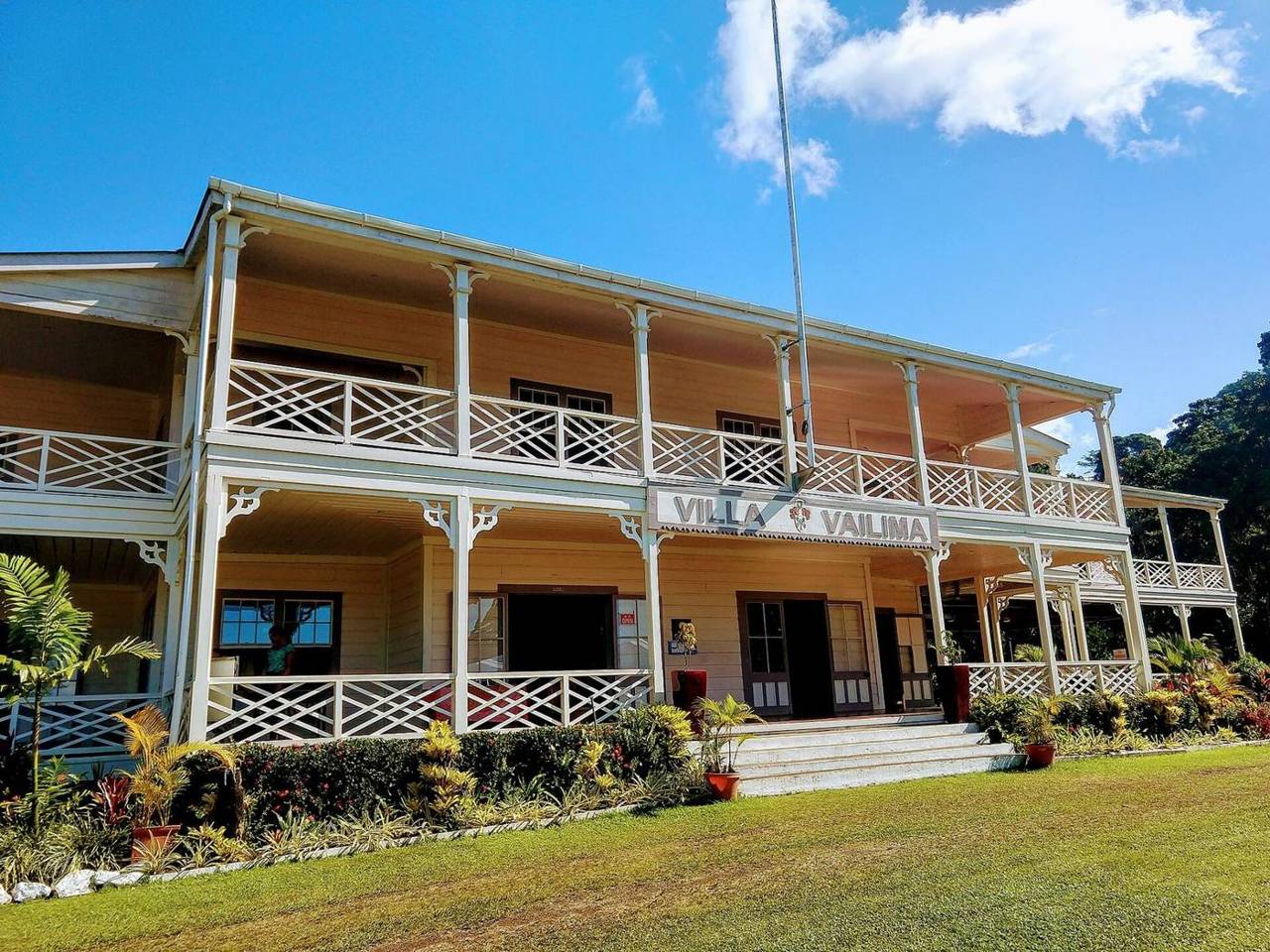
Stevenson and Samoan culture
Robert Louis Stevenson's house at Vailima, now a museum, the climb to his tomb on Mount Vaea, Apia's cultural village with tattooing and umu cooking, and a fiafia evening of dances.
- Apia
- Vailima
- Mount Vaea
Day by day
- Day 1
Villa Vailima and the grave on Mount Vaea
This trip introduces you to Apia and fa'a Samoa, the Samoan way of life: Robert Louis Stevenson's house at Vailima, now a museum, the climb to his grave on Mount Vaea, the Apia cultural village with tattooing and cooking in the stone oven, and a fiafia evening of dances. You get around by taxi or hire car.
Before you go: Italian citizens need a passport, with at least six months' validity; you enter without a visa and on arrival receive a visitor permit for up to 60 days. Have your return ticket and accommodation booking ready. Other nationalities should check their own rules.
Early in the morning climb Mount Vaea, above Vailima, a few kilometres from the centre of Apia. There are two trails: one short and very steep, the other longer and gentler, both through the forest. At the top is the grave of Stevenson, the Scottish author of Treasure Island and Strange Case of Dr Jekyll and Mr Hyde, who died here in December 1894. The Samoans, who called him Tusitala, the teller of tales, carried his coffin all the way up. His Requiem is carved on the tomb: "Home is the sailor, home from sea, and the hunter home from the hill." His wife Fanny rests beside him.
Come down and visit the villa at Vailima, the large wooden house where Stevenson spent his last years, now a museum with furniture, books and photographs. Check prices and times.
Sleep in Apia, for two nights.
Practical tip: climb Mount Vaea at dawn, when it is coolest, with water and closed shoes, because the short trail is steep and slippery.
- Day 2
The cultural village and the fiafia evening
Today you get a close look at Samoan culture, in the centre of Apia.
In the morning go to the Apia cultural village, near the waterfront. In a series of traditional fales, the open houses with leaf roofs, local people show the gestures of everyday life. You see how the umu is prepared, the oven of hot stones where taro, fish, pork and palusami, taro leaves with coconut cream, are cooked under banana leaves. Then you taste what has been cooked.
You also watch the making of siapo, the painted bark cloth, wood carving and, often, a demonstration of tatau, traditional Samoan tattooing, still done with tools of bone and wood. The male tattoo covers the body from the waist to the knees and is a sign of great respect and courage. Check days and times, because visits do not take place every day.
In the afternoon stroll through the centre of Apia, between the market, the cathedral on the waterfront and the Mulinu'u peninsula, with the tombs of chiefs and the parliament.
In the evening join a fiafia night, with songs, dances and the fire knife dance, which is very spectacular.
In these two days you have got to know Stevenson and fa'a Samoa, between history and living traditions.
When to go: you can come all year; from May to October there is less rain.
Practical tip: in villages and churches dress modestly, with shoulders and knees covered, and always ask before photographing people.
Good for understanding fa'a Samoa, the Samoan way of life. The climb to the tomb is short but steep: best early in the morning. Dress modestly in villages.
Before you go
- Documents and visa
- Passport valid for at least six months from the date of arrival. No visa needed: on arrival you receive a visitor permit for up to 60 days, based on your arrival card. You may be asked for a return or onward ticket, an accommodation booking and proof of sufficient funds.
- Health and vaccines
- There is no malaria, but there is dengue and Zika: protect yourself from mosquitoes. A yellow fever certificate is needed only if you arrive from a country at risk. For serious cases the only option is often evacuation to New Zealand, Australia or Hawaii: you need insurance that covers it. Emergencies: 911.
- Money and payments
- Samoan tala. Cards work in Apia and in larger places; in villages, beach fales and for village site entry fees you need cash in small notes.
- Power sockets
- Type I, 230 volts: you need an adapter for European plugs.
- Time zone
- UTC+13 all year.
- Safety
- Crime is low and theft uncommon: still keep documents in the safe. In the lagoons tides create strong currents and there have been fatal accidents: always ask locally before swimming. Cyclones from November to April. Sunday is a day of church and rest, dress modestly in villages and respect the evening prayer. Driving is on the left: avoid driving at night. Official advice: GOV.UK.
Information checked in November 2026 for Italian and EU citizens. Rules change: always check before you travel.
Variations
In 1 day: the grave on Mount Vaea at dawn and the villa at Vailima, with a fiafia evening in Apia.
In 4 days: add two days on the south coast of Upolu, with waterfalls and lagoons.
Frequently asked questions
Is it hard to climb to Stevenson's grave?
The short trail is brief but very steep; the long one is gentler. Go early in the morning, with water and closed shoes.
Is the cultural village open every day?
No, visits take place only on some days of the week. Check days and times before you go.
How should you dress in Samoa?
Swimwear is fine on the beach, but in town, in villages and in churches cover your shoulders and knees.
Indicative itinerary written by World Atlas. Before booking, check timetables, seasonal openings, documents and safety.
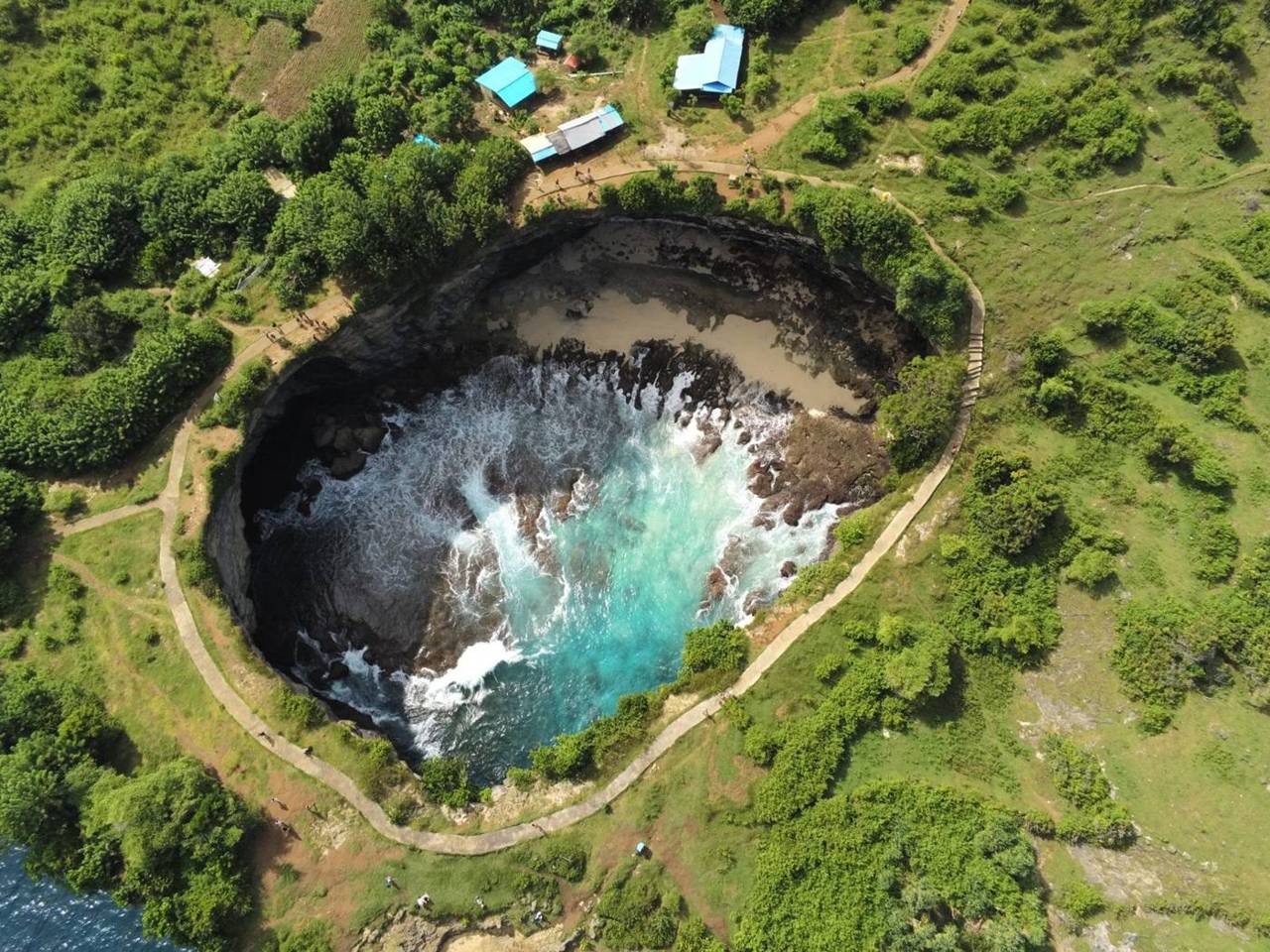 8 daysEasy
Upolu and Savai'i
To Sua Ocean Trench, the beaches of Lalomanu with fales on the sand, the lava fields of Savai'i and the Alofaaga blowholes.
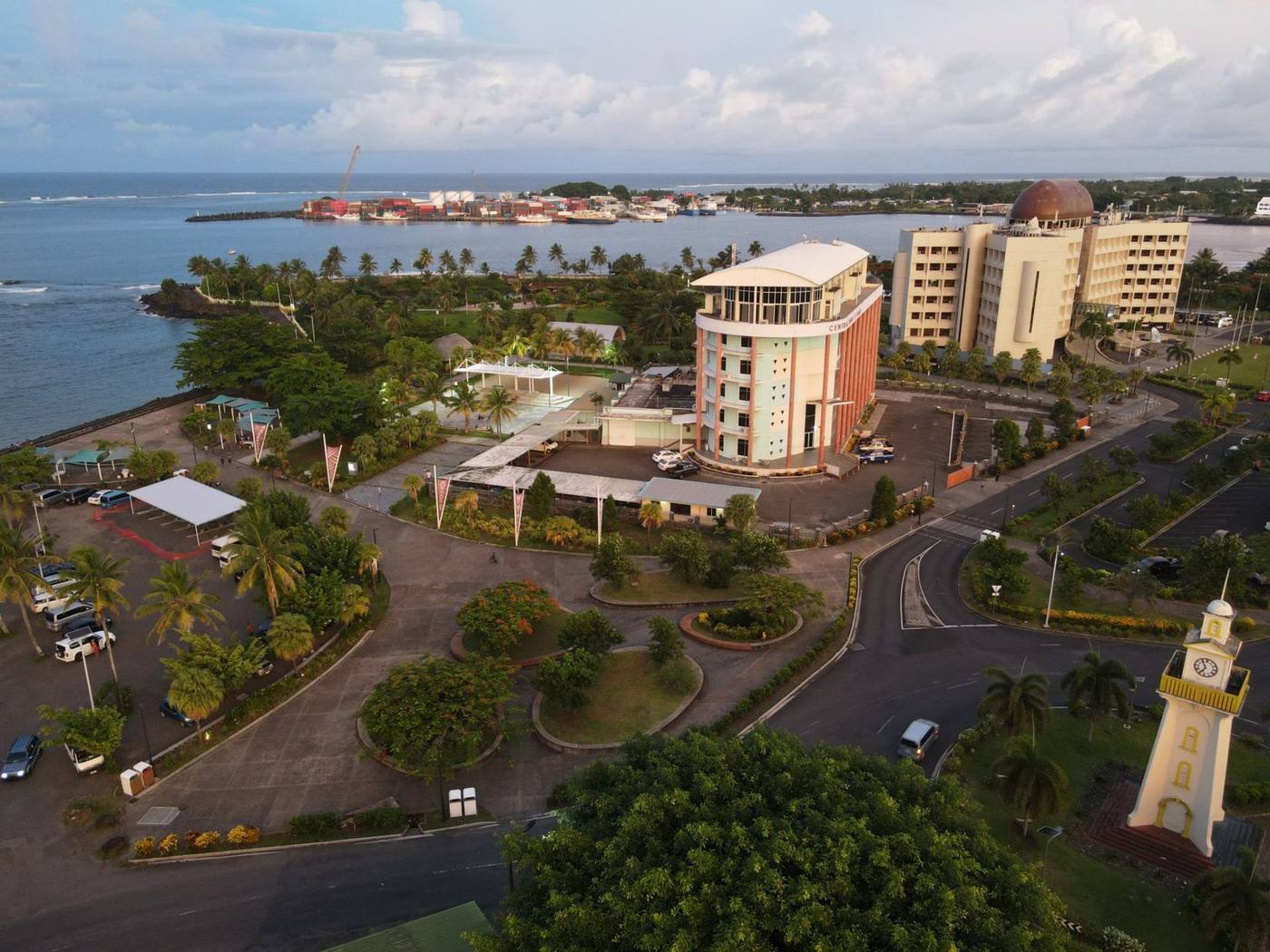 4 daysEasy
Apia and the south coast
Apia market, Papapapaitai falls, the Piula cave pool and the lagoons of Upolu's south coast.
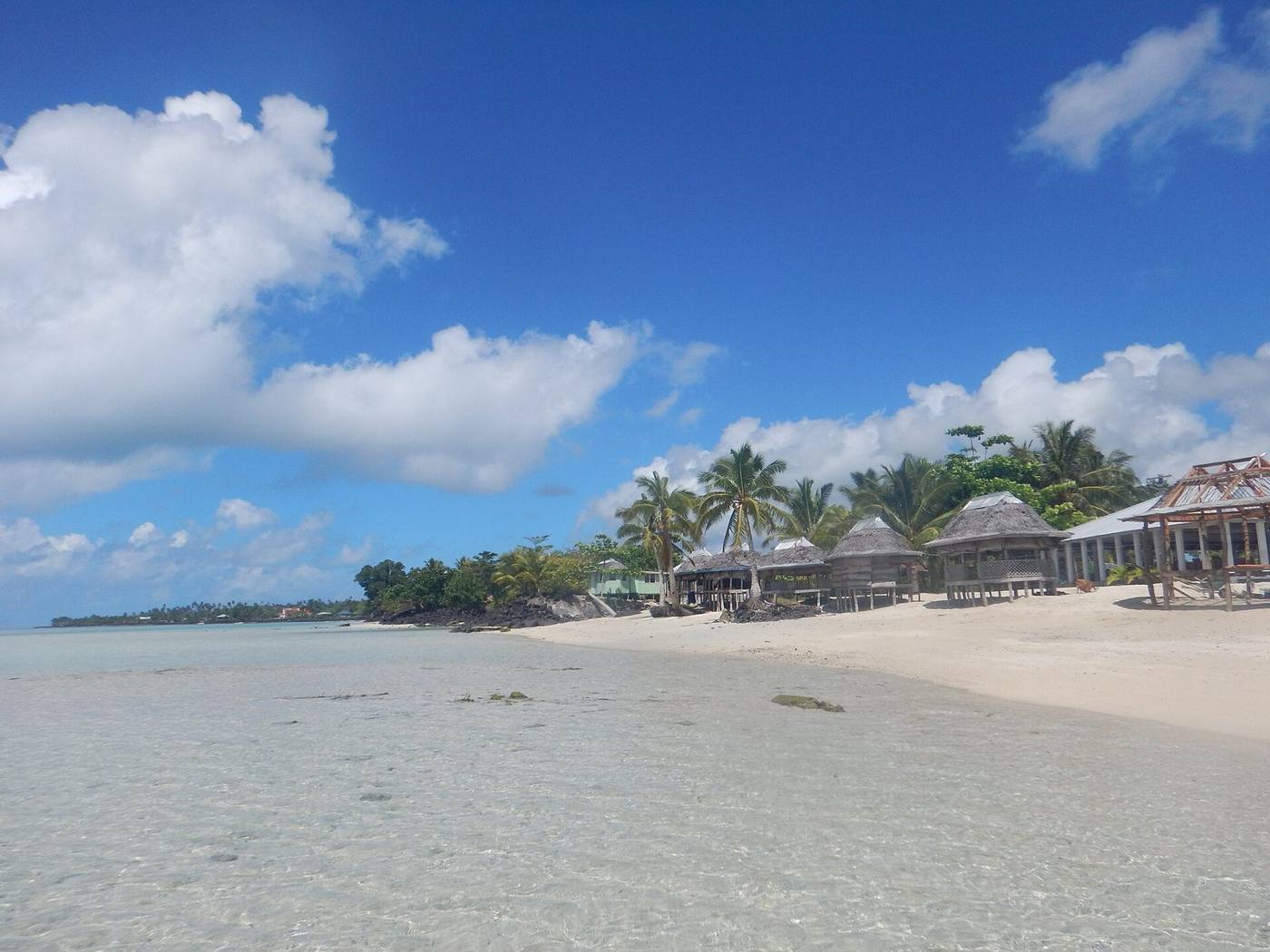 4 daysEasy
Slow Savai'i
Samoa's big, quiet island, to be toured slowly: the beach fale of Manase, the Afu Aau waterfall in the forest, the Falealupo peninsula at the far west and the traditional villages along the coast.