Nyungwe and Lake Kivu
Chimpanzees and the canopy walkway in Nyungwe rainforest, tea plantations and the Congo Nile Trail along Lake Kivu.
- Kigali
- Huye
- Nyungwe
- Gisakura
- Kibuye
- Gisenyi
Day by day
- Day 1
From Kigali to Huye and the ethnographic museum
This trip takes you through the green south and west of Rwanda: Huye and its museum, the Nyungwe rainforest with its chimpanzees and the canopy walkway among the trees, the tea plantations of Gisakura, the road along Lake Kivu and the islands of Kibuye. You travel with a driver or a hire car.
Before you go: Italian citizens need a passport, with at least six months' validity, and a visa, which you get on arrival at the airport or apply for online before travelling on the official Irembo portal. Other nationalities should check their own rules. Some areas on this trip are close to borders or places where the situation changes often: check your government's travel advice before booking and again before you leave. Plastic bags are banned throughout the country.
In the morning leave Kigali heading south. The road passes through Muhanga and crosses farmed hills, rice paddies in the valleys and eucalyptus woods. In about three hours you reach Huye, the old Butare, a university town and the cultural capital of the country.
Visit the ethnographic museum, opened in 1989, often considered among the most interesting in East Africa. The rooms tell the story of Rwandan life before colonial times: traditional houses, woven baskets, tools for hunting and farming, drums and the role of cattle in society. Intore dancers with their headdresses often perform in the courtyard. Check prices and times.
In the evening stroll through the centre of Huye, quiet and full of students.
Sleep in Huye, for one night.
Practical tip: ask the museum whether a traditional dance is planned and time your visit to match it.
- Day 2
Nyungwe and the canopy walkway
Today you enter the Nyungwe forest, one of the oldest montane rainforests in Africa, a national park since 2004 and a UNESCO World Heritage Site since 2023.
From Huye the road heads west and after a couple of hours enters the forest: towering trees, giant ferns, creepers and mist rising from the valleys. Nyungwe is home to thirteen primate species, hundreds of bird species and a great many orchids. Rivers rise in these mountains that carry water both towards the Congo and towards the Nile.
Stop at the Uwinka visitor centre, in the heart of the park, and walk to the canopy walkway, a bridge of cables and nets high above the treetops. From up there you look down on the forest, with birds flying below you and, if you are lucky, monkeys moving through the branches. If you suffer from vertigo you will feel it, but the route is safe and led by a guide. Check prices and times.
In the afternoon look for colobus monkeys, black and white, which live in very large groups in Nyungwe, or take a short trail past waterfalls.
Sleep near the park, in Gisakura or along the road, for two nights.
Practical tip: always carry a waterproof jacket and a fleece even when the sun is out, because it rains often in the forest and it is cool at altitude.
- Day 3
Chimpanzees at dawn
Today you follow the rangers in search of chimpanzees, in the part of the forest they point you to.
The alarm goes off very early: you leave in the dark, because the chimpanzees leave their nests in the trees at dawn and then move fast in search of fruit. The trackers set off before you and radio the direction. The walk can be short or last hours, on steep, slippery trails. Chimpanzees move a lot and seeing them is not guaranteed.
When you find them, you stay with them for a limited time. You hear them before you see them: shrieks, drumming on trunks, branches snapping. Then you watch them eat high in the branches, come down to the ground and groom each other. It is a very different encounter from the gorillas, quicker and noisier.
Back at base rest and have a slow breakfast. In the afternoon you can walk one of the park trails, which pass waterfalls, ferns and giant trees, or simply watch the forest from the terrace, with clouds rising from the valleys.
In the evening listen to the sounds of the forest: frogs, insects and night birds.
Book chimpanzee tracking in advance on the Rwanda Development Board portal: places are few. Check prices and times.
Practical tip: wear boots with a good sole, long trousers tucked into your socks and bring a face mask, which the rangers may ask for to protect the animals.
- Day 4
The Gisakura plantations and the lakeside road
Today you leave the forest and drive down towards Lake Kivu.
In the morning walk through the Gisakura tea plantations, on the edge of Nyungwe. The green rows cover the hills like a carpet, and the pickers with baskets on their backs work quickly between the bushes. With luck you see monkeys coming out of the nearby forest. Rwandan tea, grown high up and processed in factories near the fields, is highly prized around the world.
Then take the road north along the shore of Lake Kivu, through Nyamasheke. It is one of the most beautiful roads in the country: bends through terraced hills, banana trees, coffee plantations and constant views of the water and the peninsulas. The Congo Nile Trail, a long route for hikers and cyclists, also runs along this coast.
Stop in the villages for a coffee or to watch the fishermen on the shore. The road is slow, with many bends: allow several hours and do not hurry. At lunchtime stop in a village along the road for a plate of rice, beans and vegetables, with a passion fruit for dessert.
In the late afternoon you reach Karongi, the old Kibuye, on a quiet bay full of green islands.
Sleep in Karongi, for two nights.
Practical tip: drive this road only in daylight, with a full tank and cash in Rwandan francs, and always stay along the Rwandan shore, away from border areas.
- Day 5
Kibuye and the Kivu islands by boat
Today you spend the day on Lake Kivu, among the islands off Karongi.
In the morning take a boat with its pilot from the lakefront. The first stop is usually Napoleon Island, named because its shape recalls the emperor's hat. On the top lives a large colony of fruit bats, which take off all together. The path is short but steep.
Then go on to Amahoro Island, which means peace in Kinyarwanda, for a swim and something simple to eat. There are no crocodiles or hippos in the lake, but always ask locally where to swim.
In the afternoon go up to the Catholic church on the hill of Karongi, now a memorial site of the 1994 genocide: very many people who had sought refuge here were killed. It is a short and silent visit.
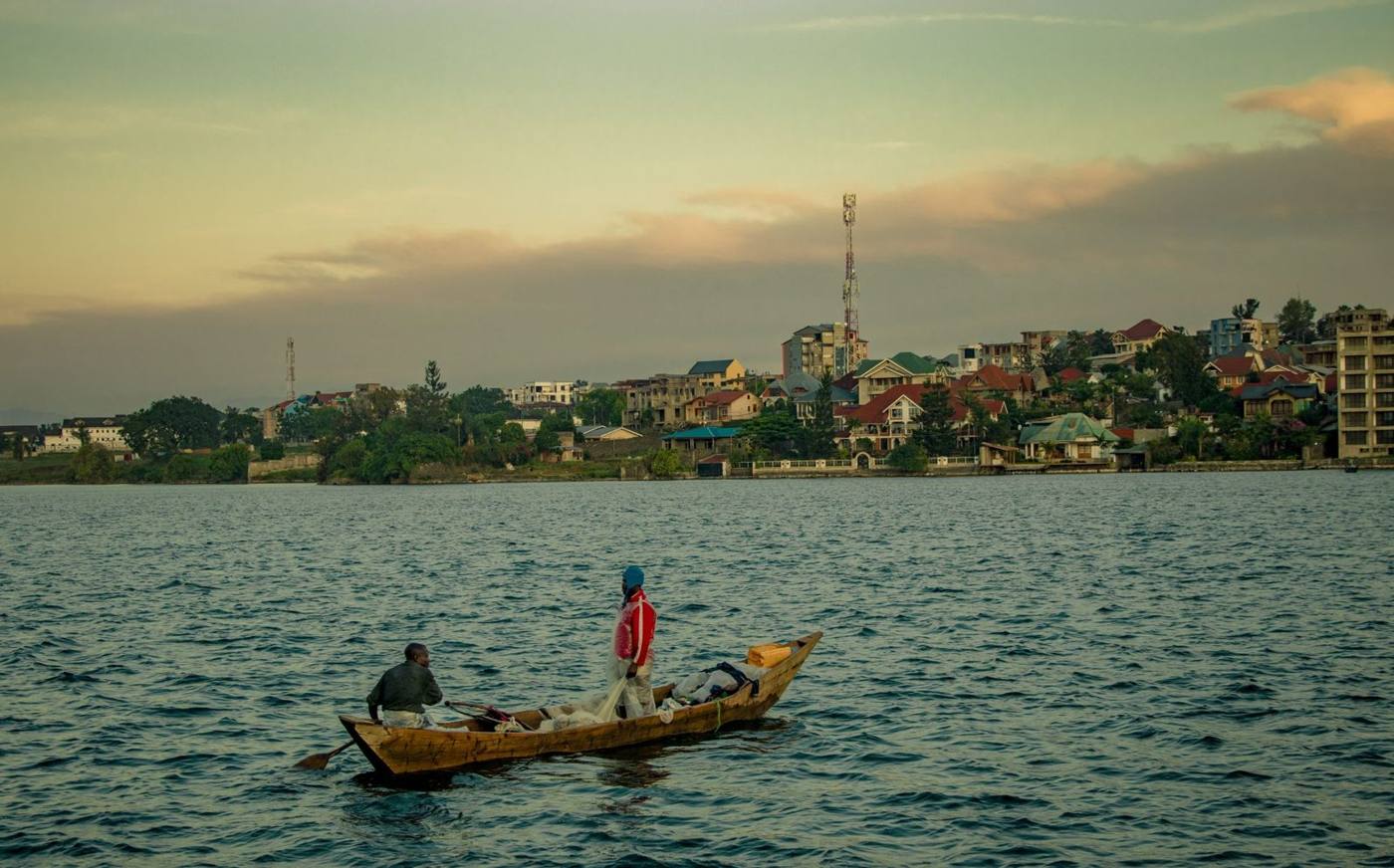
At sunset return to the shore. The fishermen go out in boats tied together in threes by long eucalyptus poles and row singing to keep the rhythm. At night they catch isambaza, small fish similar to sardines, with lamps lit on the water.
In the evening try fried isambaza or grilled tilapia with potatoes.
Practical tip: choose a boat with life jackets for everyone and wear yours even if you can swim; always stay in the waters near Karongi.
- Day 6
The return to Kigali
Today you leave the lake and return to Kigali, without carrying on north along the border.
Early in the morning the lake is as smooth as a mirror. Take a last swim or a kayak trip along the shore, looking at the hills running down to the water and the fishermen's canoes coming home.
Then take the road to Kigali, about three hours via Muhanga, through farmed hills, tea plantations and eucalyptus woods. Stop in Muhanga for a coffee and a plate of brochettes, the meat skewers Rwandans love.
If you reach the city in the early afternoon, visit the Kigali Genocide Memorial, on Gisozi hill, or Kimironko market to buy baskets and fabrics. Check prices and times.
In these six days you have seen the green Rwanda that costs less than the gorillas: the ethnographic museum in Huye, the canopy walkway and the chimpanzees of Nyungwe, the tea plantations of Gisakura, the scenic road along Lake Kivu and the islands of Karongi.
When to go: the best months are June to September, the driest season, when the forest trails are less muddy and the lake is calm. In the rainy seasons the forest is beautiful, but the walks are harder.
On the last Saturday of the month, in the morning, there is umuganda, the day of community work: many services stop.
Practical tip: buy Nyungwe tea or Kivu coffee to take home, but use a cloth bag, because plastic bags are banned.
Green Rwanda, less expensive than the gorillas. Chimpanzees move a lot: sightings are not guaranteed. Do not go near the border with the Democratic Republic of the Congo, an unstable area.
Before you go
- Documents and visa
- Passport with at least six months' validity and one blank page. You need a visa: Italian citizens can get it on arrival at the airport or apply online before travelling on the official Irembo portal. Beware of intermediaries: no agent is authorised to apply on your behalf. Plastic bags are banned.
- Health and vaccines
- Ask your doctor about malaria prevention. A yellow fever certificate is needed only if you arrive from a country at risk. Because of the Ebola outbreak in the DR Congo there are health checks at Kigali airport. Medical facilities are limited outside Kigali: you need insurance with air evacuation. Emergencies: 112.
- Money and payments
- Rwandan franc. Cards work in Kigali and in larger establishments, and mobile payment is very common; outside the city bring cash.
- Power sockets
- Type C, E and G, 230 volts: European two-pin plugs fit the European sockets, but you need an adapter for the British ones.
- Time zone
- UTC+2 all year.
- Safety
- The Italian foreign ministry advises against the border areas with the DR Congo and Burundi, because of tensions linked to the M23 armed group. The United States rates Rwanda at level 2, with level 4, do not travel, within 10 km of the Congolese border in Rubavu and Rusizi districts. Canada also asks for a high degree of caution in the part of Volcanoes National Park along the border. The border with Burundi is closed. Crime in Kigali is low, but there are thefts and bag snatchings: at night use pre-booked transport. On the last Saturday of the month, in the morning, umuganda, community work, takes place and many services stop. Official advice: GOV.UK.
Information checked in November 2026 for Italian and EU citizens. Rules change: always check before you travel.
Variations
In 4 days: Huye, two days in Nyungwe with the chimpanzees and the canopy walkway, and the return to Kigali.
In 9 days: add three days in Volcanoes National Park, with the mountain gorillas and lakes Burera and Ruhondo.
Frequently asked questions
Are you sure to see chimpanzees in Nyungwe?
No. Chimpanzees move a lot and sightings are not guaranteed. In the forest, though, you almost always see other monkeys, such as the black and white colobus.
Is the canopy walkway for everyone?
You walk with a guide on a route protected by nets. People with strong vertigo may find it demanding. Check prices and times.
Can you go to Gisenyi at the end of the trip?
This itinerary returns to Kigali from Karongi and does not head north along the border. Before changing the route check your government's travel advice.
Indicative itinerary written by World Atlas. Before booking, check timetables, seasonal openings, documents and safety.
 4 daysEasy
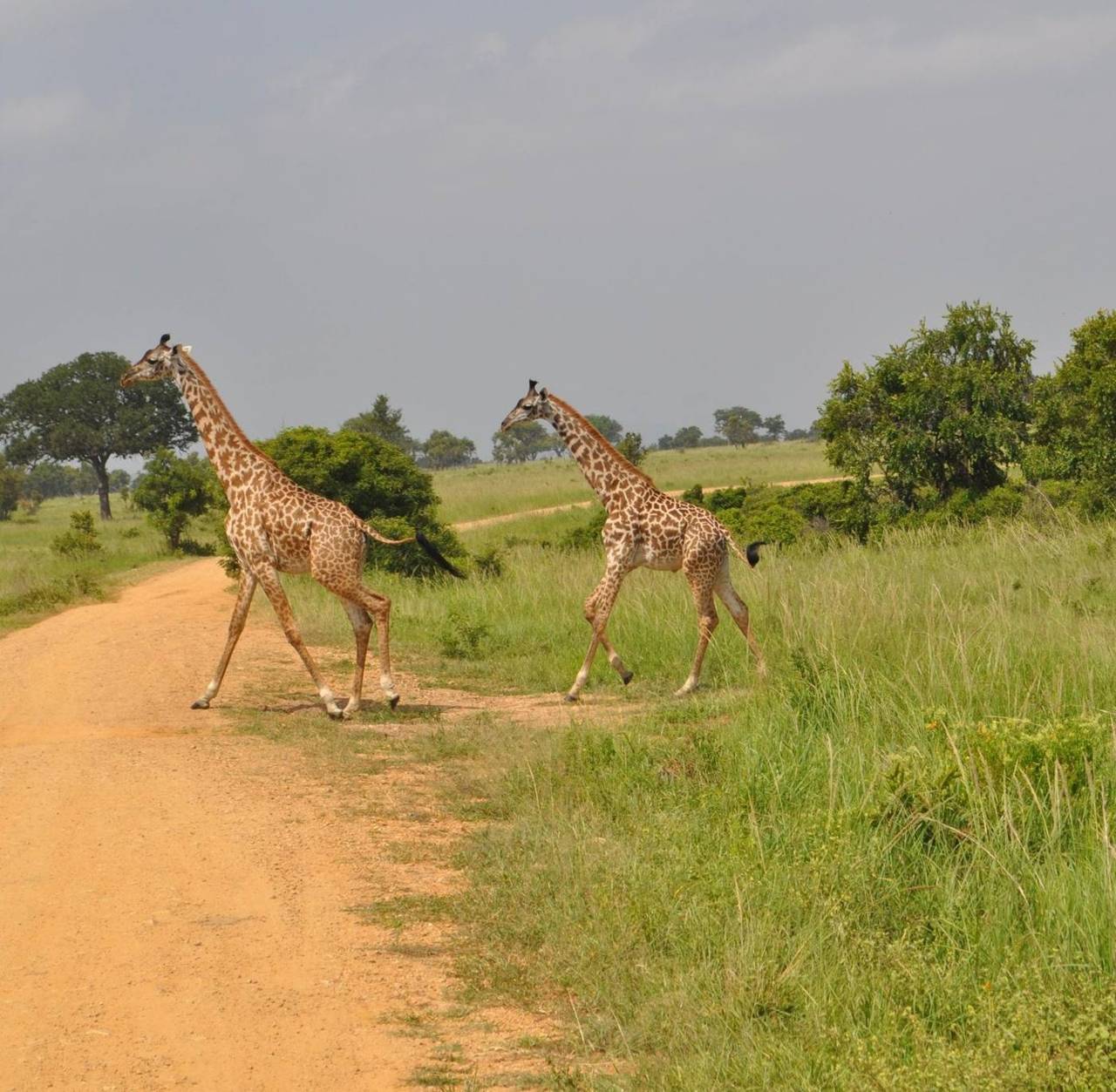
Safari in Akagera
Rwanda's only savannah park, revived after the genocide with the return of lions and rhinos: giraffes, elephants, hippos and a cruise on Lake Ihema.
 2 daysEasy
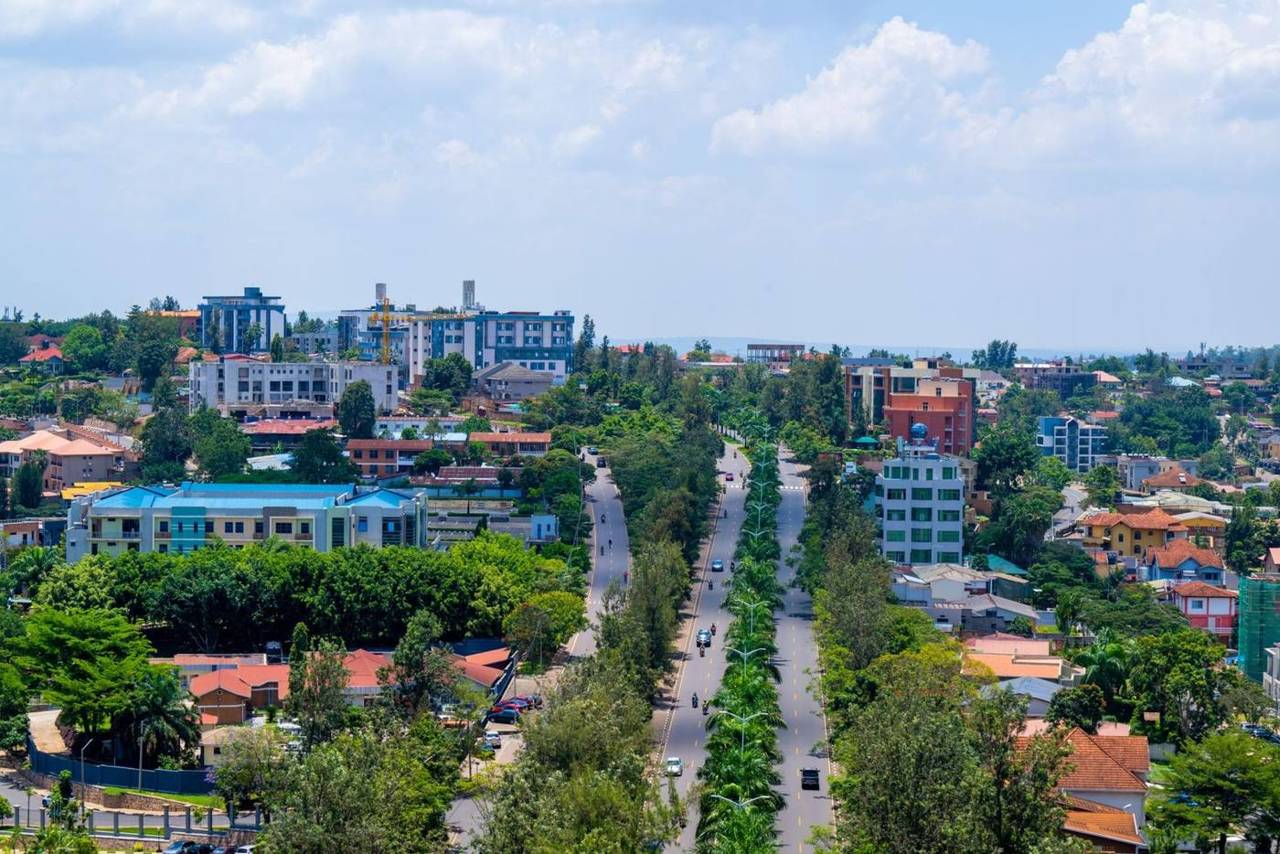
Kigali in two days
One of Africa's most orderly capitals: the Kimihurura district, Inema art centre, Kimironko market, the convention centre and evening life in Nyamirambo.
 3 daysEasy
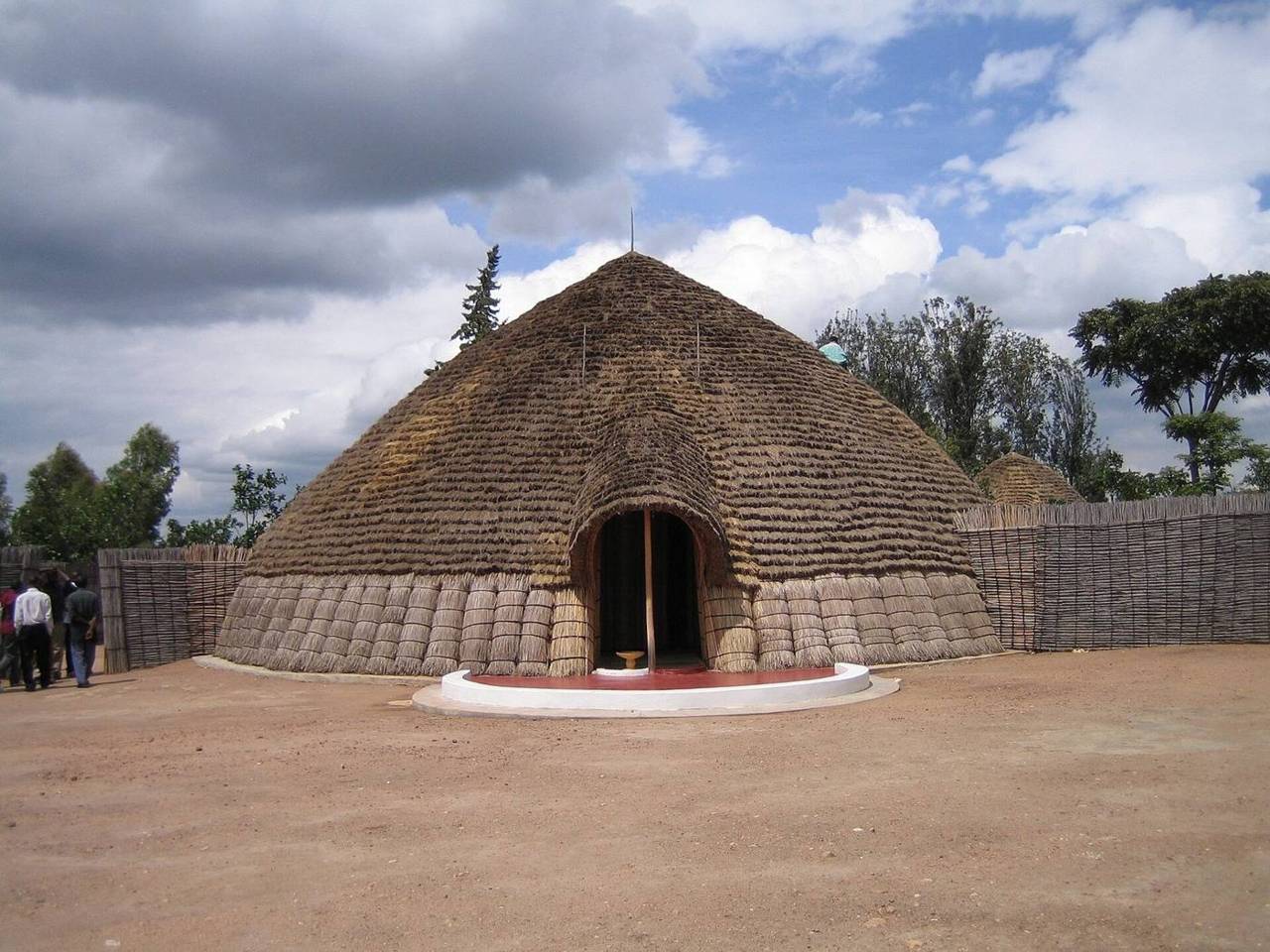
Nyanza and Huye
The historic south: the reconstructed royal palace of Nyanza with its long-horned inyambo cattle, and the ethnographic museum of Huye, the country's best.