Kibuye and Lake Kivu
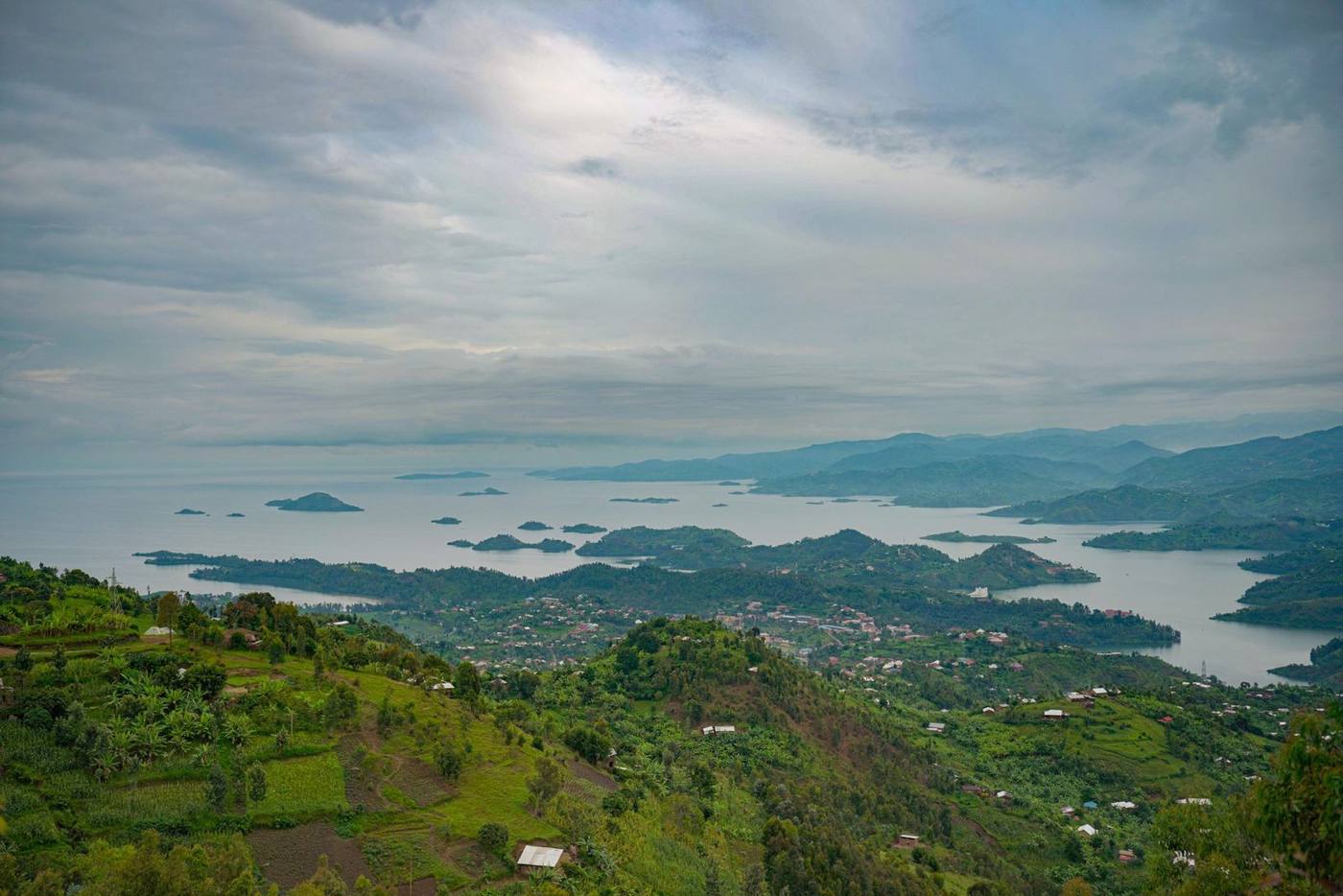
Karongi, the former Kibuye, on the shores of Lake Kivu: islands by boat, swimming in calm water, terraced hills and the fishermen's songs at dusk.
- Kigali
- Karongi
- Lake Kivu
Day by day
- Day 1
From Kigali to Karongi
This trip takes you to Karongi, the old Kibuye, on the eastern shore of Lake Kivu, one of Africa's great lakes: a boat trip among the islands, swimming in calm water, terraced hills running down to the shore and the songs of the fishermen in the evening. You travel with a driver or a hire car, and on the lake by motorboat.
Before you go: Italian citizens need a passport, with at least six months' validity, and a visa, which you get on arrival at the airport or apply for online before travelling on the official Irembo portal. Other nationalities should check their own rules. Some areas on this trip are close to borders or places where the situation changes often: check your government's travel advice before booking and again before you leave. Plastic bags are banned throughout the country.
The road from Kigali passes through Muhanga and then climbs and drops through hills farmed to the last metre, with tea plantations, banana trees and eucalyptus woods. Allow about three hours, with all the bends.
Once in Karongi, go up to the Catholic church on the hill, now a memorial site of the 1994 genocide against the Tutsi: very many people who had sought refuge here were killed. It is a short and silent visit.
In the late afternoon sit on the shore and watch the lake change colour, with the green islands in front and the fishing boats getting ready for the night.
Sleep in Karongi, for two nights.
Practical tip: drive only in daylight, because the mountain roads are narrow, full of bends and pedestrians, and in the evening visibility drops quickly.
- Day 2
The islands by boat and the fishermen at sunset
Today you spend the day on Lake Kivu, among the islands off Karongi.
In the morning take a boat with its pilot from the lakefront. The first stop is usually Napoleon Island, named because its shape recalls the emperor's hat. On the top lives a large colony of fruit bats: when they take off they fill the sky. The path is short but steep.
Then head to Amahoro Island, which means peace in Kinyarwanda, where you can swim, sunbathe and eat something simple. There are no crocodiles or hippos in the lake, but always ask locally where the swimming is best.
Lake Kivu holds a lot of methane gas dissolved in its deep waters, and Rwanda uses it to make electricity: you see it in the distant platforms on the water.
In the afternoon return to Karongi and rest. At sunset go back to the shore: the fishermen go out in boats tied together in threes by long eucalyptus poles. They row singing to keep the rhythm and at night they catch isambaza, small fish similar to sardines, with lamps lit on the water.
In the evening try fried isambaza with potatoes or grilled tilapia.
Practical tip: always keep well away from border waters and choose a boat with life jackets for everyone; wear yours even if you can swim.
- Day 3
A morning on the lake and the return
Today you enjoy a few more hours on the lake before going back to Kigali.
Early in the morning the lake is as smooth as a mirror. It is the best moment for a swim or a kayak trip along the shore, looking at the terraced hills that run down to the water and the fishermen's canoes coming home.
If you prefer walking, follow the lanes above the town, among brick houses, bean fields and children waving. From any high point the view over the islands and bays of the lake is lovely.
If you want to understand more of the country's history, visit the Bisesero memorial, in the hills of Karongi district, about an hour by road. It remembers the resistance of the Tutsi of the area during the genocide. Check prices and times.
Around midday leave for Kigali, about three hours, with a stop in Muhanga for a Rwandan coffee, highly prized around the world.
In these three days you have seen the most relaxing place in Rwanda: the islands of Kivu, the bats of Napoleon Island, the fishermen singing at sunset and the green hills around the lake.
When to go: the best months are June to September, the driest season, with clear skies and calm water.
Practical tip: buy a bag of Rwandan coffee or tea to take home, but remember that plastic bags are banned: use a cloth bag.
The most relaxing place in the country. Karongi is away from the border zones advised against, but avoid Rubavu and the 10 km strip along Congo in Rusizi district. Do not cross into Congo.
Before you go
- Documents and visa
- Passport with at least six months' validity and one blank page. You need a visa: Italian citizens can get it on arrival at the airport or apply online before travelling on the official Irembo portal. Beware of intermediaries: no agent is authorised to apply on your behalf. Plastic bags are banned.
- Health and vaccines
- Ask your doctor about malaria prevention. A yellow fever certificate is needed only if you arrive from a country at risk. Because of the Ebola outbreak in the DR Congo there are health checks at Kigali airport. Medical facilities are limited outside Kigali: you need insurance with air evacuation. Emergencies: 112.
- Money and payments
- Rwandan franc. Cards work in Kigali and in larger establishments, and mobile payment is very common; outside the city bring cash.
- Power sockets
- Type C, E and G, 230 volts: European two-pin plugs fit the European sockets, but you need an adapter for the British ones.
- Time zone
- UTC+2 all year.
- Safety
- The Italian foreign ministry advises against the border areas with the DR Congo and Burundi, because of tensions linked to the M23 armed group. The United States rates Rwanda at level 2, with level 4, do not travel, within 10 km of the Congolese border in Rubavu and Rusizi districts. Canada also asks for a high degree of caution in the part of Volcanoes National Park along the border. The border with Burundi is closed. Crime in Kigali is low, but there are thefts and bag snatchings: at night use pre-booked transport. On the last Saturday of the month, in the morning, umuganda, community work, takes place and many services stop. Official advice: GOV.UK.
Information checked in November 2026 for Italian and EU citizens. Rules change: always check before you travel.
Variations
In 2 days: a single night in Karongi, with the boat trip among the islands the next morning.
In 5 days: add two days in the Gishwati-Mukura forest, tracking chimpanzees.
Frequently asked questions
Can you swim in Lake Kivu?
Yes, many people swim off Karongi and around the islands. Always ask locally where it is best to get in and wear a life jacket on the boat.
How do you get to Karongi?
From Kigali by car with a driver or a hire car, in about three hours via Muhanga. There are also scheduled buses. Drive only in daylight.
Is Lake Kivu near the border?
The lake is shared between Rwanda and the Democratic Republic of the Congo. Stay on the Rwandan shore, do not cross and check your government's travel advice before booking and again before you leave.
Indicative itinerary written by World Atlas. Before booking, check timetables, seasonal openings, documents and safety.
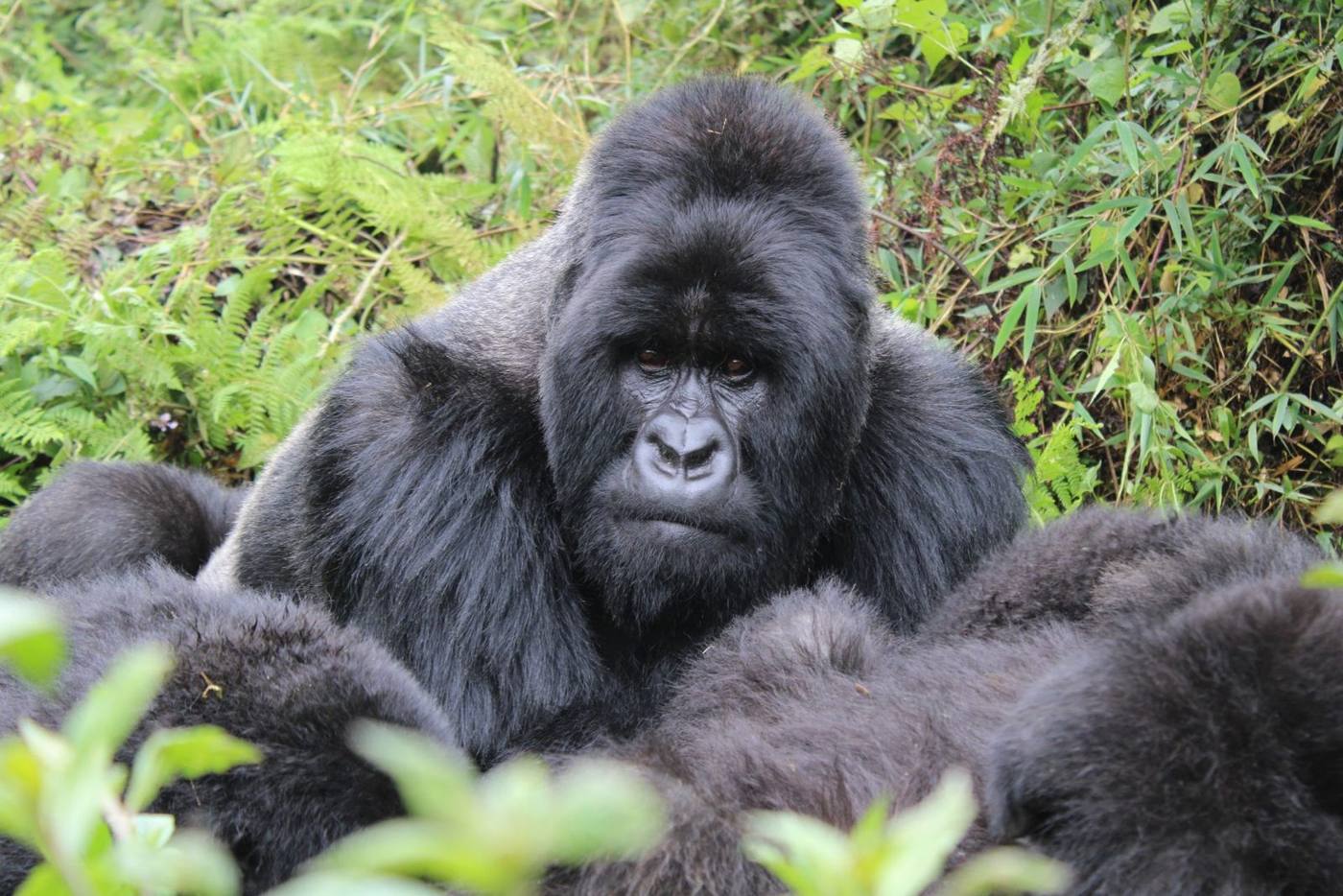 5 daysModerate
The gorillas of the Volcanoes
Kigali and the Genocide Memorial, Volcanoes National Park with an hour among mountain gorillas, golden monkeys and Lake Kivu.
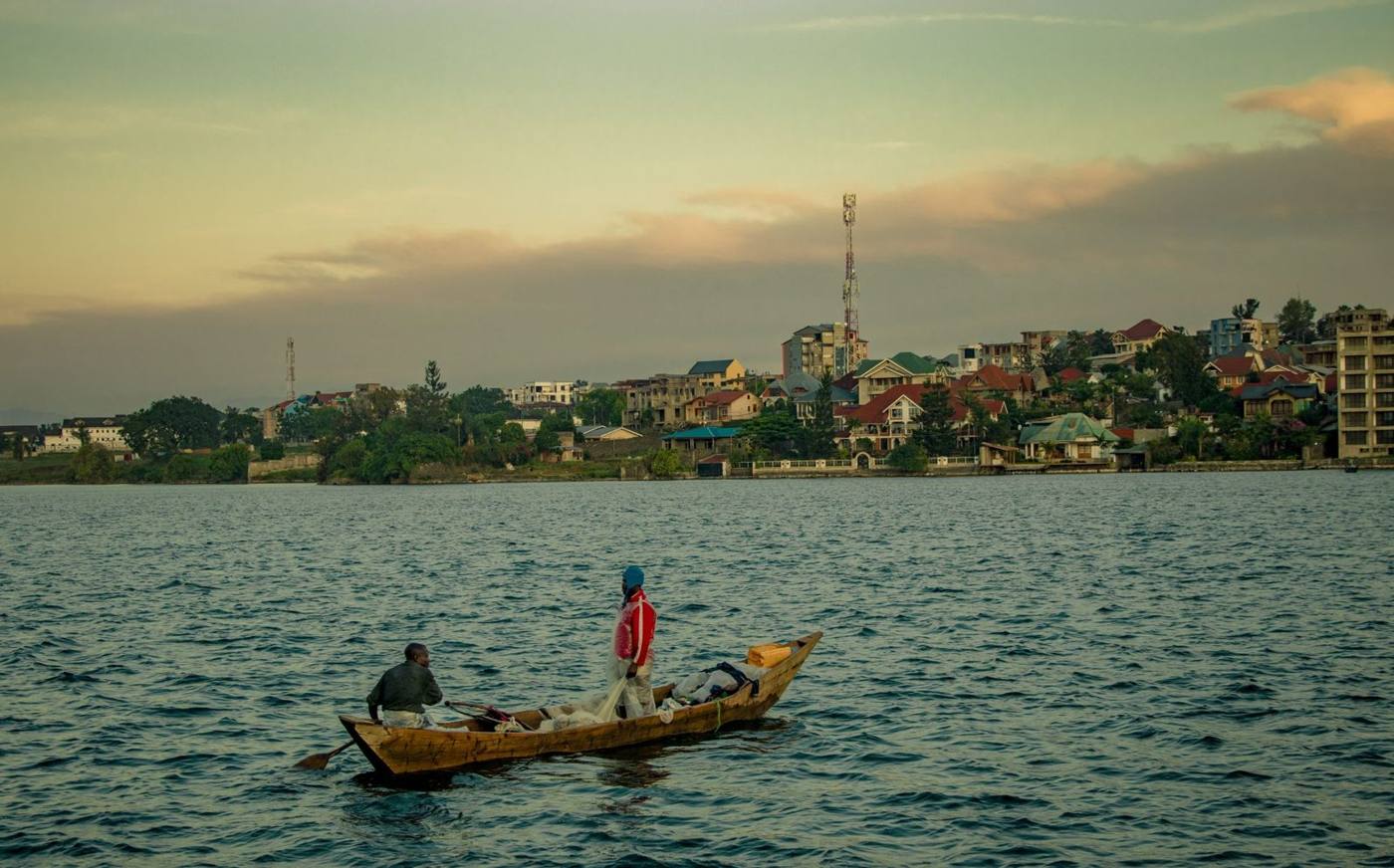 6 daysModerate
Nyungwe and Lake Kivu
Chimpanzees and the canopy walkway in Nyungwe rainforest, tea plantations and the Congo Nile Trail along Lake Kivu.
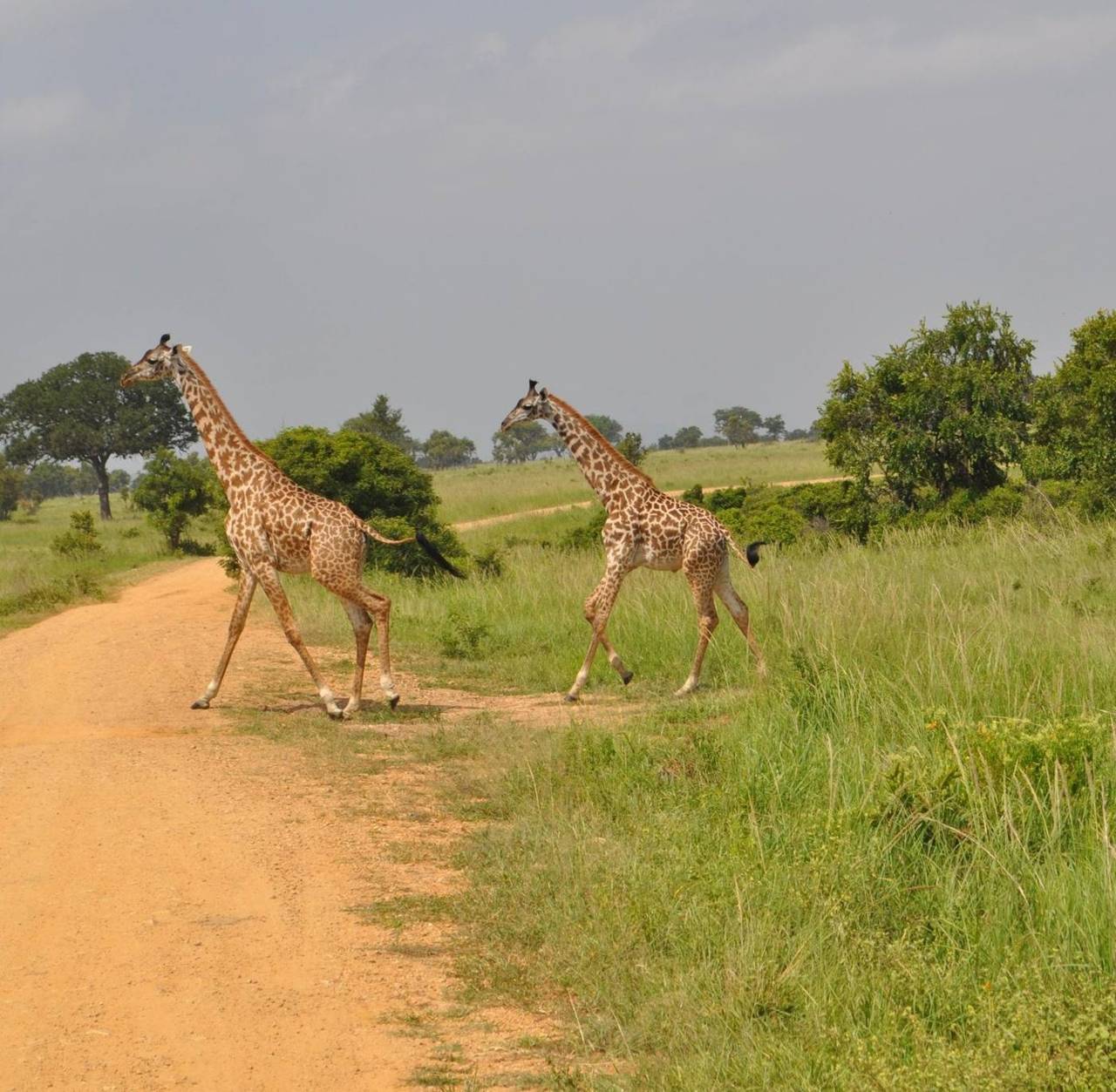 4 daysEasy
Safari in Akagera
Rwanda's only savannah park, revived after the genocide with the return of lions and rhinos: giraffes, elephants, hippos and a cruise on Lake Ihema.