Bucharest
The capital of contrasts: the Palace of Parliament, the old town of Lipscani, the Macca-Vilacrosse passage, the open-air Village Museum and the nightlife.
- Bucharest
- Palace of Parliament
- Lipscani
- Muzeul Satului
- Calea Victoriei
Day by day
- Day 1
The Palace of Parliament and the old town
This trip takes you to Bucharest, the capital of Romania, for three days: the enormous Palace of Parliament, the old town of Lipscani, the grand nineteenth-century avenues, the open-air village museum and, on the last day, a princely palace or a monastery outside the city.
Before you go: Italian citizens can enter Romania with an electronic identity card or a passport; Romania has been in the Schengen area since 1 January 2025. Other nationalities should check their own rules. The currency is the Romanian leu, not the euro. In Bucharest watch out for pickpockets on public transport and in crowded areas, and book taxis through an app to avoid inflated fares.
In the morning visit the Palace of Parliament, built on Nicolae Ceaușescu's orders in the 1980s and one of the largest administrative buildings in the world. A huge part of the old city was demolished to make room for it. You can only go in on a guided tour: individuals book by phone the day before, and you need an identity document. Check prices and times.
In the afternoon walk around the old town, near Lipscani Street, with its merchants' lanes, Orthodox churches and restored buildings. Step into the small Stavropoleos Church, from the eighteenth century, with its courtyard of carved stone, and walk through the Macca-Vilacrosse passage, a horseshoe-shaped covered arcade with a glass roof.
In the evening try Romanian food: ciorbă, a sour soup, mici, small grilled rolls of minced meat, and sarmale, cabbage rolls served with polenta, called mămăligă.
Sleep in Bucharest for three nights.
Practical tip: the old town is full of bars at night and very noisy; if you want a quiet sleep, choose an area nearby but away from the nightlife streets.
- Day 2
Calea Victoriei, the Athenaeum and the village museum
Today you follow Bucharest's great avenue and end the day in the Romanian countryside, without leaving the city.
In the morning walk along Calea Victoriei, the capital's most elegant street, lined with Belle Époque buildings that earned Bucharest the nickname of little Paris. Stop at Revolution Square: from the balcony of the former Communist Party Central Committee building, Ceaușescu gave his last speech in December 1989, a few days before the regime fell. The memorial in the middle of the square remembers the victims of the revolution.
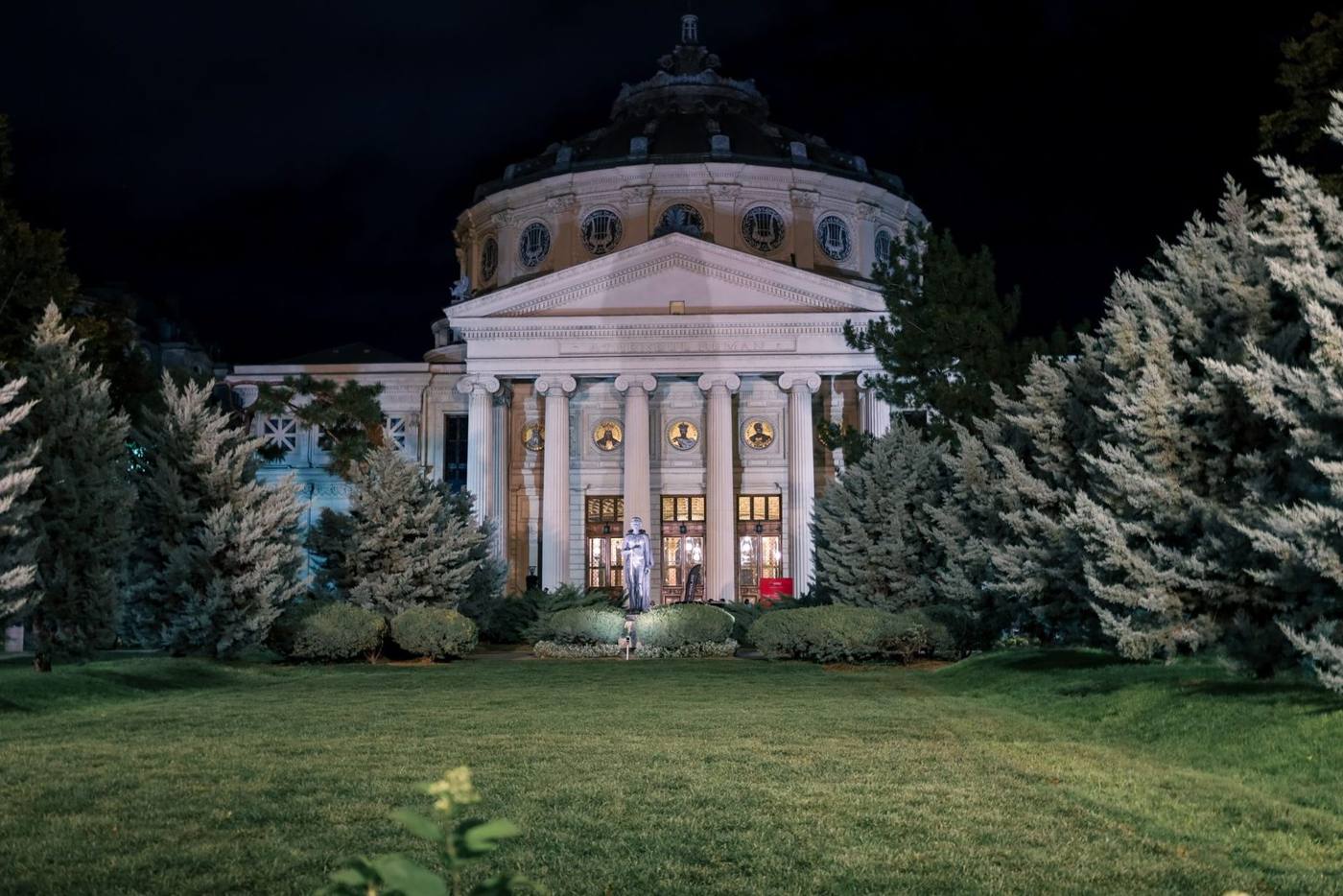
On the same square stands the Romanian Athenaeum, the concert hall with a dome and columns, opened in 1888. Inside, a large circular fresco tells the story of the Romanian people. If you can, book a concert by the philharmonic orchestra. Next door, visit the National Museum of Art, in the former royal palace. Check prices and times.
In the afternoon take the metro or a bus to the north of the city and visit the Dimitrie Gusti Village Museum, an open-air museum founded in 1936 on the shore of a lake. You see farmhouses, wooden churches, mills and farmsteads brought from every region of the country, from Maramureș to the Danube Delta. Check prices and times.
Before dinner stroll in the large park next to the museum, along the lake, or go to see the Arc de Triomphe, not far away.
In the evening try papanași, fried doughnuts with sour cream and jam, the Romanians' favourite dessert.
Sleep in Bucharest.
Practical tip: buy a public transport card and top it up; the metro, buses and trams cover the city well and cost far less than taxis.
- Day 3
Mogoșoaia or Snagov and departure
On the last day you leave the city for half a day and choose between a princely palace and a monastery on an island.
The first option is Mogoșoaia Palace, just outside Bucharest to the north-west, about half an hour's drive from the centre. It was built at the start of the eighteenth century by the Prince of Wallachia, Constantin Brâncoveanu, in the style that bears his name: arches, loggias and carved stone columns, a meeting of Romanian, Venetian and Ottoman architecture. Around it there is a park and a lake for a walk. Check prices and times.
The second option is Snagov Monastery, on a small island in the lake of the same name, about forty kilometres north of Bucharest. According to tradition, Vlad the Impaler, the prince who inspired the Dracula legend, is buried here, although historians are not certain. The church, from the sixteenth century, has old frescoes. You reach it on foot over a small bridge or by boat: check how access works when you go.
For both places a hire car or a car with a driver is best: by public transport you need several changes.
In the early afternoon return to Bucharest for your departure. The main airport, Henri Coandă, is at Otopeni, north of the city, and is linked to the centre by train and bus.
Trip summary: in three days you have seen the Palace of Parliament, the Lipscani old town, Calea Victoriei and the Athenaeum, the village museum and a palace or monastery nearby.
When to go: from April to June and from September to October the weather is mild. July and August are very hot, and winter is cold, with possible snow.
Practical tip: allow at least an hour to reach the airport at rush hour, because Bucharest's traffic is often gridlocked.
An underrated capital, lively and inexpensive. The Parliament can only be visited with ID and a booking. Summers are very hot.
Before you go
- Documents and visa
- EU citizens need a valid identity card or passport: Romania is in the EU and, since 1 January 2025, fully in the Schengen area, with no checks at internal borders. Check your document is intact and readable. Other nationalities should check the Schengen rules.
- Health and vaccines
- No vaccines required. EU citizens should bring their EHIC; take insurance covering medical costs, repatriation and, for hiking, mountain rescue. Emergencies: 112.
- Money and payments
- Romanian leu (RON); Romania does not use the euro. Cards work almost everywhere in towns, but carry cash in villages and mountain huts. Change money only at banks or authorised exchange offices. To drive on national roads outside towns you need the electronic rovinieta: buy it only on the official CNAIR portal (erovinieta.ro) or from authorised sellers, as some unofficial websites add fees. Check current prices.
- Power sockets
- Types C and F, 230 volts.
- Time zone
- Eastern European Time (UTC+2, summer UTC+3).
- Safety
- A generally safe country. Watch for pickpockets in large towns, especially Bucharest and on public transport, taxis that overcharge (taxi apps are more reliable) and drink spiking in bars and clubs. Romania has a very large number of brown bears, including near roads and town outskirts: keep your distance, do not stop to photograph them and never feed them, which is illegal. The country is in an earthquake zone. Drone debris can fall near the Ukrainian border: do not touch it and follow local authorities. Official advice: GOV.UK.
Information checked in November 2026 for Italian and EU citizens. Rules change: always check before you travel.
Variations
Shorter version: two days in the city, skipping the trip outside town.
Longer version: add two days and take the train to Brașov and the Carpathians.
Frequently asked questions
How do I visit the Palace of Parliament?
Only on a guided tour. Individuals and small groups book by phone the day before, Monday to Friday; bring an identity document. Check prices and times on the official website.
Is Bucharest expensive?
It is generally cheaper than capitals in Western Europe. You pay in Romanian lei; cards are accepted almost everywhere.
How do I get from the airport to the centre?
From Henri Coandă airport at Otopeni a train and several buses run to the centre; otherwise use a taxi booked through an app.
Indicative itinerary written by World Atlas. Before booking, check timetables, seasonal openings, documents and safety.
 4 daysModerate
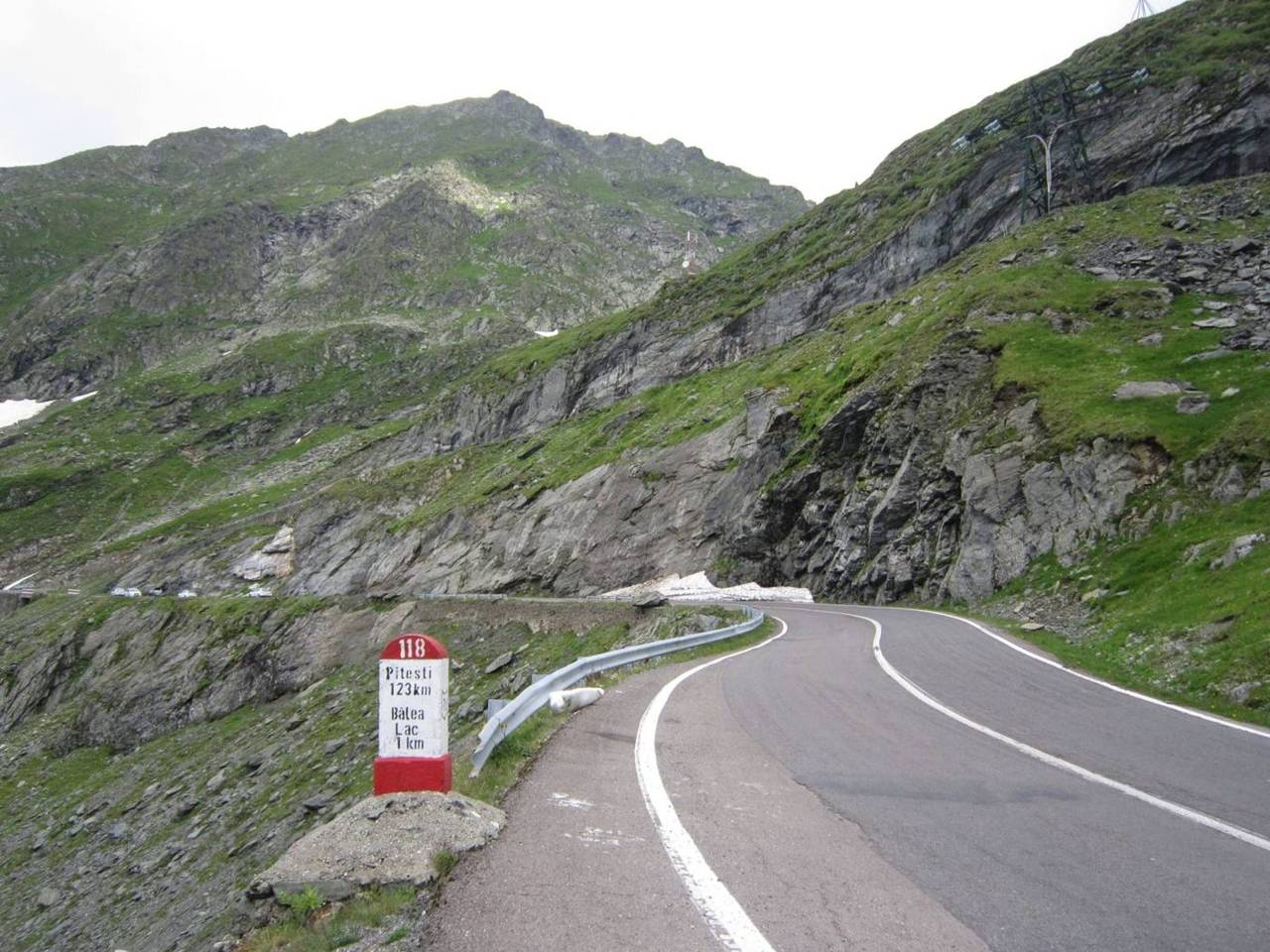
The Transfăgărășan
Romania's most spectacular mountain road: Vidraru dam, Poenari fortress, glacial Lake Bâlea and the descent into Transylvania, with hiking in the Făgăraș.
 5 daysEasy
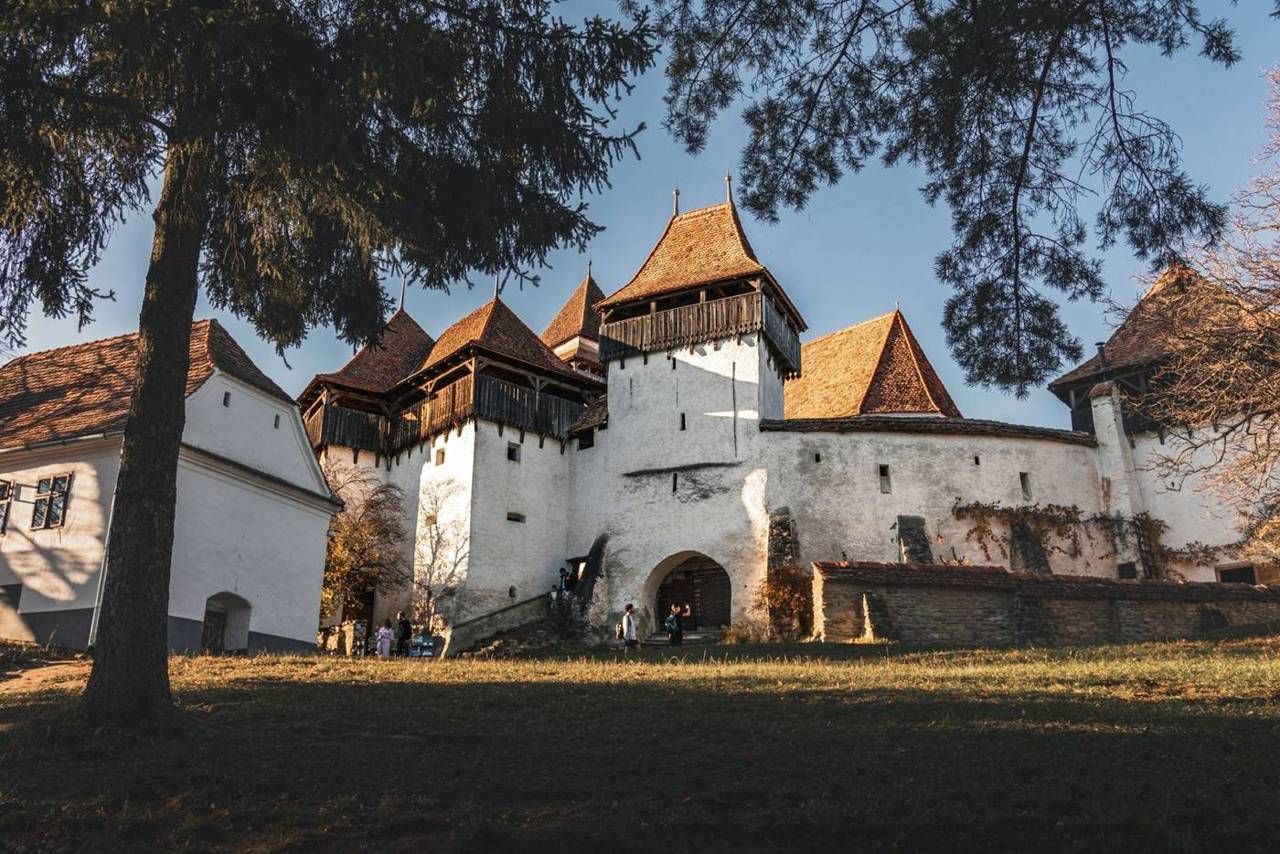
Sibiu and the Saxon villages
Sibiu with roofs whose windows seem to 'watch', the UNESCO fortified churches of Biertan and Viscri, Sighișoara and the country cooking of the Saxon villages.
 5 daysModerate
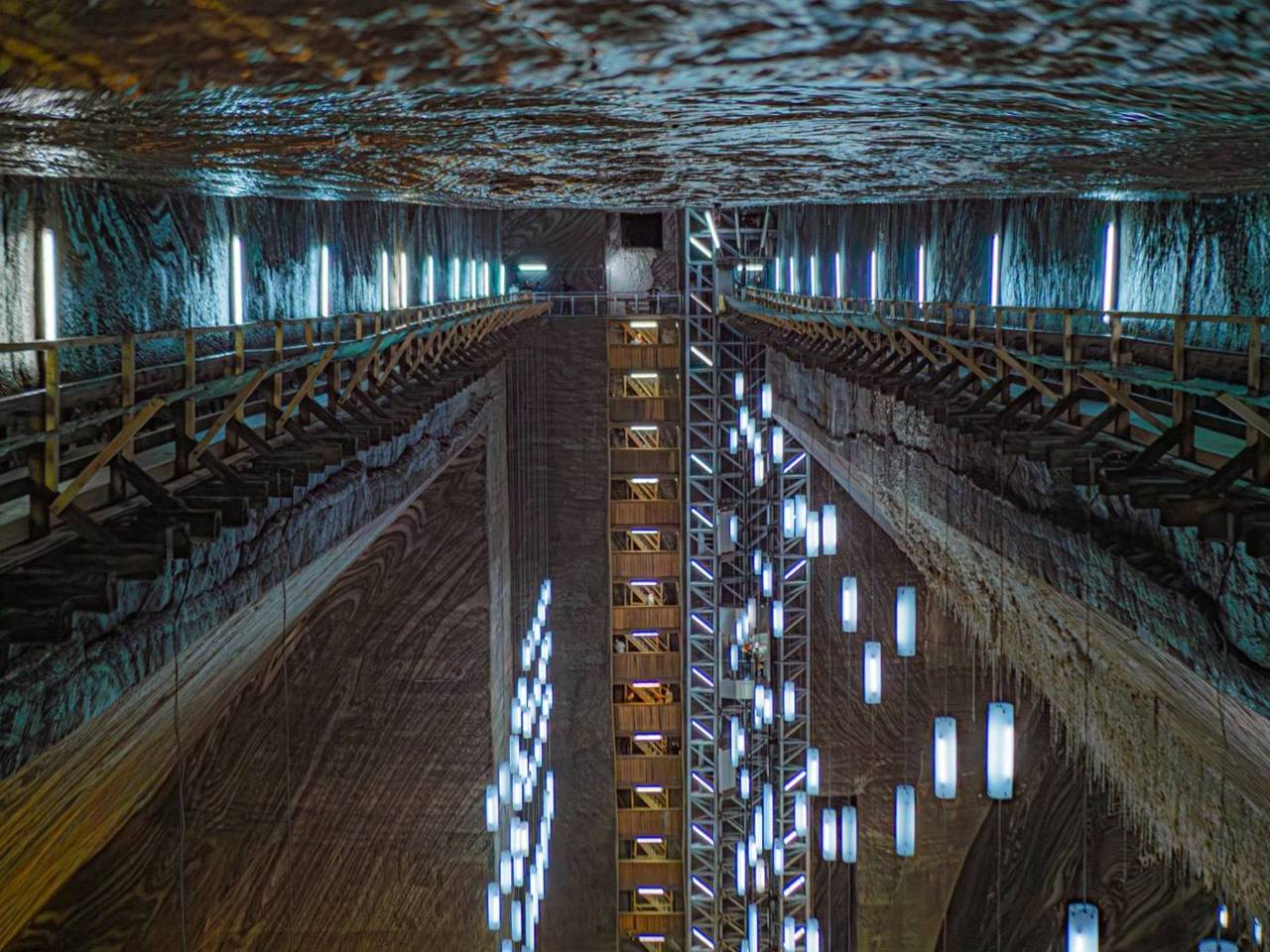
Cluj and the Apuseni
Cluj-Napoca, Transylvania's young city, the Turda salt mine, and the Apuseni mountains with Scărișoara ice cave, Răchițele waterfall and the high plateau villages.