Doha and its museums
I. M. Pei's Museum of Islamic Art, the desert-rose National Museum, Souq Waqif and the Corniche.
- Doha
- Museum of Islamic Art
- National Museum
- Souq Waqif
- Katara
- Msheireb
Day by day
- Day 1
The Museum of Islamic Art, the Corniche and Souq Waqif
This three-day trip is a stopover in Doha, the capital of Qatar, built around a bay on the Gulf. You visit two world-class museums, the Museum of Islamic Art and the National Museum, the Souq Waqif market, the historic houses of Msheireb and the Katara cultural village.
Before you go: Italian citizens enter Qatar with a passport valid for at least six months from the date of arrival; an identity card is not enough. Italy is on the official list of countries whose citizens enter without a visa for tourism: check the permitted length of stay on the official Visit Qatar website. E-cigarettes cannot be brought into the country. Other nationalities should check their own rules.
Some areas on this trip are close to borders or places where the situation changes often: check your government's travel advice before booking and again before you leave.
You arrive at Hamad International Airport, about half an hour from the centre by metro or taxi.
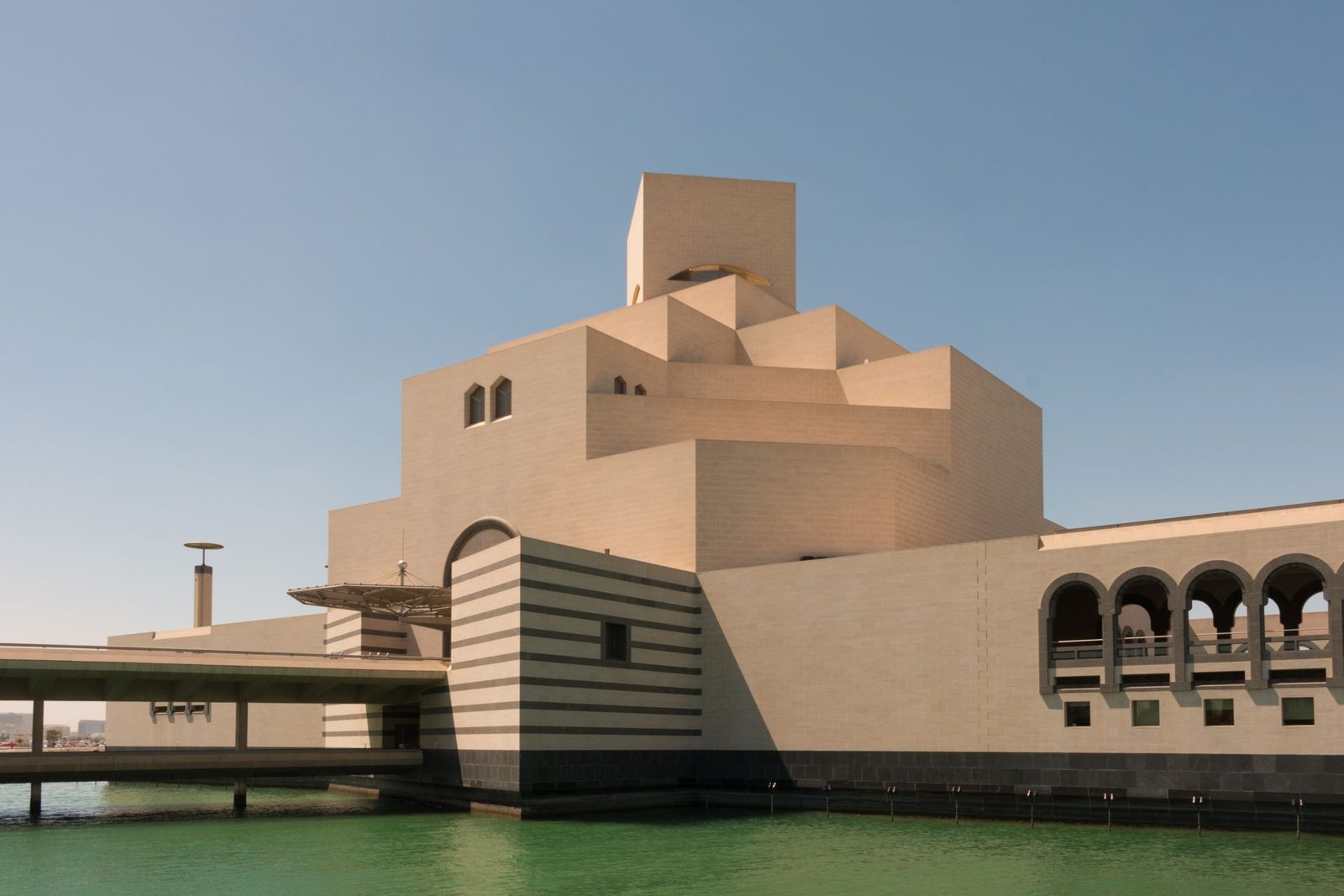
In the morning visit the Museum of Islamic Art, designed by the architect I. M. Pei on an artificial island off the Corniche: a building of pale stone in geometric shapes, inspired by early Islamic architecture. The galleries display ceramics, carpets, manuscripts, jewellery and metalwork from three continents and over a thousand years of history. Check prices and times.
In the afternoon stroll through the museum park and along the Corniche, the crescent-shaped seafront, with views of the West Bay skyscrapers and moored dhows.
In the evening enter Souq Waqif, the traditional market of brick lanes and wooden beams, spices, fabrics and the falcon market.
Sleep in Doha, for two nights.
Practical tip: the Doha metro is modern and links the airport, the Corniche, Msheireb and Katara: buy a rechargeable card on arrival.
- Day 2
The National Museum, Msheireb and Katara
Today you see Doha's second great museum and two very different districts.
In the morning visit the National Museum of Qatar, designed by Jean Nouvel in the shape of a desert rose, the sand crystal that forms in the desert, with large interlocking discs. The galleries tell the story of the peninsula's geology, the life of Bedouin and pearl divers, the discovery of oil and the birth of the modern state. At the heart of the museum stands the restored palace of Sheikh Abdullah bin Jassim Al Thani, from the early twentieth century. Check prices and times.
At midday reach Msheireb, the historic downtown district rebuilt with modern buildings in a traditional style. Visit the Msheireb Museums, housed in four restored old houses, which tell the story of the district, family life and the theme of slavery in the region. Check prices and times.
In the afternoon take the metro to Katara, the cultural village by the sea, with a Greek-style amphitheatre, art galleries, a mosque decorated with mosaics, pigeon towers and a public beach.
At sunset watch the illuminated bay from Katara beach.
Practical tip: in Doha's museums and public places cover shoulders and knees; checks are stricter in offices and public buildings.
- Day 3
Mathaf and departure
On the last day you make a short visit before your flight.
In the morning visit Mathaf, the Arab Museum of Modern Art, in Education City, the campus that brings together universities and research institutes. The collection shows painting, sculpture and installations by artists from the Arab world from the nineteenth century to today, a perspective little known in Europe. Check prices and times.
If you have time, go back to Souq Waqif to buy spices, dates, oud perfumes or fabrics, and try a karak, tea with milk and cardamom, or a plate of machboos, spiced rice with meat.
Then take the metro or a taxi to Hamad Airport: arrive at least three hours early, as it is a large international hub.
In these three days you have seen a Doha rich in culture: two of the finest museums in the Middle East, a traditional market, a rebuilt historic district and an arts village by the sea. It is a short but full stopover, easy to combine with a flight connection. Alcohol is available only in licensed hotels and venues; during Ramadan nobody eats or drinks in public in the daytime.
When to go: from November to March. In summer it is too hot to be outdoors, even in the evening.
Practical tip: many Doha museums close one day a week and on Fridays often open later: check the times before planning your day.
A short stopover with two world-class museums. Summer is too hot to be outdoors. Alcohol only in licensed hotels.
Before you go
- Documents and visa
- Passport valid for at least six months from the date of arrival. Italian and British citizens can enter Qatar for tourism without a visa; British citizens can stay up to 30 days, other nationalities should check the length of stay on the official Visit Qatar website or the Hayya platform before leaving. Importing e-cigarettes and refills is illegal, whatever the quantity.
- Health and vaccines
- No compulsory vaccinations. Healthcare is good but expensive: the authorities recommend health insurance, which can also be bought on arrival, but it is better to have a policy with high medical cover already. From May to September the heat is extreme: drink often and stay indoors in the middle of the day. Emergencies: 999.
- Money and payments
- Qatari riyal, pegged to the US dollar. Cards work almost everywhere; cash is useful at the stalls of Souq Waqif and for small purchases.
- Power sockets
- Type G, 240 volts: the same sockets as in the UK.
- Time zone
- UTC+3 all year, three hours ahead of the UK in winter and two in summer.
- Safety
- The situation in the Gulf region can change quickly, including sudden airspace closures: check the advice and the status of your flights before leaving. The laws are strict and apply to tourists too. Alcohol: only in licensed hotels and venues and from the age of 21, with original photo ID; drinking or being drunk in public is an offence and there is zero tolerance for drink-driving. Vaping is illegal. Clothing: men and women cover shoulders and knees in public, including while driving; the rule is strictly enforced in government buildings, hospitals and banks. Ramadan: during the day do not eat, drink, smoke or chew gum in public, even in your car. Photos: photographing or sharing images of people without their consent is an offence; take care near religious, military and government sites; drones need a permit. Public displays of affection can lead to arrest; swearing, rude gestures and offensive posts are offences. Zero tolerance for drugs, even traces. In the desert travel only in an equipped 4x4 with an experienced driver. Official advice: GOV.UK.
Information checked in November 2026 for Italian and EU citizens. Rules change: always check before you travel.
Variations
On a one-day stopover you can see the Museum of Islamic Art, the Corniche and Souq Waqif.
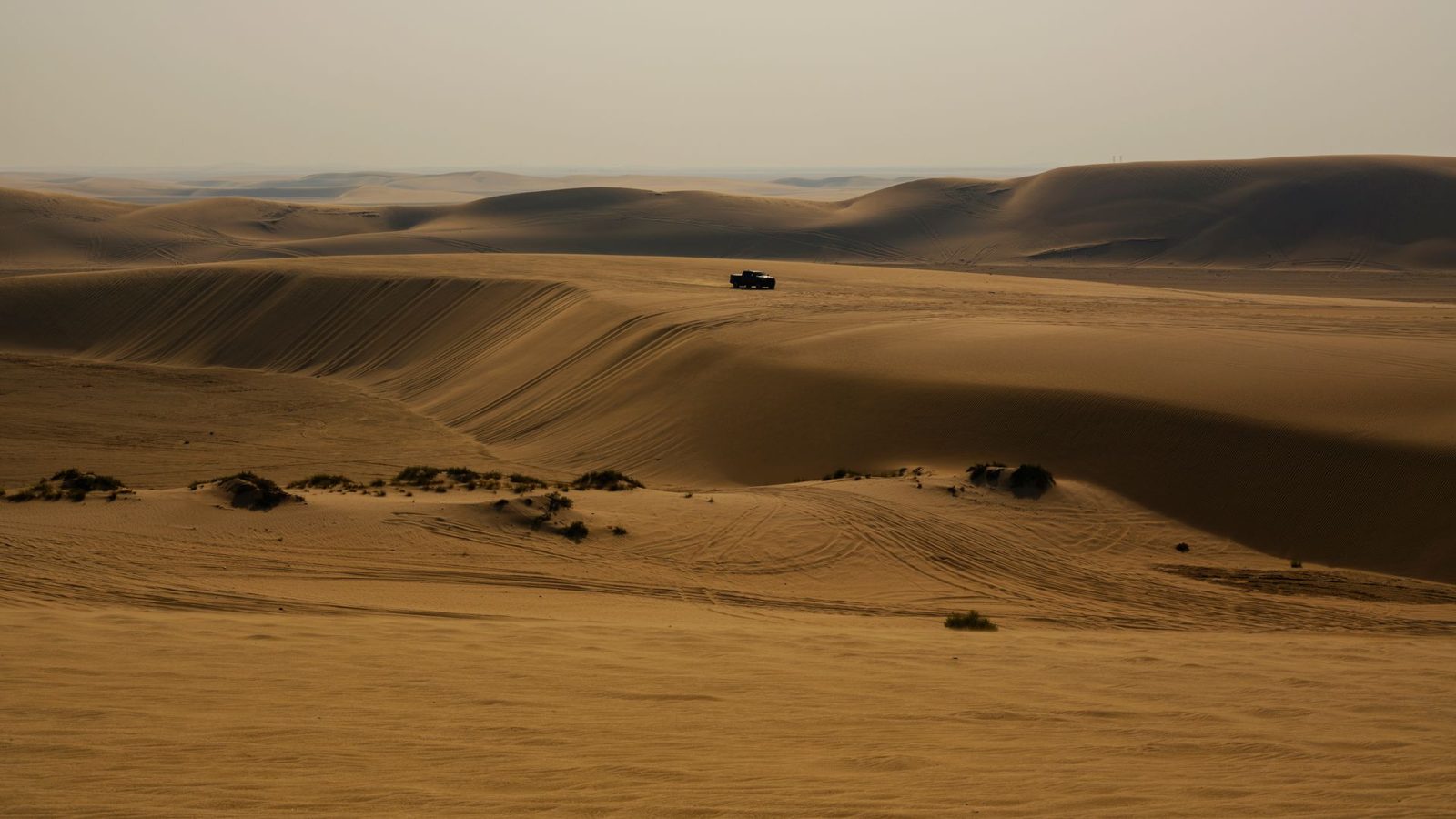
With one more day add the southern desert and the inland sea of Khor Al Adaid.
Frequently asked questions
Can you get around Doha by public transport?
Yes: the metro links the main sights; otherwise there are taxis and ride-hailing apps.
What should I wear?
Comfortable clothes covering shoulders and knees, for men and women; in mosques you need long clothes and, for women, a headscarf.
Can you drink alcohol?
Only in licensed hotels and venues, from the age of 21; drinking or being drunk in public is an offence.
Indicative itinerary written by World Atlas. Before booking, check timetables, seasonal openings, documents and safety.