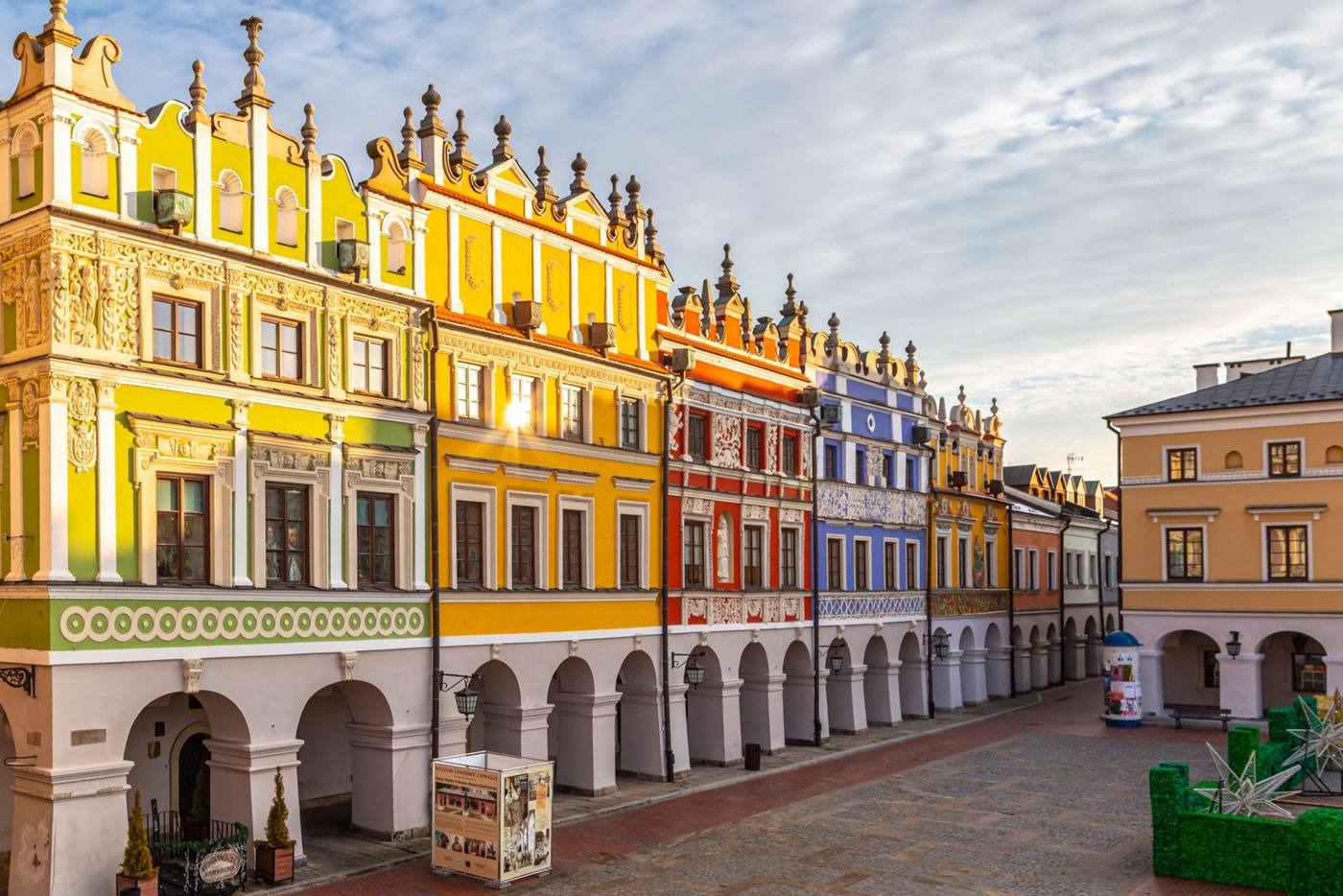
Lublin, Kazimierz Dolny and Zamość
Eastern Poland: the ideal Renaissance town of Zamość, Lublin and its Holy Trinity Chapel, the artists' village of Kazimierz Dolny on the Vistula and the Majdanek memorial.
- Lublin
- Majdanek
- Kazimierz Dolny
- Zamość
Day by day
- Day 1
Lublin: the Old Town and its underground
This five-day trip takes you to eastern Poland, off the tourist trail and rich in history: Lublin and its castle, the Majdanek memorial, the artists' village of Kazimierz Dolny on the Vistula and Zamość, the ideal Renaissance town.
Before you go: Poland is part of the European Union and the Schengen area, but uses the złoty, not the euro. Italian citizens only need an electronic identity card valid for travel abroad or a passport; the paper identity card has not been valid for travel abroad since 3 August 2026. Other nationalities should check their own rules. Crime is low, but Italian travel advice warns of pickpockets at airports, stations and tourist sites and recommends using only official taxis. When you pay by card, always choose to pay in złoty.
Some areas on this trip are close to borders or places where the situation changes often: check your government's travel advice before booking and again before you leave.
Lublin is about two hours by train from Warsaw. Enter the Old Town through the Kraków Gate, a Gothic tower with a Baroque roof. The sloping streets lead to the Market Square, with the Crown Tribunal building in the middle, the highest court of the kingdom for the lands of Lesser Poland. Around it, the houses have colourful façades and hidden courtyards.
Under the houses runs an underground route, made of cellars and passages linked together, which you visit with a guide and which tells the city's history. Check prices and times. Then go into the cathedral, where the sacristy has such special acoustics that you can hear a whisper from one corner to the other.
Sleep in Lublin, for two nights.
Practical tip: in the evening the Old Town is full of students; prices here are among the lowest in Europe, so make the most of them to try the local food.
- Day 2
Lublin Castle and the Majdanek memorial
On the second day you see two sides of Lublin: the medieval art of the castle and the memory of the war.
In the morning leave the Old Town through the Grodzka Gate, also called the Jewish Gate, because it led to the large Jewish quarter that stood at the foot of the castle and that the Nazis destroyed. Today a cultural centre in the gate tells the story of that community. Check prices and times.
Then go up to the castle, home to the Lublin Museum. Its greatest treasure is the Chapel of the Holy Trinity, a small Gothic church covered in Russo-Byzantine frescoes, painted in 1418 by Ruthenian painters on the orders of King Władysław Jagiełło. Walls, columns and vaults are full of saints, angels and scenes from the Bible: a rare meeting between the art of the West and that of the East. Entry to the chapel is limited. Check prices and times.
In the afternoon take the bus or a taxi to Majdanek, on the outskirts of the city. Here, from 1941 to 1944, the Nazis ran a concentration and extermination camp. It is one of the best preserved camps: you see the wooden barracks, the barbed wire, the watchtowers and the gas chambers. The route ends at the large mausoleum with a dome covering the victims' ashes. The State Museum offers guided visits. Check times.
Practical tip: Majdanek is large and open; wear comfortable shoes and bring something to protect you from the sun or the rain.
- Day 3
Kazimierz Dolny and the loess gorges
Today you go to Kazimierz Dolny, a small town on the Vistula much loved by painters and writers, about an hour by car or bus from Lublin.
In the centre there is a small Market Square with a wooden well, surrounded by Renaissance houses. The most famous are the Przybyła brothers' houses, from the seventeenth century, with façades covered in carved decorations: saints, animals and fantastic figures. In the streets around there are art galleries and craft workshops.
Then climb to the castle ruins and the stone tower above the town: from up there you see the wide, slow Vistula, the roofs and the hills. If you still have the energy, walk to Three Crosses Hill, with another fine view. Check prices and times.
In the afternoon explore the loess gorges, narrow valleys carved by water into soft yellow soil, with high walls and tree roots hanging from above. The most famous is Korzeniowy Dół, the gorge of roots, a few minutes from the centre. Along the river you also see the old granaries, where grain was stored before being sent to Gdańsk.
In summer a ferry leaves from the harbour and crosses the Vistula to Janowiec, with its castle on the other bank. Check prices and times.
Sleep in Kazimierz Dolny, for one night.
Practical tip: at weekends Kazimierz Dolny is full of Polish day-trippers; if you can, go during the week.
- Day 4
Zamość, the ideal Renaissance town
Today you drive south-east for about two hours to Zamość, a town born from a precise plan at the end of the sixteenth century.
Zamość was founded in 1580 by Chancellor Jan Zamoyski, who called in the architect Bernardo Morando from Padua to design an ideal town, with straight streets, fortifications and a large square in the middle. The result looks like an Italian Renaissance town in the heart of Poland. Today it is a UNESCO World Heritage Site.
Its heart is the Great Market Square, about a hundred metres on each side, surrounded by arcades. On one side stands the town hall, with a tall tower and a fan-shaped outdoor staircase. On the other sides you see the Armenian houses, with colourful, decorated façades: they recall the Armenian merchants who lived here. Visit the Zamość Museum in one of these houses. Check prices and times.
Then walk to the Renaissance cathedral and to the synagogue, also Renaissance, which recalls the town's large Jewish community. Finally visit the restored bastions of the fortress, from where you see the walls and moats. Check prices and times.
In the evening go back to the illuminated square and have dinner under the arcades.
Sleep in Zamość, for one night.
Practical tip: Zamość is small and easy to explore on foot; leave the car outside the old town, in the signposted car parks.
- Day 5
Roztocze and departure
On the last day, before heading back, you can make a short stop in nature.
About half an hour from Zamość lies Zwierzyniec, the gateway to Roztocze National Park, with beech and fir forests and the small wild Polish horses, the konik. In the village there is a small Baroque church built on an island in the middle of a pond, one of the most beautiful sights in the area. Walk on the trails near the Echo ponds, where you can sometimes see the horses. Entry to the park trails may be charged: check prices and times.
Then drive back to Lublin, about an hour and a half away, for the airport or the train, or drive to Warsaw, about four hours away.
Trip summary: in five days you have seen Lublin with its Old Town, the underground route, the Grodzka Gate and the castle's Chapel of the Holy Trinity; the Majdanek memorial; Kazimierz Dolny with the Przybyła brothers' houses, the castle and the loess gorges; Zamość, the ideal Renaissance town; and Roztocze National Park.
When to go: from May to October. In spring the loess gorges are green; in summer the towns are lively but not too crowded; in autumn the Roztocze forests change colour. Winter here is cold, with frequent snow.
Practical tip: in areas near the border follow the instructions of the Polish authorities, including those sent by text message to your phone, and always carry your identity document.
Eastern Poland, little touristed, with a deep Jewish and multicultural heritage. Zamość was designed by an Italian architect and has one of the country's finest squares. Kazimierz Dolny is very popular with Poles at weekends. Prices are among the lowest in Europe.
Before you go
- Documents and visa
- EU citizens need a valid identity card or passport: Poland is in the EU and the Schengen area. Carry a copy of your documents and keep the originals somewhere safe. Other nationalities should check the Schengen rules.
- Health and vaccines
- No compulsory vaccines. Healthcare is acceptable; Warsaw has clinics with English-speaking staff. EU citizens should bring their EHIC; take insurance covering medical costs and repatriation. Watch for ticks in the forests in summer and for ice in winter. Emergencies: 112.
- Money and payments
- Polish złoty (PLN), not the euro. Cards are accepted almost everywhere; when paying by card, choose to pay in złoty, not in your home currency.
- Power sockets
- Types C and E, 230 volts: you need an adapter for British plugs.
- Time zone
- Central European Time (UTC+1, summer UTC+2).
- Safety
- Crime is low, but watch out for pickpockets at airports, stations and tourist sites, for unofficial taxis and for scams in nightclubs. The areas near the borders with Belarus and Ukraine have restrictions and the situation changes often: do not go near the border and respect the no-entry signs. Official advice: GOV.UK.
Information checked in November 2026 for Italian and EU citizens. Rules change: always check before you travel.
Variations
In 3 days: Lublin with Majdanek, and Zamość.
In 7 days: add two days in Roztocze National Park or in Warsaw.
Frequently asked questions
How do I get to Lublin?
By train from Warsaw, in about two hours. Lublin also has a small airport. For Kazimierz Dolny and Zamość a car is easier, but there are buses too.
How much time do I need for Majdanek?
Allow at least two or three hours. The museum offers guided visits. Check times before you go.
Is this area expensive?
No, eastern Poland has some of the lowest prices in Europe, both for accommodation and food.
Indicative itinerary written by World Atlas. Before booking, check timetables, seasonal openings, documents and safety.
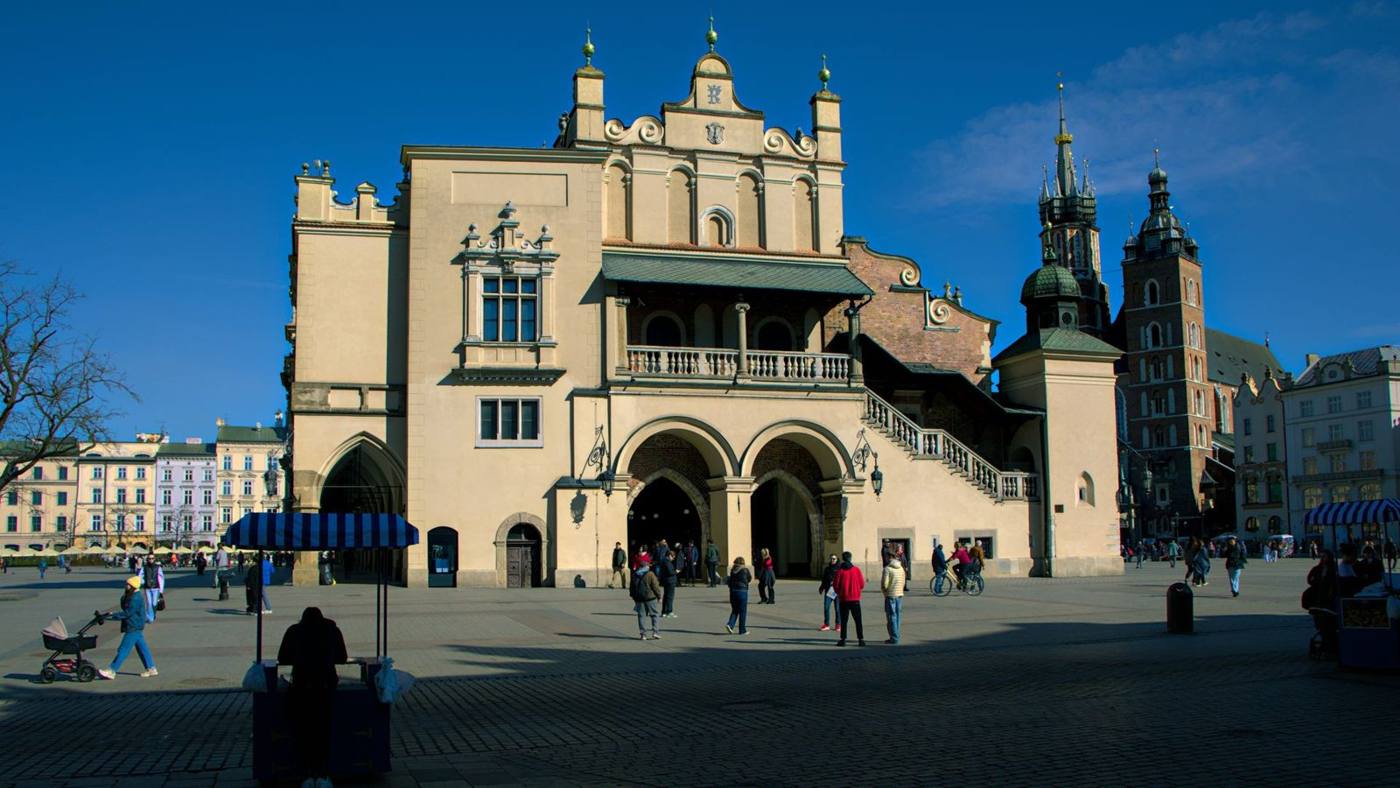 5 daysEasy
Kraków and Auschwitz
The Market Square and Wawel, the Jewish quarter of Kazimierz, Schindler's Factory, the Wieliczka salt mine and the Auschwitz-Birkenau memorial.
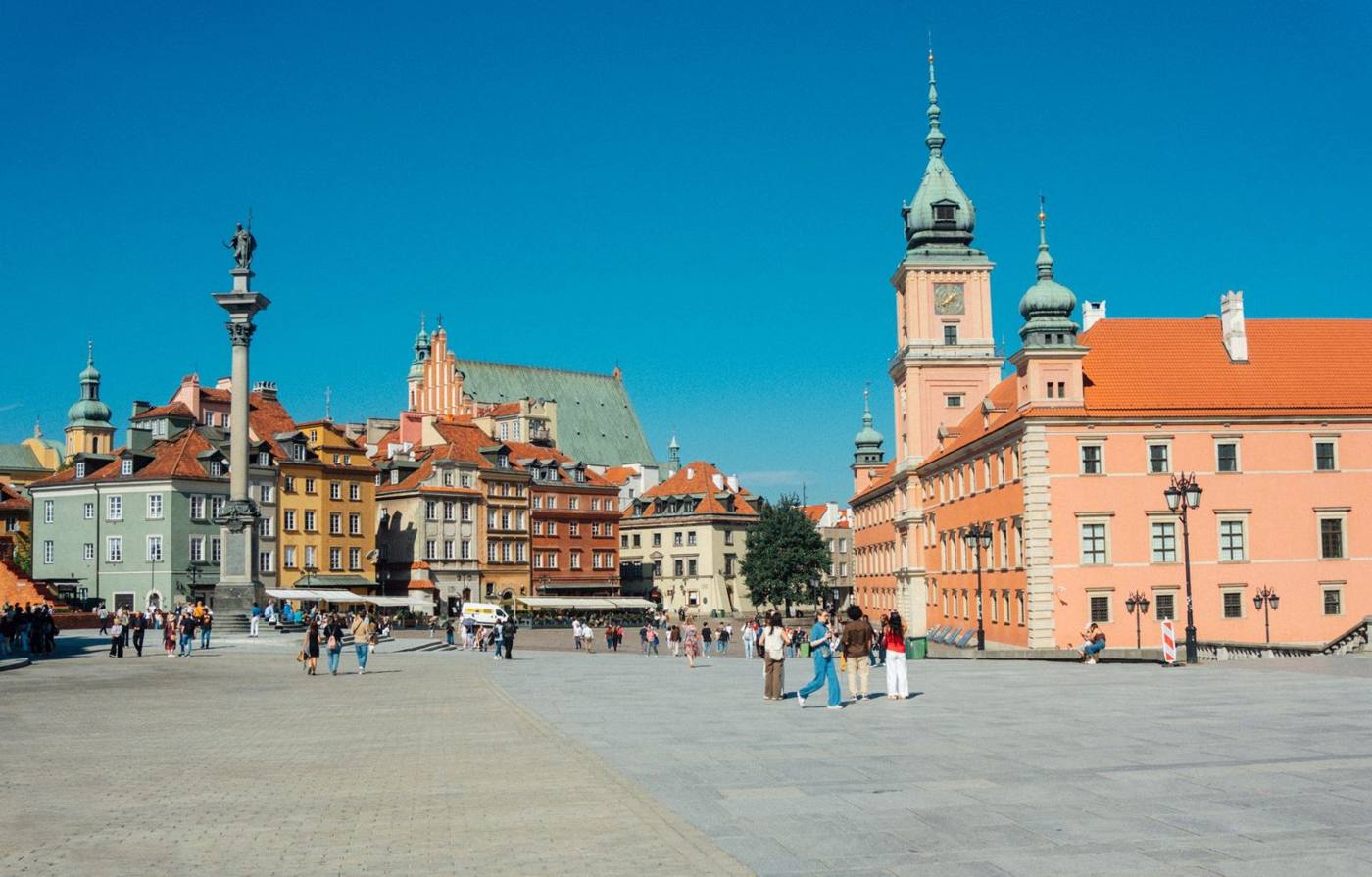 3 daysEasy
Warsaw
The old town rebuilt stone by stone, the Warsaw Uprising Museum, the POLIN Museum of the History of Polish Jews, Łazienki Park and the Vistula.
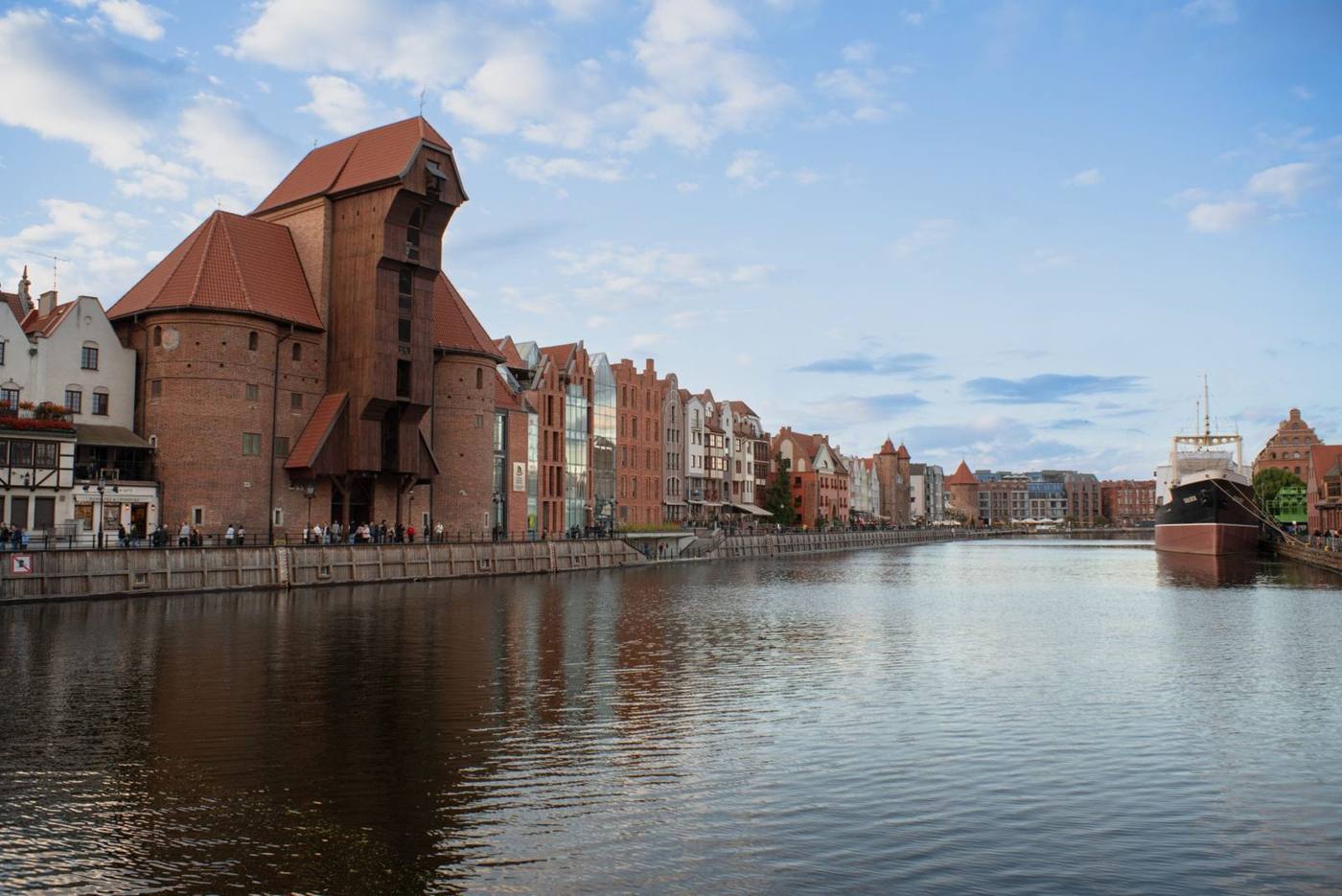 10 daysEasy
Classic Poland
From Gdańsk to Kraków by train: the Teutonic castle of Malbork, Copernicus's Toruń, Warsaw, Kraków and the Wieliczka mine.