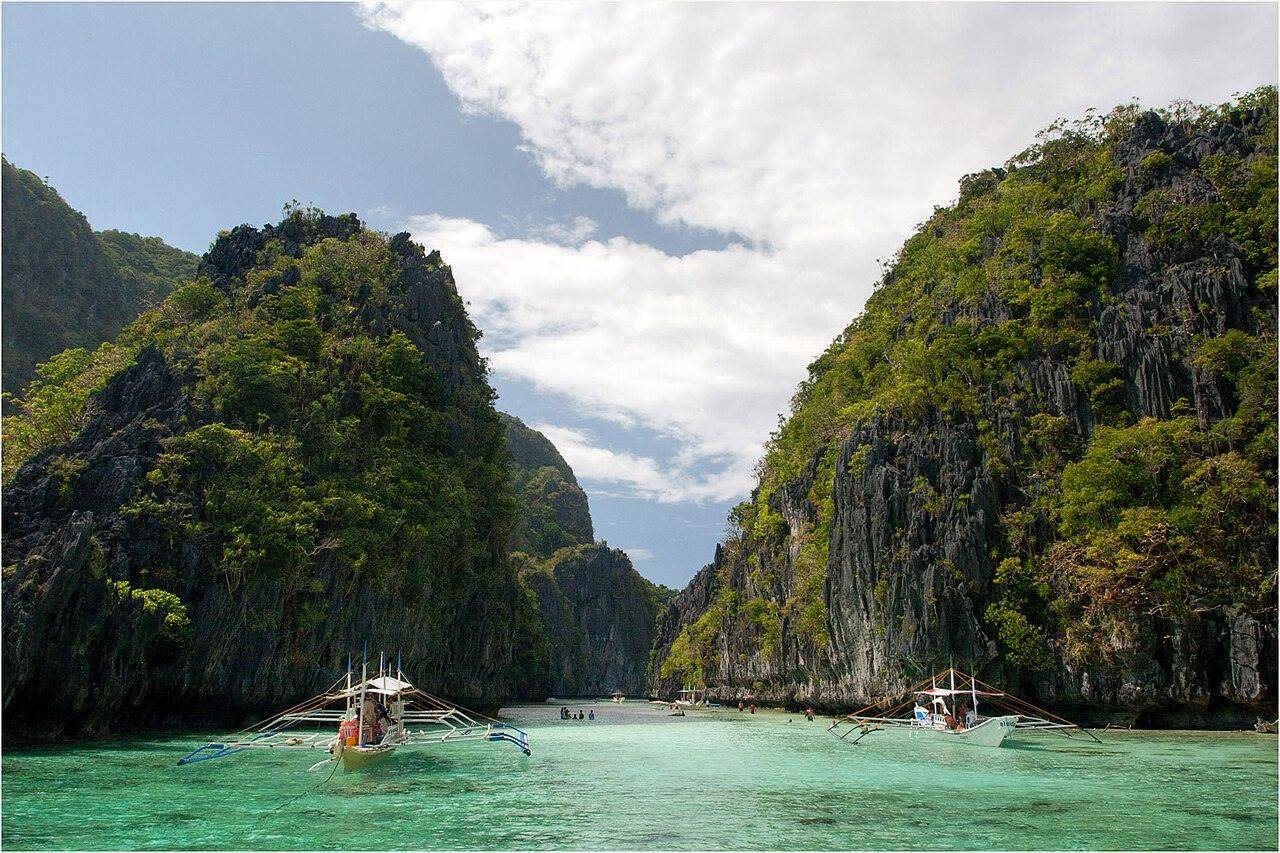
Palawan: El Nido and the lagoons
A week of islands, turquoise lagoons and snorkelling in the Bacuit archipelago, with a stop at the underground river.
- Puerto Princesa
- Sabang
- El Nido
Day by day
- Day 1
Flight to Puerto Princesa
EU citizens enter the Philippines without a visa for tourism for up to 30 days, with a passport valid for at least six months and an onward ticket. In the 72 hours before the flight you must fill in the no-cost eTravel form online on the official government website: beware of sites that charge for it. The QR code you receive is checked at boarding and on arrival.
Palawan is a long, narrow island in the west of the Philippines, between the Sulu Sea and the South China Sea, considered one of the country's most beautiful for its lagoons, limestone cliffs and forests. From Manila you fly to Puerto Princesa, the provincial capital, in about an hour and twenty minutes.
Puerto Princesa is a quiet, clean city with a waterfront on the bay and a hot, humid climate all year. In the afternoon rest after the long journey from Europe and stroll along the waterfront at sunset. The Cathedral of the Immaculate Conception, with its blue spires, is the city's symbol.
In the evening, if you like, join a boat trip through the mangroves of the Iwahig River to see fireflies lighting up the trees like Christmas decorations, run by the local community.
Practical tip: the next day's visit to the underground river requires a permit with limited places: book it ahead, through the official Puerto Princesa office or an agency, before leaving home.
- Day 2
The Sabang underground river
Early in the morning leave for Sabang, about two hours by road from Puerto Princesa, through rice fields, hills and forests. From Sabang a boat takes about twenty minutes to the entrance of Puerto Princesa Subterranean River National Park, a UNESCO World Heritage site and one of the New Seven Wonders of Nature chosen in 2011.
The river flows for more than eight kilometres beneath a limestone mountain before emptying directly into the sea: one of the longest navigable underground rivers in the world. The visit is by small rowing boat, with a helmet and life jacket, for about forty minutes in the first part of the cave. A boatman steers and lights up stalactites, stalagmites and formations that look like figures with a torch, while bats and cave swiftlets fly overhead. Keep your mouth closed when looking up.
In the park, around the beach, live macaques and monitor lizards: do not leave food in sight, because the monkeys steal bags.
In the afternoon, if you have time, take a forest walk or a kayak trip through the Sabang mangroves. Then return to Puerto Princesa.
Practical tip: river visits can be suspended in rough seas, especially from June to October during the rainy season; keep a spare day.
- Day 3
Transfer to El Nido and sunset at Las Cabañas
In the morning leave for El Nido in northern Palawan, about five or six hours by road from Puerto Princesa, by shared van or private car with driver. The road passes villages, rice fields and forests, with a few stops on the way. Alternatively there are direct flights to El Nido, faster but more expensive and with limited schedules.
El Nido is a small fishing town that has become one of Asia's most famous destinations, thanks to the Bacuit archipelago, with dozens of tall, sculpted black limestone islands rising from an emerald sea, hidden lagoons and white beaches. The area is protected, and every visitor must pay the eco-tourism development fee of 400 Philippine pesos on arrival, valid for the whole stay: keep the receipt, which is checked on the boats.
In the late afternoon go to Las Cabañas beach, south of town, for sunset over the islands: one of the finest sunsets in the Philippines. A zip line runs above the beach to the islet opposite.
In the evening have dinner in town, with grilled fish, prawns, squid and kinilaw, raw fish marinated in vinegar with ginger and onion.
Practical tip: in El Nido electricity and water sometimes fail; bring a torch and a power bank. Cash machines are few and often empty: bring cash from Puerto Princesa.
- Day 4
Boat tour A: the great lagoons
Today is El Nido's most famous boat trip, called tour A, leaving in the morning from the town beach on a banca, the traditional Filipino wooden boat with outriggers. Tours A, B, C and D are regulated by the municipality, with fixed routes and prices: you book them at agencies in town the day before.
The first stop is the Big Lagoon on Miniloc Island, a large lagoon of turquoise water ringed by black rock walls: you enter by kayak or paddleboard, in silence. Then the Small Lagoon, smaller and enclosed, entered by kayak or swimming through a narrow opening in the rock. To protect the lagoons the number of daily visitors is limited, and at some times a supplement is charged: ask your agency.
The Secret Lagoon is reached through a hole in the rock on a beach. At midday the crew prepares lunch on the boat or a beach: grilled fish, rice and tropical fruit.
In the afternoon you snorkel near Seven Commandos Beach, with its palms, or near Shimizu Island, with corals and colourful fish.
In the evening return to town. Practical tip: use reef-safe sunscreen, do not touch the corals and do not take shells or sand. Wear reef shoes: the rocks are sharp.
- Day 5
Boat tour C: hidden beaches and snorkelling
Today is tour C, which explores the archipelago's more distant islands, with beaches hidden among the rocks and some of El Nido's best underwater scenery.
The first stop is often Hidden Beach on Matinloc Island, a beach enclosed by rock walls reached by swimming or scrambling over rocks. Then Secret Beach, reachable only by swimming through a small opening in the rock when the sea is calm: when the waves are strong, the crew skips it for safety. The Matinloc Shrine, an abandoned chapel on an island, offers a view over the whole archipelago from the top of the rock.
At midday you have lunch on a beach such as Talisay or Star Beach, with white sand and clear water. In the afternoon you snorkel at Helicopter Island, named for its shape, with sea turtles, clownfish and soft corals.
Tour C is the most exposed to wind and waves, because the islands face the open sea: on some days of the monsoon season it is cancelled.
In the evening return to El Nido and enjoy a quiet dinner in town.
Practical tip: bring a dry bag for your phone and documents, and a long-sleeved shirt for snorkelling. If you suffer from seasickness, take something before leaving: the open sea can be choppy.
- Day 6
Nacpan Beach and relaxation
After two days on the boats, today is a relaxing day at Nacpan Beach, about forty minutes north of El Nido, reached by tricycle, the small Filipino motor taxi, or rented scooter, along a partly unpaved road.
Nacpan is a golden sand beach about four kilometres long, with coconut palms and a turquoise sea, considered one of the most beautiful in the Philippines. Next to it is Calitang beach, separated by a small hill: from the top you see the twin beaches, with sea on both sides. There are few kiosks and few bungalows, and the beach is often almost empty.
Spend the day swimming, walking on the sand and having a grilled fish lunch at one of the kiosks.
Alternatively, if you want to keep moving, climb Taraw Peak, the cliff above town, with a compulsory guide: a steep climb over sharp limestone with a spectacular view over the bay. Or visit Nagkalit-kalit falls, with a short forest trek.
In the evening, in El Nido, listen to live music at one of the seafront bars.
Practical tip: riding a scooter requires a licence; Palawan roads have potholes, dogs and tricycles. Always wear a helmet, and avoid riding after dark.
- Day 7
The journey back
The last day is for the journey back. From El Nido you return to Puerto Princesa by van, about five or six hours, for the flight to Manila, or take a direct flight from El Nido airport if available.
If you have time before leaving, in the morning you can take a short kayak trip along the town's coast or stop at Marimegmeg beach for a last swim.
Alternatively, if you have a few more days, continue north to Coron by ferry, about four or five hours: Coron is famous for Japanese Second World War wrecks, diving and Kayangan Lake, one of the most beautiful in Asia. The ferry does not sail in rough seas.
Things to take home: Palawan cashew nuts, dried mango sweets, cultured Palawan pearls bought from reputable shops, and hand-woven baskets and bags.
Practical tip: the US State Department rates the Philippines level 2, with level 4 for the Sulu archipelago, the southern Sulu Sea and Marawi, and level 3 for much of Mindanao: Palawan is not in these areas. Check your government's travel advice before leaving. Allow plenty of time between El Nido and Puerto Princesa, because roadworks and rain can slow the journey, and do not book your international flight on the same day.
The finest tropical sea in Asia in a week, with lagoons between limestone cliffs and crystal-clear water. Boat tours are crowded in high season, so pick the lesser-known routes or a private boat. Getting from Manila to El Nido takes time, so fly direct when you can.
Before you go
- Documents and visa
- Passport valid for at least six months and an onward ticket; no visa for tourism up to 30 days for EU citizens. In the 72 hours before the flight you fill in the no-cost eTravel form online.
- Health and vaccines
- No compulsory vaccines arriving from Europe. Protect yourself against mosquitoes because of dengue and keep away from dogs and monkeys because of rabies. Drink only bottled water. Emergencies: 911.
- Money and payments
- Philippine peso. On small islands cash machines are few and often empty: carry cash.
- Power sockets
- Types A, B and C, 220 volts: bring a universal adapter.
- Time zone
- UTC+8 all year.
- Safety
- The United States rates the Philippines level 2, with level 4 for the Sulu archipelago, the southern Sulu Sea and Marawi, and level 3 for much of Mindanao. Typhoons occur from June to November. Official advice: GOV.UK.
Information checked in November 2026 for Italian and EU citizens. Rules change: always check before you travel.
Variations
In 5 days: a direct flight to El Nido, tour A and tour C, and a day at Nacpan, skipping the underground river.
In 11 days: after El Nido continue by ferry to Coron, with the wrecks, Kayangan Lake and the Coron lagoons.
Frequently asked questions
Do I need a visa for the Philippines?
No: EU citizens enter without a visa for tourism for up to 30 days. In the 72 hours before the flight you must fill in the no-cost eTravel form online.
How much is the El Nido fee?
Every visitor pays the eco-tourism development fee of 400 Philippine pesos on arrival, valid for the whole stay. The receipt is checked on boat tours.
When is the best time for Palawan?
December to May, in the dry season, with calm seas. From June to October it rains often, there are typhoons and some boat tours are cancelled.
Indicative itinerary written by World Atlas. Before booking, check timetables, seasonal openings, documents and safety.
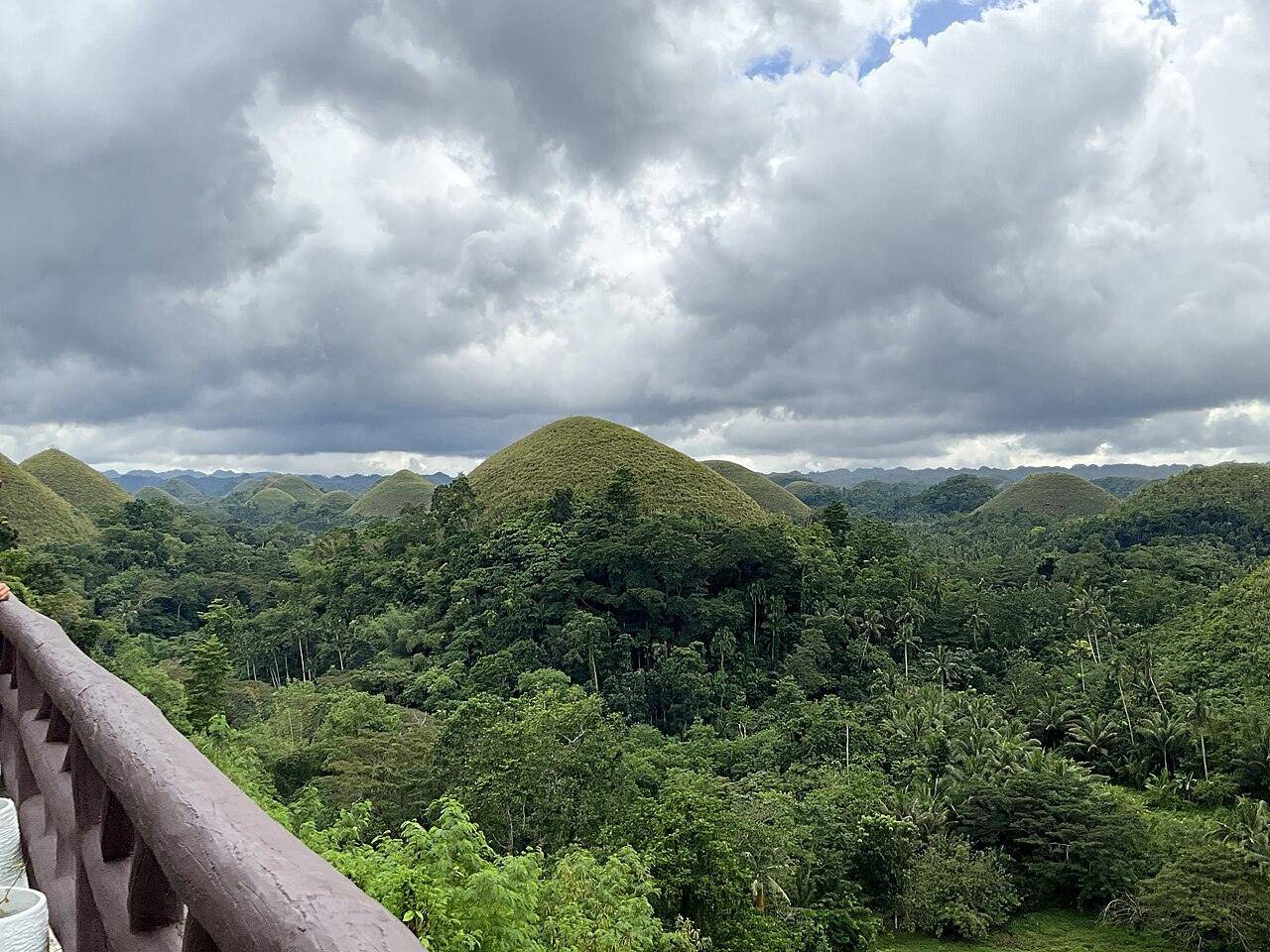 15 daysModerate
Palawan, Coron, Bohol and Cebu
The finest islands in two weeks: El Nido's lagoons, Coron's lakes and wrecks, Bohol's Chocolate Hills and tarsiers.
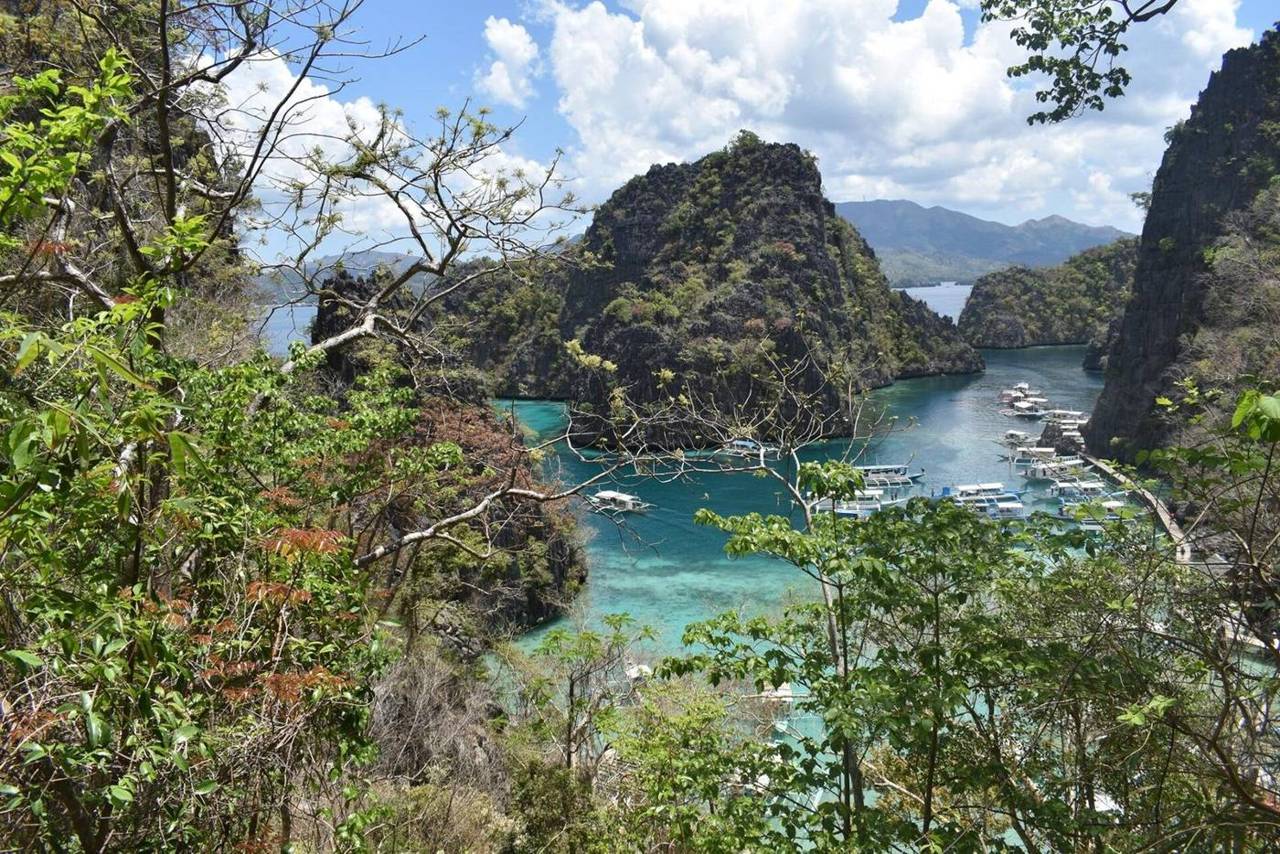 12 daysEasy
Philippines express: Palawan, El Nido and Coron
Puerto Princesa's underground river, the lagoons of El Nido among limestone cliffs, and Coron's lakes and wrecks.
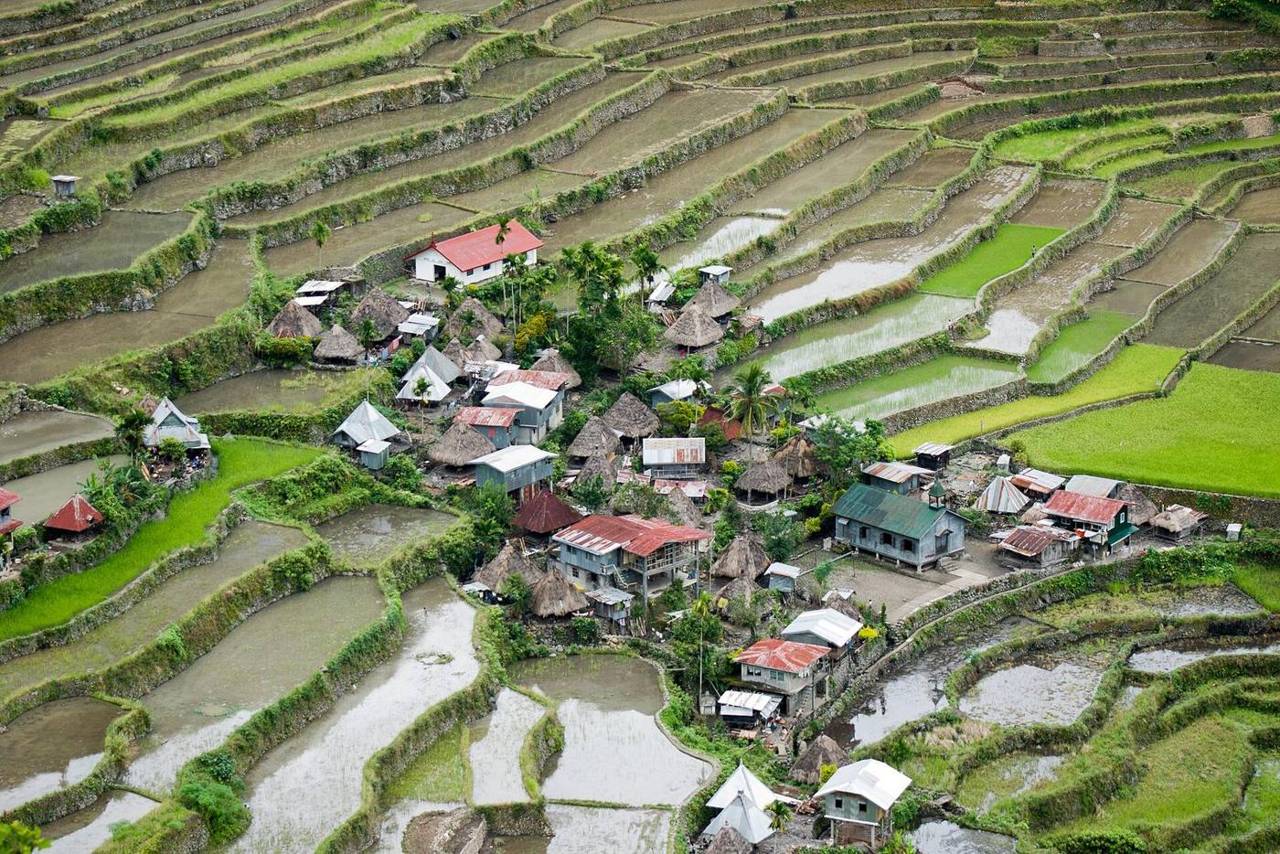 17 daysModerate
The Philippines: Banaue's rice terraces, Sagada and Palawan
The UNESCO-listed rice terraces in the Cordillera mountains, the hanging coffins of Sagada and then two weeks of sea in Palawan.