The Sørlandet south coast
The Norwegian summer by the sea: white wooden towns such as Lillesand, Grimstad and Arendal, the archipelago of smooth rocks to explore by boat or kayak, Kristiansand with its centre and beaches, and Lindesnes lighthouse, the southernmost point of mainland Norway.
- Arendal
- Grimstad
- Lillesand
- Kristiansand
- Lindesnes
Day by day
- Day 1
Arendal and the Tyholmen quarter
Sørlandet, the southern land, is Norway's south coast, on the Skagerrak, the sea between Norway and Denmark. It is a different Norway from the fjords: an archipelago of thousands of islets and granite skerries smoothed by glaciers, small towns of white wooden houses, harbours full of boats and beaches where Norwegians spend their summer holidays. It is the sunniest part of the country. In five days you travel from Arendal to Lindesnes lighthouse, the southernmost point of mainland Norway.
Arendal can be reached by train from Oslo, with a change, or by car in about three and a half hours along the coast. It is one of the oldest towns in the south, built on the timber trade and sailing ships.
In the afternoon, walk through Tyholmen, the old part of town, on a small peninsula, with eighteenth and nineteenth-century wooden houses painted white and pastel colours, narrow lanes and gardens. It is one of the best-preserved wooden quarters in Norway. Arendal town hall, a large eighteenth-century wooden house, is one of the biggest wooden buildings in the country.
Then go down to the Pollen, the inner harbour, with boats and restaurants on the quay.
In the evening, try Sørlandet prawns, served cold with white bread, butter, lemon and mayonnaise, the typical summer dish of the south, eaten on the quay watching the boats.
Practical tip: Sørlandet is at its best from June to August, when the towns come alive and boats serve the islands. Out of season many services close.
- Day 2
Grimstad, Ibsen's house and kayaking among the skerries
In the morning, drive south to Grimstad, about half an hour away. Grimstad is a small white town by the sea, with sloping lanes, wooden houses and a harbour.
Henrik Ibsen, the great Norwegian playwright, arrived here at fifteen and worked for six years as an apprentice in a pharmacy. In a small room above the pharmacy he wrote his first play, Catilina, and began writing poems. The pharmacy is now the Ibsen museum, which keeps the rooms, furniture and objects of those years and tells the story of his life in Grimstad. Later Ibsen set some of his works on this coast, such as the poem Terje Vigen, the story of a fisherman during the Napoleonic wars.
In the afternoon, rent a kayak and paddle among the skerries and islets off Grimstad, in the archipelago. The water is calm between the islands, and you pass smooth pink granite rocks, small beaches, white and red summer houses and lighthouses. You can stop on a rock to swim and sunbathe.
The archipelago also contains Raet National Park, which protects the sea, islands and seabed between Arendal and Grimstad, with great boulders left by the glaciers.
In the evening, return to Grimstad and stroll along the harbour.
Practical tip: in Norway there is a right of public access to nature: you can walk, swim and camp almost anywhere, but you must keep away from houses and private gardens and leave no rubbish.
- Day 3
Lillesand and the boat to Kristiansand
In the morning, continue south to Lillesand, about twenty minutes away. Lillesand is one of the prettiest small towns in Sørlandet, with white Empire-style wooden houses around the harbour, many built in the nineteenth century by captains and shipowners who grew rich with sailing ships.
Walk through the centre, on the harbour square and in the lanes with white fences and flowering gardens. Lillesand museum, in an eighteenth-century merchant's house, tells the story of the town when its ships sailed all over the world.
In the afternoon, in summer, take the boat that links Lillesand to Kristiansand along the coast, through the Blindleia, a narrow passage between the mainland and the islands, about thirty kilometres long, in about three hours. The boat passes skerries, small channels, islets with summer houses, lighthouses and quiet bays, in one of the most typical landscapes of southern Norway.
You arrive in Kristiansand in the late afternoon, the largest town in Sørlandet.
In the evening, walk along the fish quay, the Fiskebrygga, with its fish market, waterside restaurants and boats.
Practical tip: the boat between Lillesand and Kristiansand runs only in summer, usually from late June to mid-August. Check the times and book. Out of season, go by car or bus.
- Day 4
Kristiansand: the centre, the beach and Posebyen
In the morning, discover Kristiansand, a town founded in 1641 by King Christian IV of Denmark and Norway, who gave it his name. The centre has a regular grid plan, called Kvadraturen, with straight streets, the market square, the large neo-Gothic brick cathedral and Christiansholm fortress on the harbour, a round tower built in the seventeenth century to defend the town.
Then walk through Posebyen, the oldest and best-preserved part of the centre, with low white-painted wooden houses, narrow streets, inner courtyards and gardens. It is one of the largest quarters of wooden houses still lived in in northern Europe.
In the afternoon, relax on Bystranda, the town beach, a short walk from the centre, with sand, a pier and calm sea. Nearby is Kilden, the theatre and concert hall, with its great wavy oak façade rising over the fjord like a wave.
If you have time, visit the Kristiansand art museum, in an old grain silo turned into a museum, with a large collection of modern Norwegian art.
In the evening, return to the fish quay and try smoked fish, salmon and prawns.
Practical tip: Kristiansand is also a ferry port for Denmark, a few hours' sailing away. You can return to Europe by sea.
- Day 5
Lindesnes lighthouse and departure
On your last morning, drive west to Lindesnes lighthouse, in about an hour, the southernmost point of mainland Norway. The road crosses granite hills, woods and small seaside villages, such as Mandal, the country's southernmost town, with white houses and the long Sjøsanden beach, one of the finest in Norway.
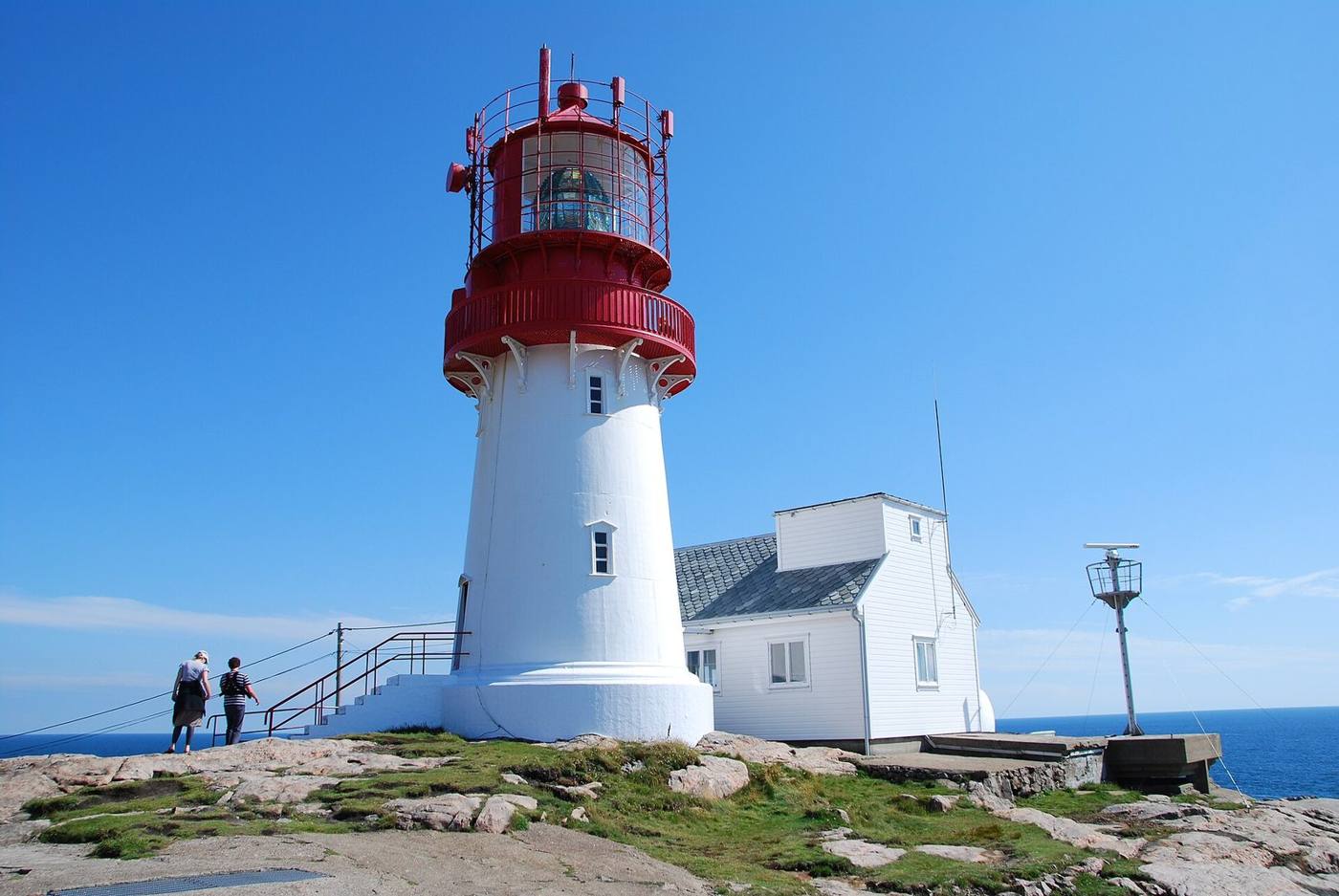
Lindesnes lighthouse stands on a windswept headland of bare rock, where the North Sea meets the Skagerrak. The first lighthouse was lit here in 1656, the first in Norway; the present one dates from the nineteenth century. You can climb the tower and visit the keepers' houses and the museum, partly cut into the rock, which tells the story of lighthouses and navigation along this dangerous coast. During the Second World War the Germans built fortifications and bunkers here, still visible.
From here, on clear days, you see ships passing towards the North Sea. A sign shows the distance to the North Cape, at the other end of the country.
In the afternoon, return to Kristiansand for your flight, train or ferry, or continue west to Stavanger and the Preikestolen, about four hours away.
Practical tip: Italian citizens only need an identity card valid for travel. Norway is in the Schengen area and uses the Norwegian krone. Cards are accepted almost everywhere.
The country's warmest, sunniest area in summer, much loved by Norwegians on holiday in July. The water stays cool. Kristiansand has ferries to Denmark. A valid identity card is enough for EU citizens. Norway is expensive: a credit card is accepted almost everywhere, even for small amounts.
Before you go
- Documents and visa
- EU citizens need only a valid identity card or passport: Norway is not in the European Union but is in the Schengen area.
- Health and vaccines
- No vaccines required. The European Health Insurance Card is valid in Norway; insurance covering mountain rescue is useful. Emergencies: 112 police, 113 ambulance, 110 fire.
- Money and payments
- Norwegian krone. Cards are accepted almost everywhere, even for small sums and on public transport; cash is hardly needed. Prices are among the highest in Europe.
- Power sockets
- Types C and F, 230 volts.
- Time zone
- UTC+1 in winter, UTC+2 in summer.
- Safety
- One of the safest countries in the world. Risks are natural: bad weather in the mountains, rockfalls, roads closed in winter. Official advice: GOV.UK.
Information checked in November 2026 for Italian and EU citizens. Rules change: always check before you travel.
Variations
In 3 days: Arendal, Grimstad and Lillesand, with kayaking among the skerries.
In 8 days: continue west to Stavanger and the Preikestolen.
Frequently asked questions
When is the best time to go?
From June to August, when the towns are lively, the sea is warmer and boats link the islands. Out of season many services close.
Do I need a car?
It is convenient for Lindesnes and the beaches. There are buses between the towns, and in summer the boat from Lillesand to Kristiansand.
What documents do I need?
Italian citizens only need an identity card valid for travel. Norway is in the Schengen area and uses the Norwegian krone.
Indicative itinerary written by World Atlas. Before booking, check timetables, seasonal openings, documents and safety.
 4 daysEasy
Trondheim and Røros
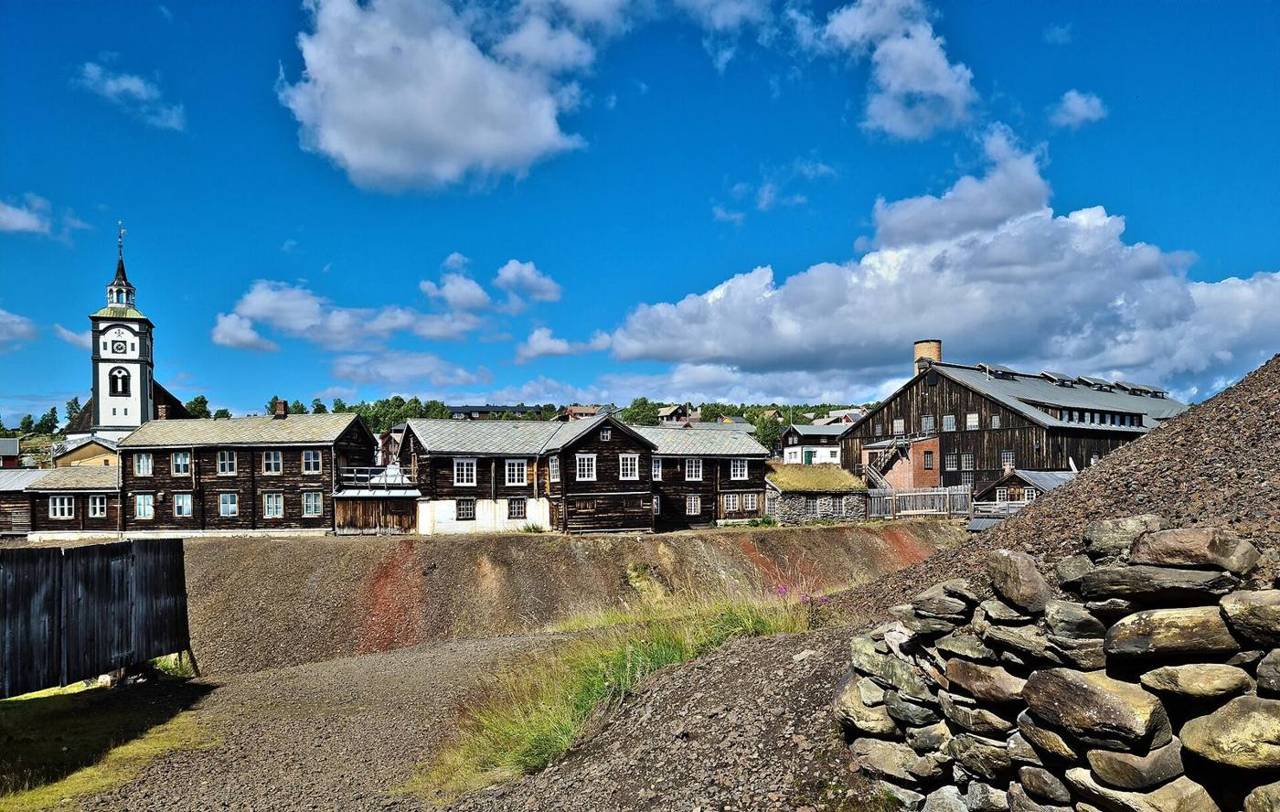
From the city of the Viking kings to the mining town: Nidaros Cathedral, the old bridge and the colourful wharf houses on the Nidelva in Trondheim, then Røros, a UNESCO site, with the wooden houses of the copper miners, the slag heaps and the baroque church.
 6 daysEasy
The Helgeland coast
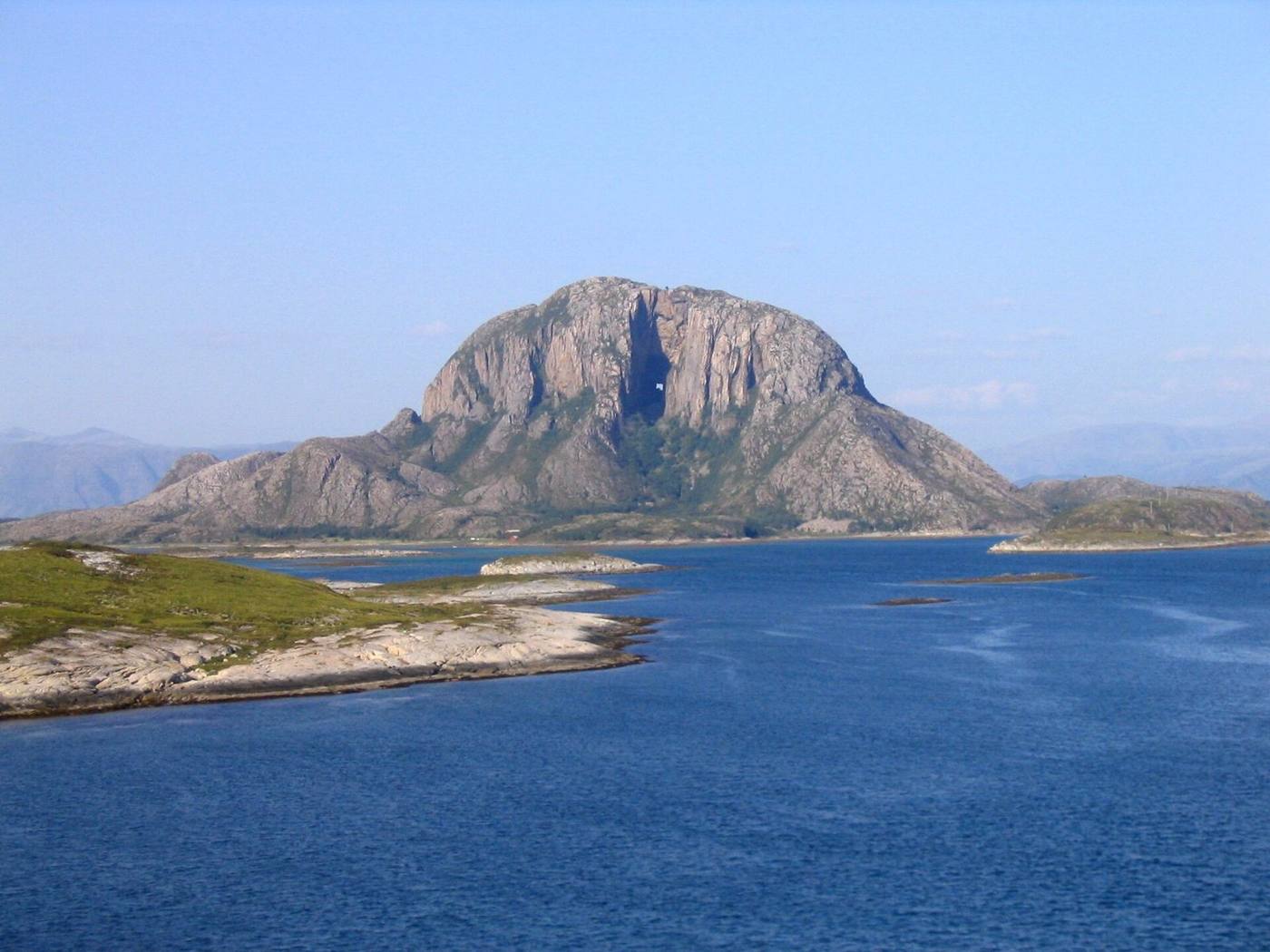
The Kystriksveien coastal route south of the Arctic Circle, made of ferries and bridges: the holed mountain of Torghatten, the Seven Sisters, the Vega archipelago (UNESCO) known for eiderdown gathering, the Svartisen glacier and the Saltstraumen tidal current.
 4 daysModerate
The Rallarvegen by bike
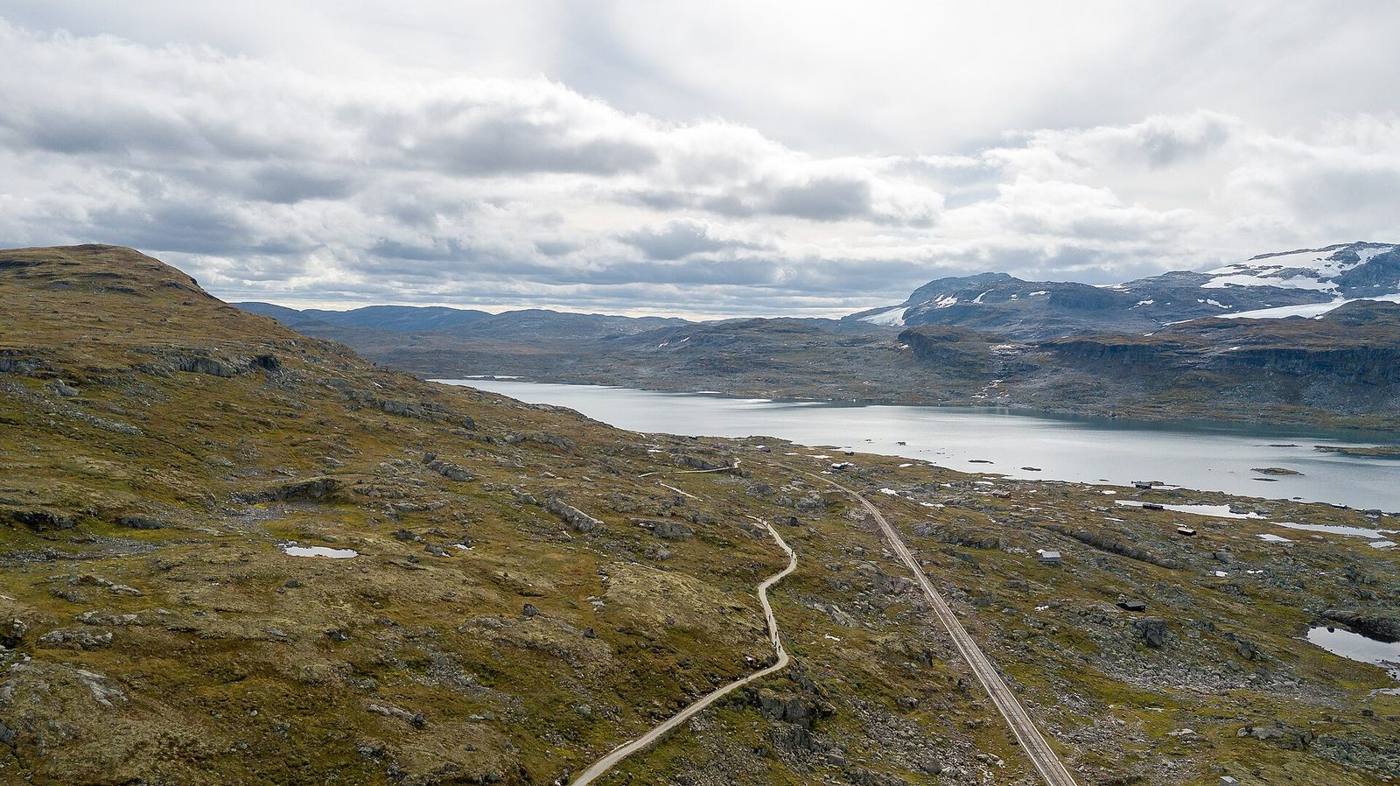
The road of the Bergen Railway builders, now the country's most famous cycle route: from the Hardangervidda plateau at Haugastøl, past lakes and snowfields even in summer, to Finse and Myrdal, then the hairpin descent down the Flåm valley to the fjord.