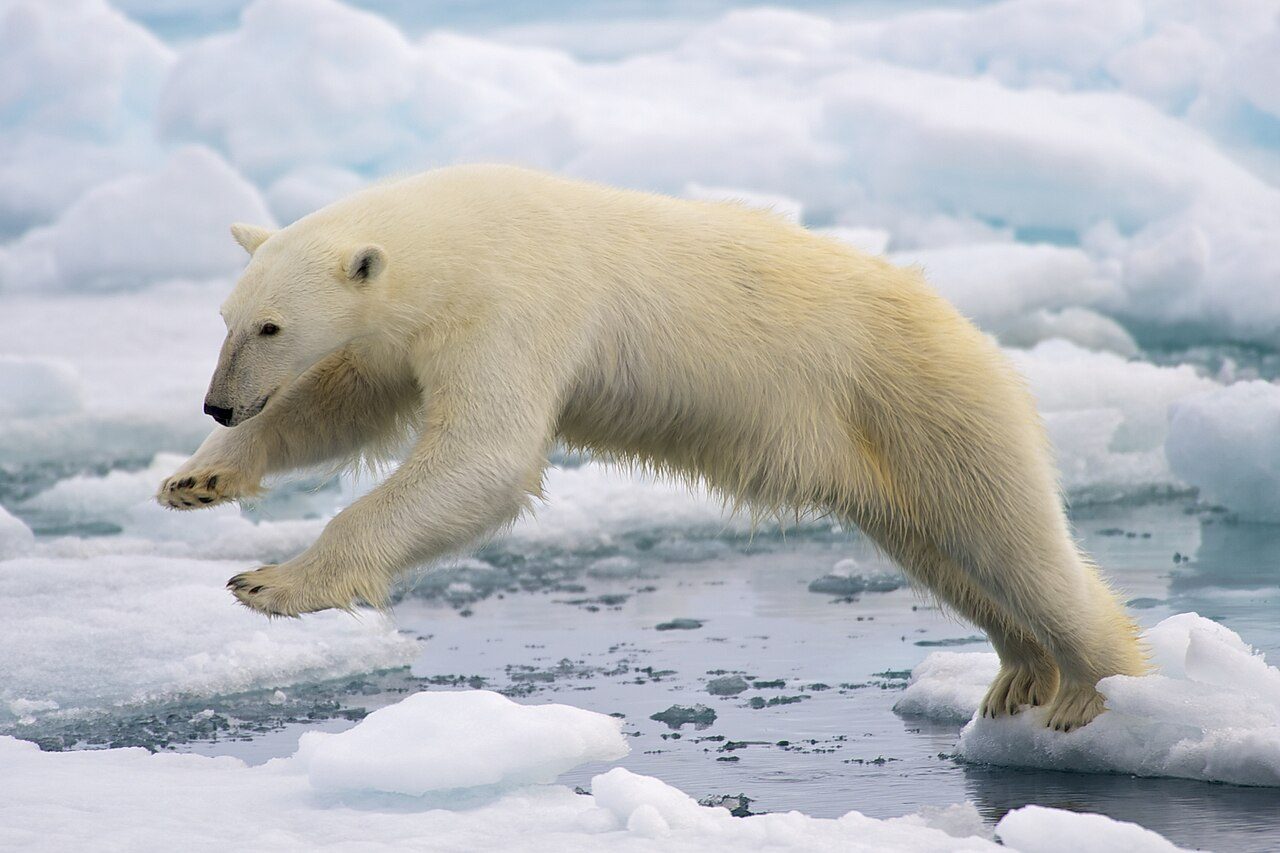
Svalbard: polar bears and ice
A thousand kilometres from the North Pole: Longyearbyen, glaciers by boat, the Russian mining town of Barentsburg, walruses and, with luck, polar bears.
- Oslo
- Longyearbyen
- Isfjord
- Barentsburg
- Pyramiden
- Longyearbyen
Day by day
- Day 1
Flight to Longyearbyen
This six-day trip takes you to Svalbard, Norway's Arctic archipelago, much closer to the North Pole than to Oslo: the town of Longyearbyen, a mountain hike with an armed guide, the glaciers and the abandoned Soviet town of Pyramiden by boat, the Russian mining town of Barentsburg and a day of kayaking or sled dogs. It is designed for summer, from June to August.
Before you go: Norway is not in the European Union but is in the Schengen area, and for mainland Norway EU citizens need only a valid identity card. Svalbard, however, is outside the Schengen area: there is a document check on flights from Oslo or Tromsø, so bring your passport, which is always accepted. Other nationalities should check their own rules. Outside the settlements there is a risk from polar bears: the rules of the Sysselmesteren, the Governor of Svalbard, require anyone leaving town to carry suitable means of scaring them off, and the Governor also recommends a firearm. For a trip like this the right choice is always to go out with a guide.
You fly from Oslo or Tromsø to Longyearbyen. From the plane you see treeless mountains, glaciers and fjords still full of floating ice. In summer the sun never sets.
In the afternoon visit the Svalbard Museum, which tells the story of the archipelago's nature and of its whalers, trappers and miners. Check prices and times before you go. Then walk along the main street, among colourful wooden houses.
Practical tip: in Svalbard the weather changes quickly and it is cold even in summer; bring a waterproof jacket, a hat, gloves and boots, and book trips and accommodation well ahead, because places are few.
- Day 2
The mountains around Longyearbyen
Today you leave town on foot, with an armed guide, into the mountains that surround Longyearbyen.
In the morning meet your guide, who carries a rifle and a means of scaring off bears, as the rules require. At the edge of town stands the road sign with the polar bear, which marks the line beyond which the risk is real. From here on you never walk alone.
The route climbs one of the mountains around the valley, over ground of stones and moss. There are no trees: in Svalbard the vegetation is made of lichens, mosses and small Arctic flowers, which in summer colour the ground white, yellow and purple. With a bit of luck you see Svalbard reindeer, small and stocky, grazing calmly, and the Arctic fox.
From the top the view opens over the Adventfjorden, the glaciers and the town. Towards the airport you can see the entrance to the Global Seed Vault, cut into the mountain to store seeds from all over the world. You cannot go inside, but you can look at it from outside.
On some hikes you search for plant fossils on the moraines of the glacier near town: imprints of leaves from millions of years ago, when the climate here was much warmer.
In the evening, after many kilometres, have a hot meal in town. The midnight sun makes it hard to sleep.
Practical tip: bring an eye mask to sleep under the midnight sun, and never approach the reindeer or the foxes: watch them from a distance.
- Day 3
The Nordenskiöld Glacier and Pyramiden
Today you sail on the Isfjord, the great fjord of Svalbard, to a glacier and a ghost town.
In the morning board the boat in Longyearbyen harbour. The crossing takes a few hours, between layered mountains, cliffs and small icebergs. Stay on deck with your binoculars: you see seabirds, seals and sometimes whales.
The boat enters the Billefjorden and stops in front of the Nordenskiöld Glacier, a great front of blue and white ice that drops into the sea. Now and then a block of ice breaks off and falls into the water with a loud crash. The boat keeps a safe distance.
Then you reach Pyramiden, a Soviet mining town abandoned in 1998. It takes its name from the pyramid-shaped mountain above it. With a guide you walk among the brick buildings, the swimming pool, the canteen and the cultural centre, left as if the inhabitants had gone yesterday. In the main square stands the bust of Lenin, said to be the northernmost in the world.
Today only a small team lives in Pyramiden to welcome visitors.
In the late afternoon the boat returns to Longyearbyen.
Practical tip: at sea it is much colder than on land, even in sunshine; dress in layers, with a windproof jacket, a hat and gloves, and if you suffer from seasickness take a remedy before setting off.
- Day 4
Barentsburg and the walrus coast
Today you visit Barentsburg, the Russian settlement that is still inhabited, and look for walruses along the coast.
In the morning set off by boat west along the Isfjord. Barentsburg is a Russian mining town where coal is still extracted. Climb the long wooden stairs from the harbour to the centre, where you find colourful blocks of flats, another bust of Lenin, a small wooden Orthodox chapel and murals from the Soviet era. Russian and Ukrainian workers live here, and few of them speak much English. With your guide you learn the story of the Svalbard Treaty, which allows citizens of many countries to live and work in the archipelago.
Then the boat follows the coast. With a bit of luck you see a group of walruses lying on a beach, huge, with long tusks and pinkish skin. Svalbard's rules require boats to stay at least 150 metres from the places where walruses rest, and to go slowly.
Along the way you also pass the seabird cliffs, where thousands of birds nest on the rock faces. In summer the noise and movement never stop.
If the boat sights a polar bear, it stays well away: the rules require a distance of at least 300 metres from bears, and 500 metres from March to June.
In the evening you return to Longyearbyen.
Practical tip: bring binoculars and a telephoto lens, because animals are always watched from afar; do not use drones, which are banned in protected areas.
- Day 5
Kayak or dog sledding
Today you choose an activity to experience the Arctic actively.
The first option is kayaking on the fjord. With an armed guide and a drysuit you paddle on the calm waters near Longyearbyen, among pieces of floating ice, seabirds and layered mountains reflected in the water. The silence is complete, broken only by the cries of the gulls and the sound of the paddles. You do not need much experience: the guide explains everything before you set off.
The second option is dog sledding on wheels. In summer there is no snow in the valley, so the sled dogs pull a wheeled cart along the dirt tracks. Before setting off you visit the kennels, home to dozens of Arctic dogs, which bark and jump with eagerness to run. You learn how to harness the dogs and drive the cart, then set off through the valley, with the wind in your face and glaciers all around.
In the afternoon take a last walk around town. Look at the old coal cableway, with its wooden pylons crossing the valley: a reminder of the time when Longyearbyen lived only from its mines. Stop also at the small wooden church.
In the evening have dinner with dishes from the north: fish soup, cod or reindeer meat.
Practical tip: for kayaking wear warm synthetic layers under the drysuit and bring a dry change of clothes; the water of the fjord is icy all year round, so always follow your guide.
- Day 6
Return and departure
Today is the last day: you leave Svalbard on your return flight.
If your flight leaves late, in the morning walk along the valley of the town, always within the limits of the settlement, and look one last time at the fjord and the glaciers. You can also stop at the shops in the centre, where you find technical clothing and books on polar history. Then go to the small airport, a few kilometres from town.
In six days you have seen the real Arctic, reachable on a scheduled flight: Longyearbyen and its museum, the treeless mountains with reindeer and Arctic foxes, the Nordenskiöld Glacier dropping into the sea, the ghost town of Pyramiden, the Russian town of Barentsburg, the walruses and the bird cliffs, and a day by kayak or with the dogs. Polar bears, on the other hand, are rarely seen on day trips: to have a good chance you need an expedition cruise of several days around the archipelago, which is very expensive.
When to go: for this trip the best period is from June to August, with the midnight sun, fjords open to boats and Arctic flowers. In March and April there is light again and the snow allows snowmobiling and real dog sledding, but it is very cold and the boats do not sail. From late October to mid-February the sun does not rise: this is the polar night.
Practical tip: everything in Svalbard is expensive; book flights, accommodation and trips well in advance and check current prices and times before you leave.
The real Arctic, reachable on a scheduled flight. You cannot leave town without an armed guide because of the bear risk. Day trips rarely see bears: to really see them you need a 7-10 day expedition cruise, which is very expensive. Everything is costly and places are few, so book early.
Before you go
- Documents and visa
- EU citizens need only a valid identity card or passport: Norway is not in the European Union but is in the Schengen area.
- Health and vaccines
- No vaccines required. The European Health Insurance Card is valid in Norway; insurance covering mountain rescue is useful. Emergencies: 112 police, 113 ambulance, 110 fire.
- Money and payments
- Norwegian krone. Cards are accepted almost everywhere, even for small sums and on public transport; cash is hardly needed. Prices are among the highest in Europe.
- Power sockets
- Types C and F, 230 volts.
- Time zone
- UTC+1 in winter, UTC+2 in summer.
- Safety
- One of the safest countries in the world. Risks are natural: bad weather in the mountains, rockfalls, roads closed in winter. Official advice: GOV.UK.
Information checked in November 2026 for Italian and EU citizens. Rules change: always check before you travel.
Variations
Shorter version: in four days you do Longyearbyen, the mountain hike and the boat to Pyramiden.
Longer version: replace the day trips with a week-long expedition cruise around the archipelago, for a better chance of seeing polar bears.
Frequently asked questions
Can you walk alone outside Longyearbyen?
Only if you carry suitable means of scaring off polar bears, as required by the rules of the Sysselmesteren, which also recommends a firearm. For holidaymakers the right choice is always to go out with a guide.
Will you see polar bears?
Rarely on day trips. The best chances come on expedition cruises of several days, which must still stay at least 300 metres from bears, and 500 from March to June.
What document do you need for Svalbard?
Svalbard is outside the Schengen area and there is a document check on flights from mainland Norway: bring your passport, which is always accepted.
Indicative itinerary written by World Atlas. Before booking, check timetables, seasonal openings, documents and safety.
 7 daysEasy
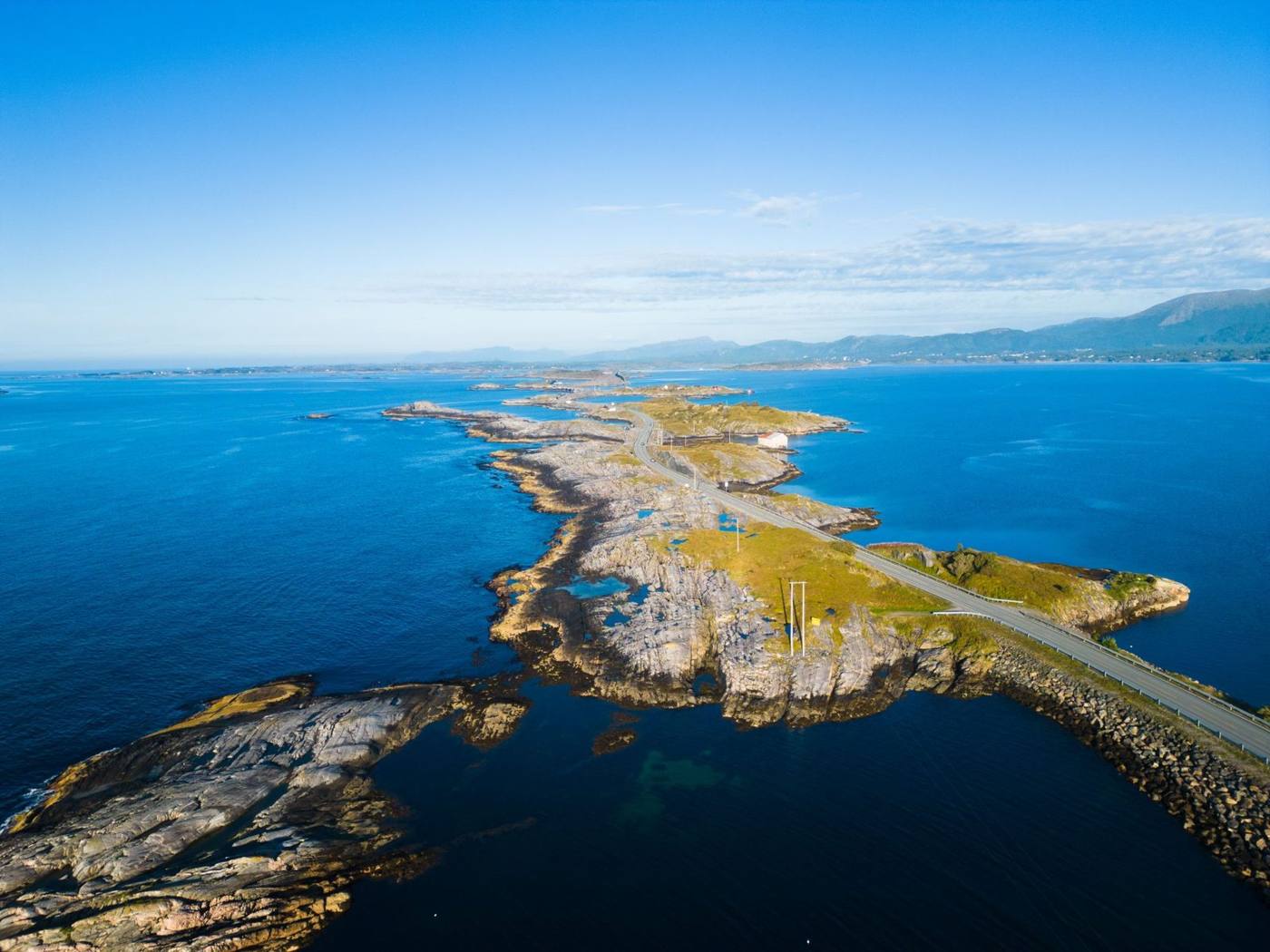
Atlantic Road, Trollstigen and Ålesund
A road loop from Ålesund: the Atlantic Road across bridges between islets, the Romsdal valley, the hairpins of Trollstigen and the Geirangerfjord.
 7 daysEasy
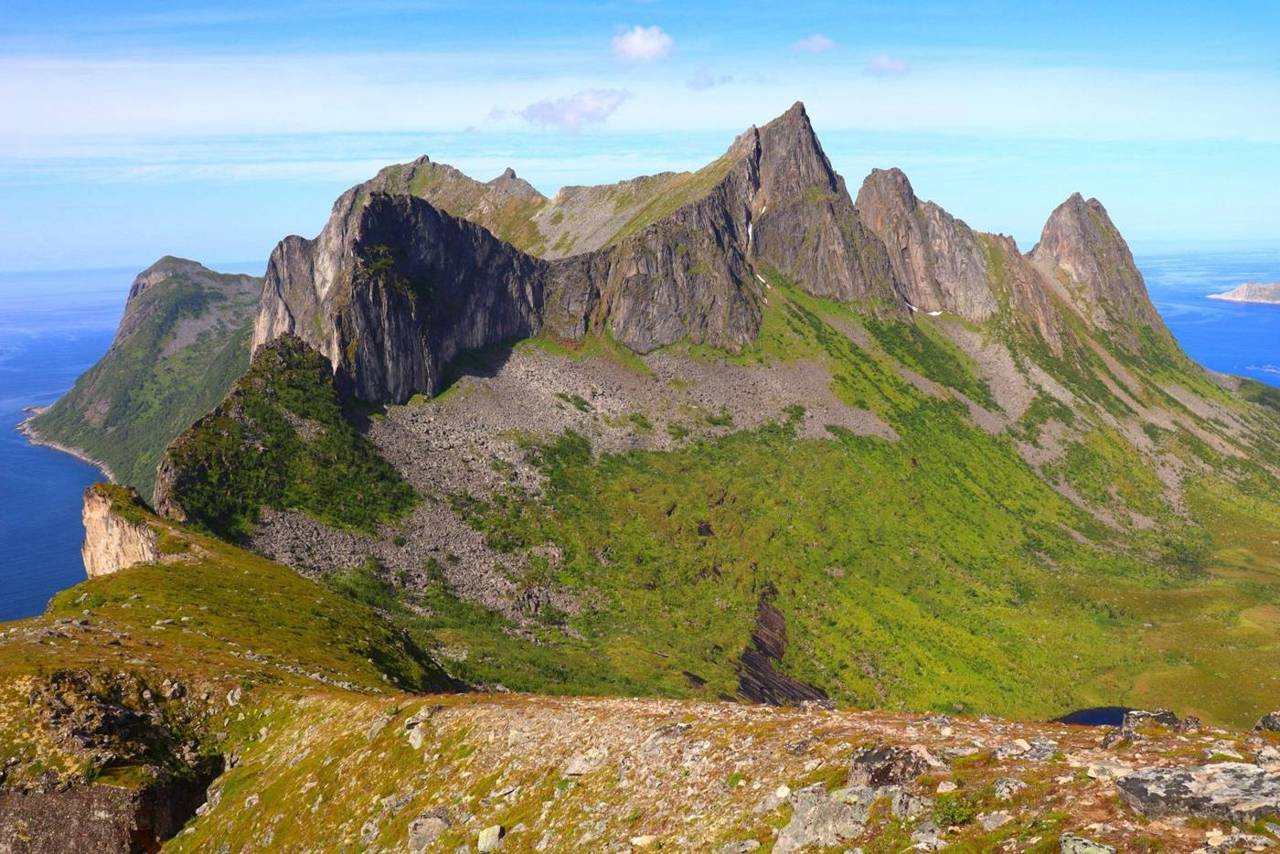
Senja and Vesterålen
The quiet alternatives to Lofoten: the sheer mountains of Senja and sperm whale safaris from Andenes in Vesterålen.
 4 daysEasy
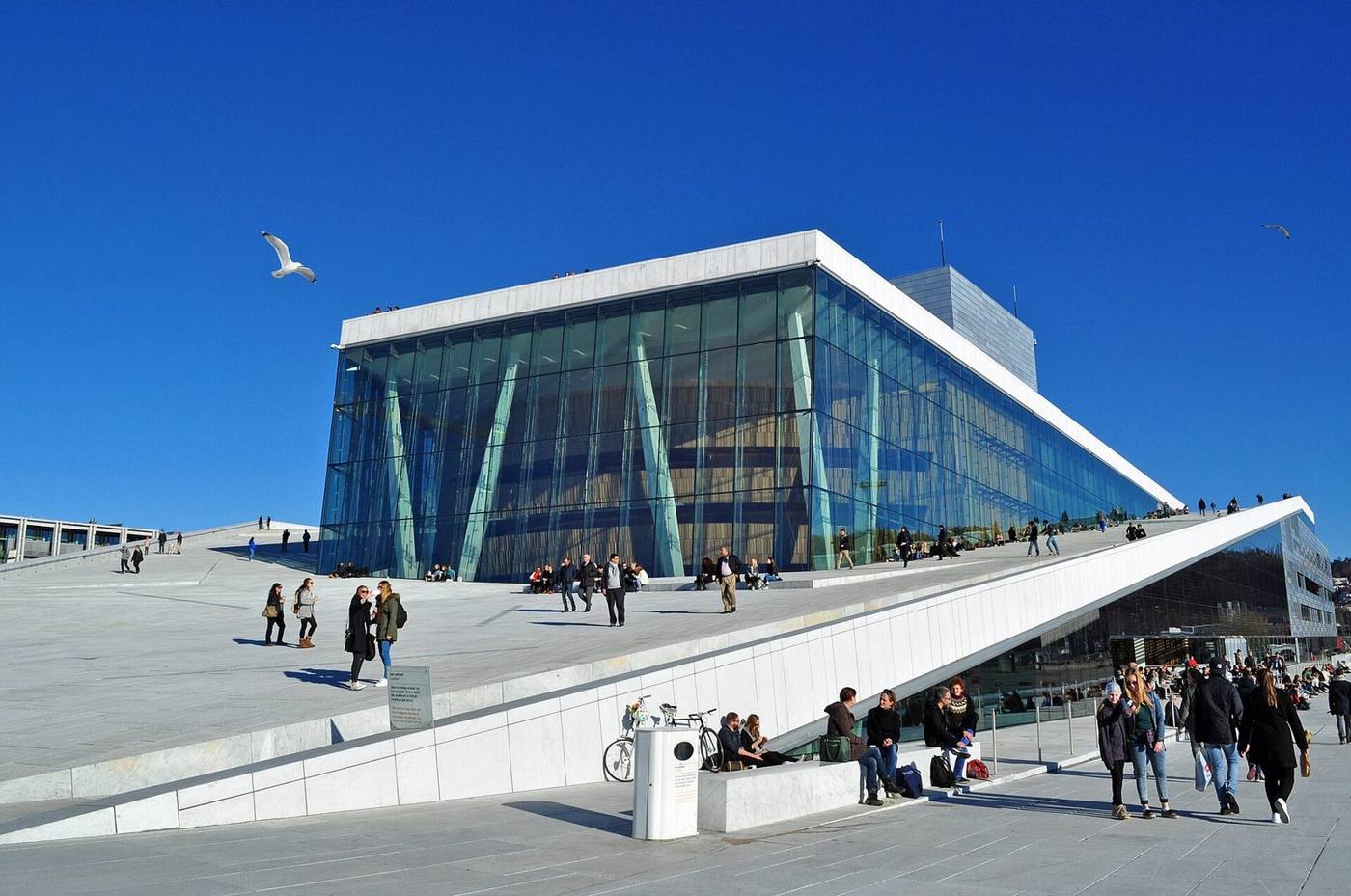
Oslo in depth
The capital on its fjord: the Opera House roof you can walk on, the Munch Museum and the new National Museum, Vigeland Park and its sculptures, the Bygdøy peninsula with the polar ships Fram and Kon-Tiki and the open-air museum, and a floating sauna in the harbour.