Oslo in depth
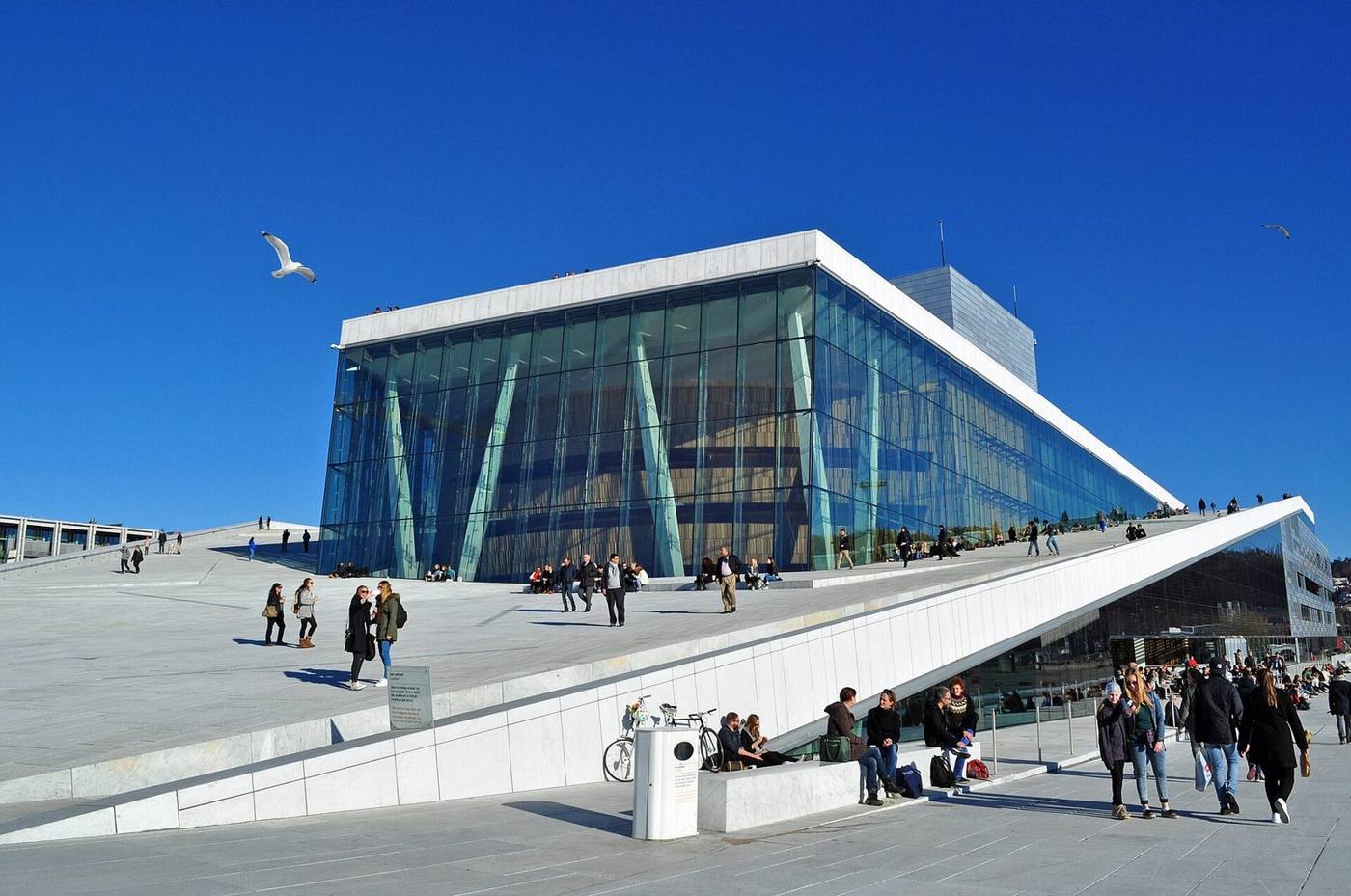
The capital on its fjord: the Opera House roof you can walk on, the Munch Museum and the new National Museum, Vigeland Park and its sculptures, the Bygdøy peninsula with the polar ships Fram and Kon-Tiki and the open-air museum, and a floating sauna in the harbour.
- Oslo
- Bygdøy
- Holmenkollen
Day by day
- Day 1
The Opera House, the Munch museum and the Bjørvika waterfront
Oslo is a small capital, surrounded by forest and facing a fjord, which over the last twenty years has turned its old industrial harbour into a waterfront full of modern architecture. From Gardermoen airport the express train reaches the central station in about twenty minutes. Stay in the centre or around Bjørvika: almost everything can be done on foot and by tram.
Start with the Opera House, a few steps from the station: a large white building of marble and glass that looks like an iceberg rising from the water. The best thing is that you can walk on the roof, which slopes all the way down to the level of the fjord: climb to the top for the view of the city, the islands and the new districts. Inside, if there is a performance on, it is worth booking.
Next door is the Munch museum, a tall slender tower opened in 2021, with the world's largest collection of works by Edvard Munch, the painter of The Scream. The different versions of The Scream are not always shown together: they are displayed in turn to protect them from light. From the upper floors the view of the fjord is superb.
In the afternoon walk along the harbour to Akershus fortress, medieval, with walls above the sea and a quiet garden, then continue to Aker Brygge and Tjuvholmen, the old shipyard district, now full of bars and small city beaches.
In the evening taste fish from the fjord, smoked salmon and prawns. Practical tip: in Norway almost everything is paid by card, even small purchases; you will hardly need cash.
- Day 2
The National Museum and Vigeland park
In the morning visit the National Museum, opened in 2022 near the city hall: it is the largest art museum in the Nordic countries, with painting, design and architecture from the Middle Ages to today. Here you find one of Munch's versions of The Scream and the room with his most famous works, together with nineteenth-century romantic landscapes of the fjords and a rich section of Scandinavian design, from furniture to everyday objects. Allow at least three hours.
On the way out, step into the city hall, the large red-brick building with two towers: inside, the walls are covered with murals about the country's history, and every year on 10 December the Nobel Peace Prize is awarded here. Entry is usually no-cost.
In the afternoon take the tram or metro to Frogner park, home to Gustav Vigeland's sculpture park: more than two hundred bronze and granite statues portraying the cycle of human life, from birth to old age. At the centre stands the Monolith, a granite column more than fourteen metres high, carved with 121 intertwined human figures. The park is open all year, day and night, and no-cost.
Afterwards stroll through the Frogner and Majorstuen districts, with their elegant early twentieth-century houses.
In the evening head to Grünerløkka, along the Akerselva river, a young neighbourhood with bars, flea markets and murals. Practical tip: transport tickets are bought with the city's official app and are valid on trams, buses, the metro and the fjord ferries.
- Day 3
The Bygdøy peninsula: the Fram, the Kon-Tiki and the open-air museum
The Bygdøy peninsula, west of the centre, gathers some of Norway's most famous museums. From April to October you get there on the small ferry from the pier in front of the city hall, in a quarter of an hour; the rest of the year by bus.
Start at the Fram museum, home to the wooden polar ship used by Nansen and Amundsen on their expeditions towards the North and South Poles. The original ship stands inside the museum and you can go on board to see the cabins, the galley and the engine room. You get a clear idea of how the explorers lived for years among the ice.
Opposite is the Kon-Tiki museum, with the balsa-wood raft on which Thor Heyerdahl crossed the Pacific from Peru to Polynesia in 1947, to show that ancient peoples could have made the same journey. There is also the reed boat Ra II, used to cross the Atlantic.
In the afternoon visit the Norsk Folkemuseum, the open-air museum of Norwegian life: more than 150 buildings brought from all over the country, including wooden farms, town houses and a medieval stave church, the Gol stavkirke from the thirteenth century. In summer there are people in costume, animals and craftspeople at work.
The Viking Ship Museum, which stood on the same peninsula, has been closed for years while a new museum is built: check whether it has reopened. Before returning, stop at one of Bygdøy's beaches, such as Huk. Practical tip: there is a combined ticket for some of the peninsula's museums; see whether it is worth it.
- Day 4
The Holmenkollen ski jump, a sauna on the fjord and departure
In the morning take metro line 1, which climbs into the hills north of the city in about twenty minutes, to Holmenkollen station. From there it is a fifteen-minute walk to the ski jump, a huge steel structure towering over Oslo, which has hosted World Cup competitions since 1892. At its base is the ski museum, the oldest in the world, telling four thousand years of skiing history, from polar expeditions to Olympic champions. A lift and a few steps take you to the top of the jump: from the platform you see the city, the fjord and the islands.
If you have time, continue on the metro to the end of the line at Frognerseteren and walk in the Nordmarka forest, where people from Oslo ski in winter and hike in summer. The path down to Lake Sognsvann is easy and pleasant.
In the early afternoon return to the centre and try one of the floating saunas on the fjord, around the Opera House and Sørenga: wooden cabins on the water where you warm up and then jump into the sea, even in winter. Norwegians love this habit. You usually book online by time slot; bring a swimsuit.
Then go back to the hotel, collect your bags and head to the station for the express train to the airport. Practical tip: between November and February the days in Oslo are very short, with only a few hours of light; plan outdoor visits around midday and leave the museums for the afternoon.
Public transport tickets also cover the fjord ferries. Vigeland Park is at no cost. Combines with the train to Bergen. A valid identity card is enough for EU citizens. Norway is expensive: a credit card is accepted almost everywhere, even for small amounts.
Before you go
- Documents and visa
- EU citizens need only a valid identity card or passport: Norway is not in the European Union but is in the Schengen area.
- Health and vaccines
- No vaccines required. The European Health Insurance Card is valid in Norway; insurance covering mountain rescue is useful. Emergencies: 112 police, 113 ambulance, 110 fire.
- Money and payments
- Norwegian krone. Cards are accepted almost everywhere, even for small sums and on public transport; cash is hardly needed. Prices are among the highest in Europe.
- Power sockets
- Types C and F, 230 volts.
- Time zone
- UTC+1 in winter, UTC+2 in summer.
- Safety
- One of the safest countries in the world. Risks are natural: bad weather in the mountains, rockfalls, roads closed in winter. Official advice: GOV.UK.
Information checked in November 2026 for Italian and EU citizens. Rules change: always check before you travel.
Variations
In 2 days: the Opera House and Munch museum on day one, Bygdøy and Vigeland park on day two.
In 6 days: add the train and boat journey to the western fjords on the Norway in a Nutshell route, ending in Bergen.
Frequently asked questions
Is Oslo very expensive?
Yes, eating out and alcohol cost a lot. To save money, use supermarkets, choose the lunch dish of the day and make the most of no-cost places such as Vigeland park and the Opera House roof.
When is the best time to go?
From May to September, with long days and the Bygdøy ferries running. In winter the city is lovely with snow, but daylight lasts only a few hours.
Do I need special documents?
Norway is in the Schengen area: citizens of the European Union need only an identity card valid for travel abroad or a passport.
Indicative itinerary written by World Atlas. Before booking, check timetables, seasonal openings, documents and safety.
 5 daysChallenging
Jotunheimen and the Besseggen ridge
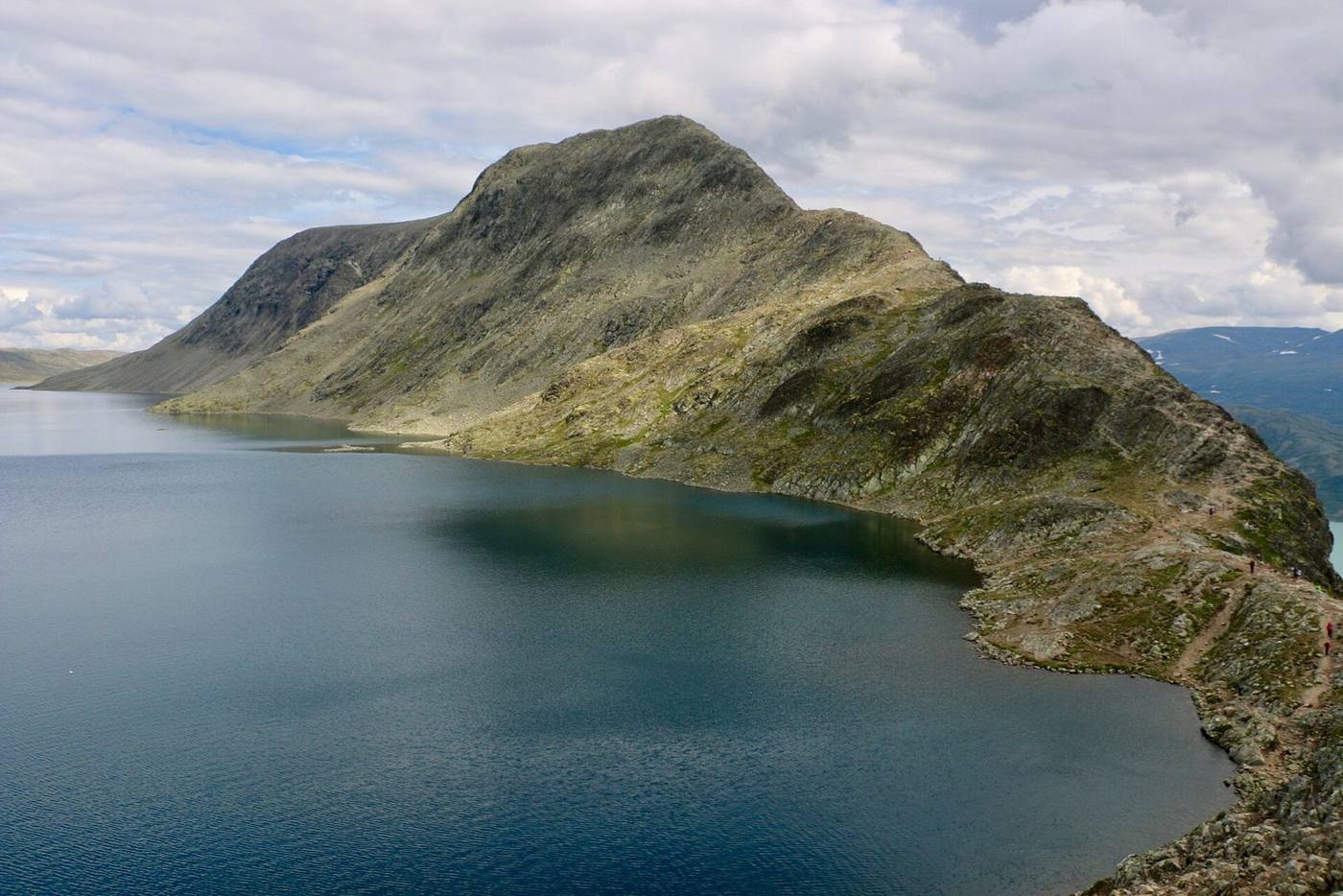
The home of the giants: the Besseggen ridge traverse between green Lake Gjende and blue Lake Bessvatnet, the scenic Sognefjellet road, the guided ascent of Galdhøpiggen, the highest peak in Northern Europe, and the mountain lodges.
 5 daysModerate
Rondane and Dovrefjell
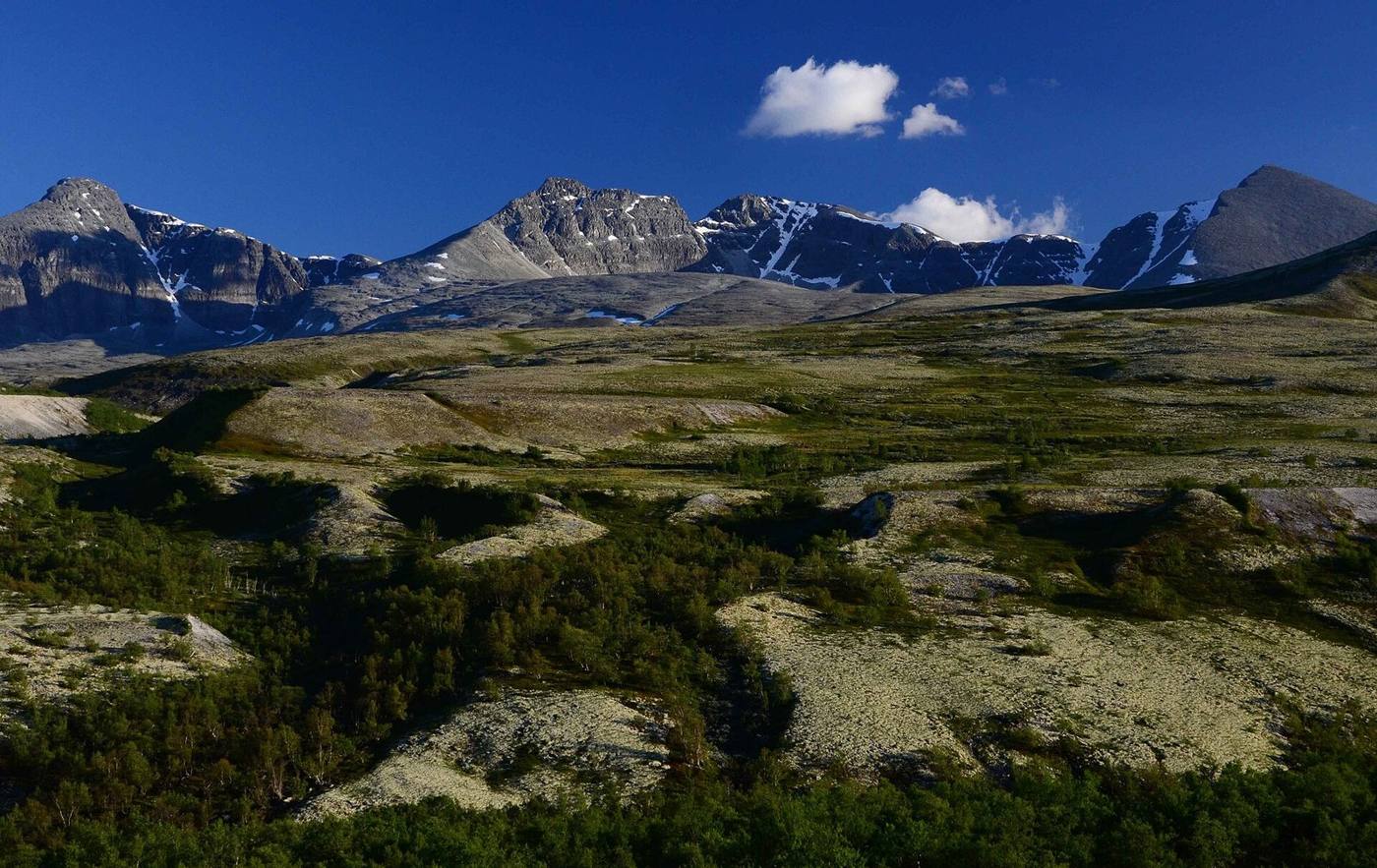
Norway's high plateaus: the country's first national park, Rondane, with its rounded peaks and wild reindeer, then the Dovrefjell plateau with guided walks to see musk oxen, Ice Age animals, and the Snøhetta reindeer observation pavilion.
 5 daysEasy
The Sørlandet south coast
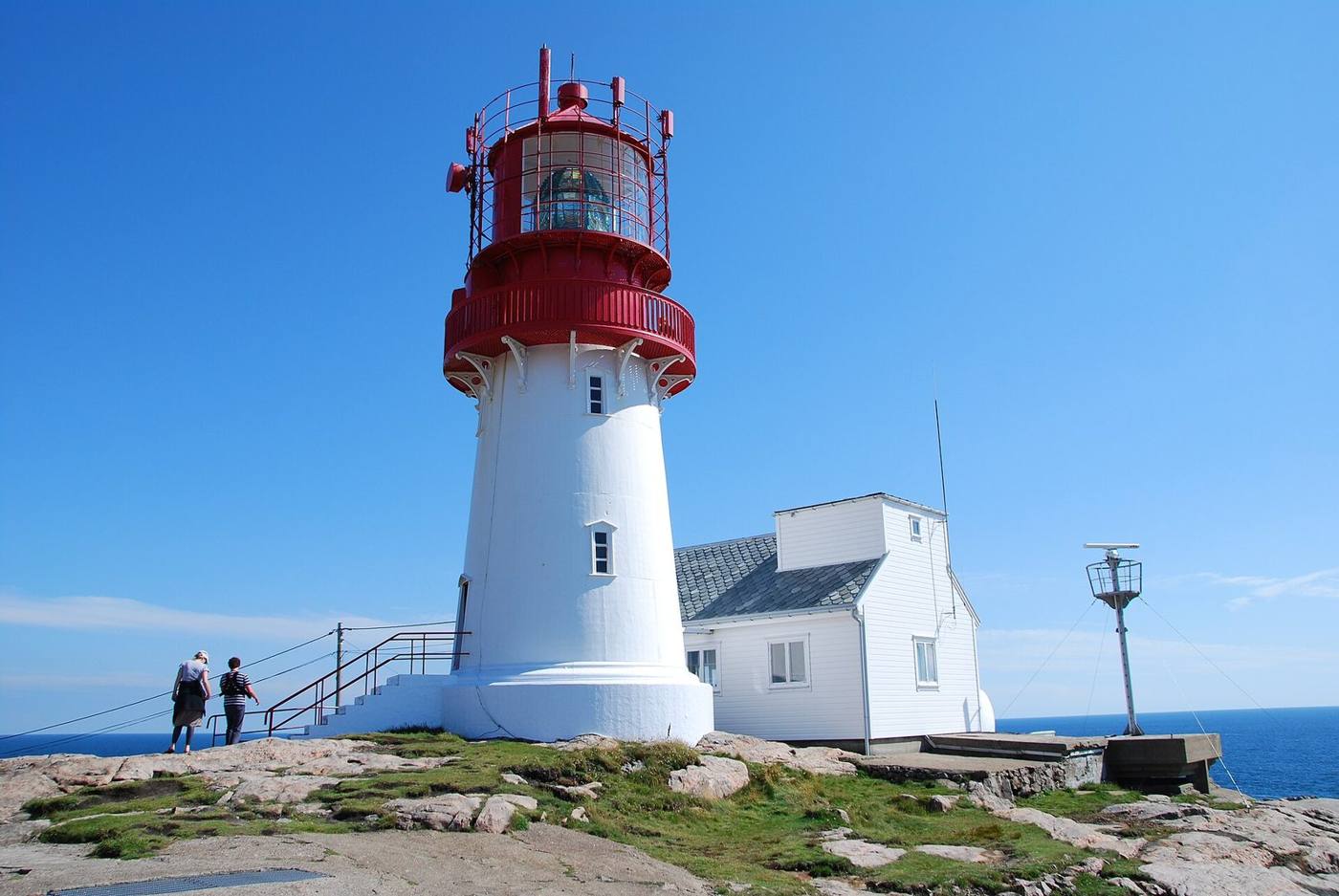
The Norwegian summer by the sea: white wooden towns such as Lillesand, Grimstad and Arendal, the archipelago of smooth rocks to explore by boat or kayak, Kristiansand with its centre and beaches, and Lindesnes lighthouse, the southernmost point of mainland Norway.