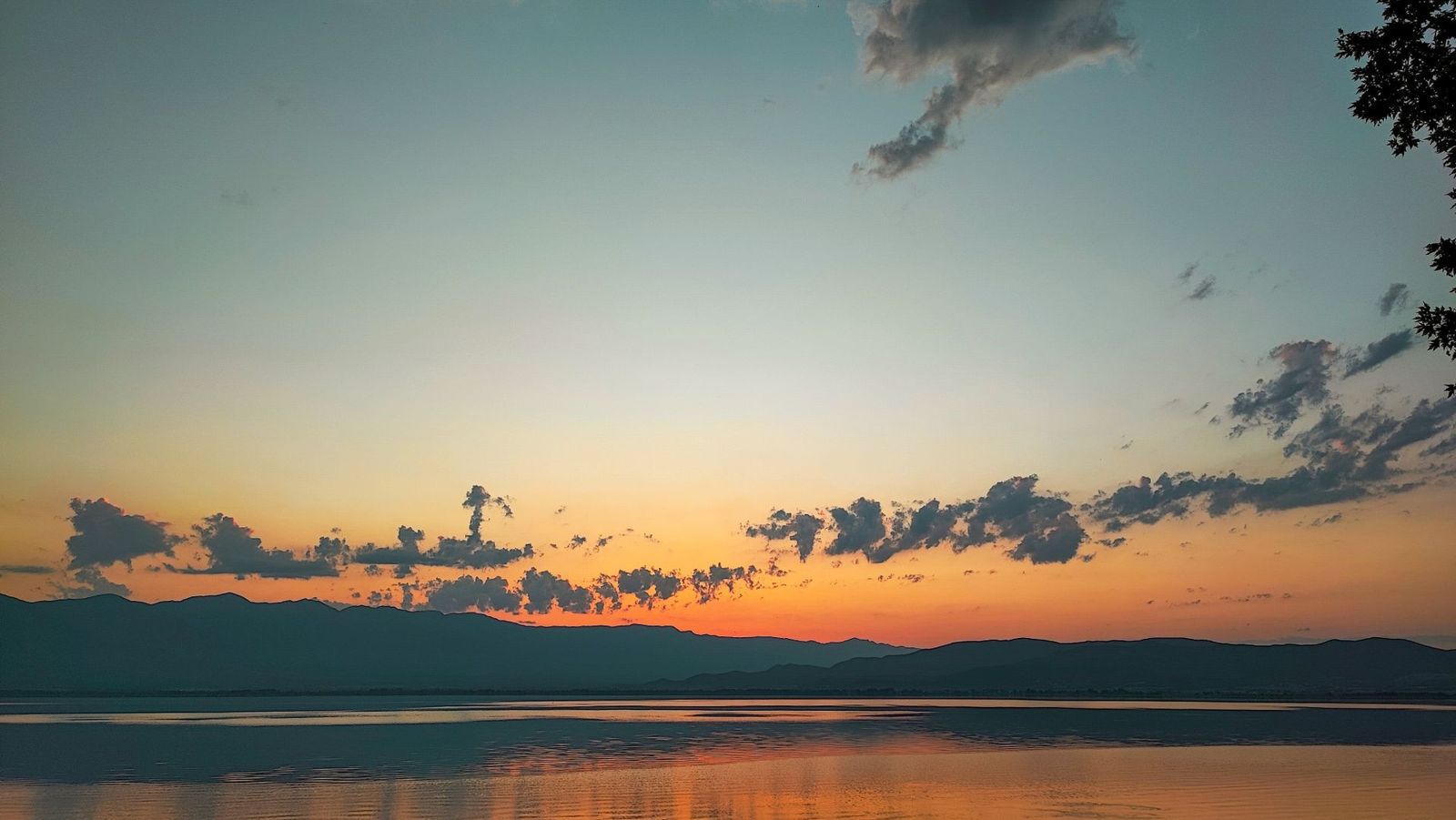
Dojran and the south-east
Lake Dojran with its traditional cormorant-assisted fishing and beaches, the Kolešino and Smolare waterfalls and the town of Strumica.
- Dojran
- Strumica
- Kolešino
- Smolare
Day by day
- Day 1
Lake Dojran
This trip takes you to south eastern North Macedonia: Lake Dojran, warm and quiet, with its old tradition of fishing with cormorants, the waterfalls of Kolešino and Smolare on Mount Belasica and the town of Strumica with its Byzantine monasteries. You travel by car.
Before you go: Italian citizens can enter North Macedonia with an electronic identity card or a passport, with no visa needed, for stays of up to 90 days; bring a document with at least three months' remaining validity. The paper identity card has no longer been valid for foreign travel since 3 August 2026. Other nationalities should check their own rules. The country is not in the European Union: the EHIC is not valid, so take out travel health insurance. The currency is the denar. Crime against tourists is low; from April to October there are wildfires, and the border with Greece runs through the middle of the lake and along the crest of Belasica: cross it only at official crossing points.
From Skopje drive south east for about two and a half hours, or from Thessaloniki, in Greece, for about an hour and a half. You arrive at Star Dojran, the village on the western shore of the lake. The lake is shallow and in summer the water is warm, warmer than Lake Ohrid. The beaches are simple, with grass, reed beds and wooden jetties, used mainly by Macedonian families.
In the afternoon have a swim and then walk along the lakeside to the jetty, from which you see the whole shore and, on the other side, the Greek villages.
In the evening try fish from the lake, fried or grilled, with a šopska salad of tomatoes, cucumbers and white cheese.
Practical tip: if you hire a boat or a pedalo, stay close to the Macedonian shore: the border with Greece runs through the lake and is not marked on the water.
- Day 2
Cormorant fishing and the waterfalls of Belasica
You divide the second day between the lake at dawn and the mountain.
At sunrise go back to the shore to see, if you are lucky, Dojran's traditional fishing. For centuries fishermen have built reed enclosures in the lake, called mandri, and used wild cormorants to drive the fish towards the nets. Today this fishing is rare and happens mostly in winter: ask the village fishermen if and when you can see it, and accept that it may not happen during your trip.
Then drive east for about an hour, to the foot of Mount Belasica, to the village of Kolešino. A short walk through the chestnut woods takes you to the Kolešino waterfall, which pours down a moss covered rock face into a small, cool pool.
In the afternoon go to the nearby village of Smolare. Here a long staircase of wood and stone climbs through the forest to the Smolare waterfall, one of the highest in the country, which falls from a sheer wall into a green gorge. The climb takes a little breath, but it is short. At the top the air is cool even on hot days.
In the evening sleep in a Belasica village or in Strumica.
Practical tip: wear shoes with a good grip, because the steps and rocks near the waterfalls are wet and slippery. Do not climb towards the crest: the border with Greece and Bulgaria runs along it.
- Day 3
Strumica, the monasteries and the return
On the last day you discover Strumica and two of the oldest monasteries in North Macedonia.
In the morning visit the monastery of Veljusa, on a hill just outside town. Its church, from the eleventh century, is dedicated to the Virgin of Tenderness, with small domes and Byzantine frescoes. Then go to the nearby monastery of Vodoča, with the church of St Leontius, also medieval. They are active places of worship: go in with your shoulders and legs covered and check the opening times.
Then climb to the fortress of Carevi Kuli, the Tsar's towers, above the town. Little remains of the walls, but the view over the Strumica plain is wide. In town look round the market, full of peppers, tomatoes, watermelons and other produce from the valley, one of the most fertile in the country. If you are here before Lent, find out about the Strumica carnival, with masks and parades.
In the afternoon return to Skopje, about two and a half hours away, or head towards Thessaloniki.
Trip summary: in three days you have seen Lake Dojran with its beaches and traditional fishing, the waterfalls of Kolešino and Smolare on Belasica and the monasteries of Veljusa and Vodoča at Strumica. It is a quiet corner of the country, visited mainly by Macedonians.
When to go: from June to September for swimming in the lake. July and August are very hot; in June and September the waterfalls have more water and the heat is gentler.
Practical tip: carry cash in denars, because in the villages, at the monasteries and at the market cards are not always accepted.
A warm, quiet lake, used mostly by Macedonians. Cormorant fishing is rare now: ask the fishermen. The Greek border runs through the lake.
Before you go
- Documents and visa
- EU citizens can enter with a valid identity card or passport, without a visa, for stays of up to 90 days in any 180. North Macedonia is not in the EU or the Schengen area. Other nationalities should check their own rules; British passports need at least three months' validity beyond the date you leave.
- Health and vaccines
- No vaccines required. The EHIC is not valid: take insurance covering medical costs and repatriation, and helicopter rescue if you hike in the mountains. Summers in the valleys are very hot: drink plenty of water. Emergencies: 112.
- Money and payments
- Macedonian denar. Cards work in cities and tourist areas; villages, markets and mountain guesthouses need cash. There are cash machines in every town.
- Power sockets
- Types C and F, 230 volts: you need an adapter for British plugs.
- Time zone
- Central European Time (UTC+1, summer UTC+2).
- Safety
- Attacks on foreign nationals are extremely rare, but there is pickpocketing and bag snatching in Skopje's shopping and nightlife areas, especially late at night. The UK says terrorist attacks cannot be ruled out and that organised crime groups are active in northern areas near the border with Kosovo. Wildfires are possible from April to October and the authorities often close forests in summer. Avoid driving after dark on unfamiliar rural roads. In the mountains the weather changes quickly and trails are not always marked: do not hike alone. Official advice: GOV.UK.
Information checked in November 2026 for Italian and EU citizens. Rules change: always check before you travel.
Variations
Shorter version: in two days you see Lake Dojran and the Smolare waterfall.
Longer version: add two days for the wines of Tikveš and the ruins of Stobi, on the way to Skopje.
Frequently asked questions
Can you swim in Lake Dojran?
Yes, in summer the water is warm and the lake is shallow. The beaches are simple, with grass and jetties. Always stay close to the Macedonian shore.
Can you see the cormorant fishing?
It has become rare and happens mostly in winter. Ask the fishermen in Star Dojran, but do not count on it.
Which is the most convenient airport for Dojran?
Thessaloniki, in Greece, about an hour and a half away. Skopje is about two and a half hours away. There are document checks at the border.
Indicative itinerary written by World Atlas. Before booking, check timetables, seasonal openings, documents and safety.
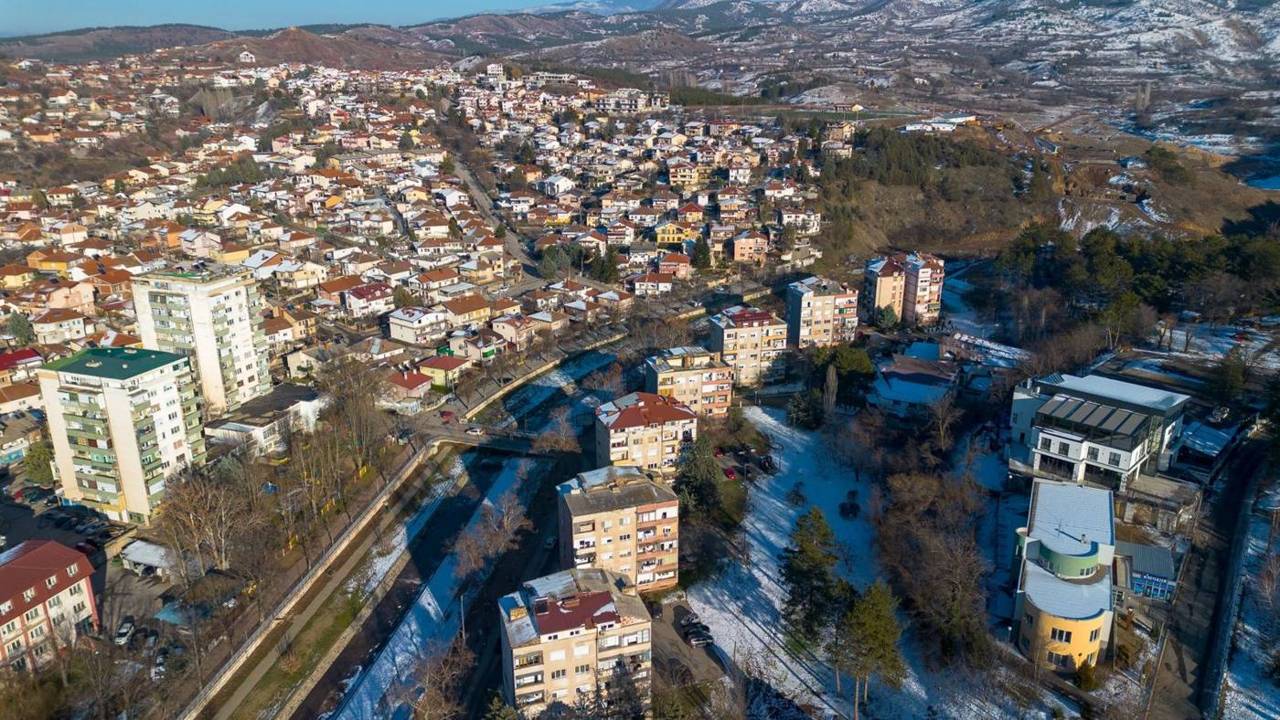 3 daysEasy
Kruševo and Prilep
Kruševo, the highest town in the Balkans with its Aromanian houses and the Makedonium monument, Prilep with King Marko's towers and Treskavec monastery on the mountain.
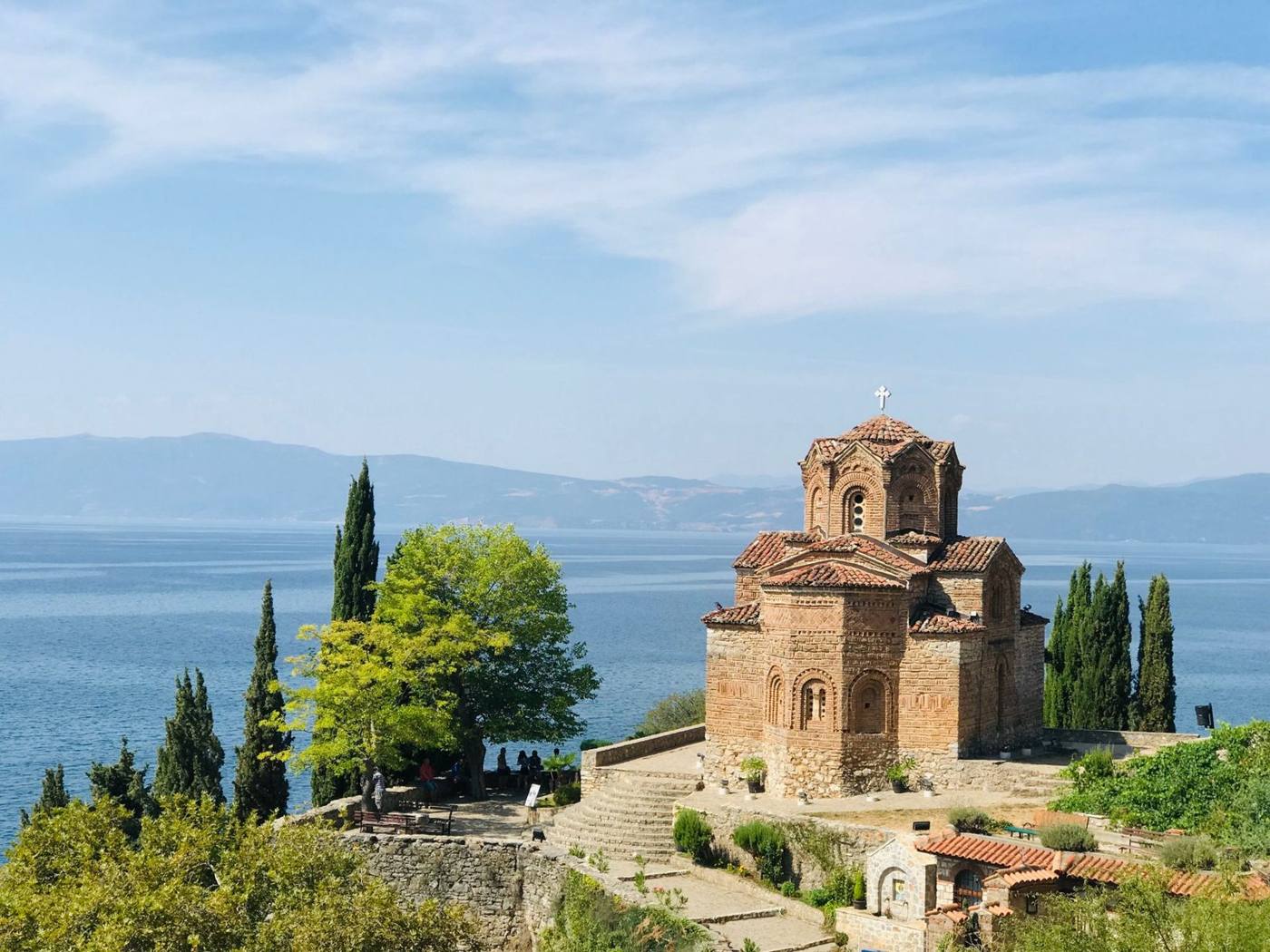 5 daysEasy
Ohrid and its lake
The UNESCO town of churches, St John at Kaneo on its cliff, the monastery of St Naum and the springs feeding the lake.
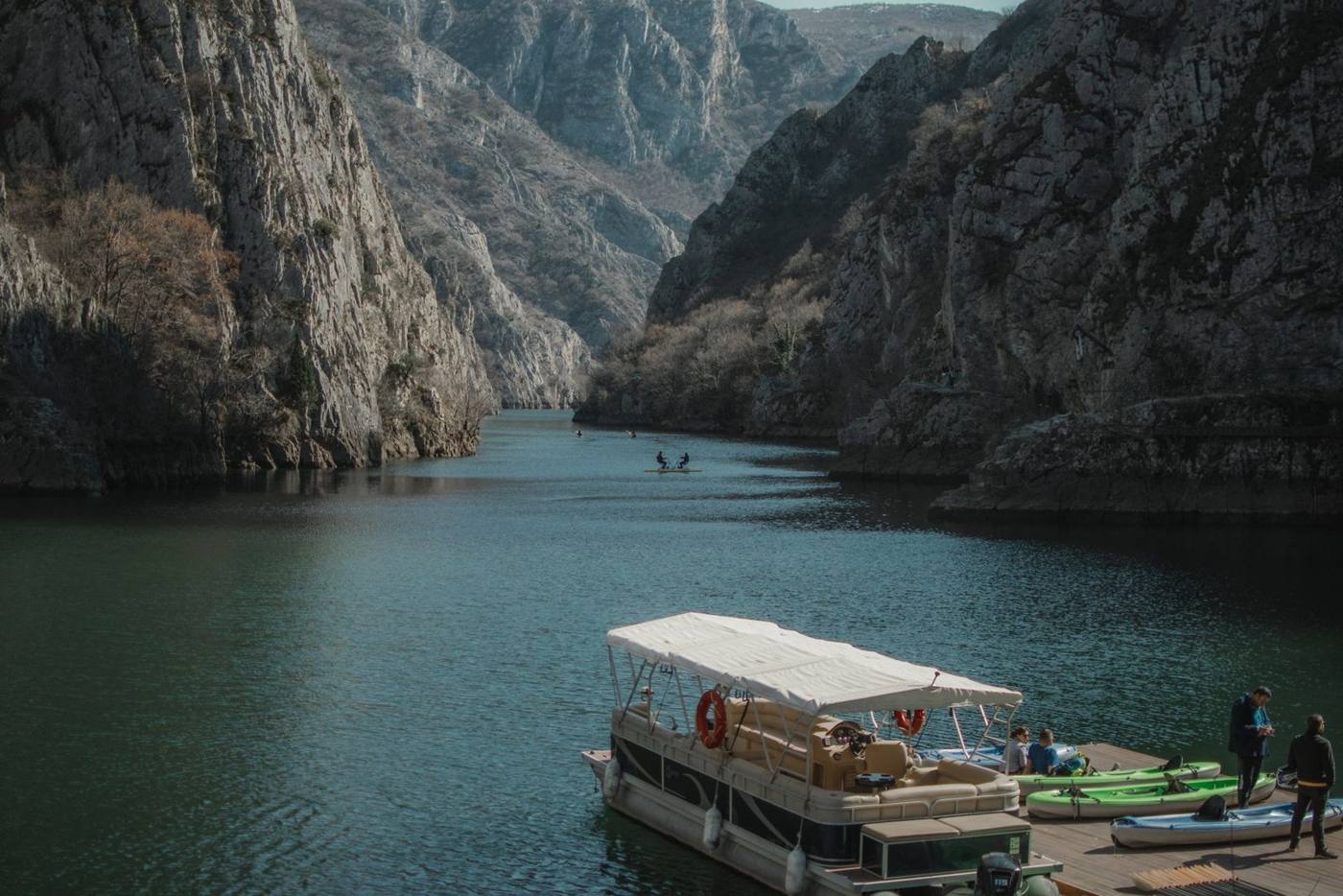 4 daysEasy
Skopje and Matka Canyon
The capital between the old Ottoman bazaar and the new statues, Matka Canyon by kayak and Kale fortress.