Rotorua in depth: geothermal wonders and Māori culture
The steaming land: Pōhutu geyser at Te Puia, the coloured pools of Wai-O-Tapu and Waimangu, boiling mud, the redwoods of Whakarewarewa Forest, a living Māori village with food cooked in the steam and an evening of song and haka.
- Rotorua
- Te Puia
- Whakarewarewa
- Wai-O-Tapu
- Waimangu
Day by day
- Day 1
Te Puia, Pōhutu geyser and a Māori cultural evening
To enter New Zealand EU citizens need no visa for tourist stays of up to three months but must apply before departure for an NZeTA, costing 17 New Zealand dollars on the official app or 23 on the website, and pay the International Visitor Conservation and Tourism Levy, IVL, of 100 New Zealand dollars at the same time. You need a valid passport. Check the rules for your nationality.
Rotorua, in the centre of the North Island about three hours' drive from Auckland, is New Zealand's geothermal capital: the city sits on an active volcanic area, with geysers, boiling mud pools, hot springs and steam rising from gardens and drains, and a faint smell of sulphur in the air. It is also one of the most important centres of Māori culture, the Polynesian people who arrived in New Zealand about seven hundred years ago.
In the morning visit Te Puia in the Te Whakarewarewa geothermal valley on the southern edge of town, home to Pōhutu geyser, the largest in the southern hemisphere, which shoots boiling water up to about thirty metres high, usually several times a day. The park has bubbling mud pools, silica terraces, a kiwi house where you see the national bird in the dim light, and the national Māori arts institute, where you watch woodcarvers and weavers at work.
In the evening join a Māori cultural evening, with a traditional welcome, songs, dances, the haka, the warriors' challenge dance, and a hāngī dinner, meat and vegetables slow-cooked underground on hot stones.
Practical tip: in Rotorua always stay on marked paths in geothermal areas: the ground can be thin above boiling water.
- Day 2
Wai-O-Tapu and the Waimangu valley
In the morning drive south to Wai-O-Tapu, about half an hour from Rotorua, New Zealand's most colourful geothermal park. Its Māori name means sacred waters. Every morning at about a quarter past ten the rangers set off the Lady Knox geyser by adding natural soap, which breaks the water's surface tension, and the jet rises several metres; arrive a little early.
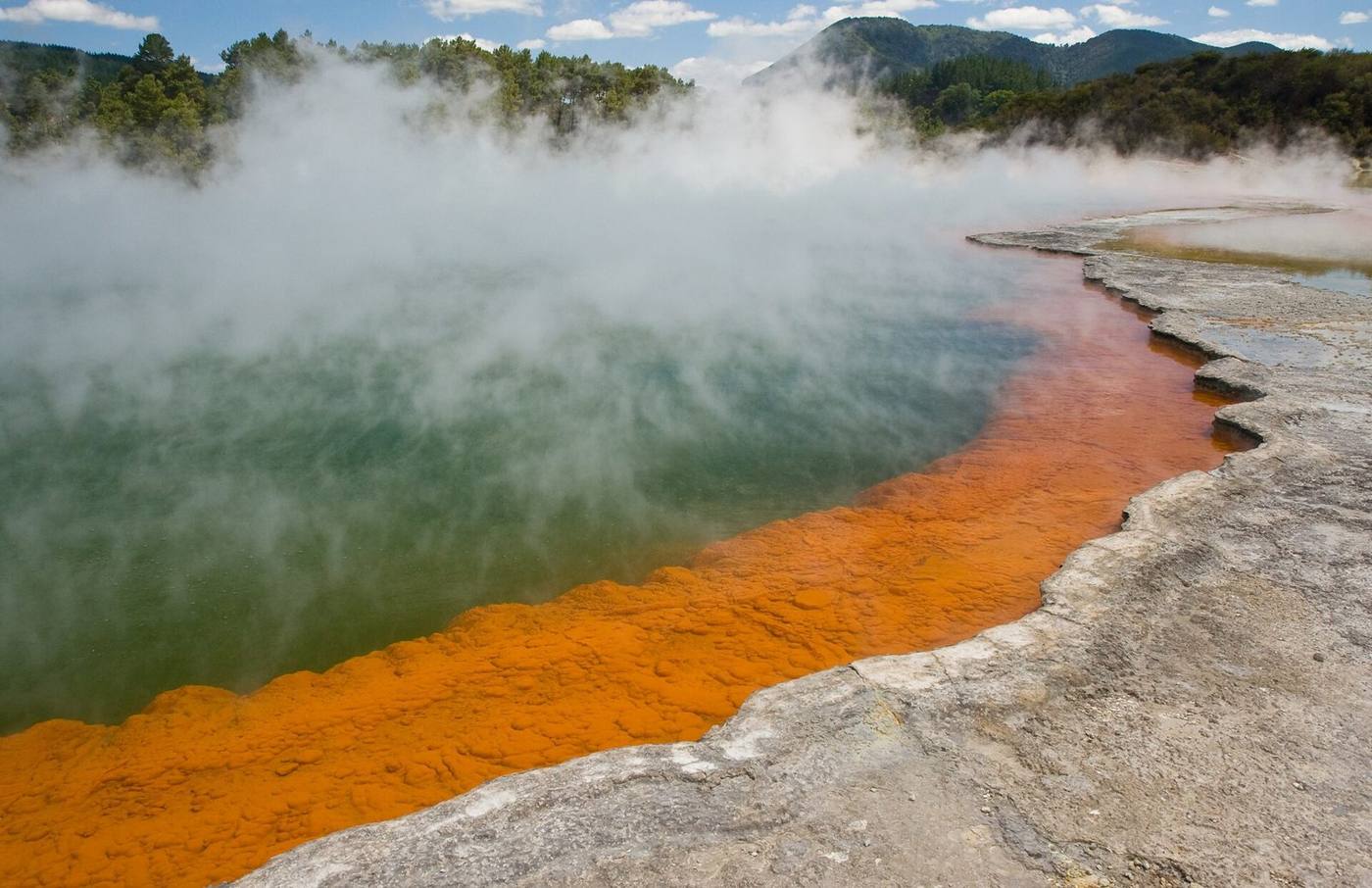
Then walk the park's trails, about an hour to an hour and a half, among collapsed craters, fluorescent green pools, mineral terraces and the Champagne Pool, a large hot spring of blue and green water ringed with bright orange, from which bubbles and steam rise. Nearby, a giant mud pool boils and spits grey mud.
In the afternoon visit Waimangu Volcanic Valley, a few kilometres away, the youngest geothermal system in the world, born from the eruption of Mount Tarawera in 1886, which destroyed several villages and the famous Pink and White Terraces, then considered the eighth wonder of the world. A downhill trail of about two hours passes Frying Pan Lake, one of the largest hot water lakes in the world, covered in steam, and Inferno Crater, a blue lake whose level rises and falls in a regular cycle. At the bottom of the valley you can take a boat on Lake Rotomahana.
In the evening relax in one of Rotorua's thermal pools.
Practical tip: water in geothermal areas is boiling and acidic; do not touch it and keep children away from the edges.
- Day 3
The redwood forest, the treetop walk and the lakes
In the morning visit Whakarewarewa Forest on the edge of town, known as The Redwoods: a grove of Californian redwoods planted in the early twentieth century as a forestry experiment, now over sixty metres tall, with an understorey of New Zealand tree ferns. There are dozens of kilometres of walking trails and mountain bike tracks, among the most famous in the country.
The Redwoods Treewalk is a suspended walkway about seven hundred metres long, with rope bridges and platforms between the redwood trunks, up to about twenty metres above the ground. In the evening designer lanterns hanging in the trees light up and the walk becomes magical.
In the afternoon tour the lakes around Rotorua, formed in volcanic craters. Lake Rotorua, beside the town, has Mokoia Island in the middle, linked to a famous Māori love story. Further east, the Blue and Green Lakes, Tikitapu and Rotokākahi, lie side by side in different colours; the Green Lake is sacred to Māori and swimming is not allowed. Lake Tarawera, at the foot of the volcano, is the largest and wildest, with beaches and hot springs reachable by boat.
In the evening visit Ohinemutu on the lakeshore, a Māori village with St Faith's Anglican church, decorated inside with Māori carvings and weaving, and a window showing Christ wearing a Māori cloak.
Practical tip: the evening Treewalk needs a separate ticket; book online.
- Day 4
Whakarewarewa village and departure
In the morning visit Whakarewarewa living village next to Te Puia, where a Māori community, Tūhourangi Ngāti Wāhiao, has lived for generations among hot springs and geysers. Residents, who act as guides, show how they use the earth's heat every day: they cook corn and vegetables by dipping them in boiling pools, steam food in wooden boxes over vents and bathe in communal thermal pools. You see the houses, the carved meeting house, the church and the cemetery, with graves above ground because the soil is too hot to dig. The visit includes a cultural performance with songs and dances, and you can have lunch of corn cooked in the springs.
In the afternoon, before departure, stroll through the Government Gardens on the lakeshore, with the large Tudor-style former bathhouse home of the Rotorua Museum, closed for years for earthquake strengthening: check whether it has reopened, and take a last hot soak in the nearby thermal pools.
Rotorua has a small airport with flights to Auckland, Wellington and Christchurch; by car Auckland is about three hours away and Taupō and its lake about an hour south.
Things to take home: New Zealand greenstone, pounamu, Māori wood and bone carvings bought from Māori artists, manuka honey products and merino wool.
Practical tip: some greenstone pieces are traditionally given as gifts rather than bought for yourself; ask the seller about the meaning of the shapes. Check your government's travel advice before leaving.
The smell of sulphur hangs over the whole town. Always stay on the paths: geothermal ground can give way and is scalding. The best cultural experiences are those run by the Māori communities themselves. EU citizens do not need a visa, but before travelling they must request the NZeTA electronic travel authority and pay the NZ$100 International Visitor Levy (IVL), in the same application.
Before you go
- Documents and visa
- Valid passport and an NZeTA, requested online before leaving, with the IVL levy of 100 New Zealand dollars. The NZeTA costs 17 dollars through the official app and 23 through the website.
- Health and vaccines
- No vaccines required. Biosecurity checks on arrival are very strict: declare food, plants and hiking boots. Emergencies: 111.
- Money and payments
- New Zealand dollar. Cards are accepted almost everywhere, even in small towns.
- Power sockets
- Type I, 230 volts: you need an adapter for the angled flat-pin Australian-style plugs.
- Time zone
- UTC+12, UTC+13 with daylight saving time from late September to early April.
- Safety
- A very safe country. The main risks are natural: changeable mountain weather, strong sea currents, earthquakes and active volcanoes. Driving is on the left. Official advice: GOV.UK.
Information checked in November 2026 for Italian and EU citizens. Rules change: always check before you travel.
Variations
In 2 days: Te Puia with the geyser and the Māori cultural evening, then Wai-O-Tapu and the redwood forest.
In 8 days: add Lake Taupō and the Tongariro Alpine Crossing, or the Waitomo glowworm caves and Hobbiton.
Frequently asked questions
What do I need to enter New Zealand?
A valid passport and an NZeTA, costing 17 New Zealand dollars on the app or 23 on the website, plus the IVL of 100 New Zealand dollars, paid before departure.
When does the Lady Knox geyser erupt?
Every morning at about a quarter past ten at Wai-O-Tapu, when rangers add a natural soap to set it off. Pōhutu geyser at Te Puia erupts naturally, usually several times a day.
Does Rotorua really smell of sulphur?
Yes, because of volcanic gases: it is stronger in some areas and on some days, but you soon get used to it.
Indicative itinerary written by World Atlas. Before booking, check timetables, seasonal openings, documents and safety.
 4 daysEasy
Wellington and the Wairarapa
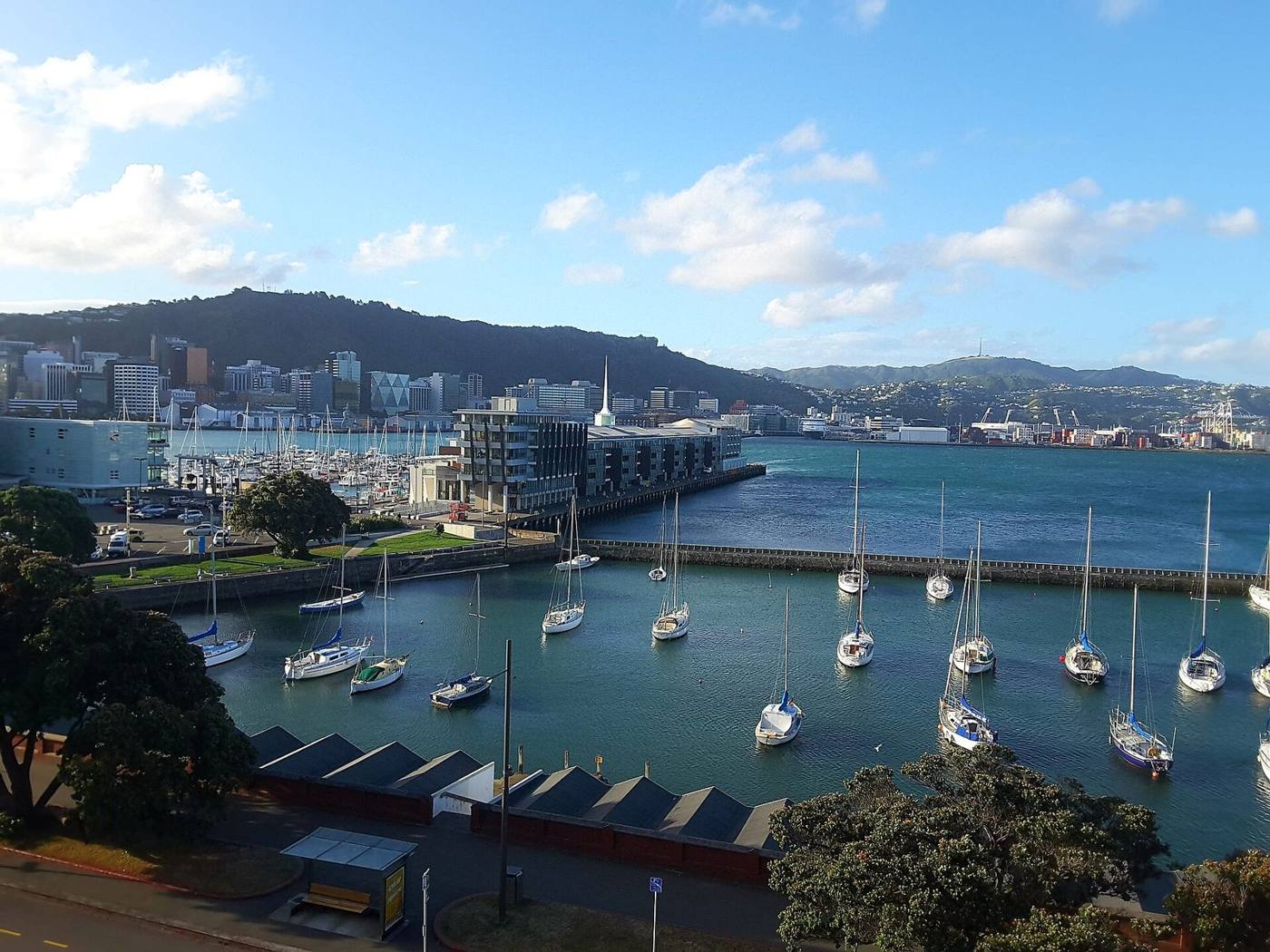
The windy, creative capital: Te Papa national museum, the cable car and botanic garden, the Zealandia sanctuary where the forest has returned to its pre-human state, then the vineyards of Martinborough and Cape Palliser lighthouse with its fur seal colony.
 4 daysEasy
Aoraki/Mount Cook and Lake Tekapo
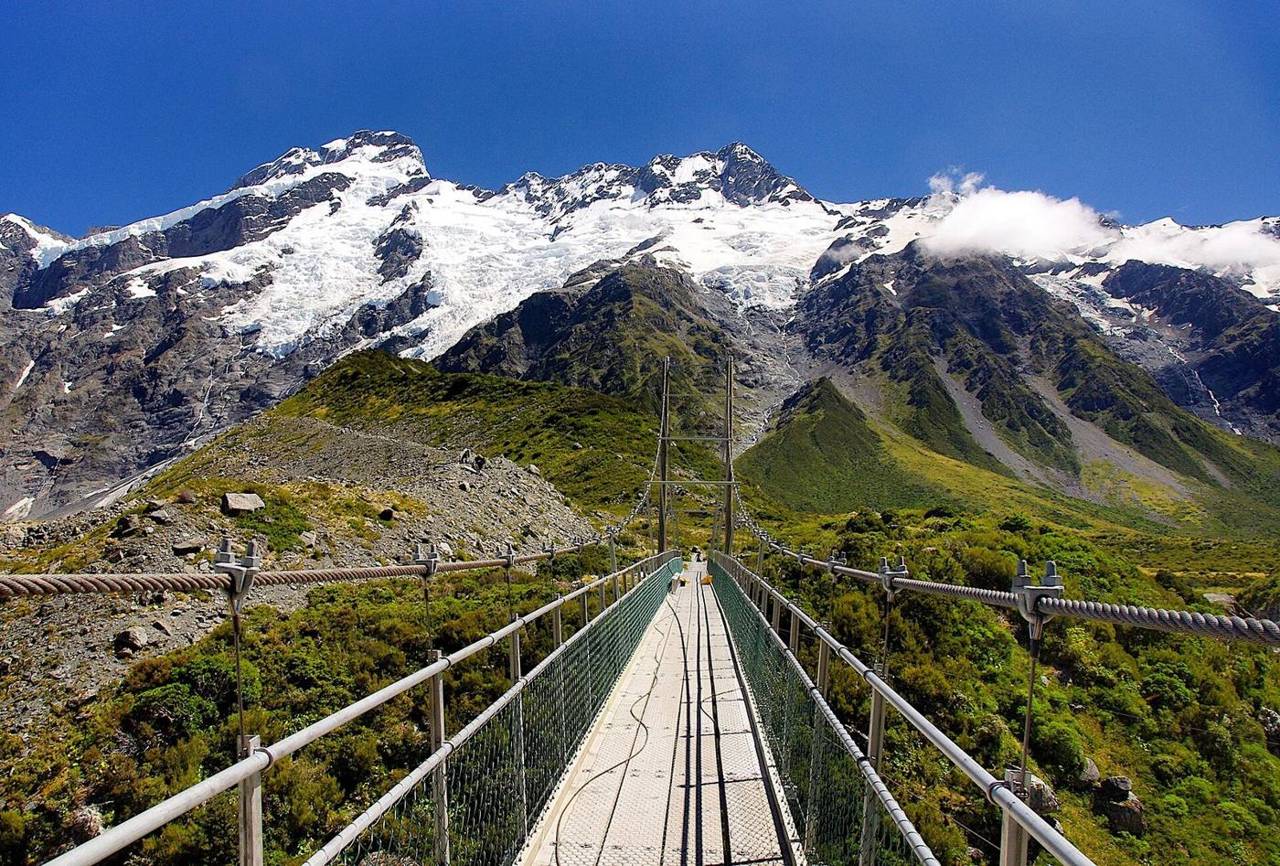
The South Island's alpine heart: turquoise Lake Tekapo and the Church of the Good Shepherd, the starry skies of the Aoraki Mackenzie reserve, Lake Pukaki, the Hooker Valley track to the glacial lake below Aoraki, the country's highest peak, and the Tasman Glacier.
 5 daysEasy
The West Coast and the glaciers
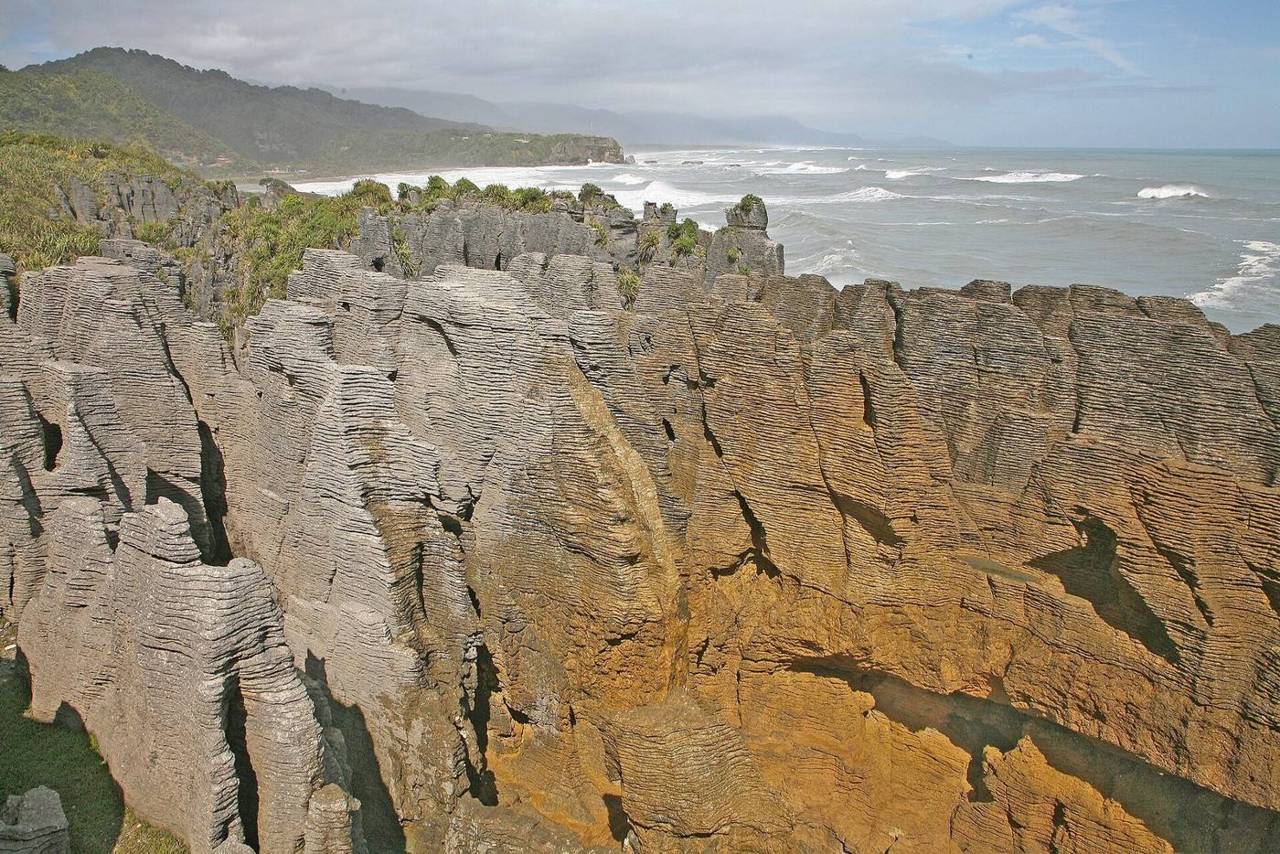
The South Island's wild coast: the Pancake Rocks of Punakaiki and their blowholes, Hokitika Gorge with its turquoise water, Lake Matheson reflecting the mountains, the Franz Josef and Fox glaciers descending towards the rainforest, and the Haast Pass.