Lumbini and Tansen
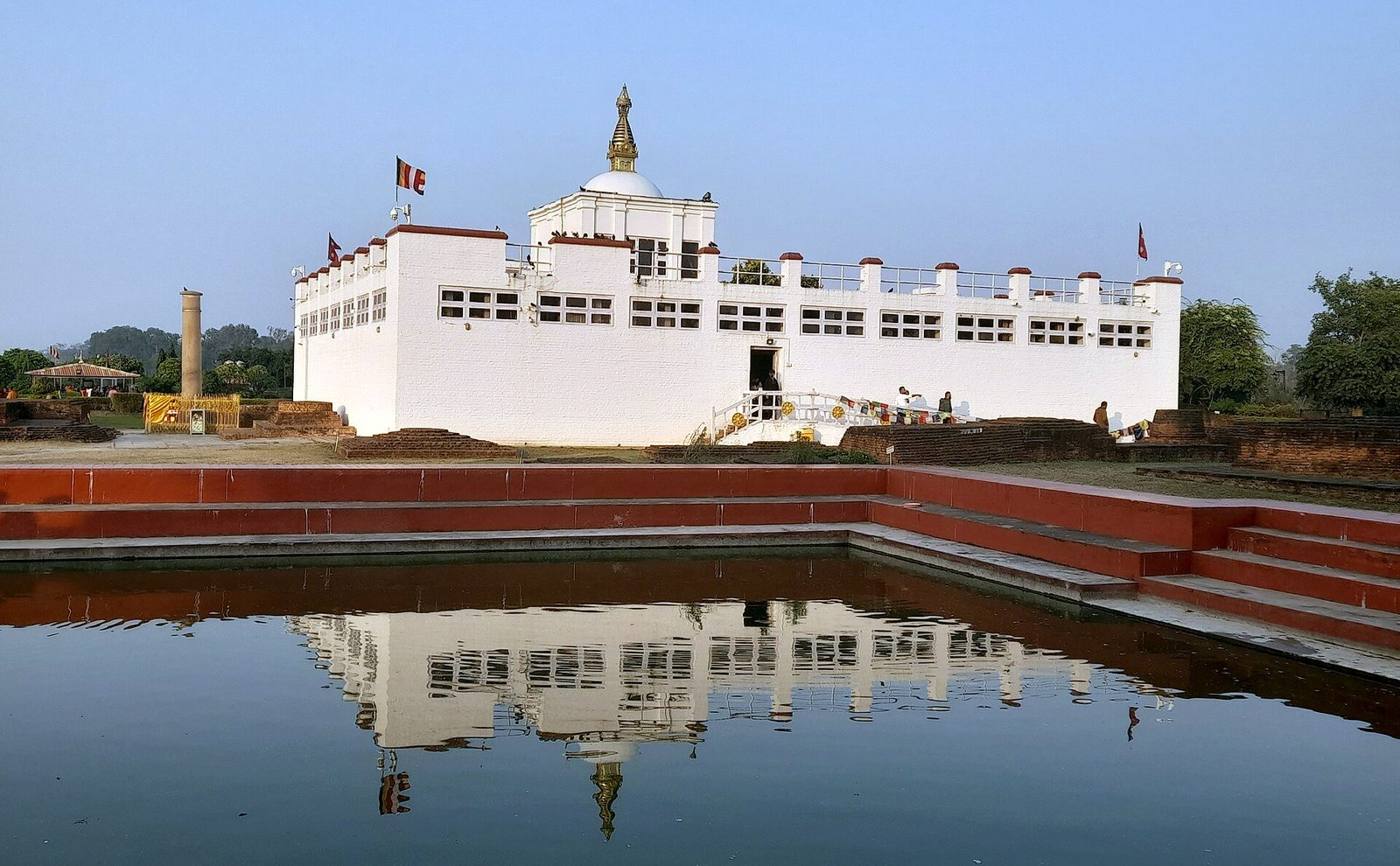
The Buddha's birthplace and a hill town: Lumbini, a UNESCO site, with the Maya Devi temple, Ashoka's pillar and monasteries built by many Buddhist countries, then Tansen, a Newar hill town with the Rani Mahal palace on the Kali Gandaki river.
- Kathmandu
- Bhairahawa
- Lumbini
- Tansen
- Pokhara
Day by day
- Day 1
Flight to Bhairahawa and Lumbini
This five-day trip takes you to Nepal's south and its hills: Lumbini, where tradition says the Buddha was born, a UNESCO World Heritage Site, and Tansen, a Newar town in the hills, with the Rani Mahal palace on the Kali Gandaki river. You finish in Pokhara, on the lake.
Before you go: Italian citizens need a passport valid for at least six months and a tourist visa, issued on arrival at Kathmandu airport after you fill in the online form. According to Nepal's Department of Immigration the visa costs 30 US dollars for 15 days and 50 for 30 days: bring the dollars in cash. Other nationalities should check their own rules. After the protests of September 2025 the country voted on 5 March 2026 and has a new government, but demonstrations and strikes are still possible: avoid them and check your government's travel advice.
In the morning take the domestic flight from Kathmandu to Bhairahawa, on the Terai plain, just under an hour over the hills. Domestic flights in Nepal are often delayed by fog or weather.
From the airport it is about forty minutes by road to Lumbini, a small village surrounded by rice and wheat fields, close to the Indian border.
In the afternoon settle in and take a first walk along the long canal that crosses the monastic zone, with the Eternal Peace Flame at its northern end.
In the evening have dal bhat, the national dish: rice, lentil soup, vegetable curry and pickles.
Sleep in Lumbini, for three nights.
Practical tip: in December and January the Terai fog can last all morning and ground flights: choose a midday flight and keep some slack in your plans.
- Day 2
The Maya Devi Temple and the sacred garden
Today you visit the heart of Lumbini, the sacred garden where Siddhartha Gautama, the future Buddha, was born more than 2,500 years ago.
Early in the morning enter the sacred garden, when pilgrims arrive to pray and the light is soft. Check prices and times.
At the centre stands the Maya Devi Temple, dedicated to the Buddha's mother. It is a plain white building that protects the excavations of the oldest temples and the stone that, according to tradition, marks the exact spot of the birth. Inside you walk along a raised walkway in silence. Take off your shoes, cover your shoulders and legs and do not take photos where it is forbidden.
Next to the temple is the Ashoka Pillar, raised by the Indian emperor Ashoka when he visited the site in the 3rd century BC. The inscription on the pillar records his visit and is one of the historical clues that made it possible to identify Lumbini.
Nearby is the sacred Puskarini pond, where tradition says Maya Devi bathed before giving birth, and the large bodhi tree covered with colourful prayer flags. Sit for a while in the shade and watch the monks in orange and maroon robes meditating.
In the afternoon, when it is hottest, visit the Lumbini Museum, with finds from excavations in the area. Check prices and times.
In the evening go back to the pond at sunset, when pilgrims light the butter lamps.
Sleep in Lumbini.
Practical tip: bring a bag for your shoes and light socks: in the sacred garden you often walk barefoot and in summer the stone gets very hot.
- Day 3
The monasteries by bicycle
Today you explore the monastic zone, a large park several kilometres long where many Buddhist countries have built their own temple, each in its own style.
In the morning hire a bicycle or a rickshaw: distances are long and the heat comes early. The zone is divided in two by a long canal. To the east are the monasteries of the Theravada tradition, that of South-East Asia; to the west those of the Mahayana tradition, from Tibet, China, Japan and Korea.
In the eastern part visit the Thai monastery, in white marble, which looks like a small royal palace from Bangkok, and the golden Myanmar pagoda with its sharp spire. Then go on to the Sri Lankan monastery and the Cambodian one, with towers that recall Angkor.
At midday rest in the shade, because on the plain the sun is strong.
In the afternoon cross to the western part. The Chinese monastery recalls the Forbidden City, with curved roofs and courtyards. The German stupa has an interior covered in vivid Tibetan paintings, one of the finest in the zone. Visit also the Korean temple, the Vietnamese one and the French monastery. Check times.
At sunset cycle to the World Peace Pagoda, a white stupa built by Japan to the north of the park, and watch the light over the fields.
Sleep in Lumbini.
Practical tip: many monasteries close in the middle of the day: start early, carry water and a hat, and keep silent in the prayer halls.
- Day 4
The road to Tansen and the Rani Mahal
Today you leave the plain and climb into the Palpa hills.
In the morning drive from Lumbini to Butwal, the town where the Terai ends, then up the mountain road to Tansen. It takes about three hours, with tight bends and views opening over green valleys at every hairpin.
Tansen is a Newar town, the people of the Kathmandu Valley, built on a slope at about 1,350 metres. It is off the main tourist circuits and you explore it on foot, through steep lanes, brick houses with carved wooden windows and small temples.
At midday visit the Amar Narayan Temple, an early 19th-century wooden pagoda with carved struts. Then walk through the bazaar, where weavers make dhaka, the colourful cloth of the traditional Nepali cap, the dhaka topi.
In the afternoon go down to the Rani Mahal, on the Kali Gandaki river, about an hour by road plus a stretch on foot. It is a white palace built at the end of the 19th century by a general of the Rana family in memory of his wife, which is why it is called the Taj Mahal of Nepal. The palace has been restored and towers over the river in a deep gorge. Check prices and times.
At sunset, if you have the energy, climb Srinagar hill above the town, where on clear days you can see the Himalayan range.
Sleep in Tansen.
Practical tip: for the Rani Mahal ask a local taxi driver and agree on the price of the return trip before you set off.
- Day 5
On to Pokhara
Today you reach Pokhara, the lake town at the foot of the Annapurnas.
Early in the morning go back up Srinagar hill or stay on the terrace of your lodging to watch sunrise over the mountains. At this hour the valley below Tansen is often covered by a sea of clouds.
Then set off along the Siddhartha Highway, which follows the hills northwards. The drive takes about five or six hours, crosses the Kali Gandaki valley and passes small towns such as Syangja, between rice terraces and villages. The road is narrow and slow in places: stop for tea in the villages.
In the afternoon you arrive in Pokhara. Walk along the shore of Phewa Lake, with its colourful boats and, on clear days, Machapuchare reflected in the water.
In these five days you have seen a different Nepal: the sacred garden of Lumbini with the Maya Devi Temple and the Ashoka Pillar, monasteries built by the whole Buddhist world, the Newar town of Tansen and the Rani Mahal palace above the river. From Pokhara you can continue with a short trek or return to Kathmandu.
When to go: the best months are October to March, with clear skies and a mild climate. From April to June Lumbini is very hot, in December and January there is often thick morning fog, and from June to September the monsoon brings heavy rain and landslides on the hill roads.
Sleep in Pokhara.
Practical tip: in Nepal tips are appreciated by drivers and guides: keep them ready in rupees, in small notes.
Lumbini is very hot from April to June and foggy in December and January. In the temple remove shoes and dress modestly. The visa is issued on arrival in Kathmandu. Check your government's travel advice before leaving.
Before you go
- Documents and visa
- Passport valid for at least six months from the date of entry and a tourist visa, issued on arrival at Kathmandu airport. Fill in the form online up to 15 days ahead or at the airport kiosks. According to the Department of Immigration the visa costs 30 US dollars for 15 days, 50 for 30 days and 125 for 90 days: bring US dollars in cash. Border officers may ask for health insurance with repatriation and the address of your first night.
- Health and vaccines
- No compulsory vaccines when arriving from Europe; yellow fever is needed only if you come from a risk country. In the Terai, the southern plain, there is a malaria risk: ask your doctor. Above 3,000 metres climb slowly to avoid altitude sickness. Drink only bottled or treated water. Police 100, tourist police 1144.
- Money and payments
- Nepalese rupee. Cash dominates; ATMs are found in Kathmandu, Pokhara and the towns, far fewer on the trails. Cards work in the larger hotels.
- Power sockets
- Types C, D and M, 230 volts: bring a universal adapter. Power cuts are frequent.
- Time zone
- UTC+5:45 all year.
- Safety
- After the youth protests of 8 and 9 September 2025, with at least 75 deaths and the fall of the government, the country voted on 5 March 2026; since March 2026 a new government has held a large majority. Demonstrations and strikes are still possible and can turn violent: avoid them. The United States advises increased caution. The UK warns that areas hit by the flood of 26 August 2026 in Rasuwa district may remain unstable. A licensed guide is required in national parks and protected areas. According to the UK, no Nepali airline meets international safety standards, and mountain flights are often delayed by the weather. Official advice: GOV.UK.
Information checked in November 2026 for Italian and EU citizens. Rules change: always check before you travel.
Variations
In 3 days: Lumbini only, with the flight from Kathmandu to Bhairahawa both ways.
In 7 days: add Tilaurakot, ancient Kapilavastu where the Buddha lived as a prince, and an extra night in Tansen to walk through the hill villages.
Frequently asked questions
What documents do I need for Nepal?
Italian citizens need a passport valid for at least six months and a tourist visa, issued on arrival in Kathmandu. According to the Department of Immigration it costs 30 US dollars for 15 days and 50 for 30 days. Other nationalities should check their own rules.
How should I dress at the Maya Devi Temple?
Take off your shoes, cover your shoulders and legs and speak quietly. Walk round stupas and pillars clockwise, as pilgrims do.
Is Nepal safe?
After the protests of September 2025 the country voted on 5 March 2026 and has a new government. The United States advises increased caution because demonstrations can turn violent: avoid them and check official travel advice before you go.
Indicative itinerary written by World Atlas. Before booking, check timetables, seasonal openings, documents and safety.
 9 daysModerate
The Langtang valley
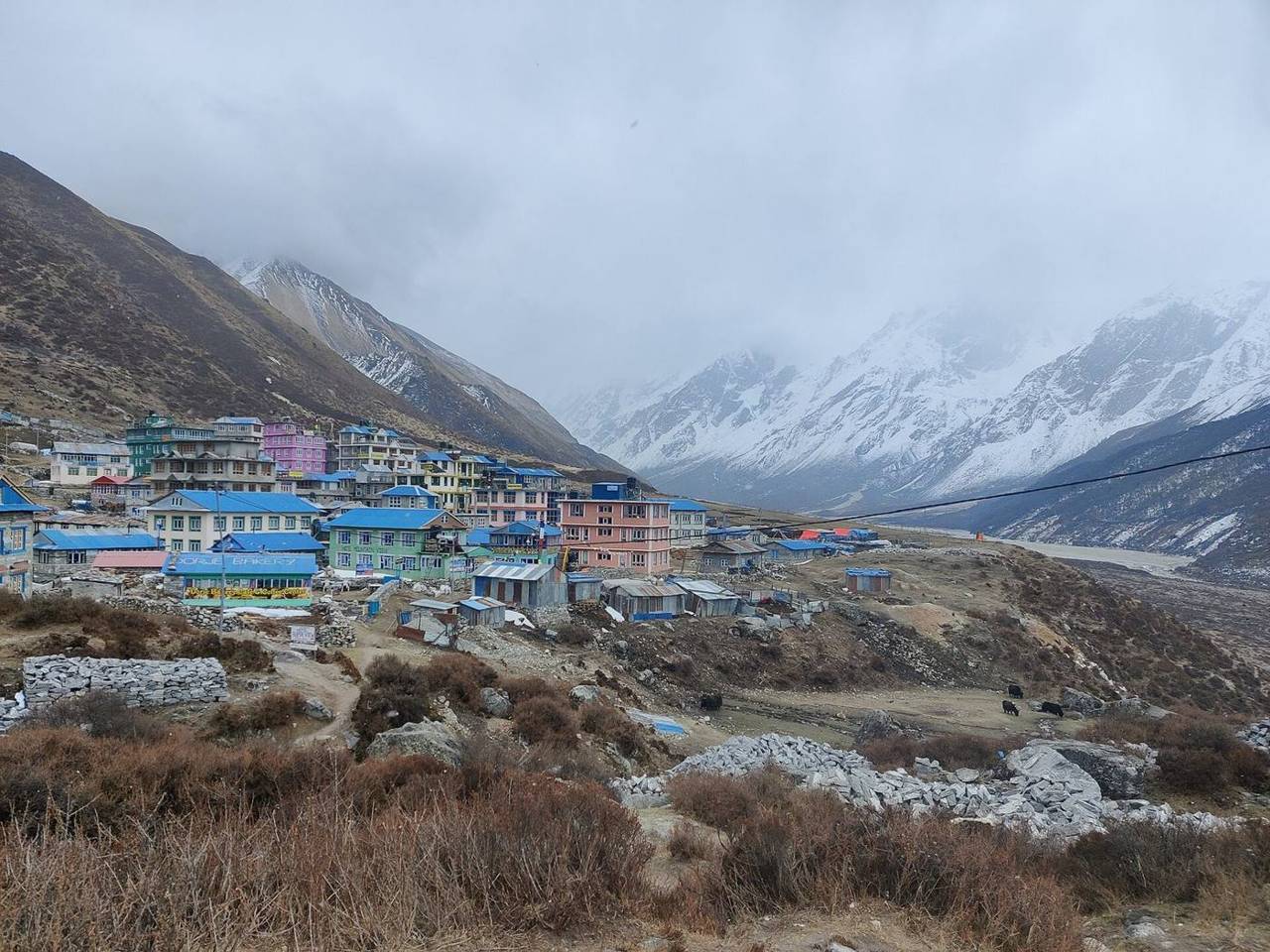
The trek closest to Kathmandu: from Syabrubesi you climb the Tamang valley along the river, through rhododendron forest to the rebuilt village of Langtang and the monastery of Kyanjin Gompa, at 3,870 metres, with its yak cheese dairy and the climb up Kyanjin Ri.
 16 daysChallenging
The Annapurna Circuit
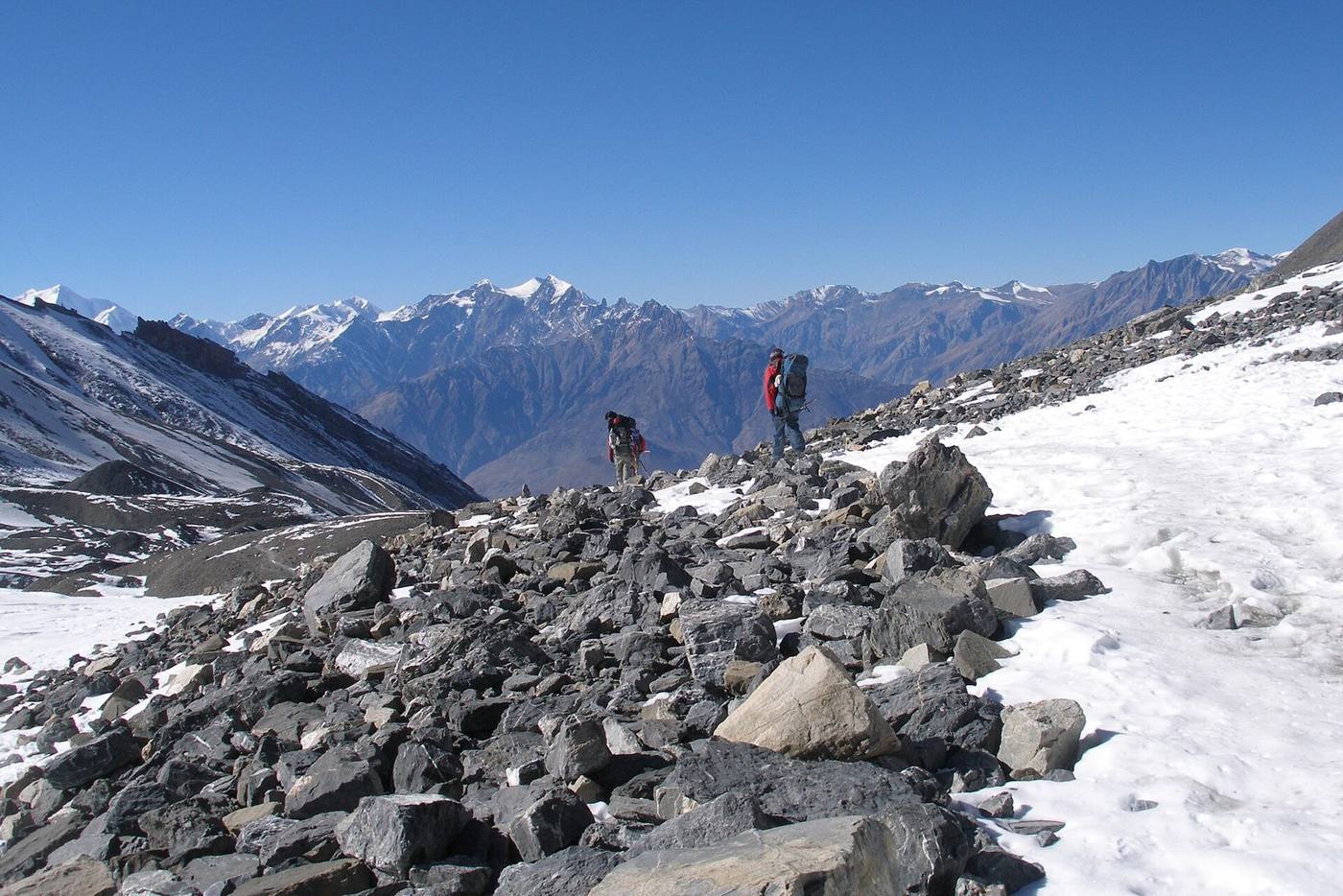
The great loop around the massif: from the rice terraces of the Marsyangdi valley to the stone villages of Manang, the Thorong La pass at 5,416 metres, the shrine of Muktinath and the descent into the Kali Gandaki gorge, among the deepest in the world, down to the hot springs of Tatopani.
 6 daysEasy
Bardia, the tiger park
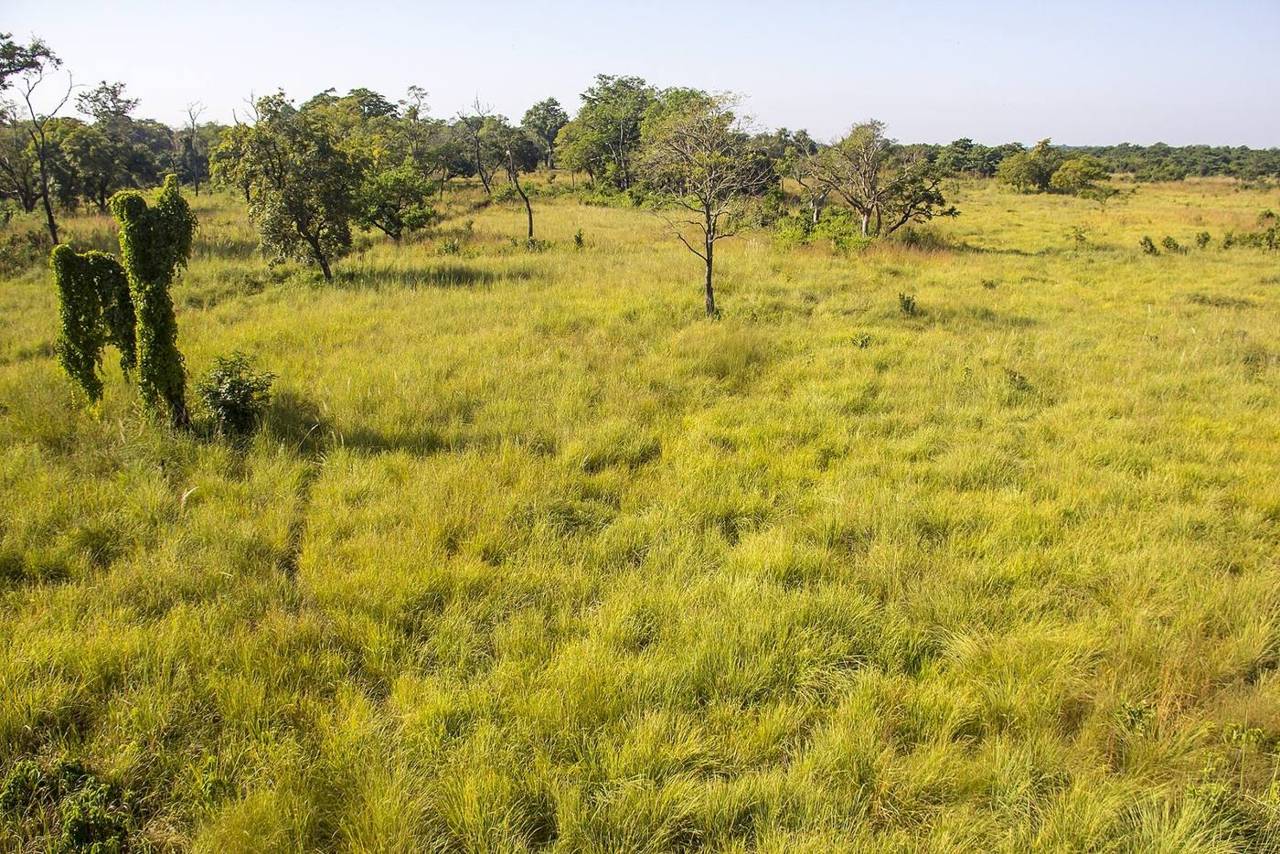
Far-western Nepal, away from the circuits: Bardia National Park, with the Terai grasslands and the Karnali river, where on foot, by jeep or by boat with guides you look for tigers, rhinos, wild elephants and river dolphins, with nights in Tharu villages.