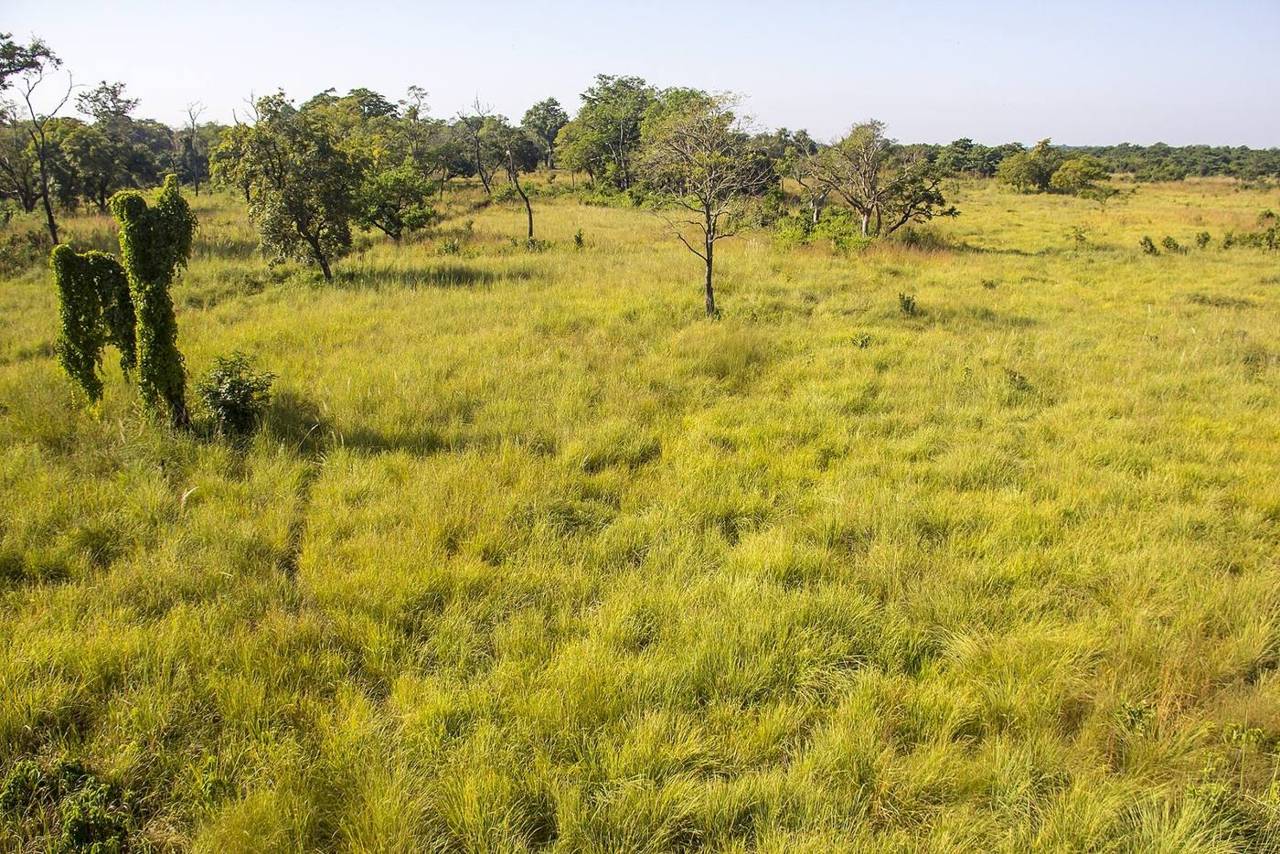
Bardia, the tiger park
Far-western Nepal, away from the circuits: Bardia National Park, with the Terai grasslands and the Karnali river, where on foot, by jeep or by boat with guides you look for tigers, rhinos, wild elephants and river dolphins, with nights in Tharu villages.
- Kathmandu
- Nepalgunj
- Thakurdwara
- Karnali
Day by day
- Day 1
Flight to Nepalgunj and the road to Thakurdwara
This six-day trip takes you to western Nepal, far from the busiest circuits: Bardia National Park, the largest on the Terai plain. Here, with guides, you search on foot, by jeep and by boat for tigers, rhinos, wild elephants and river dolphins, and you sleep close to the Tharu villages.
Before you go: Italian citizens need a passport valid for at least six months and a tourist visa, issued on arrival at Kathmandu airport after you fill in the online form. According to Nepal's Department of Immigration the visa costs 30 US dollars for 15 days and 50 for 30 days: bring the dollars in cash. Other nationalities should check their own rules. After the protests of September 2025 the country voted on 5 March 2026 and has a new government, but demonstrations are still possible: avoid them and check your government's travel advice before leaving. A licensed guide is required in national parks, and walking safaris are allowed only with authorised guides.
In the morning take the domestic flight from Kathmandu to Nepalgunj, about an hour, close to the Indian border. Domestic flights are often delayed by the weather.
Then drive west along the main Terai highway. In about two and a half to three hours you reach Thakurdwara, the village at the park entrance, among rice and mustard fields.
In the afternoon walk along the park boundary and visit the visitor centre in Thakurdwara. Check times.
In the evening have Tharu dishes, based on rice, river fish and vegetables.
Sleep in Thakurdwara, for five nights.
Practical tip: there is a malaria risk in the Terai: ask your doctor before you leave and use repellent and a mosquito net.
- Day 2
The walking safari with guides
Today you enter the park in the most thrilling way: on foot, through the forest and the tall grass.
Early in the morning, when animals are most active, set off with the park guides. In Bardia walking safaris are allowed only with authorised guides, usually two per group, who know the tracks and the behaviour of the animals. Before you go in they explain the rules: walk in single file, in silence, without straying, and follow their instructions at once.
The trail crosses the sal forest, tall trees with broad leaves, and the Terai grasslands, where in some seasons the grass grows over two metres high. The guides read the prints in the mud, the scratches on the trees and the alarm calls of deer and monkeys, which often announce a predator.
At midday take a break on a watchtower or by the river, with a packed lunch. This is the time to wait patiently: the tiger moves little in the hot hours, but sometimes comes down to the water.
In the afternoon carry on searching along the channels. You will easily see spotted deer, wild boar, langur monkeys and a great many birds, and with some luck a one-horned rhino.
Seeing a tiger is never guaranteed, although in Bardia the chances are good: you need patience and several outings.
Sleep in Thakurdwara.
Practical tip: wear neutral colours, green, brown or beige, closed shoes and long trousers against mosquitoes and sharp grass; leave perfume and bright colours at home.
- Day 3
A full day by jeep in the park
Today you explore the park by jeep, to reach the areas furthest from the entrance.
In the morning set off at dawn with the guide and the driver. The jeep lets you cover many kilometres on the dirt tracks that cross the forest, the grasslands and the dry riverbeds.
The grasslands are the kingdom of deer: spotted deer, hog deer and, in some areas, the barasingha, the swamp deer, rare and protected. Where there is plenty of prey there are tigers too, and their numbers in the park have grown in recent years thanks to protection. Stop at the waterholes and in the clearings and stay silent.
At midday have a packed lunch at a rest point by the river, while the guide checks the tracks.
In the afternoon look for the wild elephants, which move between Bardia and the nearby forests, and the groups of one-horned rhinos, reintroduced here from Chitwan. Along the streams you also see mugger crocodiles basking on the banks.
At sunset head back towards the entrance, when the golden light colours the tall grass and the animals start moving again.
In the evening, over dinner, compare the day's sightings with the guide.
Sleep in Thakurdwara.
Practical tip: bring binoculars, a jacket for the cold winter mornings in the jeep and a scarf against the dust of the tracks. Check prices and times for the park permit with your agency.
- Day 4
The Karnali river by boat
Today you discover Bardia from the water, along the Karnali, the longest river in Nepal.
In the morning drive to the starting point on the river, north of the park, where the Karnali leaves the hills in wide green water. The Chisapani bridge marks the point where the river leaves the mountains.
Float down the river in a raft or a canoe with the guides. This is not sporty rafting: you glide calmly between sandy banks and forest. It is the best way to look for the Ganges river dolphin, a nearly blind freshwater dolphin that lives in only a few stretches of the river and surfaces to breathe for a few seconds. Watch the water closely: first you see the puff, then the grey back.
On the banks look for the gharial, a crocodile with a long, thin snout, very rare, and for mugger crocodiles. In the sky fly fishing eagles, cormorants and kingfishers.
At midday stop on a sandy beach for lunch, looking across the river at the park forest. Sometimes wild elephants and tigers come down to drink.
In the afternoon carry on down the river or walk with the guides along the bank, then return to Thakurdwara.
Sleep in Thakurdwara.
Practical tip: put your camera and phone in a dry bag, use strong sunscreen and wear a hat: on the river the sun reflects off the water.
- Day 5
A Tharu village
Today you meet the Tharu, the indigenous people of the Terai, who have lived on this plain for centuries.
In the morning, if you like, take a last outing into the park at dawn, on foot or by jeep, for another chance to see the tiger.
Then visit a Tharu village near Thakurdwara with a local guide. The traditional houses are made of mud and straw, with walls hand-decorated with drawings of animals and plants, and clay granaries for the rice. Around them are vegetable gardens, fields and ponds where women fish with nets.
At midday have lunch with a family if possible and taste Tharu cooking: rice, river fish and dhikri, small steamed dumplings of rice flour. Ask before you photograph people.
In the afternoon visit a community project, such as a women's cooperative or a scheme that helps villages live alongside the park's animals. Here wild elephants often enter the fields and tigers can attack livestock: you will understand how hard life is on the edge of a park.
In the evening watch the stick dance, a traditional Tharu dance with drums.
Sleep in Thakurdwara.
Practical tip: buy crafts directly in the villages, such as woven baskets and textiles: it is real help for the families who live next to the park.
- Day 6
Back to Kathmandu
Today you leave Bardia and return to Kathmandu.
Early in the morning, if your flight leaves in the afternoon, take a last walk on the edge of the park or along the river, listening to the birds waking up.
Then drive to Nepalgunj, about two and a half to three hours across the plain, past villages, fields and water buffalo. In Nepalgunj, if you have time, wander through the bazaar, one of the liveliest in the Terai, with spices and textiles.
In the afternoon take the flight to Kathmandu. Leave a margin before any international flight, because domestic flights can be delayed.
In these six days you have seen Nepal at its wildest: the sal forests and grasslands of Bardia National Park, walking safaris with guides on the trail of the tiger, the Karnali river with its dolphins and gharials, and the life of the Tharu villages on the edge of the park.
When to go: the best months are February to April, when the grass has been cut and animals are easier to see near the water, and October and November, after the monsoon, with clear air. From June to September heat and rain close part of the park and roads can flood. April and May are very hot, but this is the best time to see tigers at the waterholes.
Sleep in Kathmandu.
Practical tip: leave a tip for the park guides and the driver at the end of the trip, in rupees, handing it directly to each of them.
Seeing a tiger is not guaranteed, although chances here are good: patience and several outings are needed. Walking safaris are done only with two park guides. From June to September heat and rain close part of the park. In national parks and conservation areas a licensed guide is required, booked through a registered agency, which also obtains the permits. The visa is issued on arrival in Kathmandu. Check your government's travel advice before leaving.
Before you go
- Documents and visa
- Passport valid for at least six months from the date of entry and a tourist visa, issued on arrival at Kathmandu airport. Fill in the form online up to 15 days ahead or at the airport kiosks. According to the Department of Immigration the visa costs 30 US dollars for 15 days, 50 for 30 days and 125 for 90 days: bring US dollars in cash. Border officers may ask for health insurance with repatriation and the address of your first night.
- Health and vaccines
- No compulsory vaccines when arriving from Europe; yellow fever is needed only if you come from a risk country. In the Terai, the southern plain, there is a malaria risk: ask your doctor. Above 3,000 metres climb slowly to avoid altitude sickness. Drink only bottled or treated water. Police 100, tourist police 1144.
- Money and payments
- Nepalese rupee. Cash dominates; ATMs are found in Kathmandu, Pokhara and the towns, far fewer on the trails. Cards work in the larger hotels.
- Power sockets
- Types C, D and M, 230 volts: bring a universal adapter. Power cuts are frequent.
- Time zone
- UTC+5:45 all year.
- Safety
- After the youth protests of 8 and 9 September 2025, with at least 75 deaths and the fall of the government, the country voted on 5 March 2026; since March 2026 a new government has held a large majority. Demonstrations and strikes are still possible and can turn violent: avoid them. The United States advises increased caution. The UK warns that areas hit by the flood of 26 August 2026 in Rasuwa district may remain unstable. A licensed guide is required in national parks and protected areas. According to the UK, no Nepali airline meets international safety standards, and mountain flights are often delayed by the weather. Official advice: GOV.UK.
Information checked in November 2026 for Italian and EU citizens. Rules change: always check before you travel.
Variations
In 4 days: one walking safari and one by jeep, without the Karnali float and the Tharu village.
In 9 days: add Shuklaphanta National Park, further west, with its grasslands and herds of swamp deer.
Frequently asked questions
What documents do I need for Nepal?
Italian citizens need a passport valid for at least six months and a tourist visa, issued on arrival in Kathmandu. According to the Department of Immigration it costs 30 US dollars for 15 days and 50 for 30 days. Other nationalities should check their own rules.
Will I definitely see a tiger in Bardia?
No, it is never guaranteed, although the chances here are good. You need patience and several outings, and the best time is February to April, when animals come closer to the water.
Are walking safaris safe?
They are allowed only with the park's authorised guides, who explain the rules before you set off. Walk in single file and in silence and always follow their instructions. A licensed guide is compulsory in Nepal's national parks.
Indicative itinerary written by World Atlas. Before booking, check timetables, seasonal openings, documents and safety.
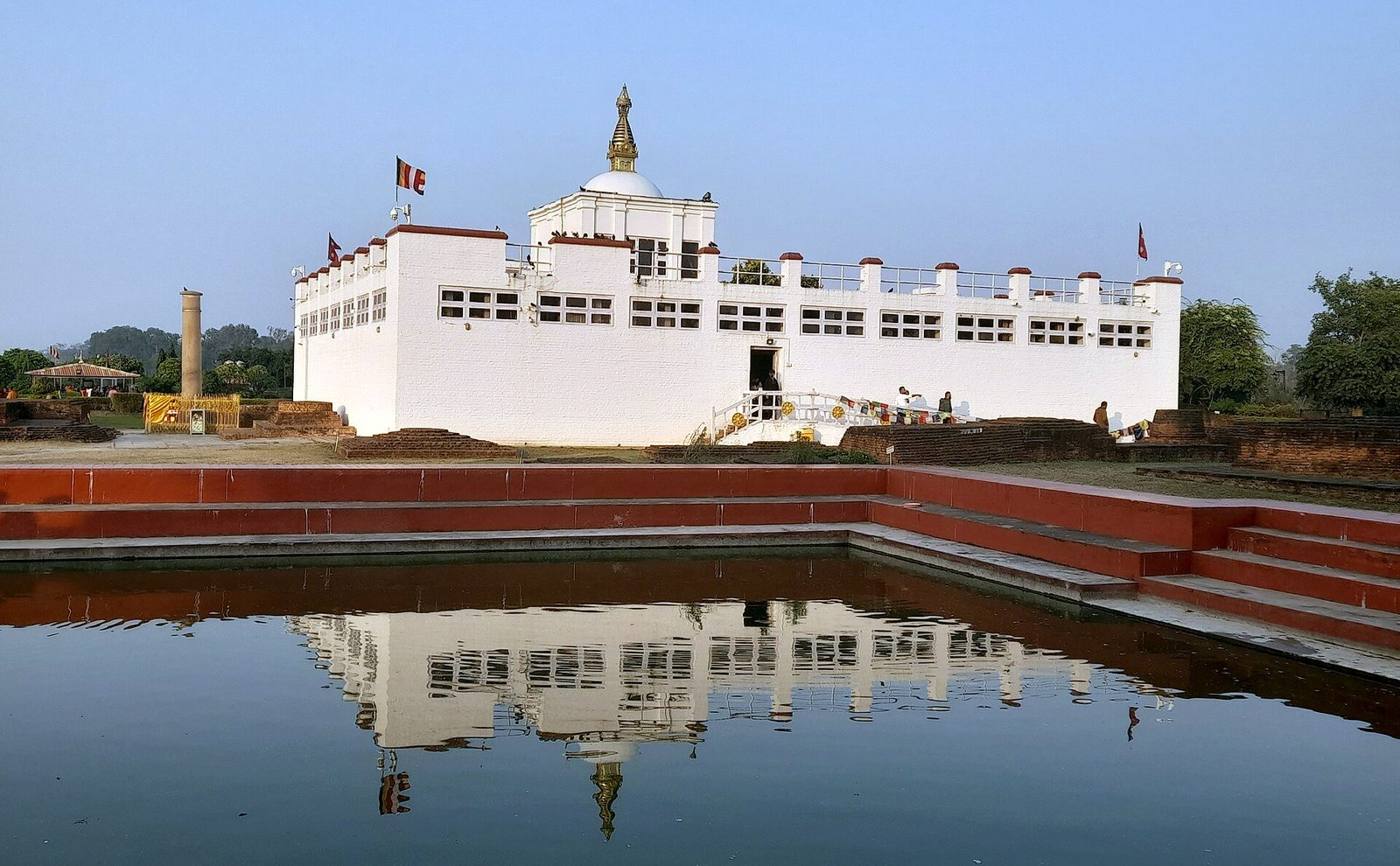 5 daysEasy
Lumbini and Tansen
The Buddha's birthplace and a hill town: Lumbini, a UNESCO site, with the Maya Devi temple, Ashoka's pillar and monasteries built by many Buddhist countries, then Tansen, a Newar hill town with the Rani Mahal palace on the Kali Gandaki river.
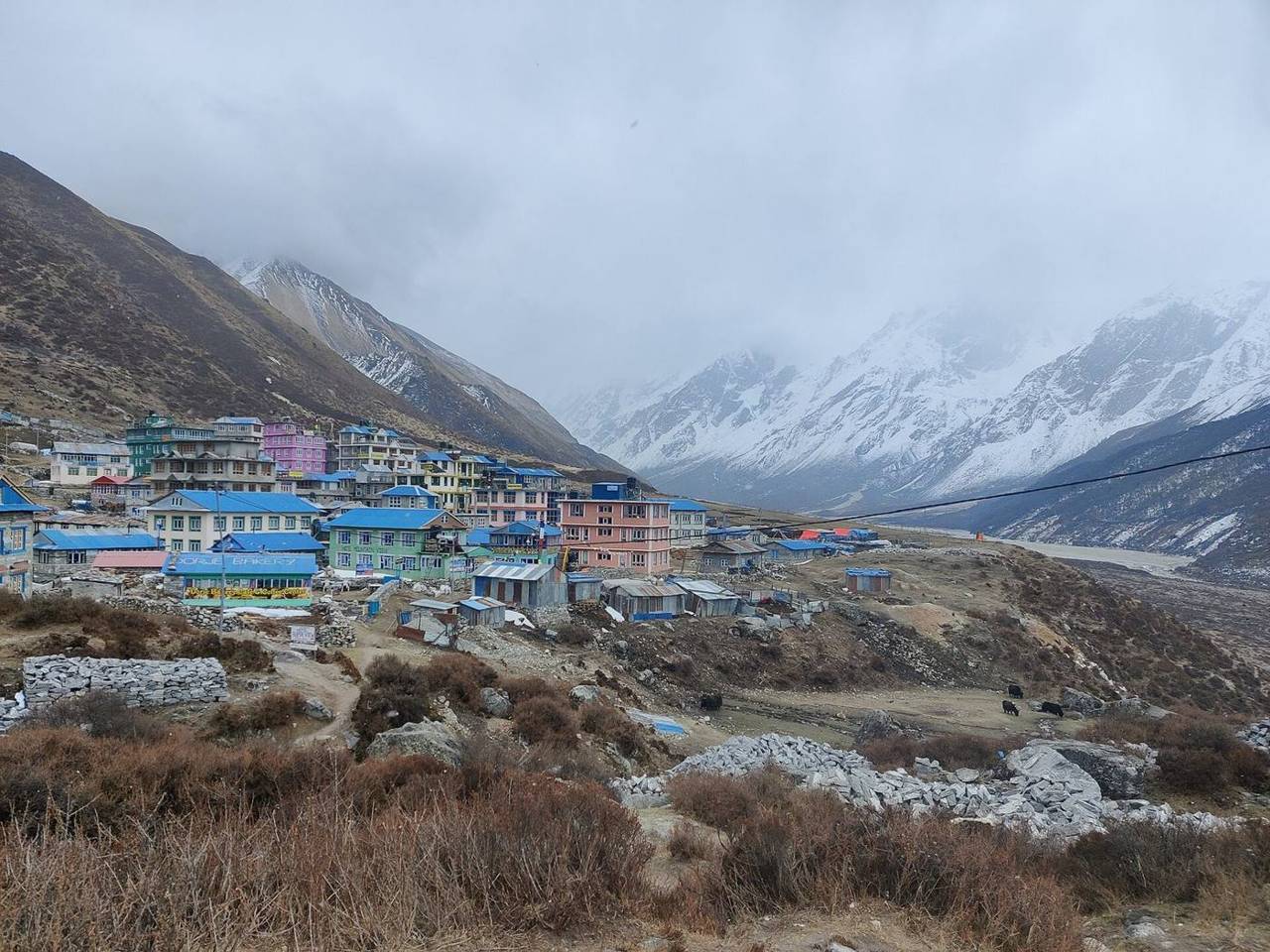 9 daysModerate
The Langtang valley
The trek closest to Kathmandu: from Syabrubesi you climb the Tamang valley along the river, through rhododendron forest to the rebuilt village of Langtang and the monastery of Kyanjin Gompa, at 3,870 metres, with its yak cheese dairy and the climb up Kyanjin Ri.
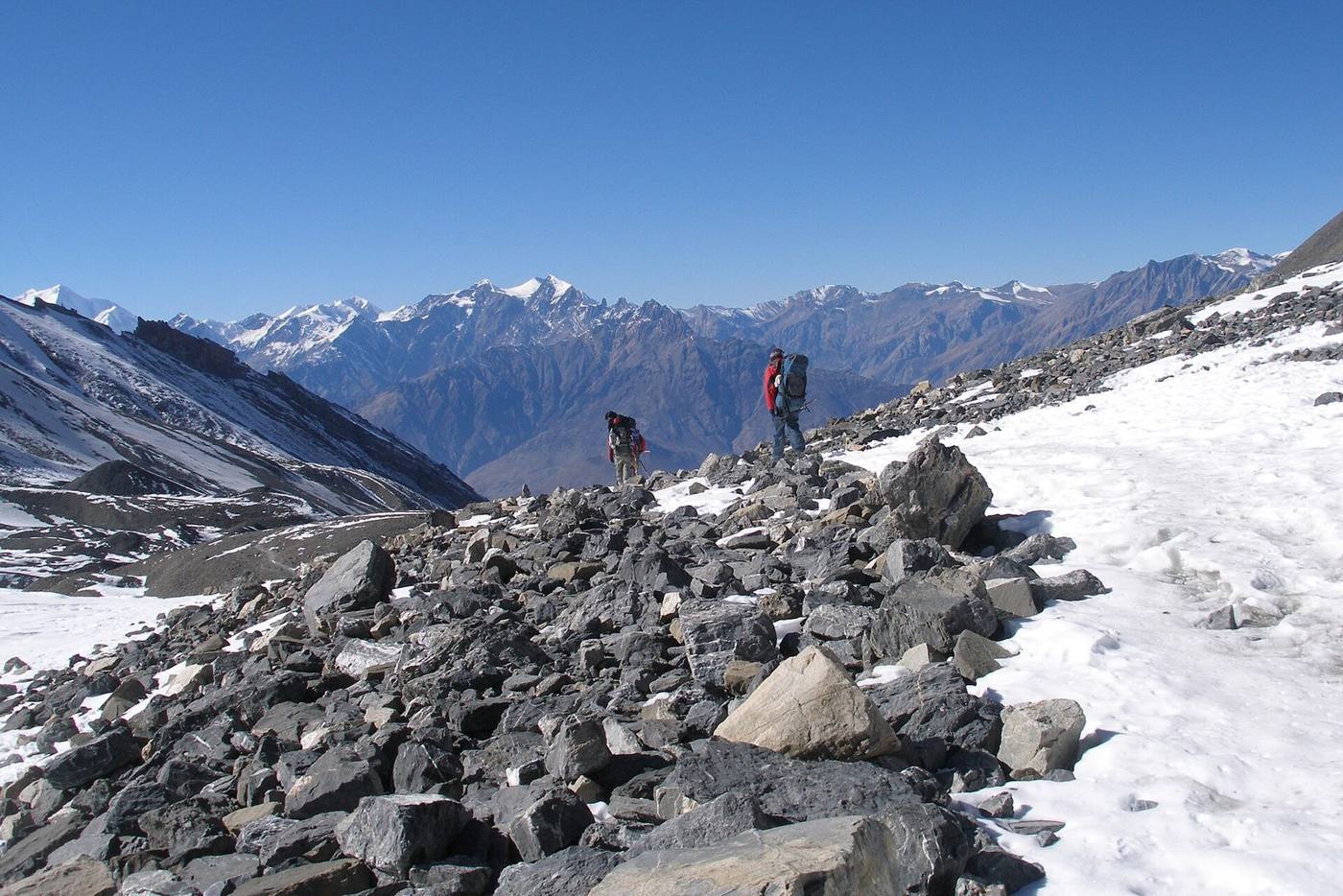 16 daysChallenging
The Annapurna Circuit
The great loop around the massif: from the rice terraces of the Marsyangdi valley to the stone villages of Manang, the Thorong La pass at 5,416 metres, the shrine of Muktinath and the descent into the Kali Gandaki gorge, among the deepest in the world, down to the hot springs of Tatopani.