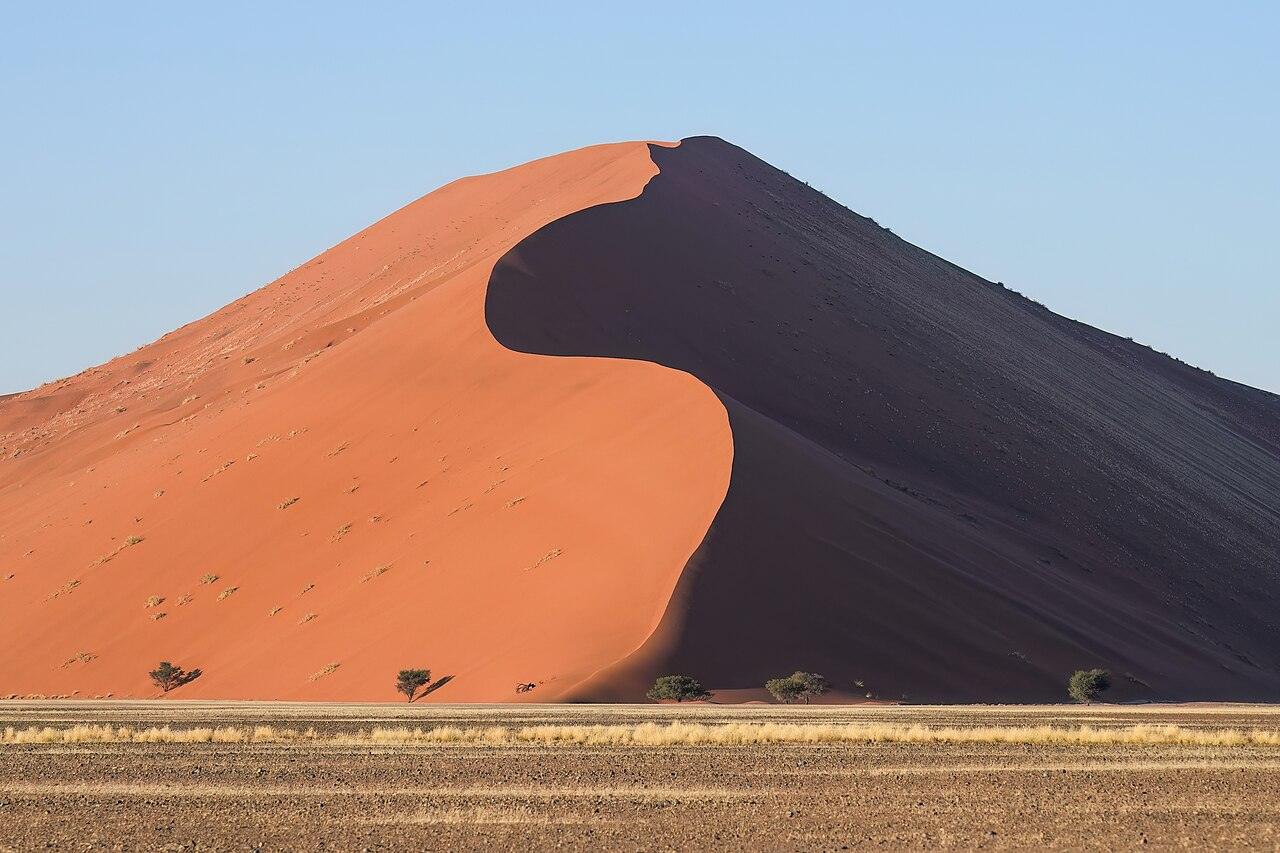
Sossusvlei and the Atlantic coast
The world's tallest red dunes, Deadvlei, Sesriem Canyon and the German-style town of Swakopmund on the ocean.
- Windhoek
- Sossusvlei
- Sesriem
- Walvis Bay
- Swakopmund
Day by day
- Day 1
Arrival in Windhoek and car hire
This seven-day trip takes you into the Namib Desert, among the red dunes of Sossusvlei, considered among the highest in the world, the white clay pan of Deadvlei and Sesriem Canyon, then to the Atlantic coast, with the flamingos of Walvis Bay and the town of Swakopmund and its German houses. You travel in a hire car, on long gravel roads.
Before you go: since 1 April 2025 Italian citizens need a visa, also for tourism. You apply online before you leave on the official portal of the Namibian Ministry of Home Affairs, eservices.mhaiss.gov.na, or on arrival, paying a fee: check the amount. Your passport must be valid for at least six months from arrival, with at least three blank pages. The yellow fever certificate is required if you arrive from a country with risk of transmission. Other nationalities should check their own rules. The United States asks travellers to exercise increased caution, level 2, because of crime. The United Kingdom does not advise against any area, but reports bag snatching and muggings of tourists in Windhoek, even by day, and frequent accidents on gravel roads. Malaria is present in the north; this route stays in the centre and on the coast, but ask your doctor anyway.
You arrive at the international airport, about 45 kilometres from Windhoek, and pick up the car. Calmly check the two spare tyres, the jack, the insurance for gravel roads and that the tank is full. In Namibia you drive on the left.
In town, buy supplies for the desert: water, food and fruit.
Practical tip: in Windhoek leave nothing visible in the car, not even for a few minutes, and at fuel stations always stay close to the vehicle.
- Day 2
Towards the Namib Desert
Today you leave Windhoek and head south-west, towards the Namib Desert. The drive takes most of the day: leave early.
The first part is on tarmac, across the central plateau, with low hills, bushes and farm fences. Then the tarmac ends and the gravel roads begin. The landscape opens up: bare mountains, yellow plains and an enormous sky. At one point the road drops off the plateau towards the Namib plain, and the view stretches for tens of kilometres.
On gravel, drive slowly with both hands on the wheel. Slow down before bends, bumps and dry riverbeds, and keep your lights on so you can be seen in the dust. When you pass another car, slow down and keep left: flying stones can crack the windscreen.
Along the road you see oryx, the antelope with long straight horns that is the country's symbol, ostriches and springbok leaping through the dry grass. Stop for a break, but never leave the main road.
In the afternoon you reach the Sesriem area, the entrance to the Namib-Naukluft park towards Sossusvlei. Sleep inside or near the park gate, so that you can enter early tomorrow morning.
At sunset the mountains turn red and purple, and at night the sky is full of stars, with no lights anywhere around.
Practical tip: fill up every time you find a fuel station, even if the tank is still half full; the distances between fuel stops are huge.
- Day 3
Dune 45 at dawn, Deadvlei and Sesriem Canyon
Today is the best day of the trip. Get up before dawn and enter the park as soon as the gate opens. Those staying inside the park can enter a little earlier than everyone else: check the times, which change with the seasons, and the entrance prices.
Drive along the tarmac road that follows the valley of the Tsauchab river, almost always dry, between red and orange dunes. Stop at Dune 45, named after its distance from Sesriem, and climb the crest as the sun rises. The light draws sharp shadows on the dunes and the sand changes colour every minute.
Then carry on to the car park for ordinary vehicles. The last kilometres towards Sossusvlei are deep sand: you can only do them in a real 4x4 or with the park shuttle.
From here, walk to Deadvlei, about twenty minutes over the sand. It is a white clay pan, dry for centuries, surrounded by towering dunes. In the middle stand the black skeletons of old acacias, dead for centuries and preserved by the dry air. It is one of the most photographed landscapes in Africa. Also visit Sossusvlei, the clay pan where the river ends, which fills with water in rare rainy years.
Head back towards Sesriem before the midday heat. In the afternoon, walk into Sesriem Canyon, a narrow gorge carved by the river into the rock.
Practical tip: carry at least two litres of water per person, a hat and closed shoes; at midday the sand is scorching and the sun very strong.
- Day 4
The Kuiseb Pass and the flamingos of Walvis Bay
Today you leave the desert and head north-west to the Atlantic coast. It is another long day on gravel roads.
The first stop is Solitaire, a tiny settlement in the middle of the desert, with a fuel station and old rusting cars in the sand. Fill up. Further on, you pass the Tropic of Capricorn sign, in the middle of an empty plain.
Then the road climbs and drops through the mountains, over the Gaub Pass and the Kuiseb Pass. From the viewpoint, look at the Kuiseb Canyon, a deep valley of dark rock. During the Second World War two German geologists lived hidden here for more than two years to avoid internment: their story became a famous book.
After the canyon the landscape becomes flat and empty: this is the gravel plain of the Namib, with few plants and a shimmering horizon. In the afternoon you reach Walvis Bay, the country's main port, on the Atlantic Ocean.
Go to the lagoon, on the seafront. Thousands of flamingos gather here, pink and white, filtering the shallow water for food, along with pelicans and other water birds. The lagoon is a protected wetland of international importance.
In the evening the air is cool and there is often fog: the cold Benguela current makes this coast very different from the hot desert inland.
Practical tip: before leaving Sesriem, check your tyres and their pressure; the Kuiseb road has steep, stony stretches.
- Day 5
Swakopmund: quad bikes on the dunes or kayaking with seals
Today you have two choices for the morning, both to be booked the day before.
The first is kayaking with seals at Pelican Point, the long sand spit that closes Walvis Bay. A large colony of Cape fur seals lives here. Paddle slowly while the animals play around the kayak, swim under the hull and watch you curiously. On the way you often also see dolphins and, in some seasons, whales. Do not touch the animals and keep your distance from the pups on the beach.
The second is a quad bike ride on the dunes between Walvis Bay and Swakopmund, with a guide. The pale sand dunes run right down to the sea: from the top you see the ocean on one side and the desert on the other. Always follow the marked tracks: the desert near the coast is fragile and home to rare plants and small animals. Check prices and times and make sure your insurance covers these activities.
In the afternoon, drive to Swakopmund, about half an hour along the coast. It is a town founded in the German colonial era, with colourful houses, turrets, the lighthouse, the old jetty over the ocean and the town museum. Walk around the centre and along the seafront, where people stroll at sunset.
In the evening, have Atlantic fish for dinner, or the coast's oysters, which are famous in Namibia.
Practical tip: it is cool on the coast even in summer, especially in the morning: bring a windproof jacket and a jumper.
- Day 6
Back to Windhoek
Today you head back inland to Windhoek. This time the road is tarmac all the way and the journey is faster: a few hours, with stops.
Leave the coast in the morning, as the fog slowly lifts. The road crosses the desert and then climbs towards the plateau. In the distance, to the north, you see the isolated mountains of Erongo, such as the Spitzkoppe, a granite peak rising from the plain.
You pass through the small towns of Usakos and Karibib, with colonial-era buildings and marble quarries. Further on, stop at Okahandja, known for its woodcarvers' market, where craftsmen sell masks, carved animals and bowls. Take your time, bargain politely and ask what wood the objects are made from.
In the afternoon you reach Windhoek. If you have time, go up to the Christuskirche, the Lutheran church from 1910, the symbol of the city, with its bell tower on a small hill. Next to it is the Independence Memorial Museum, with a viewing terrace: check prices and times.
Before dinner, fill up with fuel and wash the car if the rental company requires it. Check for any damage to report, such as chips in the windscreen.
In the evening, use a taxi called by your accommodation, rather than hailing one in the street.
Practical tip: in Windhoek do not walk alone after sunset and keep your phone and bag under control at all times, even in the centre.
- Day 7
Departure from Windhoek
Today is departure day. If your flight is in the afternoon, you still have the morning for a last look around town.
Walk through the centre of Windhoek along Independence Avenue, the main street, with shops, offices and a few old buildings from the German era. Pass the Tintenpalast, the parliament building, surrounded by well-kept gardens. If you want a souvenir, look in the craft markets for wooden objects, baskets and handmade jewellery.
Then return the car. Leave a good margin to reach the airport, about 45 kilometres from the city: the road crosses hills and savannah, and sometimes you see baboons and warthogs along the verges.
In seven days you have seen the heart of the Namib: red dunes at dawn, the dead trees of Deadvlei, the mountain passes of the Kuiseb, the flamingos of Walvis Bay, the Atlantic seals and the coast of Swakopmund. A single week in Namibia is not much: Etosha National Park and Damaraland are still waiting for a future trip.
When to go: from May to October, in the dry season, the sky is clear, the heat is bearable and the gravel roads are in better condition. Nights in the desert can be cold, especially from June to August. From January to April it rains, sometimes heavily, and some roads deteriorate.
Practical tip: keep the rental receipts and take photos of the car when you return it, to avoid disputes over scratches or damage.
A week devoted to the most beautiful dunes in the world, ideal by rental car for those used to gravel roads. One week in Namibia is short: Etosha and Damaraland are left out. To see Deadvlei in the best light you need to sleep inside or near the park.
Before you go
- Documents and visa
- Since 1 April 2025 Italian citizens need a visa, also for tourism: apply online before you leave on the official portal of the Namibian Ministry of Home Affairs (eservices.mhaiss.gov.na) or on arrival, paying a fee: check the amount. Your passport must be valid for at least six months from arrival, with at least three blank pages. A yellow fever vaccination certificate is required if you arrive from a country with a risk of transmission.
- Health and vaccines
- There is malaria in the north of the country: ask your doctor about antimalarials if you are going to Etosha, Kavango or the Zambezi region. The climate is hot and dry: always carry plenty of water. Medical facilities in Windhoek are good, but outside the cities they are far apart and limited: you need insurance covering medical costs and evacuation. Emergencies: 10111 or 112.
- Money and payments
- Namibian dollar, pegged one to one to the South African rand, which is accepted everywhere. Cards work in towns, lodges and many fuel stations; carry cash in remote areas.
- Power sockets
- Type D and M, 220 volts: you need an adapter for South African plugs.
- Time zone
- UTC+2 all year.
- Safety
- The United States asks travellers to exercise increased caution in Namibia, level 2, because of crime. The UK government does not advise against any area, but reports bag snatching and muggings targeting tourists in Windhoek, even by day, and thefts from cars and at fuel stations. Accidents on gravel roads are common: drive slowly on gravel, do not exceed 80 km/h in the rainy season, carry two spare tyres and do not drive outside towns at night. Official advice: GOV.UK.
Information checked in November 2026 for Italian and EU citizens. Rules change: always check before you travel.
Variations
In five days: Windhoek, two nights at Sesriem with Sossusvlei and Deadvlei, and back, without the coast.
In twelve days: after Swakopmund head north to Damaraland and Etosha National Park, before returning to Windhoek.
Frequently asked questions
Do I need a 4x4?
Not necessarily: the gravel roads can be driven in a high, sturdy car. For the last kilometres of sand towards Sossusvlei you need a 4x4, or you can use the park shuttle.
Do I need a visa for Namibia?
Yes, since 1 April 2025, Italian citizens included. You apply online on the official Namibian government portal or on arrival, paying a fee.
When is the best time to visit Deadvlei?
At dawn or in the late afternoon, when the light is soft and it is less hot. To get in early, it is best to sleep inside or near the park.
Indicative itinerary written by World Atlas. Before booking, check timetables, seasonal openings, documents and safety.
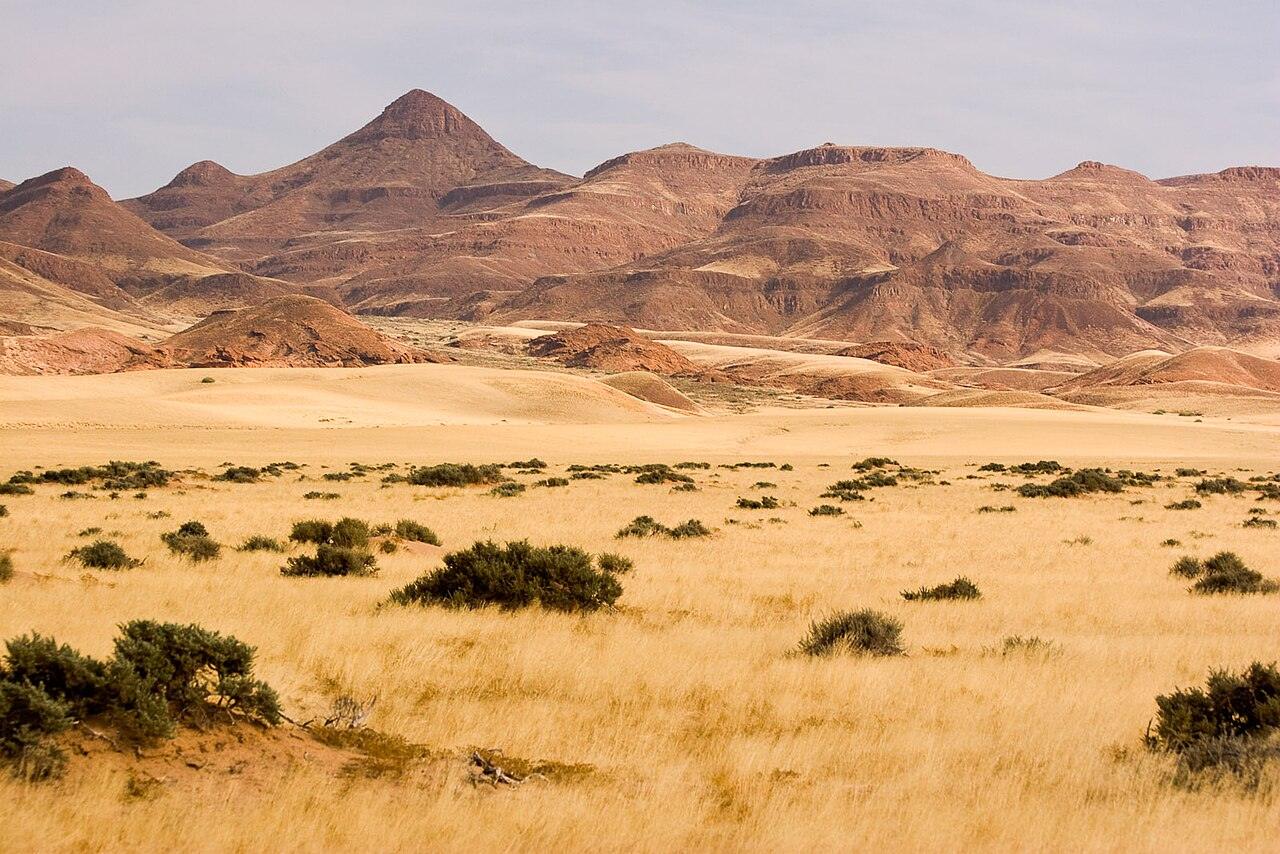 15 daysModerate
Classic Namibia: desert, Damaraland and Etosha
A great 4x4 journey: dunes, coastline, desert elephants, the Himba people and the waterholes of Etosha.
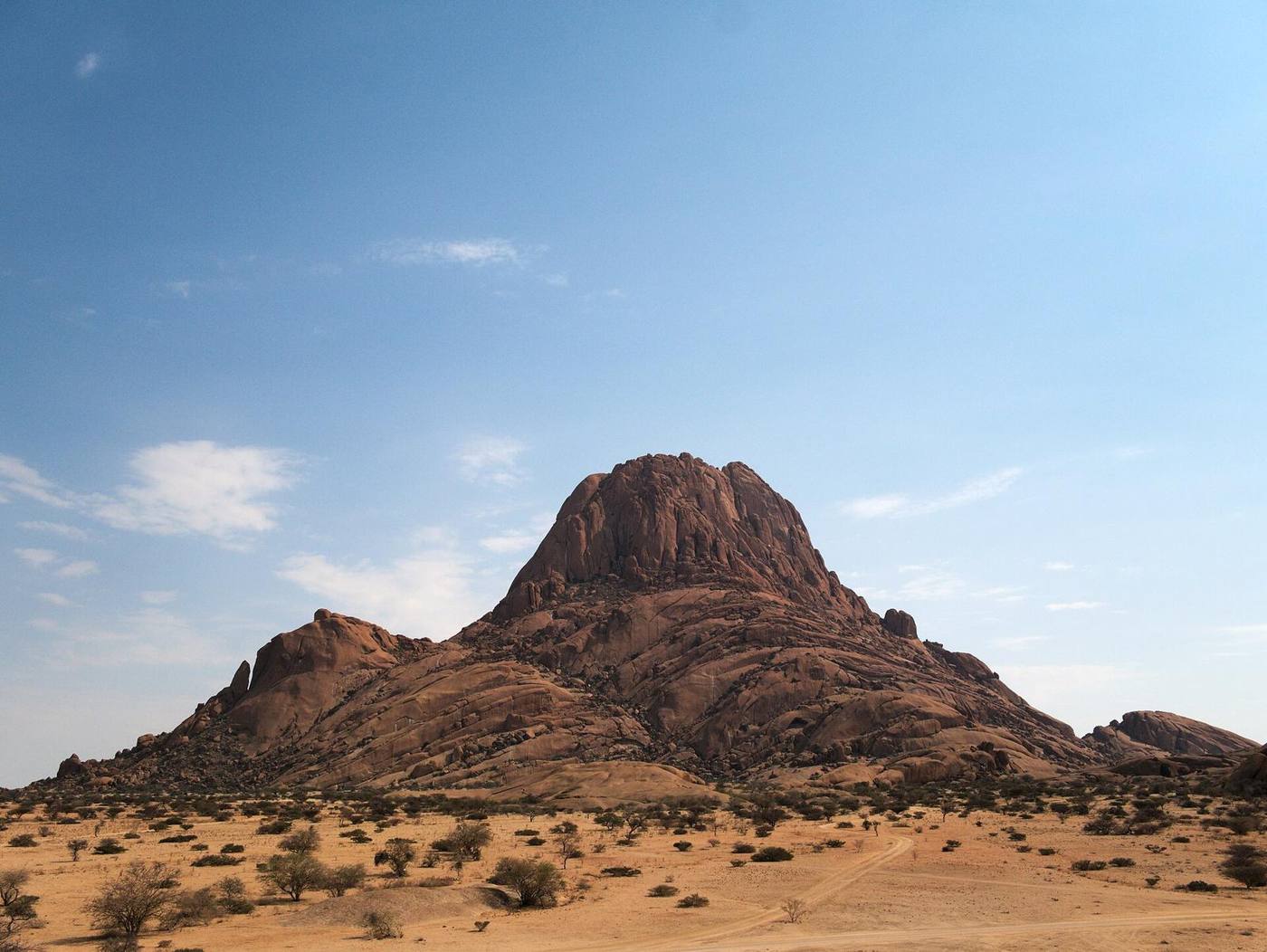 13 daysModerate
Namibia express: dunes, the Skeleton Coast and the Himba
The loop in under two weeks: Sossusvlei, Swakopmund, the Spitzkoppe, the Himba villages of Kaokoland and Etosha.
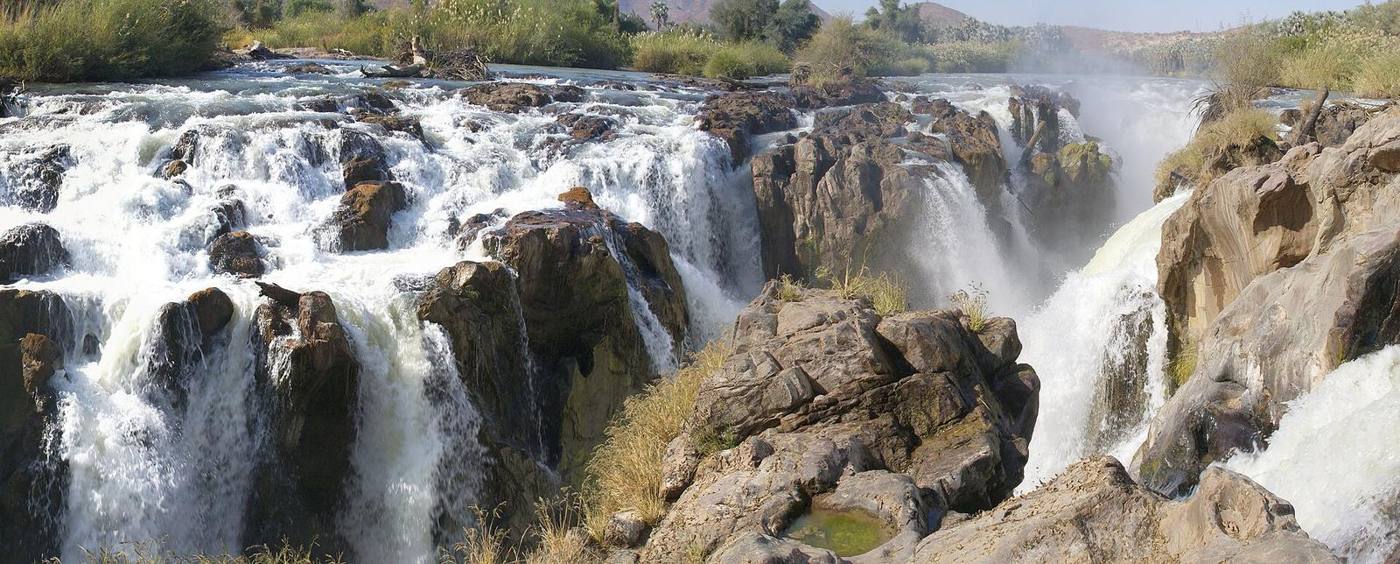 22 daysModerate
All of Namibia, from Fish River to the Epupa falls
The complete journey: the Kalahari, Fish River Canyon, the ghost town of Kolmanskop, the Namib, the Skeleton Coast, the Himba up to the Kunene river, and Etosha.