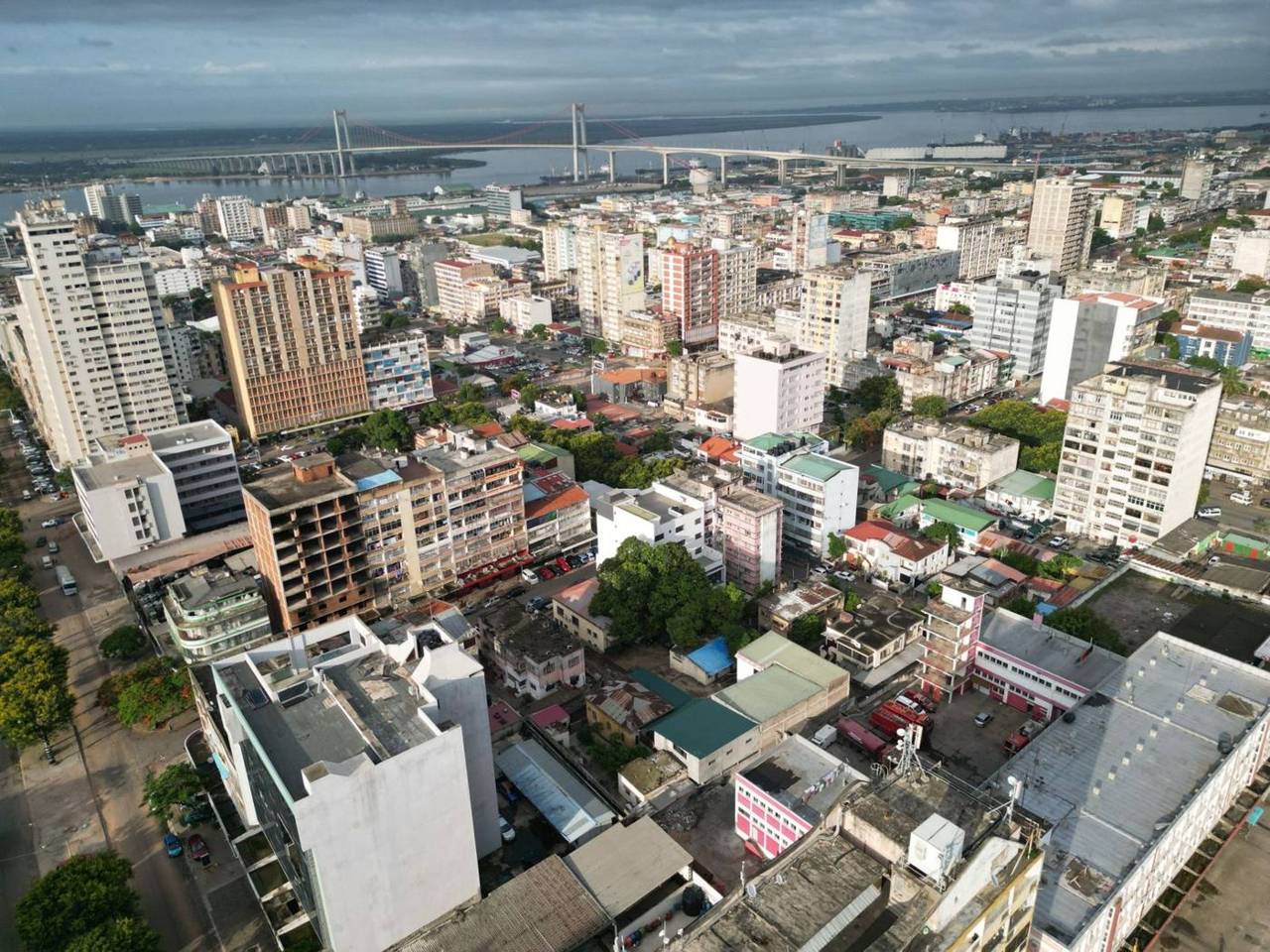
Maputo and Ponta do Ouro
Maputo with its railway station, market and Portuguese-African food, then the Ponta do Ouro marine reserve with dolphins and turtles.
- Maputo
- Catembe
- Maputo Reserve
- Ponta do Ouro
Day by day
- Day 1
Maputo: the station, the market and the Baixa
This five-day trip combines Mozambique's capital and the sea of the south: two days in Maputo among colonial architecture, markets and seafood, then the Catembe bridge, the elephants of the Maputo Special Reserve and the Ponta do Ouro marine reserve, with dolphins, turtles and coral reefs.
Before you go: Italian citizens enter Mozambique without a visa for stays of up to 30 days, but before leaving they must obtain an electronic travel authorisation on the official portal evisa.gov.mz, paying a fee: check the amount and apply at least five working days ahead. Your passport must be valid for at least six months from arrival, with two blank pages. Other nationalities should check their own rules. The United Kingdom advises against all travel to Cabo Delgado Province and to some districts of Nampula and Niassa, in the north, because of terrorism: this route stays in the south, a very long way away. Street crime is common in Maputo and protests can start at short notice. The whole country is a malaria area: ask your doctor.
You arrive in Maputo and, once settled in, walk around the Baixa, the lower town near the port. Start at the railway station, from the early twentieth century, with its green dome and the old locomotives on display. Then go into the central market, among stalls of tropical fruit, spices, cashew nuts and dried fish.
Towards evening, stroll along Avenida Samora Machel to Independence Square, with the white city hall and the cathedral.
Practical tip: always carry your original passport, because the police do not accept photocopies, and in the evening get around only by taxi.
- Day 2
The fortress, the iron house and the king prawns
Today you carry on exploring Maputo. In the morning, visit the fortress, a stone building near the port, with a courtyard and some colonial-era statues brought here after independence. Check prices and times.
A few steps away is the iron house, a prefabricated metal house from the late nineteenth century, intended as the governor's residence. Then walk up to the Tunduru garden, a botanical park in the centre, in the shade of large tropical trees, where locals come to read, chat and escape the midday heat.
In the afternoon, explore Polana, the upper part of the city, with wide avenues, modernist houses from the 1950s and 1960s and the natural history museum, in a building with turrets and neo-Manueline decoration. From the viewpoint on Avenida Friedrich Engels you see the whole bay and the suspension bridge to Catembe, which you will cross tomorrow.
If you travel in October or November, the avenues are covered with the purple flowers of the jacarandas.
In the evening, go to the fish market on the seafront. Choose king prawns, lobster or fresh fish at the stalls, then have it grilled in the kitchens nearby, with rice, chips and piri piri sauce, the country's hot chilli. Always agree the price first.
Practical tip: tomorrow you leave the city on sand tracks: collect your 4x4 today, fill up with fuel and buy water and food for the reserve.
- Day 3
The Catembe bridge and the reserve's elephants
Today you leave Maputo heading south. You cross the Catembe suspension bridge, opened in 2018, high above the bay, and continue on a tarmac road through villages, woodland and lakes. In about two hours you reach the entrance of the Maputo Special Reserve, today part of Maputo National Park, which together with South Africa's iSimangaliso forms a UNESCO site.
At the gate, let a little air out of your tyres: the tracks are deep sand and you need a real 4x4. The reserve was created in 1932 to protect the elephants of the coastal plain, and today the herds are large again. Drive slowly to the inland lakes, such as Lake Piti, where elephants come to drink and hippos rest in the water.
Around you there are also zebras, giraffes, wildebeest and small antelopes, brought back in recent years. In the wetlands you find crocodiles and many birds: herons, kingfishers and fish eagles.
Keep your distance from elephants: if one shakes its ears or moves towards the car, stop and back away slowly.
In the afternoon, leave the reserve heading south and reach Ponta do Ouro, a village on the ocean a few kilometres from the South African border. Arrive before dark and pump your tyres back up if you need to.
In the evening, walk along the long beach, with the dunes behind you and the waves of the Indian Ocean in front.
Practical tip: bring binoculars, because the reserve's elephants often stay under cover in the woods and can only be seen from a distance.
- Day 4
Ponta do Ouro: dolphins and diving
Today is a sea day. Ponta do Ouro lies inside a marine reserve, now part of Maputo National Park, which protects coral reefs, dolphins, turtles and, in some months, whales.
Early in the morning, join an authorised trip to swim with the dolphins. The boats leave from the beach and push through the waves, then look for the groups of bottlenose dolphins that live along this coast. If the dolphins are relaxed, you slip into the water with a mask and snorkel and stay near them for a few minutes. The rules are strict: do not touch them, do not chase them and always let them choose whether to come closer. No one can guarantee an encounter.
If you are a certified diver, dive on the offshore reefs, rich in tropical fish, rays, moray eels and, at some sites, sharks. Non-divers can snorkel in the more sheltered spots, at low tide and when the sea is calm. Check prices and times and choose a centre that respects the reserve's rules.
From July to November, during the trips, you may see humpback whales passing along the coast. From November to February turtles lay their eggs on the beaches at night: you can watch them only with an authorised guide.
In the afternoon, rest on the beach or climb the lighthouse hill to watch the sunset over the coast.
Practical tip: the sea can be rough as you launch from the beach. If you get seasick, take a remedy beforehand and have a light breakfast.
- Day 5
Back to Maputo
Today is the last day. Get up early and walk on the beach at dawn, when the fishermen pull their nets ashore and the sea is still calm. Have a last swim in the spots sheltered from the waves and ask the fishermen where the currents are.
After breakfast, wander around the small village centre, with the market selling fruit, Portuguese bread and handicrafts in wood and fabric. Try pastéis, small filled pastries, or a dish of matapa, the stew of cassava leaves with peanuts and coconut milk.
Around midday, head back north. The tarmac road passes close to the reserve and then reaches the Catembe bridge, with views of Maputo and the bay. The drive takes about two hours. Reach the city before sunset: outside the cities in Mozambique you drive only by day.
In five days you have seen two faces of southern Mozambique: a lively capital, with its markets and architecture, and a wild coast, with elephants among the dunes and dolphins in the ocean.
When to go: from May to November the weather is dry and mild and the sea at its clearest. From July to November the whales pass by; from November to February is the turtle season, but it is hot.
Practical tip: there are police checkpoints along the road: slow down, say hello and show your passport and car documents when asked.
A lively city and the sea, easy to combine with South Africa. In Maputo take care in the evening: use taxis. The north of the country, Cabo Delgado, is advised against because of an armed insurgency.
Before you go
- Documents and visa
- Passport valid for at least six months from arrival, with at least two blank pages. Italian citizens enter without a visa for tourism stays of up to 30 days, but before leaving they must obtain an electronic travel authorisation (ETA) on the official portal evisa.gov.mz, paying a fee online: apply at least five working days ahead and carry a printout of the approval. A yellow fever vaccination certificate is required if you arrive from a country with a risk of transmission.
- Health and vaccines
- Malaria is present across the country: ask your doctor about antimalarials. There is also dengue and bilharzia in fresh water, and a cholera outbreak is ongoing in the centre and north: drink only bottled water. Hospitals are of a low standard, especially in the north: you need insurance covering medical costs and evacuation. Emergencies: 112.
- Money and payments
- Mozambican metical. Cards work in Maputo and the bigger resorts; on the islands and in remote areas carry cash, withdrawn in town.
- Power sockets
- Type C, F and M, 220 volts: bring a universal adapter.
- Time zone
- UTC+2 all year.
- Safety
- The UK government advises against all travel to Cabo Delgado Province, except Palma town and the area around Pemba and Afungi, where it advises against all but essential travel, and to the districts of Memba and Eráti (Nampula) and Mecula and Marrupa (Niassa), because of terrorism. Street crime is common in Maputo, sometimes with weapons. Protests can start at short notice. Outside the cities travel only by day and always carry your original passport: the police do not accept copies. Official advice: GOV.UK.
Information checked in November 2026 for Italian and EU citizens. Rules change: always check before you travel.
Variations
In three days: one day in Maputo and two at Ponta do Ouro, without stopping in the reserve.
In eight days: add a boat trip to Inhaca Island and two nights on the reserve's coast, at Ponta Membene.
Frequently asked questions
Do I need a 4x4?
Yes, for the Maputo Special Reserve and for the sandy roads of Ponta do Ouro. If you do not want to drive, choose an organised transfer from Maputo.
Is it safe to swim with dolphins?
Yes, if you go out with an operator authorised by the reserve and follow the rules. Dolphins are wild animals: do not touch them and let them come to you.
Can the trip be combined with South Africa?
Yes. Ponta do Ouro is a few kilometres from the South African border, near Kosi Bay. Check the border post's opening hours and the documents for the car.
Indicative itinerary written by World Atlas. Before booking, check timetables, seasonal openings, documents and safety.
 6 daysEasy
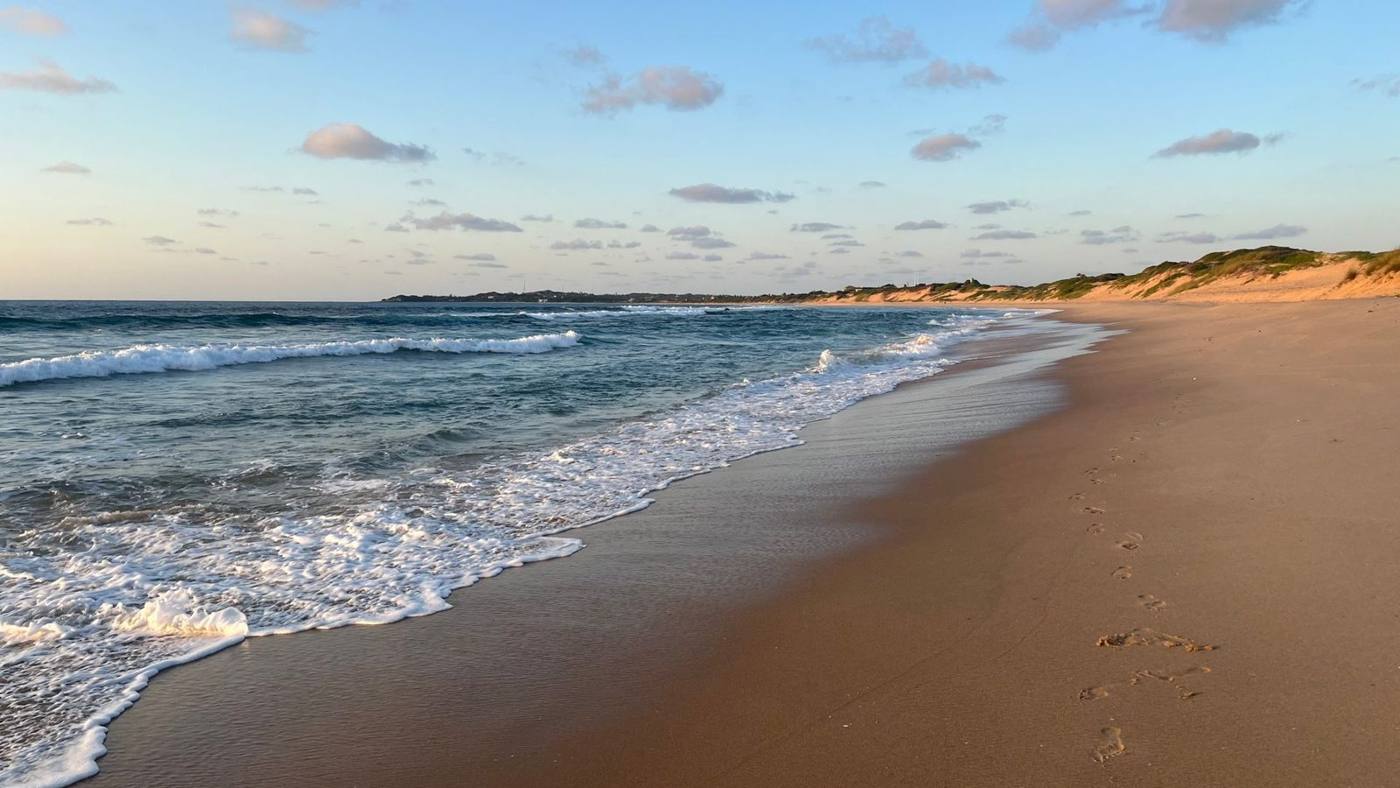
Tofo and Inhambane
The beaches of Tofo and Barra, whale sharks and giant mantas, the colonial town of Inhambane and the dunes by the sea.
 6 daysEasy
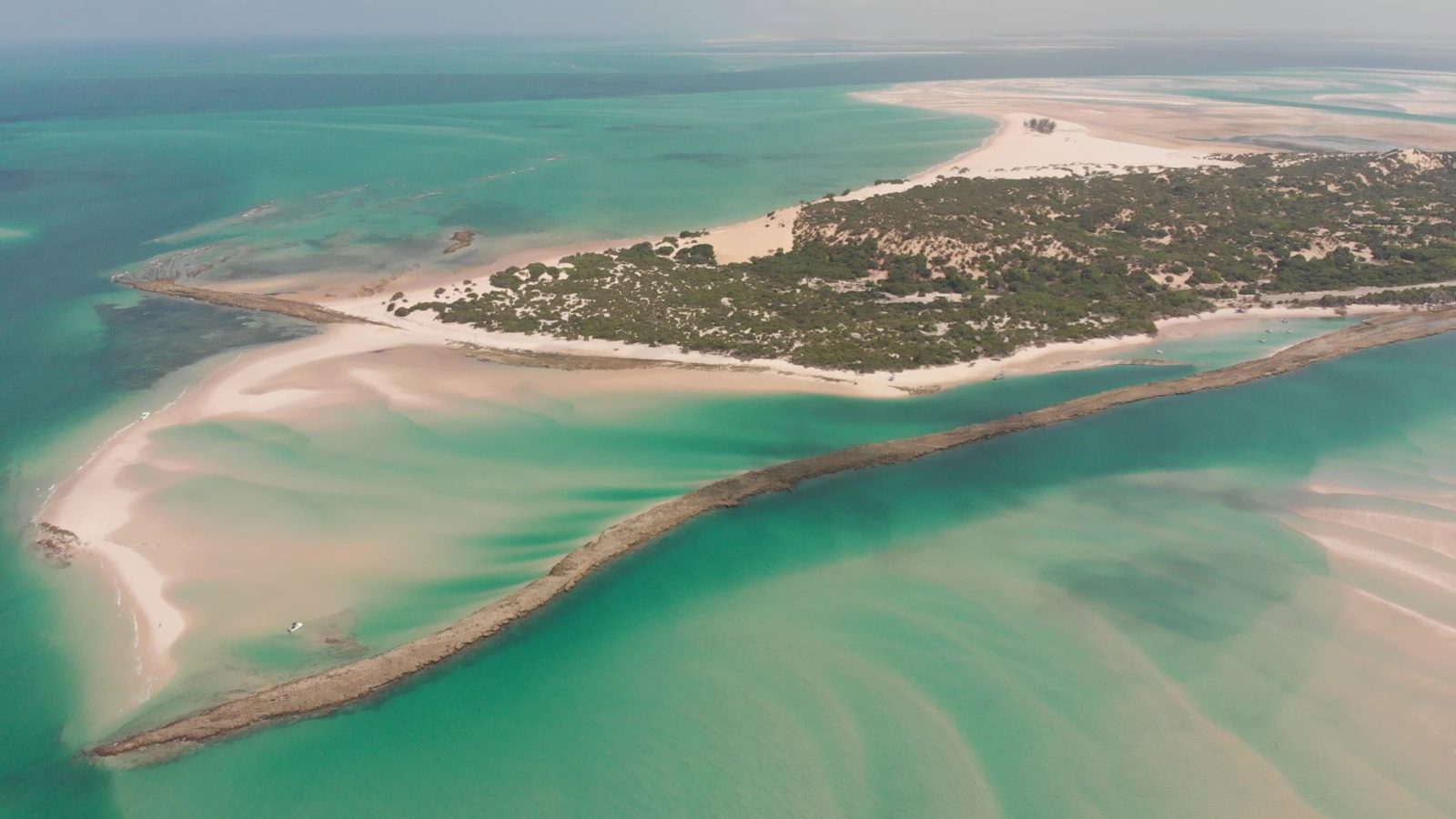
Vilanculos and the Bazaruto archipelago
Sand dunes over a turquoise sea, traditional dhows, dugongs and reefs in the Bazaruto marine park.
 2 daysEasy
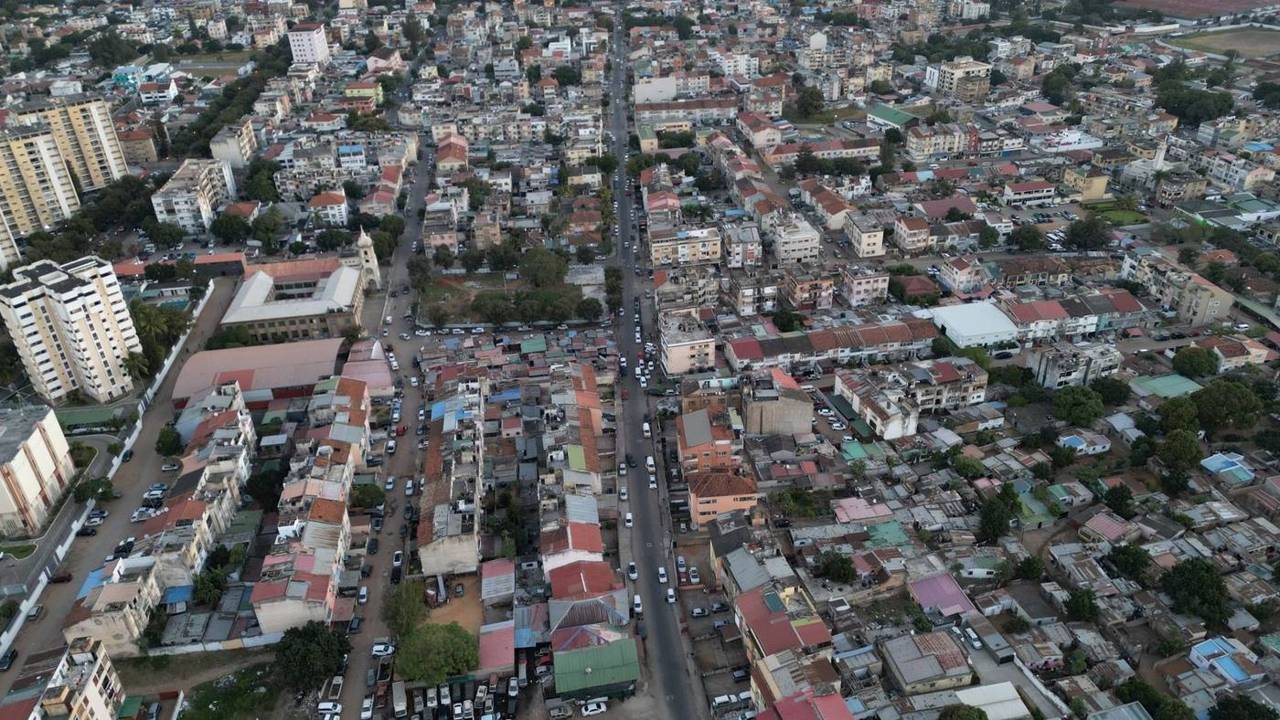
Maputo, architecture and markets
The capital of jacaranda avenues: the railway station, the iron house, the modernist buildings of Pancho Guedes, the central market and the fish market.