Limpopo National Park
The Mozambican part of the great transfrontier park with Kruger: Massingir lake, the Olifants and Shingwedzi rivers, simple camps and returning wildlife.
- Kruger
- Giriyondo
- Massingir
- Limpopo
Day by day
- Day 1
From Kruger into Mozambique through the Giriyondo border
This four-day trip continues a Kruger safari across the border, into Limpopo National Park, the Mozambican part of the great transfrontier park that links South Africa, Mozambique and Zimbabwe. Here you find unfenced savannah, the large Massingir lake, the Olifants and Shingwedzi rivers and simple camps, with very few visitors.
Before you go: Italian citizens enter South Africa without a visa for up to 90 days. For Mozambique no visa is needed for up to 30 days, but before leaving they must obtain an electronic travel authorisation on the official portal evisa.gov.mz, paying a fee: check the amount. Your passport must be valid for at least six months, with blank pages for stamps. Other nationalities should check their own rules. The United Kingdom advises against all travel to Cabo Delgado Province and to some districts of Nampula and Niassa, in the north of Mozambique, because of terrorism: the Limpopo is in the far south-west, a very long way away. It is a malaria area: ask your doctor.
In the morning you drive through Kruger to the Giriyondo border post, reached from the Letaba and Phalaborwa area. It is a small border post in the middle of the park, with reduced opening hours that vary by season: check them beforehand and arrive in good time.
Show your passport, electronic authorisation and car documents, then buy the compulsory insurance. On the other side the road becomes a track. You cross the Lebombo mountains, low and rocky, and drop down to the Limpopo plains. In the afternoon you reach a camp near the lake.
Practical tip: you need a 4x4 with the rental company's letter allowing you to take it into Mozambique. Keep two warning triangles and a reflective vest in the car, as they are compulsory.
- Day 2
Safari along the rivers
Today you set off at dawn for your first safari in Limpopo National Park. The park was created in 2001 on a former hunting reserve, where war and poaching had almost emptied the savannah. In the following years many animals arrived from Kruger, moved by the rangers or crossing on their own after part of the border fence was opened.
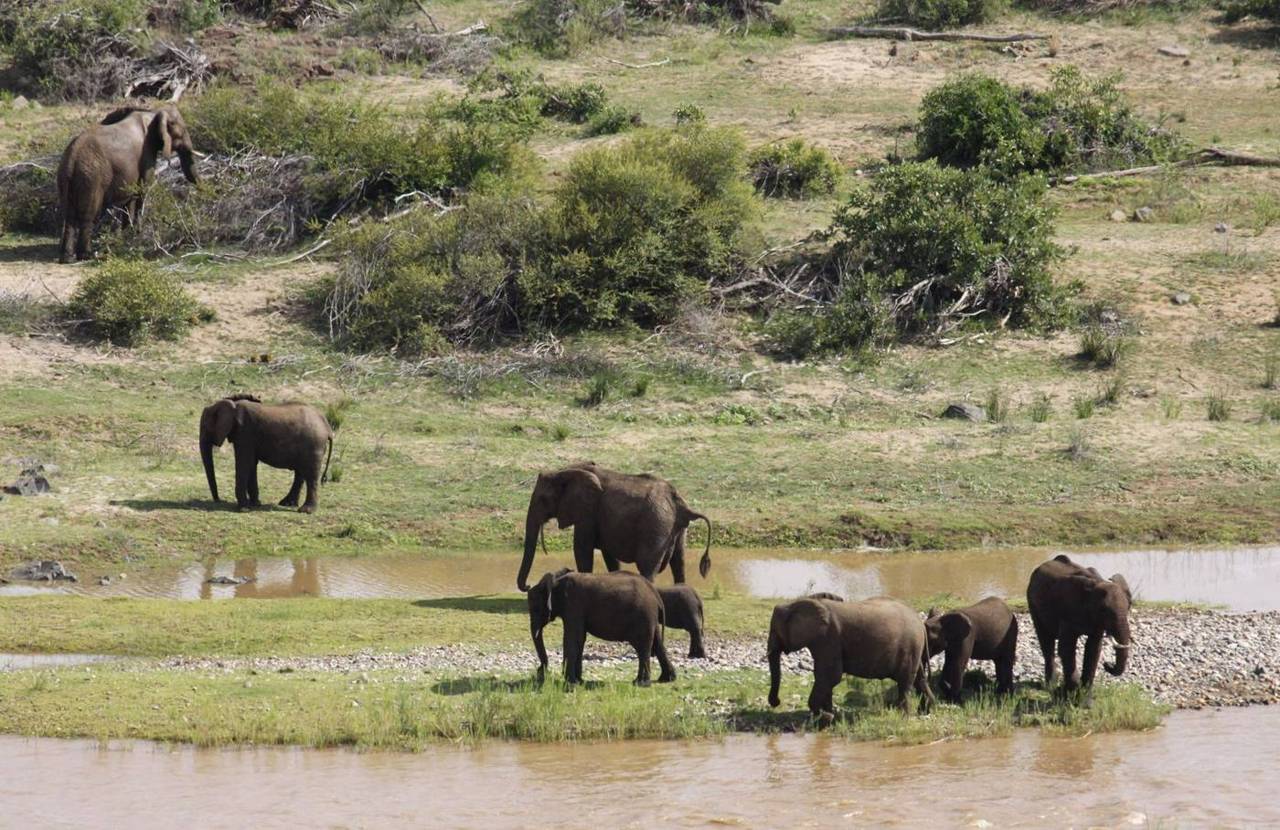
The animals are fewer and shyer than in South Africa, but the feeling is different: you drive for hours without seeing another car. Look for elephants, buffalo, kudu, impala, zebras and wildebeest. There are lions, but they are rare and hard to see. Watch the trees along the rivers: fish eagles, hornbills and kingfishers.
Follow the tracks along the Shingwedzi river, with large mopane and fig trees on the banks. In some stretches you find pools where the animals drink in the hot hours: stop, switch off the engine and wait.
At midday, go back to the camp and rest. In the afternoon, take a second, shorter drive and return before sunset. You do not drive at night in the park.
In the evening, listen to the sounds of the savannah: the call of hyenas, the chirp of geckos and, sometimes, the distant roar of a lion.
Practical tip: in the Limpopo there are no fuel stations or shops along the tracks. Leave South Africa with a full tank, a spare jerrycan, and water and food for every day.
- Day 3
Lake Massingir
Today you spend the day at Lake Massingir, a large reservoir created by a dam on the Olifants river, which here is called the Rio dos Elefantes. The lake is surrounded by low hills, woodland and sandy shores.
In the morning, follow the shore by car. In the bays you see hippos resting in the water, huge crocodiles on the banks and many water birds: herons, cormorants and fish eagles, with their sharp cry. Elephants often come down to drink in the hot hours.
If the camp offers it, take a boat trip on the lake with a guide: you see the animals close up without disturbing them and you understand how big this stretch of water is. Check prices and times. Never walk up to the water's edge, because of the crocodiles.
In the afternoon, visit the dam area, from where you see the lake and the Olifants valley. In the villages outside the park, people live from fishing and farming. The park works with the local communities, and some families have been moved outside its boundaries: it is a complex story that the guides are happy to tell.
In the evening, watch the sunset over the lake: the sky turns red and the hippos come out of the water to graze.
Practical tip: bring binoculars for each person. The animals in the Limpopo are shyer and often seen only from a distance.
- Day 4
Back to Kruger or on to the coast
Today you leave the park. You have two options.
The first is to return to South Africa through the Giriyondo border, back into Kruger. Leave early to arrive while the border post is open, and book the Kruger camp where you will sleep well in advance.
The second is to continue in Mozambique towards the Indian Ocean coast. Leave through the Massingir gate and take the tarmac road south-east, through the Limpopo valley, with fields, villages and markets along the way. In about half a day you reach the coast at Xai-Xai, from where you can continue to Tofo or head back towards Maputo. There are police checkpoints along the road: slow down, say hello and show your documents when asked. Drive only by day.
In four days you have seen the wild and little-known side of the great transfrontier park: tracks without traffic, rivers, a large lake full of hippos and animals returning after years of war.
When to go: from May to October, in the dry season, the animals gather near the water and the tracks are dry. From November to March it rains, it is very hot and some tracks can become impassable.
Practical tip: always carry your original passport, because the Mozambican police do not accept photocopies, and keep the car documents and the insurance receipt within reach.
An adventurous extension of a Kruger trip. Wildlife is less abundant than in South Africa. The Giriyondo border has limited hours: check them first.
Before you go
- Documents and visa
- Passport valid for at least six months from arrival, with at least two blank pages. Italian citizens enter without a visa for tourism stays of up to 30 days, but before leaving they must obtain an electronic travel authorisation (ETA) on the official portal evisa.gov.mz, paying a fee online: apply at least five working days ahead and carry a printout of the approval. A yellow fever vaccination certificate is required if you arrive from a country with a risk of transmission.
- Health and vaccines
- Malaria is present across the country: ask your doctor about antimalarials. There is also dengue and bilharzia in fresh water, and a cholera outbreak is ongoing in the centre and north: drink only bottled water. Hospitals are of a low standard, especially in the north: you need insurance covering medical costs and evacuation. Emergencies: 112.
- Money and payments
- Mozambican metical. Cards work in Maputo and the bigger resorts; on the islands and in remote areas carry cash, withdrawn in town.
- Power sockets
- Type C, F and M, 220 volts: bring a universal adapter.
- Time zone
- UTC+2 all year.
- Safety
- The UK government advises against all travel to Cabo Delgado Province, except Palma town and the area around Pemba and Afungi, where it advises against all but essential travel, and to the districts of Memba and Eráti (Nampula) and Mecula and Marrupa (Niassa), because of terrorism. Street crime is common in Maputo, sometimes with weapons. Protests can start at short notice. Outside the cities travel only by day and always carry your original passport: the police do not accept copies. Official advice: GOV.UK.
Information checked in November 2026 for Italian and EU citizens. Rules change: always check before you travel.
Variations
In three days: a single night near Lake Massingir, returning to Kruger through Giriyondo.
In seven days: add the coast, with two nights at Xai-Xai and two at Tofo for the whale sharks.
Frequently asked questions
Can I enter the Limpopo with an ordinary car?
No, you need a 4x4. The tracks are unpaved and sandy, and in the rainy season some become muddy.
Are there as many animals as in Kruger?
No, there are fewer and they are shyer, because the park is still being restocked. In exchange you have the tracks almost to yourself.
Is the Giriyondo border always open?
No, it has reduced hours that change with the season and it can close after heavy rain. Check them before you leave and arrive in good time.
Indicative itinerary written by World Atlas. Before booking, check timetables, seasonal openings, documents and safety.
 4 daysModerate
Gorongosa National Park
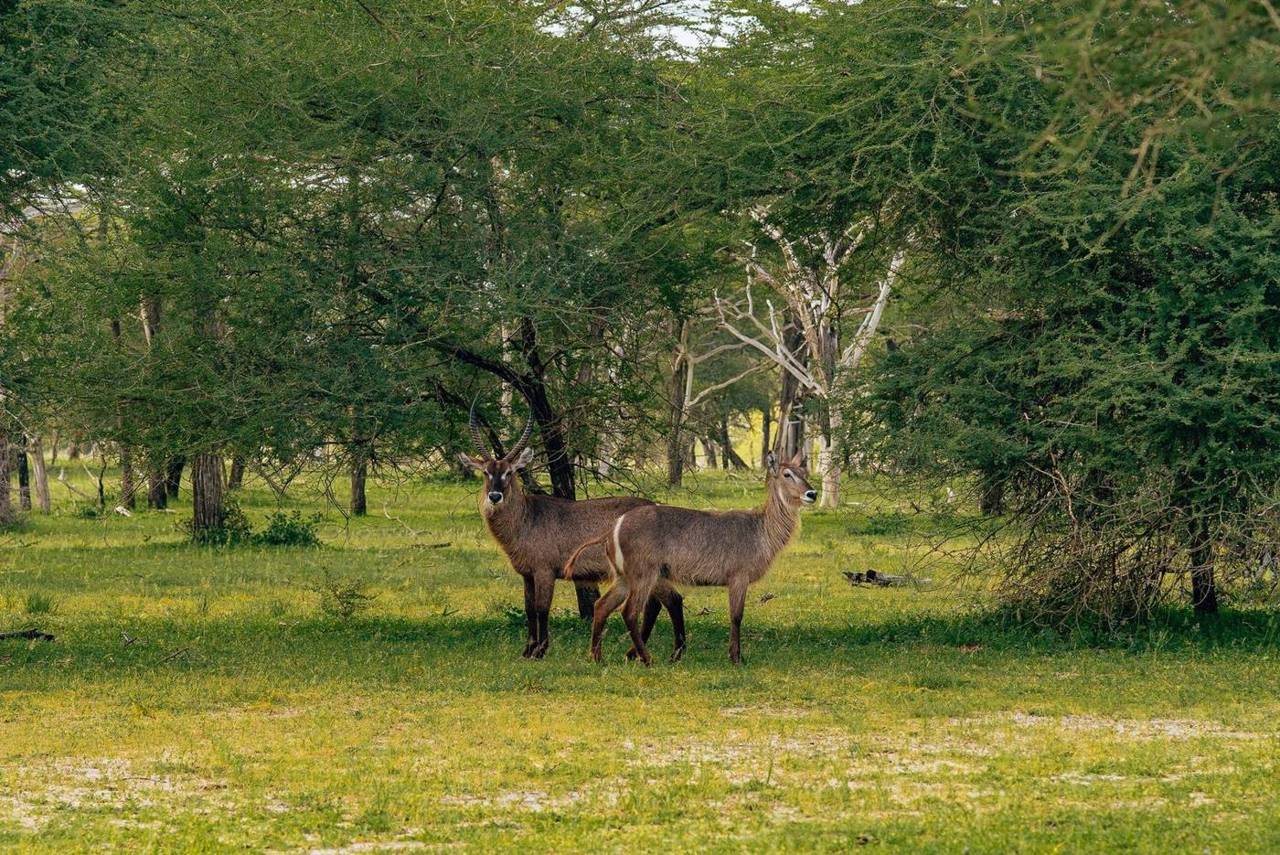
One of Africa's great wildlife revival projects: flooded savannahs with antelope, lions, elephants and returned wild dogs, and Mount Gorongosa with its waterfalls.
 3 daysEasy
Island of Mozambique
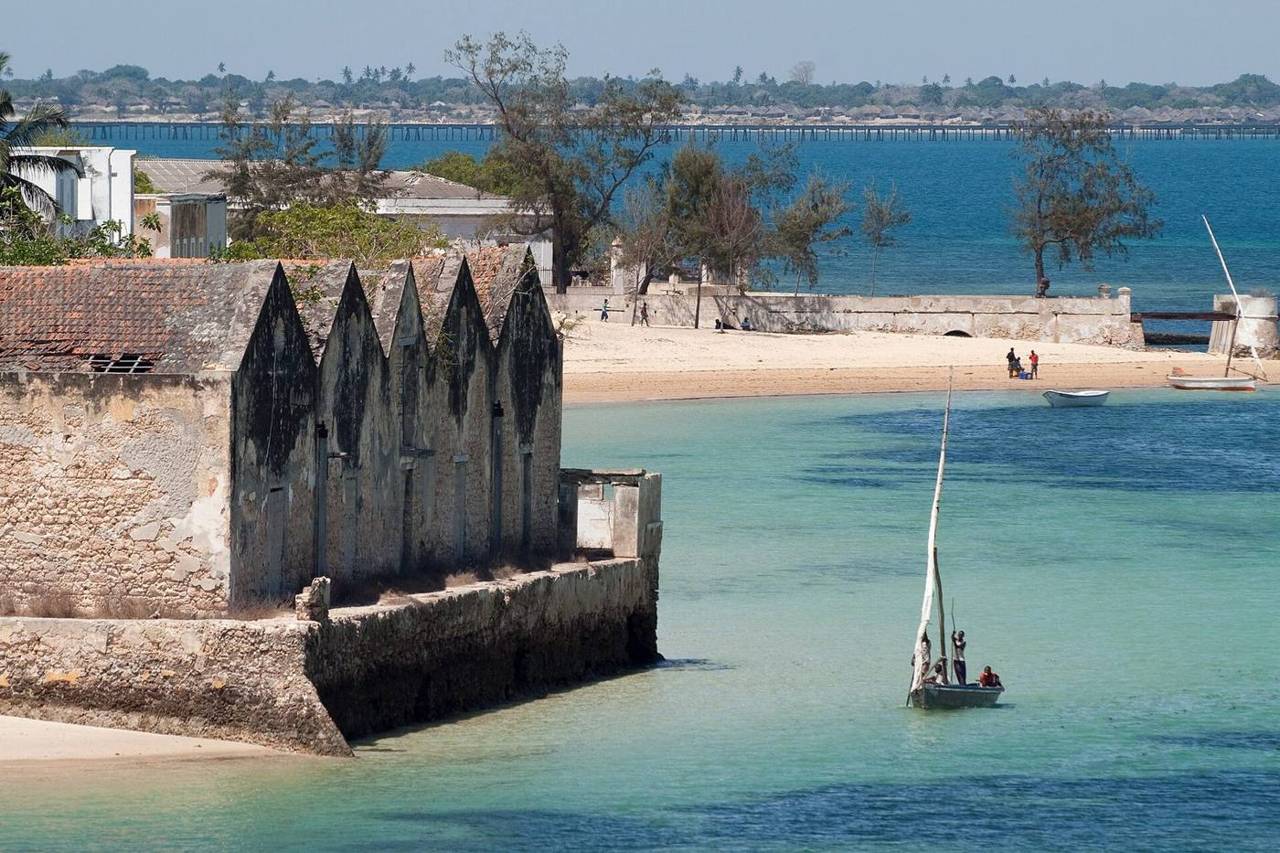
The former Portuguese capital, a UNESCO site: the fortress of São Sebastião, the governors' palace, the stone town and the macuti town, and the beaches of Chocas.
 4 daysModerate
Lake Niassa
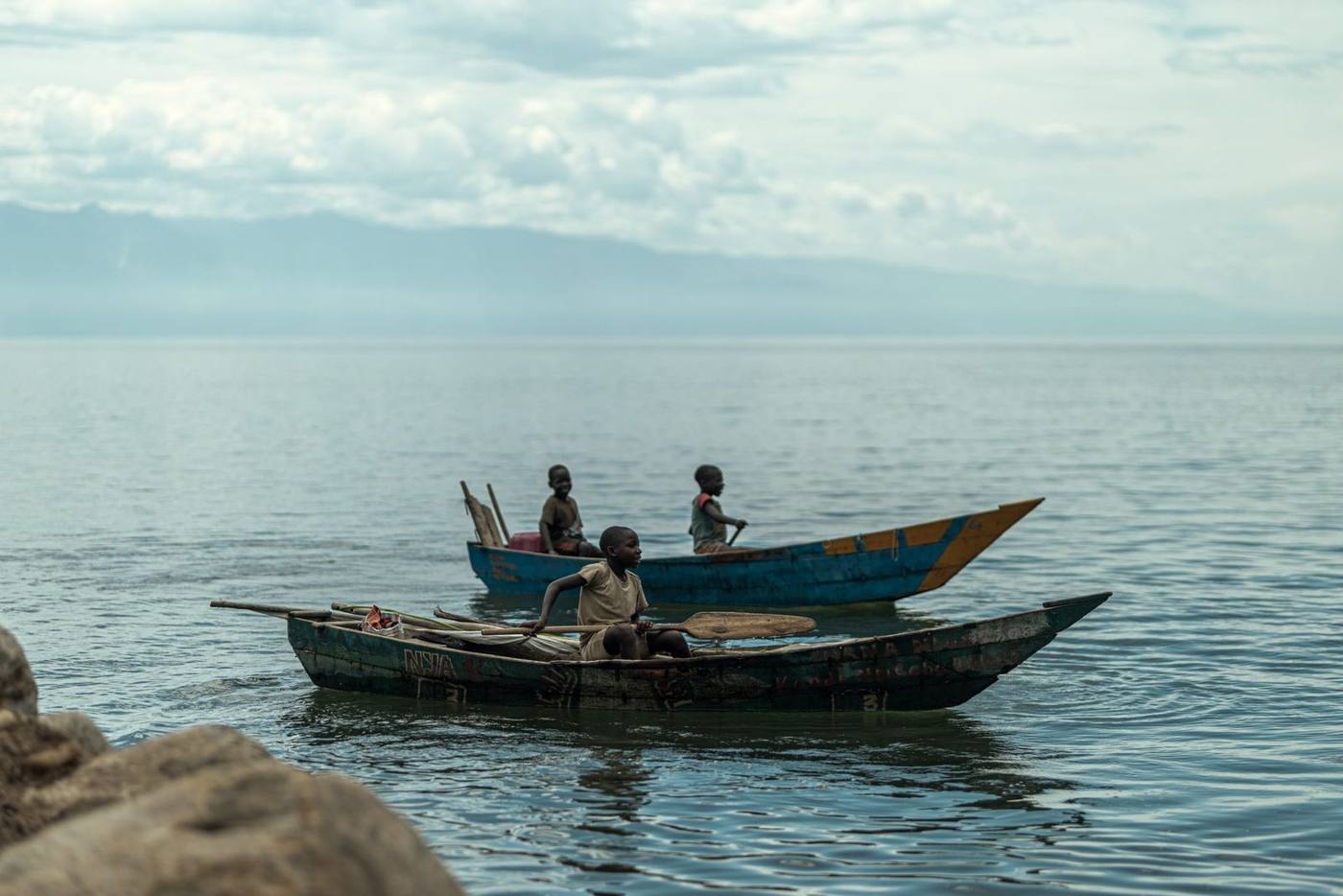
The Mozambican shore of Lake Malawi, almost untouched: fishing villages, clear water, kayaking and an eco-lodge near Cóbuè, close to Likoma Island.