Gorongosa National Park
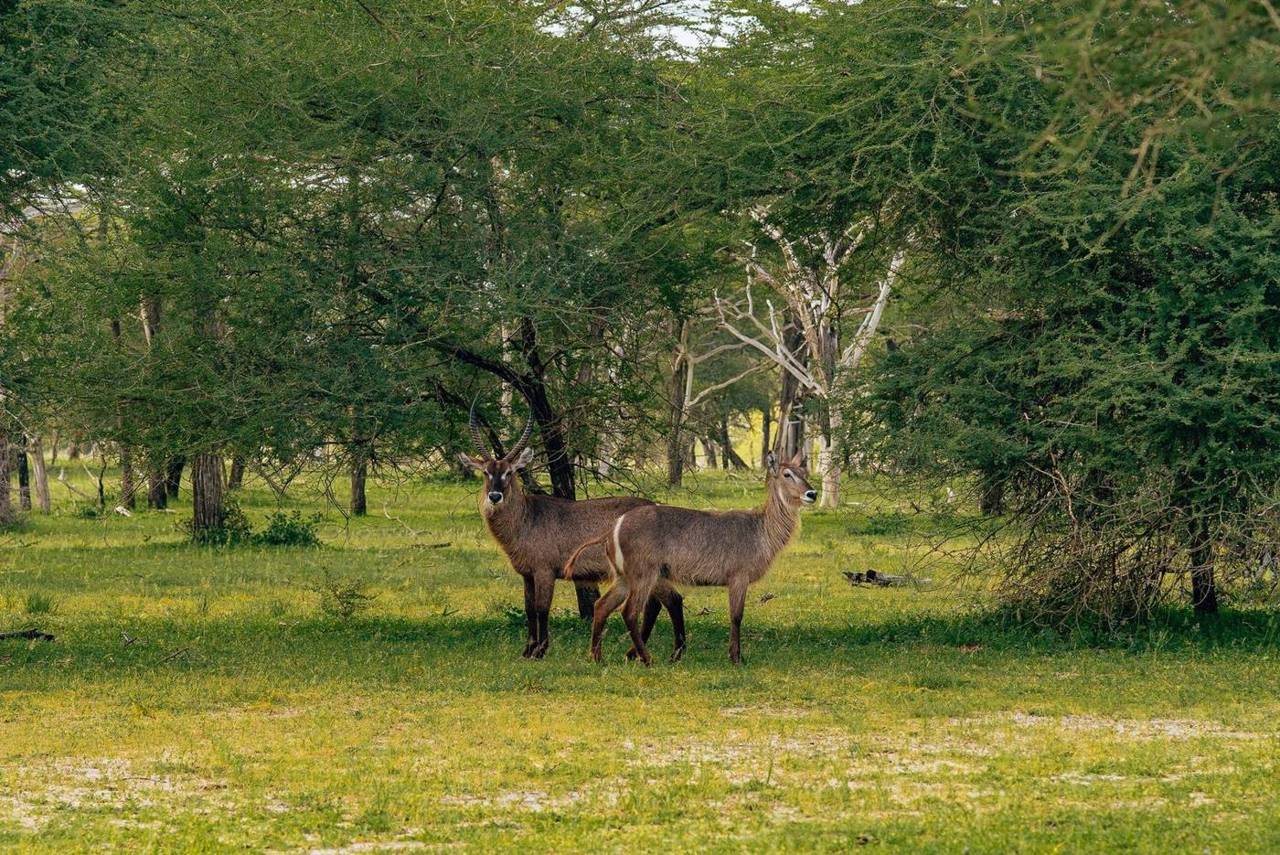
One of Africa's great wildlife revival projects: flooded savannahs with antelope, lions, elephants and returned wild dogs, and Mount Gorongosa with its waterfalls.
- Beira
- Chitengo
- Mount Gorongosa
Day by day
- Day 1
From Beira to Chitengo
This four-day trip takes you to Gorongosa National Park, in central Mozambique, one of the largest nature restoration projects in Africa. During the civil war, which ended in 1992, almost all the park's large animals were killed. Today, after years of protection, the savannah is full of life again.
Before you go: Italian citizens enter Mozambique without a visa for stays of up to 30 days, but before leaving they must obtain an electronic travel authorisation on the official portal evisa.gov.mz, paying a fee: check the amount and apply at least five working days ahead. Your passport must be valid for at least six months from arrival, with two blank pages. Other nationalities should check their own rules. The United Kingdom advises against all travel to Cabo Delgado Province and to some districts of Nampula and Niassa, further north, because of terrorism; Sofala Province, where Gorongosa lies, is not among the areas advised against. It does warn, however, that mines may remain in some remote parts of Sofala: do not leave the roads and tracks. There is a cholera outbreak in the centre of the country and the whole area is a malaria risk: ask your doctor.
You fly into Beira, on the ocean. From here the transfer organised by the park leaves: about four hours inland, first on the main road and then on a track to Chitengo, the park's central camp.
In the late afternoon, take a first drive near the camp: warthogs, baboons and impala are often around the tents.
Practical tip: do not drive to the park on your own; use the park transfer, travel only by day and always carry your original passport.
- Day 2
Safari on the plains of Lake Urema
Today you set off at dawn with a park guide towards the heart of Gorongosa: the plains around Lake Urema. Here the African Rift Valley opens into a wide, flat expanse that floods in the rainy season and slowly dries out in the dry months, leaving green meadows where thousands of animals graze.
You see herds of waterbuck, impala, wildebeest and buffalo, warthogs and baboons. Hippos and crocodiles live in the lake and the channels. Elephants have returned in good numbers: look closely at the females, many have no tusks. Scientists have studied this, linking it to the poaching of the war years.
Look for the predators too. Lions are back and often rest on termite mounds or in the shade of acacias. Since 2018 the park has also been home to African wild dogs, brought from South Africa and now increasing. Seeing them is a rare stroke of luck.
At midday, go back to the camp and visit the park's biodiversity laboratory, where scientists study insects, plants and animals and train young Mozambican researchers. Check times and how to visit.
In the afternoon, take a second safari towards the palm woods and the fever trees, acacias with yellow-green bark, and stay out until sunset, when the light turns golden over the savannah.
Practical tip: wear neutral colours, a hat and good repellent, because there are tsetse flies and mosquitoes on the plains.
- Day 3
Mount Gorongosa and the community coffee
Today you leave the savannah and climb Mount Gorongosa, an isolated massif west of the park, covered in rainforest on its upper slopes. In 2010 the upper part of the mountain was added to the park, to protect its forests and the springs that feed Lake Urema.
The drive with a guide takes a few hours. Along the way you pass villages and farmland. On the slopes of the mountain, local families grow coffee in the shade of native trees: the project helps replant the forest and gives the communities an income. With your guide, visit a plantation, see how the berries are picked and taste the coffee.
Then walk along a forest path to one of the mountain's waterfalls, such as Murombodzi. The water falls between moss-covered rocks, and around you there is birdsong from species that live only in these upland forests. The path can be slippery: you need hiking boots.
The mountain is also a sacred place for the local communities. Follow your guide's instructions, ask before taking photos and respect the places described as special.
In the late afternoon, return to Chitengo. In the evening, at the camp, listen to the sounds of the night: the call of hyenas, the crickets and, sometimes, the roar of a lion.
Practical tip: it is cooler on the mountain and it can rain even in the dry season; bring a light waterproof jacket.
- Day 4
A last safari and back to Beira
Today is the day you return. Make the most of the early morning for a last safari: it is the best time to see lions on the move, herds of waterbuck and the birds along the channels.
Stop at a viewpoint over the plains and watch how the landscape changes: within a few kilometres you go from open savannah to woodland, marshes and hills. In some areas you see termite mounds as tall as a person, often used by lions as lookouts.
After breakfast, say goodbye to the guides and leave with the park transfer for Beira, where you arrive in the afternoon. If your flight is the next day, take a walk along Beira's seafront before sunset and have grilled prawns for dinner, one of the city's best-known dishes. In the evening, get around by taxi.
In four days you have seen a story of rebirth: a park almost emptied by war that is home again to elephants, lions and wild dogs, and communities that live from protected nature.
When to go: from May to November, in the dry season, the animals gather around the lake and the tracks are open. In the rainy season, roughly from December to March, the park closes or greatly reduces its activities: check the dates before booking.
Practical tip: book the transfer and activities directly with the park, well in advance, because places are limited.
A place that shows how nature can recover after a war. The park closes in the rainy season. Arrive with a transfer arranged by the park, not independently.
Before you go
- Documents and visa
- Passport valid for at least six months from arrival, with at least two blank pages. Italian citizens enter without a visa for tourism stays of up to 30 days, but before leaving they must obtain an electronic travel authorisation (ETA) on the official portal evisa.gov.mz, paying a fee online: apply at least five working days ahead and carry a printout of the approval. A yellow fever vaccination certificate is required if you arrive from a country with a risk of transmission.
- Health and vaccines
- Malaria is present across the country: ask your doctor about antimalarials. There is also dengue and bilharzia in fresh water, and a cholera outbreak is ongoing in the centre and north: drink only bottled water. Hospitals are of a low standard, especially in the north: you need insurance covering medical costs and evacuation. Emergencies: 112.
- Money and payments
- Mozambican metical. Cards work in Maputo and the bigger resorts; on the islands and in remote areas carry cash, withdrawn in town.
- Power sockets
- Type C, F and M, 220 volts: bring a universal adapter.
- Time zone
- UTC+2 all year.
- Safety
- The UK government advises against all travel to Cabo Delgado Province, except Palma town and the area around Pemba and Afungi, where it advises against all but essential travel, and to the districts of Memba and Eráti (Nampula) and Mecula and Marrupa (Niassa), because of terrorism. Street crime is common in Maputo, sometimes with weapons. Protests can start at short notice. Outside the cities travel only by day and always carry your original passport: the police do not accept copies. Official advice: GOV.UK.
Information checked in November 2026 for Italian and EU citizens. Rules change: always check before you travel.
Variations
In three days: two safaris on the plains of Lake Urema, without the trip up Mount Gorongosa.
In six days: add another day of safari and two nights on the coast at Vilanculos, for the Bazaruto archipelago.
Frequently asked questions
Is Gorongosa safe?
Sofala Province is not among the areas the United Kingdom advises against. Arrive with the park transfer, travel by day and do not leave the tracks, because mines may remain in some remote areas.
Can you see lions?
Yes, lions are back, especially on the plains of Lake Urema. Wild dogs were reintroduced in 2018, but they are harder to see.
Is the park open all year?
No. In the rainy season the park closes or greatly reduces its activities because the plains flood. Check the dates before booking.
Indicative itinerary written by World Atlas. Before booking, check timetables, seasonal openings, documents and safety.
 3 daysEasy
Island of Mozambique
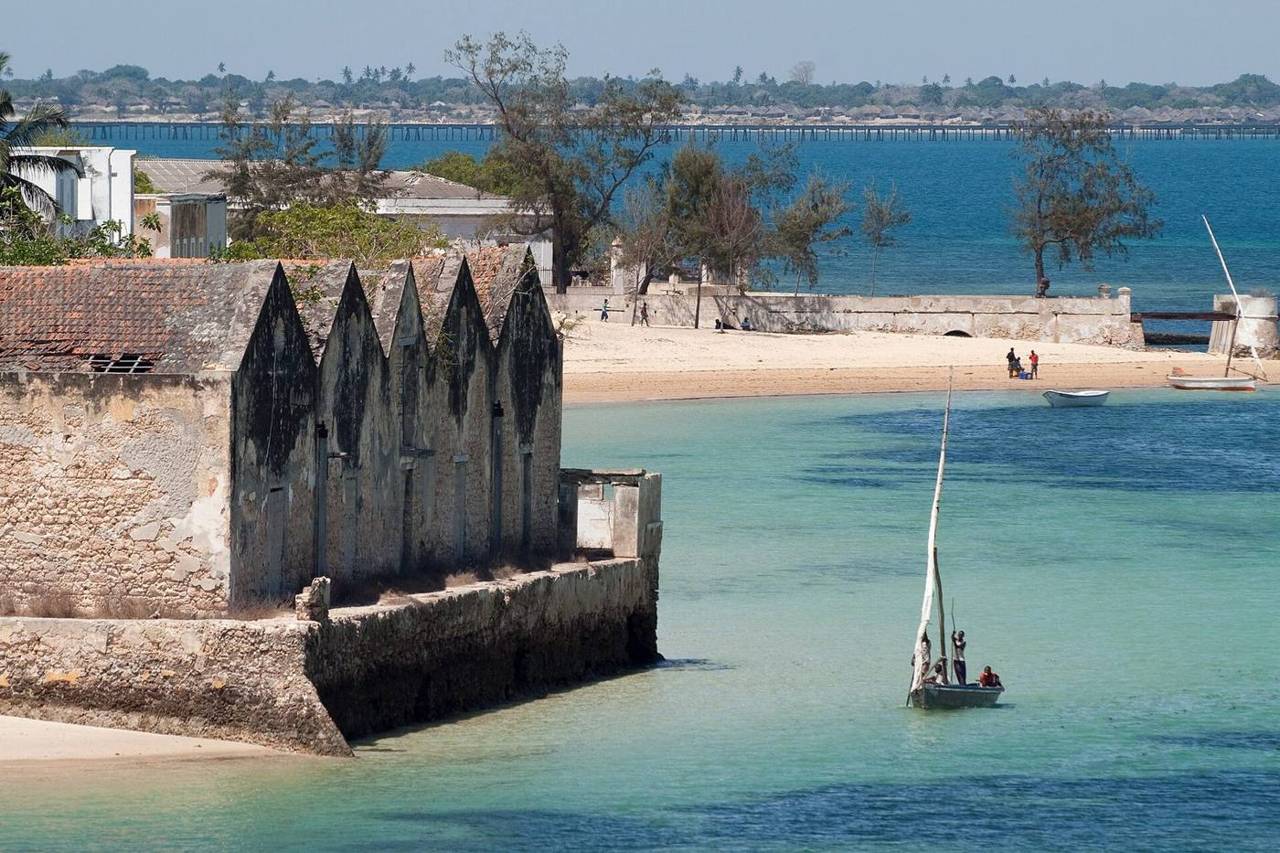
The former Portuguese capital, a UNESCO site: the fortress of São Sebastião, the governors' palace, the stone town and the macuti town, and the beaches of Chocas.
 4 daysModerate
Lake Niassa
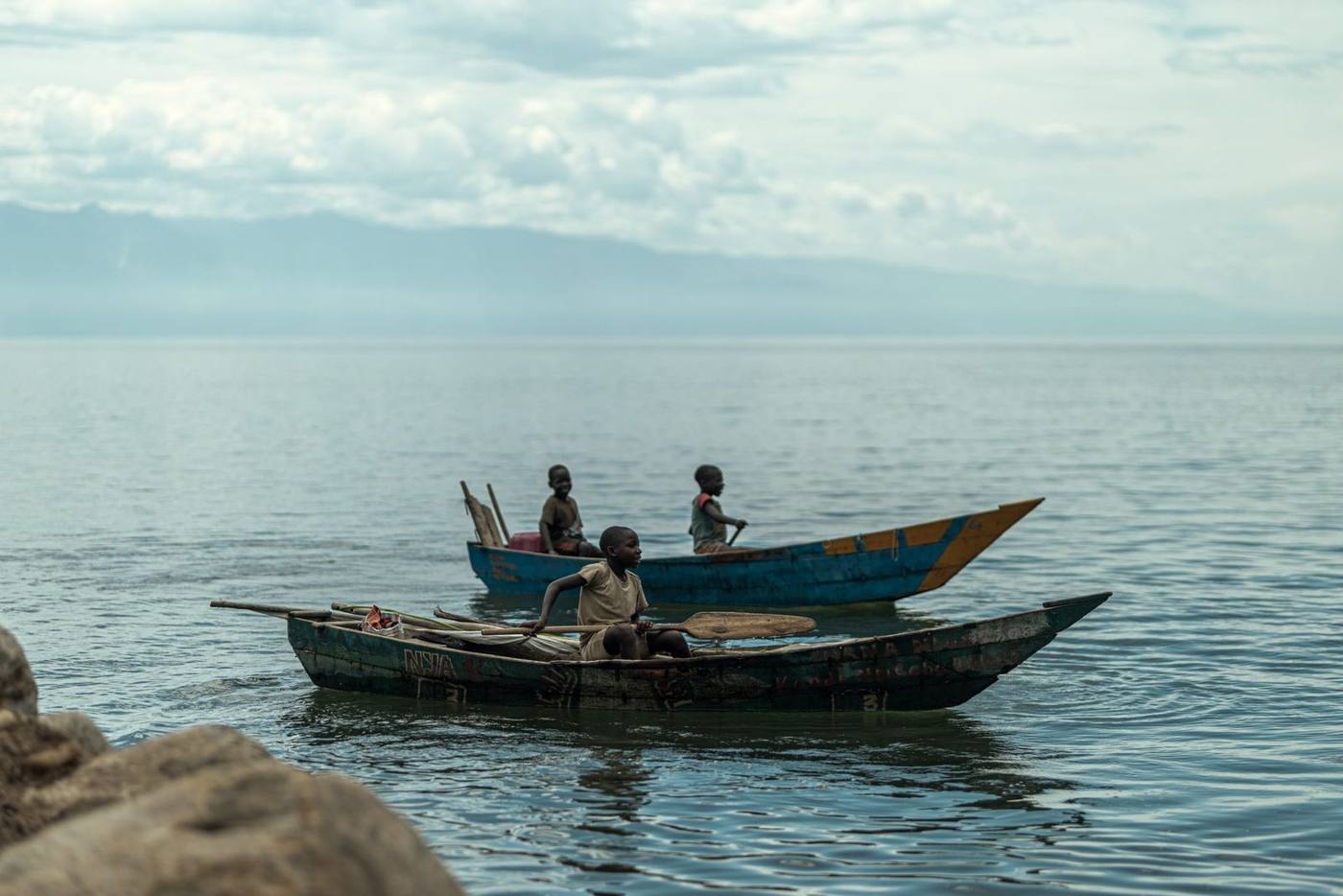
The Mozambican shore of Lake Malawi, almost untouched: fishing villages, clear water, kayaking and an eco-lodge near Cóbuè, close to Likoma Island.
 5 daysEasy
Maputo and Ponta do Ouro
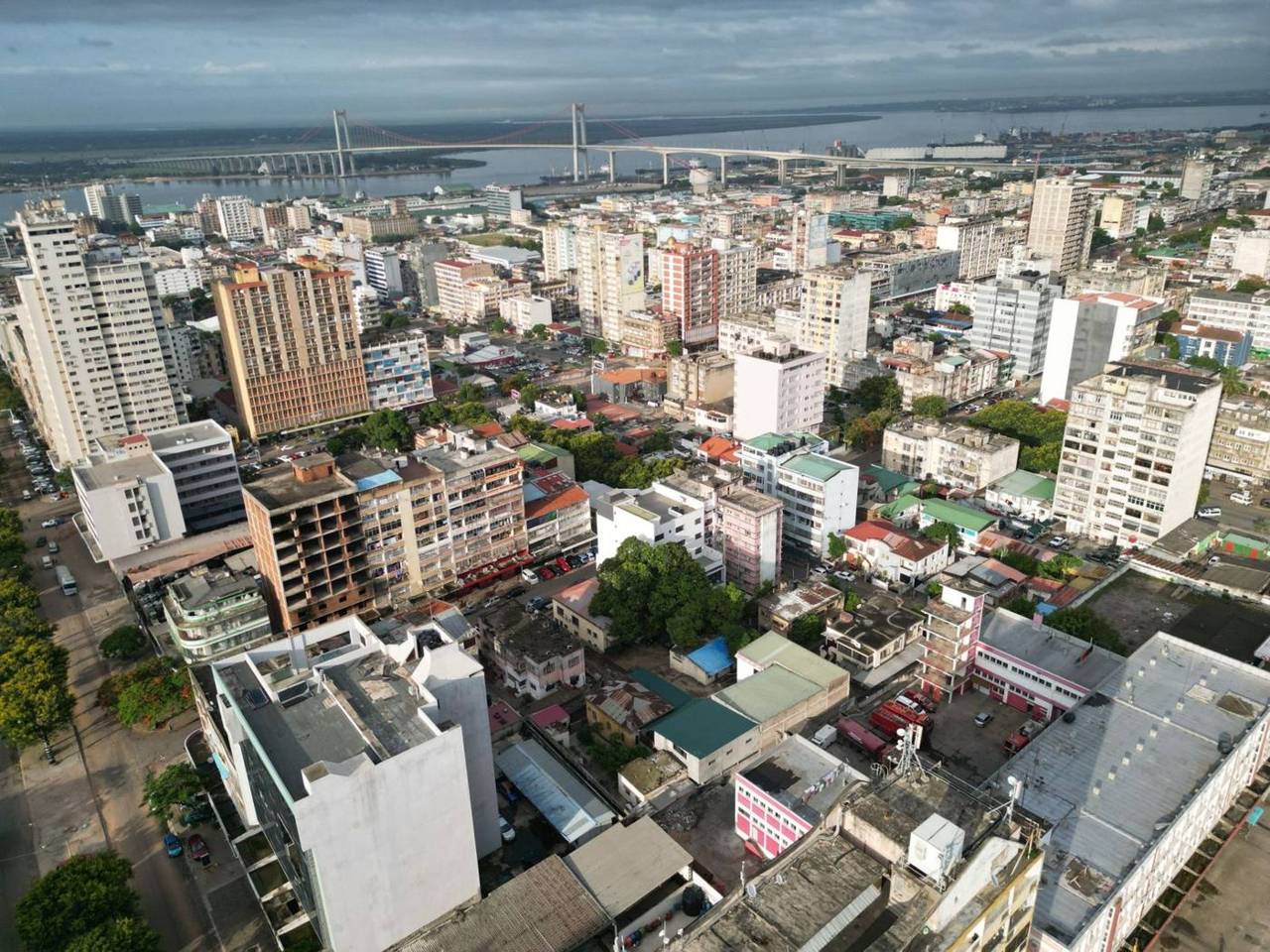
Maputo with its railway station, market and Portuguese-African food, then the Ponta do Ouro marine reserve with dolphins and turtles.