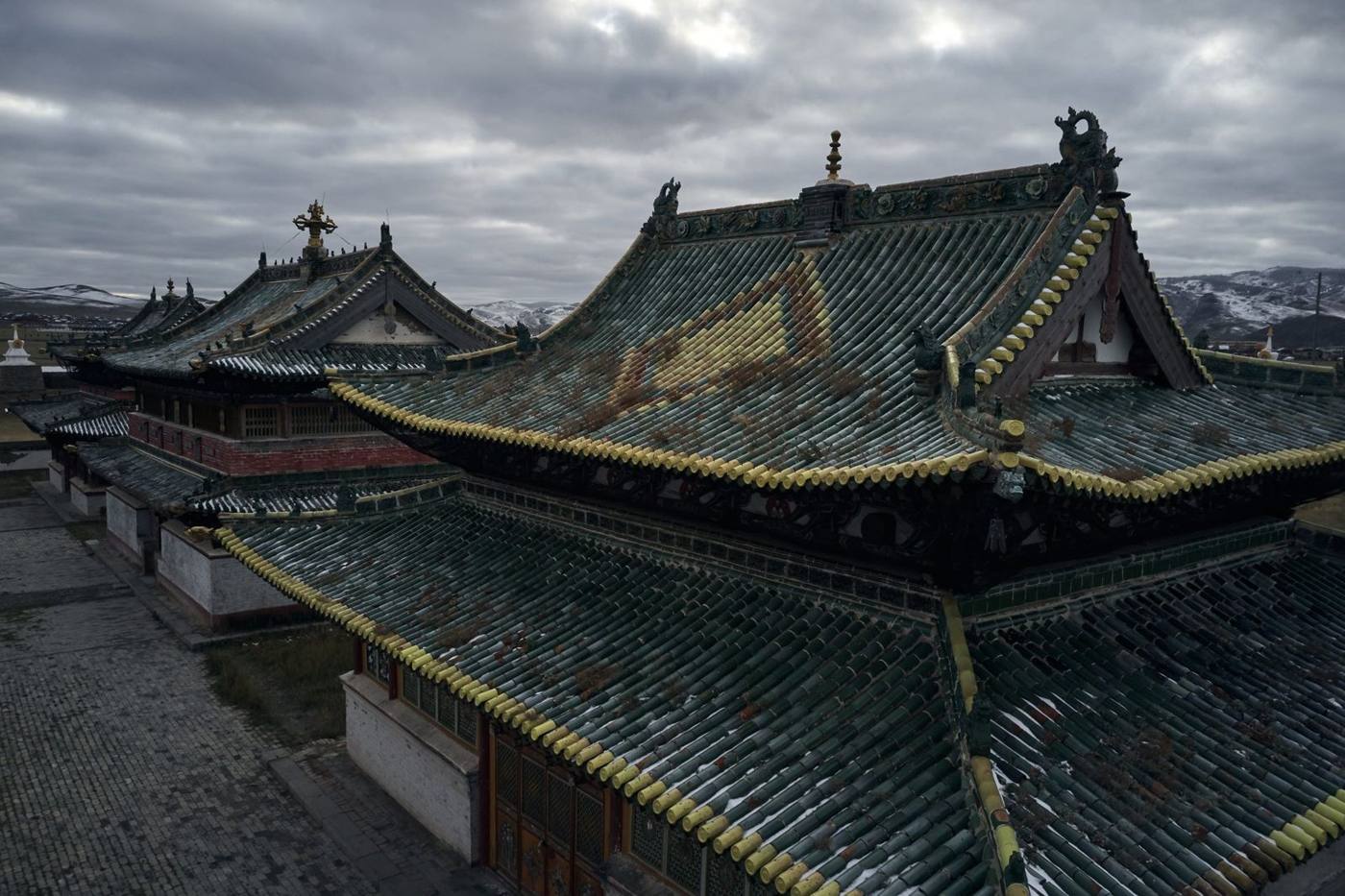
The Orkhon Valley and Karakorum
The Elsen Tasarkhai dunes, Erdene Zuu monastery on Genghis Khan's old capital, the Orkhon waterfall and the Tsenkher hot springs.
- Ulan Bator
- Hustai
- Elsen Tasarkhai
- Kharkhorin
- Orkhon
- Tsenkher
- Terelj
Day by day
- Day 1
Hustai National Park and the Przewalski's horses
This seven-day trip is the ideal first trip to Mongolia: the dunes of Elsen Tasarkhai, Genghis Khan's ancient capital at Kharkhorin with Erdene Zuu monastery, the Orkhon valley and its waterfall, the hot springs of Tsenkher and Terelj National Park. There are fewer hours on the road than in the Gobi, but the landscapes are already immense.
Before you go: Italian citizens enter Mongolia with a passport valid for at least six months. The visa exemption for tourism of up to 30 days runs until the end of 2026: for later trips check whether it has been renewed, otherwise apply for a visa at the Mongolian embassy. Other nationalities should check their own rules. Mongolia is a safe country; in Ulaanbaatar watch out for pickpockets. In 2026 there have been fuel shortages: allow extra time.
In the morning you leave Ulaanbaatar by four-wheel drive heading west. In about two hours you reach Hustai National Park, hills and steppe where the takhi, the Przewalski's horses, live. They had disappeared from the wild and were reintroduced here from 1992, using animals born in European zoos. There is an entry fee: check prices and times.
The best time to see them is the evening, when they come down from the hills to drink. Keep your distance, stay quiet and use binoculars: the takhi are wild and must not be disturbed. Deer, marmots and wolves also live in the park.
Practical tip: bring binoculars and a windproof jacket, because in the evening the wind picks up on the steppe and the temperature drops quickly.
- Day 2
The dunes of Elsen Tasarkhai
Today you continue west on the paved road to Kharkhorin. After a few hours a strange landscape appears: a long strip of sand dunes in the middle of the green steppe, with mountains in the background. These are the dunes of Elsen Tasarkhai, which travellers call the «little Gobi».
In the afternoon walk up the highest dunes, barefoot if the sand is not too hot. From the top you see sand on one side and on the other the pastures where nomadic families take their horses and goats. If you like, take a short ride on a two-humped camel with a local family: choose people who treat their animals well.
In the evening sleep in a ger in the dunes area. Before dinner sit and watch the sunset, when the dunes turn orange and then purple. At night, far from the cities, the sky is full of stars and the Milky Way is easy to see.
Use the evening to learn a few ger rules: you enter with your right foot, without stepping on the threshold, and move clockwise. You do not point your feet at the fire or throw rubbish into the stove, which is sacred to Mongolians.
Practical tip: protect your camera and phone from the sand with a sealed bag, because the wind carries it everywhere.
- Day 3
Kharkhorin and Erdene Zuu monastery
In the morning you arrive in Kharkhorin, in the Orkhon valley. Here stood Karakorum, the capital of the Mongol empire in the thirteenth century, chosen by Genghis Khan and built under his son Ögedei. It was a city of merchants, craftsmen and ambassadors from all over Asia and Europe. Little of the ancient city remains today, but the place is full of history. The Orkhon valley is inscribed by UNESCO as a cultural landscape.
Visit Erdene Zuu monastery, founded in 1585 and one of the first Buddhist monasteries in Mongolia. You recognise it by its great white wall with 108 stupas. Inside are old temples with statues, paintings and masks, and a temple where monks still pray. Many buildings were destroyed in the 1930s, during the religious repression: your guide tells you this story. Check prices and times.
In the afternoon visit the Kharkhorin museum, which displays objects found in the excavations of the capital and a model of the ancient city. Check prices and times. Then look for the stone turtles that marked the city's boundaries and climb the hill of the Mongol empire monument, with its view over the valley.
In the evening sleep in a ger near Kharkhorin. If the monastery is open, go back at sunset, when the low light falls on the white stupas and the grass around empties.
Practical tip: in the temples take off your hat, do not point at the statues and walk clockwise around the altars.
- Day 4
The Orkhon waterfall and a night with nomads
Today you travel up the Orkhon valley to the south-west, on dirt tracks. It is one of the most beautiful valleys in the country: green meadows, a winding river, herds of yaks and horses, white gers dotted over the hills. The journey is slow, but every bend brings a new view.
Your destination is the Orkhon waterfall, where the river drops about twenty metres into a narrow gorge of black volcanic rock. It is finest after the rains of July and August; in early summer there is sometimes little water. You can walk down to the bottom of the gorge on a steep path: be careful on the wet rocks.
In the afternoon take a walk or a ride over the meadows around. Many herding families live in this valley in summer, and in the evening you sleep in a ger with one of them, if your guide arranges it. It is a chance to see their day up close: milking the mares and yaks, making airag, fermented mare's milk, and dried cheeses.
They will certainly offer you something to drink or eat. Accept with your right hand, or both hands, and taste at least a little, even if you do not like it.
Practical tip: airag has a sour taste and can upset your stomach, so the first time drink only a few sips.
- Day 5
The hot springs of Tsenkher
In the morning say goodbye to the family and continue towards Arkhangai province. The road runs between wooded hills and valleys with clear rivers, a greener, more alpine landscape than the steppe. On the way you can stop in Tsetserleg, the provincial capital, where an old monastery houses the provincial museum. Check prices and times.
In the afternoon you reach the hot springs of Tsenkher, in a narrow valley between larch-covered hills. The water comes out of the ground very hot and is cooled in open-air pools, where you bathe looking at the mountains. After days on the road it is the perfect rest for your back and legs.
The facilities around the springs have different pools, some hotter, others warmer: start with the cooler ones and do not stay in too long. Drink plenty of water and do not bathe after drinking alcohol.
In the evening, after dinner, go back into the pool under the stars. In summer the night is cool and the hot water feels even better. Also pack your bag for tomorrow, because the journey will be very long. If you still have energy, walk up the hill behind the springs, among the larches, where in the evening you hear only the river and the animals' bells.
Practical tip: bring a swimsuit, a towel and flip-flops, because they are not always available at the pools.
- Day 6
The long drive to Terelj and the Genghis Khan statue
Today is the longest day of the trip: from Tsenkher you head back east, passing close to Ulaanbaatar, to Gorkhi Terelj National Park. It is many hours on the road, so you leave at dawn. Along the way make regular stops to stretch your legs and have lunch in a village.
In the afternoon, east of the capital, you stop at Tsonjin Boldog, home of the huge steel equestrian statue of Genghis Khan, about forty metres high, unveiled in 2008. You can take the lift up to the horse's head, from where you see the steppe all around. At the base there is a small museum. Check prices and times.
Then continue to Terelj, a park of low mountains, larch woods and large granite rocks in strange shapes, along the Tuul river. It is a favourite weekend area for the people of Ulaanbaatar.
In the evening sleep in a ger in the park. If you arrive tired, do not worry: tomorrow morning there is time to walk. Have a relaxed dinner and look at the sky above the rocks, which in the dark look like animal shapes.
If you prefer a slower pace, you can split this stage in two and spend an extra night on the way: ask when you book.
Practical tip: keep water, fruit and something to eat in the car, because there are many kilometres between villages.
- Day 7
Terelj and back to Ulaanbaatar
In the morning walk in Terelj park. Go to Turtle Rock, a large granite rock that really does look like a turtle, and then take a path up to the Aryabal meditation temple, on the side of the mountain, reached by a long stairway. From the top you see the valley, the woods and the scattered gers. Check prices and times.
If you like, take one last short ride with a local horseman along the Tuul river. Then set off for Ulaanbaatar, about an hour and a half away, depending on city traffic.
In the afternoon, in the capital, visit Gandan monastery, the most important in the country, with its great statue of the deity Avalokiteshvara, or take a walk in Sükhbaatar Square.
In seven days you have seen the Przewalski's horses at Hustai, the dunes of Elsen Tasarkhai, Kharkhorin and Erdene Zuu monastery, the Orkhon waterfall, a nomadic family, the springs of Tsenkher, the Genghis Khan statue and the rocks of Terelj.
When to go: from June to September. In July the meadows are greenest and Naadam, in the middle of the month, brings festivals everywhere, but prices rise and everything must be booked early. Even in summer the weather changes quickly and you need warm clothes; in September the nights are already cold.
Practical tip: keep a spare day in Ulaanbaatar before your flight home, in case of delays on the road.
The ideal first trip to Mongolia, with fewer hours on the road than the Gobi. During the Naadam festival in mid-July, prices rise and everything must be booked early. Weather changes fast: warm clothes are needed even in summer.
Before you go
- Documents and visa
- Passport valid for at least six months. Italian citizens can enter for tourism without a visa for up to 30 days, but the current exemption runs until the end of 2026: for later trips check whether it has been renewed, otherwise apply for a visa at the Mongolian embassy. Anyone staying more than 30 days must register with the immigration office in Ulaanbaatar within seven days of arrival.
- Health and vaccines
- No vaccinations are compulsory; ask your doctor about hepatitis A and B and tetanus. Drink bottled water, avoid undercooked meat and never eat marmot, because of the risk of plague. Outside the capital medical facilities are limited: bring your own medicines and insurance covering medical costs and repatriation. Emergencies: police 102, ambulance 103, fire service 101.
- Money and payments
- Mongolian tugrik (MNT). By law payments inside the country are made in local currency. Cards work mainly in Ulaanbaatar; carry cash in the steppe.
- Power sockets
- Types C and E, 230 volts: you need an adapter for British plugs.
- Time zone
- UTC+8 all year.
- Safety
- Generally a safe country. In Ulaanbaatar pickpockets work in markets, at bus stops and in crowded places; avoid arguments with drunk people. In 2026 there have been fuel shortages that can affect flights and road travel: allow extra time. Official advice: GOV.UK.
Information checked in November 2026 for Italian and EU citizens. Rules change: always check before you travel.
Variations
In five days: Hustai, Elsen Tasarkhai, Kharkhorin and Erdene Zuu, then straight back to Ulaanbaatar.
In ten days: add Lake Terkhiin Tsagaan and Khorgo volcano after Tsenkher, before heading back east.
Frequently asked questions
Do I need a visa for Mongolia?
Italian citizens can enter without a visa for tourism for up to 30 days, but the exemption runs until the end of 2026: for later trips check whether it has been renewed. Other nationalities should check their own rules.
How many hours on the road are there?
Many, but fewer than in the Gobi: a few hours a day, with one very long day between Tsenkher and Terelj. You can split it in two with an extra night.
Can I go during Naadam?
Yes, in mid-July there are festivals across the country, but prices rise and gers, cars and flights must be booked months in advance.
Indicative itinerary written by World Atlas. Before booking, check timetables, seasonal openings, documents and safety.
 6 daysModerate
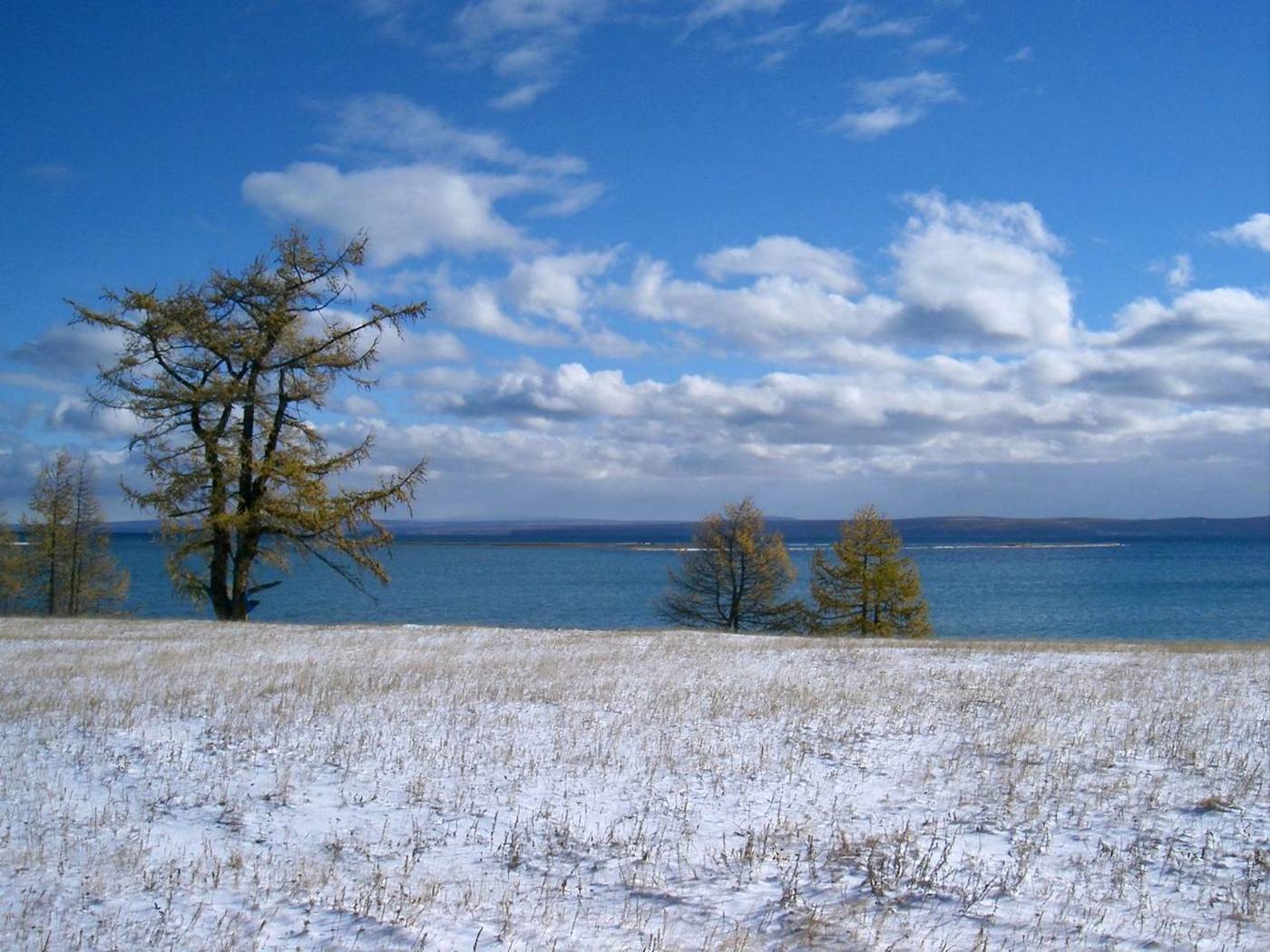
Lake Khövsgöl
The great freshwater lake of the north, larch forests, rides along the shore and the Tsaatan reindeer herders.
 4 daysEasy
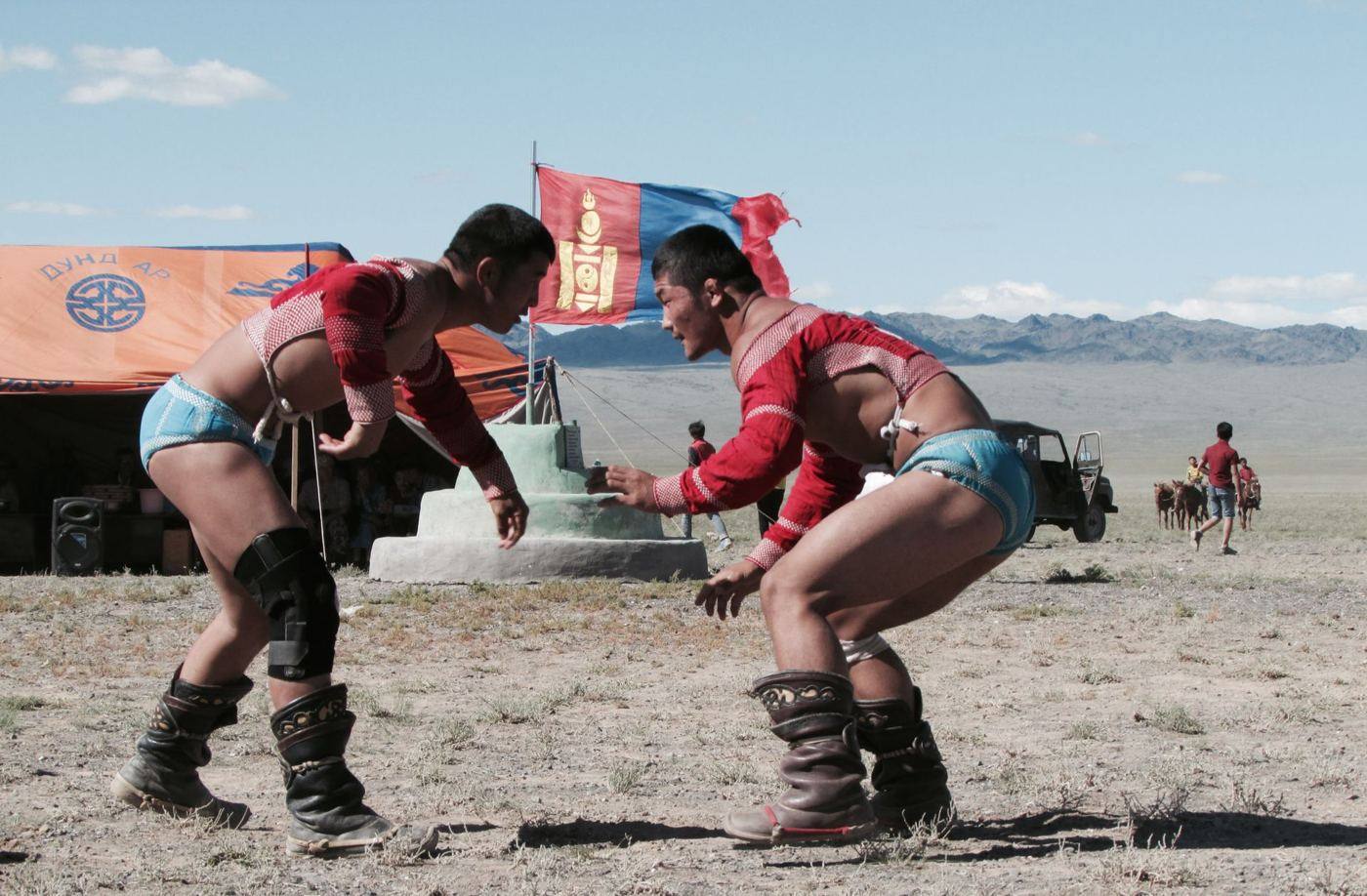
Naadam
The great national festival in July in Ulaanbaatar: the opening ceremony, wrestling, archery and horse races ridden by child jockeys across the steppe.
 6 daysModerate
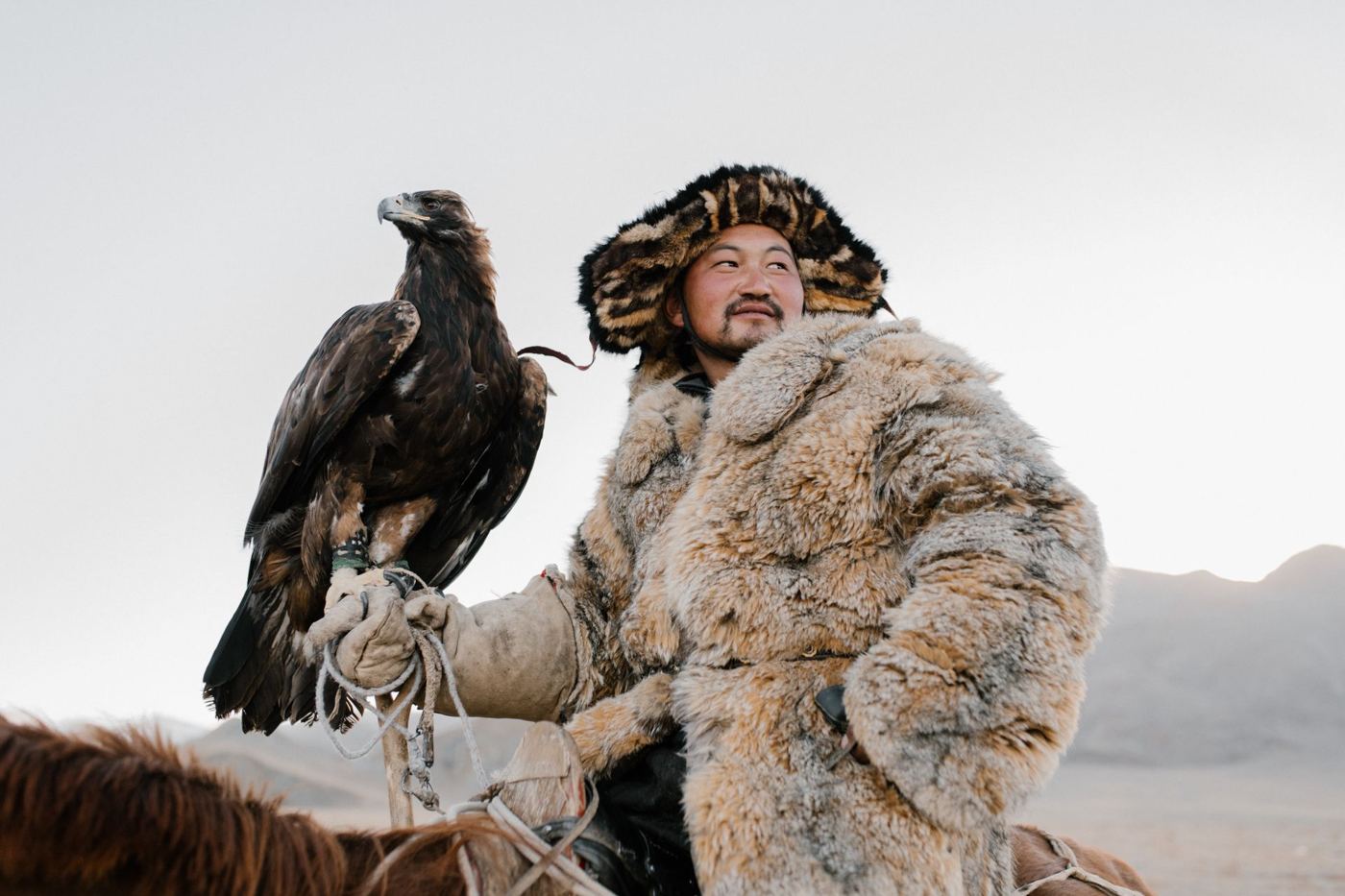
The Golden Eagle Festival
The festival of Kazakh golden eagle hunters at Ölgii in early October, with contests, horseback games and a stay with a family in the Mongolian Altai.