The Altai and Tavan Bogd
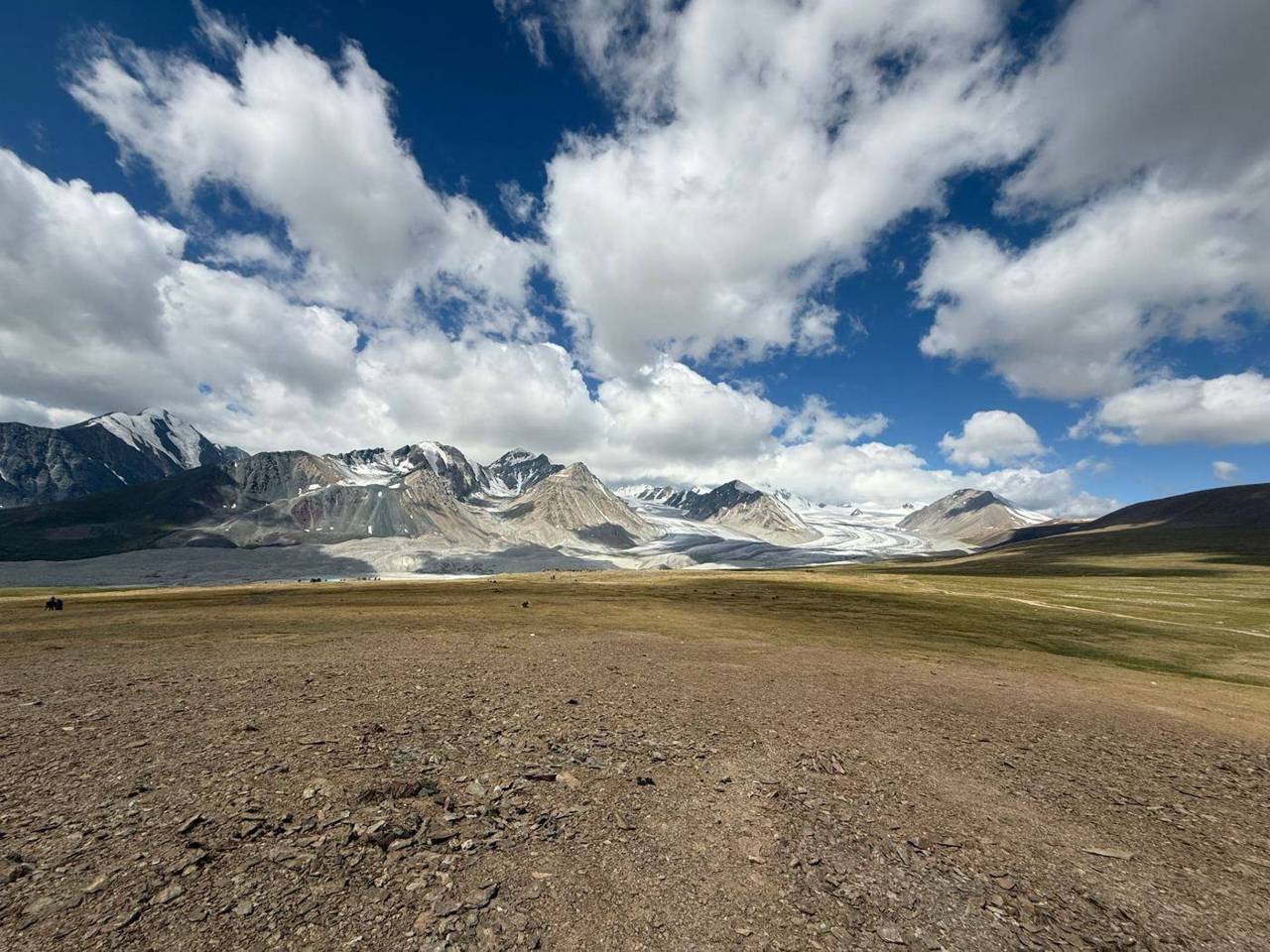
Altai Tavan Bogd National Park in the far west, with the Potanin glacier, Lakes Khoton and Khurgan and the UNESCO petroglyphs, on foot with camels and Kazakh herders.
- Ölgii
- Lake Khoton
- Lake Khurgan
- Potanin Glacier
Day by day
- Day 1
Flight to Ölgii and the permits
This seven-day trip takes you to the far west of Mongolia, to Altai Tavan Bogd National Park, where the country meets China and Russia. You will see lakes Khoton and Khurgan, the petroglyphs inscribed by UNESCO and the Potanin glacier, at the foot of Mongolia's highest peaks. You will walk with Kazakh herders and their camels. It is a trip for experienced walkers.
Before you go: Italian citizens enter Mongolia with a passport valid for at least six months. The visa exemption for tourism of up to 30 days runs until the end of 2026: for later trips check whether it has been renewed, otherwise apply for a visa at the Mongolian embassy. Other nationalities should check their own rules. According to the British government, zones up to 100 kilometres from the border may be frontier areas, where you need permission from the border authority: this park requires it, and your guide applies for it. In 2026 there have been fuel shortages: allow extra time.
In the morning take the flight from Ulaanbaatar to Ölgii, the capital of Bayan-Ölgii province. Most people here are Kazakh and Muslim: you hear Kazakh spoken, see the mosque and signs in another language.
While your guide deals with the permits, visit the market, where you find meat, dried fruit, embroidered textiles and fur hats. In the evening pack your rucksack for the days under canvas.
Practical tip: carry your original passport and a copy, because you will be asked for it at checkpoints in the park.
- Day 2
By four-wheel drive to Lake Khoton
Today you leave early by four-wheel drive heading west. The tracks cross bare plateaus, mountain passes and valleys where Kazakh families spend the summer in their white tents. It is a long day, with many hours of driving on dirt roads, but the landscape changes all the time.
Along the way there are checkpoints: show your passport and permit without arguing. Then you enter the national park, where there is an entry fee: check prices and times.
In the afternoon you reach Lake Khoton, long and narrow, between mountains with larches on the northern slopes and meadows along the shores. The water changes colour with the light, from blue to green. Pitch your tent near the shore, or stay with a herding family if your guide arranges it. Choose a spot sheltered from the wind and away from the water, because at night damp and cold rise from the lake.
In the evening, before sunset, take a short walk along the shore. You often see horses grazing, yaks and two-humped camels, which the Kazakhs still use to move between summer and winter pastures. Tuvan families, another people of the Altai, also live in this area.
Practical tip: keep a warm jacket and a woolly hat close at hand, because even in July the evenings are cold by the lake.
- Day 3
Lake Khurgan and the ancient stones
In the morning continue along the shore to Lake Khurgan, Khoton's twin, linked to it by a short stretch of river. The landscape opens up: wide meadows, snowy mountains in the background and a sky that seems bigger here than anywhere else.
The lakes area is full of history. With your guide look for the stone statues with human faces, left by Turkic peoples centuries ago, and the stone mounds of ancient tombs, which are even older. Do not climb on the stones and do not touch the carvings.
For lunch stop with a Kazakh family, if your guide knows one. They will offer you milky tea, fried bread, cream and perhaps beshbarmak, the dish of boiled meat with noodles. Inside the tent you see felt carpets and large hand-embroidered cloths covering the walls, the work of the women of the house. Ask before taking photos.
In the afternoon walk on the hills above the lake, to see both lakes together. Then in the evening sleep again in your tent or with a family.
Remember that help is many hours away and there is almost no phone signal. Your guide should have a satellite phone: ask before you set off.
Practical tip: buy or bring small gifts for the families, such as tea, sugar or sweets, and always leave a contribution for the meal.
- Day 4
To the Tsagaan Gol and the petroglyphs
Today the four-wheel drive takes you north, into the valley of the Tsagaan Gol, the «white river», which rises in the glaciers of Tavan Bogd. The track is long and difficult in places, with fords and rocks, so it is important to have an experienced driver.
Along the valley you see one of the three groups of petroglyphs of the Mongolian Altai inscribed by UNESCO in 2011. Thousands of figures are carved on the dark rocks: deer, ibex, horses, hunters and carts, made over a very long period, from prehistory to the Bronze Age and beyond. Walk slowly among the rocks with your guide, who shows you the finest carvings. Take photos without touching: grease from your fingers damages the stone.
In the afternoon you reach the end of the track, at the foot of the valley, where you meet the Kazakh herders with the camels that will carry the luggage. Here the trek begins. You walk for a few hours to base camp, on the grasslands below the glacier, while the camels follow with the tents and food.
In the evening, if the sky is clear, you see the peaks of Tavan Bogd for the first time, the «five holy mountains», white with snow. The highest, Khüiten, is also the highest peak in Mongolia.
Practical tip: base camp is high: drink plenty, eat well and avoid unnecessary effort on the first evening.
- Day 5
The Potanin glacier
Today is the finest day of the trip. Leave early with your guide and walk towards the Potanin glacier, the largest in Mongolia, which flows broad and white between the peaks. The path climbs over moraines, hills of stones left by the glacier, and reaches a viewpoint from where you see the tongue of ice, the crevasses and the border mountains.
The walk is not technical, but it is tiring because of the altitude, the uneven ground and the wind. Walk slowly, stop often and eat something every hour. Headache, nausea or great tiredness are signs of altitude sickness: tell your guide at once and, if they get worse, go down. Before the trip talk to your doctor about it.
Never go onto the glacier without an experienced guide and the right equipment, with rope and crampons: the crevasses are often hidden by snow.
In the afternoon return to base camp. The weather here changes quickly: a sunny day can turn to snow in an hour, even in high summer. Before you set off check the forecast and the plan with your guide.
In the evening, around the fire or in the mess tent, listen to the herders' stories. Some are also eagle hunters, an ancient Kazakh tradition.
Practical tip: high-category sunglasses and sun cream are essential, because the glare from the snow burns eyes and skin.
- Day 6
A day at altitude and the descent
The sixth day has two options, to choose with your guide according to the weather and your fitness. If you feel well and the weather is good, you can climb one of the trekking peaks around base camp, from where the view stretches over the glaciers and the border mountains. It is a long, steep climb, without technical sections, but it needs training.
If you would rather rest, walk slowly around the camp, on the grasslands where the camels graze, and watch the marmots whistling outside their burrows. Vultures and golden eagles often fly overhead. Use the quieter day to wash your socks, dry your boots in the sun and write a few notes about the trip, before the memories blur.
In the afternoon strike camp and begin the descent to the end of the track, where the four-wheel drive is waiting. The herders load the camels: watch how they tie the bags, with a technique they have used for centuries.
In the evening you sleep lower down, in the Tsagaan Gol valley, where the air has more oxygen and the night is a little less cold. It is the time to say goodbye to the herders and thank them.
Practical tip: prepare tips for the guide, the cook and the camel herders in separate envelopes, and hand them over in person before you part.
- Day 7
Back to Ölgii
On the last day you drive back along the tracks to Ölgii. It is another long day, but now you know the landscape and can look at it with different eyes: the Kazakh tents, the camels, the plateaus and the mountains growing smaller behind you.
Stop for lunch in a village along the road and, if there is time, visit a family of craftspeople who work felt or embroider the large wall hangings. They make beautiful, useful souvenirs, but always ask whether they are handmade.
You arrive in Ölgii in the afternoon. Treat yourself to a hot shower, the first in days, and dinner in town. The next day take the flight to Ulaanbaatar.
In seven days you have seen Ölgii and Kazakh culture, lakes Khoton and Khurgan, the stone statues and petroglyphs of the Altai, the Tavan Bogd base camp and the Potanin glacier, walking with the herders and their camels.
When to go: in July and August, when the tracks are open and temperatures are milder. Even then it can snow at altitude and nights are cold. In June and September the weather is less certain and some herders are not yet, or no longer, in the high pastures. In early October Ölgii hosts the eagle festival, but the park is already very cold.
Practical tip: keep a spare day before your international flight, because flights from Ölgii can be postponed because of the weather.
Mongolia at its wildest and most remote, for experienced hikers. A border-zone permit is required. Weather is unpredictable and rescue is never quick.
Before you go
- Documents and visa
- Passport valid for at least six months. Italian citizens can enter for tourism without a visa for up to 30 days, but the current exemption runs until the end of 2026: for later trips check whether it has been renewed, otherwise apply for a visa at the Mongolian embassy. Anyone staying more than 30 days must register with the immigration office in Ulaanbaatar within seven days of arrival.
- Health and vaccines
- No vaccinations are compulsory; ask your doctor about hepatitis A and B and tetanus. Drink bottled water, avoid undercooked meat and never eat marmot, because of the risk of plague. Outside the capital medical facilities are limited: bring your own medicines and insurance covering medical costs and repatriation. Emergencies: police 102, ambulance 103, fire service 101.
- Money and payments
- Mongolian tugrik (MNT). By law payments inside the country are made in local currency. Cards work mainly in Ulaanbaatar; carry cash in the steppe.
- Power sockets
- Types C and E, 230 volts: you need an adapter for British plugs.
- Time zone
- UTC+8 all year.
- Safety
- Generally a safe country. In Ulaanbaatar pickpockets work in markets, at bus stops and in crowded places; avoid arguments with drunk people. In 2026 there have been fuel shortages that can affect flights and road travel: allow extra time. Official advice: GOV.UK.
Information checked in November 2026 for Italian and EU citizens. Rules change: always check before you travel.
Variations
In five days: Ölgii, lakes Khoton and Khurgan and back, without the glacier trek.
In ten days: add more walking days between the lakes and base camp, with the herders and their camels.
Frequently asked questions
Do I need a permit for Altai Tavan Bogd?
Yes. According to the British government, zones up to 100 kilometres from the border may be frontier areas and you need permission from the border authority. Ask your guide to obtain it before leaving Ölgii.
Is the Potanin glacier trek difficult?
It is not technical, but it is tiring because of the altitude and the ground. You need good fitness and a guide. Never go onto the glacier without rope, crampons and an experienced guide.
When is the best time to go?
July and August. Even then the weather changes quickly and it can snow: bring warm clothes, a waterproof jacket and a sleeping bag for temperatures below freezing.
Indicative itinerary written by World Atlas. Before booking, check timetables, seasonal openings, documents and safety.
 5 daysEasy
Terkhiin Tsagaan and Khorgo
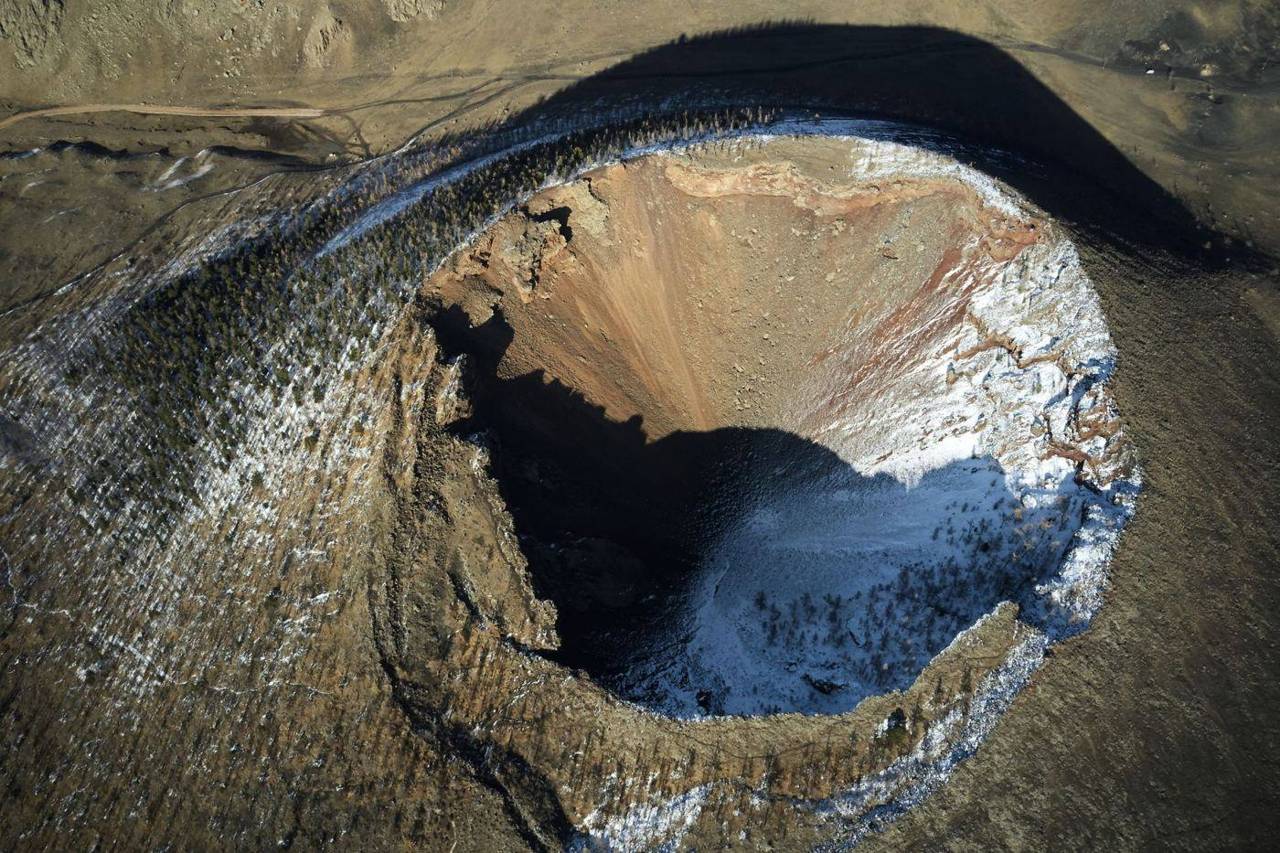
Terkhiin Tsagaan White Lake, the extinct crater of Khorgo volcano, the Chuluut gorge and the town of Tsetserleg, among the central grasslands.
 5 daysModerate
The Khövsgöl ice festival
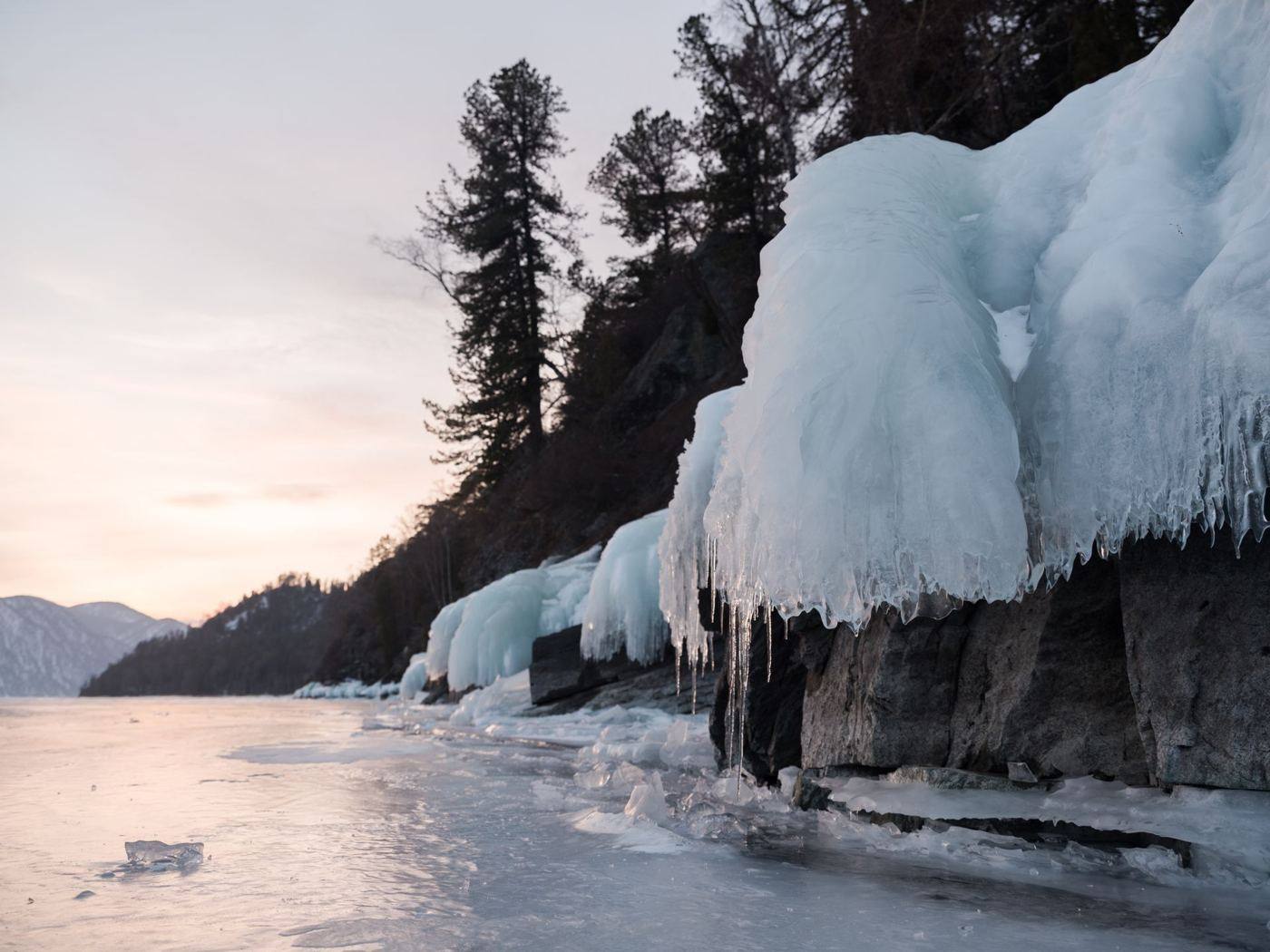
Frozen Lake Khövsgöl in early March, with horse-drawn sled races, ice sculptures, skating and winter life in the villages around Khatgal.
 8 daysModerate
The Gobi
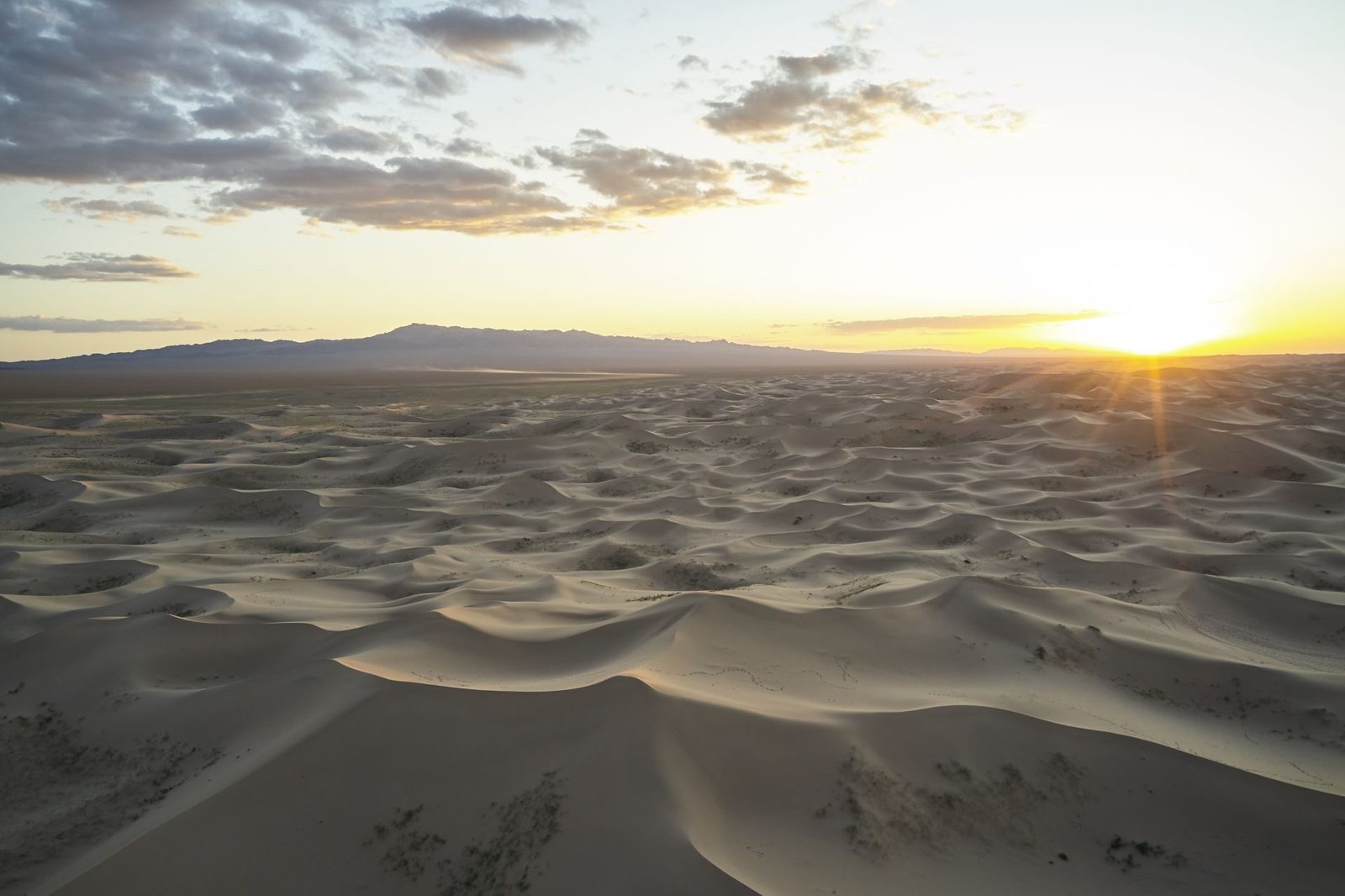
The red Flaming Cliffs of Bayanzag, the singing dunes of Khongoryn Els, the ice canyon of Yolyn Am and the formations of Tsagaan Suvarga, by 4x4 and ger.