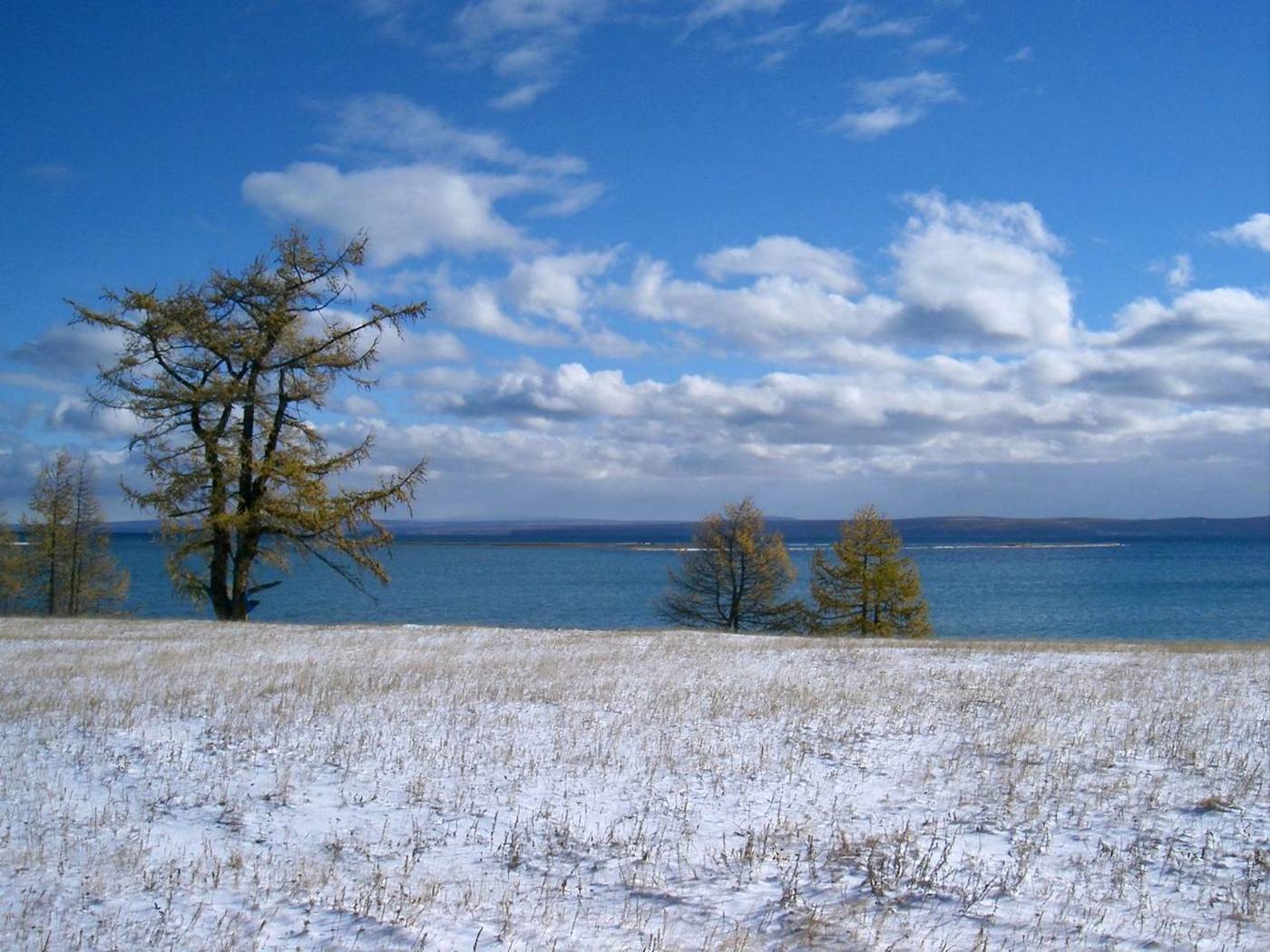
Lake Khövsgöl
The great freshwater lake of the north, larch forests, rides along the shore and the Tsaatan reindeer herders.
- Ulan Bator
- Mörön
- Khatgal
- Lake Khövsgöl
- Jankhai
Day by day
- Day 1
Flight to Mörön and the road to Khatgal
This six-day trip takes you to Lake Khövsgöl, in the north of Mongolia, close to the border with Siberia. It is a great freshwater lake, clear and cold, surrounded by larch forests and mountains. On its own it holds much of the country's fresh water. Here you will spend days on horseback and on foot along the western shore, with nights in a ger.
Before you go: Italian citizens enter Mongolia with a passport valid for at least six months. The visa exemption for tourism of up to 30 days runs until the end of 2026: for later trips check whether it has been renewed, otherwise apply for a visa at the Mongolian embassy. Other nationalities should check their own rules. Mongolia is a safe country; in 2026 there have been fuel shortages that can slow down flights and roads: allow extra time.
In the morning take the domestic flight from Ulaanbaatar to Mörön, the provincial capital. From the air you see the steppe, rivers winding in loops and the white dots of the gers. In Mörön your driver is waiting, and after a few hours on the road you reach Khatgal, the village at the southern tip of the lake.
In the afternoon walk along the shore and climb a hill near the village to see the lake stretching away to the north. Here you enter Khövsgöl National Park, where there is an entry fee: check prices and times.
Practical tip: flights to Mörön are few and the times often change, so confirm your flight the day before and keep a spare day at the end.
- Day 2
On horseback along the western shore
Today you begin the ride north along the western shore of the lake. Mongolian horses are small, sturdy and used to the steppe; local horsemen ride with you, and they know the paths and the animals. If you have never ridden, say so straight away: they will give you a calm horse and you will go at a walk.
The path runs through meadows full of flowers in summer, larch woods and small pebbly bays. Now and then you meet the herds of yaks, sheep and goats of a herding family, with their white ger on the shore. When you approach a ger, wait for someone to come out, because the dogs can be aggressive: Mongolians shout «nokhoi khor», meaning «hold the dog».
You stop for lunch on the shore. The water is so clear that you can see the stones on the bottom many metres down, but it is icy even in August: only swim if you are used to it.
The northern part of the lake is close to the Russian border, and the authorities may treat a strip of up to 100 kilometres from the border as a frontier zone. If you want to go beyond Jankhai, ask your guide whether you need a permit.
In the afternoon you carry on to the evening's camp, where you sleep in a ger. A ger is round, with a stove in the middle and beds along the walls. Enter without stepping on the threshold and move clockwise.
Practical tip: wear long, comfortable trousers without inner seams, and a hat with a chin strap, because the wind is strong.
- Day 3
The hills above the lake and the ovoo
In the morning leave the lake and climb on horseback, or on foot, into the hills behind the shore. The path enters the larch forest and then comes out onto high meadows, from where you see Khövsgöl from above, deep blue, and on the other side the mountain ranges to the west.
On passes and summits you find ovoo, piles of stones with branches, blue scarves and small offerings. They are sacred places, linked to traditional Mongolian religion and to Buddhism. The custom is to walk round the ovoo three times clockwise and add a stone. Never take anything from an ovoo.
During the day keep your eyes open: marmots, squirrels and many birds of prey live in the hills. The forests are also home to elk and bears, but sightings are rare.
In the afternoon you come back down to the shore and reach the Jankhai area, one of the loveliest bays on the western shore, with pebble beaches and woods reaching the water. Here you sleep another night in a ger.
In the evening, if the sky is clear, the sunset over the lake lasts a long time. In June and July the light stays until late and the nights are short.
Practical tip: even in summer the temperature at night can fall close to zero: keep a fleece and a woolly hat for the evening.
- Day 4
A day on foot around Jankhai
Today you let the horses rest and you walk. With your guide follow the paths along the shore and over the hills around Jankhai, slowly, to feel the silence of the lake. The ground is easy, but there are short climbs and roots in the woods.
If it is the right season, look for wild berries along the paths, and ask your guide which ones you can eat. Local families also gather herbs and mushrooms to dry for the winter.
In the middle of the day visit a herding family, if your guide arranges it. They will offer you tea with milk and salt, süütei tsai, and perhaps fried biscuits, boortsog, and dried curd, aaruul. Accept with your right hand, or with both hands, and taste at least a little. It is a chance to understand how a nomadic family lives in summer: milk to process, animals to count, children who ride from a very young age.
Bear in mind that further west, in the taiga, live the Tsaatan, the reindeer herders. Reaching them takes several days on horseback, so they are not part of this trip. If one day you want to go, choose responsible guides and respect their way of life: it is not a show for tourists.
Practical tip: bring insect repellent, because in July there can be many mosquitoes near the water and in the woods.
- Day 5
Kayaking on the lake and back to Khatgal
In the morning, if the lake is calm, get into a kayak with your guide. Paddling along the shore is the best way to see the bays, the low cliffs and the woods from the water. The lake is large and the wind can rise quickly, so always stay close to the shore and wear a life jacket.
The water of Khövsgöl is among the cleanest in Asia: you see it clear and transparent beneath the boat. To protect it, do not use soap in the lake and take all your rubbish away. Fishing is regulated and needs a permit: do not fish without asking.
After lunch set off by car or on horseback towards the south and return to Khatgal. On the way, if there is time, stop at another viewpoint for your last photos of the lake.
In the evening in Khatgal you can take a walk through the village, with its colourful wooden houses, fences and horses tied up outside the shops. Buy something to take home, such as yak wool socks, and try a typical hot dish, such as khuushuur, fried meat pasties, or mutton soup with noodles, guriltai shöl.
Practical tip: in the kayak keep your phone and camera in a dry bag, because the water is icy and falling in is easy.
- Day 6
Back to Mörön and the flight to Ulaanbaatar
In the morning you leave Khatgal and drive back to Mörön, across steppe and hills. If your flight is in the afternoon, stop with your driver near Mörön, where there are ancient deer stones, Bronze Age stelae carved with figures of flying deer. Check prices and times, if there is an entry fee.
Then take the flight to Ulaanbaatar. From the window you look once more at the endless steppe, and you understand how big and empty the country is. When you arrive in the capital, if you have time, take a walk in Sükhbaatar Square or visit Gandan monastery.
In six days you have seen Lake Khövsgöl from the shore, from the hills and from the water, ridden with herders along the western shore, slept in a ger, visited a nomadic family and walked among the larches of Jankhai.
When to go: from June to August, when the meadows are green, the days long and the daytime temperatures pleasant. In July it rains more often and there are more insects. In February and March the lake is completely frozen, and it is another trip, very cold, with the ice festival. From September the nights become freezing and many camps close.
Practical tip: book your international flight at least a day after your return from Mörön, because domestic flights can be postponed for weather or fuel.
Mongolia's green side, with almost Siberian landscapes. Visits to the Tsaatan take days on horseback and responsible guides: they must not be treated like a zoo. Flights to Mörön are few and change often.
Before you go
- Documents and visa
- Passport valid for at least six months. Italian citizens can enter for tourism without a visa for up to 30 days, but the current exemption runs until the end of 2026: for later trips check whether it has been renewed, otherwise apply for a visa at the Mongolian embassy. Anyone staying more than 30 days must register with the immigration office in Ulaanbaatar within seven days of arrival.
- Health and vaccines
- No vaccinations are compulsory; ask your doctor about hepatitis A and B and tetanus. Drink bottled water, avoid undercooked meat and never eat marmot, because of the risk of plague. Outside the capital medical facilities are limited: bring your own medicines and insurance covering medical costs and repatriation. Emergencies: police 102, ambulance 103, fire service 101.
- Money and payments
- Mongolian tugrik (MNT). By law payments inside the country are made in local currency. Cards work mainly in Ulaanbaatar; carry cash in the steppe.
- Power sockets
- Types C and E, 230 volts: you need an adapter for British plugs.
- Time zone
- UTC+8 all year.
- Safety
- Generally a safe country. In Ulaanbaatar pickpockets work in markets, at bus stops and in crowded places; avoid arguments with drunk people. In 2026 there have been fuel shortages that can affect flights and road travel: allow extra time. Official advice: GOV.UK.
Information checked in November 2026 for Italian and EU citizens. Rules change: always check before you travel.
Variations
In four days: flight to Mörön, two days on horseback around Khatgal and back.
In ten days: ride further north along the western shore and return by the eastern shore, with more days in nature.
Frequently asked questions
How do I get to Lake Khövsgöl?
By domestic flight from Ulaanbaatar to Mörön and then a few hours by road to Khatgal. Alternatively you can go all the way by car, but it takes two long days. Flights are few: always confirm the times.
Do I need to know how to ride?
No, but you must say so beforehand. The local horsemen give you a calm horse and you go at a walk. Bring long trousers and a hat.
Can I visit the Tsaatan from here?
Not on this trip: they live in the taiga to the west and it takes several days on horseback. If you want to go, choose responsible guides and respect their way of life.
Indicative itinerary written by World Atlas. Before booking, check timetables, seasonal openings, documents and safety.
 4 daysEasy
Naadam
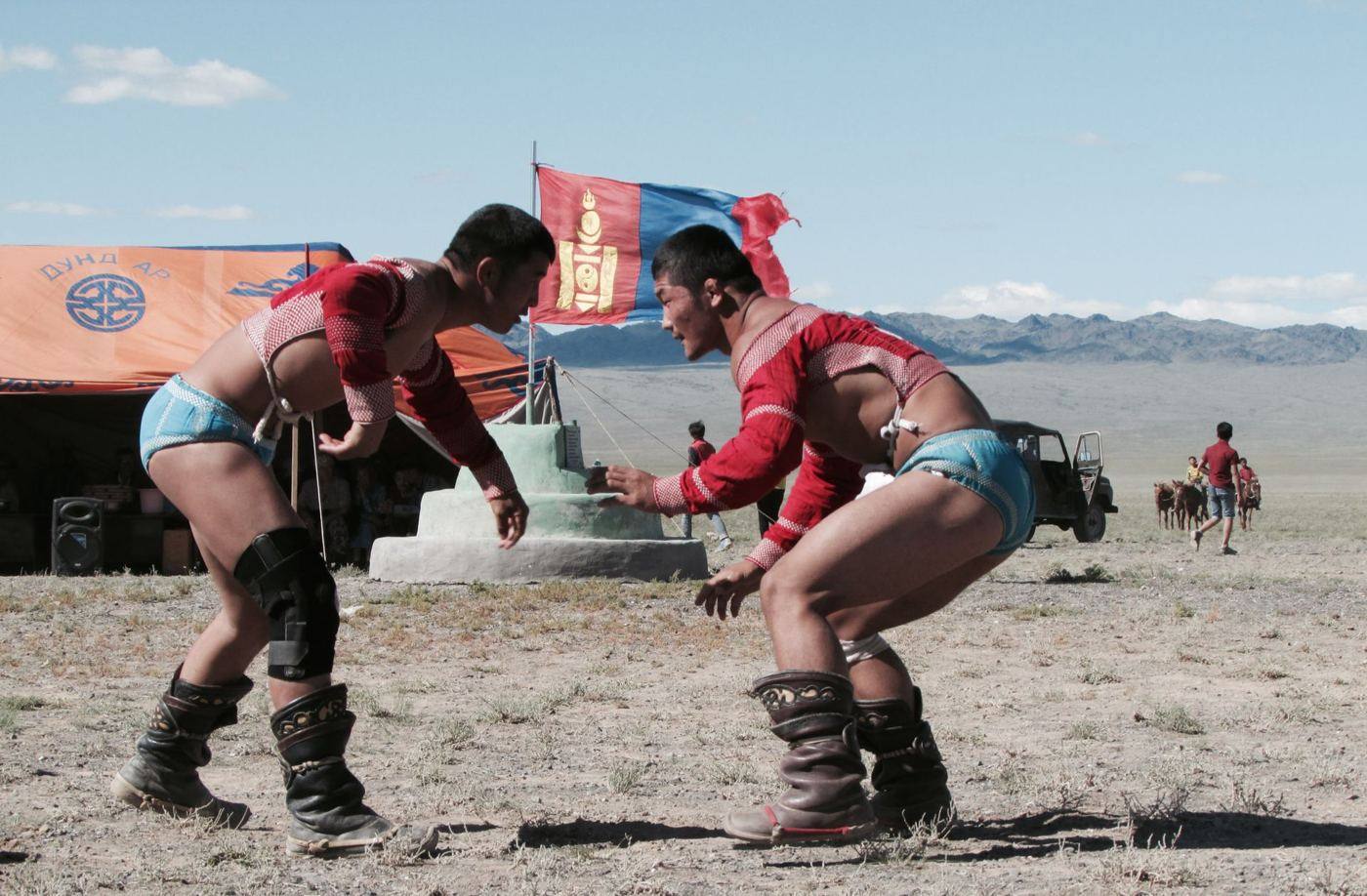
The great national festival in July in Ulaanbaatar: the opening ceremony, wrestling, archery and horse races ridden by child jockeys across the steppe.
 6 daysModerate
The Golden Eagle Festival
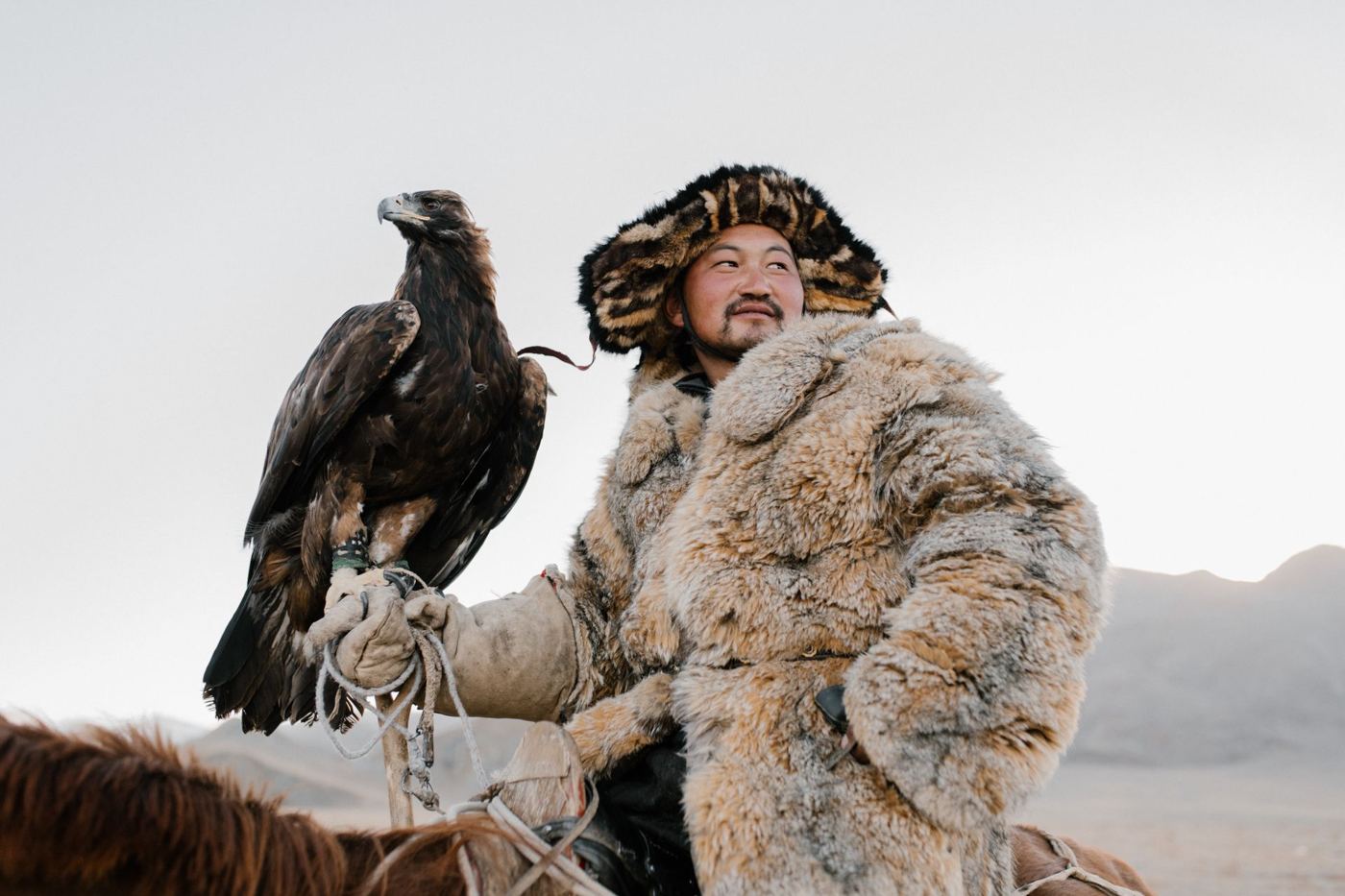
The festival of Kazakh golden eagle hunters at Ölgii in early October, with contests, horseback games and a stay with a family in the Mongolian Altai.
 3 daysEasy
Terelj and the Genghis Khan statue
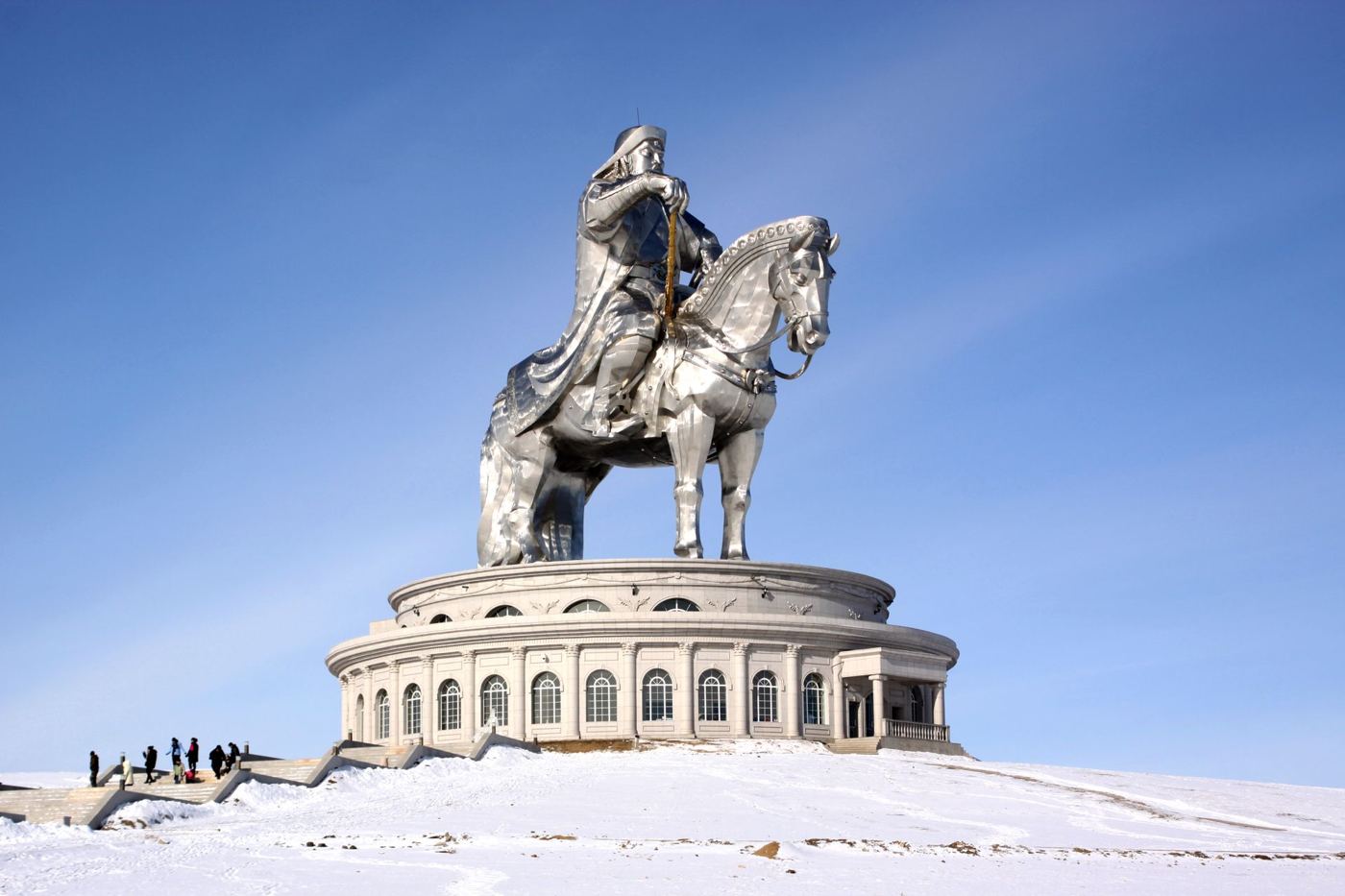
Gorkhi-Terelj National Park with Turtle Rock and Aryabal monastery, a night in a ger and the giant equestrian statue of Genghis Khan at Tsonjin Boldog.