Yap and the stone money
Micronesia's most traditional island: the great stone wheels used as money along village paths, the men's houses and diving with manta rays in the channels.
- Colonia
- Stone money bank
Day by day
- Day 1
Arrival in Colonia
This trip takes you to Yap, the most traditional state of the Federated States of Micronesia: villages with large stone wheels used as money, paved paths, men's houses over the sea and the manta rays of the channels. You get around by hire car, taxi or with a local guide.
Before you go: Italian citizens enter the Federated States of Micronesia with a passport that must be valid for at least 120 days after arrival, without a visa for short tourist trips; you may be asked for a return ticket. On arrival you complete a customs, immigration and quarantine form, and a departure tax is paid when leaving. Other nationalities should check their own rules. The UK does not advise against any part of the country. Medical facilities are limited: you need insurance with air evacuation. Yap is reached by only a few flights a week, usually via Guam: always check days and times before booking.
You land on the main island and in a few minutes reach Colonia, the small capital, set on a sheltered bay among the mangroves. Here you find the offices, a few grocery stores and the places to stay.
In the afternoon walk along the waterfront and look at your first stone wheels, standing next to the public buildings. You will also notice many people chewing betel nut, a very common habit on the island.
In the evening choose grilled fish or taro, the root that comes with almost every meal here.
Sleep in Colonia, for three nights.
Practical tip: pack light clothes that cover your thighs, for women too, because on Yap showing your legs above the knee is considered disrespectful.
- Day 2
The villages and the stone money banks
Today you visit the traditional villages with a local guide, who asks permission for you to enter.
On Yap every village, every path and almost every tree belongs to a family. That is why you do not go in alone: the guide informs the village chief and explains where you can walk and take pictures. Greet the people you meet, do not pick fruit or coconuts and always ask before taking a photo.
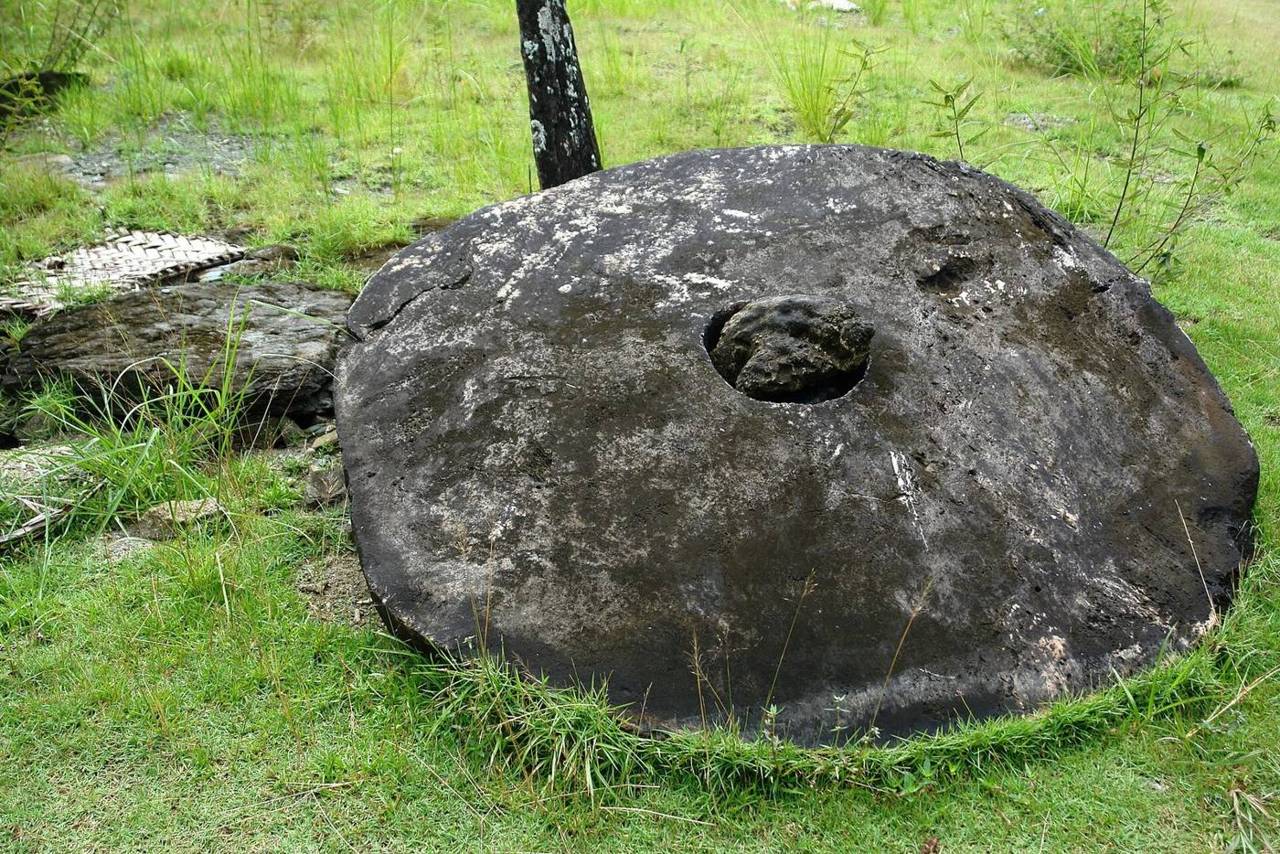
The stone money, called rai, is made of large limestone discs with a hole in the middle. The stones were cut in the islands of Palau and carried to Yap by canoe and on rafts, on long and dangerous voyages. Their value depends on their size, but above all on the story of the voyage. They are still used on special occasions today, such as weddings or agreements between families, and a stone often changes owner without being moved.
The stone money banks are rows of discs leaning along the paths or near the community houses. Some are taller than a person. Do not sit or climb on the stones.
You also walk on the paved paths that link the villages, in the shade of the palms, and see the men's houses, tall and thatched, often built over the water. If the village offers it, you can watch a traditional dance. Check prices and times with the guide.
Practical tip: always carry something in your hand, such as a bag or a leaf, when you walk through a village: by local custom it shows that you are passing through with good intentions.
- Day 3
The manta rays of the channels
Today you go out by boat to meet the manta rays, the animal that symbolises Yap.
Around the island the reef is cut by deep channels, where the tidal current brings food and clean water. The mantas of Yap live here all year round and visit the cleaning stations, spots on the seabed where small fish remove their parasites. While they hover almost still above the coral, you can watch them up close.
Between December and April, in the mating season, the mantas gather mainly in Mi'l Channel, on the north side. In the other months they often move to a channel on the east side. The dive centre chooses the spot according to the season and the tide.
If you are a certified diver, you kneel on the sandy bottom a few metres from the station and wait for the mantas to arrive. Do not touch or chase them, and stay low so as not to disturb them. If you do not dive, ask whether snorkelling is possible: with clear water you can see them from the surface too, but the current can be strong.
In the afternoon another trip can take you to the outer walls of the reef, with grey sharks, turtles and large schools of fish. Use only licensed centres and check prices and times.
In the evening go back to Colonia and watch the sunset over the bay.
Practical tip: after diving you must wait at least 18 to 24 hours before flying: if tomorrow's flight leaves early, dive only in the morning today or choose snorkelling.
- Day 4
Last morning and flight
Today you have the morning to yourself before your departure flight.
If you have time, ask your guide to take you to a village near Colonia to see the local crafts: the women weave baskets and mats with pandanus leaves, the men make ropes from coconut fibre. In some villages they still build outrigger canoes, similar to those used for the voyages to Palau.
Alternatively, take a kayak trip among the mangroves near the capital, with calm water and birds in the branches, or stay on the waterfront and buy a handmade object, such as a basket or a small decorative stone disc.
Then go to the airport, a few minutes from Colonia. Arrive early, because checks and departure formalities can take time, and keep the cash in dollars ready for the departure tax.
In these four days you have seen the most traditional island in Micronesia: Colonia on its bay, the villages where you ask permission to enter, the stone money banks along the paved paths, the men's houses and the mantas circling above the cleaning stations.
When to go: the best months are from December to April, the driest season and the time when the mantas gather in Mi'l Channel. From July to November there is more rain and there may be a risk of typhoons. In early March Yap Day is held, the festival with traditional dances and contests: if you go then, book well in advance.
Practical tip: there are few cash machines on Yap, so bring enough US dollars in cash for your whole stay.
Very remote and costly to reach, but unique. In villages ask permission and dress modestly. The United States is at level 1.
Before you go
- Documents and visa
- Passport valid for at least 120 days after the date of arrival, and no visa for short tourist trips. You may be asked for a return or onward ticket. On arrival you complete a customs, immigration and quarantine form. You also need your passport on flights between the states of the federation, where you clear immigration again. A departure tax is paid when leaving.
- Health and vaccines
- Medical facilities are limited, especially outside Pohnpei: you need insurance with high medical cover and air evacuation. Protect yourself from mosquitoes, because there are cases of dengue in the Pacific islands. Drink bottled water.
- Money and payments
- US dollar. Many hotels accept cards, but cash machines are few: bring cash.
- Power sockets
- Type A and type B, 120 volts, as in the United States: you need an adapter and should check that your devices work at 120 volts.
- Time zone
- Yap and Chuuk UTC+10, Pohnpei and Kosrae UTC+11, all year.
- Safety
- No areas are advised against. Crime is low, but rises at night, especially where alcohol is involved, and is higher in Chuuk State. Some stretches of coast have dangerous currents and waves: ask for local advice before swimming or doing water sports. The islands are exposed to typhoons, floods and droughts. Flights between the islands run only a few times a week: always check days and times. Official advice: GOV.UK.
Information checked in November 2026 for Italian and EU citizens. Rules change: always check before you travel.
Variations
In 3 days: arrival in Colonia, one day in the stone money villages and one day with the mantas, leaving in the evening.
In 7 days: combine Yap with Palau, with a few flights between the two islands, and add three days of diving or kayaking among the Rock Islands.
Frequently asked questions
What document do I need for Yap?
Italian citizens enter the Federated States of Micronesia with a passport valid for at least 120 days after arrival, without a visa for short tourist trips. Other nationalities should check their own rules.
Can I visit a village on my own?
Better not. On Yap the land and paths belong to families: go with a local guide, who asks the village for permission, and dress with your thighs covered.
When can I see the mantas on Yap?
The mantas live around the island all year. From December to April they gather in Mi'l Channel to mate, and the dive centre chooses the best spot according to the season and the tide.
Indicative itinerary written by World Atlas. Before booking, check timetables, seasonal openings, documents and safety.
 3 daysEasy
Kosrae and Lelu
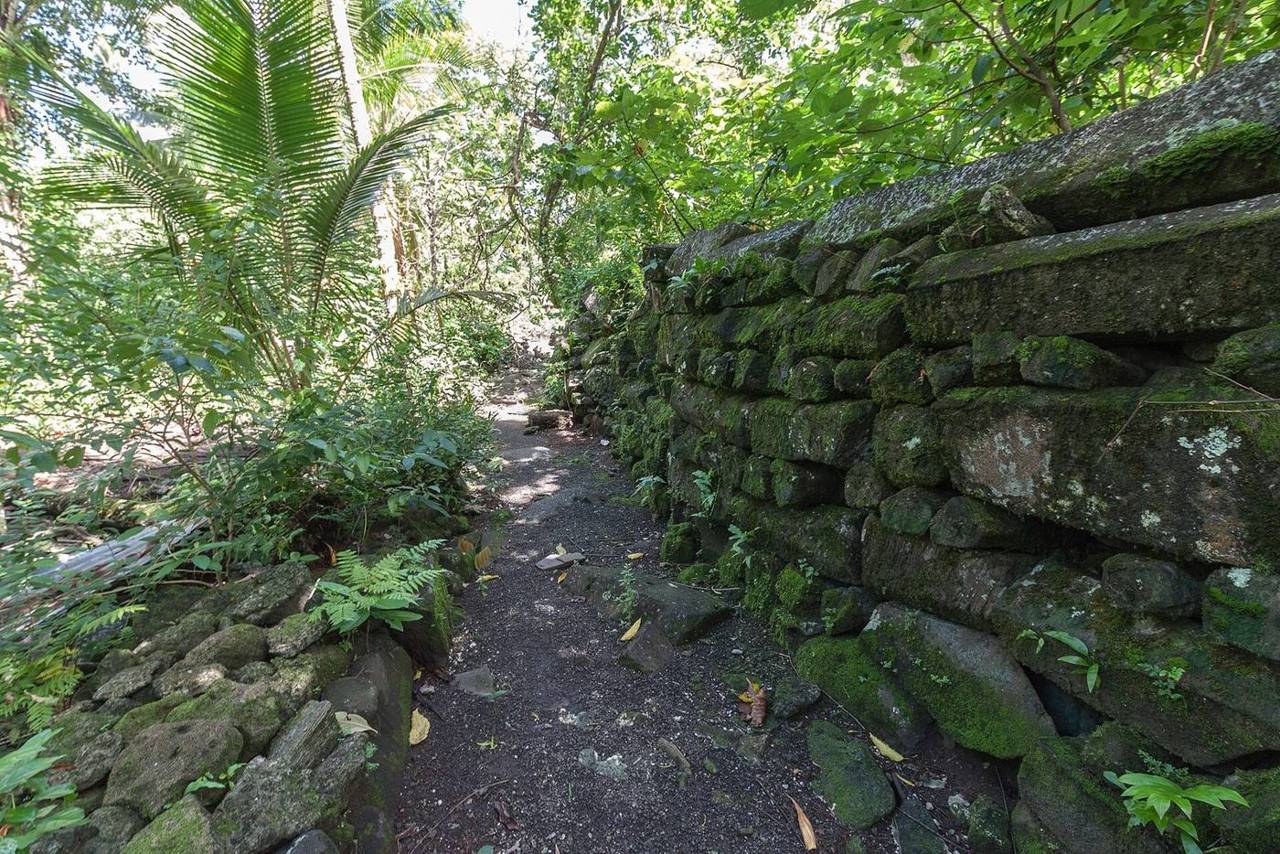
The green, mountainous island of Kosrae: the basalt ruins of the ancient city of Lelu, kayaking through mangrove channels and an almost untouched reef.
 8 daysModerate
Chuuk and Pohnpei
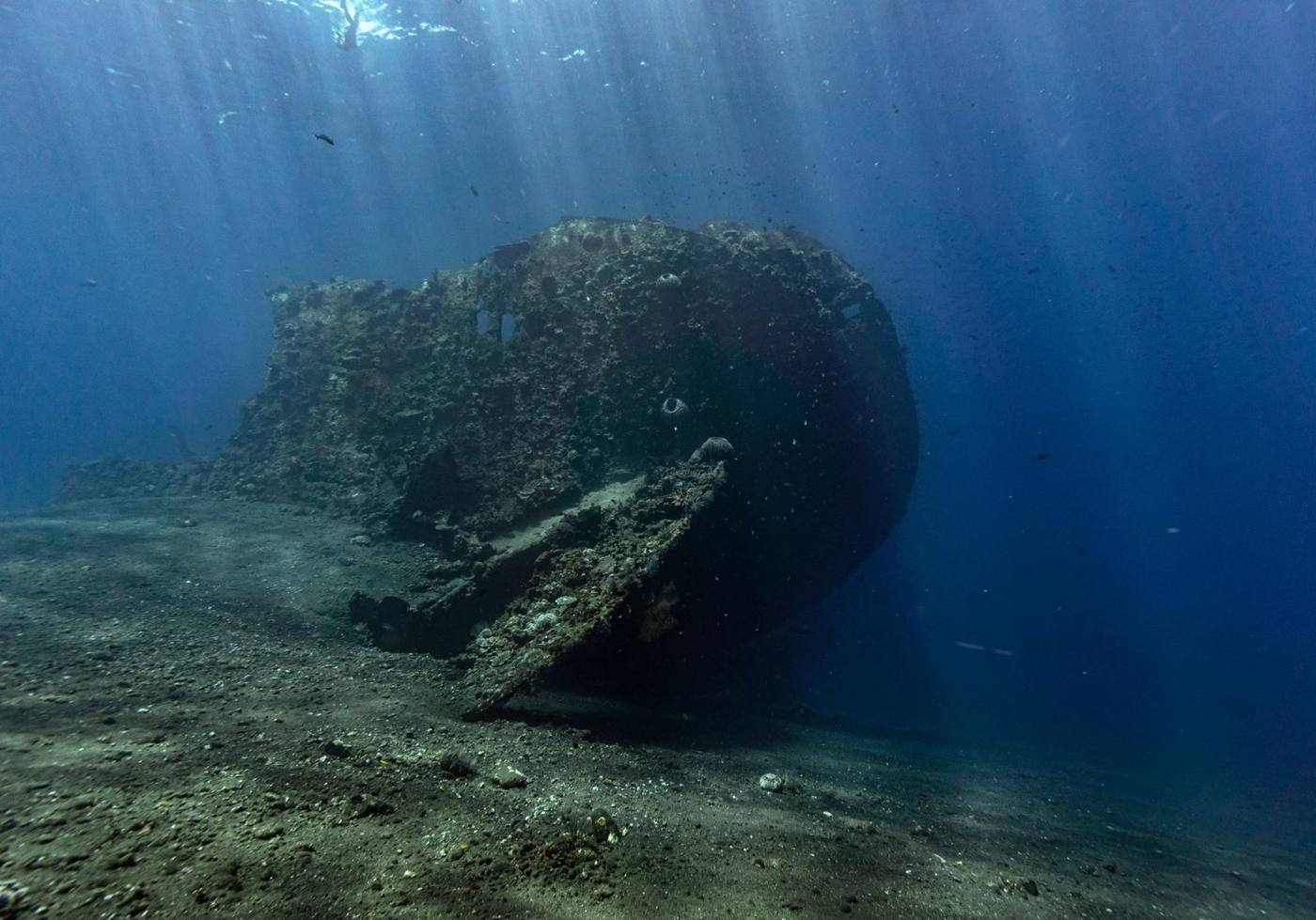
Chuuk Lagoon with the Japanese fleet sunk in 1944, then Pohnpei with the stone city of Nan Madol and forest waterfalls.