Kosrae and Lelu
The green, mountainous island of Kosrae: the basalt ruins of the ancient city of Lelu, kayaking through mangrove channels and an almost untouched reef.
- Lelu
- Utwe
Day by day
- Day 1
The ruins of Lelu
This trip takes you to Kosrae, the easternmost island of the Federated States of Micronesia, green and mountainous, with almost no tourism: the basalt ruins of the ancient city of Lelu, the mangrove channels of Utwe by kayak and the coral reef. You get around by hire car or taxi.
Before you go: Italian citizens enter the Federated States of Micronesia with a passport that must be valid for at least 120 days after arrival, without a visa for short tourist trips; you may be asked for a return ticket. On arrival you complete a customs, immigration and quarantine form, and a departure tax is paid when leaving. Other nationalities should check their own rules. The UK does not advise against any part of the country. Medical facilities are limited: you need insurance with air evacuation. The flights linking the islands between Guam and Honolulu stop at Kosrae only a few days a week: always check days and times before booking.
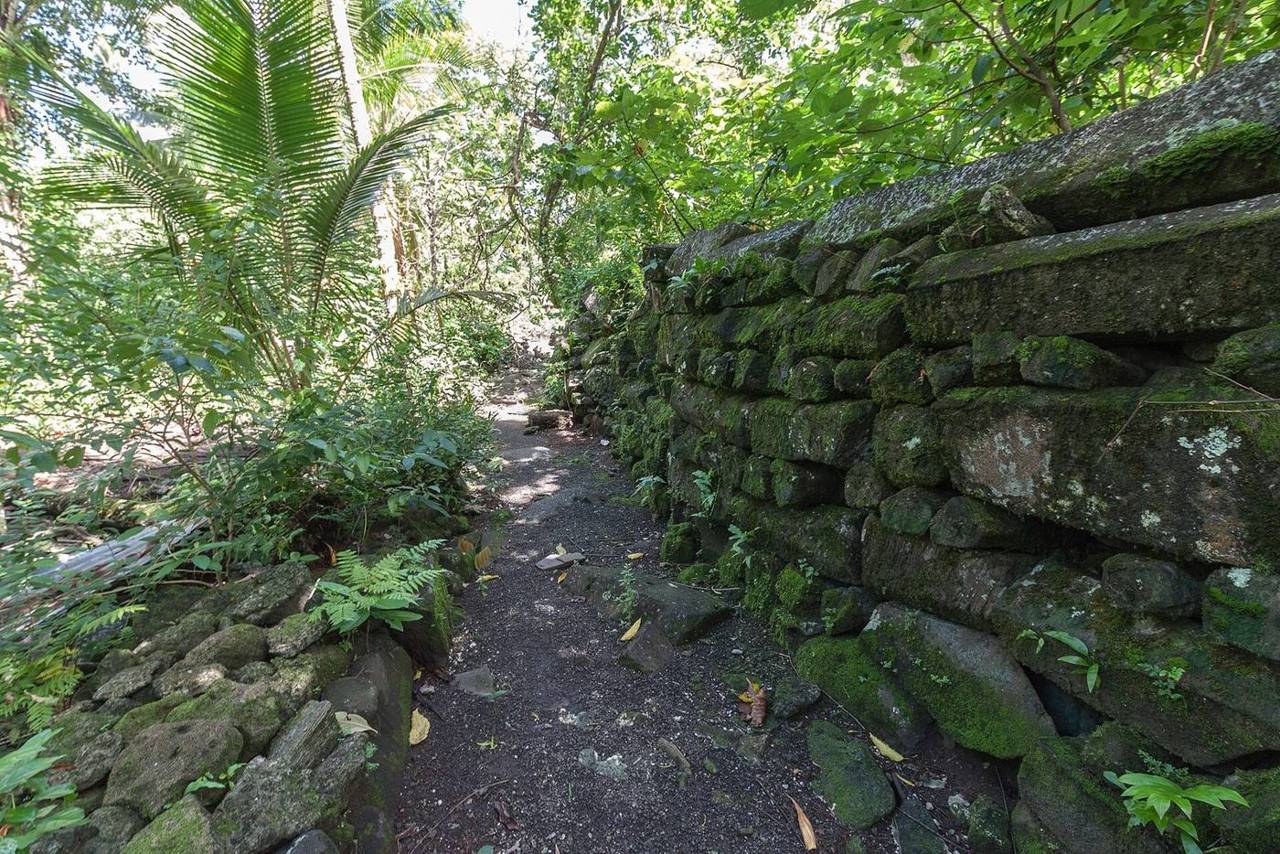
Lelu is a small islet on the east coast, joined to the main island by a road. Here, starting about seven hundred years ago, the kings of Kosrae built their capital, with walls of large blocks of basalt and coral. The city was at its height between the fourteenth and fifteenth centuries and from here the rulers governed the whole island.
With a local guide you walk among the walls, tall and dark, covered in moss and roots, among the enclosures of the chiefs' houses, the canals and the royal tombs. Ask permission, because part of the site is on private land, and check prices and times.
Sleep on Kosrae, for three nights.
Practical tip: on Sundays almost everything on Kosrae stops for church and rest: plan visits and trips on the other days.
- Day 2
By kayak through the mangroves of Utwe
Today you explore by kayak the mangroves of the south coast, around the village of Utwe.
In the morning drive south along the only road that follows the coast, through quiet villages, white churches, banana plantations and breadfruit trees. In less than an hour you reach Utwe, on the southern bay of the island.
Around Utwe and the nearby village of Walung stretches a marine protected area, with one of the finest mangrove forests in Micronesia. With a local guide you get into a kayak and enter the narrow channels among the mangrove roots, which cross above the water like a green tunnel. The water is calm, shallow and dark. You see crabs among the roots, small fish, herons and, with a little luck, fruit bats in the trees. Check prices and times.
The best moment is at high tide, when the channels are full of water and you pass more easily. At low tide some stretches become too shallow for the kayak.
In the afternoon, on the way back, look at the outline of the mountain called the Sleeping Lady, which from the sea looks like a woman lying down with long hair. Stop in a village to try fried bananas, fish in coconut or breadfruit cooked on the fire. The green citrus fruits of Kosrae, famous throughout Micronesia, are sold along the road.
Sleep on Kosrae.
Practical tip: bring mosquito repellent, sun cream and a bottle of water, because it is hot among the mangroves and the air is humid.
- Day 3
Snorkelling on the reef and the flight
Today you swim on the coral reef of Kosrae and then leave on the flight.
The reef around the island is among the least disturbed in the Pacific, with hard and soft corals, tropical fish and sometimes turtles. Many snorkelling spots can be reached from the shore or by boat, and at the dive sites there are mooring buoys so that anchors do not damage the coral.
Early in the morning, at high tide and with a calm sea, go out with a local guide or boatman. Choose operators with life jackets and a boat in good condition and always ask about sea conditions: on some stretches of the coast the currents and waves are dangerous, especially beyond the reef. Never swim alone. Check prices and times.
If your flight leaves in the afternoon, only snorkel and do not scuba dive: after a dive you must wait at least a day before flying.
Then go to the airport, on the west coast, leaving plenty of time and with your passport: even on flights to the other states of the federation you clear immigration again.
In three days you have seen Kosrae, a very peaceful island: the basalt walls of the ancient city of Lelu, the mangroves of Utwe by kayak, the outline of the Sleeping Lady and the almost untouched coral reef.
When to go: from December to April, when it rains a little less, the sky is more often clear and the sea is calmer. Kosrae is still one of the rainiest islands in the Pacific in every season.
Practical tip: check the flight time the day before, because there are few flights and a delay can cost you several days on the island.
An extremely quiet island with almost no tourism. Island hopper flights are few each week: plan the trip around their days.
Before you go
- Documents and visa
- Passport valid for at least 120 days after the date of arrival, and no visa for short tourist trips. You may be asked for a return or onward ticket. On arrival you complete a customs, immigration and quarantine form. You also need your passport on flights between the states of the federation, where you clear immigration again. A departure tax is paid when leaving.
- Health and vaccines
- Medical facilities are limited, especially outside Pohnpei: you need insurance with high medical cover and air evacuation. Protect yourself from mosquitoes, because there are cases of dengue in the Pacific islands. Drink bottled water.
- Money and payments
- US dollar. Many hotels accept cards, but cash machines are few: bring cash.
- Power sockets
- Type A and type B, 120 volts, as in the United States: you need an adapter and should check that your devices work at 120 volts.
- Time zone
- Yap and Chuuk UTC+10, Pohnpei and Kosrae UTC+11, all year.
- Safety
- No areas are advised against. Crime is low, but rises at night, especially where alcohol is involved, and is higher in Chuuk State. Some stretches of coast have dangerous currents and waves: ask for local advice before swimming or doing water sports. The islands are exposed to typhoons, floods and droughts. Flights between the islands run only a few times a week: always check days and times. Official advice: GOV.UK.
Information checked in November 2026 for Italian and EU citizens. Rules change: always check before you travel.
Variations
In 2 days: the ruins of Lelu and the mangroves of Utwe, if the flight days allow it.
In 7 days: add Pohnpei, with the ruins of Nan Madol, on the flight that links the islands.
Frequently asked questions
How do you get to Kosrae?
By plane, on the flight that links the Pacific islands between Guam and Honolulu and stops at Kosrae a few days a week. Always check days and times before booking.
What are the ruins of Lelu?
They are the remains of the capital of the kings of Kosrae, with walls of basalt and coral, built starting about seven hundred years ago. They are visited with a local guide.
What documents do I need for Micronesia?
Italian citizens enter with a passport valid for at least 120 days after arrival, without a visa for short tourist trips. A departure tax is paid when leaving. Other nationalities should check their own rules.
Indicative itinerary written by World Atlas. Before booking, check timetables, seasonal openings, documents and safety.
 8 daysModerate
Chuuk and Pohnpei
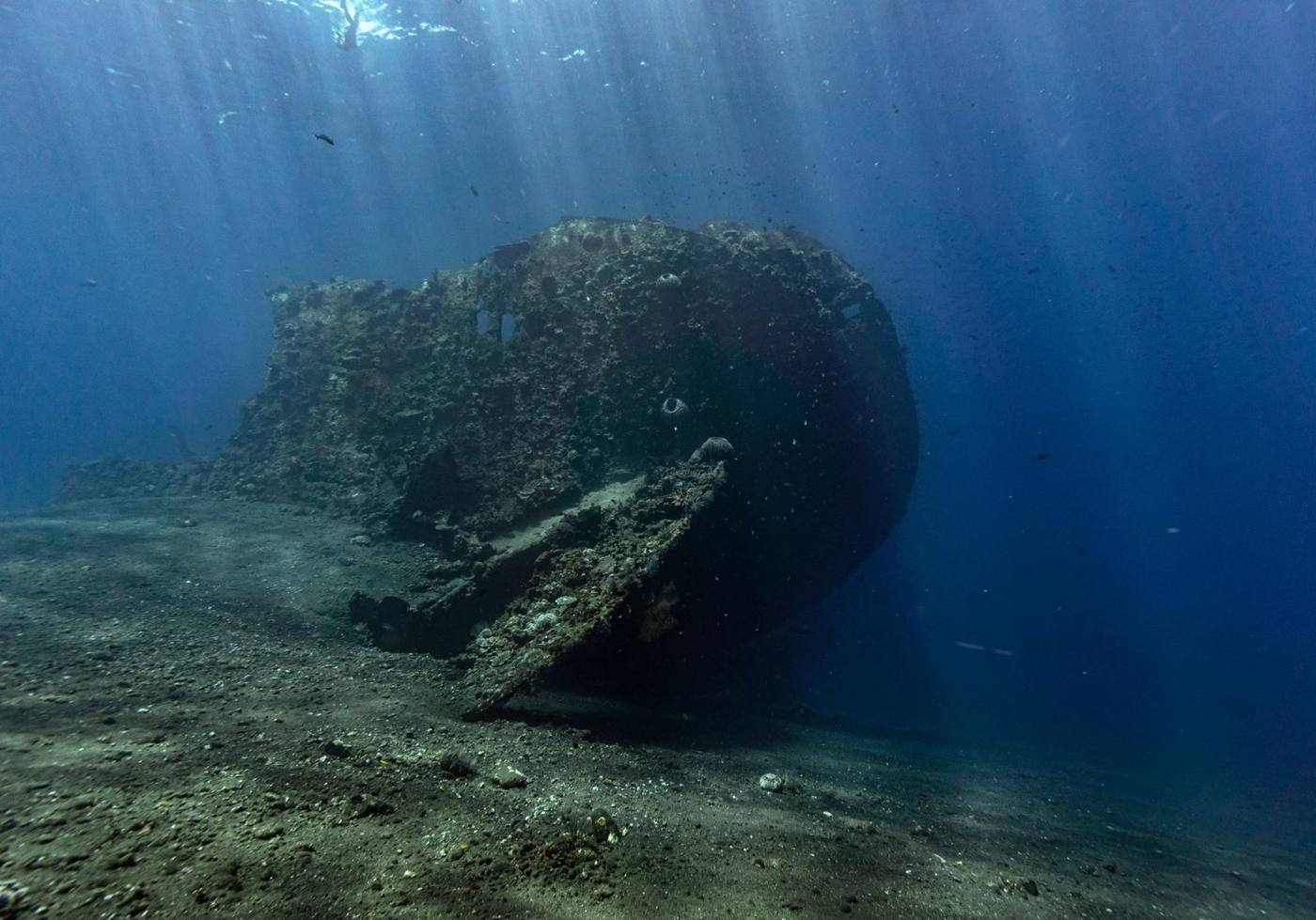
Chuuk Lagoon with the Japanese fleet sunk in 1944, then Pohnpei with the stone city of Nan Madol and forest waterfalls.
 4 daysModerate
Yap and the stone money
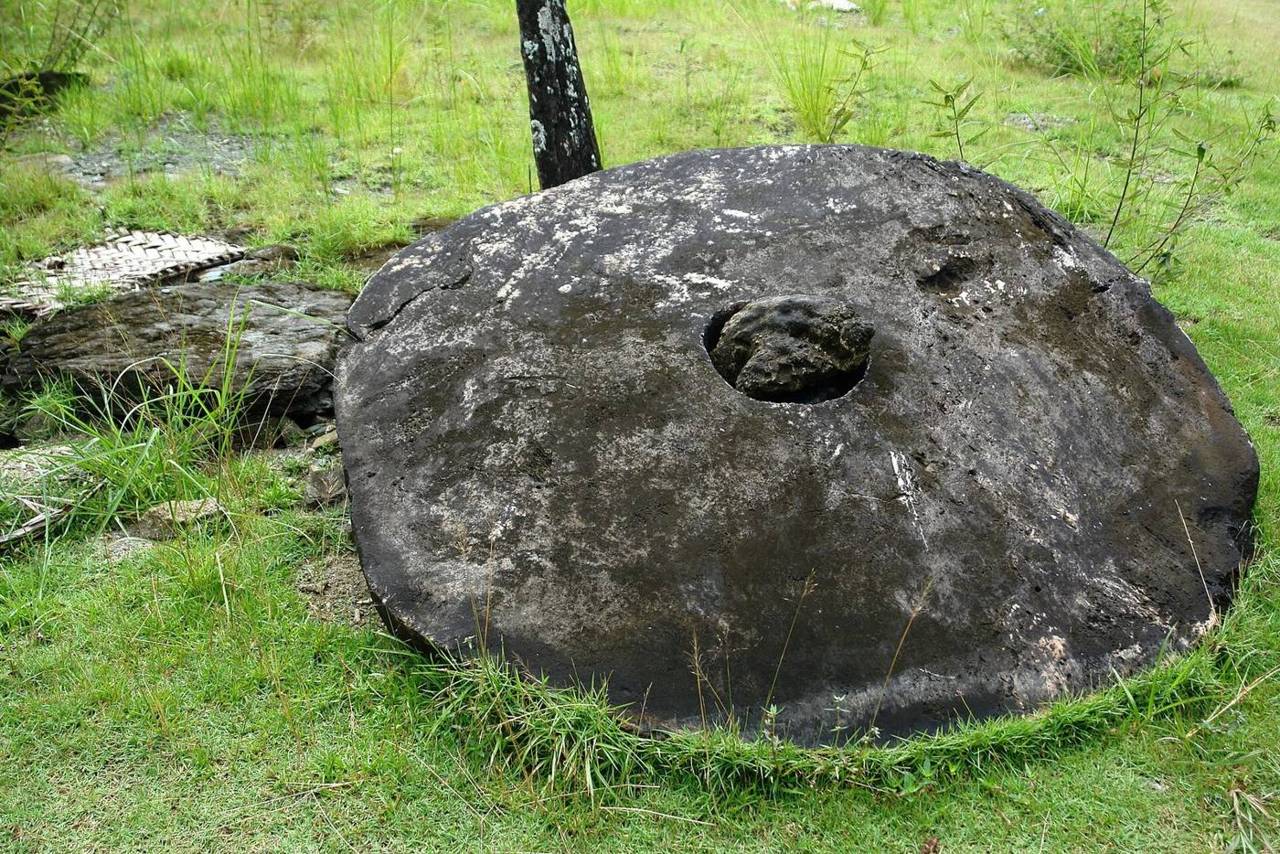
Micronesia's most traditional island: the great stone wheels used as money along village paths, the men's houses and diving with manta rays in the channels.