Yucatán: Maya pyramids and cenotes
Chichén Itzá, Valladolid, the cenotes and the sea at Tulum: the easiest Mexico for a first week.
- Cancún
- Valladolid
- Chichén Itzá
- Mérida
- Tulum
- Bacalar
Day by day
- Day 1
Arrival in Cancún and transfer to Valladolid
To enter Mexico, EU citizens need a passport valid for the whole stay; no visa is needed for tourist trips. On arrival the officer decides how many days you are granted: check the number written down. The state of Quintana Roo, home to Cancún and Tulum, charges foreign visitors a small tax, the Visitax, paid online on the state's official website before you leave.
Cancún airport is the largest on the Yucatán peninsula. Instead of staying in the hotel zone, pick up your rental car straight away or take the long-distance bus to Valladolid, about two and a half hours west. The peninsula's highways are good; the toll road is faster and safer than the no-cost road. Alternatively there is the Tren Maya, the new railway linking the peninsula's main towns.
Valladolid is a quiet colonial town with low houses painted in pastel colours, a main square with the church of San Servacio and the sixteenth-century Franciscan convent of San Bernardino. At sunset walk along the Calzada de los Frailes, a street of colourful houses leading to the convent.
In the centre is the Zací cenote, a large freshwater cave with a collapsed roof where you can swim. Cenotes are natural sinkholes in the limestone, sacred to the Maya and once the peninsula's only source of water. Practical tip: drive only by day on minor roads, where there can be animals and speed bumps, called topes, that are often hard to see.
- Day 2
Chichén Itzá at opening time and the Ik Kil cenote
Leave early for Chichén Itzá, about 45 minutes from Valladolid, and arrive at opening: after ten the coaches from Cancún arrive and the heat builds. Chichén Itzá, a UNESCO World Heritage site, was one of the great Maya cities between the ninth and twelfth centuries. In 2026, according to official figures reported by the Yucatán press, foreigners pay 697 pesos for a single ticket covering both the national anthropology institute's fee and the state's.
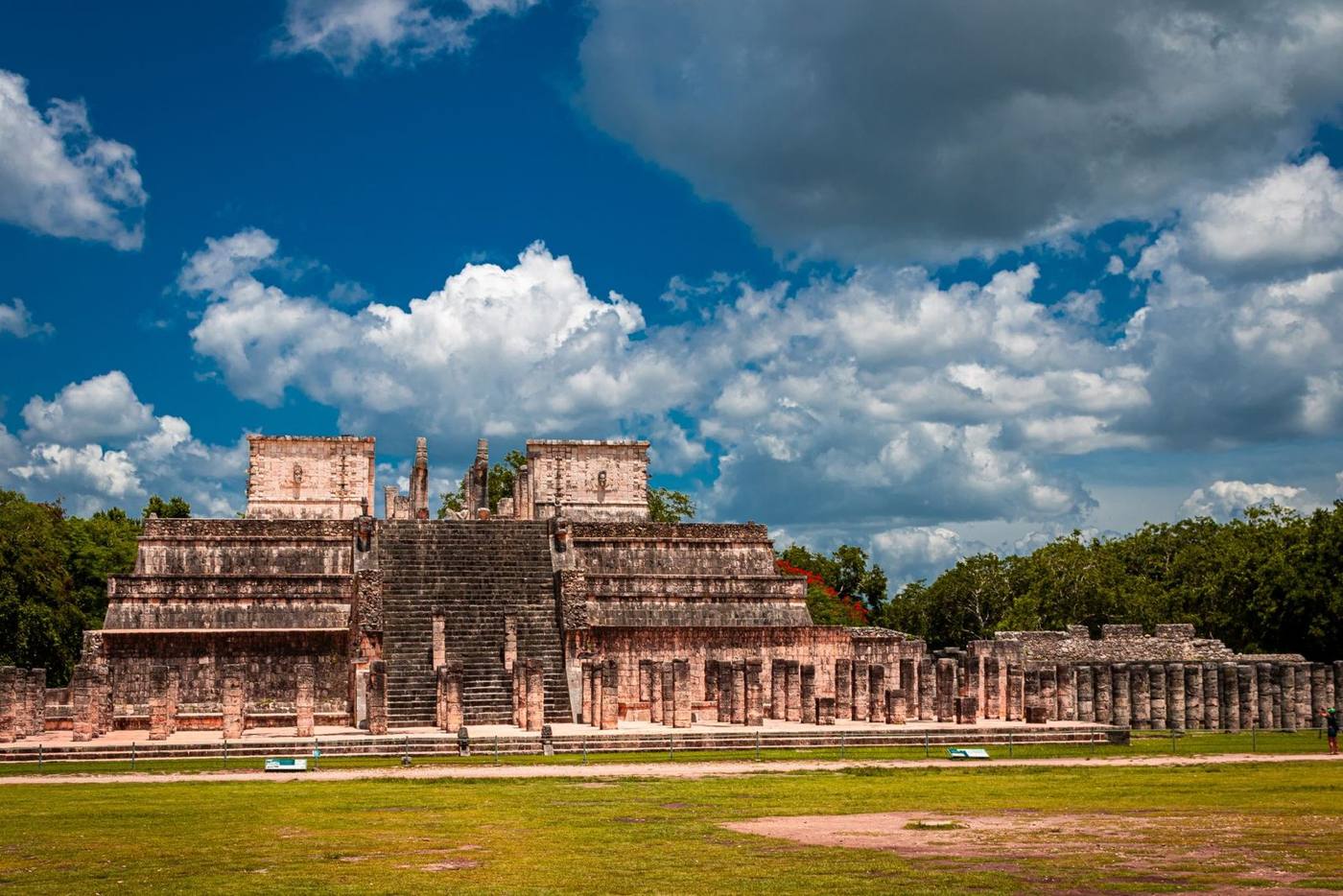
At the centre stands the Pyramid of Kukulcán, known as El Castillo: it has 365 steps in all, one for each day of the year, and at the spring and autumn equinoxes shadows trace a descending serpent's body on the staircase. Climbing is not allowed. Nearby are the great ball court, the largest in Mesoamerica, with stone rings high on the walls and surprising acoustics; the Temple of the Warriors with its colonnade; the observatory known as El Caracol and the sacred cenote, where offerings were thrown.
After the visit, in the hottest hours, go to the Ik Kil cenote, a few minutes away: a deep round sinkhole open to the sky, with vines hanging down to the water. You descend a staircase cut into the rock and swim in cool fresh water. It is very busy at midday.
In the evening return to Valladolid. Practical tip: bring a hat, sunscreen and water; in cenotes shower before swimming and do not use creams or repellents, which pollute the water.
- Day 3
Mérida and the Maya site of Uxmal
In the morning drive west to Mérida, about two hours, the capital of Yucatán state, a large, lively colonial city with an orderly grid centre. Stay two nights here. Start at the Plaza Grande, with the sixteenth-century cathedral built from the stones of an ancient Maya temple, and the Casa de Montejo, the conquistador's house with its carved façade. The Government Palace has large murals telling the history of Yucatán.
In the early afternoon continue south to Uxmal, about an hour and a quarter away, another great Maya site and UNESCO World Heritage site, in the style known as Puuc, with façades decorated with stone mosaics, masks of the rain god Chaac and serpents. The Pyramid of the Magician, with its oval base, is about 35 metres high; the Nunnery Quadrangle and the Governor's Palace are among the finest works of Maya architecture. Uxmal is far less crowded than Chichén Itzá, and at some hours you have it almost to yourself.
If you have time, along the way there are other small Ruta Puuc sites such as Kabah, whose façade is covered with hundreds of Chaac masks.
In the evening return to Mérida. On Sundays the city closes the Paseo de Montejo and central streets to traffic, with music and dancing in the squares. Practical tip: Yucatán is one of Mexico's safest states, but as anywhere do not leave anything visible in the car and use guarded car parks.
- Day 4
The cenotes around Valladolid and the pink lagoon of Las Coloradas
In the morning leave Mérida and head back east. Around Valladolid there are dozens of cenotes, each different. Suytun cenote has a stone walkway in the middle of the cave and a shaft of light entering through the hole in the roof at midday; the Dzitnup cenotes, Xkeken and Samulá, are almost closed caves with tree roots reaching down to turquoise water. Each cenote charges entry, and many are run by local communities.
In the afternoon drive north, about an hour and a half, to Río Lagartos and Las Coloradas on the Gulf coast. Las Coloradas is famous for the evaporation ponds of its salt works, which turn deep pink because of algae and tiny crustaceans. The salt pans are a private working area: you view them from permitted points, and swimming is forbidden. There is often a small fee to enter the viewing area.
At Río Lagartos, in the biosphere reserve, boat trips through the mangroves show pink flamingos, present mainly from spring to summer, crocodiles and many waterbirds. Boats leave from the pier with local guides.
Stay in or near Valladolid. Practical tip: the pink of Las Coloradas is most intense with the sun high and a clear sky; under clouds the ponds look much paler.
- Day 5
Tulum: ruins by the sea and the beach
Early in the morning drive south-east to Tulum, about an hour and a half from Valladolid, and arrive when the ruins open. Tulum was a fortified Maya port city built on a cliff above the Caribbean Sea: one of the few Maya sites on the coast, and the image of the temple called El Castillo above turquoise water is famous. The site is small and takes an hour or two; according to official 2026 figures the anthropology institute's entry fee for foreigners is 210 pesos, and the ruins now lie within the Jaguar National Park, with regulated access.
After the visit go down to the beach below the ruins or one of the national park's public beaches, with white sand and blue sea. From May to October Mexico's Caribbean coast can be hit by sargassum, brown seaweed that drifts in from the ocean and covers the beaches: check official bulletins before you go.
In the afternoon visit a cenote near Tulum, such as Gran Cenote, with crystal-clear water for snorkelling among stalactites and small turtles, or enter the Sian Ka'an Biosphere Reserve, a UNESCO site, with boat trips through canals dug by the Maya.
Stay in Tulum or on the road to Bacalar. Practical tip: beachfront accommodation in Tulum is very expensive; the inland town is cheaper and close to the main road.
- Day 6
Bacalar, the lagoon of seven colours
In the morning drive south to Bacalar, about two and a half hours from Tulum. The Bacalar lagoon is some fifty kilometres long and changes colour from white to turquoise to deep blue depending on the depth and its white sandy bottom: hence its name, the lagoon of seven colours. The water is fresh, calm and warm.
The best way to see it is on a sailing boat or kayak trip past the most famous spots: the pirates' channel, used according to tradition by pirates attacking the town, the bird island and the cenotes within the lagoon, such as Cenote Esmeralda and Cenote Negro, over ninety metres deep. Along the shores there are also stromatolites, rock formations built by micro-organisms among the oldest forms of life on Earth: they are fragile and protected, so never walk on them.
In the afternoon visit the Fort of San Felipe, built in the eighteenth century to defend the town from pirates, with a small museum on Caribbean piracy. Then relax at one of the public balnearios on the lagoon, small beaches with wooden jetties.
At sunset the lagoon turns pink and orange. Stay in Bacalar. Practical tip: to protect the lagoon, the authorities ban motorboats in some areas and ask visitors not to use non-biodegradable sunscreen; respect these rules.
- Day 7
Back to Cancún
On the last day drive north to Cancún, about four and a half hours from Bacalar, or take a domestic flight from Chetumal, the city near the Belize border. If your flight is in the late afternoon, stop along the way.
Halfway, Puerto Morelos is a small fishing village, much quieter than Cancún, with its leaning lighthouse, the village symbol since a hurricane, and a marine park with the coral reef a few hundred metres offshore: snorkelling is done with authorised guides. Further north, the Puerto Morelos cenote route leads to several freshwater sinkholes in the jungle.
Alternatively, if you have more time, the ferry to Isla Mujeres leaves from Cancún: a small island with white sand beaches and very shallow water, perfect for a last swim, with ferries running frequently throughout the day.
Return the car at the airport, which has several terminals: check yours before arriving. Make sure you have paid the Quintana Roo Visitax, which may be checked on departure. Things to take home: Yucatán hammocks, traditional embroidery, Maya stingless-bee honey, vanilla and chocolate. Practical tip: at Cancún airport many transport and service sellers wait just past customs; book transfers in advance and ignore pushy offers, however friendly they sound.
The easiest week to discover Mexico, with good roads and short distances. See Chichén Itzá at opening time, the coaches from Cancún arrive after ten. Tulum and the coast are expensive, and sargassum seaweed can spoil the sea in summer, so November to April is best.
Before you go
- Documents and visa
- Passport valid for the whole stay; no visa is needed for tourism. On arrival the officer sets the number of days granted. Quintana Roo state charges foreign visitors a tax, the Visitax, payable online.
- Health and vaccines
- No compulsory vaccines. Drink only bottled water and use mosquito repellent against dengue and other diseases. Emergencies: 911.
- Money and payments
- Mexican peso. Cards are accepted in cities and tourist areas; in markets, villages and on local transport you need cash.
- Power sockets
- Types A and B, 127 volts: you need a flat-pin adapter.
- Time zone
- Mexico City is UTC-6; Quintana Roo is UTC-5. Mexico no longer uses daylight saving time, except in some border areas.
- Safety
- The situation varies greatly between states: the United States rates some, such as Guerrero, Michoacán and Sinaloa, at level 4, while Yucatán and Campeche are at level 1. Official advice: GOV.UK.
Information checked in November 2026 for Italian and EU citizens. Rules change: always check before you travel.
Variations
In 5 days: Valladolid and Chichén Itzá, the cenotes, Tulum and back to Cancún, skipping Mérida, Uxmal and Bacalar.
In 12 days: add Campeche, the fortified city on the Gulf, and the Calakmul reserve with pyramids in the forest, before heading down to Bacalar.
Frequently asked questions
How much is Chichén Itzá?
In 2026, according to official figures reported by the Yucatán press, foreigners pay 697 pesos for a single ticket. Sunday entry is at no cost only for Mexicans and foreigners resident in Mexico.
Is Yucatán safe?
Yucatán state is at level 1, the lowest, in US advisories, and Quintana Roo at level 2. The usual precautions apply: drive by day, keep belongings out of sight and use official taxis or transport.
When is the best time to go?
From November to April, the dry season, with warm but bearable temperatures. June to November is hurricane season, and from May to October Caribbean beaches can be hit by sargassum.
Indicative itinerary written by World Atlas. Before booking, check timetables, seasonal openings, documents and safety.
 15 daysModerate
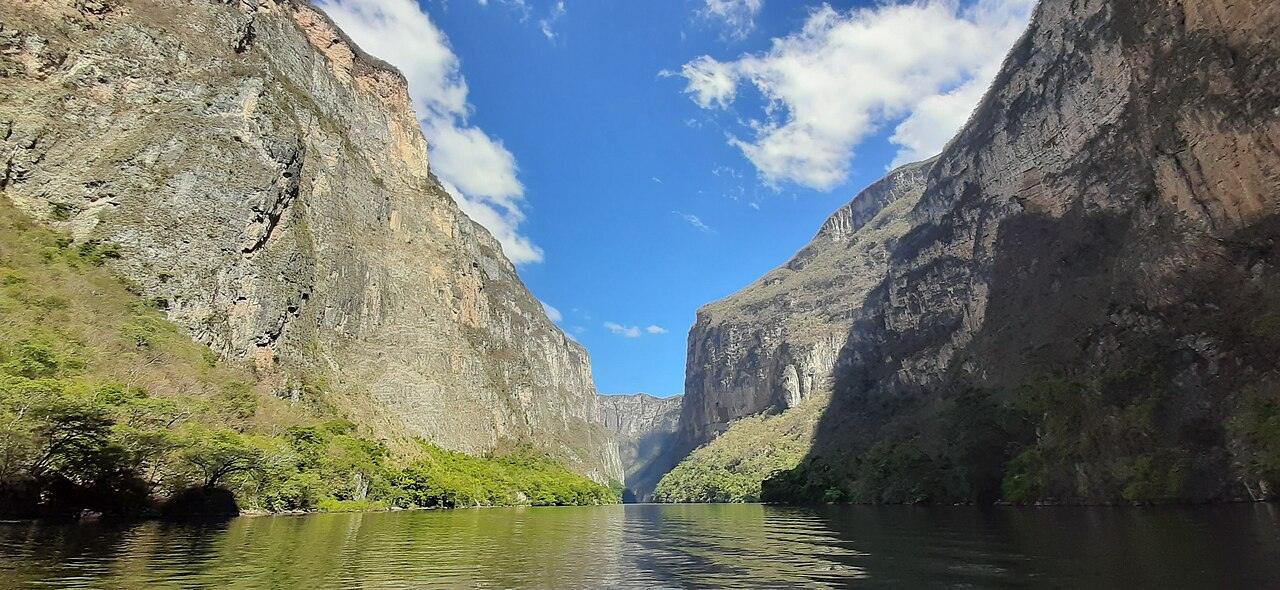
Chiapas, Yucatán and the Caribbean
From the capital to the colonial towns of Chiapas, then Palenque in the jungle, the Maya cities of Yucatán and the sea.
 12 daysEasy
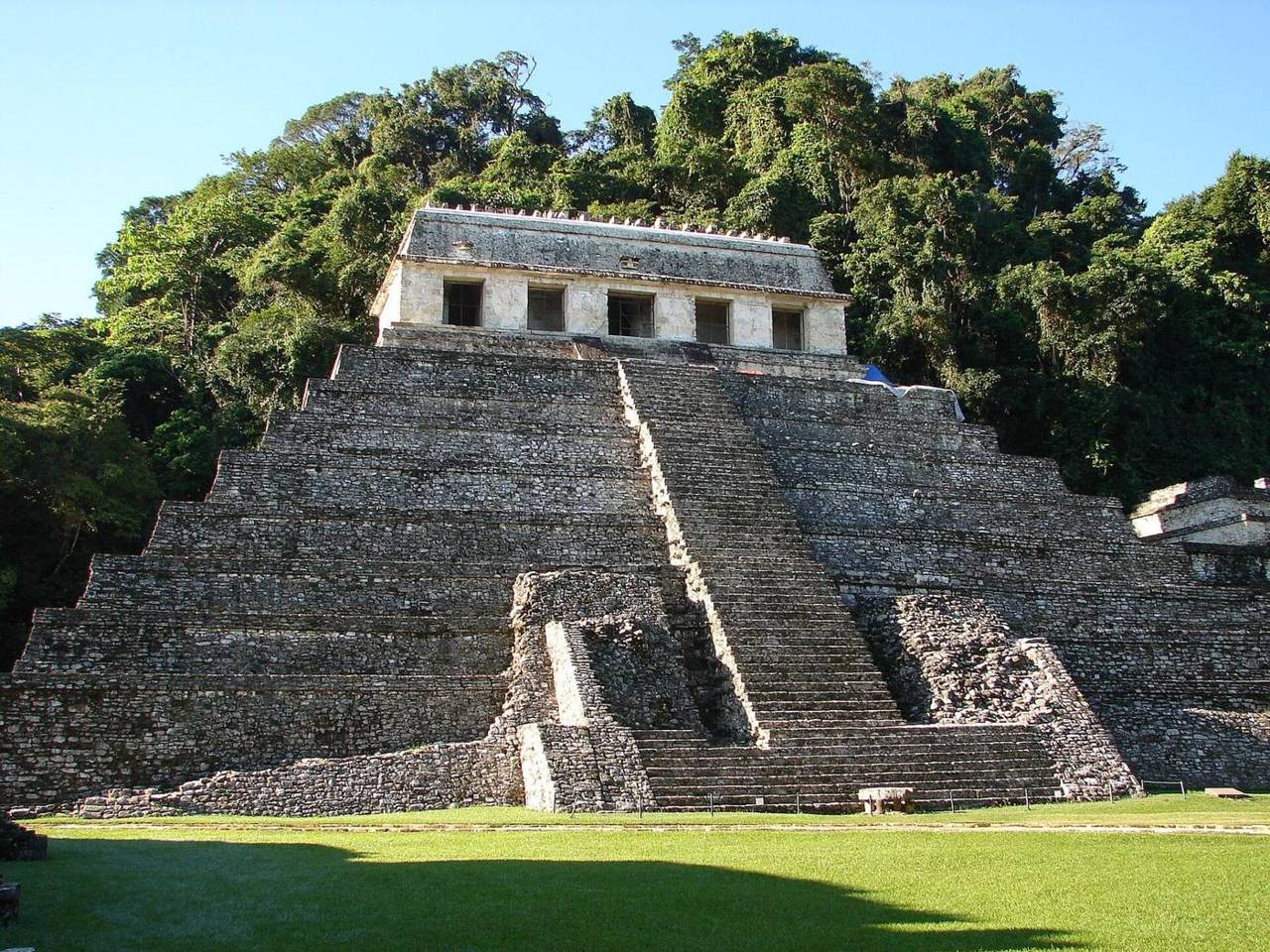
Maya triptych: Mexico City, Palenque and the Yucatán
The capital with Teotihuacán, the jungle pyramids of Palenque and the great Maya cities of the Yucatán, with cenotes to cool off.
 17 daysModerate
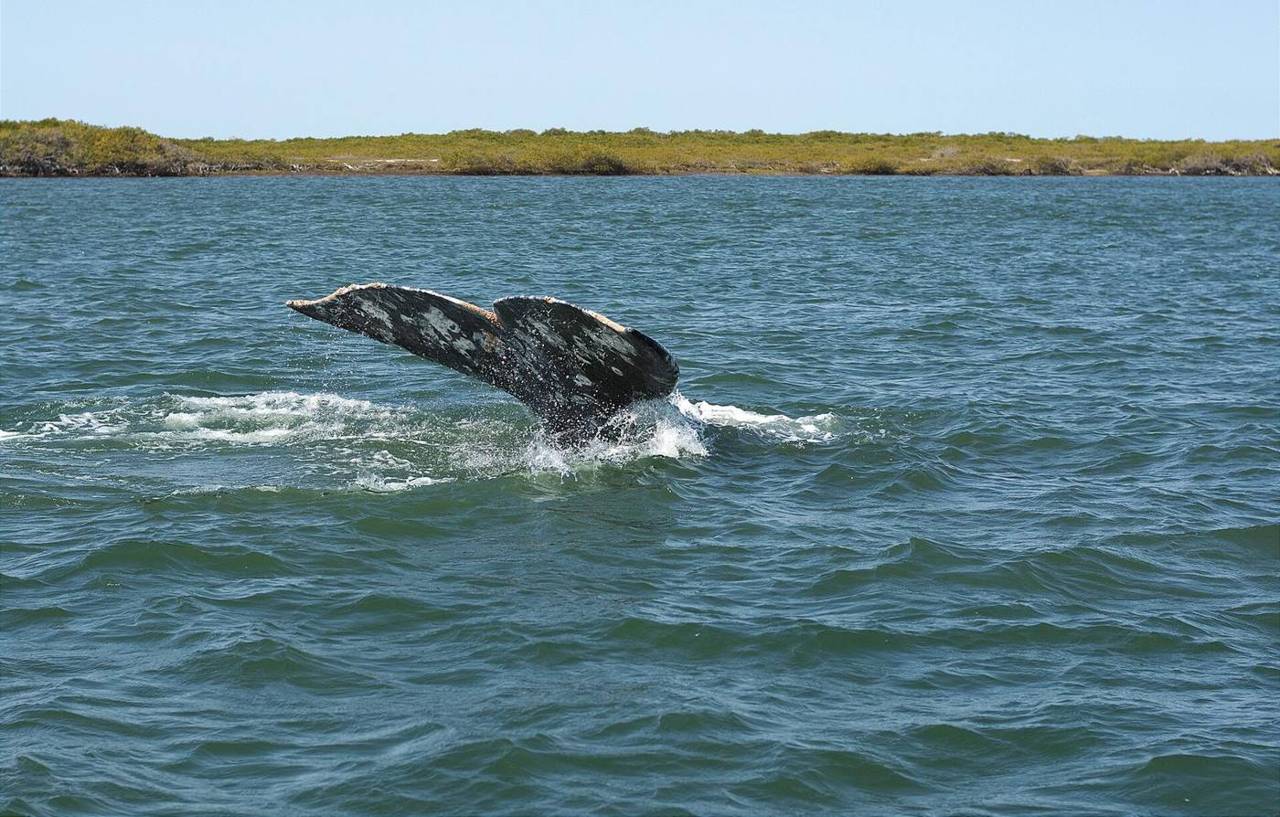
Baja California: whales and cacti
The lagoons where grey whales give birth and come up to be touched, the sea lions of Espíritu Santo, deserts of giant cacti and the Jesuit missions.