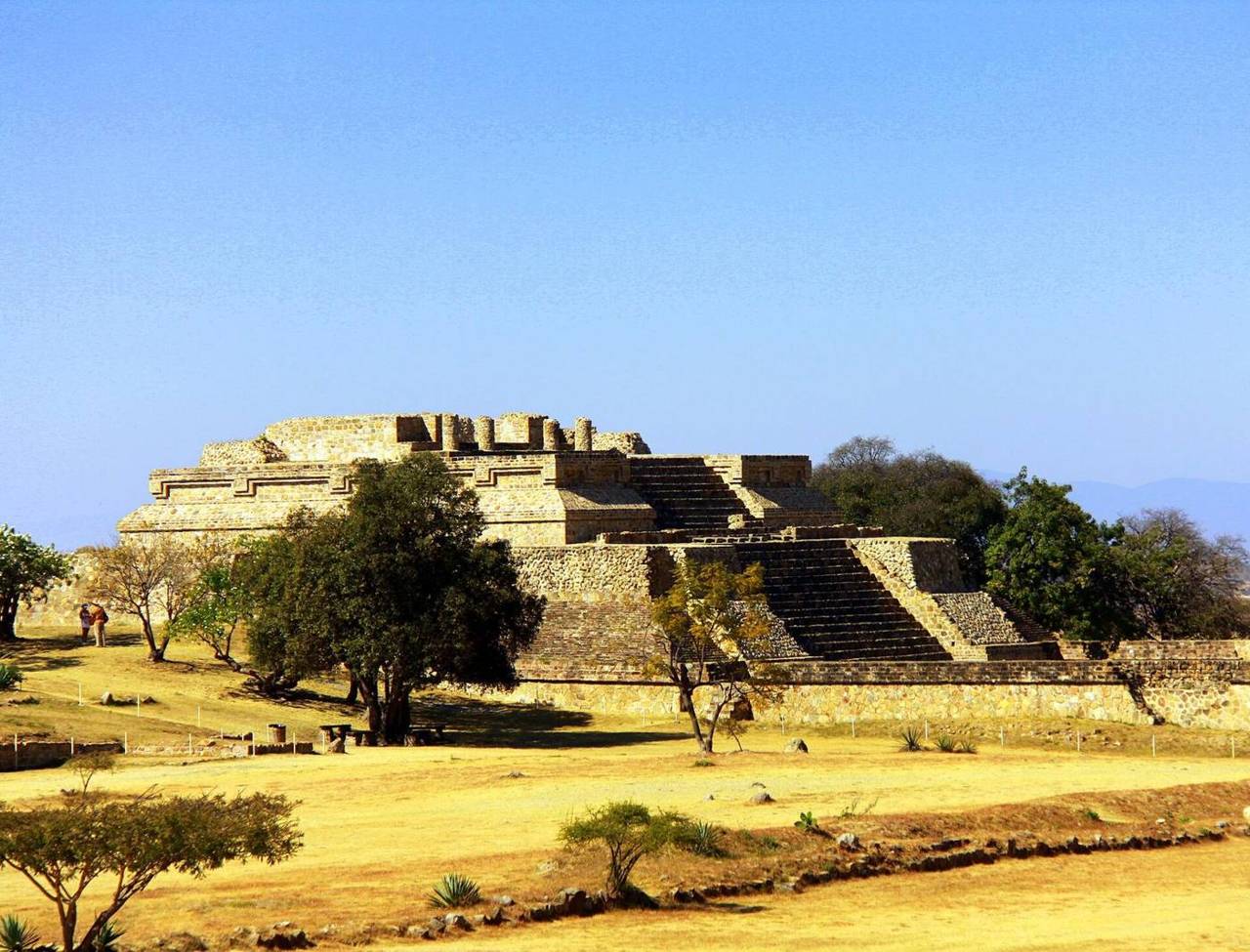
Oaxaca and the Pacific coast
The capital of Mexican food, its markets, craft villages and Monte Albán, then the wild beaches of Mazunte and Puerto Escondido.
- Oaxaca
- Monte Albán
- Hierve el Agua
- Mitla
- Mazunte
- Puerto Escondido
Day by day
- Day 1
Arrival in Oaxaca via Mexico City
This trip combines Oaxaca, one of Mexico's most beautiful colonial cities, famous for its food, crafts and the Zapotec and Mixtec indigenous peoples, with the state's Pacific coast: small fishing villages, beaches with strong waves, sea turtles and a lagoon that glows at night.
Before you leave: check Mexico's entry requirements for your passport before travelling. The United States government rates the state of Oaxaca at level 2, meaning exercise increased caution: check the latest advice and do not travel by road at night.
You fly into Mexico City and continue on a domestic flight to Oaxaca, about an hour and a quarter. The airport is about half an hour from the centre.
In the afternoon walk through the historic centre, a World Heritage Site, with low houses painted in bright colours, inner courtyards and a grid of streets. Reach the Zócalo, the main square, with arcades, trees and the cathedral, where in the evening there is music and families and vendors gather.
In the evening try a tlayuda, a large crisp tortilla with beans, Oaxaca cheese and meat, cooked over charcoal, or tamales.
Sleep in Oaxaca.
Practical tip: Oaxaca is at about one thousand five hundred metres. Evenings are cool: bring a sweatshirt.
- Day 2
The historic centre, markets and food
In the morning visit the church of Santo Domingo de Guzmán, the city's finest, with an interior covered in gilded stucco and a great family tree carved on the ceiling. Next door, in the former convent, the Museum of the Cultures of Oaxaca tells the region's story from pre Hispanic peoples to today, with the treasure of Tomb 7 at Monte Albán, Mixtec gold jewellery. Behind it is an ethnobotanical garden with plants of the region, visited with a guide. Check opening hours and prices.
Walk along the Andador Turístico, the pedestrian street with craft shops, galleries and cafés.
At midday go to the 20 de Noviembre market, where in the smoke corridor you choose raw meat from the stalls and have it grilled over charcoal, to eat with tortillas, salsas and vegetables. Then move on to the Benito Juárez market, with chocolate, mezcal, spices and toasted grasshoppers, chapulines, a typical snack.
In the afternoon take an Oaxacan cooking class, which usually starts with shopping at the market and teaches you to make a salsa, tortillas and one of the moles, complex sauces with chocolate, chillies and dozens of ingredients.
Sleep in Oaxaca.
Practical tip: at the markets drink only bottled water and eat freshly cooked food.
- Day 3
Monte Albán and the craft villages
Early in the morning go up to Monte Albán, about half an hour from the centre, the ancient Zapotec capital, built more than two thousand years ago on the flattened top of a mountain above the valley. Like the centre of Oaxaca, it is a World Heritage Site.
Walk across the Gran Plaza, the great square surrounded by stepped pyramids, temples, a ball court and the arrow shaped observatory. Look at the Danzantes slabs, figures carved in stone in strange poses, perhaps prisoners of war. From the platforms the view takes in the whole Oaxaca valley. Check opening hours and prices; bring water, a hat and sunscreen, as there is little shade.
In the afternoon visit the craft villages around Oaxaca. In San Bartolo Coyotepec they make shiny black pottery, using a technique you can watch in the workshops. In San Martín Tilcajete and Arrazola they carve alebrijes, fantastic wooden animals painted in vivid colours. In Teotitlán del Valle they weave wool rugs with natural dyes, including cochineal, an insect that gives red.
Buy directly from family workshops.
Sleep in Oaxaca.
Practical tip: for the villages a car with driver or an organised tour is best. Local transport exists but is slow.
- Day 4
Mitla, the Tule tree and Hierve el Agua
Today you explore the valley east of Oaxaca.
The first stop is Santa María del Tule, a village with the Tule tree, an enormous cypress beside the church, with one of the widest trunks in the world, more than fourteen metres across, and an estimated age of over two thousand years.
Then continue to Mitla, an ancient Zapotec and Mixtec religious centre, with palaces decorated with stone mosaics in geometric patterns, made of thousands of small cut stones fitted together without mortar. On top of the ruins the Spanish built a church using stones from the temples. Check opening hours and prices.
In the afternoon go up to Hierve el Agua, about an hour from Mitla on a mountain road, a place where mineral rich springs flow over the edge of a cliff and over thousands of years have formed white petrified waterfalls that look frozen. At the top are natural pools overlooking the valley. The site is run by local communities and has been closed in the past because of disputes or works: check before you go.
Return to Oaxaca before dark.
Sleep in Oaxaca.
Practical tip: in the Hierve el Agua pools do not use sunscreen or soap. The water flows over the mineral formations and damages them.
- Day 5
Mezcal at an artisan distillery
Today you get to know mezcal, the agave spirit typical of Oaxaca.
In the morning drive to Santiago Matatlán, about an hour south east of Oaxaca, a village called the world capital of mezcal, surrounded by fields of agave in neat rows. Visit an artisan distillery, called a palenque, where you see the whole process: the piñas, the hearts of the agave, are cooked for days in pits dug in the earth with hot stones, then crushed by a large stone wheel pulled by a horse, left to ferment in wooden vats and distilled in copper or clay stills.
Taste different kinds, from espadín, the most common cultivated agave, to mezcals from wild agaves such as tobalá, which grow slowly in the mountains and are rarer. Mezcal is drunk slowly, in small sips.
In the afternoon return to Oaxaca and visit the Textile Museum or the San Pablo cultural centre, in a restored former convent. Check opening hours.
In the evening pack for the coast.
Sleep in Oaxaca.
Practical tip: do not drive after tastings. Arrange a car with driver or a tour, and pace yourself, as mezcal is strong. Drink water between tastings: the altitude of Oaxaca makes the effect stronger.
- Day 6
The mountain road to the coast
Today you leave Oaxaca and head down to the Pacific coast.
You can take a short flight from Oaxaca to Puerto Escondido or Huatulco, which avoids hours of bends, or go by road with a car and driver or by minibus. The roads cross the Sierra Sur, with endless bends, mountain passes covered in pine forest and then a descent into tropical forest. It takes six or seven hours, sometimes more because of works and landslides in the rainy season. The new highway between Oaxaca and the coast has cut journey times on some stretches: check the current situation.
Travel only by day. Along the road there are small villages, fruit stalls and coffee grown in the mountains.
In the afternoon you reach the coast. The temperature changes completely, from the coolness of the valley to the humid heat of the sea.
Arrive in Mazunte, a small village between forest and a sandy bay, now a quiet place for travellers, with simple guesthouses, beach eateries and yoga classes.
In the evening have fresh grilled fish on the beach.
Sleep in Mazunte.
Practical tip: if you get car sick, the flight is the best choice. The road is very winding and in the rainy season it can close for landslides.
- Day 7
Mazunte, turtles and Punta Cometa
Today you stay in Mazunte.
In the morning visit the Mexican Turtle Centre, the national centre devoted to sea turtles, with tanks holding several species from Mexico's Pacific. Until 1990 Mazunte had a turtle slaughterhouse; after hunting was banned, the village transformed itself and now lives from tourism and turtle protection. Check opening hours and prices.
At certain times of year turtles lay their eggs at night on nearby beaches, and hatchlings are released at sunset with volunteer groups. Join only activities that do not handle the animals or expose them to bright lights.
In the afternoon swim in Mazunte bay or at nearby San Agustinillo beach, which is calmer. Ocean waves can be very strong: go into the water only where it is calm and ask local people.
At sunset walk to Punta Cometa, a rocky headland at the end of the bay, the southernmost point of the state, where everyone sits on the rocks to watch the sun set into the ocean, often with a round of applause at the end.
Sleep in Mazunte.
Practical tip: the Oaxaca coast has dangerous rip currents. Never swim alone or after drinking, and ask locals where it is safe. Follow the beach flags where there are any.
- Day 8
Zipolite and nearby beaches
Today you explore the beaches near Mazunte.
In the morning take a boat trip with local fishermen to see dolphins, turtles swimming at the surface and, from December to March, humpback whales passing along the coast. Choose boats that keep their distance from the animals and do not chase them.
In the afternoon go to Zipolite, a few minutes from Mazunte, a long beach of golden sand with powerful waves, popular with travellers and where nudism is accepted. The sea here is among the most dangerous on the coast: according to one tradition, the name comes from a word meaning beach of the dead. Walk on the sand and watch the waves, but go into the water only where lifeguards indicate.
Alternatively spend the afternoon at Playa Mermejita, a wild beach near Punta Cometa, or at San Agustinillo for safer swimming.
At sunset sit at one of the places on the sand at Zipolite or return to Mazunte.
In the evening have fish ceviche or a whole grilled fish with salsa and tortillas.
Sleep in Mazunte.
Practical tip: on the beaches do not leave valuables unattended while you swim. Bring only what you need, and keep your phone in a dry bag.
- Day 9
Puerto Escondido and the bioluminescent lagoon
In the morning drive west, about an hour, to Puerto Escondido, the largest town on the coast, world famous for Playa Zicatela and its huge waves, called the Mexican Pipeline, where surfing competitions are held.
Watch the expert surfers at Zicatela, but do not swim there: the waves and currents are very dangerous. To swim, choose Playa Carrizalillo, a small sheltered bay at the bottom of a long stairway, or Puerto Angelito, with calmer water.
In the afternoon, if you want to try surfing, take a lesson with an instructor on the smaller waves at Playa Carrizalillo or in the La Punta area.
In the evening take a trip to Manialtepec lagoon, about twenty minutes west, or to the more distant Chacahua lagoon. On dark nights, for many months of the year, the water contains tiny organisms that give off light when disturbed: as you move your hand or paddle, the water glows blue. The effect depends on the season and the moon: at full moon you see little. Check conditions.
Sleep in Puerto Escondido.
Practical tip: in the lagoon do not use creams or repellent before getting into the water. They disturb the organisms. Follow your guide's instructions and stay close to the boat.
- Day 10
Flight home
On the last day take the flight from Puerto Escondido to Mexico City, about an hour and twenty minutes, and your connection to Europe. Puerto Escondido airport is close to town, a few minutes by taxi. Arrive at least an hour and a half early.
If your flight leaves in the afternoon, in the morning you can walk along Puerto Escondido's main street, the Adoquín, or watch the fishermen come back into the main bay, where the boats are hauled up on the sand.
Before leaving buy something to take home: artisan mezcal with the producer's label, Oaxacan chocolate for hot chocolate, mole paste, black pottery from San Bartolo, a painted alebrije or a rug from Teotitlán. For alcohol, check the baggage rules and the limits for entering the European Union.
This trip combines the culture and food of Oaxaca, the Zapotec ruins, the craft villages and mezcal with the wild Pacific coast, with its beaches, turtles, dolphins and lagoons that glow at night.
Practical tip: between the Puerto Escondido flight and the intercontinental flight from Mexico City leave many hours of margin. Domestic flights can be delayed or cancelled. If you can, spend the last night in Mexico City.
Mexico at its most authentic and foodie, far from the Yucatán resorts. Oaxaca alone deserves a week. Currents on the Pacific coast are strong: only swim in sheltered bays. The best time is late October, for the Day of the Dead.
Before you go
- Documents and visa
- Passport valid for the whole stay; no visa is needed for tourism. On arrival the officer sets the number of days granted. Quintana Roo state charges foreign visitors a tax, the Visitax, payable online.
- Health and vaccines
- No compulsory vaccines. Drink only bottled water and use mosquito repellent against dengue and other diseases. Emergencies: 911.
- Money and payments
- Mexican peso. Cards are accepted in cities and tourist areas; in markets, villages and on local transport you need cash.
- Power sockets
- Types A and B, 127 volts: you need a flat-pin adapter.
- Time zone
- Mexico City is UTC-6; Quintana Roo is UTC-5. Mexico no longer uses daylight saving time, except in some border areas.
- Safety
- The situation varies greatly between states: the United States rates some, such as Guerrero, Michoacán and Sinaloa, at level 4, while Yucatán and Campeche are at level 1. Official advice: GOV.UK.
Information checked in November 2026 for Italian and EU citizens. Rules change: always check before you travel.
Variations
In 7 days: Oaxaca and the valley only, with Monte Albán, Mitla, Hierve el Agua and mezcal.
In 14 days: add the Sierra Norte on foot and the Huatulco coast with its bays.
Frequently asked questions
Is it safe to go to Oaxaca?
The United States government rates the state of Oaxaca at level 2, meaning exercise increased caution. Check the latest advice, do not travel by road at night and follow local advice.
Can you swim on the coast?
Only in sheltered bays such as Carrizalillo or San Agustinillo. Beaches like Zicatela and Zipolite have very dangerous waves and currents.
When can you see the bioluminescent lagoon?
It depends on the season and the moon: it is most visible on dark nights, and you see little at full moon. Check conditions before booking.
Indicative itinerary written by World Atlas. Before booking, check timetables, seasonal openings, documents and safety.
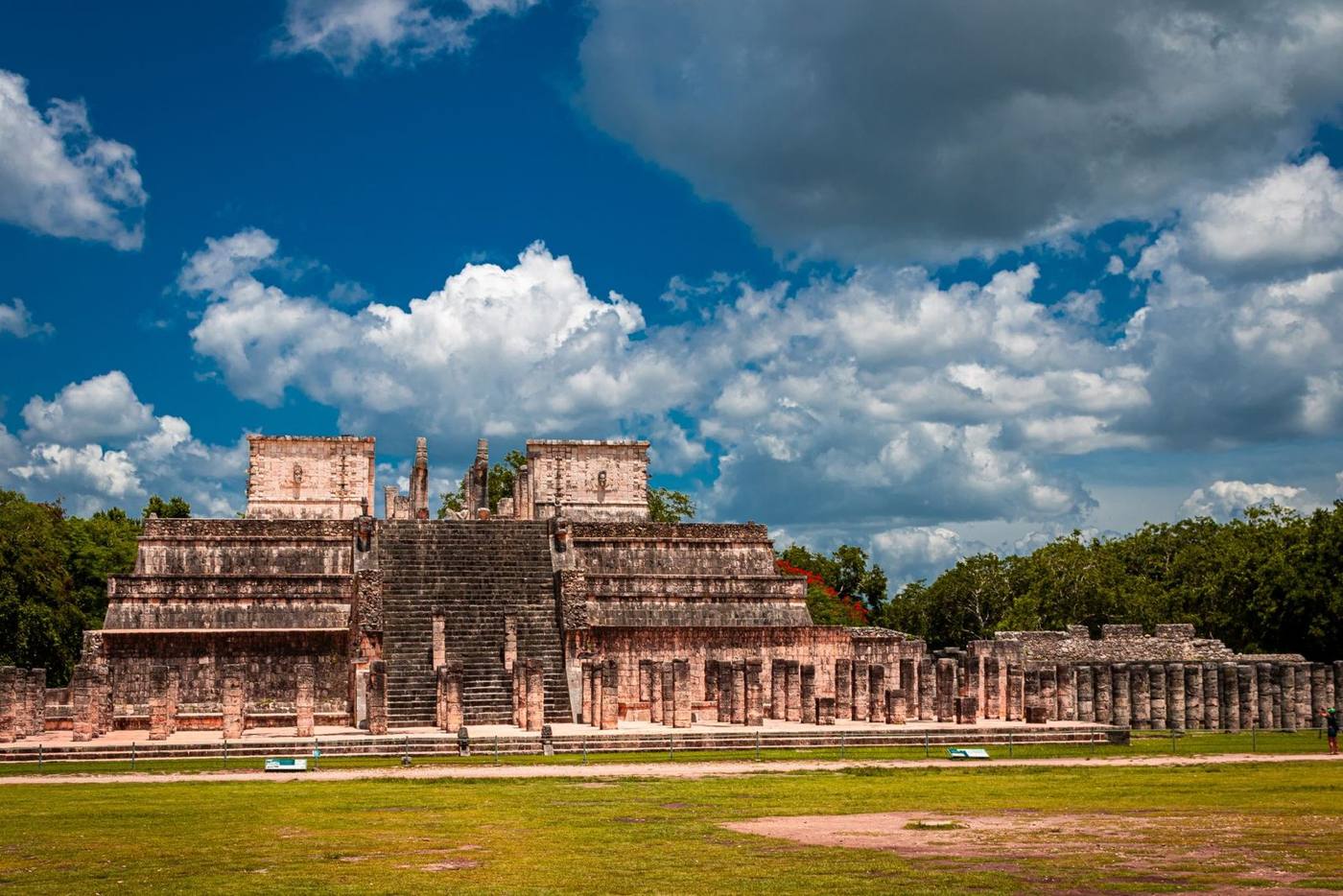 7 daysEasy
Yucatán: Maya pyramids and cenotes
Chichén Itzá, Valladolid, the cenotes and the sea at Tulum: the easiest Mexico for a first week.
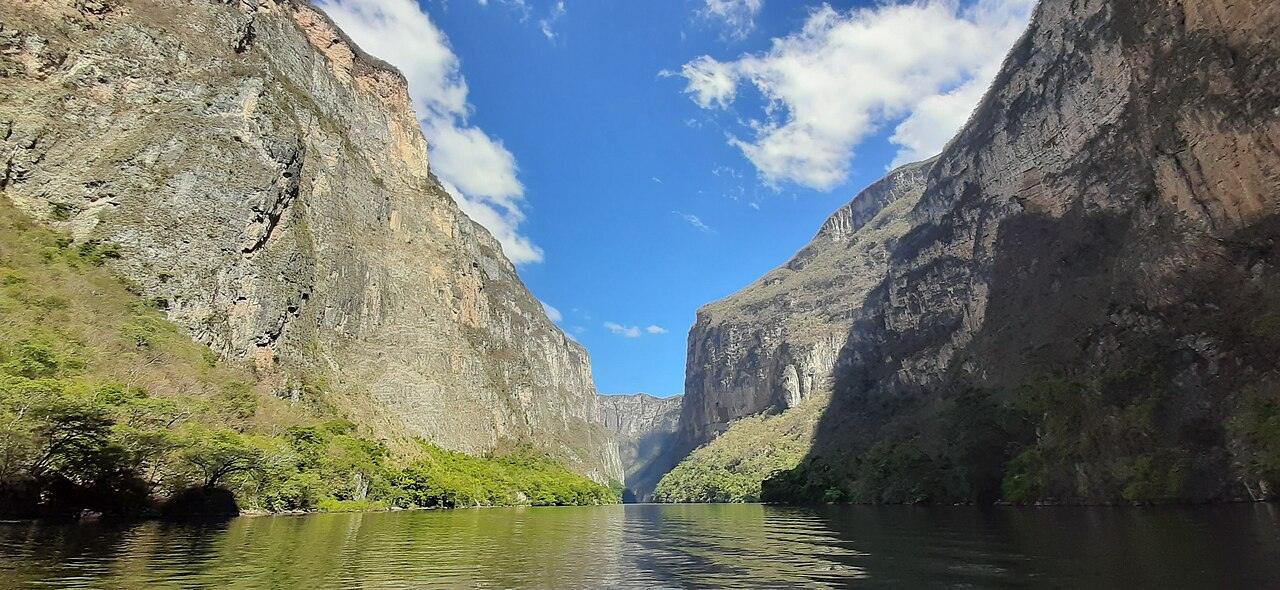 15 daysModerate
Chiapas, Yucatán and the Caribbean
From the capital to the colonial towns of Chiapas, then Palenque in the jungle, the Maya cities of Yucatán and the sea.
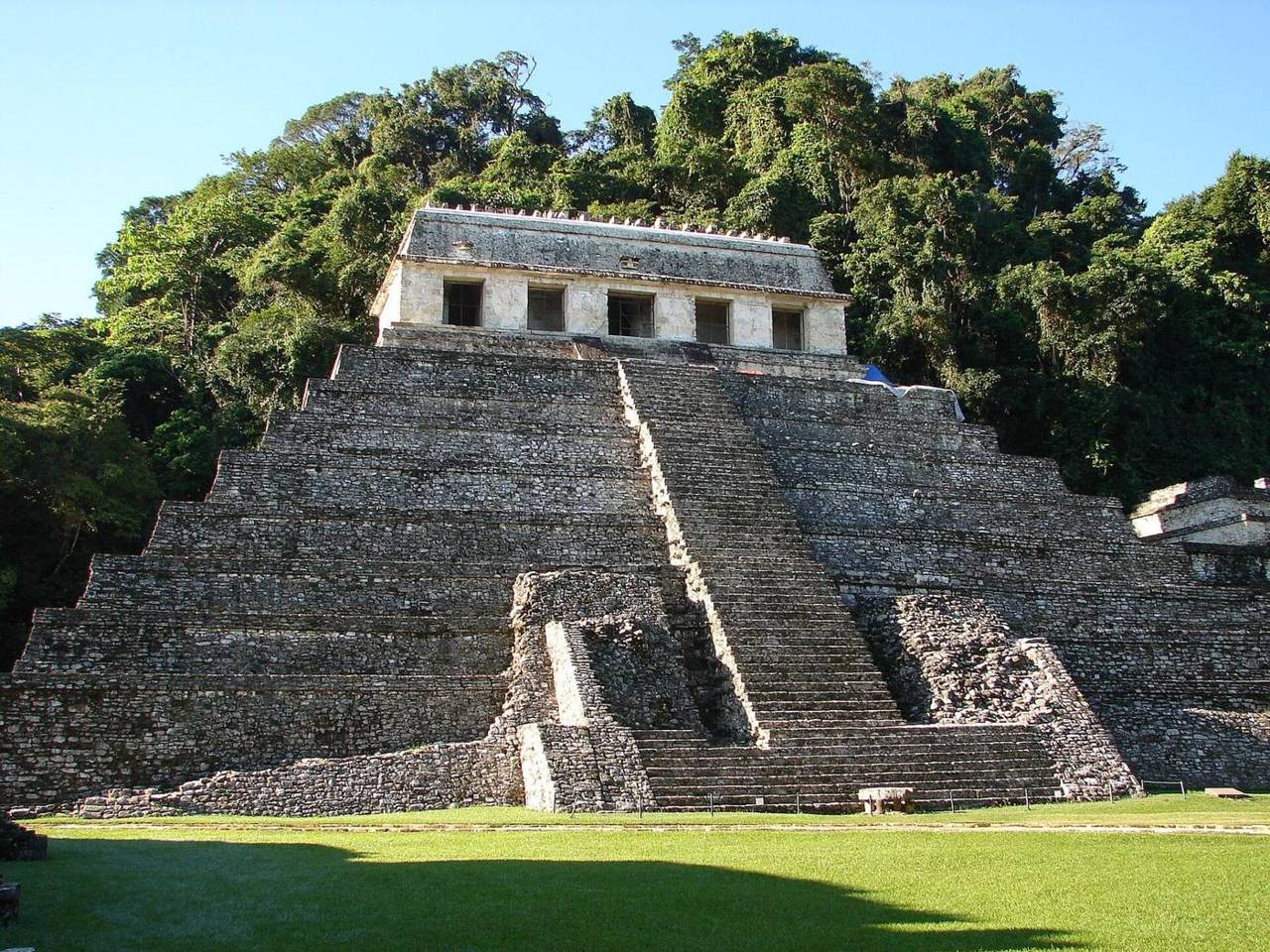 12 daysEasy
Maya triptych: Mexico City, Palenque and the Yucatán
The capital with Teotihuacán, the jungle pyramids of Palenque and the great Maya cities of the Yucatán, with cenotes to cool off.