Mexico City in depth
One of the world's great capitals at a gentle pace: the historic centre with the Zócalo and the Templo Mayor, the National Museum of Anthropology, the Roma, Condesa and Coyoacán districts with Frida Kahlo's house, the colourful boats of Xochimilco and the pyramids of Teotihuacán at dawn.
- Mexico City
- Coyoacán
- Xochimilco
- Teotihuacán
Day by day
- Day 1
The historic centre: Zócalo, cathedral, Templo Mayor and the murals
Mexico City sits at about 2,240 metres: on the first day you may feel more tired than usual or short of breath; drink plenty and take it slowly. To enter Mexico you need a passport; no visa is required for tourism. From Benito Juárez airport use the official taxis with ticket booths inside the terminal or ride-hailing apps, not the cars that approach you at the exit.
Start at the Zócalo, one of the largest squares in the world, with the huge flag at its centre. On the north side stands the Metropolitan Cathedral, built over almost three centuries, its interior rich with gilded altars; the soft ground beneath the city has made it tilt, and a pendulum inside shows by how much. On the east side the National Palace holds Diego Rivera's great murals on the history of Mexico, from pre-Hispanic times to the revolution: entry is at no cost with ID, but the palace sometimes closes for official events.
Behind the cathedral lie the ruins of the Templo Mayor, the great Aztec temple at the heart of their capital Tenochtitlan, discovered by chance in 1978 during works. The site museum displays the great stone of the goddess Coyolxauhqui and offerings found in the excavations. The national anthropology institute's museums usually close on Mondays.
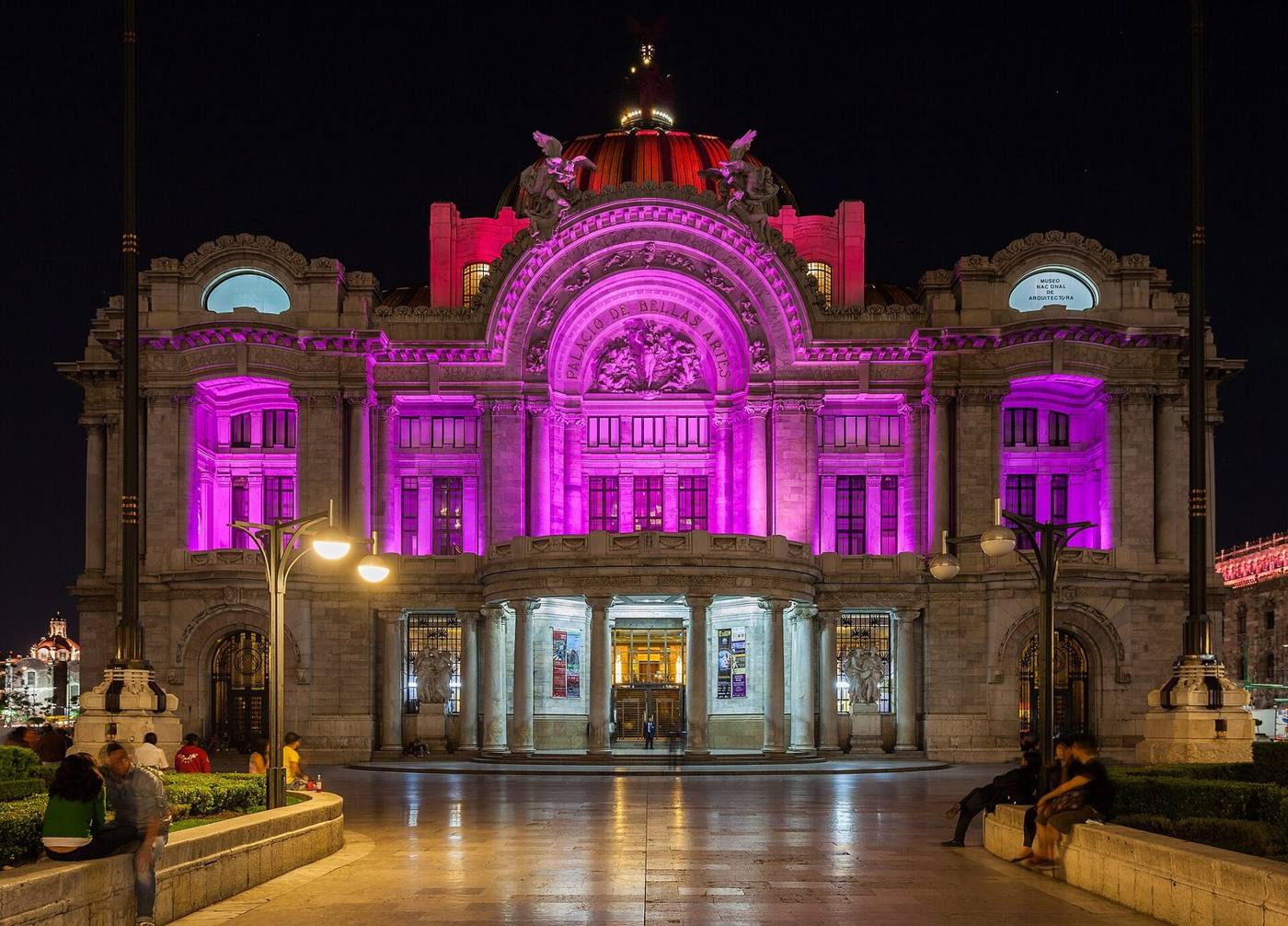
In the afternoon walk along pedestrian Madero Street to the Palacio de Bellas Artes, with its yellow and orange dome and murals by Rivera, Orozco and Siqueiros inside. Practical tip: there are many pickpockets in the crowds of the historic centre; keep your phone in a front pocket and your bag closed.
- Day 2
Chapultepec Park and the National Museum of Anthropology
In the morning go to Chapultepec Park, a huge park at the heart of the city, Mexico City's green lung. On the hill stands Chapultepec Castle, the only royal castle in the Americas, home of Emperor Maximilian of Habsburg in the 1860s: today it is the National History Museum, with furnished rooms and a terrace overlooking the Paseo de la Reforma.
Then enter the National Museum of Anthropology, one of the world's great museums: allow at least half a day. The 1960s building has a courtyard covered by a great concrete umbrella resting on a single column, with a waterfall. The ground floor holds the halls of the pre-Hispanic civilisations: the Sun Stone, the great basalt Aztec calendar; the colossal Olmec heads; Maya stelae and the reconstruction of Pakal's tomb from Palenque; the Teotihuacan halls. The upper floor is devoted to today's indigenous peoples.
In the evening move to the Roma and Condesa neighbourhoods, the most pleasant for walking: tree-lined avenues, art deco houses, parks such as Parque México, bookshops, cafés and places serving tacos or modern Mexican cooking. They are also among the most recommended areas to stay.
Practical tip: Mexico City's metro is very cheap but crowded at rush hour; for longer distances at night use ride-hailing apps, which are safe and inexpensive.
- Day 3
Coyoacán, Frida Kahlo's Casa Azul and Xochimilco
In the morning go to Coyoacán, a colonial neighbourhood in the south of the city, with tree-shaded squares, churches and low colourful houses. Here is the Casa Azul, where Frida Kahlo was born and lived, now a museum: you see her studio, the bed with the mirror on the canopy she used to paint after her accident, her traditional dresses and the garden. Tickets are sold only online and sell out days ahead: book as soon as you know your date. Nearby is the house museum of Leon Trotsky, where the Russian revolutionary was killed in 1940.
For lunch go into Coyoacán market, where you eat tostadas with every kind of topping, chiles rellenos and traditional sweets. The main square and the Jardín Centenario have fountains, ice-cream sellers and musicians.
In the afternoon continue south to Xochimilco, a district with a network of canals that are what remains of the great lake on which Tenochtitlan stood, with chinampas, the Aztecs' floating gardens, a UNESCO World Heritage site. You glide along on trajineras, brightly painted boats steered with a pole, while other boats carry mariachis, food and flowers. Boat prices are per hour and posted at the official landings.
In the evening return to the centre. Practical tip: at weekends Xochimilco is one big party with many Mexican families; on weekdays it is quieter, and some boatmen offer trips to areas where chinampas are still farmed.
- Day 4
Teotihuacan early in the morning: the Pyramids of the Sun and Moon
Set off early for Teotihuacan, about an hour north-east of the city, by bus from the northern bus terminal or on a tour. Arrive at opening time to avoid heat and crowds. Teotihuacan, a UNESCO World Heritage site, was one of the largest cities of the ancient world, perhaps with over a hundred thousand inhabitants in the first centuries AD; when the Aztecs arrived centuries later it was already abandoned, and they called it the place where the gods were born. According to official 2026 figures, entry for foreigners costs 210 pesos.
The site is crossed by the Avenue of the Dead, over two kilometres long. On one side stands the Pyramid of the Sun, one of the largest of the ancient world, about 65 metres high; at the end of the avenue the smaller Pyramid of the Moon, with a plaza in front. Climbing the pyramids is no longer permitted; you view them from the base and the surrounding platforms. Also visit the Citadel with the Temple of the Feathered Serpent, decorated with heads of Quetzalcoatl, and the Palace of Quetzalpapalotl, with carved columns and traces of paintings.
At dawn, weather permitting, hot-air balloons rise over the pyramids: choose authorised operators. The site museum explains the city and its districts.
In the afternoon return to the city and rest. Practical tip: there is no shade at Teotihuacan and the sun at this altitude is very strong even when the air is cool; bring a hat, sunscreen and plenty of water.
- Day 5
Markets, street food and departure
The last morning is for the flavours of Mexico City, one of the world's food capitals. San Juan market downtown sells rare produce and ingredients from all over the country; La Merced is one of the largest, chaotic and full of life; Jamaica market is devoted to flowers, with mountains of roses and marigolds, especially before the Day of the Dead in early November.
Street food is everywhere: tacos al pastor, marinated pork cooked on a vertical spit with pineapple, blue-corn tlacoyos, quesadillas, morning tamales with a hot corn drink. Choose stalls busy with locals and with food cooked in front of you. Taste the hot salsa with caution.
If you still have time, visit the Soumaya Museum, with its façade of aluminium tiles, or the Frida Kahlo and Diego Rivera house-studios in San Ángel. In San Ángel the Saturday art market is held on Saturdays in the square, with painters and craftspeople.
Benito Juárez airport is about half an hour to an hour from the centre depending on traffic. Things to take home: textiles and embroidery, Talavera ceramics, mezcal, chocolate and spices for mole. Practical tip: in Mexico City do not drink tap water; use bottled water even for brushing your teeth, and avoid ice outside well-run places.
For lovers of museums, food and architecture. The city sits at 2,240 metres: in the first days you tire more easily. The Casa Azul must be booked online days ahead. At Teotihuacán the pyramids can no longer be climbed. The United States places this state at level 2 (increased caution): no road travel at night, taxis only via apps or official ranks. Italian citizens need no visa for tourism.
Before you go
- Documents and visa
- Passport valid for the whole stay; no visa is needed for tourism. On arrival the officer sets the number of days granted. Quintana Roo state charges foreign visitors a tax, the Visitax, payable online.
- Health and vaccines
- No compulsory vaccines. Drink only bottled water and use mosquito repellent against dengue and other diseases. Emergencies: 911.
- Money and payments
- Mexican peso. Cards are accepted in cities and tourist areas; in markets, villages and on local transport you need cash.
- Power sockets
- Types A and B, 127 volts: you need a flat-pin adapter.
- Time zone
- Mexico City is UTC-6; Quintana Roo is UTC-5. Mexico no longer uses daylight saving time, except in some border areas.
- Safety
- The situation varies greatly between states: the United States rates some, such as Guerrero, Michoacán and Sinaloa, at level 4, while Yucatán and Campeche are at level 1. Official advice: GOV.UK.
Information checked in November 2026 for Italian and EU citizens. Rules change: always check before you travel.
Variations
In 3 days: the historic centre and Templo Mayor, the Anthropology Museum with Chapultepec, and a morning at Teotihuacan, skipping Coyoacán and Xochimilco.
In 9 days: add Puebla and Cholula, with the world's largest pyramid by volume beneath a church, or Oaxaca by domestic flight.
Frequently asked questions
Is Mexico City safe?
In US advisories the capital is at level 2, exercise increased caution. In tourist neighbourhoods such as the historic centre, Roma, Condesa and Coyoacán the main risk is pickpocketing; at night use ride-hailing apps instead of taxis hailed in the street.
Do I need to book Frida Kahlo's Casa Azul?
Yes: tickets are sold only online and sell out days ahead. Book as soon as you know your date.
How much is Teotihuacan?
According to official 2026 figures, entry for foreigners costs 210 pesos. Climbing the pyramids is no longer allowed.
Indicative itinerary written by World Atlas. Before booking, check timetables, seasonal openings, documents and safety.
 6 daysEasy
Puebla, Cholula and Cuetzalan
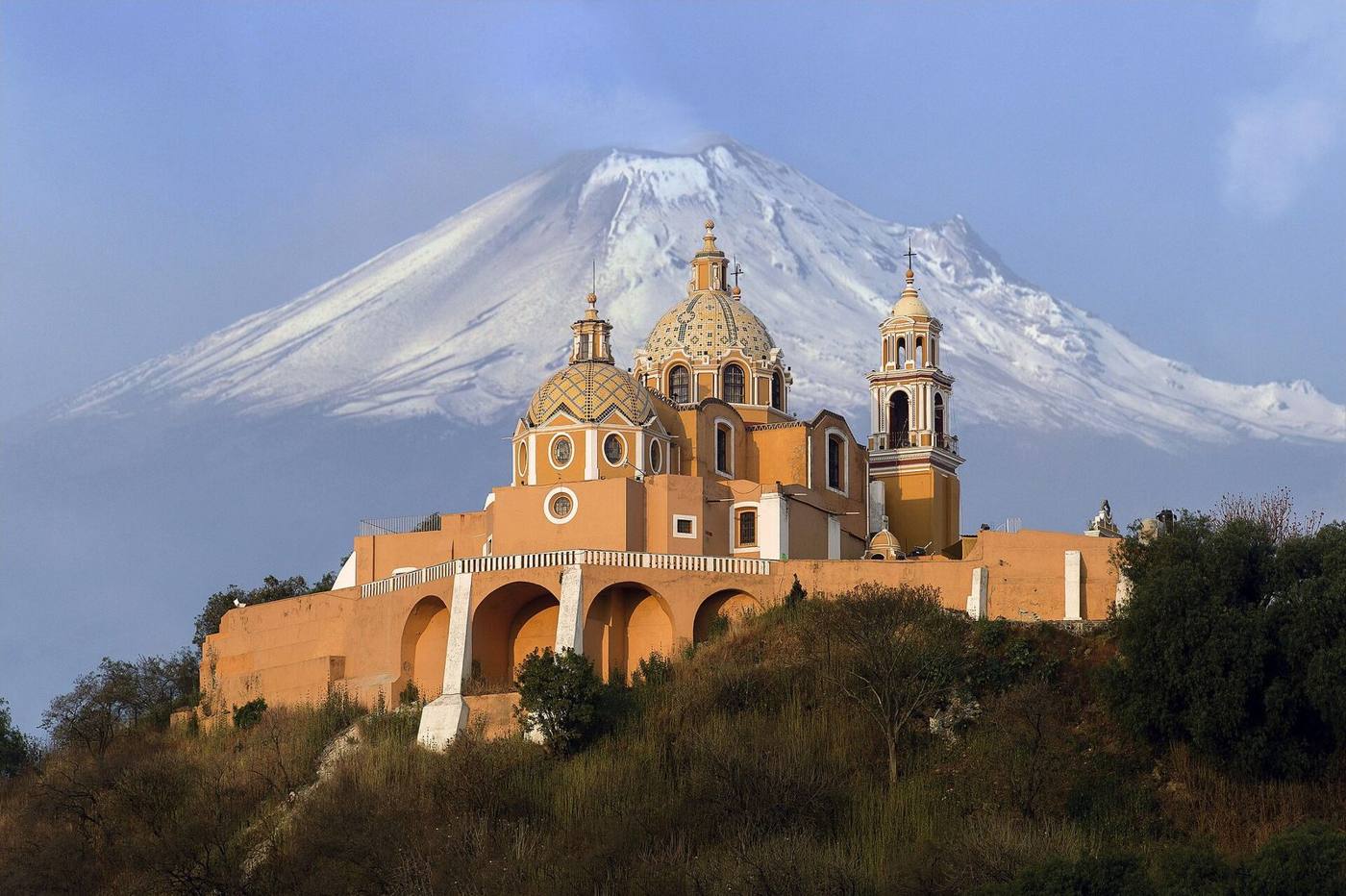
Colonial Mexico of talavera pottery and mole poblano: Puebla with its UNESCO-listed centre, the church on top of the world's largest pyramid at Cholula, the baroque churches of Tonantzintla, the Mayan murals of Cacaxtla and the town of Cuetzalan in the cloud forest of the Sierra Norte.
 6 daysEasy
Querétaro, the Sierra Gorda and Peña de Bernal
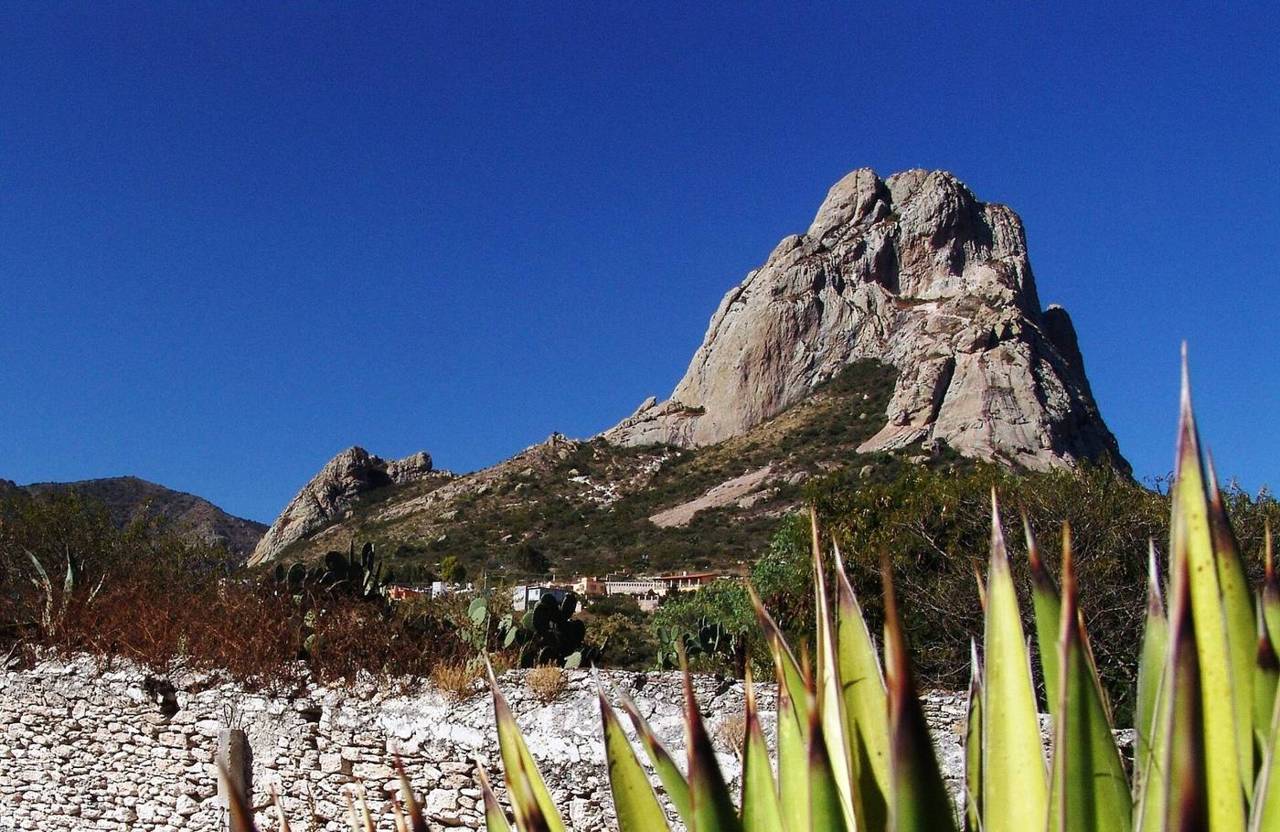
The colonial city of Querétaro with its aqueduct and squares, the wineries and cheeses of the wine route, the Peña de Bernal monolith and, in the Sierra Gorda mountains, the five Franciscan missions with their carved facades, a UNESCO World Heritage site.
 5 daysModerate
Monarch butterflies and Valle de Bravo
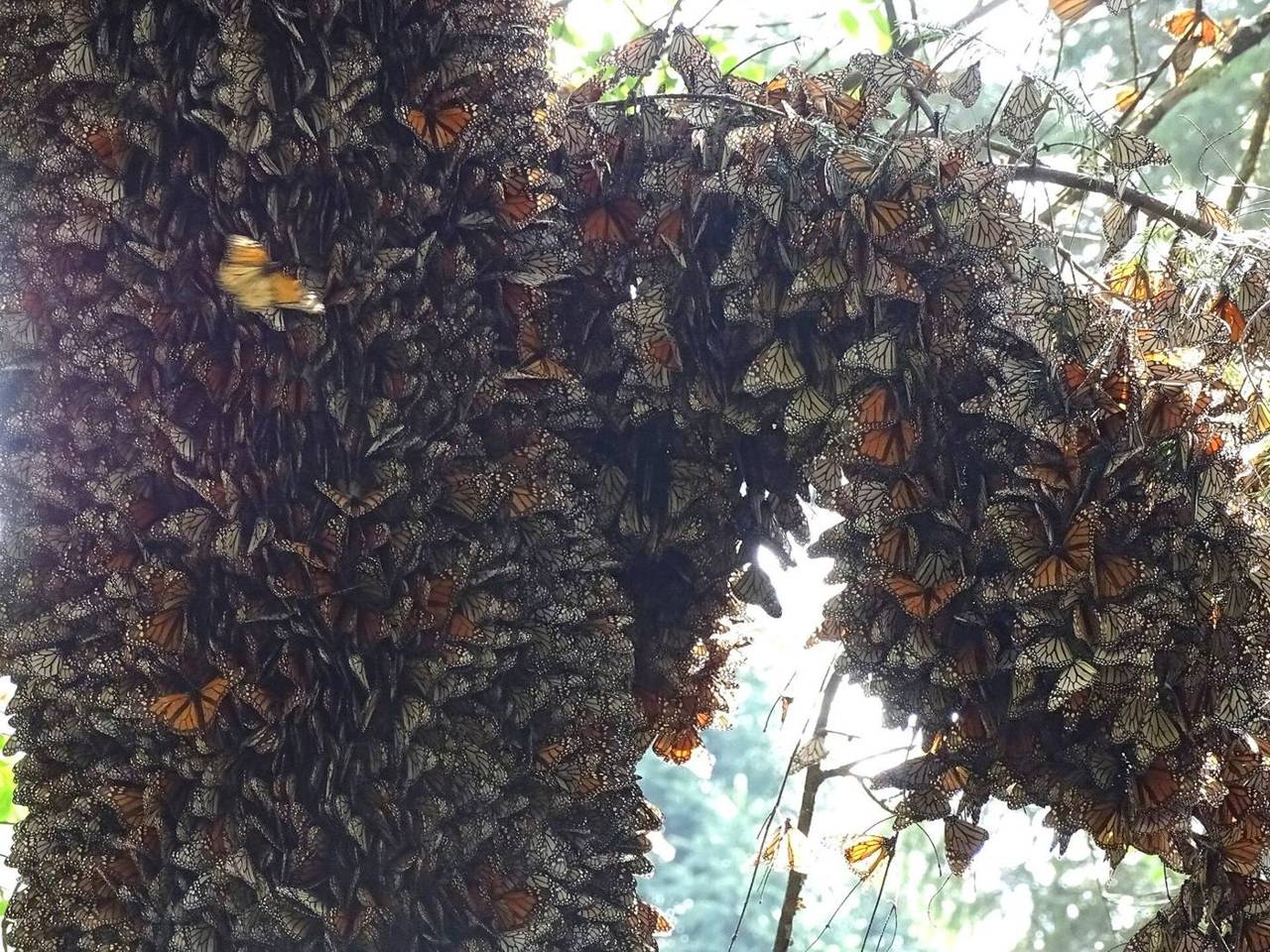
Millions of monarch butterflies covering the mountain firs in winter after a journey of thousands of kilometres from Canada: visited in the sanctuaries of the State of Mexico, based in the lakeside town of Valle de Bravo, with Malinalco and its Aztec temple carved into the rock.