Chiapas, Yucatán and the Caribbean
From the capital to the colonial towns of Chiapas, then Palenque in the jungle, the Maya cities of Yucatán and the sea.
- Mexico City
- Teotihuacán
- San Cristóbal
- Cañón del Sumidero
- Palenque
- Campeche
- Mérida
- Valladolid
- Tulum
Day by day
- Day 1
Arrival in Mexico City
This trip crosses Mexico from the capital to the Caribbean: Mexico City and the pyramids of Teotihuacán, Chiapas with the Sumidero Canyon, San Cristóbal de las Casas, the waterfalls and Palenque in the jungle, then Yucatán with Campeche, Mérida, Uxmal, Chichén Itzá, the cenotes and the sea at Tulum. You travel by domestic flight, by car with a driver, by bus and by train.
Before you go: to enter Mexico, Italian citizens need a passport valid for the whole stay; no visa is needed for tourist trips. On arrival the officer decides how many days you may stay: check the number written down. Other nationalities should check their own rules. Before leaving also read the official travel advice for the states you will cross.
You land at Mexico City airport, one of the largest cities in the world, at about 2,240 metres, built on the ruins of Tenochtitlán, the Aztec capital, on the bed of an ancient lake.
In the afternoon, walk through the historic centre, a UNESCO World Heritage Site. The Zócalo is one of the largest squares in the world, with the Metropolitan Cathedral, the largest in the Americas, and the Palacio Nacional, with Diego Rivera's great murals on the history of Mexico. Check opening times and entry rules.
In the evening, have tacos al pastor, pork marinated and cooked on a vertical spit, with pineapple, onion and coriander.
Overnight in Mexico City, for three nights.
Practical tip: in Mexico City you feel the altitude in the first days. Walk calmly, drink plenty of bottled water and do not overdo the alcohol.
- Day 2
The anthropology museum and Coyoacán
Today you discover the history and districts of the capital.
In the morning, visit the Templo Mayor, next to the Zócalo, the ruins of the great Aztec temple, discovered by chance in 1978 during work on an electricity line, with a museum full of sculptures and offerings found in the excavations. Check prices and times.
Then go to Chapultepec Park and visit the National Museum of Anthropology, one of the most important museums in the world for the ancient civilisations of the Americas, with halls dedicated to the Aztecs, the Maya, the Olmecs and other cultures of Mexico. The most famous piece is the Sun Stone, the great stone disc carved by the Aztecs. You need at least half a day. Check prices and times; the museum is closed on Mondays.
In the afternoon, go to Coyoacán, a colonial district in the south of the city, with squares, churches, markets and colourful houses. Here is the Casa Azul, the house where the painter Frida Kahlo was born and lived, now a museum with her paintings, clothes and garden. Tickets must be bought online in advance. Check prices and times.
In the evening, if you wish, watch a night of lucha libre, Mexican wrestling with colourful masks, at the arena in the centre, or listen to the mariachis in Plaza Garibaldi.
Overnight in Mexico City.
Practical tip: to get around the city use app taxis or those from official ranks. The metro is cheap and fast, but very crowded at rush hour: keep an eye on your bag and phone.
- Day 3
Teotihuacán and Xochimilco
Today you visit the city of the gods.
Early in the morning, leave for Teotihuacán, about an hour north-east of the city. Teotihuacán was one of the largest cities of the ancient world, with perhaps over a hundred thousand inhabitants in the first centuries after Christ, long before the Aztecs, who found the city already abandoned and gave it the name of the place where the gods are born. It is a UNESCO World Heritage Site. Entry costs 210 Mexican pesos: check for any changes.
Walk along the Avenue of the Dead, over two kilometres long, between the Pyramid of the Sun, one of the largest in the world, about 65 metres high, and the Pyramid of the Moon, at the end of the avenue, from which you see the whole ancient city. Also visit the Palace of Quetzalpapalotl, with its carved columns, and the Temple of Quetzalcóatl, the feathered serpent, with its stone heads. At dawn some agencies run hot-air balloon flights over the pyramids: check prices and safety.
In the afternoon, return to the city and go to Xochimilco, in the south, with its canals and floating gardens, called chinampas, the last remains of the Aztec farming system, a UNESCO World Heritage Site. Take a ride on the trajineras, wooden boats painted in bright colours, with musicians and food sellers passing on other boats.
In the evening, have mole poblano, a dark sauce of chillies, chocolate and spices, served with chicken.
Overnight in Mexico City.
Practical tip: there is very little shade at Teotihuacán and the sun is strong at altitude. Arrive at opening time, and bring a hat, sun cream and water.
- Day 4
The Sumidero Canyon
Today you fly to Chiapas and sail through a canyon.
In the morning, take the flight from Mexico City to Tuxtla Gutiérrez, the capital of Chiapas, about an hour and a half.
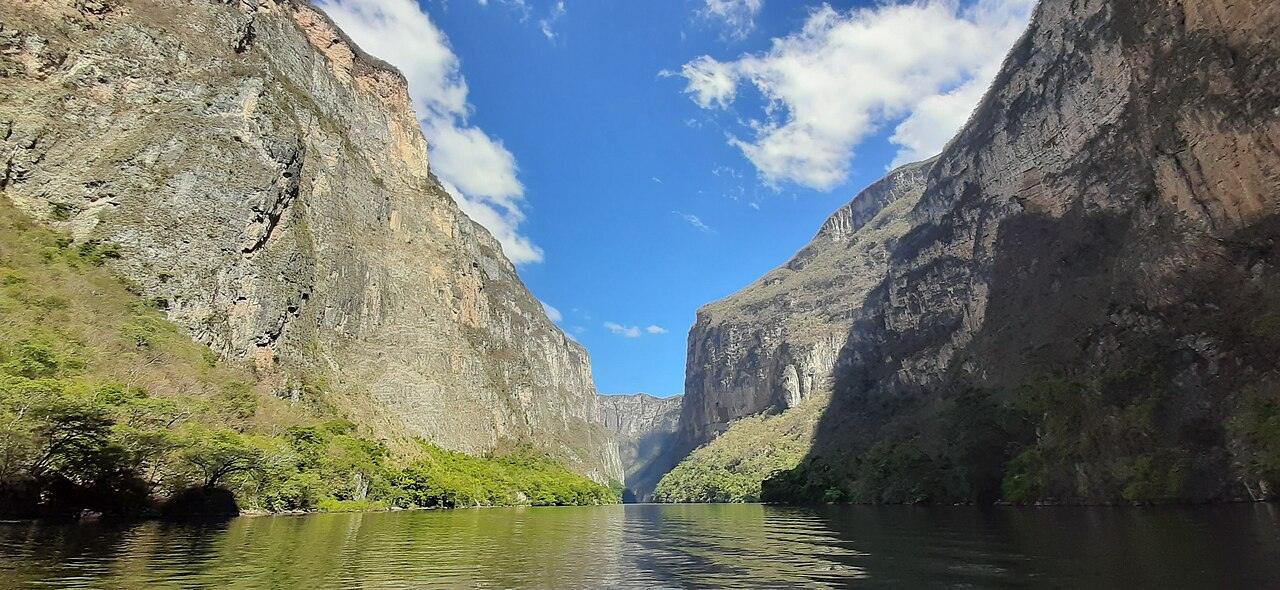
From the airport go to Chiapa de Corzo, a small colonial town on the Grijalva River, about half an hour away, with its square, a sixteenth-century brick fountain shaped like a crown and a large church. From here the boats leave for the Sumidero Canyon, a national park with rock walls rising up to about a thousand metres above the river. During the trip, about two hours, you see crocodiles on the banks, spider monkeys, herons, caves and the waterfall called the Christmas Tree, covered in moss, which with the water looks like a fir tree. Check prices and times.
In the afternoon, continue to San Cristóbal de las Casas, about an hour, on the road climbing into the mountains.
San Cristóbal is a colonial town in the highlands of Chiapas, at about 2,200 metres, with low colourful houses, tiled roofs, cobbled streets and churches. It is surrounded by the villages of the Tzotzil and Tzeltal Maya peoples, who keep their language, their clothes and their traditions.
In the evening, walk along the pedestrian streets of the centre, with cafés, restaurants and craft shops.
Overnight in San Cristóbal de las Casas, for two nights.
Practical tip: evenings in San Cristóbal are cool, even cold from November to February. Bring a fleece and a jacket. Chiapas produces excellent coffee: try it in the cafés of the centre.
- Day 5
San Cristóbal de las Casas
Today you explore San Cristóbal.
In the morning, visit the church of Santo Domingo, from the sixteenth century, with its carved pink baroque facade, and the craft market around it, with women from the villages selling embroidered fabrics, belts, bags and rag dolls. In the convent next door is the museum of Chiapas textiles, with the traditional clothes of the different communities. Check times and prices.
Then walk to the municipal market, very lively, with fruit, vegetables, spices, flowers and highland produce, where people from the villages come to buy and sell.
At midday, visit the amber museum, in a former convent, with pieces of Chiapas amber, a fossil resin millions of years old, sometimes with insects trapped inside. Check times and prices.
In the afternoon, climb to the church of Guadalupe, at the top of a flight of steps east of the centre, or to the church of San Cristóbal, to the west, for the view over the town and the mountains at sunset.
In the evening, have Chiapas food, such as chipilín tamales, wrapped in corn or banana leaves, and try pox, a liqueur of corn and sugar cane also used in village ceremonies.
Overnight in San Cristóbal de las Casas.
Practical tip: in the markets, when you buy from village women, bargain respectfully: an embroidered fabric can take weeks of work. Always ask permission before photographing people, especially women and children.
- Day 6
The Maya villages of the highlands
Today you visit the Maya villages around San Cristóbal.
In the morning, go to San Juan Chamula, a Tzotzil village about twenty minutes from the town. The community has its own form of government and its own rules. The church of San Juan is a unique place: inside there are no pews, the floor is covered in pine needles, and families pray on their knees in front of hundreds of candles, with bottles of soft drinks, eggs and sometimes chickens, in rites that combine Maya and Catholic tradition. There is a small ticket to enter. Inside, photography is strictly forbidden: the rules must be respected without exception.
Then visit Zinacantán, another Tzotzil village, famous for the flowers grown in greenhouses and for clothes embroidered with brightly coloured flowers. Many families invite you into their homes to see the women weaving on backstrap looms, and offer a tortilla freshly cooked on the fire. Leaving something or buying a fabric is a way of saying thank you.
In the afternoon, return to San Cristóbal and rest, or take a walk in the Huitepec reserve, a small cloud forest on the nearby hills. Check times and prices.
In the evening, have dinner in town.
Overnight in San Cristóbal de las Casas.
Practical tip: visit the villages with a local guide, who speaks with the communities and explains the rules. In Chamula, do not photograph the inside of the church or people without permission: in the past there have been serious problems for those who broke the rule.
- Day 7
The Agua Azul and Misol-Ha waterfalls
Today you go down from the highlands towards the jungle.
Early in the morning, leave San Cristóbal heading north-east towards Palenque, a long, winding road through mountains and valleys, with villages and cornfields. It takes about five or six hours without stops.
Halfway, in the jungle, stop at the Agua Azul waterfalls, a series of cascades of blue water falling between natural pools in the forest. The water is turquoise mostly in the dry season, from March to May; with the rains it turns brown. There is an entrance fee paid to the local community: check prices and times. Only swim in the areas indicated, because the currents are strong.
Then continue to the Misol-Ha waterfall, about twenty kilometres from Palenque, a fall of about 35 metres into a large pool surrounded by forest. A path runs behind the waterfall and leads to a cave. There is an entrance fee. Check prices and times.
In the late afternoon, you arrive in Palenque, a small town at the foot of jungle-covered hills.
In the evening, sleep near the ruins, at a place in the forest, with the sounds of the jungle and the calls of howler monkeys.
Overnight in Palenque.
Practical tip: on the road between San Cristóbal and Palenque there are sometimes roadblocks set up by local communities, who ask for a toll or protest. Travel by day, with a driver who knows the road, and find out about conditions beforehand.
- Day 8
Palenque, the Maya city in the jungle
Today you visit one of the most beautiful Maya cities.
Early in the morning, at opening time, enter the archaeological site of Palenque, a UNESCO World Heritage Site, in the rainforest, on the first hills above the plain. You pay entry to the site and to the national park: check prices and times.
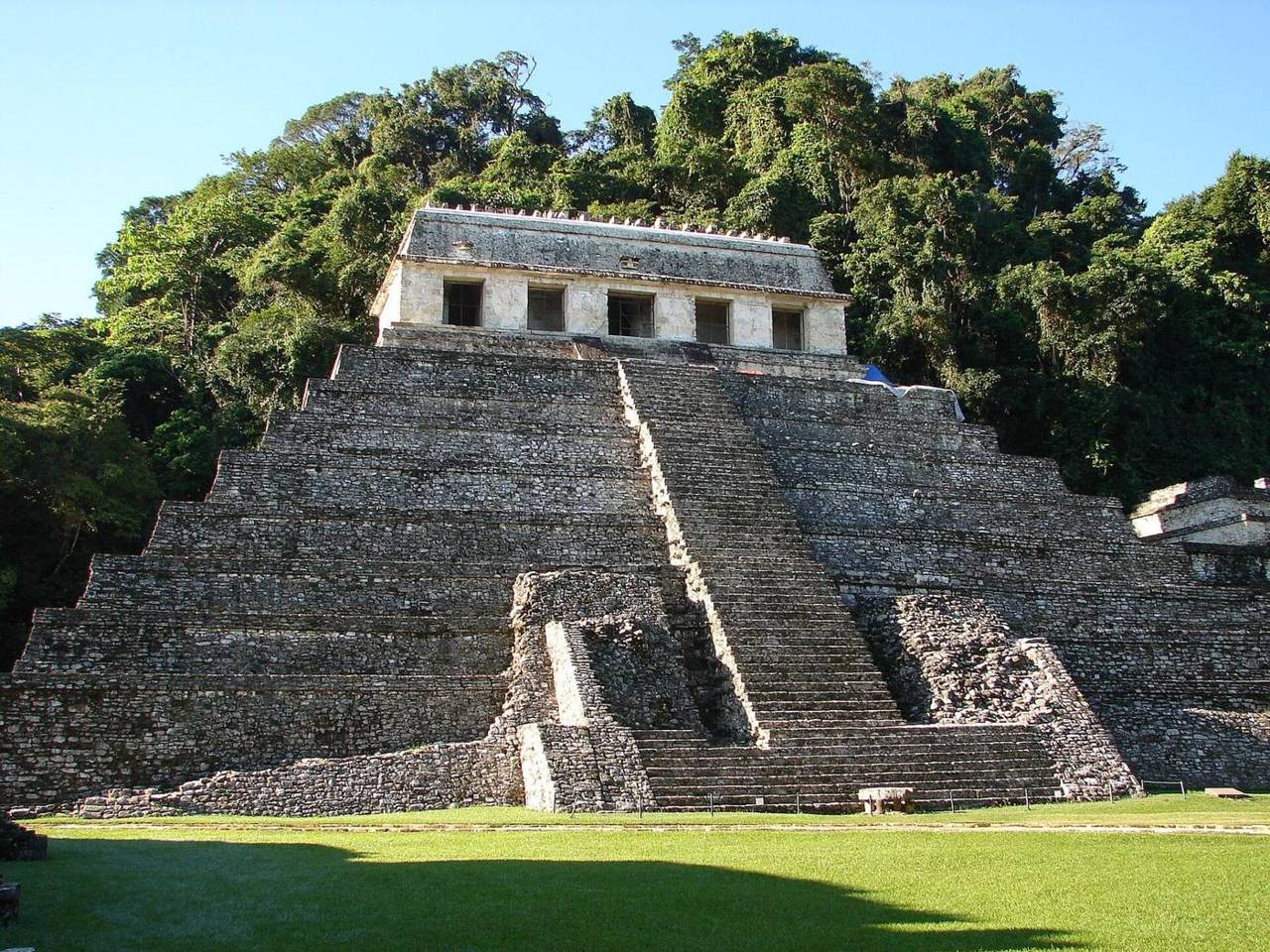
Palenque, called Lakamha by the Maya, was a powerful city between the sixth and eighth centuries. Its most famous king was Pakal the Great, who reigned for almost seventy years. Visit the Temple of the Inscriptions, a stepped pyramid with long Maya inscriptions, inside which Pakal's tomb was discovered in 1952, with its great carved stone lid and jade mask. Then visit the Palace, a complex of courtyards, galleries and rooms with a square tower unique in the Maya world, and the Group of the Crosses, with temples on the hills and carved reliefs.
Walk the jungle trails towards the waterfalls and the less visited temples, where you hear howler monkeys and see toucans.
In the afternoon, visit the site museum, with sculptures, ceramics and a copy of Pakal's tomb. Check times.
In the evening, have dinner and rest.
Overnight in Palenque.
Practical tip: the heat and humidity at Palenque are intense. Go at opening time, when there is mist over the jungle and fewer people, and bring water and mosquito repellent. Local guides at the entrance help a great deal in understanding the site.
- Day 9
Campeche, the walled city
Today you reach the Gulf of Mexico.
In the morning, leave Palenque heading north-east to Campeche, about five hours, across plains, marshes and pastures. Alternatively, check the times of the Tren Maya, the train linking Palenque, Campeche, Mérida and the Caribbean coast.
Campeche, on the Gulf of Mexico, was founded by the Spanish in the sixteenth century and is a UNESCO World Heritage Site. To defend itself from the pirates who sacked it several times, in the seventeenth century it was surrounded by walls with eight bastions, many of which still stand. The centre is one of the best kept in Mexico, with colonial houses painted in pastel colours, yellow, blue, pink and green, windows with iron grilles and straight streets.
In the afternoon, walk through the centre, from the main square with the cathedral to the city gates, the Land Gate and the Sea Gate. Climb a stretch of the walls and visit one of the bastions, now home to small museums. Check times and prices.
At sunset, walk along the malecón, the seafront promenade several kilometres long, to watch the sun go down over the gulf.
In the evening, at the Land Gate, on some days there is a sound and light show on the history of the city. Have seafood from the gulf, such as coconut prawns and pan de cazón, a tortilla pie with fish.
Overnight in Campeche.
Practical tip: in Yucatán it is hot all year round. Visit the towns early in the morning and late in the afternoon, and rest in the middle of the day.
- Day 10
Uxmal and the Ruta Puuc
Today you visit one of the most elegant Maya cities.
In the morning, leave Campeche heading north-east to Uxmal, about two and a half hours, in the Puuc hills.
Uxmal, a UNESCO World Heritage Site, is one of the finest Maya cities, famous for the Puuc style, with facades decorated with stone mosaics, masks of the rain god Chaac with his trunk-like nose, serpents and geometric patterns. The most famous monument is the Pyramid of the Magician, about 35 metres high, with an oval base and rounded corners, unique in the Maya world. Also visit the Nunnery Quadrangle, a courtyard surrounded by four decorated palaces, and the Governor's Palace, considered one of the most beautiful buildings of the ancient Americas. Check prices and times.
In the afternoon, if you have time, follow the Ruta Puuc, a road linking small Maya sites in the forest, such as Kabah, with the Palace of the Masks, covered in hundreds of Chaac masks, and Labná, with its arch. Check prices and times.
In the evening, continue to Mérida, about an hour, the capital of Yucatán.
Overnight in Mérida, for two nights.
Practical tip: at Uxmal you cannot climb the Pyramid of the Magician, to protect it. Respect the ropes and signs at all the sites.
At the Maya sites the heat is strong even in December: bring a hat, water and sun cream, and visit the sites at opening time.
- Day 11
Mérida, the white city
Today you discover the capital of Yucatán.
Mérida was founded by the Spanish in 1542 on the ruins of the Maya city of T'hó, with the stones of its pyramids. It is called the white city, for the colour of many buildings and the cleanliness of its streets. It is an elegant, calm city, with a strong Maya culture, the Maya language spoken by many inhabitants and a cuisine famous throughout Mexico.
In the morning, walk around the Plaza Grande, the main square, with the cathedral of San Ildefonso, one of the oldest on the American continent, the government palace, with murals on the history of Yucatán, and the Casa de Montejo, the conquistador's palace, with its carved facade. Check times.
Then walk along the Paseo de Montejo, the great tree-lined avenue with early twentieth-century villas, built by wealthy producers of henequen, an agave fibre used for ropes, known as green gold.
In the afternoon, visit the Gran Museo del Mundo Maya, a modern museum on Maya culture, from the ancient Maya to today. Check prices and times.
In the evening, on some days, there are open-air shows of traditional music and dance in the squares of the centre, open to all. Have cochinita pibil, pork marinated with achiote and bitter orange juice and slowly cooked in banana leaves, and sopa de lima.
Overnight in Mérida.
Practical tip: in Yucatán many families speak Maya: learn a few words, such as ma'alob, good. People greatly appreciate interest in their culture.
- Day 12
Chichén Itzá and the cenotes
Today you visit the most famous Maya city in the world.
Early in the morning, leave Mérida heading east to Chichén Itzá, about two hours. Chichén Itzá, a UNESCO World Heritage Site, was one of the most powerful Maya cities between the ninth and twelfth centuries. In 2026 entry has a single ticket of 697 Mexican pesos: check for any changes, times and rules.
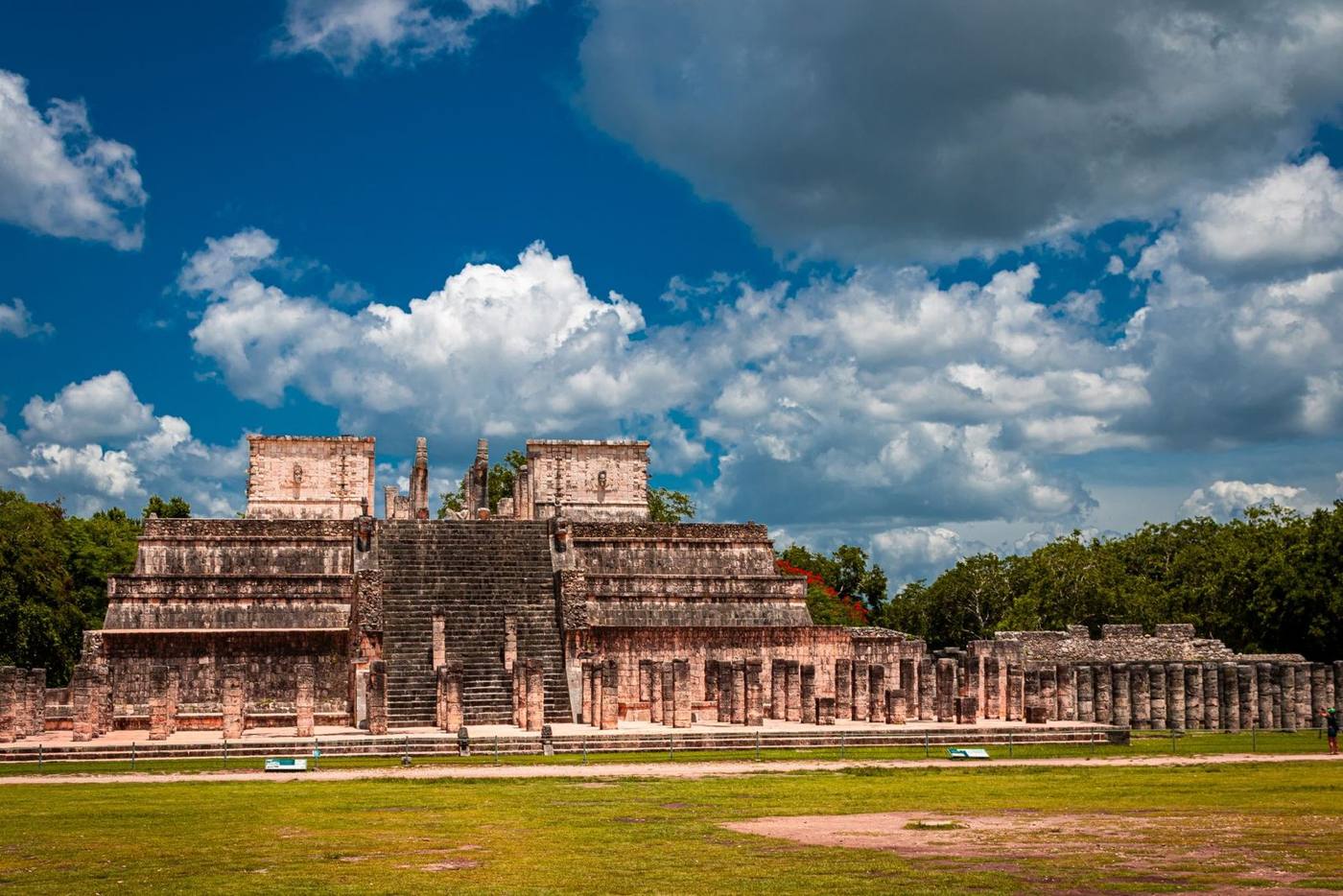
The most famous monument is El Castillo, also called the Temple of Kukulcán, a stepped pyramid with 91 steps on each side which, with the top step, make 365, like the days of the year. At the spring and autumn equinoxes, the afternoon sun creates a serpent-shaped shadow running down the staircase. Also visit the great ball court, the largest of the ancient Americas, the Temple of the Warriors, with its thousand columns, the observatory called El Caracol and the sacred cenote, a great natural well where the Maya threw offerings.
In the afternoon, swim in a cenote, a natural freshwater well in the limestone, typical of Yucatán, such as those near Chichén Itzá or Valladolid, with clear water, tree roots and light coming in from above. Check prices and times.
In the evening, sleep in Valladolid, a small, colourful colonial town, with the convent of San Bernardino and the main square.
Overnight in Valladolid.
Practical tip: a great many groups arrive at Chichén Itzá from Cancún around ten. Arrive at opening time, when it is cooler and there are fewer people. You cannot climb the pyramid.
- Day 13
Tulum and the Riviera
Today you reach the Caribbean Sea.
In the morning, leave Valladolid heading south-east to Tulum, about an hour and a half.
Tulum is the only large Maya city built by the sea, on a cliff above a white sand beach and the turquoise Caribbean. It was an important port for Maya trade, with walls on three sides and the sea on the fourth. Its most famous temple is El Castillo, on the cliff, which perhaps also served as a lighthouse for canoes. Entry costs 210 Mexican pesos; you also pay entry to the national park: check prices and times.
In the afternoon, swim in the Caribbean on one of Tulum's beaches, or in a nearby cenote, such as the Gran Cenote, with crystal-clear water and freshwater turtles, or a cenote in the area's underwater cave systems, among the largest in the world. Check prices and times.
In the evening, have dinner in Tulum with the fish of the day, fish tacos or ceviche, and relax.
Overnight in Tulum, for two nights.
Practical tip: in the cenotes and the sea of the Riviera only use sun creams that do not harm the environment, or better still a T-shirt, and shower before entering the water, as the managers ask.
From April to September large amounts of sargassum seaweed sometimes reach the Caribbean beaches. Check the latest news and choose beaches with less seaweed.
- Day 14
The turtles of Akumal or Sian Ka'an
Today you spend your last day on the Riviera.
In the morning, choose between two experiences.
The first is Akumal, a bay about half an hour north of Tulum, where green turtles feed on the seagrass near the shore. You snorkel in marked areas, often with a compulsory guide, and swim near the turtles without touching them. Check rules, prices and times.
The second is the Sian Ka'an biosphere reserve, south of Tulum, a UNESCO World Heritage Site, a large protected area of forests, marshes, lagoons, mangroves and a coral reef. On a boat trip you go through canals dug by the Maya among the mangroves, see birds, sometimes dolphins and manatees, and swim by letting the current carry you along a channel of clear water. Check prices and times.
In the afternoon, relax on the beach or try a temazcal, the traditional Maya steam bath, in a small stone hut, with herbs and chanting. Check prices and times.
In the evening, have dinner on the beach, watching the stars over the Caribbean.
Overnight in Tulum.
Practical tip: with the turtles keep at least a few metres away, do not touch them, do not chase them and do not stay above them when they come up to breathe. The Akumal rules are there to protect them and change often: find out before you go.
Around Tulum there are many mosquitoes at sunset: bring repellent.
- Day 15
Departure from Cancún
Today you leave Mexico.
In the morning, leave Tulum heading north to Cancún airport, about an hour and a half or two hours, along the Riviera road. Alternatively, check whether your flight leaves from the new Tulum airport, which is closer.
If you have time, stop at Playa del Carmen, a seaside town halfway, with Quinta Avenida, the pedestrian street with its shops, and the beach, for a last swim in the Caribbean.
Then take your flight home to Europe, direct or with a connection.
In these fifteen days you have crossed Mexico: the Zócalo and the anthropology museum of the capital, the pyramids of Teotihuacán, the canals of Xochimilco, the Sumidero Canyon, San Cristóbal and the Maya villages of the highlands, the jungle waterfalls, Palenque, the walled city of Campeche, Uxmal, Mérida, Chichén Itzá, the cenotes and the sea at Tulum.
When to go: the best period is from November to April, in the dry season, with pleasant temperatures and little rain. From May to October the rains arrive, especially in the afternoon, and the heat is stronger. From June to November is hurricane season on the Caribbean and Gulf coasts: check the forecasts.
Practical tip: at Cancún airport there are many sellers offering taxis and transfers: book your transfer in advance or use the official airport services. Allow plenty of time for security checks, because the airport is very busy.
The best of Mexico in two weeks: the capital, indigenous Chiapas, Palenque in the jungle and the Yucatán. It is a varied, rich trip, but with long road sections between Chiapas and the Yucatán. Before leaving, check the security situation in Chiapas on official sites.
Before you go
- Documents and visa
- Passport valid for the whole stay; no visa is needed for tourism. On arrival the officer sets the number of days granted. Quintana Roo state charges foreign visitors a tax, the Visitax, payable online.
- Health and vaccines
- No compulsory vaccines. Drink only bottled water and use mosquito repellent against dengue and other diseases. Emergencies: 911.
- Money and payments
- Mexican peso. Cards are accepted in cities and tourist areas; in markets, villages and on local transport you need cash.
- Power sockets
- Types A and B, 127 volts: you need a flat-pin adapter.
- Time zone
- Mexico City is UTC-6; Quintana Roo is UTC-5. Mexico no longer uses daylight saving time, except in some border areas.
- Safety
- The situation varies greatly between states: the United States rates some, such as Guerrero, Michoacán and Sinaloa, at level 4, while Yucatán and Campeche are at level 1. Official advice: GOV.UK.
Information checked in November 2026 for Italian and EU citizens. Rules change: always check before you travel.
Variations
In 10 days: Mexico City and Teotihuacán, then the flight to Mérida, with Uxmal, Chichén Itzá, the cenotes and Tulum, without Chiapas.
In 19 days: add Oaxaca, with Monte Albán and the mezcal valley, between Mexico City and Chiapas, or Bacalar, the lagoon of seven colours, after Tulum.
Frequently asked questions
What document do I need for Mexico?
For Italian citizens a passport valid for the whole stay is enough, with no visa for tourism. On arrival the officer decides how many days you may stay: check the number written down. Other nationalities should check their own rules.
How much do the Maya sites cost?
In 2026 Chichén Itzá has a single ticket of 697 Mexican pesos, while Teotihuacán and Tulum cost 210 pesos. At Palenque and Tulum you also pay entry to the national park. Check for any changes before you leave.
Is Chiapas safe?
San Cristóbal, the nearby villages and Palenque are much visited, but on the mountain roads there are sometimes community roadblocks. Travel by day, with a driver who knows the area, and read the official travel advice before you leave.
Indicative itinerary written by World Atlas. Before booking, check timetables, seasonal openings, documents and safety.
 7 daysEasy
Yucatán: Maya pyramids and cenotes
Chichén Itzá, Valladolid, the cenotes and the sea at Tulum: the easiest Mexico for a first week.
 12 daysEasy
Maya triptych: Mexico City, Palenque and the Yucatán
The capital with Teotihuacán, the jungle pyramids of Palenque and the great Maya cities of the Yucatán, with cenotes to cool off.
 17 daysModerate
Baja California: whales and cacti
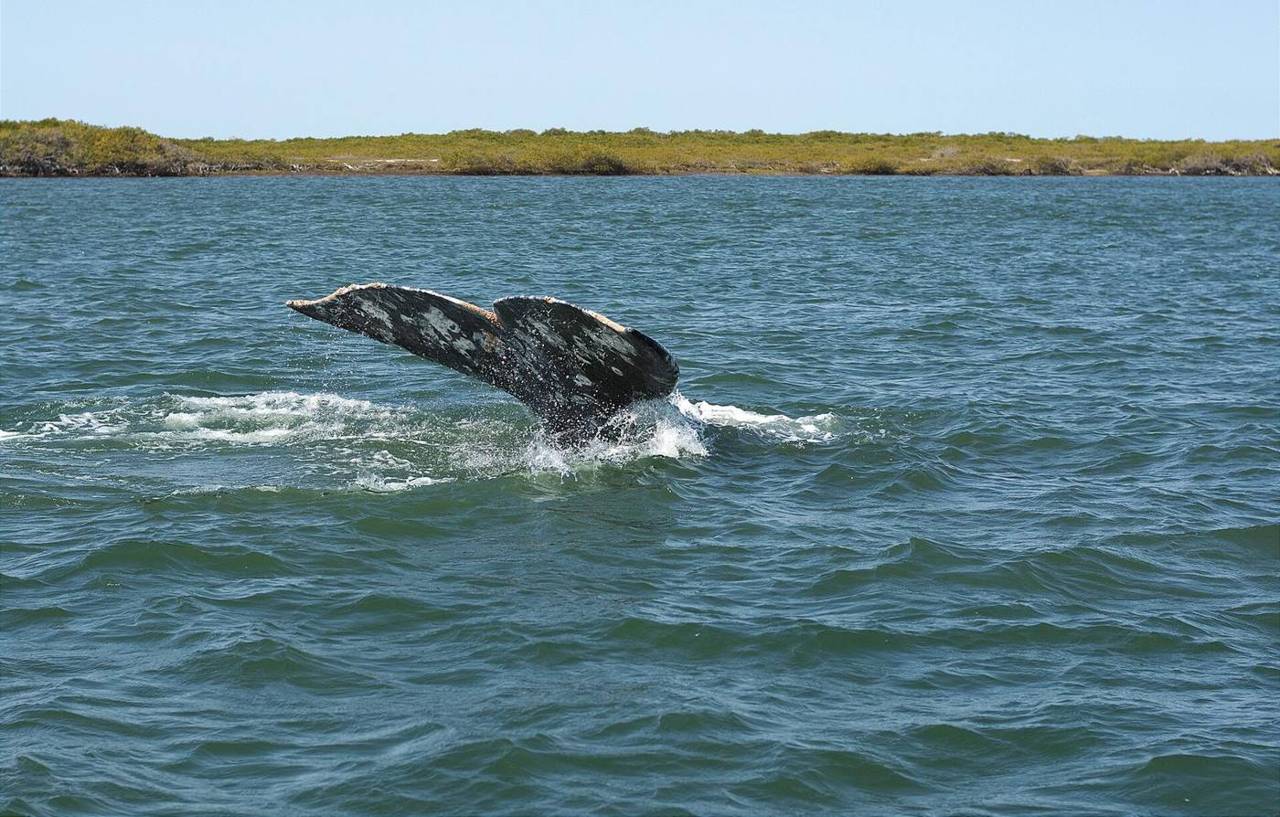
The lagoons where grey whales give birth and come up to be touched, the sea lions of Espíritu Santo, deserts of giant cacti and the Jesuit missions.