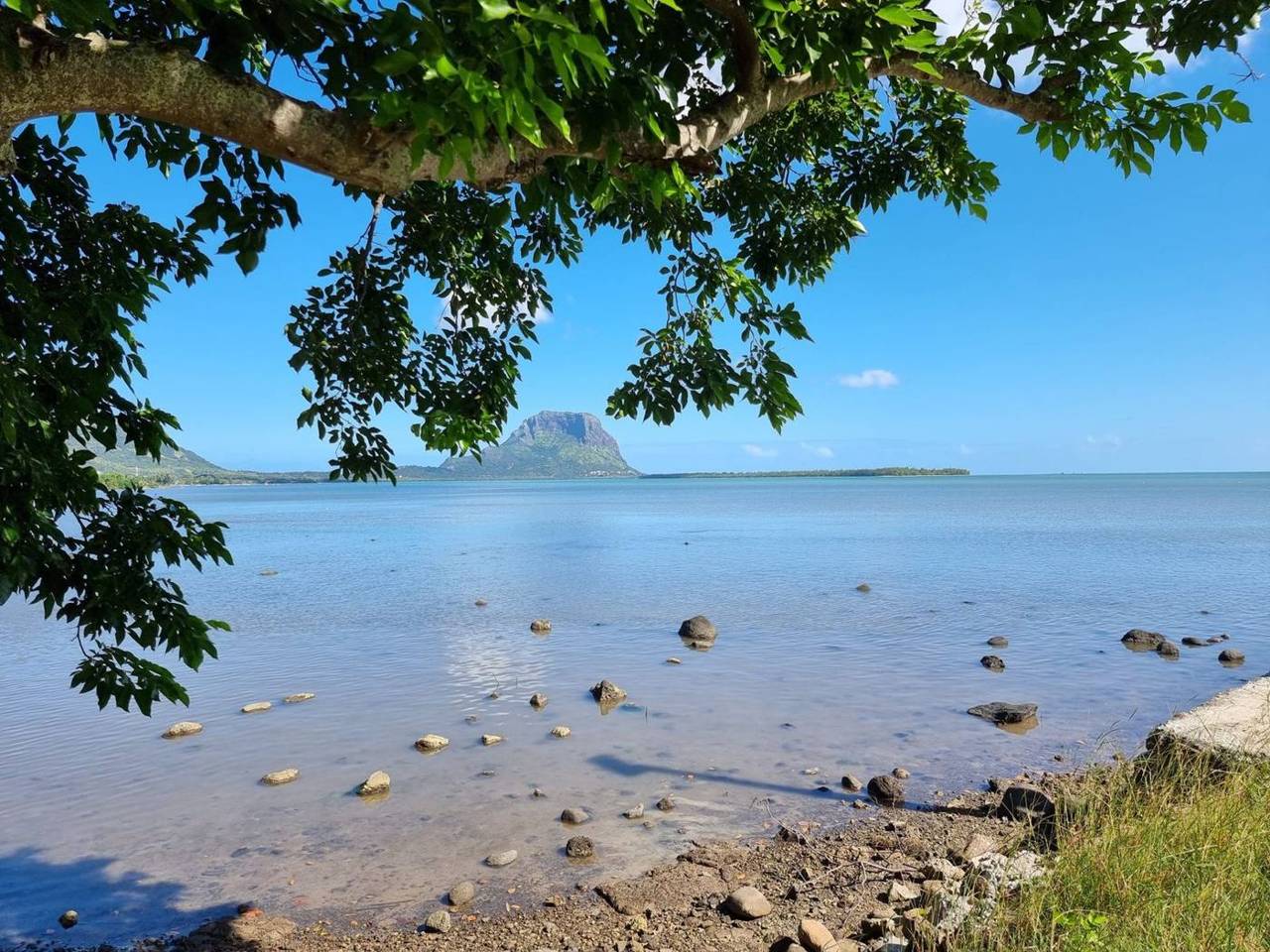
Le Morne and kitesurfing
The wild south-west: the climb up Le Morne Brabant, a symbol of resistance to slavery and a UNESCO site, kitesurfing in the lagoon and the famous One Eye wave.
- Le Morne
- Morne Brabant
- La Gaulette
Day by day
- Day 1
The climb of Le Morne Brabant at dawn
This trip takes you to the wild south-west of Mauritius: the climb of Le Morne Brabant, a symbol of the struggle against slavery and listed by UNESCO, kitesurfing in the lagoon of Le Morne and the village of La Gaulette. You get around by hire car or taxi.
Before you go: Italian citizens enter Mauritius with a passport valid for the whole stay, without a visa for short tourist trips; on arrival you may be asked for a return ticket and an accommodation booking. Before departure complete the Mauritius All in One Travel Form, the digital arrival form, online on the official government website. Other nationalities should check their own rules. The UK does not advise against any part of the country; in October 2026 there were protests and temporary curfews, since lifted: avoid demonstrations. The cyclone season runs from November to April, sometimes until May.
Leave before dawn. Le Morne Brabant, 556 metres high, is a basalt mountain by the sea. In the eighteenth and nineteenth centuries escaped slaves took refuge on its cliffs. The path first climbs gently through the vegetation, then becomes steep and rocky, with stretches where you use your hands. The upper part should only be done with a qualified local guide. Before leaving, find out about access conditions, because some sections can close after landslides.
From the top you see the turquoise lagoon, the coral reef and the ocean. On the way back visit the Slave Route monument, at the foot of the mountain.
Sleep in Le Morne, for three nights.
Practical tip: do not climb after rain, because the rocks become slippery, and carry at least two litres of water each.
- Day 2
The first day of kitesurfing in the lagoon
Today you enter the lagoon of Le Morne, one of the most famous in the world for kitesurfing.
The lagoon is large, with shallow, flat water in many areas, protected by the coral reef. From May to November the trade winds blow steadily from the south-east, arriving here almost every day, usually stronger in the afternoon.
If you have never kitesurfed, book a course with instructors who hold an internationally recognised certification. On the first day you usually learn on land to control the kite, then in shallow water to be pulled along with your body, without a board. Always ask for a helmet, a buoyancy vest and a radio or another way of communicating with the instructor. Check prices and times.
If you are already experienced, hire the equipment and make a first trial session close to the shore, to understand the currents and the places where the water is shallowest. Ask for a clear explanation of the kite zones, the boat channels and the areas where swimmers are.
In the late afternoon, when the wind drops, rest on the public beach of Le Morne, under the filaos, the pine-like trees that give shade. Watch the colourful kites rising over the lagoon in front of the mountain.
In the evening have dinner with a fish curry or with rougaille, the Creole sauce of tomato, garlic, ginger and thyme, with rice and lentils.
Sleep in Le Morne.
Practical tip: never go out alone and do not go in the water with an offshore wind, which pushes you out to sea and beyond the reef.
- Day 3
Kitesurfing, the lagoon and the One Eye wave
Today you spend another day in the lagoon and discover from the outside One Eye, one of the most famous waves in the Indian Ocean.
In the morning, when the wind is lighter, go stand up paddling or swimming in the lagoon, in the areas marked for swimmers. The water is clear and on the bottom you see white sand and patches of coral.
In the afternoon go back in the water with the kite. If you are on a course, today you try to stand up on the board and ride your first metres. If you are experienced, you can go out with an instructor or a support boat towards the further parts of the lagoon. Check prices and times.
One Eye is a wave that breaks over a pass in the coral reef, at the edge of the lagoon. It is only for very experienced surfers and kiters: the bottom is shallow and sharp, the currents are strong and the waves can be big. If you do not have an advanced level, watch it only from a boat, with a local guide who knows the area well.
At sunset walk along the beach towards the point, where the mountain is reflected in the water of the lagoon and the fishermen come back in their boats.
In the evening ask whether there is a sega evening in the nearby villages, the traditional music and dance born among the slaves, with drums and songs in Creole.
Sleep in Le Morne.
Practical tip: check the wind and tide forecasts every morning, and ask the local instructors about the day's conditions before going out.
- Day 4
La Gaulette and departure
Today you visit the village of La Gaulette, on the west coast, and then leave.
In the morning leave Le Morne and drive north for about a quarter of an hour to La Gaulette, a Creole fishing village at the foot of the green mountains. Life here is simple: small colourful houses, little shops, boats anchored in the bay and fishermen mending their nets in the shade.
Walk along the main street and stop at a stall for breakfast: a dholl puri, the thin yellow split pea flatbread with bean curry, or gâteau piment, the spicy split pea fritters. Drink a vanilla tea, very common on the island.
If you have time, drive up towards Chamarel, about half an hour away: the road climbs into the hills with fine views over the lagoon of Le Morne and the islet of Île aux Bénitiers. Stop at the viewpoint along the road.
Then leave for the airport, about an hour and a half away by road.
In four days you have seen the south-west of Mauritius: the climb of Le Morne Brabant and its story of freedom, the kitesurfing lagoon, the One Eye wave and the village of La Gaulette.
When to go: from May to November, when the trade winds blow steadily and conditions for kiting are best. From December to April the wind is lighter and less reliable, it is hotter and there is a risk of cyclones.
Practical tip: if you bring your own kite equipment, check first with the airline the cost and weight allowed for sports luggage.
One of the world's best lagoons for kiting. The upper part of the Le Morne trail is steep and is done only with a guide. One Eye is a wave for experts.
Before you go
- Documents and visa
- Passport valid for the whole stay, with one blank page, and no visa for short tourist trips. On arrival you may be asked for a return or onward ticket, an accommodation booking and sufficient funds. Before departure complete the Mauritius All in One Travel Form, the digital arrival form, online on the official government website: beware of unofficial websites.
- Health and vaccines
- No compulsory vaccinations if you arrive from Europe; a yellow fever certificate is required only from travellers arriving from countries at risk. There is no malaria, but there are dengue and chikungunya, with many cases in 2026: protect yourself from mosquitoes, also during the day. Drink bottled water.
- Money and payments
- Mauritian rupee. Cards work almost everywhere in tourist areas and cash machines are common; in markets and small places you need cash.
- Power sockets
- Type C and type G, 230 volts: UK plugs fit type G sockets, for type C you need an adapter.
- Time zone
- UTC+4 all year.
- Safety
- No areas are advised against. In October 2026 there were protests and temporary curfews, since lifted: avoid demonstrations and large gatherings. Petty theft in tourist areas, especially Port Louis, Grand Baie and Flic en Flac; do not walk alone on beaches at night. The cyclone season runs from November to April, sometimes until May: during a cyclone you cannot leave your accommodation. For sea activities choose operators licensed by the Ministry of Tourism. Driving is on the left. Official advice: GOV.UK.
Information checked in November 2026 for Italian and EU citizens. Rules change: always check before you travel.
Variations
In 2 days: the climb of Le Morne Brabant and a day of kitesurfing or beach in the lagoon.
In 7 days: add Chamarel, the Black River Gorges and the trails of the national park.
Frequently asked questions
Do I need a guide to climb Le Morne Brabant?
The upper part of the path is steep and rocky and should only be done with a qualified local guide. Before leaving, find out about access conditions and do not climb after rain.
When is there wind for kitesurfing at Le Morne?
From May to November the south-east trade winds blow steadily, usually stronger in the afternoon. From December to April the wind is lighter and less reliable.
What documents do I need for Mauritius?
Italian citizens enter with a passport valid for the whole stay, without a visa for short tourist trips, and complete the digital arrival form online. Other nationalities should check their own rules.
Indicative itinerary written by World Atlas. Before booking, check timetables, seasonal openings, documents and safety.
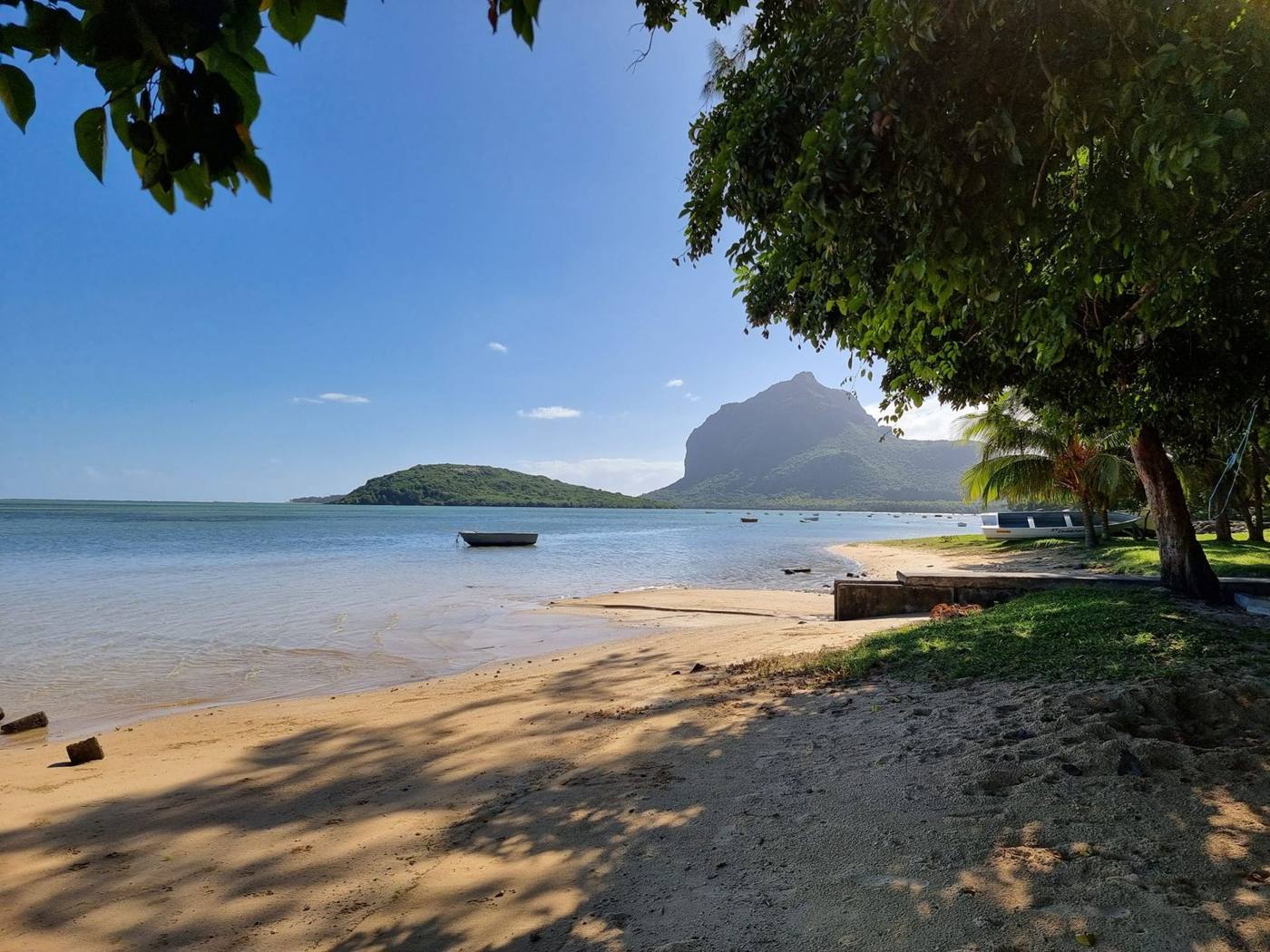 8 daysEasy
Around the island
The lagoons of Belle Mare and Le Morne, the Seven Coloured Earth of Chamarel, the Black River Gorges, Port Louis and the Pamplemousses garden.
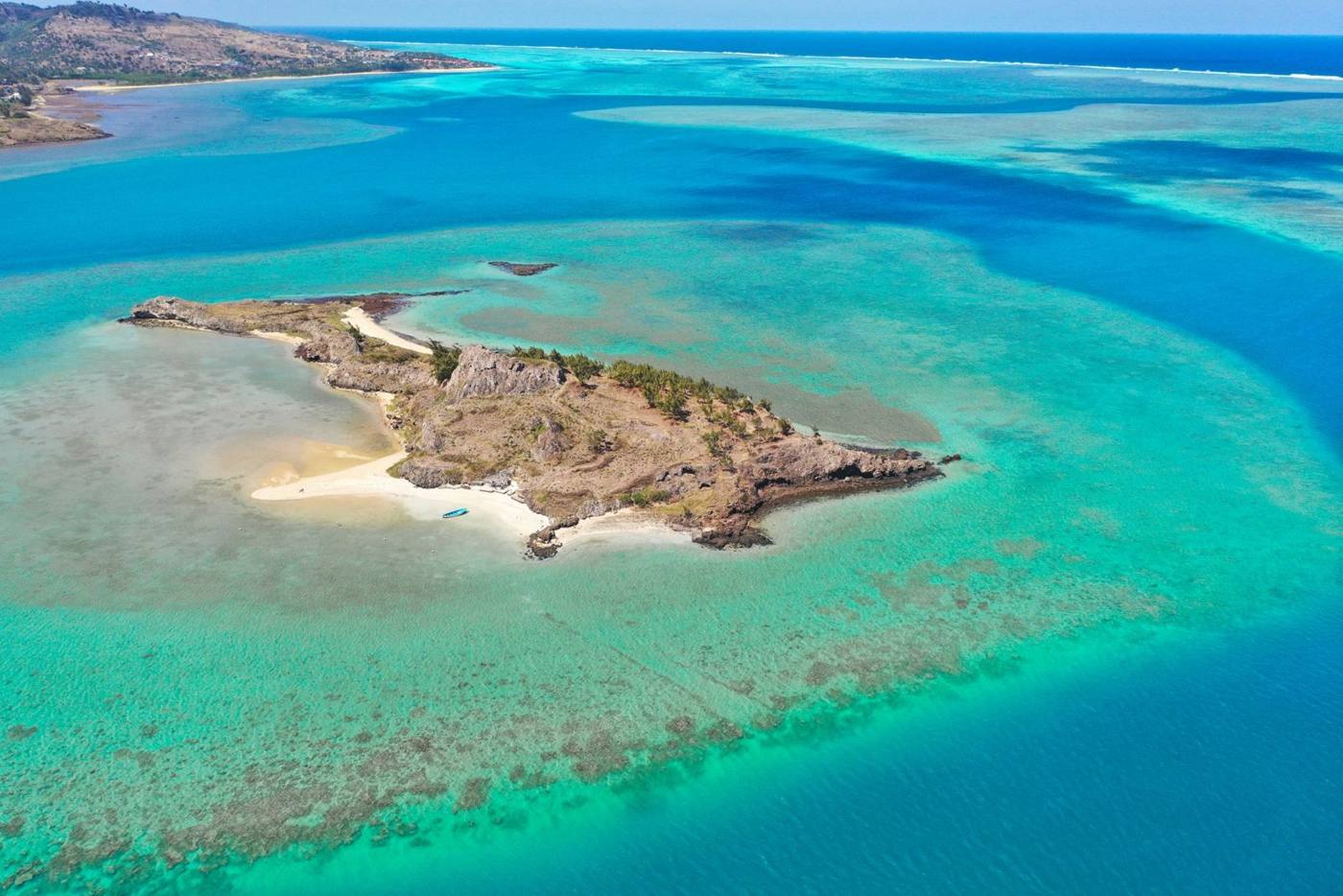 5 daysEasy
Rodrigues
The remote island of the Republic of Mauritius: the coastal path from Graviers to Trou d'Argent, the giant tortoises of François Leguat and the Île aux Cocos lagoon.
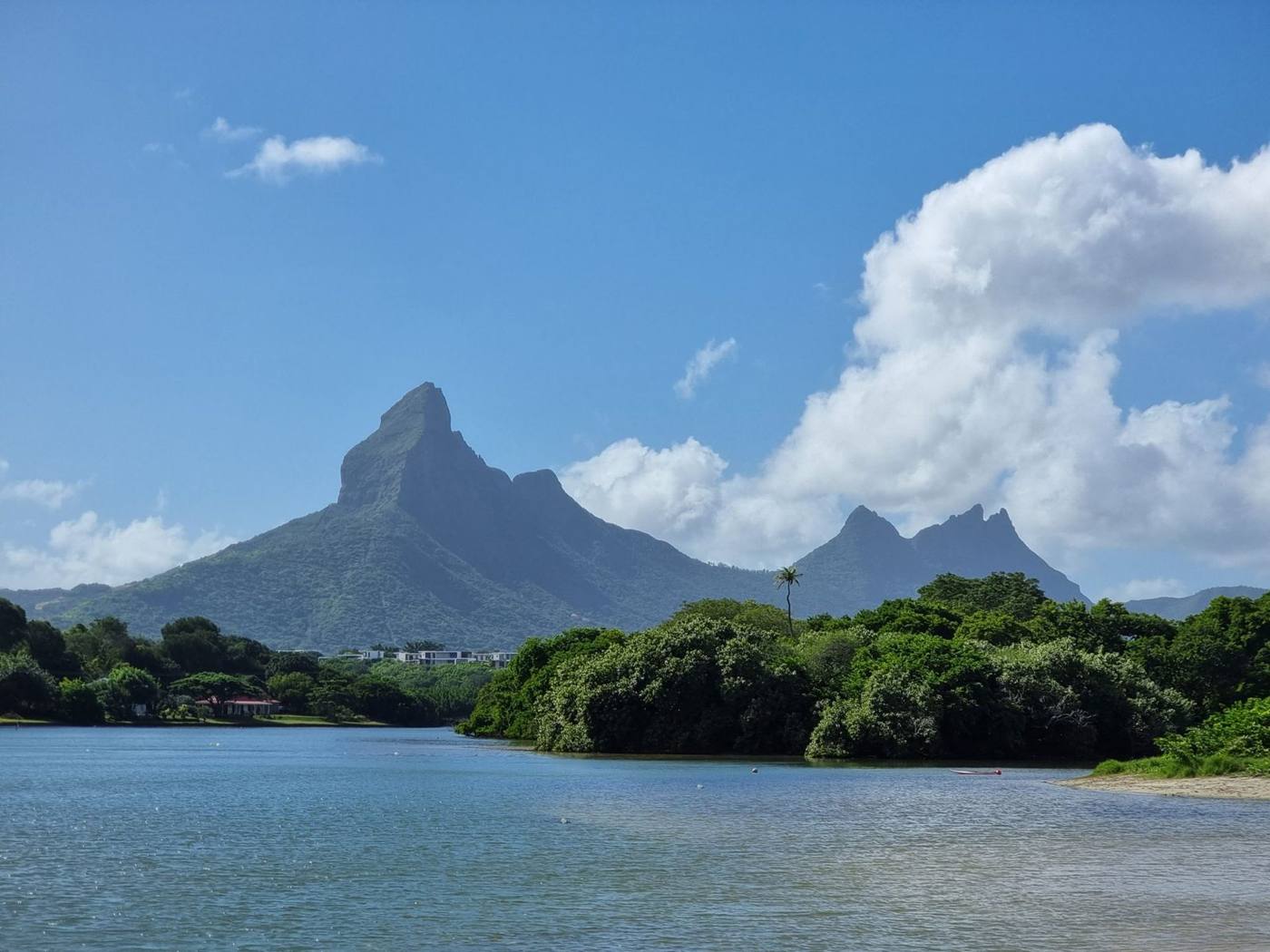 5 daysModerate
Hiking and nature
Climbs of Le Pouce and Pieter Both, the Black River park trails to the Piton, and the Tamarind and Rochester falls.