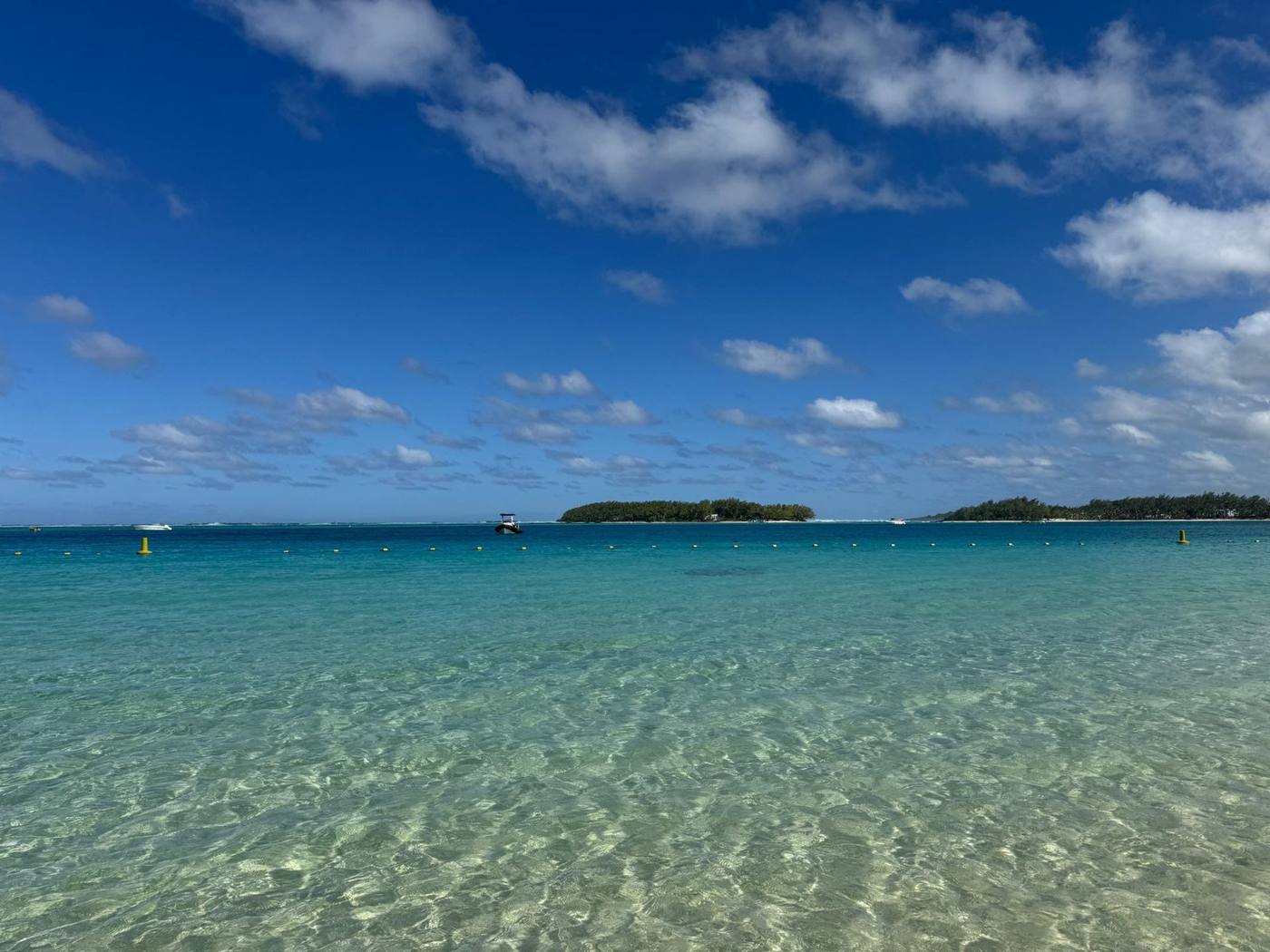
Diving and snorkelling
Blue Bay marine park, the reef at Flic en Flac with the Cathedral dive, the wrecks off Grand Baie and the northern islands such as Coin de Mire.
- Blue Bay
- Flic en Flac
- Grand Baie
- Coin de Mire
Day by day
- Day 1
The Blue Bay marine park
This trip takes you underwater around Mauritius: the Blue Bay marine park, the reef of Flic en Flac with the Cathedral, the wrecks off the north coast and the islands around Coin de Mire. You get around by hire car or taxi and by boat.
Before you go: Italian citizens enter Mauritius with a passport valid for the whole stay, without a visa for short tourist trips; on arrival you may be asked for a return ticket and an accommodation booking. Before departure complete the Mauritius All in One Travel Form, the digital arrival form, online on the official government website. Other nationalities should check their own rules. The UK does not advise against any part of the country; in October 2026 there were protests and temporary curfews, since lifted: avoid demonstrations. The cyclone season runs from November to April, sometimes until May.
Blue Bay is close to the airport, on the south-east coast. Settle in and go down to the public beach, with white sand, filaos and a lagoon of intense blue. In front of it lies the marine park, a protected area with coral gardens a few metres from the shore.
In the afternoon go for your first snorkel from the beach, in the permitted areas. You see branching and brain corals, parrotfish, butterflyfish, surgeonfish and, with a little luck, a turtle. In recent years the coral has suffered from bleaching: some areas are white or grey, others are recovering.
Sleep in Blue Bay, for two nights.
Practical tip: in the marine park do not touch or stand on the coral, do not feed the fish and do not collect shells.
- Day 2
Snorkelling by boat and Mahébourg
Today you explore the marine park by boat and visit the village of Mahébourg.
Early in the morning, when the sea is calmest, go out by boat from Blue Bay beach towards the richest areas of the park. Many boats have glass bottoms, so even non-swimmers can see the coral. Then get into the water with mask and snorkel above the coral gardens, where the fish are numerous and used to people. Choose operators licensed by the Ministry of Tourism, with life jackets for everyone and a guide who follows the group in the water. Check prices and times.
During the trip the boat passes close to Île aux Aigrettes, a nature reserve on a coral islet, where rare plants and animals of Mauritius are protected, such as giant tortoises and the pink pigeon. It can only be visited with the reserve's guides: ask about visit dates in advance.
In the afternoon go to Mahébourg, ten minutes away by road, a village on the large bay of the south-east. Walk along the seafront, look at the fishing boats and visit the National History Museum, in an old colonial house, with objects from Dutch, French and British ships and the story of the battle of Grand Port in 1810. Check prices and times.
In the evening have dinner with a fish curry, rice and a tomato chutney.
Sleep in Blue Bay.
Practical tip: in the Blue Bay lagoon boat traffic is heavy, so always stay inside the areas marked for swimmers and use a buoy or a brightly coloured shirt.
- Day 3
Diving at Flic en Flac and the Cathedral
Today you cross the island to the west and dive on the reef of Flic en Flac.
Early in the morning drive for about an hour to Flic en Flac, on the west coast, with a long sandy beach and a sheltered lagoon. Here the coral reef drops towards the deep blue with walls, canyons and caves, one of the best places on the island for diving.
Choose a centre with internationally recognised instructors and certifications, checked equipment, oxygen and a first aid kit on board. Show your certification card and logbook and, if you have not dived for a long time, ask for an easy refresher dive first. If you are not certified, you can do a try dive with an instructor in shallow water. Check prices and times.
The most famous site is the Cathedral, a cave with arches and passages in the rock, where light comes in from above as between the columns of a church. It is suitable for divers with some experience, because it is quite deep. Around it you see lionfish, moray eels, lobsters and shoals of fish among the rocks.
In the afternoon rest on Flic en Flac beach, under the filaos, and watch the sunset over the ocean. If you like, have a gentle snorkel in the lagoon, close to the shore.
Sleep in Flic en Flac, for one night.
Practical tip: do no more than two or three dives a day, drink plenty of water and always respect ascent rates and safety stops.
- Day 4
The wrecks off the north coast
Today you go to the north coast and discover the wrecks sunk offshore, between Grand Baie and the north-west coast.
Early in the morning drive north for about an hour to Grand Baie, the island's big tourist bay, with boats, beaches and a calm lagoon. From here and from the nearby villages the boats leave for offshore dives.
Along the north-west coast there are several ships sunk on purpose to create artificial reefs. Over time they have become covered in corals, sponges and sea fans and today they are home to moray eels, scorpionfish, groupers and large shoals of fish. Some wrecks are quite deep and suitable only for divers with an advanced certification: ask the centre about depth and conditions before booking. Check prices and times.
With a certified centre make one or two dives in the morning. Never go inside the wrecks unless you have the specific training: follow the guide and stay outside.
In the afternoon rest on the public beach of Pereybère, just north of Grand Baie, with a small sandy bay and calm water, good for snorkelling. At sunset walk along the seafront of Grand Baie.
In the evening try briani, spiced rice with meat or fish, brought by Indian labourers and now a festive dish in Mauritius.
Sleep in Grand Baie, for two nights.
Practical tip: in Grand Baie keep an eye on your belongings on the beach and in cars, because petty theft in tourist areas is common.
- Day 5
Coin de Mire and the northern islands
Today you go out by boat to the northern islands, with the unmistakable outline of Coin de Mire.
In the morning leave by boat from Grand Baie heading north. Coin de Mire is a wedge-shaped rocky island, high and steep, visible from the whole north coast. It is a nature reserve and boats usually do not land, but around it there are walls and rocks rich in marine life, with corals, surgeonfish, trumpetfish and sometimes turtles. When the sea is calm you dive or snorkel near the walls. Check prices and times.
Further north there are other islands, such as Île Plate and Île Gabriel, with clear lagoons and white beaches. In this stretch the open sea can be rough: ask about conditions the day before and take a seasickness tablet.
If you are flying tomorrow, only snorkel today: after diving you must wait at least a day before flying.
In five days you have seen the sea of Mauritius: the lagoon and marine park of Blue Bay, the Cathedral of Flic en Flac, the wrecks of the north coast and the islands of Coin de Mire.
When to go: from October to April the water is warmer and visibility is often better. Between January and March the risk of cyclones is higher. From June to August the water is cooler and the sea is more often rough, especially in the south and east.
Practical tip: before leaving check that your travel insurance covers diving and any transfer to a hyperbaric chamber.
Good diving for all levels, though the coral has suffered bleaching. Cyclones can arrive between January and March. Choose centres with recognised certifications.
Before you go
- Documents and visa
- Passport valid for the whole stay, with one blank page, and no visa for short tourist trips. On arrival you may be asked for a return or onward ticket, an accommodation booking and sufficient funds. Before departure complete the Mauritius All in One Travel Form, the digital arrival form, online on the official government website: beware of unofficial websites.
- Health and vaccines
- No compulsory vaccinations if you arrive from Europe; a yellow fever certificate is required only from travellers arriving from countries at risk. There is no malaria, but there are dengue and chikungunya, with many cases in 2026: protect yourself from mosquitoes, also during the day. Drink bottled water.
- Money and payments
- Mauritian rupee. Cards work almost everywhere in tourist areas and cash machines are common; in markets and small places you need cash.
- Power sockets
- Type C and type G, 230 volts: UK plugs fit type G sockets, for type C you need an adapter.
- Time zone
- UTC+4 all year.
- Safety
- No areas are advised against. In October 2026 there were protests and temporary curfews, since lifted: avoid demonstrations and large gatherings. Petty theft in tourist areas, especially Port Louis, Grand Baie and Flic en Flac; do not walk alone on beaches at night. The cyclone season runs from November to April, sometimes until May: during a cyclone you cannot leave your accommodation. For sea activities choose operators licensed by the Ministry of Tourism. Driving is on the left. Official advice: GOV.UK.
Information checked in November 2026 for Italian and EU citizens. Rules change: always check before you travel.
Variations
In 3 days: snorkelling at Blue Bay and diving at Flic en Flac, without the north coast.
In 8 days: add the beaches of the east coast, Île aux Cerfs and a few days of rest at Le Morne.
Frequently asked questions
Do I need a certification to dive in Mauritius?
For normal dives yes, with a recognised certification. Without one you can do a try dive with an instructor in shallow water. Some deep wrecks require an advanced certification.
Is the coral in Mauritius still beautiful?
In many areas yes, but in recent years it has suffered from bleaching. Some areas are white or grey, others are recovering. Do not touch it and use a reef-safe sun cream.
What documents do I need for Mauritius?
Italian citizens enter with a passport valid for the whole stay, without a visa for short tourist trips, and complete the digital arrival form online. Other nationalities should check their own rules.
Indicative itinerary written by World Atlas. Before booking, check timetables, seasonal openings, documents and safety.
 3 daysEasy
The east coast and Île aux Cerfs
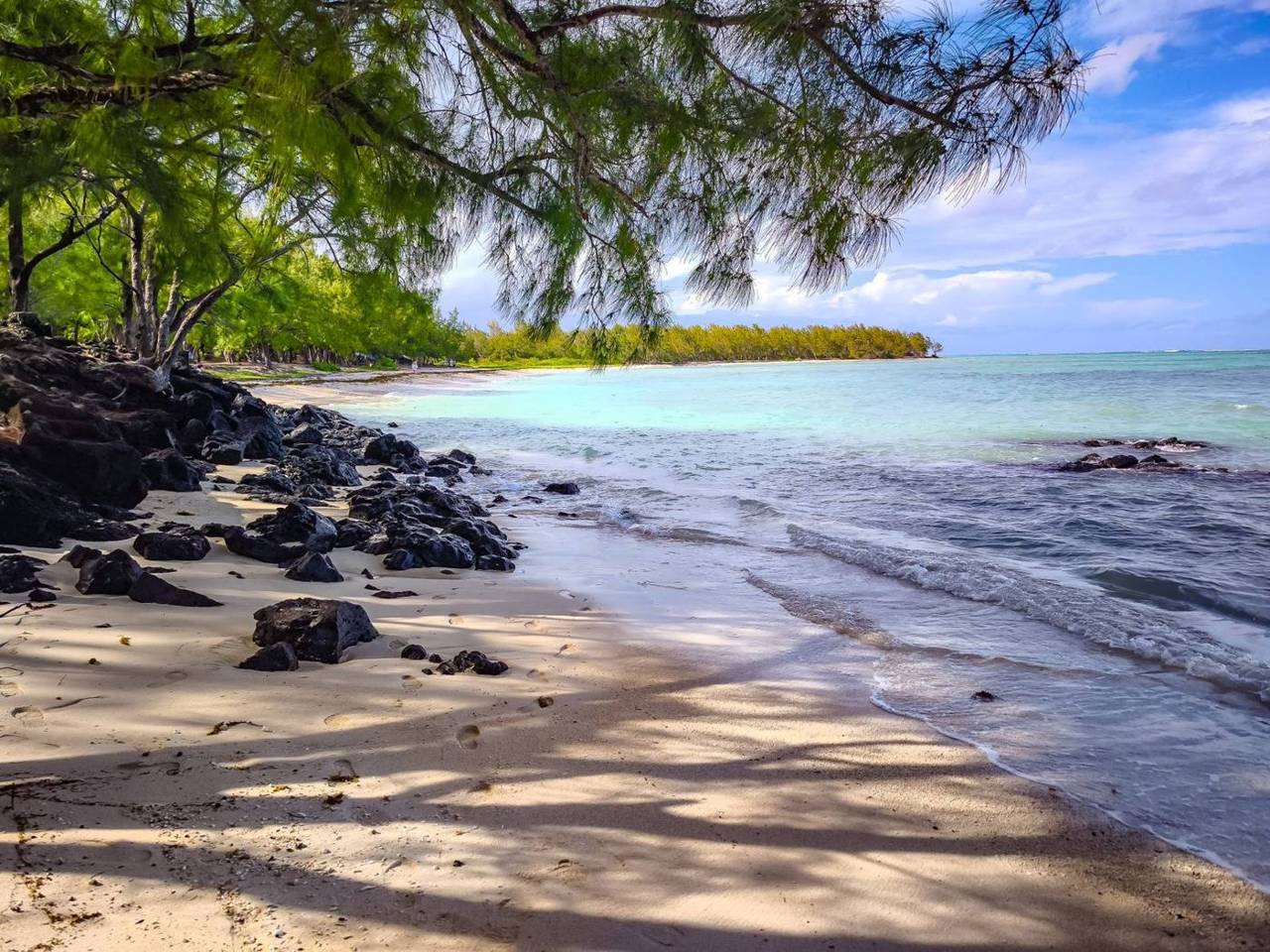
The long beaches of Belle Mare, the catamaran to Île aux Cerfs, the Grand River South East waterfall and the fishing village of Trou d'Eau Douce.
 2 daysEasy
Port Louis and Creole food
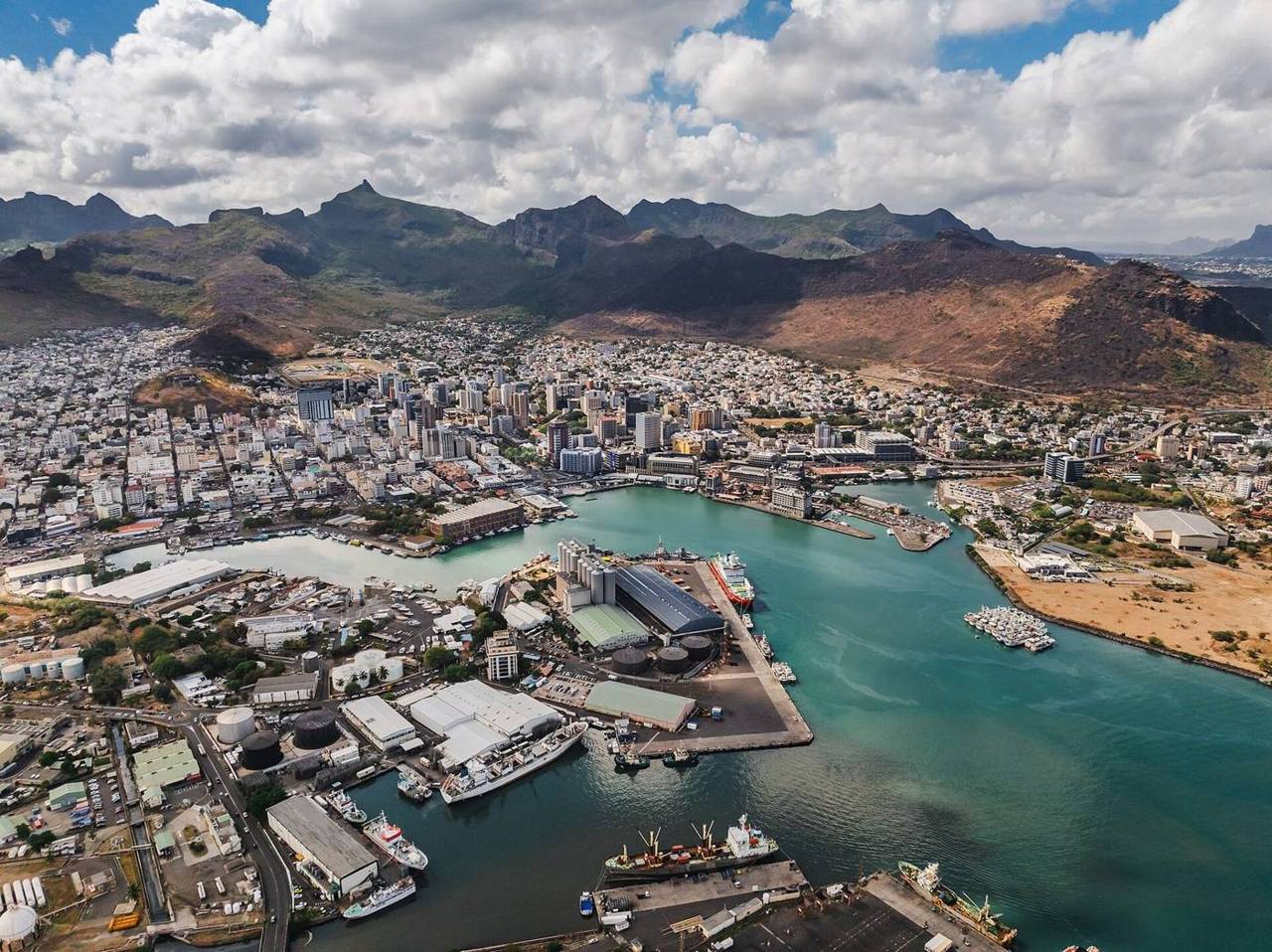
The multicultural capital: the central market, UNESCO-listed Aapravasi Ghat, Chinatown, the Caudan waterfront and street food, from dholl puri to gâteau piment.
 4 daysModerate
Le Morne and kitesurfing
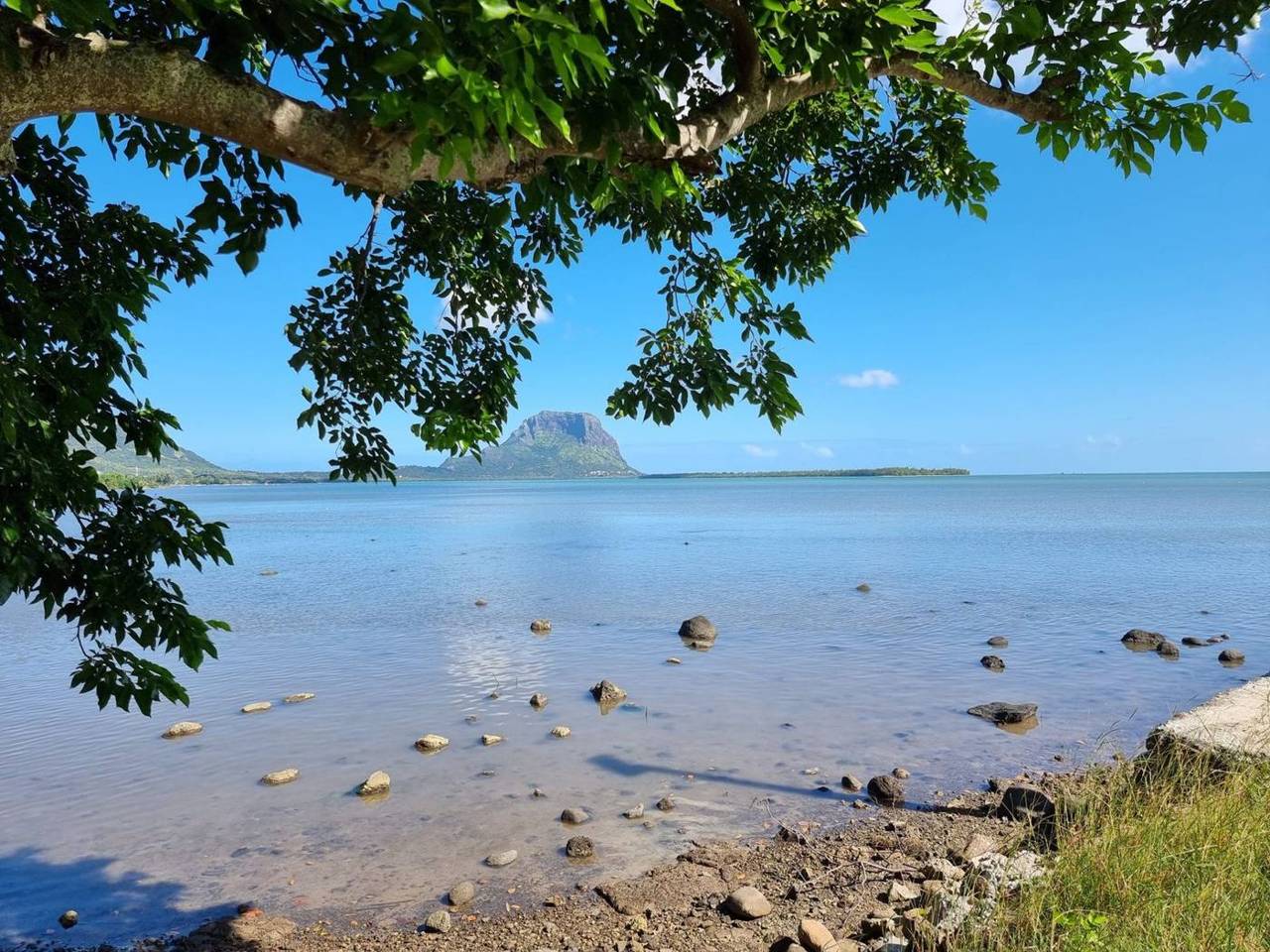
The wild south-west: the climb up Le Morne Brabant, a symbol of resistance to slavery and a UNESCO site, kitesurfing in the lagoon and the famous One Eye wave.