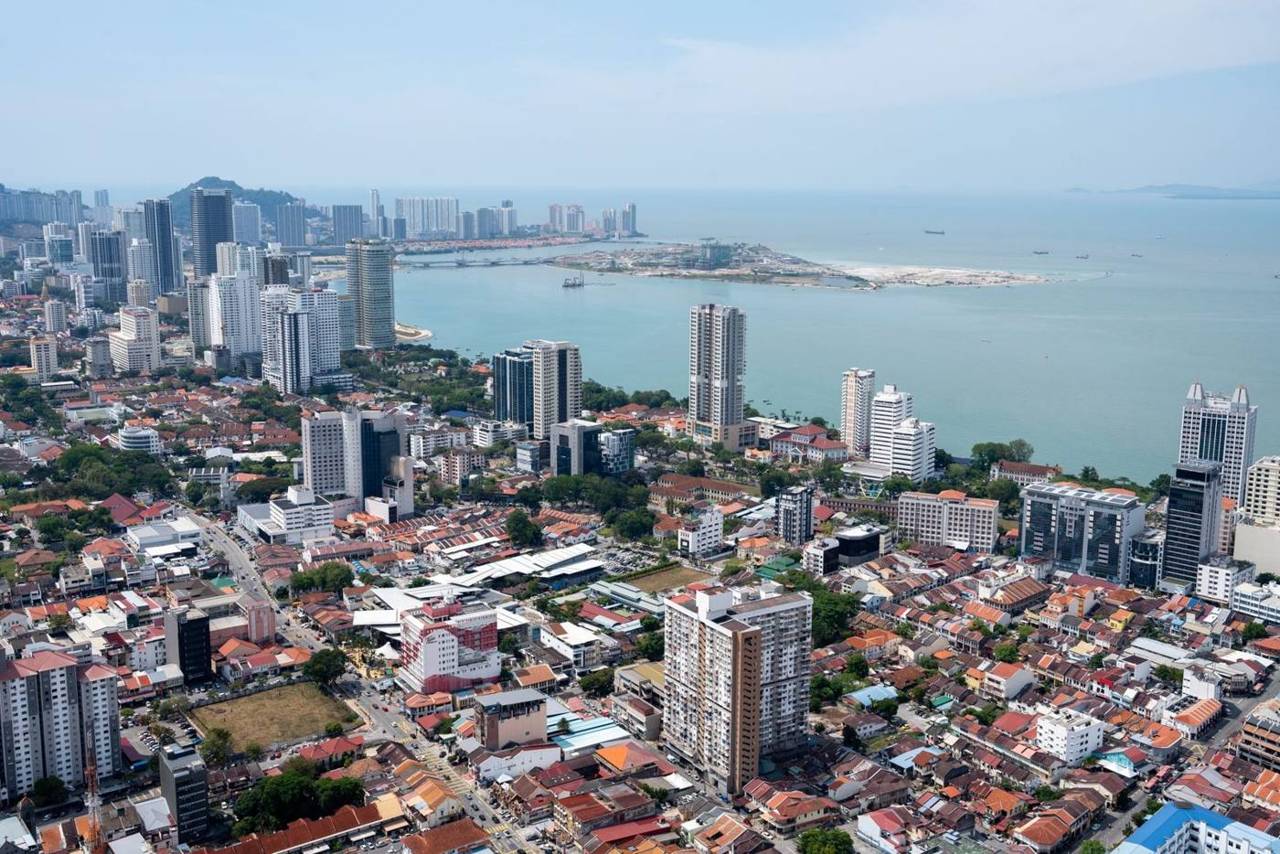
Kuala Lumpur, Malacca and Penang
The Petronas Towers and Batu Caves, colonial Malacca, the tea of the Cameron Highlands and George Town in Penang, capital of street food.
- Kuala Lumpur
- Batu Caves
- Malacca
- Cameron Highlands
- Ipoh
- George Town
Day by day
- Day 1
Kuala Lumpur: the Petronas Towers and Merdeka Square
This eight-day trip crosses Peninsular Malaysia from south to north: Kuala Lumpur with the Petronas Towers and Batu Caves, colonial Malacca, the tea-growing Cameron Highlands, the old town of Ipoh and George Town, on Penang, the capital of street food. It is a country where Malay, Chinese and Indian cultures live side by side, and you eat superbly everywhere.
Before you go: Italian citizens enter Malaysia with a passport valid for at least six months, without a visa for up to 90 days for tourism, and fill in the Malaysia Digital Arrival Card (MDAC) only on the official portal, within the three days before arrival. Other nationalities should check their own rules. The peninsula is safe for travellers: in cities watch out for bag snatching from motorbikes and pickpockets in crowded places.
You land at Kuala Lumpur International Airport and take the KLIA Ekspres fast train to KL Sentral, in less than an hour.
In the afternoon go to Merdeka Square, the great square where the flag of independence was raised on 31 August 1957. Opposite stands the Sultan Abdul Samad Building, with its copper domes and clock tower. Nearby, Masjid Jamek stands at the confluence of the two rivers that gave the city its name: Kuala Lumpur means muddy confluence.
At sunset reach KLCC Park, at the foot of the Petronas Towers, 452 metres high and for a few years the tallest in the world. When the lights come on, the towers shine like silver.
Practical tip: buy your ticket for the Petronas Towers skybridge and observation deck in advance on the official website, because timed slots sell out. Check prices and times.
- Day 2
Batu Caves and Chinatown
Early this morning leave the city heading north to Batu Caves, which you can reach on the local train from KL Sentral in about half an hour.
At the entrance you are greeted by the gigantic golden statue of Murugan, a Hindu deity, more than forty metres high. Behind it a staircase of 272 steps, painted in rainbow colours, climbs to the great limestone cavern that holds the Hindu temples. It is one of the holiest places of Hinduism outside India: during the Thaipusam festival, between January and February, hundreds of thousands of pilgrims arrive.
Watch out for the macaques on the stairs: they steal food, bottles and glasses. Cover your shoulders and knees, otherwise at the entrance you will be asked to hire a sarong.
Return to the city for lunch and try nasi lemak, coconut rice with chilli sauce, anchovies, peanuts and egg.
In the afternoon explore Chinatown, around Petaling Street, with its stalls, the Hindu temple of Sri Mahamariamman, decorated with hundreds of colourful statues, and the Taoist temple of Guan Di. Then visit Central Market, an art deco building full of crafts.
In the evening go to Jalan Alor, the street food street, with dozens of stalls selling satay, noodles, grilled fish and tropical fruit, including durian, with its overpowering smell.
Practical tip: in Kuala Lumpur use the metro and monorail to avoid the traffic, and the prepaid Touch 'n Go card for tickets.
- Day 3
Malacca: Jonker Street, the Dutch church and the river
Today you travel south to Malacca, about two hours by bus from Kuala Lumpur. It is one of the oldest cities in Malaysia, a great spice port conquered by the Portuguese in 1511, then by the Dutch and finally by the British. Since 2008 the historic city has been a UNESCO World Heritage Site, together with George Town.
Start at the red square, where the Dutch buildings are painted brick red: Christ Church, from 1753, and the Stadthuys, the old town hall, now a history museum. Check prices and times.
Then climb St Paul's Hill, with the ruins of a Portuguese church and Dutch gravestones, and walk down the other side to the Porta de Santiago, the only gate left of the Portuguese fortress of A Famosa.
For lunch try chicken rice balls, a speciality of the city, and cendol, the cold dessert of shaved ice, coconut milk, green jelly and palm sugar.
In the afternoon stroll along Jonker Street and the lanes of Chinatown, with the shophouses of the Peranakan, the descendants of Chinese merchants who married local women, and visit Cheng Hoon Teng, the oldest Chinese temple still in use in the country.
In the evening take a cruise on the Malacca river, past painted houses, murals and lights. On Fridays, Saturdays and Sundays Jonker Street becomes a large night market.
Practical tip: sleep in Malacca and explore the centre early in the morning or at sunset, because in the middle of the day the heat is intense and there are more people.
- Day 4
The Cameron Highlands and the tea plantations
Today you move from the coast to the mountains, up to the Cameron Highlands, the plateau where the British created a hill resort to escape the heat. The journey is long, about five hours by car or bus, on a road that winds up through the forest.
At about fifteen hundred metres the air changes: it is cool by day and you need a jumper in the evening. Stay in Tanah Rata, the main town, or in Brinchang, a little higher up.
In the afternoon visit one of the tea plantations, where the hills are covered in neat rows of green bushes that follow the curves of the land like waves. Walk among the rows, watch the pickers at work and stop in a tea room with a view over the valleys for a cup of tea and a slice of cake. Check prices and times: some plantations close on Mondays.
Along the road you will see greenhouses of strawberries, vegetables and flowers: the Cameron Highlands supply vegetables to much of the country.
In the evening, if it is the weekend, stroll through the Brinchang night market, with fresh strawberries, sweetcorn, skewers and local tea. Then have steamboat for dinner, a pot of boiling broth in which you cook meat, fish and vegetables at the table, perfect for cool evenings.
Practical tip: avoid arriving on Friday evening or Saturday morning, when the road is full of weekend traffic.
- Day 5
The mossy forest and the trails
Today you explore the nature of the Cameron Highlands, with forest-covered mountains and trails among the clouds.
Early in the morning head up towards Gunung Brinchang, one of the highest peaks in the area, at about two thousand metres. Here you find the mossy forest, a mountain wood almost always wrapped in mist, where trunks, branches and the ground are covered in a thick layer of green moss. A wooden boardwalk takes you among pitcher plants, orchids and lichens hanging from the trees. Check whether the boardwalk is open: it sometimes closes for works or to protect the forest.
The best way to visit is with a local guide, who explains the plants and knows how to choose safe routes.
In the afternoon walk one of the numbered trails around Tanah Rata, which cross the forest and lead to waterfalls and viewpoints. Some are easy, others steep and muddy: choose according to the weather and your experience.
Then visit a fruit and vegetable market or a bee farm, where you can taste mountain honey.
In the evening, before dinner, look at the sky: in clear weather the plateau offers bright sunsets over the tea hills.
Practical tip: never go alone on the less used trails, always tell someone your route and be back before dark; the mist comes in quickly and it is easy to get lost.
- Day 6
Ipoh, the old town and the cave temples
Today you come down from the mountains to Ipoh, the capital of the state of Perak, about two hours by road. Ipoh grew up with the tin mines, and it is famous throughout Malaysia for its food.
On the way stop at the temples in the limestone caves on the edge of the city. At Sam Poh Tong, one of the oldest, you enter a cave with Buddha statues and a garden with a turtle pond. Perak Tong, to the north, has dozens of statues and painted walls, and a long staircase that climbs to a panoramic terrace.
For lunch try Ipoh's signature dish: poached chicken with short, crunchy bean sprouts, served with rice noodles in broth.
In the afternoon stroll through the old town, among the shophouses of the Chinese miners, the murals painted on the walls and little Concubine Lane. Opposite the station, a white colonial building with domes and arches, stands the town hall, also from the colonial period.
Stop for an Ipoh white coffee, roasted with margarine and served with condensed milk, with kaya, the coconut and egg spread.
In the evening take the ETS train north to Butterworth, in about an hour and a half, and then the ferry to George Town, or sleep in Ipoh and leave tomorrow morning.
Practical tip: in Ipoh many cafés and shops in the old town close early in the evening, so focus your food stops on breakfast and lunch.
- Day 7
George Town: colonial houses, murals and clan temples
Today you explore George Town, the main city on the island of Penang, founded in 1786 by the Englishman Francis Light as a trading port. Its historic centre, a UNESCO World Heritage Site, is a maze of shophouses, temples, mosques and churches.
In the morning start at Fort Cornwallis, the star-shaped fort built where the British landed, and the Esplanade seafront. Then walk along the Street of Harmony, Jalan Masjid Kapitan Keling, where within a few hundred metres you find the Anglican church of St George, the Chinese temple of the goddess Kuan Yin, the Hindu temple of Sri Mahamariamman and the Kapitan Keling mosque.
Then go into Khoo Kongsi, the clan house of the Khoo family, a temple richly decorated with carvings, gilding and ceramic roofs: it is the most spectacular of George Town's clan temples. Check prices and times.
In the afternoon look for the murals around Armenian Street, such as the children on the bicycle, and the iron sculptures that tell the history of the streets. Then visit the clan jetties, wooden villages on stilts over the sea, where Chinese families still live.
In the evening eat at the hawker centres: char kway teow, flat noodles stir-fried in a wok with prawns and egg, asam laksa, the sour fish noodle soup, and nasi kandar in Little India.
Practical tip: explore the old town on foot or by bicycle, but carry water and a hat, because the streets have little shade.
- Day 8
Penang Hill, Kek Lok Si and departure
Today your last morning in Penang takes you up above the city.
Take the funicular that climbs Penang Hill, a colonial-era hill resort at more than seven hundred metres. From the top you see George Town, the bridge that links the island to the mainland and the strait. The air is cooler here, and there are forest trails and old colonial villas. Check prices and times, and arrive early to avoid the queue.
Then go down towards Air Itam to visit Kek Lok Si, the largest Buddhist temple in Malaysia, built on a hillside with pagodas, statues and gardens. The Pagoda of Ten Thousand Buddhas combines Chinese, Thai and Burmese styles, and a large bronze statue of the goddess Kuan Yin towers over the complex.
For lunch try a last bowl of asam laksa or cendol, before heading to Penang International Airport, about half an hour from the centre.
In these eight days you have seen the best of Peninsular Malaysia: the Petronas Towers, Merdeka Square and Batu Caves in Kuala Lumpur, colonial Malacca with its Dutch church and river, the tea plantations and mossy forest of the Cameron Highlands, the cave temples and white coffee of Ipoh, and the clan temples, murals and street food of George Town.
When to go: the best months are December to March and June to August, with less rain on the west coast. It is hot all year, cooler only in the Cameron Highlands.
Practical tip: in Malaysia tipping is not compulsory, but it is appreciated for guides and drivers; restaurants often already add a service charge.
An easy, safe trip, excellent for food, with Malay, Chinese and Indian influences. ETS trains between Kuala Lumpur and Penang are comfortable and fast. The Cameron Highlands are congested at weekends.
Before you go
- Documents and visa
- Passport valid for at least six months from the date of entry; for tourism Italian citizens enter without a visa for up to 90 days. The Malaysia Digital Arrival Card (MDAC) is compulsory: fill it in online, only on the official Malaysian immigration portal, within the three days before arrival. Sabah and Sarawak, on Borneo, have their own immigration control: even when arriving from Kuala Lumpur your passport is checked and stamped again.
- Health and vaccines
- No vaccinations are compulsory for travellers from Italy; a yellow fever certificate is needed only if you arrive from a country at risk. Dengue is common, especially in cities: use insect repellent and ask your doctor about other vaccinations and malaria prevention for forest areas. You need insurance covering medical costs and repatriation. Emergencies: 999.
- Money and payments
- Malaysian ringgit (MYR or RM). Cards work well in cities and shopping centres; carry cash for markets, islands and national parks.
- Power sockets
- Type G, 240 volts: British plugs fit without an adapter.
- Time zone
- UTC+8 all year.
- Safety
- Generally a safe country; watch out for bag snatching in cities. The UK advises against all but essential travel to all islands and dive sites off the coast of eastern Sabah, from Sandakan to Tawau, because of the threat of kidnapping; the Sabah mainland is not included. A night-time maritime curfew applies in those waters. Drug laws are very strict, up to the death penalty. Official advice: GOV.UK.
Information checked in November 2026 for Italian and EU citizens. Rules change: always check before you travel.
Variations
In 6 days: Kuala Lumpur, Malacca, Ipoh and George Town, without the Cameron Highlands, using the ETS trains between cities.
In 11 days: add three days on the island of Langkawi, with a short flight or a ferry from Penang, for the cable car, the mangroves and the beaches.
Frequently asked questions
What documents do I need for Malaysia?
Italian citizens enter with a passport valid for at least six months, without a visa for up to 90 days for tourism, and must fill in the MDAC online within the three days before arrival. Other nationalities should check their own rules.
How do you get around between cities?
ETS trains link Kuala Lumpur, Ipoh and Butterworth, where the ferry to Penang leaves. For Malacca and the Cameron Highlands use buses or a car with driver.
How much do the Petronas Towers cost?
Tickets for the skybridge and observation deck are sold on the official website, with timed entry. Check current prices and times before you go.
Indicative itinerary written by World Atlas. Before booking, check timetables, seasonal openings, documents and safety.
 8 daysModerate
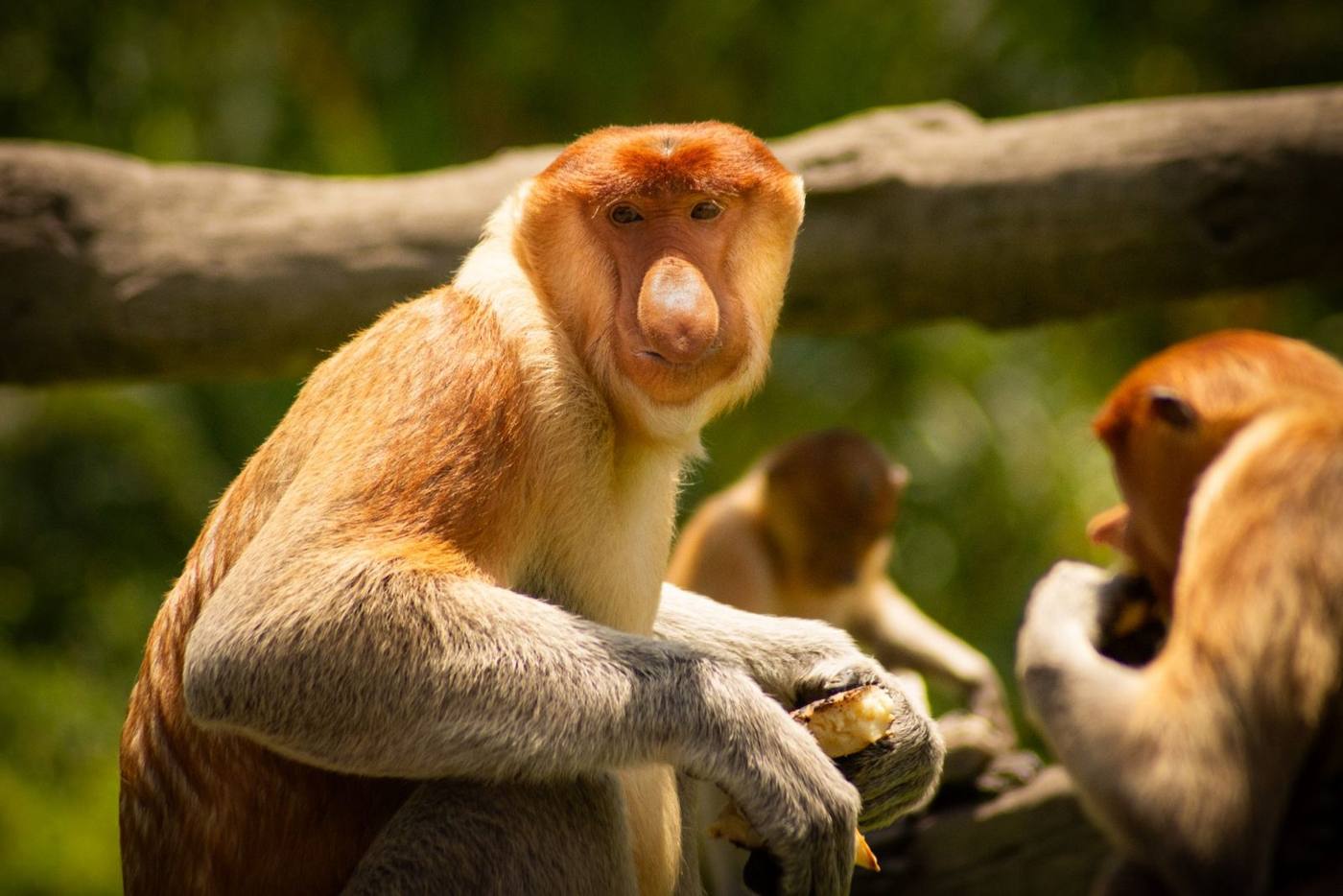
Borneo: Sabah
The orangutans of Sepilok, a Kinabatangan river cruise with proboscis monkeys, Mount Kinabalu and the islands of Tunku Abdul Rahman park.
 7 daysEasy
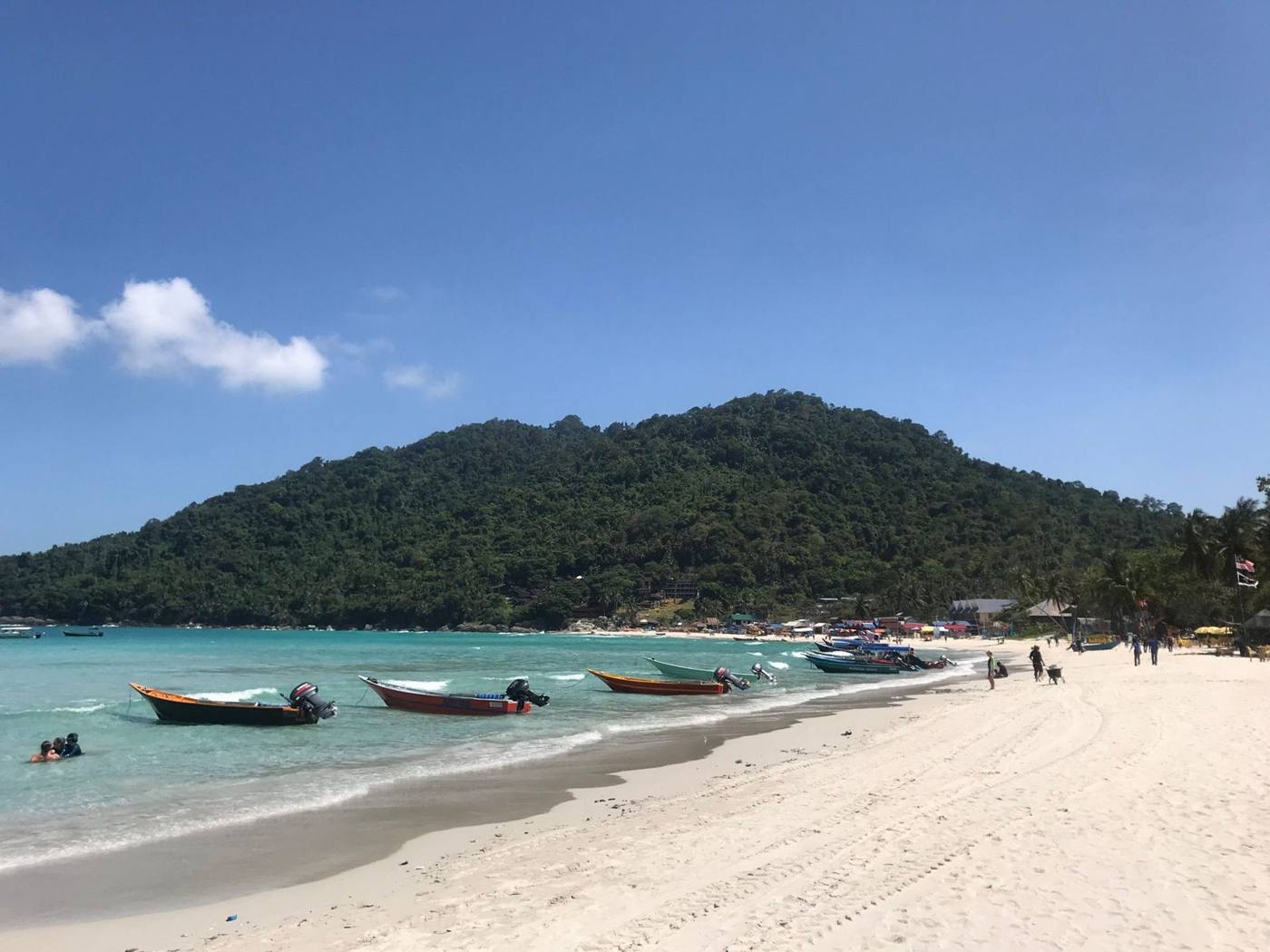
Langkawi and the Perhentians
The beaches and cable car of Langkawi on the west coast, then the clear water and snorkelling of the Perhentian islands on the east coast.
 4 daysModerate
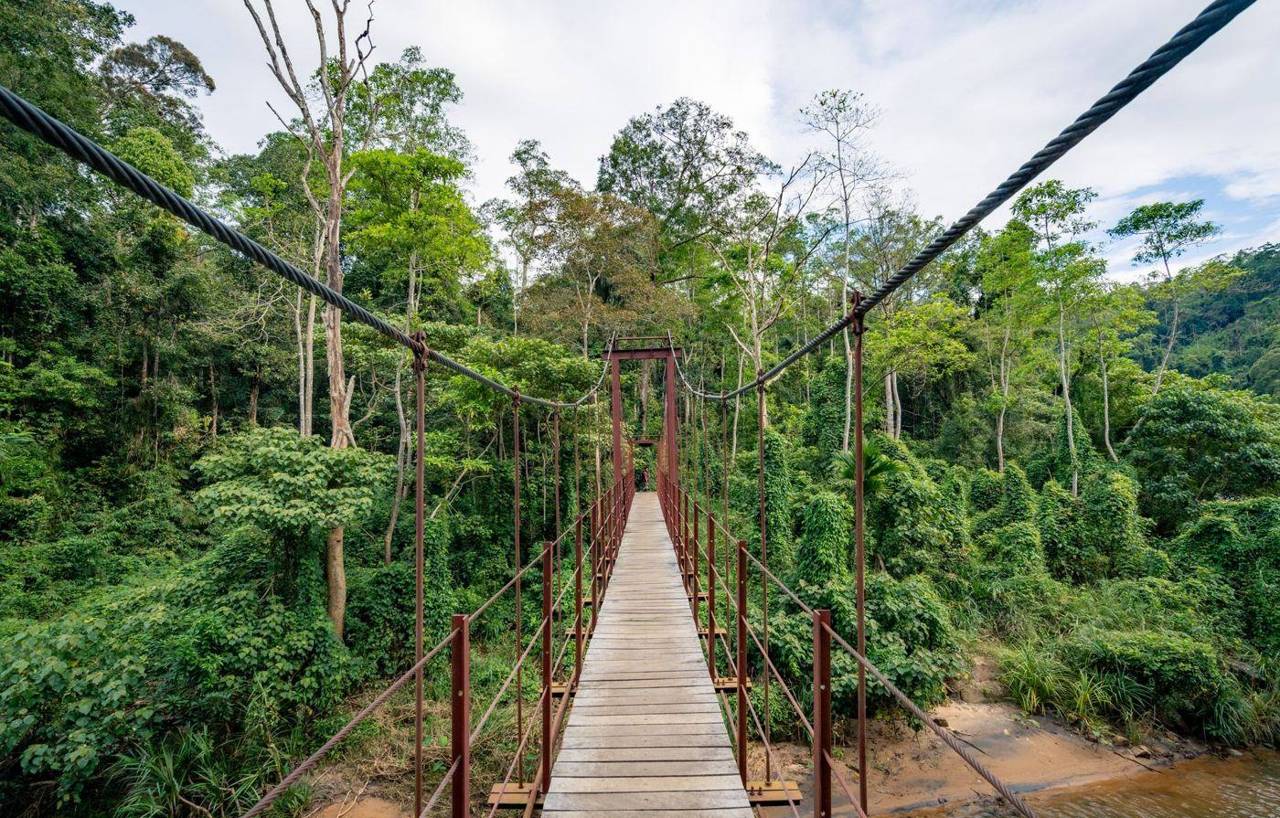
Taman Negara
One of the world's oldest rainforests: the canopy walkway, the climb up Bukit Teresek, a night in an observation hide and boats on the Tembeling.