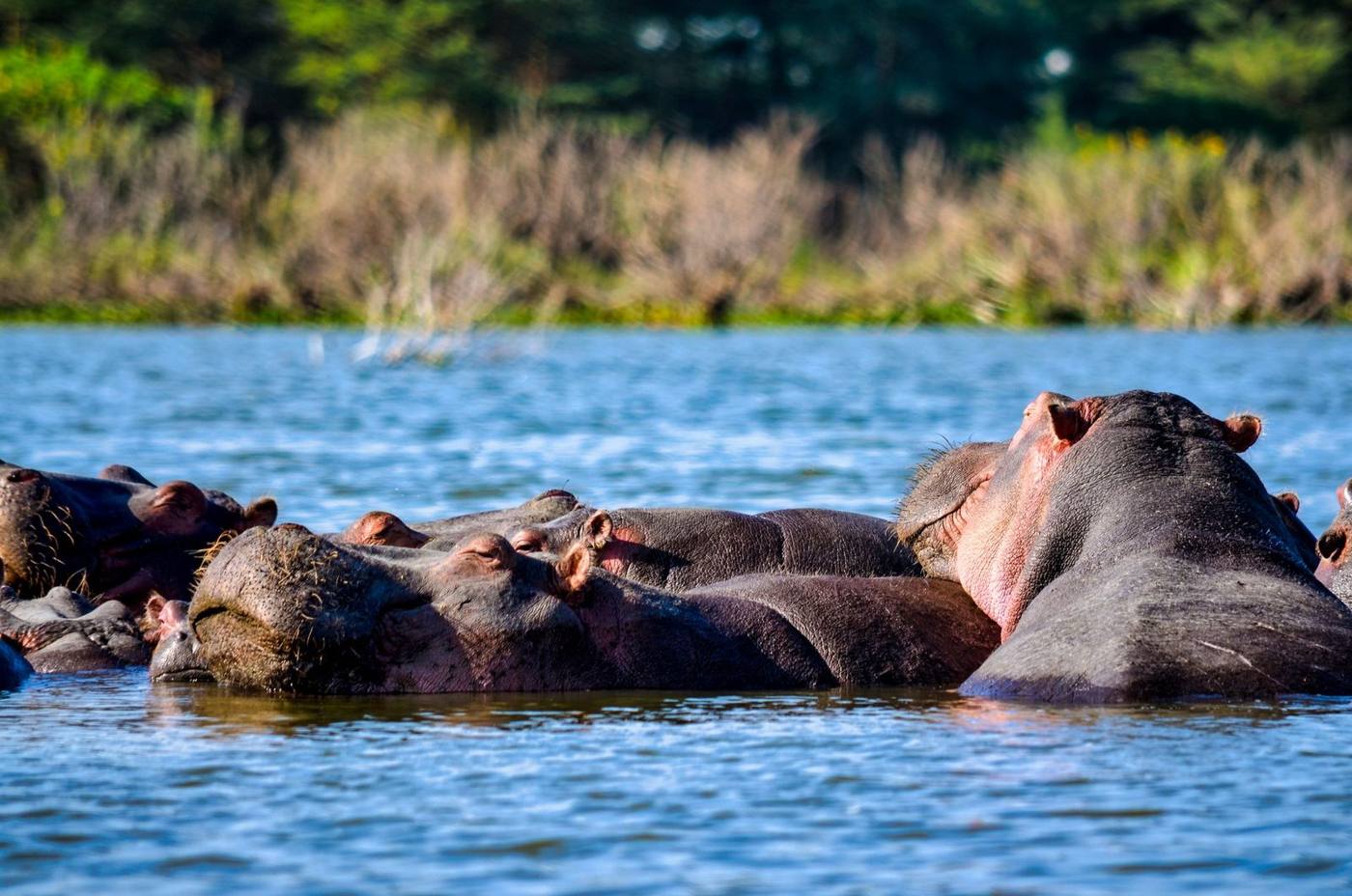
Vwaza Marsh
A little-known reserve in the north, with a lake where elephants and hippos come close to the camp and walks with rangers.
- Rumphi
- Vwaza Marsh
- Lake Kazuni
Day by day
- Day 1
From Rumphi to Lake Kazuni
This two-day trip takes you to Vwaza Marsh Wildlife Reserve, in northern Malawi, near the border with Zambia. It is a small, little-known safari around Lake Kazuni, where elephants and hippos come right up to the shore.
Before you go: Italian citizens need a visa, also for tourism, to apply for online on the official portal evisa.gov.mw or on arrival, paying in US dollars cash. Your passport must be valid for at least six months and have two blank pages. If you arrive from a country with risk of yellow fever, including a transit of more than 12 hours, you will be asked for the vaccination certificate. Other nationalities should check their own rules. The UK does not advise against any part of Malawi; Viaggiare Sicuri, however, reports fuel shortages: fill up in Mzuzu or Rumphi, because there are no fuel stations in the reserve. Ask your doctor about malaria prevention.
From Rumphi, a small town on the South Rukuru River, a dirt track leads in less than an hour to the reserve entrance. The landscape is made of miombo woodland, low hills and marshes. At the gate, register and pay the entry fee: check prices and times.
Settle into the camp on the shore of Lake Kazuni. In the afternoon, sit and watch the water: hippos snort a few metres away, herons fish among the reeds and, towards evening, groups of elephants come down to drink. At night you hear the animals moving around the tents.
Practical tip: after sunset do not walk alone in the camp, not even for a few metres, and always use a torch: elephants and hippos really do pass close to the tents.
- Day 2
On foot with the rangers and the return
Today you wake at dawn and set off on foot with a reserve ranger. Walking is the best way to get to know Vwaza: you learn to read tracks in the sand, to recognise elephant dung and to stop in silence when the ranger raises a hand. Always follow the ranger's instructions and stay in single file behind them.
Along the lake shore you see hippos returning to the water after a night of grazing, buffalo, impala, kudu and warthogs. Elephants are often close: the ranger chooses the right distance and keeps the wind in mind. The lake is also an excellent place for birds, with fish eagles, kingfishers and storks.
Mid-morning, return to camp for breakfast. Then take the track back to Rumphi and continue to your next stop. Many travellers combine Vwaza with the Nyika Plateau, a few hours away by road, or head down towards Mzuzu and Lake Malawi.
In two days you have had a simple, genuine safari: few visitors, basic facilities and animals you see without a queue of vehicles around you.
When to go: from July to November, in the dry season, the animals gather around Lake Kazuni and are easier to see. October and November are very hot. From December the rains make the tracks difficult.
Practical tip: for the walk, wear neutral colours such as beige, green or brown, and closed shoes; avoid white and bright colours, which animals notice from far away.
An inexpensive, authentic safari, to combine with Nyika. Very basic services. Elephants really pass close by: follow the camp rules.
Before you go
- Documents and visa
- Passport valid for at least six months from entry, with at least two blank pages. Italian citizens need a visa, also for tourism: apply online on the official portal evisa.gov.mw or on arrival, paying only in US dollars cash, ideally in small notes because change is often not given. A yellow fever vaccination certificate is required if you arrive from a country with risk of transmission, including after a transit of more than 12 hours. Foreign currency in cash must be declared on arrival, whatever the amount.
- Health and vaccines
- Malaria is present across the country, except at high altitude: ask your doctor about antimalarials. Lake Malawi and other fresh water carry bilharzia: talk to your doctor before swimming. Cholera cases are frequent in the rainy season, from November to April: drink only bottled water. Public health facilities are inadequate: you need insurance covering medical costs and repatriation. Emergencies: 990 or 997 police, 998 ambulance, 999 fire, but the numbers are unreliable.
- Money and payments
- Malawian kwacha. Change money only at banks or authorised bureaux: keep the receipts and your entry declaration. Foreigners pay hotels and lodges in foreign currency. ATMs are rare outside the towns: carry cash.
- Power sockets
- Type G, 230 volts: the same British plugs, no adapter needed from the UK.
- Time zone
- UTC+2 all year.
- Safety
- The United States asks travellers to exercise increased caution in Malawi, level 2, because of crime and demonstrations. The British government does not advise against any area, but reports thefts, assaults and kidnappings for ransom, foreigners included. Demonstrations are frequent in the towns and can block roads. Fuel shortages are frequent: fill up whenever you can and do not count on finding fuel along the way. Do not travel after dark. Official advice: GOV.UK.
Information checked in November 2026 for Italian and EU citizens. Rules change: always check before you travel.
Variations
In one day: arrive from Rumphi in the morning, take a walk with a ranger and leave before sunset.
In three days: add a second night on Lake Kazuni and a longer walk into the interior of the reserve.
Frequently asked questions
Is Vwaza Marsh suitable for a first safari?
Yes, if you accept very simple facilities. It is not a park with many vehicles and large lodges, but you see elephants and hippos up close, often from the camp itself.
Can I walk in the reserve without a guide?
No, always walk with a reserve ranger. Elephants, buffalo and hippos are dangerous and come very close.
How do I combine Vwaza with Nyika?
The two areas are close together in the north of the country and are both reached from Rumphi. Many people visit Vwaza before or after a few days on the Nyika Plateau.
Indicative itinerary written by World Atlas. Before booking, check timetables, seasonal openings, documents and safety.
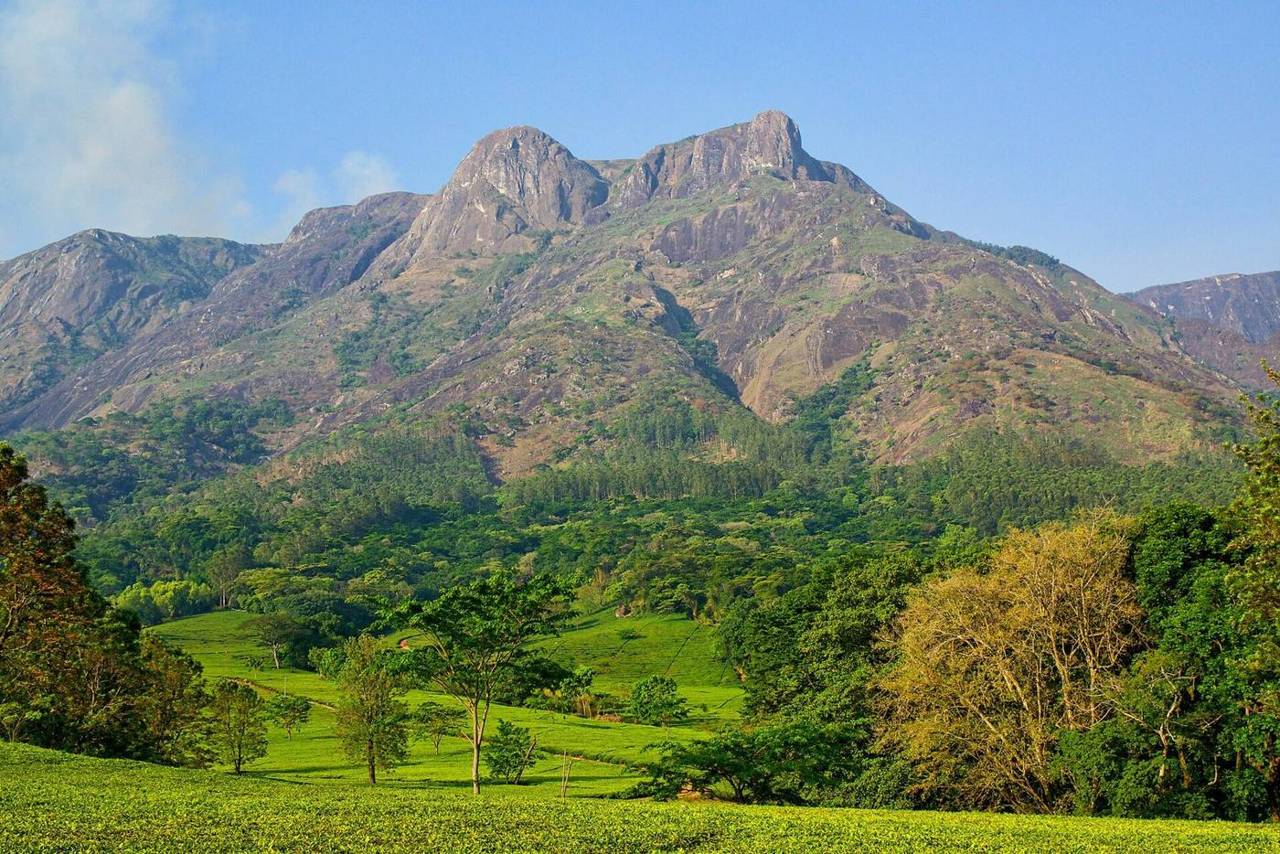 4 daysChallenging
Climbing Sapitwa
The highest summit in south-central Africa, 3,002 metres on the Mulanje massif, with nights in huts and forests of Mulanje cedar.
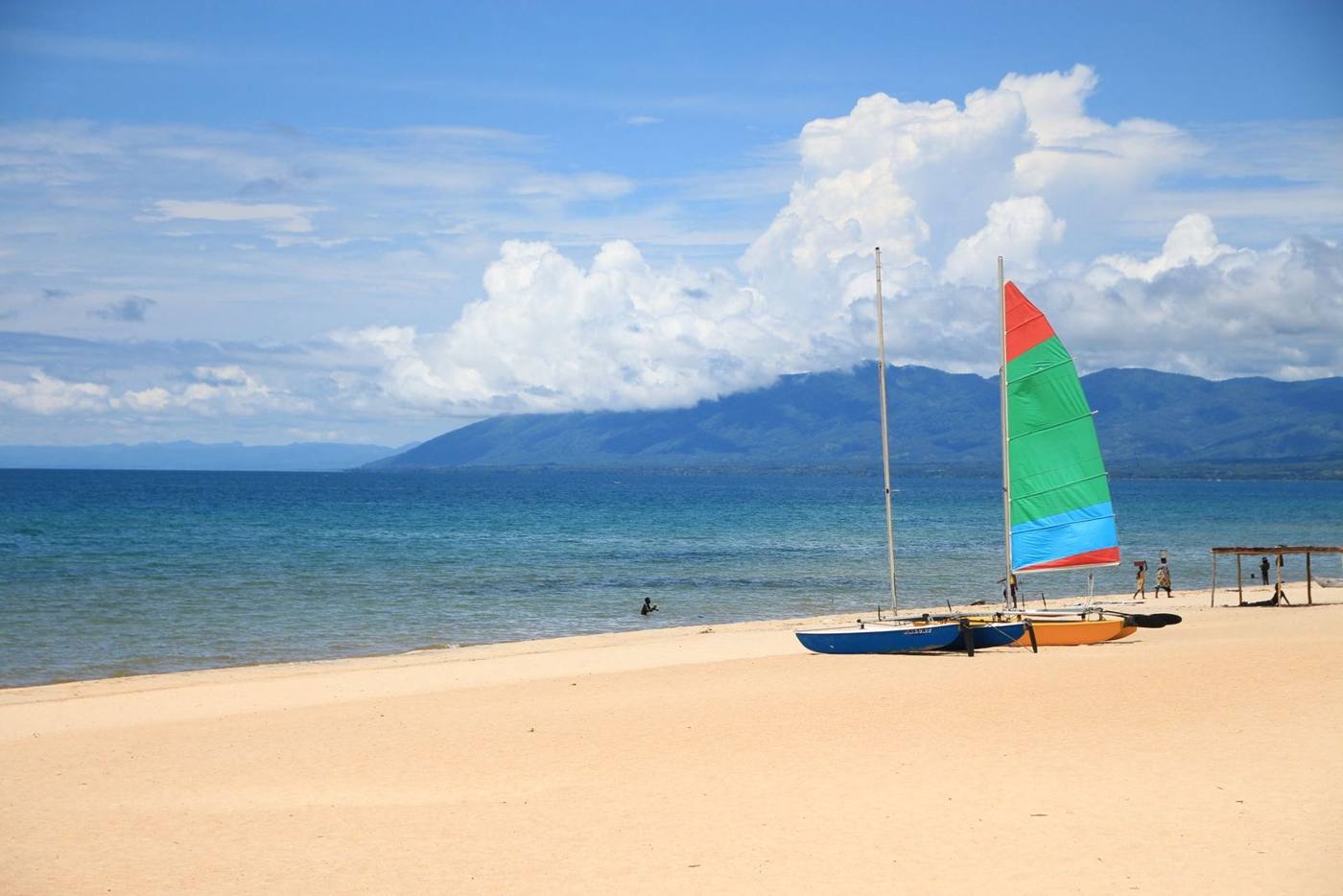 7 daysEasy
Lake Malawi
The 'calendar lake': Cape Maclear and its colourful cichlid fish in the UNESCO park, Likoma Island with its cathedral and the beach at Nkhata Bay.
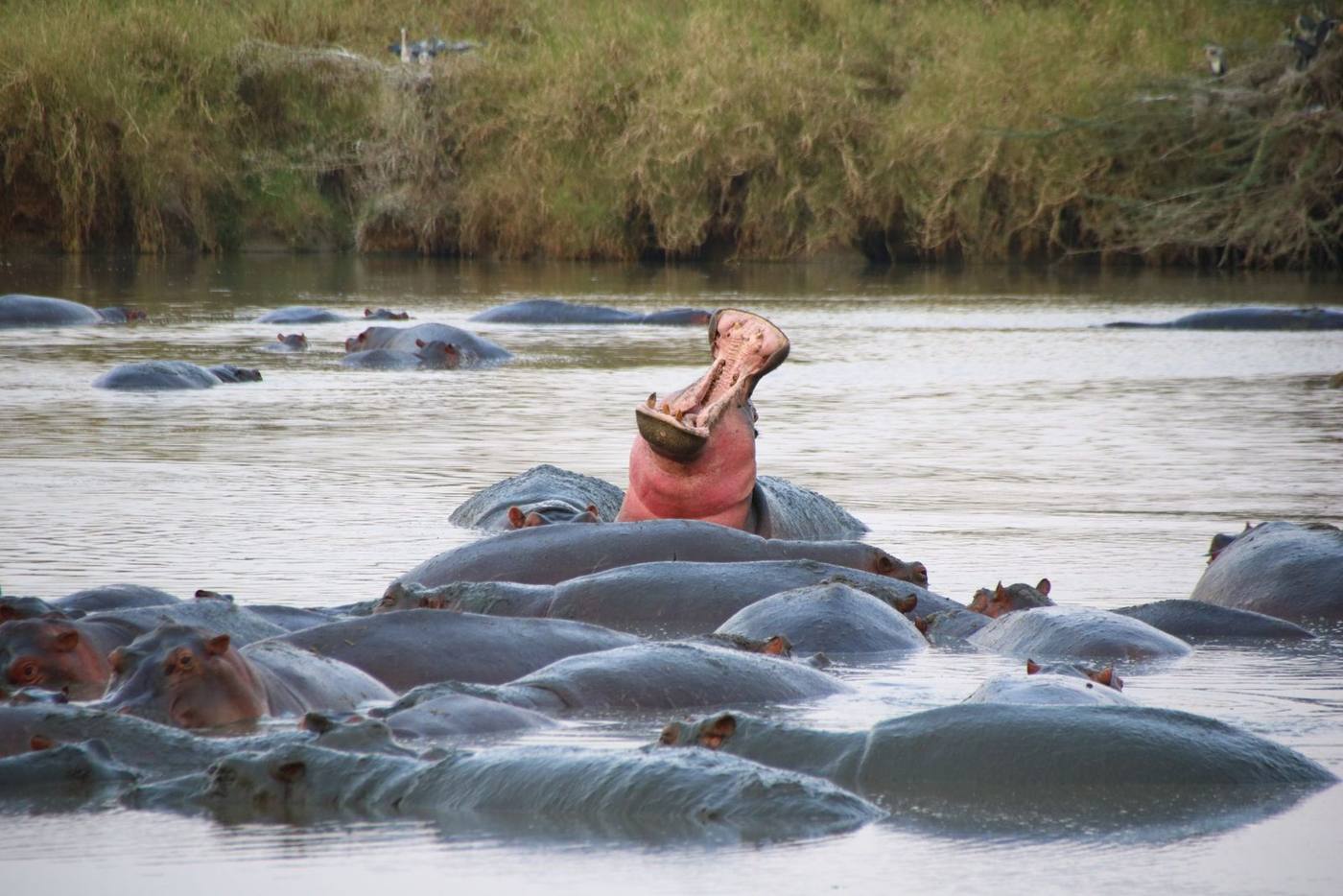 5 daysEasy
Liwonde and Majete
Two parks revived by African Parks: boat safaris on the Shire river in Liwonde among hippos and elephants, and Majete with the Big Five.