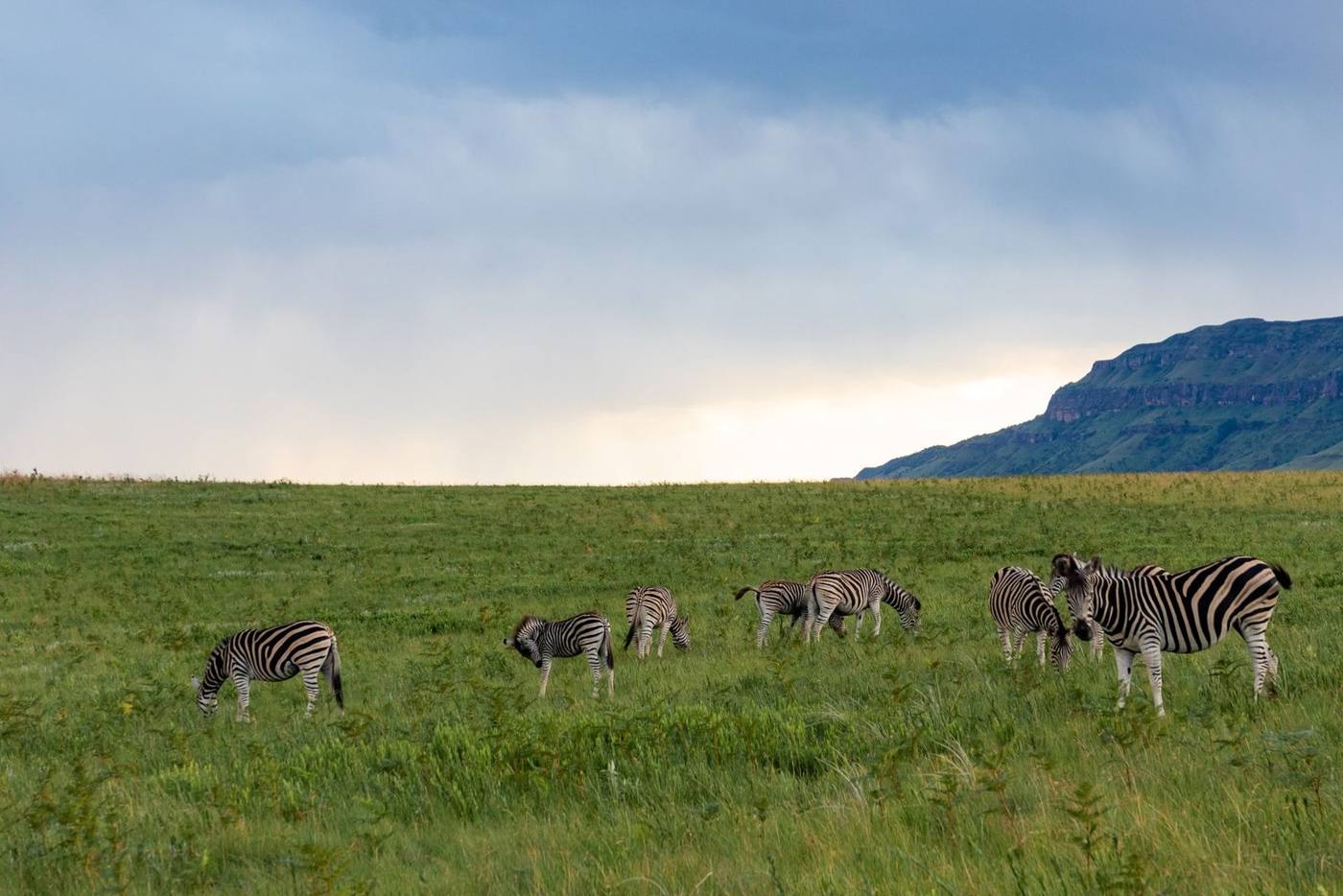
The Nyika Plateau
A grassland plateau at 2,500 metres, with zebras, roan antelope, wild orchids and one of central Africa's highest densities of leopards.
- Mzuzu
- Chelinda
- Nyika
Day by day
- Day 1
From Mzuzu to Chelinda, on the plateau
This four-day trip takes you to the Nyika Plateau, in northern Malawi: rolling grasslands above 2,000 metres, zebras and roan antelope, wild flowers and a strong population of leopards. It is the largest national park in the country, and it feels like a different Africa, cool and open.
Before you go: Italian citizens need a visa for Malawi, also for tourism, to apply for online on the official portal evisa.gov.mw or on arrival, paying only in US dollars cash. Your passport must be valid for at least six months and have two blank pages. The yellow fever certificate is required if you arrive from a country with risk of transmission, including after a transit of more than 12 hours. Other nationalities should check their own rules. The British government does not advise against any area, but fuel is often short: fill the tank in Mzuzu and, if you can, carry a spare jerrycan.
In the morning you leave Mzuzu and drive towards Rumphi. Soon after, the tarmac ends and a long dirt track begins, climbing through hills and villages to Thazima gate. Here you register and pay the entry fee: check prices and times. Then the track continues for hours across the plateau. The landscape opens up: golden grass, valleys with small woods, streams and a huge sky.
In the late afternoon you arrive at Chelinda, the main camp area, among pine trees and small lakes. The temperature drops quickly: light the fire and watch the zebras grazing nearby.
Practical tip: use a 4x4 with good tyres and a spare wheel, because the track to Chelinda is long, stony and far from any garage.
- Day 2
On foot across the Nyika grasslands
Today you explore the plateau on foot. Set off in the morning with a park guide, while the grass is still wet with dew and the animals are active. You walk over gentle, treeless hills where you can see far in every direction.
Nyika is one of the few places in Africa where you can walk calmly among the animals of the grasslands. You see zebras, hartebeest, eland, the largest antelope, and roan antelope, with their long ears and black and white faces. In the wetter valleys duikers hide and, sometimes, the leopard, which is more common here than in many other parts of the region.
If you travel in the rainy season, from November to April, the plateau is covered in flowers: wild orchids, lilies and small colourful plants that grow only here. In the dry season the grass is golden and the animals are easier to see.
In the afternoon, walk to a viewpoint on the edge of the plateau. On a clear day you see the hills dropping towards the valley and, far away, Lake Malawi.
In the evening, around the fire, it is genuinely cold: even in the dry season the temperature at night can fall close to freezing.
Practical tip: bring a fleece, a windproof jacket, a hat and light gloves, because the weather on the plateau changes quickly and the wind is cold.
- Day 3
Cycling on the plateau and a night drive
Today you change pace. If the camp offers bike hire, get on a mountain bike and ride the plateau tracks. It is a rare experience in Africa: you ride through the grasslands with zebras a few metres away, lifting their heads to watch you pass. The climbs are short but you feel the altitude: ride slowly and stop often.
Around midday, stop near one of the small lakes around Chelinda, where the water reflects the pines and the sky. Birds are everywhere: vultures soaring high, crowned cranes in the wetlands, eagles and small colourful birds among the flowers.
In the afternoon, rest at camp and get ready for the evening. If the park or the camp runs a night drive, join it: in the guide's spotlight you see the eyes of animals shining in the dark. It is the best time to look for leopards, but also hyenas, jackals, servals and other small night predators.
During the drive, stay seated in the vehicle, keep your hands inside and speak softly. The night cold is strong: wrap up well and bring a blanket.
Practical tip: before you set off on the bike, ask your guide which areas to avoid, and never approach buffalo, eland or other large animals, which can charge.
- Day 4
Back towards Mzuzu
Today you leave the plateau. Get up at dawn for a last look at the grasslands: in the low light the hills turn pink and gold, and you often see animals closer to camp. Have breakfast and leave early, because the track to Rumphi and Mzuzu is long.
On the way down the landscape changes again: from the cool grasslands you pass into woodland, then villages and fields of maize and cassava. Stop at a roadside market to buy fruit, groundnuts or roasted maize cobs. In the afternoon you reach Mzuzu, the largest town in the north, with fuel, cash machines and shops.
From here you can reach Vwaza Marsh Wildlife Reserve, very close by, or Lake Malawi at Nkhata Bay, for a few days of rest by the water.
In four days you have seen a Malawi different from the lake: a high, cool plateau, as open as the Scottish Highlands, with animals to see on foot and by bike, unique flowers and nights full of stars.
When to go: from November to April for the flowers, but with rain and difficult tracks; from May to October for the wildlife, with clear skies and very cold nights.
Practical tip: plan the return carefully and do not drive after sunset, because the track is dark, narrow and crossed by animals and people.
A different Africa, cool and open like the Scottish Highlands. Long dirt roads. Nights are cold: bring warm clothes.
Before you go
- Documents and visa
- Passport valid for at least six months from entry, with at least two blank pages. Italian citizens need a visa, also for tourism: apply online on the official portal evisa.gov.mw or on arrival, paying only in US dollars cash, ideally in small notes because change is often not given. A yellow fever vaccination certificate is required if you arrive from a country with risk of transmission, including after a transit of more than 12 hours. Foreign currency in cash must be declared on arrival, whatever the amount.
- Health and vaccines
- Malaria is present across the country, except at high altitude: ask your doctor about antimalarials. Lake Malawi and other fresh water carry bilharzia: talk to your doctor before swimming. Cholera cases are frequent in the rainy season, from November to April: drink only bottled water. Public health facilities are inadequate: you need insurance covering medical costs and repatriation. Emergencies: 990 or 997 police, 998 ambulance, 999 fire, but the numbers are unreliable.
- Money and payments
- Malawian kwacha. Change money only at banks or authorised bureaux: keep the receipts and your entry declaration. Foreigners pay hotels and lodges in foreign currency. ATMs are rare outside the towns: carry cash.
- Power sockets
- Type G, 230 volts: the same British plugs, no adapter needed from the UK.
- Time zone
- UTC+2 all year.
- Safety
- The United States asks travellers to exercise increased caution in Malawi, level 2, because of crime and demonstrations. The British government does not advise against any area, but reports thefts, assaults and kidnappings for ransom, foreigners included. Demonstrations are frequent in the towns and can block roads. Fuel shortages are frequent: fill up whenever you can and do not count on finding fuel along the way. Do not travel after dark. Official advice: GOV.UK.
Information checked in November 2026 for Italian and EU citizens. Rules change: always check before you travel.
Variations
In three days: a single full day at Chelinda, with a walk in the morning and a night drive in the evening.
In six days: add two days in nearby Vwaza Marsh Wildlife Reserve, for a safari among elephants and hippos.
Frequently asked questions
Is it cold on the Nyika Plateau?
Yes, especially at night. Between June and August the temperature can drop close to freezing. Bring warm clothes, even if the rest of Malawi is hot.
Can I see leopards at Nyika?
It is possible, especially on night drives, but not guaranteed. Leopards are shy and move mainly in the dark.
Do I need a 4x4 to reach Chelinda?
Yes. The track is long and stony, and it becomes slippery in the rain. Bring a spare wheel and enough fuel.
Indicative itinerary written by World Atlas. Before booking, check timetables, seasonal openings, documents and safety.
 3 daysEasy
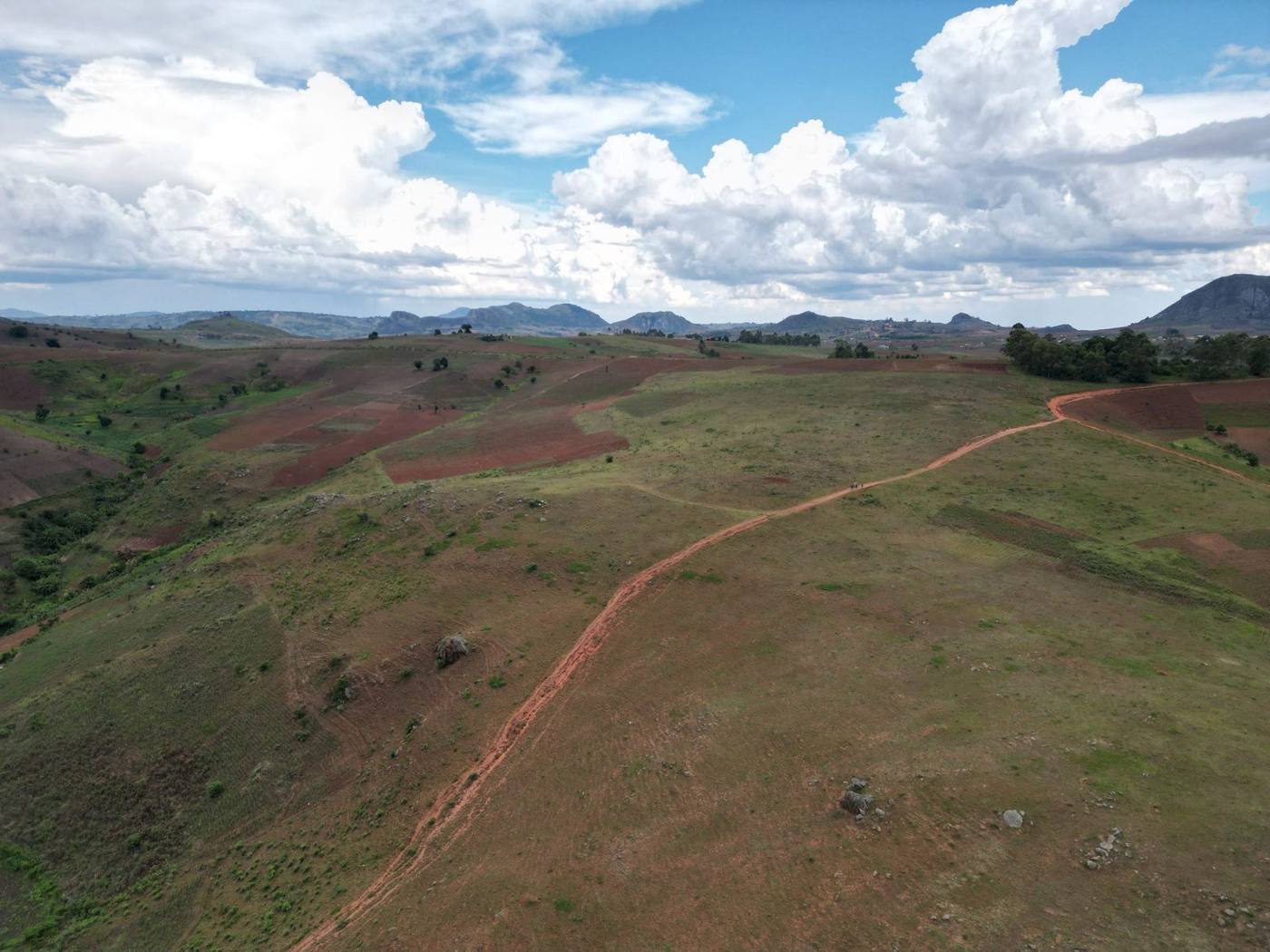
Livingstonia
The Scottish mission on the plateau above Lake Malawi, Manchewe falls and its cave, and the hairpin road with views over the lake.
 3 daysEasy
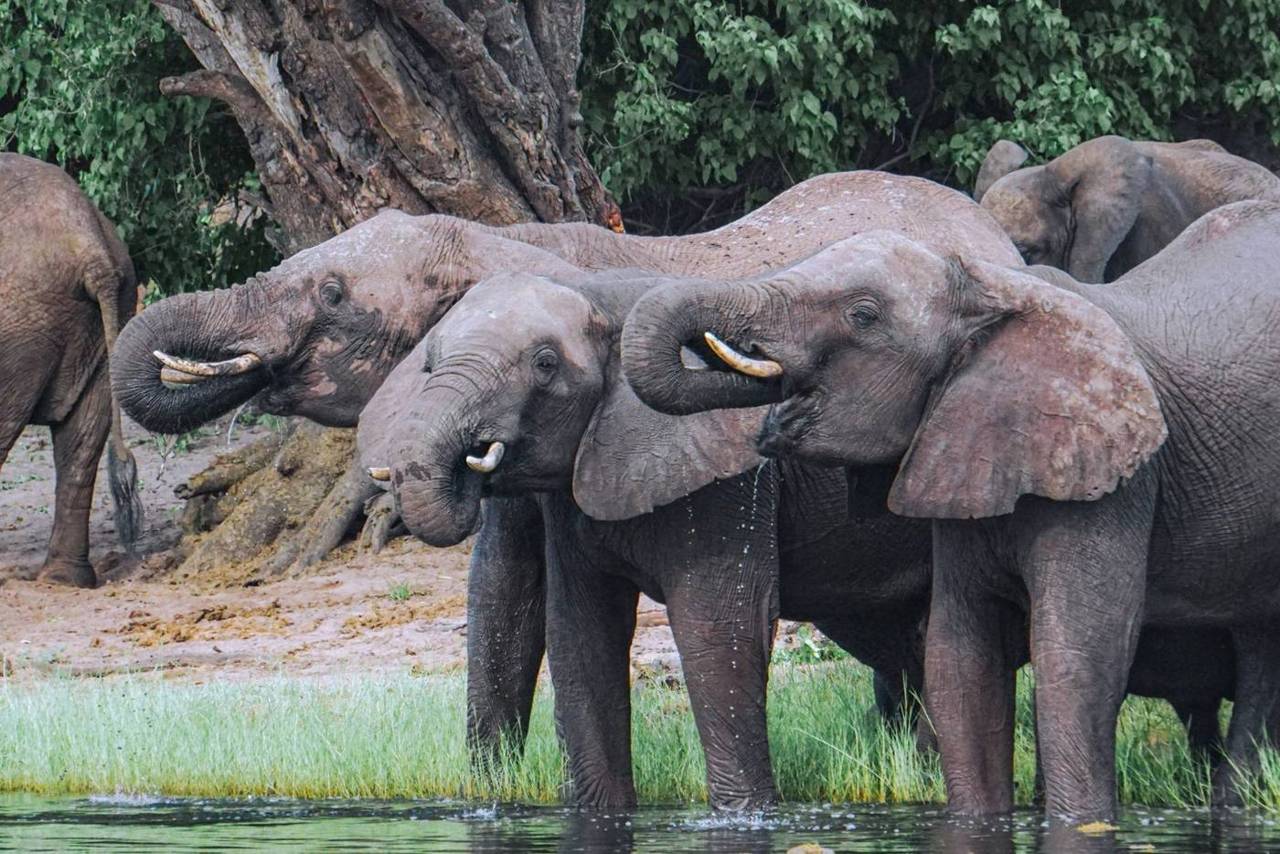
Nkhotakota
Malawi's oldest reserve, where African Parks moved hundreds of elephants, with boat safaris on the Bua river and miombo woodland.
 3 daysEasy
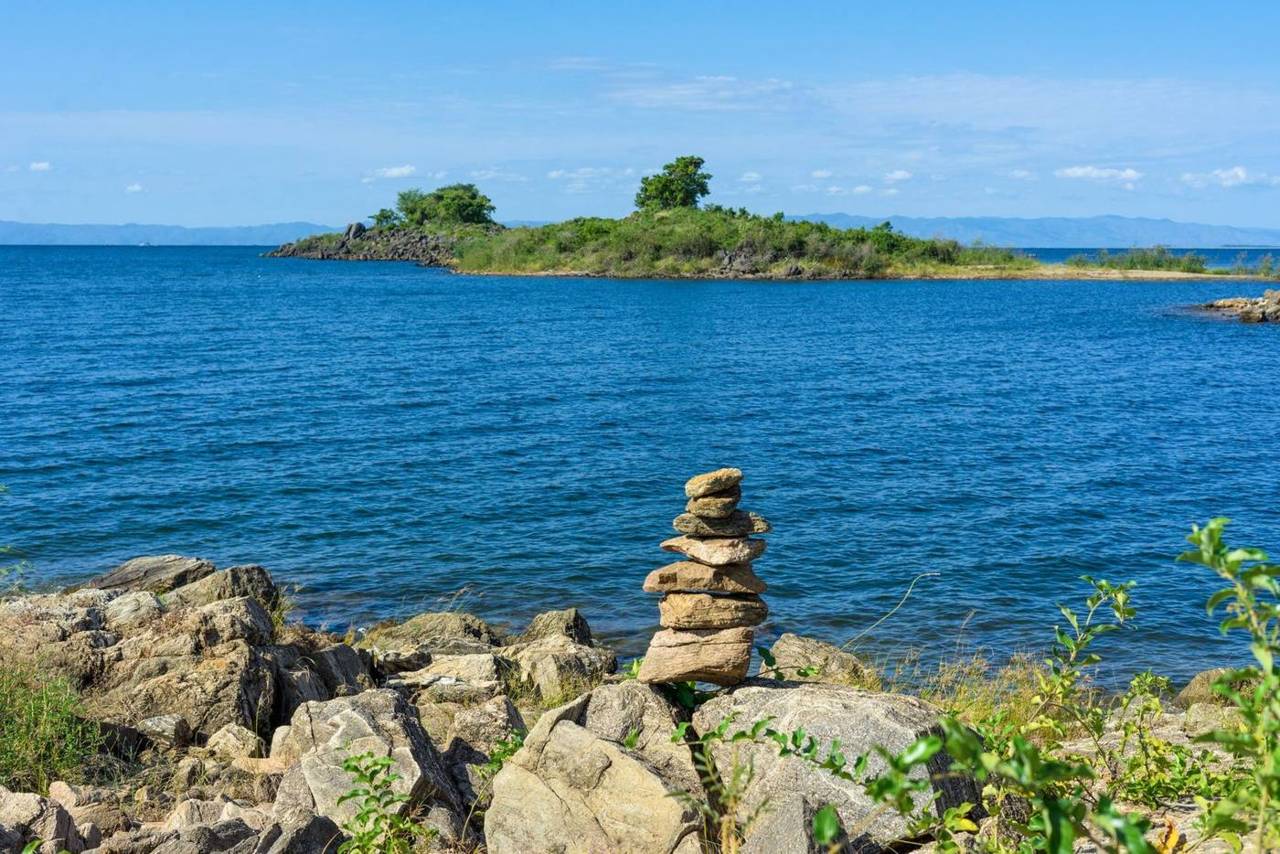
Mumbo Island
A small uninhabited island in Lake Malawi park, with tents on the rocks, snorkelling among cichlid fish and kayaking at sunset.