Liwonde and Majete
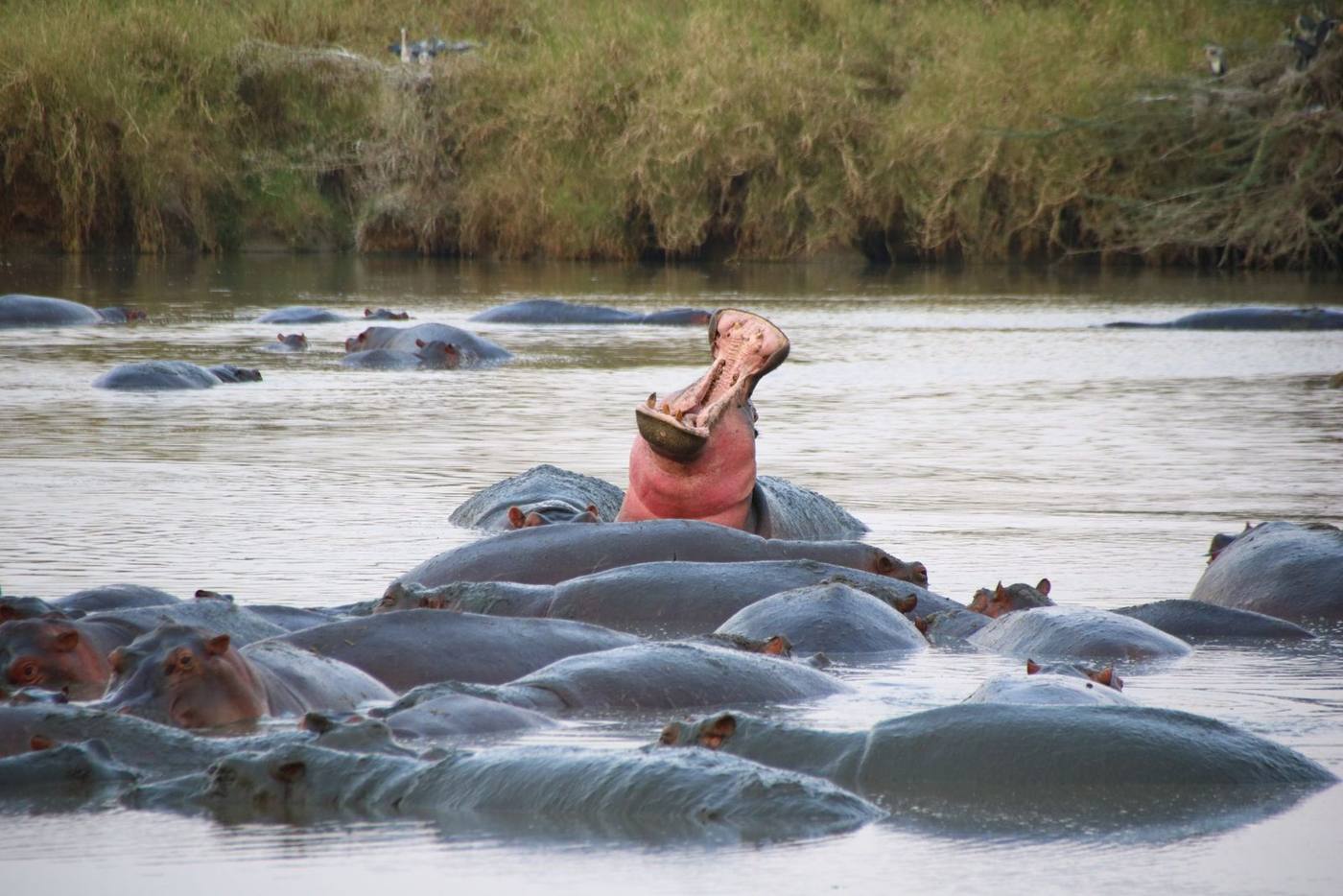
Two parks revived by African Parks: boat safaris on the Shire river in Liwonde among hippos and elephants, and Majete with the Big Five.
- Blantyre
- Majete
- Liwonde
- Shire River
Day by day
- Day 1
From Blantyre to Majete Wildlife Reserve
This five-day trip takes you to two protected areas in southern Malawi that have been reborn thanks to African Parks: Majete Wildlife Reserve, managed since 2003, where lions, elephants and black rhinos have been brought back, and Liwonde National Park, on the Shire River, managed since 2015.
Before you go: Italian citizens need a visa for Malawi, also for tourism. Apply online on the official portal evisa.gov.mw or on arrival, in cash and only in US dollars. Your passport must be valid for at least six months and have two blank pages. The yellow fever certificate is required if you arrive from a country with risk of transmission, including after a transit of more than 12 hours. Other nationalities should check their own rules. The British government does not advise against any area, but reports break-ins in Blantyre and Limbe and frequent fuel shortages; Viaggiare Sicuri advises avoiding driving after sunset. The Shire valleys are hot and a malaria area: ask your doctor about prevention.
In the morning you leave Blantyre and drop down from the highlands into the Shire valley. The road loses height quickly, the heat rises and the landscape becomes dry, with baobabs and bushes. In a few hours you reach the entrance to Majete. Register and pay the entry fee: check prices and times on the official African Parks website.
In the afternoon, take your first drive in the reserve with a guide. You see impala, kudu, warthogs and perhaps your first elephants among the trees. At sunset the light turns orange over the hills.
Practical tip: fill up in Blantyre and carry extra water, because the Shire valley is very hot and fuel stations are few.
- Day 2
Safari in Majete
Today you spend the whole day in Majete. Go out at dawn with your guide, when the animals are most active and the air is still cool. The reserve covers about 700 square kilometres of hills, miombo and mopane woodland, and river valleys.
At the start of the 2000s very few animals were left here. Through the work of African Parks and the government, elephants, black rhinos, lions and many other species have been brought back, and today Majete is one of the few places in Malawi where you can see the Big Five. The animals, however, are shyer than in the large parks of neighbouring countries: you need patience and silence.
Look for tracks on the roads, listen for the alarm calls of the monkeys and watch the waterholes. With a bit of luck you see a black rhino hidden among the bushes, a herd of buffalo or lions resting in the shade. You also see zebras, hartebeest and sable antelope.
Mid-morning, return to camp and rest in the hot hours. In the afternoon, take a second drive, perhaps towards the rapids of the Shire River, such as the Kapichira Falls, where the water rushes between the rocks.
Practical tip: on drives, wear neutral colours and bring a hat and a light scarf, because the tracks are dusty and the sun is strong.
- Day 3
On to Liwonde and the Shire River
Today you leave Majete and head back north. The road passes through Blantyre again, then continues towards Zomba and the plain of the upper Shire. The journey takes most of the morning: leave early and refuel whenever you find fuel.
In the early afternoon you reach Liwonde National Park. Register at the gate and pay the entry fee: check prices and times. The park stretches along the eastern bank of the Shire River, which flows out of Lake Malawi and runs south. Here the river is wide and slow, surrounded by marshes, reed beds and palms.
In the late afternoon, get on a boat with a guide for your first river safari. It is the finest way to see Liwonde: you glide slowly past dozens of hippos snorting and diving, crocodiles lying still on the banks and groups of elephants coming down to drink and bathe. Birds are everywhere: fish eagles, kingfishers, storks, herons and bee-eaters.
At sunset the sun reflects on the water and the river turns golden. In the evening, at camp, you hear the hippos calling all night.
Practical tip: on the boat, always keep your hands and feet inside and do not lean out to take photos, because crocodiles and hippos are very close.
- Day 4
Game drives and boat trips in Liwonde
Today you explore Liwonde by land and by water. At dawn, set off with your guide on a game drive into the interior of the park, through mopane woodland, grassland and huge baobabs. The plains along the river attract waterbuck, impala, kudu and warthogs.
Liwonde is a park being reborn: between 2016 and 2022 cheetahs, lions, black rhinos and wild dogs were brought back, and today predators live here again. Seeing them is not guaranteed, because they are still few and shy, but your guide knows the right areas and reads the tracks in the sand. Elephants are numerous and often very close.
In the hot hours, rest at camp in the shade. In the afternoon, take a second boat trip on the Shire, on a different stretch from the day before. If the camp offers it, you can also take a short walk with an armed ranger, to look at small animals, insects and plants you would not see from the vehicle.
Always follow the park rules: do not get out of the vehicle except where allowed, do not make noise and do not approach the animals.
In the evening, around the fire, ask your guide to tell you how the park has changed in recent years.
Practical tip: use insect repellent at sunset and in the evening, because there are many mosquitoes along the river.
- Day 5
The return
Today is the last day. Take a final outing at dawn, by boat or by vehicle, when the light on the river is soft and the animals are moving. Then have breakfast and pack your bags.
From Liwonde you can return to Blantyre, a few hours by road, or continue north to Lake Malawi, at Mangochi or Cape Maclear, for a few days of rest. If you go to the lake, remember that the water carries bilharzia: talk to your doctor. Leave calmly and try to arrive before dark.
In five days you have seen two parks that tell a great conservation story: places where the animals had almost disappeared and where elephants, rhinos and predators have now returned. You have been on game drives and boat safaris, with few visitors and none of the crowds of the most famous parks of southern Africa. It is a quiet safari, less expensive than those of neighbouring countries, and it combines well with Lake Malawi.
When to go: from June to November, in the dry season, the grass is short and the animals gather near the river and the waterholes. October and November are very hot. From December the rains make some tracks difficult.
Practical tip: keep some notes in foreign currency for tips for the guides and camp staff, and hand them over at the end of your stay.
A quiet safari, cheaper than in neighbouring countries. Animals are shyer than elsewhere, but tourist numbers are minimal. It pairs well with Lake Malawi.
Before you go
- Documents and visa
- Passport valid for at least six months from entry, with at least two blank pages. Italian citizens need a visa, also for tourism: apply online on the official portal evisa.gov.mw or on arrival, paying only in US dollars cash, ideally in small notes because change is often not given. A yellow fever vaccination certificate is required if you arrive from a country with risk of transmission, including after a transit of more than 12 hours. Foreign currency in cash must be declared on arrival, whatever the amount.
- Health and vaccines
- Malaria is present across the country, except at high altitude: ask your doctor about antimalarials. Lake Malawi and other fresh water carry bilharzia: talk to your doctor before swimming. Cholera cases are frequent in the rainy season, from November to April: drink only bottled water. Public health facilities are inadequate: you need insurance covering medical costs and repatriation. Emergencies: 990 or 997 police, 998 ambulance, 999 fire, but the numbers are unreliable.
- Money and payments
- Malawian kwacha. Change money only at banks or authorised bureaux: keep the receipts and your entry declaration. Foreigners pay hotels and lodges in foreign currency. ATMs are rare outside the towns: carry cash.
- Power sockets
- Type G, 230 volts: the same British plugs, no adapter needed from the UK.
- Time zone
- UTC+2 all year.
- Safety
- The United States asks travellers to exercise increased caution in Malawi, level 2, because of crime and demonstrations. The British government does not advise against any area, but reports thefts, assaults and kidnappings for ransom, foreigners included. Demonstrations are frequent in the towns and can block roads. Fuel shortages are frequent: fill up whenever you can and do not count on finding fuel along the way. Do not travel after dark. Official advice: GOV.UK.
Information checked in November 2026 for Italian and EU citizens. Rules change: always check before you travel.
Variations
In three days: choose Liwonde only, with a boat safari on the Shire and a game drive, starting and ending in Blantyre.
In seven days: after Liwonde, add two days on Lake Malawi, at Cape Maclear, to rest after the safaris.
Frequently asked questions
Majete or Liwonde: which should I choose?
If you are short of time, Liwonde is more varied thanks to the boat safari on the Shire River. Majete is wilder and one of the few places in Malawi with all the Big Five. Together they complement each other well.
Who manages the two parks?
African Parks, together with Malawi's Department of National Parks and Wildlife: Majete since 2003, Liwonde since 2015. For rules and entry fees, check the official websites.
Will I see a lot of wildlife?
Yes, especially elephants, hippos and antelope. Predators are shyer and fewer than in the parks of neighbouring countries, but visitors are very few.
Indicative itinerary written by World Atlas. Before booking, check timetables, seasonal openings, documents and safety.
 5 daysModerate
Zomba Plateau and Mulanje
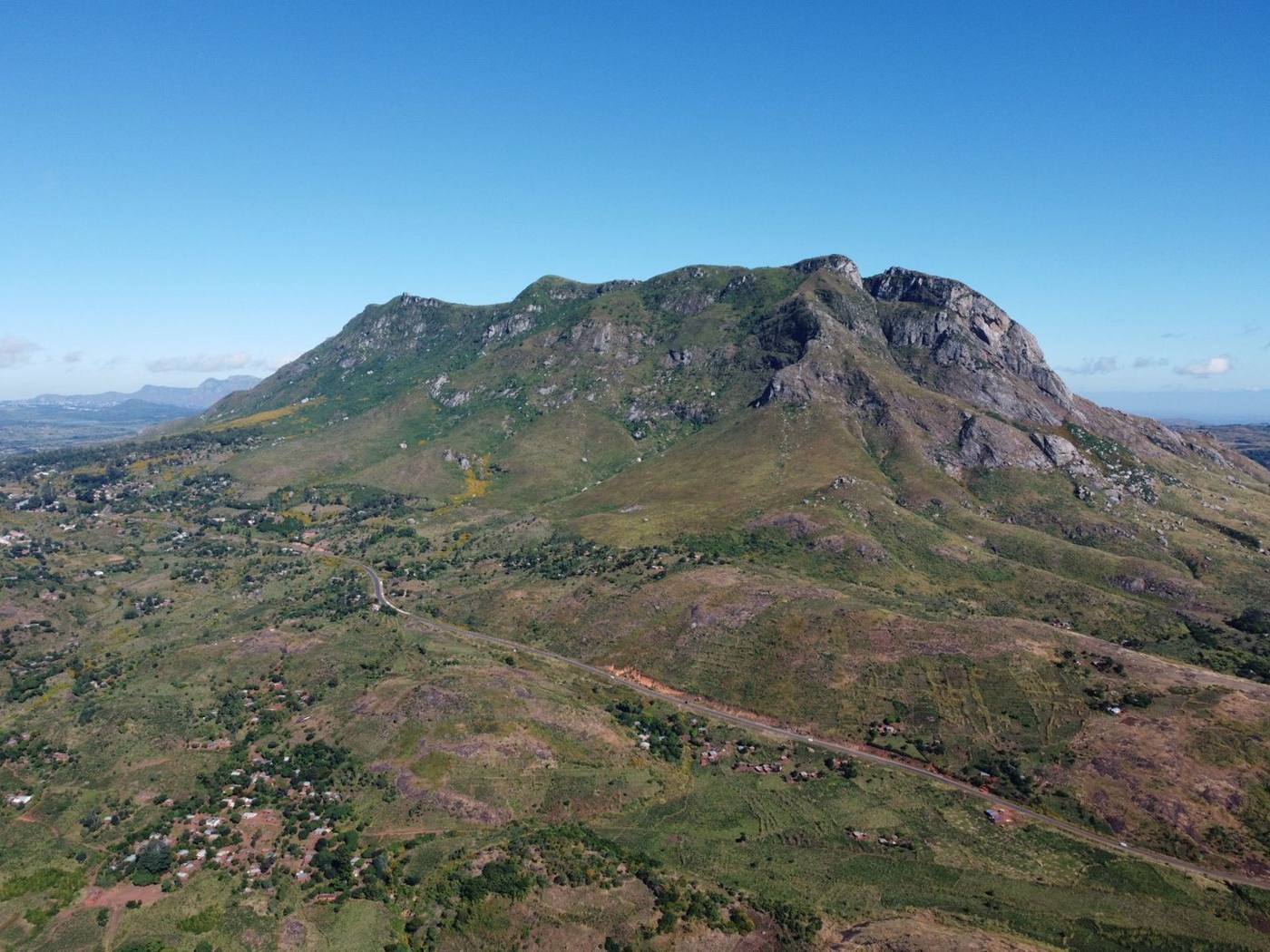
The trails and waterfalls of the Zomba Plateau, then the Mulanje massif with mountain huts and the Thyolo tea estates.
 4 daysModerate
The Nyika Plateau
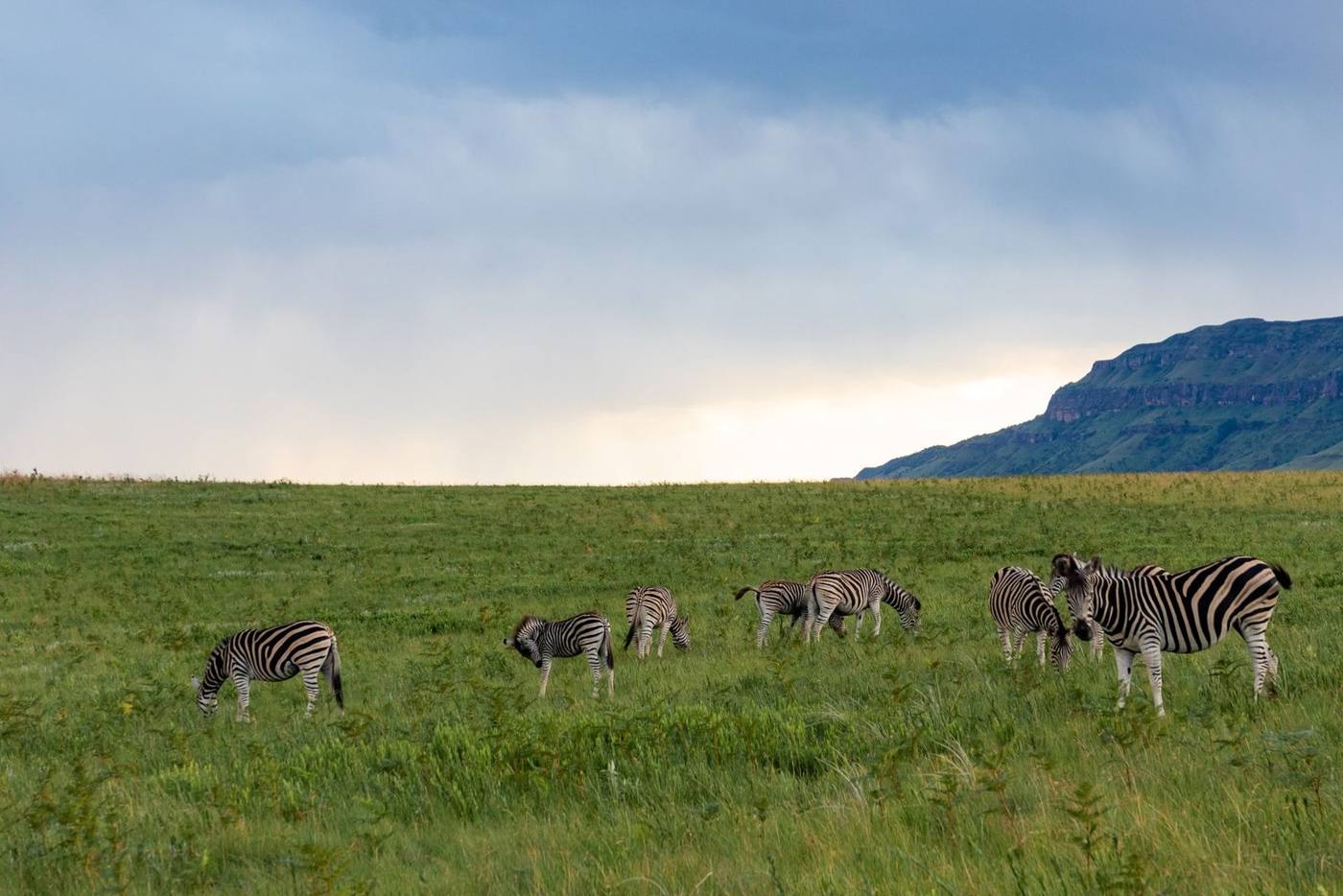
A grassland plateau at 2,500 metres, with zebras, roan antelope, wild orchids and one of central Africa's highest densities of leopards.
 3 daysEasy
Livingstonia
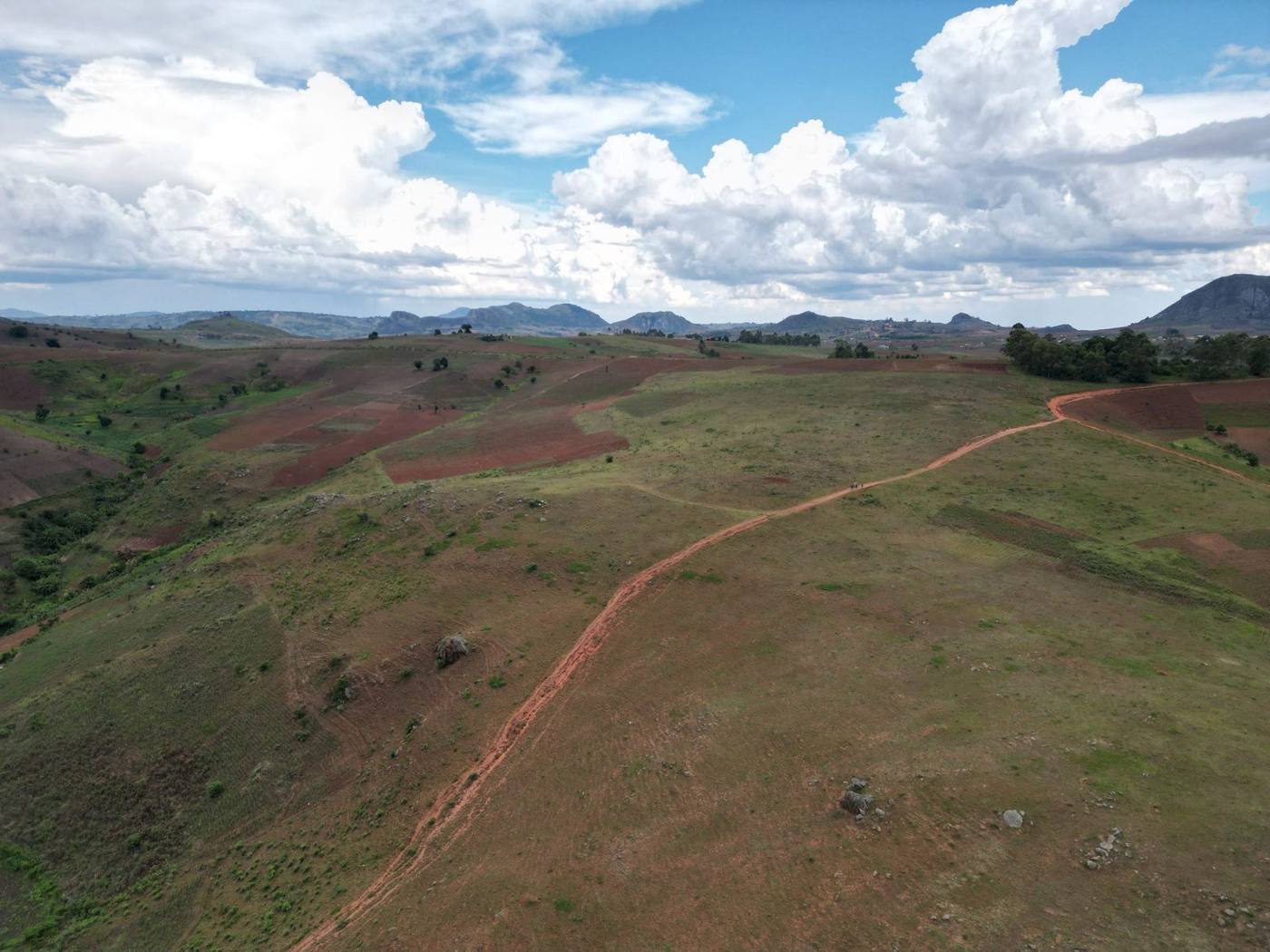
The Scottish mission on the plateau above Lake Malawi, Manchewe falls and its cave, and the hairpin road with views over the lake.