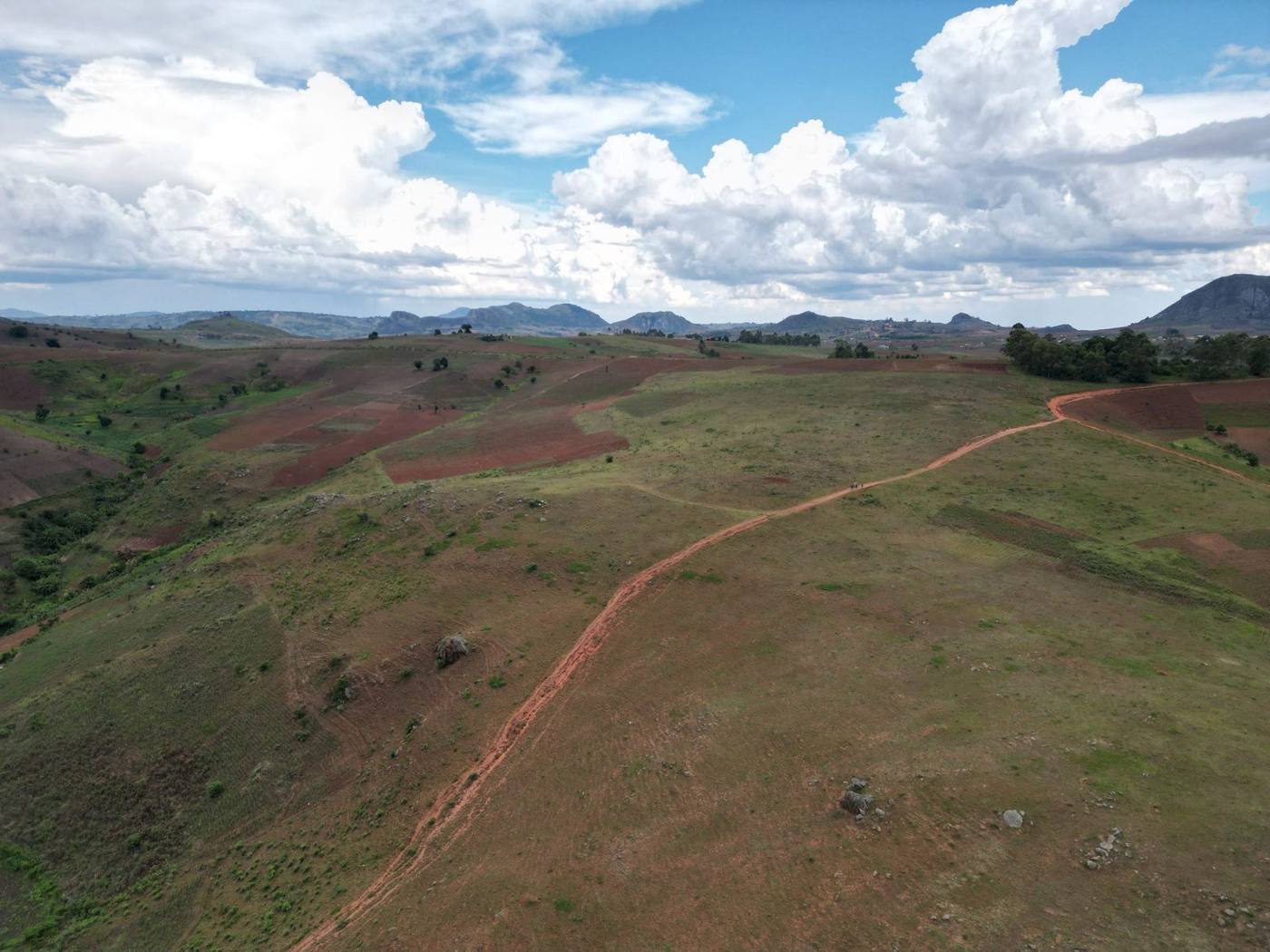
Livingstonia
The Scottish mission on the plateau above Lake Malawi, Manchewe falls and its cave, and the hairpin road with views over the lake.
- Chitimba
- Livingstonia
- Manchewe
Day by day
- Day 1
From Chitimba to the Livingstonia mission
This three-day trip takes you from Chitimba, on the northern shore of Lake Malawi, up to Livingstonia, the Scottish mission built on the plateau at the end of the nineteenth century. You climb a road full of hairpin bends, visit the mission and the Manchewe Falls, then return to the lake.
Before you go: Italian citizens need a visa to enter Malawi, also for tourism. You apply online on the official portal evisa.gov.mw or on arrival, paying only in US dollars cash. Your passport must be valid for at least six months and have two blank pages. The yellow fever certificate is required if you arrive from a country with risk of transmission, including after a transit of more than 12 hours. Other nationalities should check their own rules. The British government does not advise against any area, but reports frequent fuel shortages and dangerous roads at night: if you drive up, use a 4x4 with a full tank.
In the morning you leave the main road at Chitimba and start the climb. The dirt road is steep, narrow and full of bends: many people walk it in a few hours, others take a 4x4. At every hairpin the lake opens up below you, blue, with the mountains of Tanzania on the far shore.
In the afternoon you reach the plateau. The air is cooler and the vegetation changes: eucalyptus trees, cultivated fields and red-brick houses. Livingstonia is a quiet village built around the mission, with a church, a school and a hospital still in use.
Practical tip: if you walk up, leave at dawn and carry at least two litres of water each and a hat, because the first stretch is hot and has no shade.
- Day 2
The mission, the museum and the Manchewe Falls
Today you discover the history of Livingstonia. The mission takes its name from David Livingstone, the Scottish explorer, and grew out of the work of Scottish Presbyterian missionaries. The first settlement was at Cape Maclear, in the south of the lake, but because of malaria the missionaries moved several times, finally choosing this plateau at the end of the nineteenth century, under the leadership of Robert Laws.
Start at the Stone House, Laws's stone home, now a small museum with photographs, objects and documents from the mission: check prices and times. Then visit the brick church, with a stained-glass window that remembers Livingstone, and stroll among the historic buildings, the clock tower and the schools.
In the afternoon, walk to the Manchewe Falls, less than an hour from the village. The water drops more than a hundred metres into a green gorge, and you hear the roar from far away. With a local guide, go down to the cave behind the falls: according to local tradition, people hid there during raids in past centuries. The path is steep and slippery.
In the evening, watch the sunset from the edge of the plateau: the lake turns silver and the lights of the villages come on along the shore.
Practical tip: on the path to the falls, some young men offer to guide you; agree on the fee before you set off and wear shoes with a good grip.
- Day 3
Down to Lake Malawi
Today you head down to the lake. If you drove up, try to walk at least part of the way down: going downhill the road is less tiring and the view is always in front of you. Leave early, while the sun is still low and a light haze covers the lake.
On the hairpins you meet people climbing with sacks of rice, firewood or dried fish on their heads, and children walking to school. Stop to look at the small terraces of cassava and banana plants cut into the mountainside. Halfway down the vegetation becomes hot and dry again, with baobabs and bushes.
In Chitimba, rest on the beach and have lunch with lake fish and nsima. In the afternoon, continue north towards Karonga, or south towards Mzuzu and Nkhata Bay. Remember that the lake carries bilharzia: talk to your doctor before swimming.
In three days you have seen two worlds very close to each other: the warm lake and the cool plateau, village life and an important chapter in Malawi's history.
When to go: from May to October, in the dry season, the road is passable and the paths are dry. During the rains, from November to April, the drive up can become very difficult.
Practical tip: on the way down, use trekking poles if you have them, because the gravel on the hairpins is slippery and tiring for the knees.
A place full of history with beautiful views. The road is steep and unpaved: better on foot or by 4x4. Excellent eco-lodges.
Before you go
- Documents and visa
- Passport valid for at least six months from entry, with at least two blank pages. Italian citizens need a visa, also for tourism: apply online on the official portal evisa.gov.mw or on arrival, paying only in US dollars cash, ideally in small notes because change is often not given. A yellow fever vaccination certificate is required if you arrive from a country with risk of transmission, including after a transit of more than 12 hours. Foreign currency in cash must be declared on arrival, whatever the amount.
- Health and vaccines
- Malaria is present across the country, except at high altitude: ask your doctor about antimalarials. Lake Malawi and other fresh water carry bilharzia: talk to your doctor before swimming. Cholera cases are frequent in the rainy season, from November to April: drink only bottled water. Public health facilities are inadequate: you need insurance covering medical costs and repatriation. Emergencies: 990 or 997 police, 998 ambulance, 999 fire, but the numbers are unreliable.
- Money and payments
- Malawian kwacha. Change money only at banks or authorised bureaux: keep the receipts and your entry declaration. Foreigners pay hotels and lodges in foreign currency. ATMs are rare outside the towns: carry cash.
- Power sockets
- Type G, 230 volts: the same British plugs, no adapter needed from the UK.
- Time zone
- UTC+2 all year.
- Safety
- The United States asks travellers to exercise increased caution in Malawi, level 2, because of crime and demonstrations. The British government does not advise against any area, but reports thefts, assaults and kidnappings for ransom, foreigners included. Demonstrations are frequent in the towns and can block roads. Fuel shortages are frequent: fill up whenever you can and do not count on finding fuel along the way. Do not travel after dark. Official advice: GOV.UK.
Information checked in November 2026 for Italian and EU citizens. Rules change: always check before you travel.
Variations
In two days: climb from Chitimba in the morning, visit the mission and the falls in the afternoon and walk down the next day.
In four days: add a day of walks on the plateau, to the villages and viewpoints around Livingstonia.
Frequently asked questions
Can I drive up to Livingstonia in an ordinary car?
It is not advisable. The road is unpaved, steep and full of tight hairpins: you need a 4x4 with an experienced driver, or you walk up.
How long is the walk up?
Usually a few hours, depending on your pace and the heat. Leave at dawn and carry plenty of water.
Can I visit the cave behind the Manchewe Falls?
Yes, with a local guide. The path is steep and slippery, especially after rain: you need suitable shoes.
Indicative itinerary written by World Atlas. Before booking, check timetables, seasonal openings, documents and safety.
 3 daysEasy
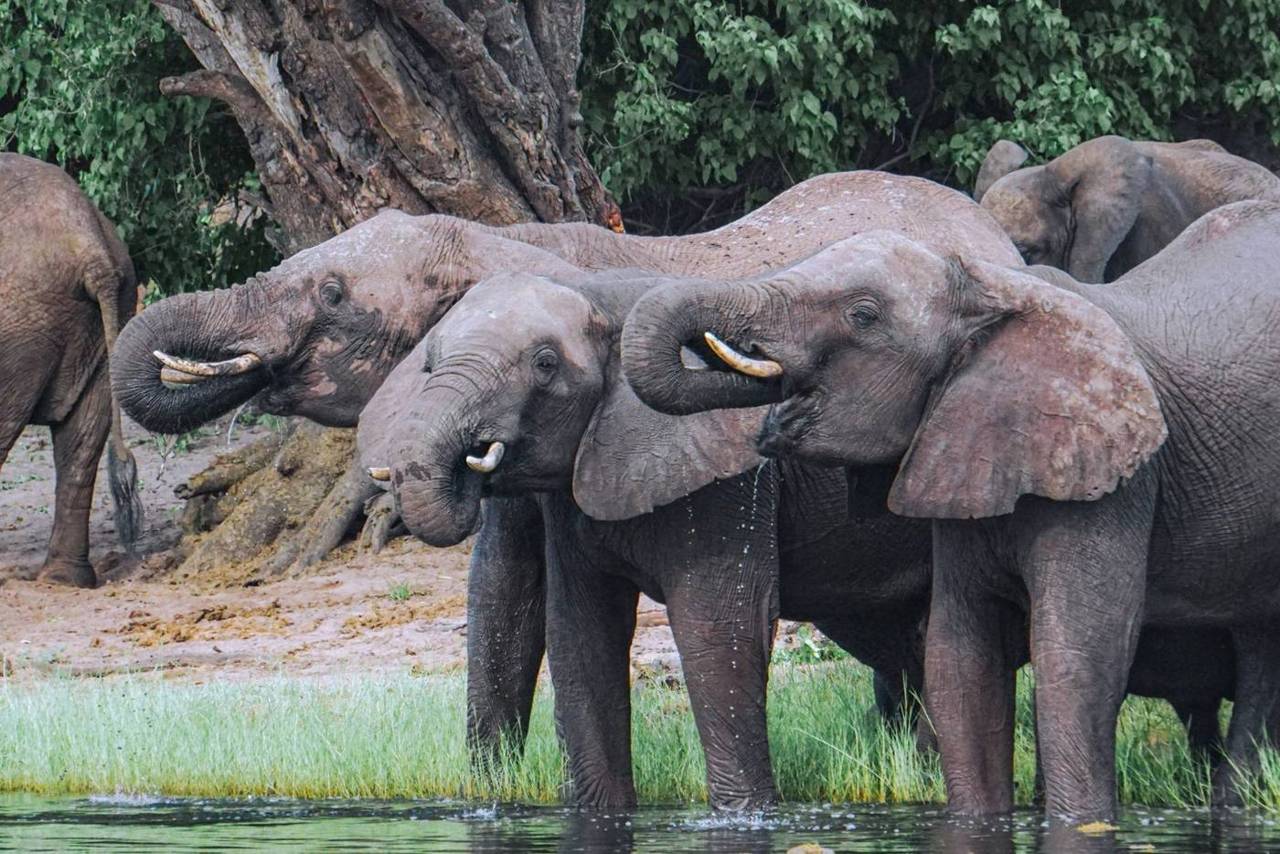
Nkhotakota
Malawi's oldest reserve, where African Parks moved hundreds of elephants, with boat safaris on the Bua river and miombo woodland.
 3 daysEasy
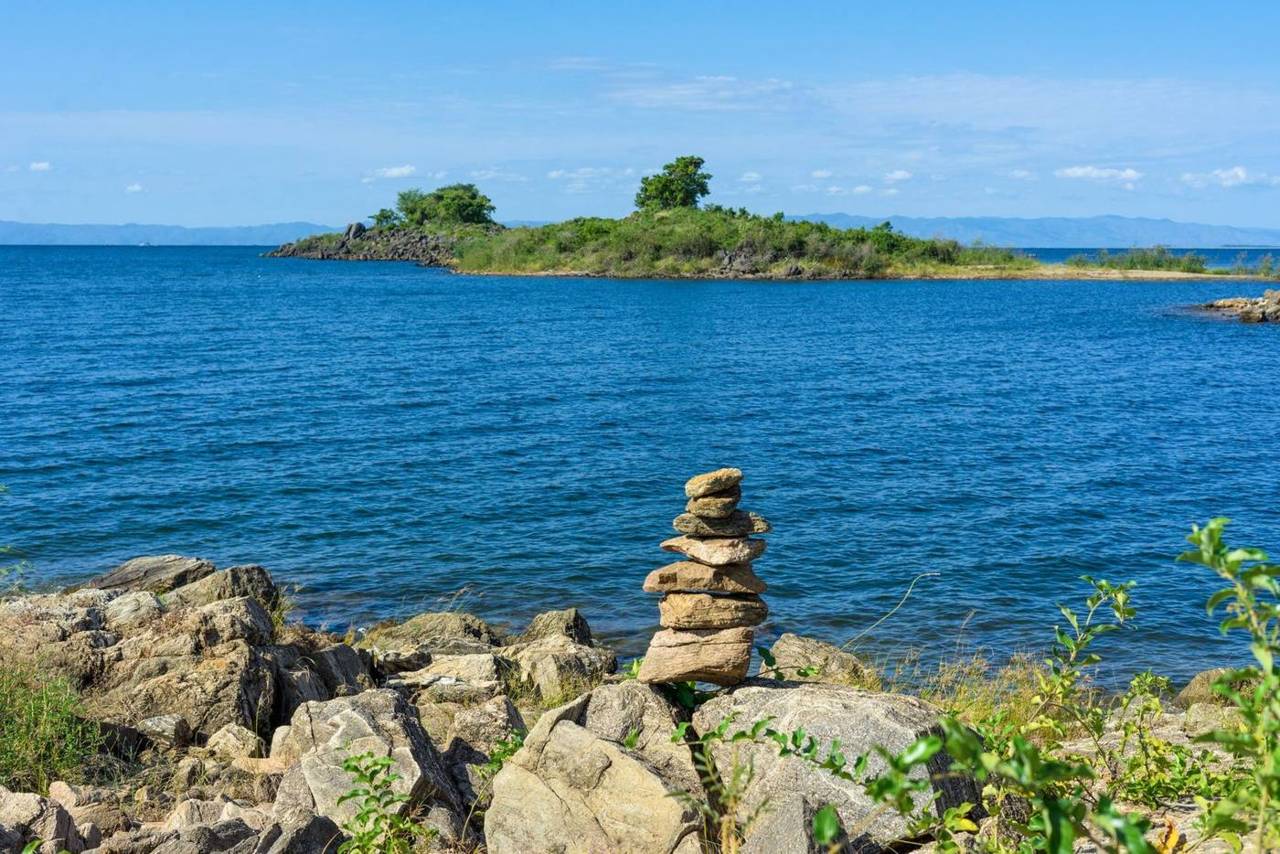
Mumbo Island
A small uninhabited island in Lake Malawi park, with tents on the rocks, snorkelling among cichlid fish and kayaking at sunset.
 2 daysEasy
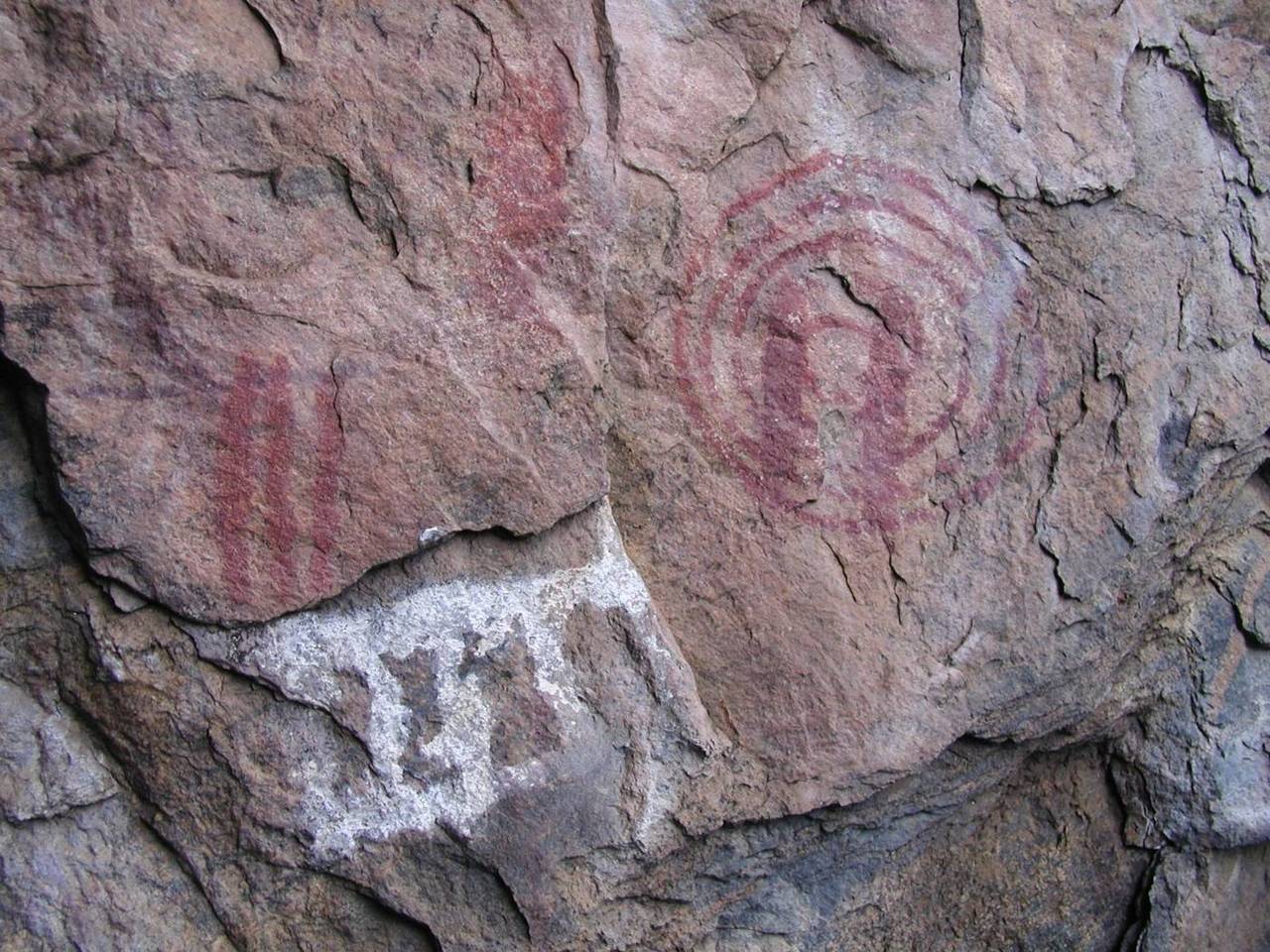
Dedza and the Chongoni rock art
The UNESCO rock paintings of Chongoni, also linked to Chewa rituals, Dedza pottery and the pine forests on the hills south of Lilongwe.