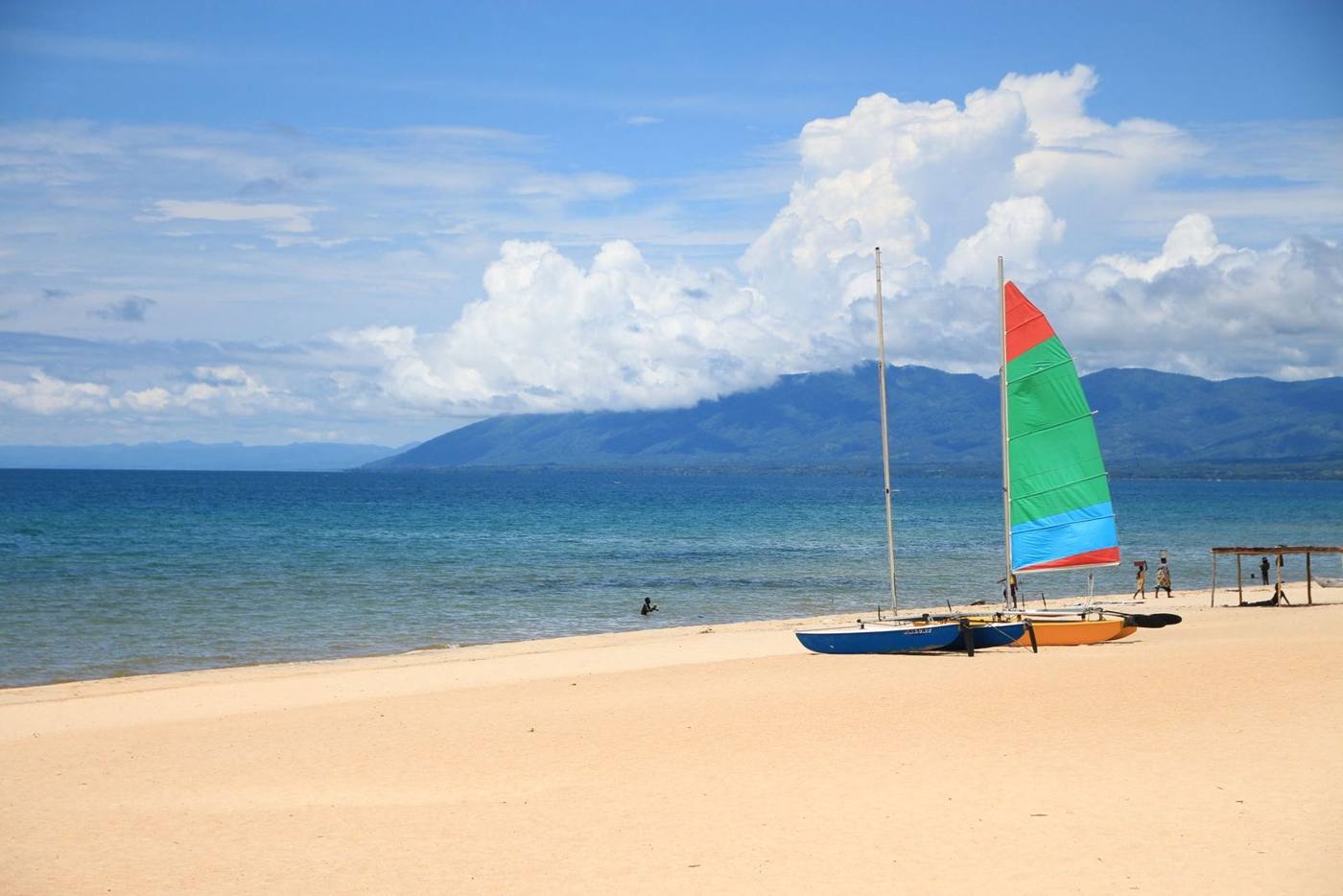
Lake Malawi
The 'calendar lake': Cape Maclear and its colourful cichlid fish in the UNESCO park, Likoma Island with its cathedral and the beach at Nkhata Bay.
- Lilongwe
- Cape Maclear
- Monkey Bay
- Likoma
- Nkhata Bay
Day by day
- Day 1
From Lilongwe to Cape Maclear
This seven-day trip takes you to Lake Malawi, the calendar lake, so clear that it looks like a sea. You start at Cape Maclear and the lake's national park, a UNESCO World Heritage Site, with its colourful fish; then you head north to Likoma Island, with its great cathedral, and finish at the bay of Nkhata Bay.
Before you go: Italian citizens enter Malawi with a visa, also for tourism. You apply online on the official portal evisa.gov.mw or on arrival, in cash and only in US dollars. Your passport must be valid for at least six months, with two blank pages. The yellow fever certificate is required if you arrive from a country with risk of transmission or transited there for more than 12 hours. Other nationalities should check their own rules. Viaggiare Sicuri points out that Lake Malawi carries bilharzia, a disease caused by a freshwater parasite: talk to your doctor before you go. It also reports frequent fuel shortages. The United States asks travellers to exercise increased caution, level 2, because of crime and demonstrations. Do not travel after dark and ask your doctor about antimalarials.
You arrive in Lilongwe, the capital, and with a booked driver set off south-east. The road drops from the plateau through villages, maize fields and granite hills, down to the lake shore. It takes several hours: leave early.
In the late afternoon you reach Cape Maclear, a fishing village on a bay surrounded by wooded hills.
Practical tip: bring US dollars in small, recent notes for the visa and change kwacha only at banks or authorised bureaux.
- Day 2
Snorkelling among the cichlids
Today you discover the heart of Lake Malawi National Park. The park protects the tip of the Cape Maclear peninsula, the surrounding waters and several islands, home to hundreds of species of cichlids, small colourful fish found only here. Scientists study them to understand how new species arise.
In the morning, a local boat takes you to Otter Point, a headland of granite rocks a few minutes from the village. Put on a mask and snorkel and slip into the water from the rocks. Around you swim blue, yellow, orange and striped fish that come close without fear. Some keep their eggs and young in their mouths to protect them. Look into the cracks in the rocks too: each species has its own small territory.
Before you go into the water, remember the risk of bilharzia, which doctors link mainly to calm water near reed beds and villages. Swim in rocky, open areas and ask your doctor whether to have a test after you get home.
In the afternoon, walk through the village and up to the graves of the first Scottish missionaries, who arrived here in 1875 to found the Livingstonia mission, later moved further north. From here you see the whole bay.
In the evening, taste chambo, the lake's most famous fish, grilled with rice or nsima, the white maize porridge.
Practical tip: snorkel in a long-sleeved T-shirt, because the sun on the lake burns your back in a few minutes.
- Day 3
By kayak among the islands of the park
Today you explore the park from the water. Set off early by kayak with a guide, while the lake is calm, and paddle towards Thumbi West, a rocky, wooded island opposite Cape Maclear.
Along the island's shore the water is deep and transparent. Stop in the small bays to snorkel: here the cichlids are extremely numerous and the rocky bottom drops steeply into the blue. In the trees, watch the fish eagles, with their white heads, swooping down on the water to catch a fish. Large lizards, monitor lizards, also bask on the rocks.
Around midday your guide prepares lunch on a small beach on the island. Rest in the shade and watch the fishermen's canoes, carved from a single trunk, glide slowly by.
In the afternoon, when the wind starts to rise, head back to Cape Maclear. If you still have energy, take a short walk in the hills behind the village, on a path that climbs through rocks and trees to a viewpoint over the lake and the islands. Ask a village guide to go with you.
In the evening, prepare for tomorrow's departure: check the times of the ferry or the flight to Likoma, because they change often.
Practical tip: paddle early in the morning; in the afternoon the wind raises waves that make the crossing hard work even for fit paddlers.
- Day 4
On the way to Likoma
Today you leave Cape Maclear and head north to Likoma Island. There are two ways to get there.
The first is the lake's passenger ferry, an old steamer that for decades has sailed up the lake from Monkey Bay, a short distance from Cape Maclear, stopping at many villages along the coast. It is a slow and authentic experience: on deck travel families, traders with sacks of dried fish and flour, bicycles and chickens. At each stop, boats from the villages come alongside to load and unload goods and people. The journey to Likoma takes many hours, often a whole night. Timetables are irregular and the ferry often breaks down: always check the departure at Monkey Bay and have a backup plan.
The second way is a small flight from Lilongwe, faster and more expensive, which gets you to the island quickly. In this case you drive back to Lilongwe in the morning.
If you travel by ferry, choose a cabin or a place on the upper deck. Bring water, food, a jacket for the night and a torch, because facilities on board are basic. At sunset, look at the lake from the deck: it looks like an ocean, with the mountains of the coast fading into the dark.
Practical tip: keep your passport and money on you at all times, in a closed pocket, and keep your large bag tied up or close to you.
- Day 5
Likoma Island and the cathedral
Today you are on Likoma, a Malawian island in Mozambican waters, a short distance from the Mozambican coast. The island is quiet and has no traffic, with villages, giant baobabs, cassava fields and pale sand beaches.
In the morning, visit St Peter's Cathedral, the large Anglican church built by missionaries in the early twentieth century. It is huge for such a small island, with brick walls, coloured windows and a bell tower. Inside, look at the wood and stone decoration and, if it is open, climb the tower to see the whole island and the lake around it. Check the opening times and leave a donation.
Then walk the paths between the villages, in the shade of the baobabs. The islanders greet visitors warmly: reply with a smile and always ask before photographing people.
In the afternoon, go down to one of the island's beaches to swim and snorkel in the sandy, open areas, away from reed beds. The water around Likoma is among the clearest in the lake. If you have time, a local boat can also take you to nearby Chizumulu Island, smaller and even quieter.
At sunset, watch the sun go down behind the coast of Malawi, while the fishermen head out with their lamps for night fishing.
Practical tip: ATMs are rare on Likoma and fuel can run out; bring enough cash from the mainland.
- Day 6
Nkhata Bay
Today you leave Likoma and return to the mainland at Nkhata Bay, a bay on the northern shore of the lake. You get there by ferry or by boat, depending on the day's timetable: the crossing takes a few hours. Check the departure the day before and allow for delays.
Nkhata Bay is a town built on green hills that run down to the lake, with small coves, rocks and beaches. The market near the harbour is full of life: fresh and dried fish, tropical fruit, cassava, rice and stalls of colourful fabric.
In the afternoon, take a kayak and paddle along the rocky coast, between the bays. The water is deep and clear, excellent for snorkelling among the cichlids, some different from those in the south. Swim in rocky, open areas, away from reed-lined shores and the harbour.
If you prefer to walk, follow the path along the shore to Chikale beach, a small sandy cove a short distance from the town. Keep an eye on your belongings, especially in the evening.
At sunset, sit on a rock above the water and watch the lights of the fishing boats come on across the lake, one after another.
Practical tip: after sunset do not walk alone on the paths between the bays; move around in a group or with someone local.
- Day 7
Back to Lilongwe
Today is the day you return. The road from Nkhata Bay to Lilongwe is long, so leave very early. First climb to Mzuzu, the main town of the north, through hills covered with rubber plantations and woodland. Then take the main road south across the plateau, among villages, tobacco and maize fields and great granite rocks. It takes almost the whole day: fill up with fuel whenever you can, because it may run short, and arrive before dark.
If you prefer, from Mzuzu you can take a domestic flight to Lilongwe, when available: check times and days.
Once in Lilongwe, if you have time, take a walk through the old town market, which sells everything from fruit to tools, and get ready for your journey home.
In seven days you have seen Lake Malawi from south to north: the colourful fish of Cape Maclear, the slow journey on the ferry, the cathedral of Likoma among the baobabs and the green bays of Nkhata Bay, with some of the most welcoming people in Africa.
When to go: from May to October, in the dry season, the sky is clear and the water at its clearest. Between June and August the wind can make the lake choppy; September and October are hot and calm. From November to April it rains and the roads are harder.
Practical tip: leave a spare day before your international flight, because ferries, domestic flights and roads can cause delays.
A clear freshwater 'sea', with some of Africa's most welcoming people. The Ilala ferry has irregular timetables and often breaks down. Reedy areas carry a bilharzia risk: swim in open, sandy spots.
Before you go
- Documents and visa
- Passport valid for at least six months from entry, with at least two blank pages. Italian citizens need a visa, also for tourism: apply online on the official portal evisa.gov.mw or on arrival, paying only in US dollars cash, ideally in small notes because change is often not given. A yellow fever vaccination certificate is required if you arrive from a country with risk of transmission, including after a transit of more than 12 hours. Foreign currency in cash must be declared on arrival, whatever the amount.
- Health and vaccines
- Malaria is present across the country, except at high altitude: ask your doctor about antimalarials. Lake Malawi and other fresh water carry bilharzia: talk to your doctor before swimming. Cholera cases are frequent in the rainy season, from November to April: drink only bottled water. Public health facilities are inadequate: you need insurance covering medical costs and repatriation. Emergencies: 990 or 997 police, 998 ambulance, 999 fire, but the numbers are unreliable.
- Money and payments
- Malawian kwacha. Change money only at banks or authorised bureaux: keep the receipts and your entry declaration. Foreigners pay hotels and lodges in foreign currency. ATMs are rare outside the towns: carry cash.
- Power sockets
- Type G, 230 volts: the same British plugs, no adapter needed from the UK.
- Time zone
- UTC+2 all year.
- Safety
- The United States asks travellers to exercise increased caution in Malawi, level 2, because of crime and demonstrations. The British government does not advise against any area, but reports thefts, assaults and kidnappings for ransom, foreigners included. Demonstrations are frequent in the towns and can block roads. Fuel shortages are frequent: fill up whenever you can and do not count on finding fuel along the way. Do not travel after dark. Official advice: GOV.UK.
Information checked in November 2026 for Italian and EU citizens. Rules change: always check before you travel.
Variations
In five days: Cape Maclear and the national park, then a flight to Likoma and back, without Nkhata Bay.
In ten days: add the Nyika plateau or Livingstonia, in the north, after Nkhata Bay.
Frequently asked questions
Can I swim in Lake Malawi?
Many people do, but the lake carries bilharzia. Swim in rocky or sandy open areas, away from reed beds, and ask your doctor whether to have a test after you get home.
Is the lake ferry reliable?
No, timetables are irregular and the ferry often breaks down. Check the departure at Monkey Bay and keep a flight or a boat as a backup plan.
Do I need a visa for Malawi?
Yes. Italian citizens apply online at evisa.gov.mw or on arrival, paying only in US dollars cash.
Indicative itinerary written by World Atlas. Before booking, check timetables, seasonal openings, documents and safety.
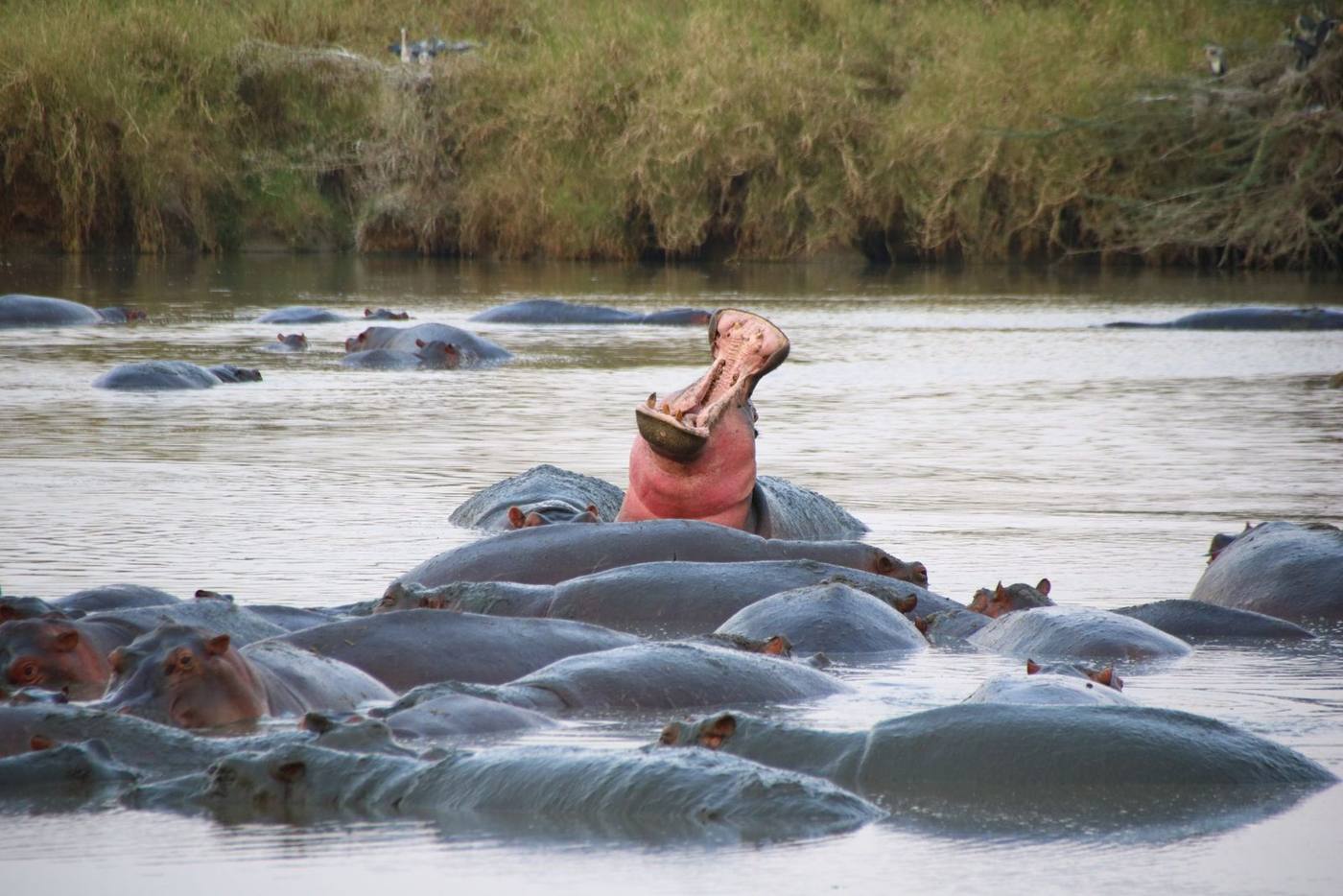 5 daysEasy
Liwonde and Majete
Two parks revived by African Parks: boat safaris on the Shire river in Liwonde among hippos and elephants, and Majete with the Big Five.
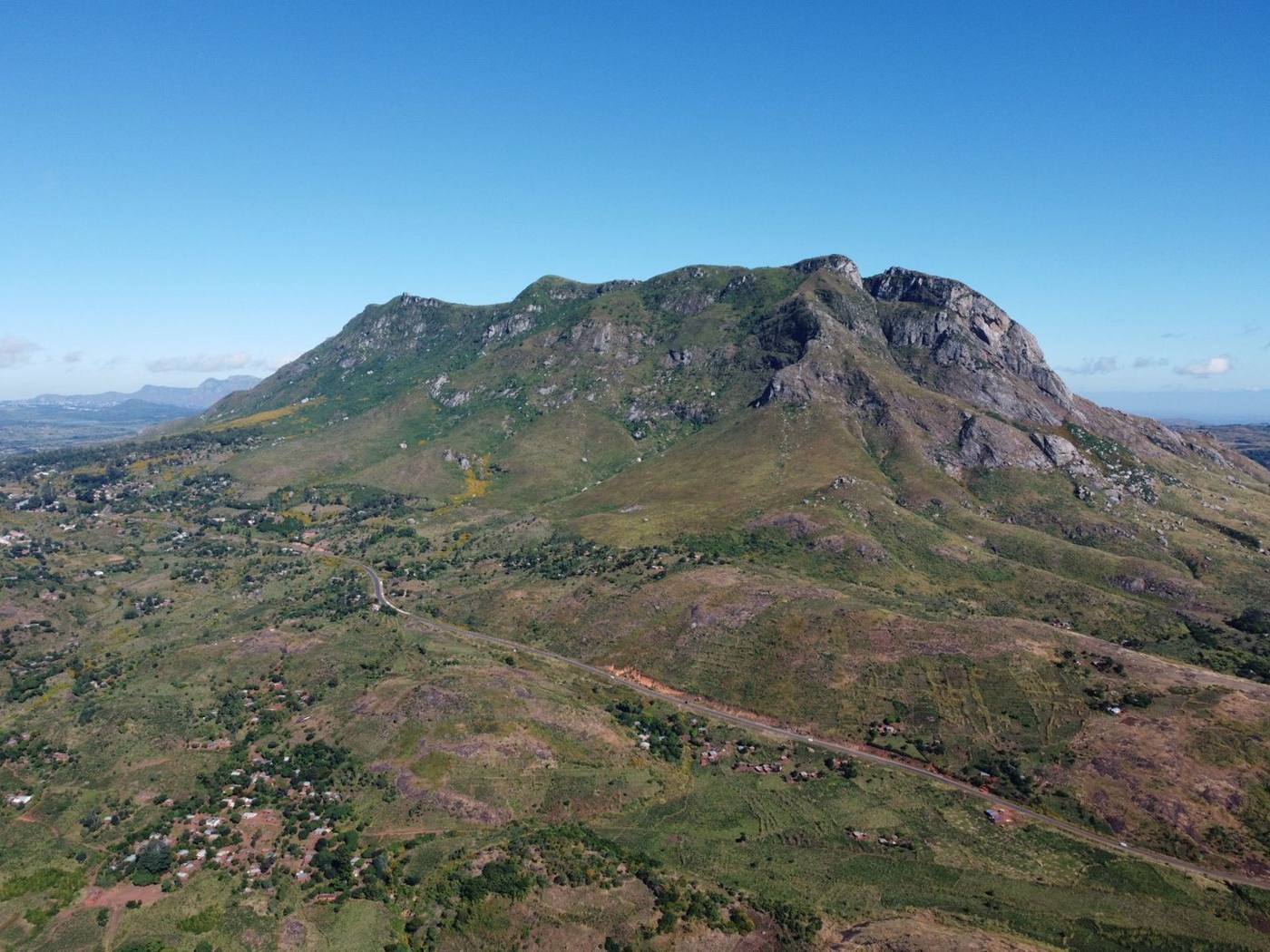 5 daysModerate
Zomba Plateau and Mulanje
The trails and waterfalls of the Zomba Plateau, then the Mulanje massif with mountain huts and the Thyolo tea estates.
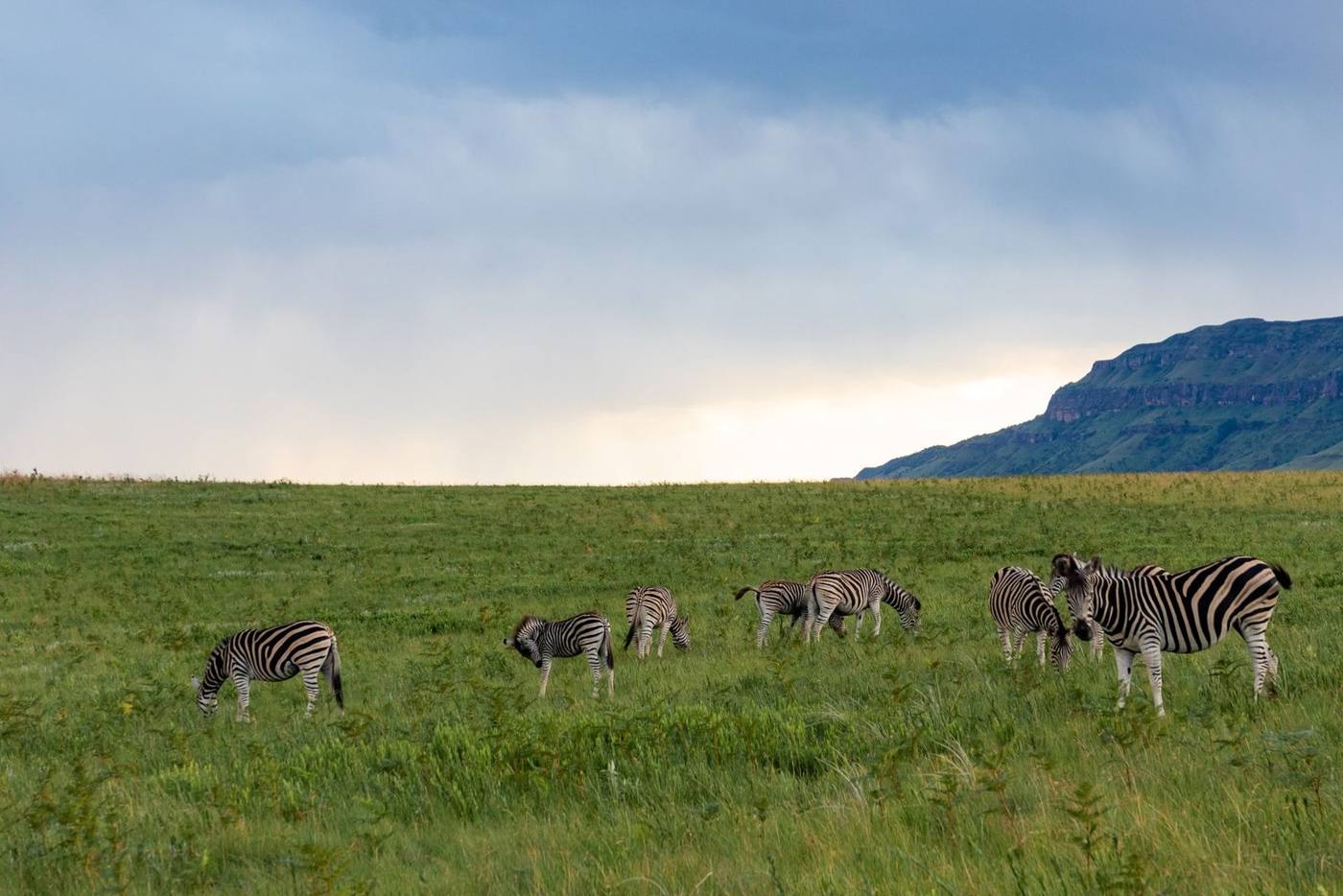 4 daysModerate
The Nyika Plateau
A grassland plateau at 2,500 metres, with zebras, roan antelope, wild orchids and one of central Africa's highest densities of leopards.